

Here is the pathway I took to Best in Miniatures, a Canadian reality TV competition where competitors build and fill out dollhouses with tiny things: Looking for something to fill the gap of The Great British Baking Show, I found The Great Pottery Showdown, a UK-based reality TV competition show in which people make ceramics. They compete each week in creating beautiful pottery of different sorts—toilets, even!—and demonstrating their wheel throwing skills. Then, after I watched all the seasons and needed to fill that gap, I found The Great Canadian Pottery Showdown. Similar premise, but Seth Rogen is involved. (He showed off a ceramic bong he made in one of the first episodes.) Pursuing Canadian TV shows once I finished that, I found Best in Miniatures.
Doesn't everyone love tiny things? I have a miniature shopping cart full of tiny things I've found here and there. There's a tiny shampoo bottle, a miniature jug of almond milk, and a tiny skateboard, and all the trinkets I've collected from gacha machines over the years. Roughly 10 years ago, I tried to cook an egg and a dutch baby in a tiny PlayerUnknown's Battlegrounds-branded frying pan that I had somehow acquired. (I wrote about it for a website, but I can't find any evidence of it online. Weird.) Inspired by The Great Pottery Showdown, I have also been watching videos of people throwing small vases on tiny pottery wheels. I contemplated getting a tiny pottery of my own, but decided to take normal-sized pottery lessons at a local studio.
I like reality TV competition shows in the background when I'm painting or doing some other craft; something even mildly interesting is nice to listen to. Best in Miniatures became that show for me, and I found it immediately attractive. In the first episode, the miniaturists are asked to build the dollhouse that they'll be decorating for the rest of the season. Each week, there's one mini challenge, where the contestants are tasked with making a themed miniature—like a childhood memory, or a scene using the color orange—and a big challenge to fill out one whole room of their dollhouse.
Everyone's free to do whatever they please in that room, save for a few guidelines. Scratch-making a bed, having a sewn fabric element, or putting food on the dining room table or in the kitchen shelves–that sort of thing. The contestants are both skilled and wildly creative. One woman made a haunted house terrorizing the inhabitants. Another made a renovated farmhouse where she and her hypothetical queer partner could nest together, and the next made a house that may as well have been straight from Cyberpunk 2077. There is so much detail and care in the tiniest of objects, and it’s a way to get to know the largely charming miniature artists who are from Canada and beyond.
There’s something so special about the ability to dedicate your life to something so niche, so specific yet somehow still ubiquitous. Most people have played with dolls, maybe in dollhouses, when they were young. We set up Barbie’s veterinary hospital, spreading her miniscule tools over her examination table. Maybe you played with Matchbox cars or shopped in miniature plastic grocery stores. Of course, that made sense because we were small and playing with small things, and it makes sense that for a lot of us, the small things would fall away.
What I've realized from watching Best in Miniatures is why I'm still drawn to tiny things: They force me to slow down and look closely. I want to spend time looking at the details. You're rewarded for that sort of attention; there are little bits of craft and story in even the tiniest brush strokes or curve of clay. Watching these folks make these sorts of little things is inspiring!
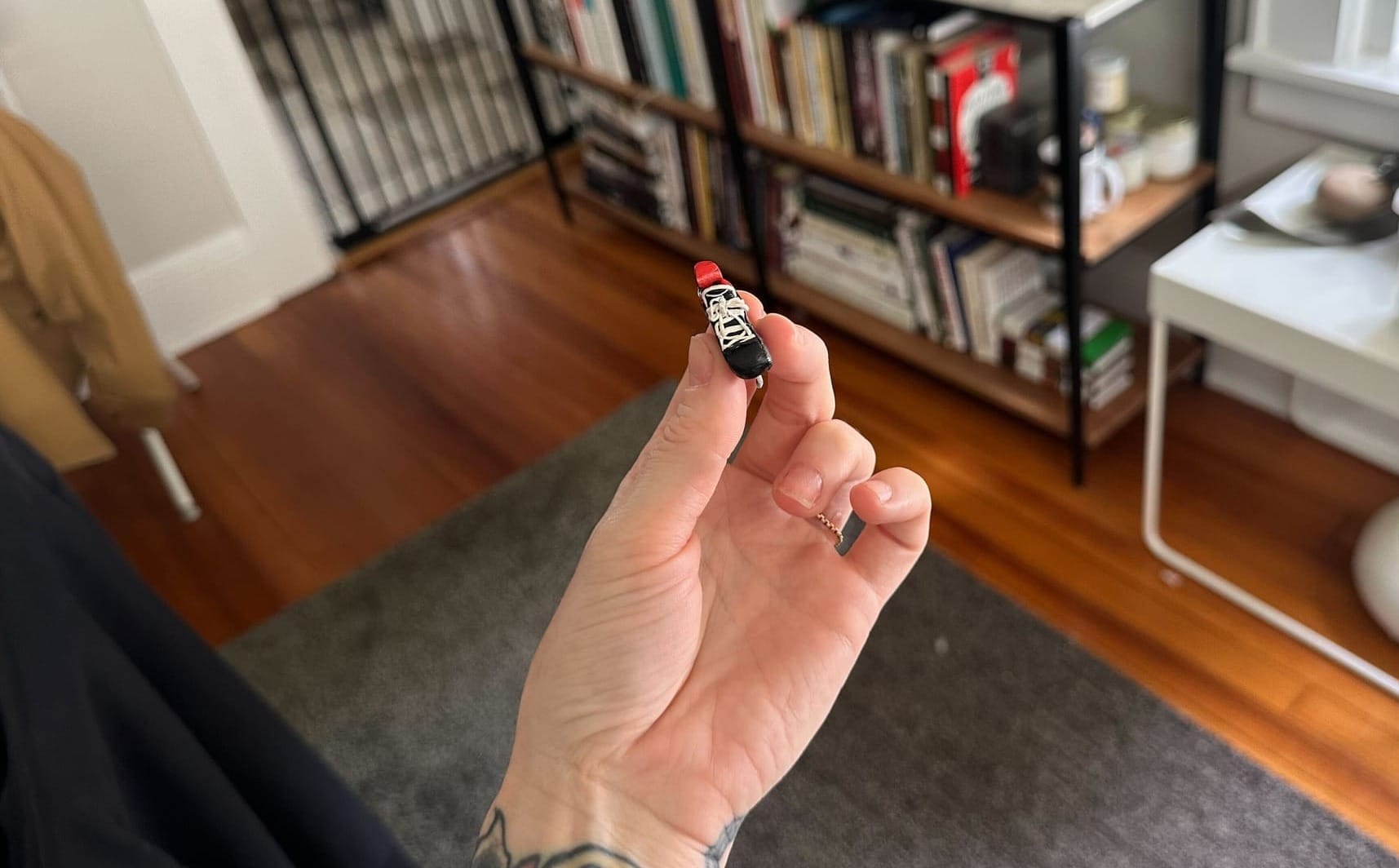
I became convinced that it's a craft I could do, and I wanted to make a miniature version of my hockey skates. I went to the craft store to find polymer clay, but I almost left the store disappointed because I couldn't find it. (I was looking in the wrong section.) I bought red, black, white, and silver—what I needed to make my hockey skates.
I've been working with clay for a few months, albeit on the pottery wheel. But polymer clay is quite different from the sort of clay you do wheel throwing with: It's made of entirely different things and is, I've learned, essentially plastic. It won't dry unless it's cured by baking it in an oven, which means it's infinitely workable until it's baked. It can be baked several times, too, so you can create a base then add more polymer clay to it. There is a lot I don't know about polymer clay, but I'm having fun learning about what I can do with it—how to create texture or get rid of fingerprints, and what tools to use.
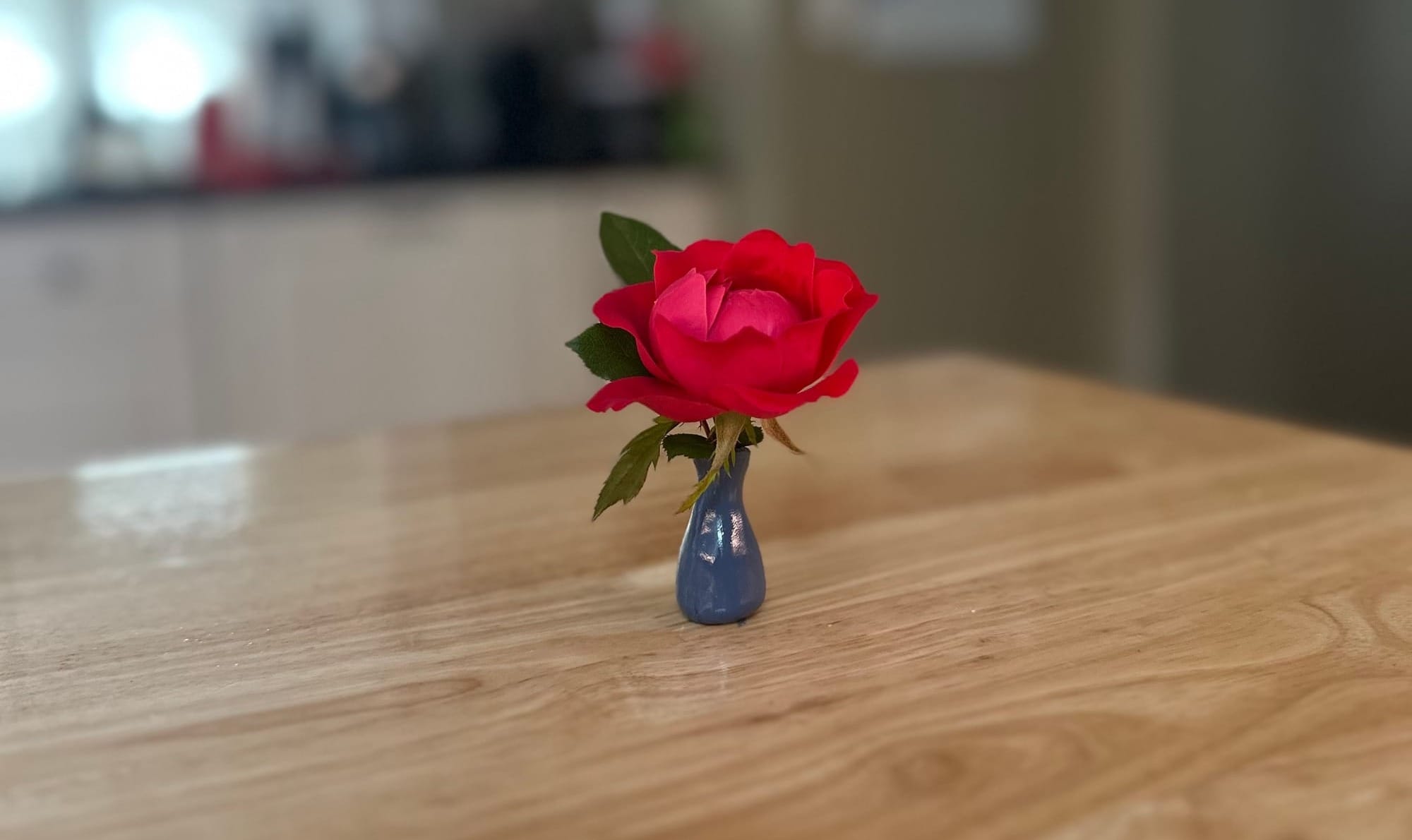
It took me a couple hours of fiddling, figuring out how to keep a form while I'm working on its details, but I made a hockey skate. And I've kept making them. I made one tiny vase to put a rose bud in for my mom, but otherwise I've just continued to make hockey skates. I'm enamored by the idea of going smaller, smaller, smaller. My big issue so far? The shoelaces sticking to my fingers.


