

When I woke up this morning, I heated a chocolate chip cookie in my microwave, drank a virgin Arizona Piña Colada, and took a drag from my joint. It’s an odd mix of things to do as part of my morning routine (minus the wake and bake), but today was different. A chocolate chip cookie and an Arizona was all I could handle as I was stressing, eyeing the clock, awaiting Chainsaw Man’s final chapter. After two weeks of sending fans into a theory-crafting frenzy in anticipation of its final chapter—briefly crashing both Manga Plus and Shonen Jump when it arrived—Chainsaw Man is finally over. And now I’m left with a goofy grin on my face.
Chainsaw Man is a series that I fell into a bit late to the party. I’d heard the anime was coming and decided to give it a read since the series was all there on the Shonen Jump app. I figured I’d already conquered the impossible, catching up on One Piece during the pandemic, so I might as well see what all the fuss was about with this series being talked about in hushed whispers as the next big thing. I loved it.
Sure, it could’ve been defined as edgier Naruto, as many content mill websites touted in dense SEO-laden headlines, but what floored me was that the series was a steady stream in both spectacle and earnestness. As much a deconstruction of the shonen genre, it also gleefully embraced its shonen nature. It’s a tale about a boy past max capacity, sacrificing himself to exist while dreaming of living. He got his wish granted and became Chainsaw Man, and he got a chance to live the life of cute girls, good food, and hugs that he’d always dreamed of. Or at least the life manga readers are conditioned to expect a shonen protagonist to want and to be satisfied by.
He got into big battles with manifestations of humanity’s fears, like Guns and Control (🤔), all the while having the promise of physical release lauded over him as a reward to do the hero's journey that was foisted upon him. Then, when he seemed to be at his lowest, he eked victory from the jaws of defeat and stood with his head held high, staring straight ahead into what would inevitably be a bigger and grander adventure in Chainsaw Man Part 2. Sequels always promise to be bigger and more action-packed than what came before, but Chainsaw Man Part 2 started off differently than anyone could’ve expected. It introduced a different protagonist, Asa Mitaka.
Tatsuki Fujimoto/Shonen Jump
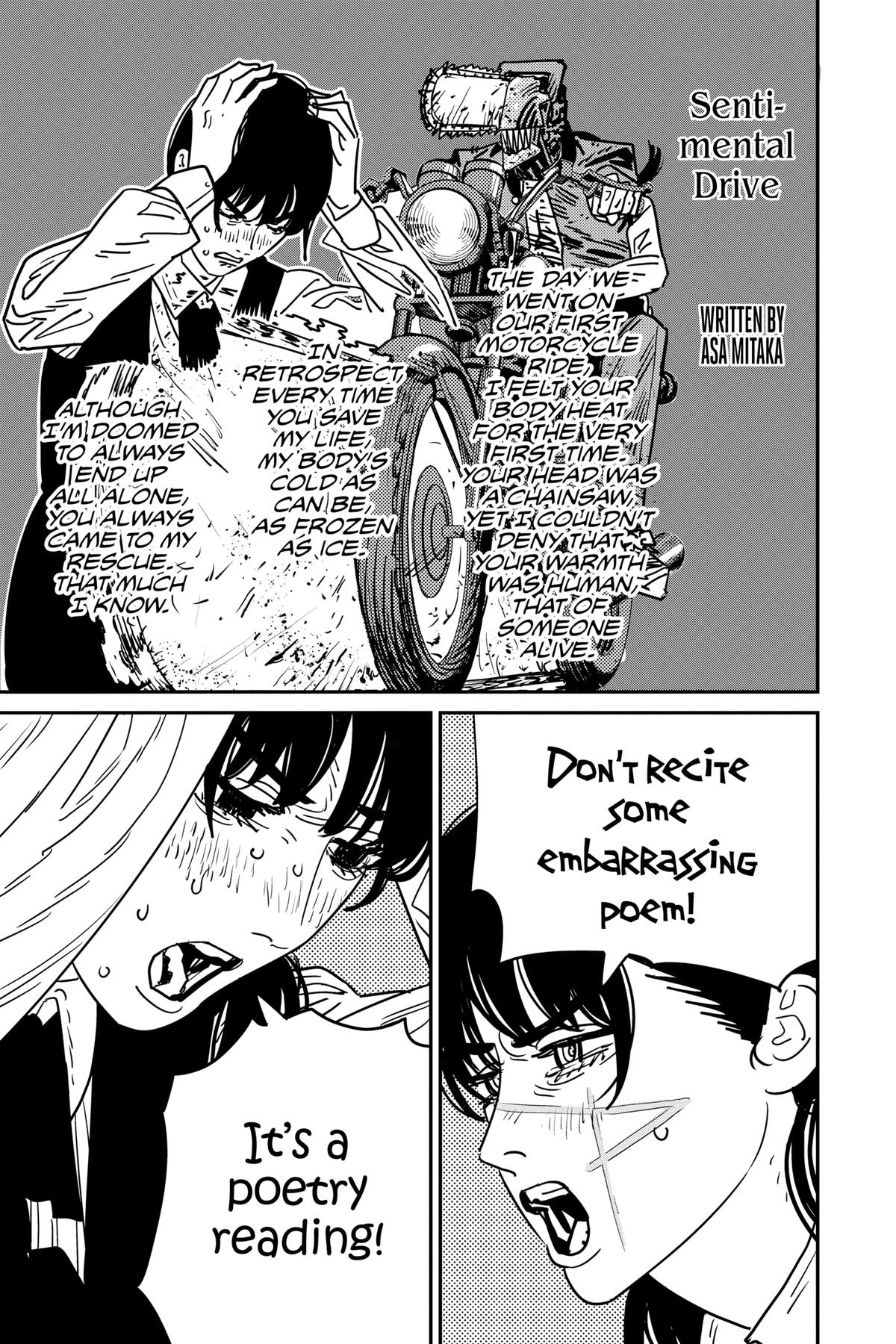
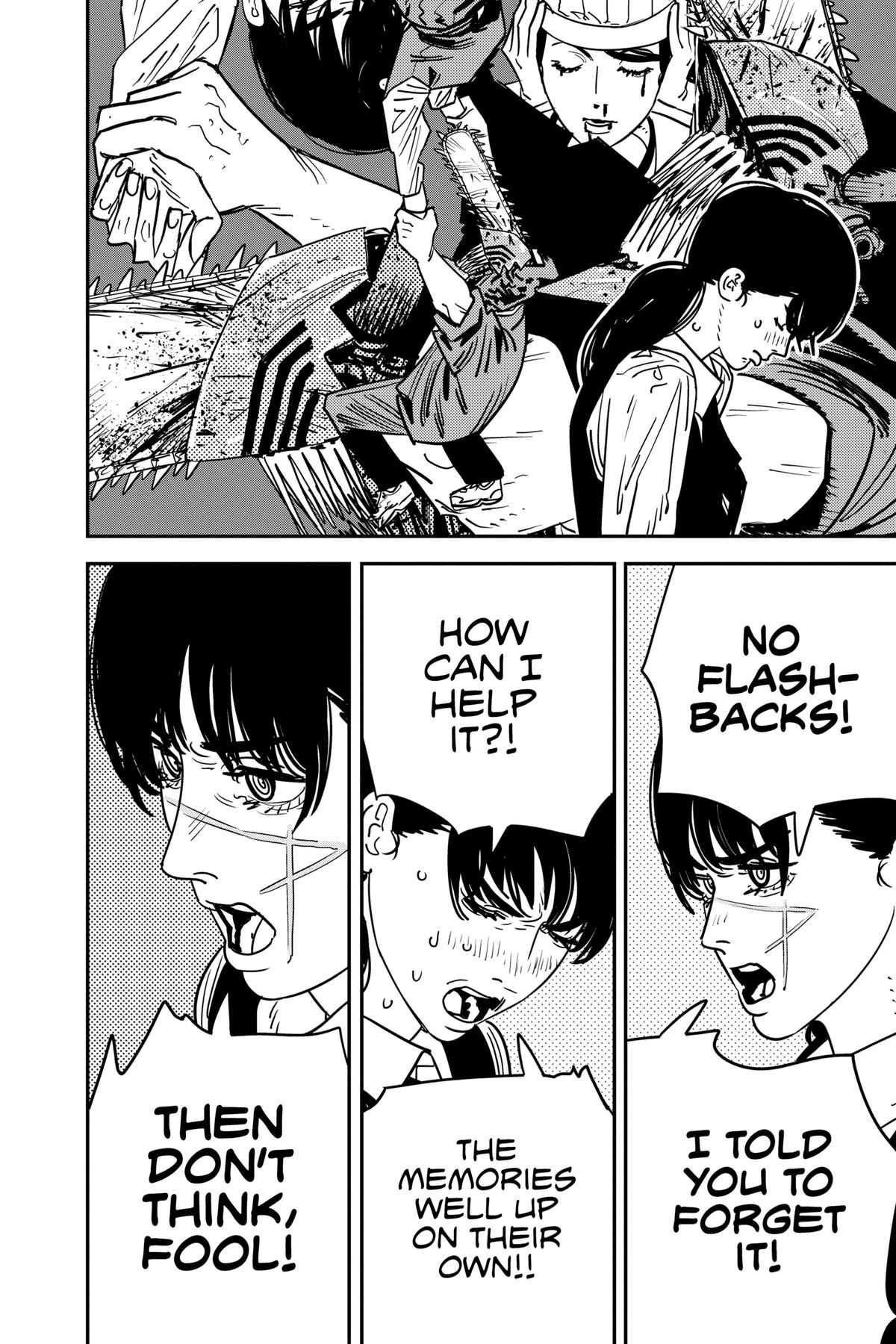
Like Denji, Asa was a fail girl forced into the gravitational pull of the shonen genre, losing all autonomy of her person, Tyler Durden style, because the War Devil, Yoru, would take over her body. Yoru’s goal: to fight and defeat Chainsaw Man. While Denji was nowhere to be found, his influence in the manga’s world looked less like the series proper and more like ours. It was a world that treated him like a celebrity. A world that theorized what he represented and what he’d do in battle. It was a world that could’ve existed beyond him, whether he was there or not. And for a while, the series did. Until his return, a couple of chapters into CSM part two. Ever since his return, the sentiment of what Chainsaw Man should be and what it was lifted from the pages of the manga to the real world. Fans would go on weekly spirals examining the series in habitual online foofaraws, debating where what new big twist the story was setting up, bemoaning Denji’s non-linear character growth, and jokingly wishing death upon Fujimoto whenever he’d “stop cooking” and was on some bullshit.
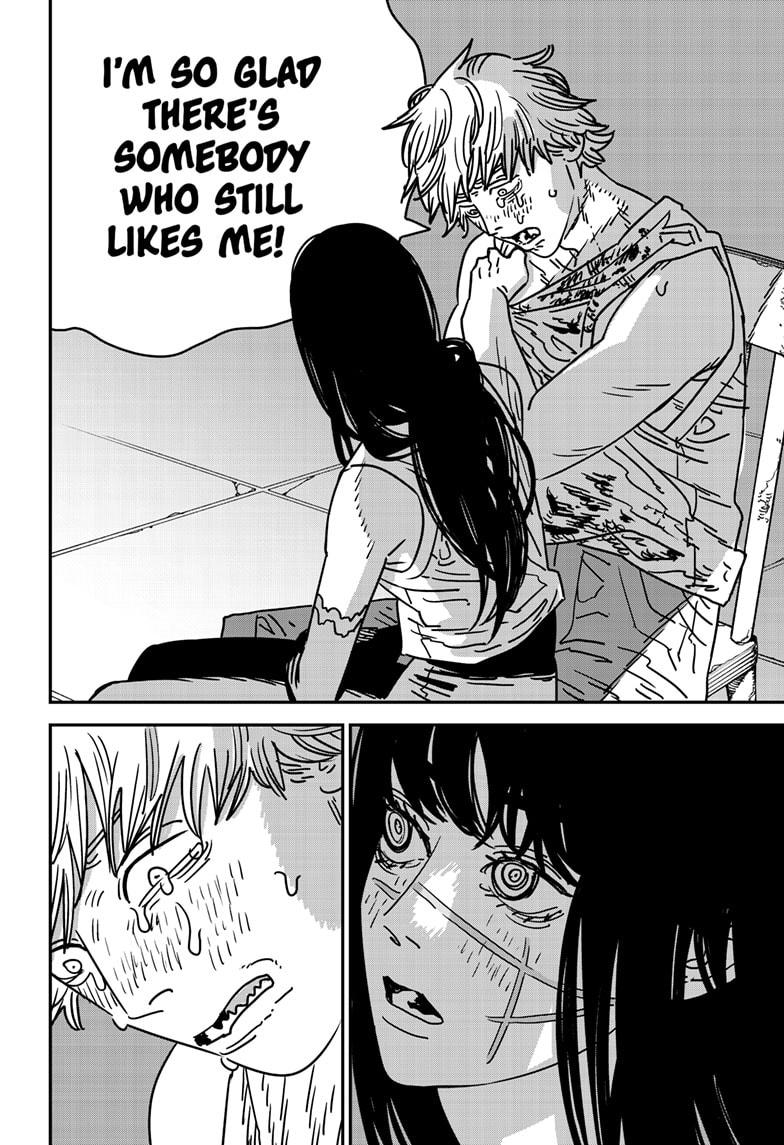
Every “eight-second” chapter, which had the pacing of a collected volume of chapters rather than a week-to-week development, brought a wild new concept into play, more risque panels, and a guaranteed WTF moment that’s to be expected with Fujimoto’s writing style. Still, the vast majority of fans would chirp up, bemoaning the series’ distinct lack of visual crispness as proof of the series' own decline in quality. And like a snowball rolling downhill, the series, which was still treated as the next big thing, was being torn apart because it wasn’t threading out like a series setting itself up for more. If anything, it, like Denji, felt like it was in a loop where things were torn apart and pieced back together again on the promise that it needed to be more.
Then Fujimoto threw cold water on fans, writing that chapter 232 would be its last. It shocked everyone, from its biggest critics to its biggest fans, leading many to cope, believing it was yet another ruse—an IRL ARG—that would lead to a big surprise announcement for a third part to build off what it’d been cooking and really please fans. It’s not unlike Stranger Things’s fans theorizing that there was a secret finale that would solve all their issues with the story—Chainsaw Man fans weren’t satisfied with Part 2, and they didn’t think a sudden ending would change that.
In what would probably be the second most stressful breaking the news I’ve had to report since penning Akira Toriyama’s obituary late at night, I had the privilege of debunking all those fan theories with word from Viz Media that it was indeed ending, though “details are yet to be confirmed.” What followed was a fever pitch of that copium where fans expected the series to still pull off a part 3 announcement or, at the very least, make it an extra-long ending that was good, whatever that could’ve been.
Which brings me to my nervousness the day the chapter dropped, wracking my brain on what I’d write to compile my feelings on a series and a creator whose career trajectory felt intrinsically linked to my own as a critic. It made me think about Just Listen to The Song, one of Fujimoto’s three one-shot manga that he wrote in the interim between Chainsaw Man and Chainsaw Man Part 2.
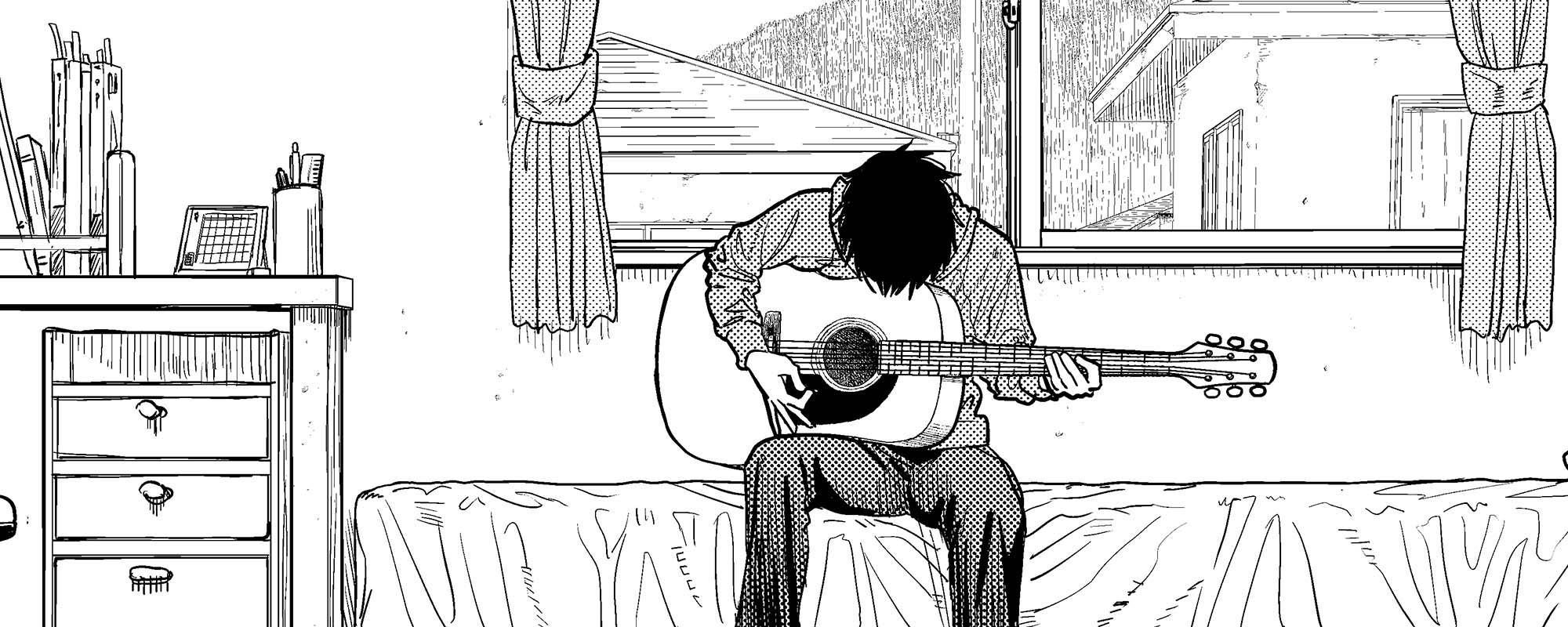
Just Listen To The Song, written by Fujimoto and illustrated by To Strip the Flesh’s Oto Todai, is about a sincere love confession video that goes wrong in the most unexpected way. In it, a boy made a YouTube video where he strummed his guitar and confessed his love for a classmate. What was meant to be a video for her eyes only quickly went viral. At first, it went viral because his classmates clowned him for his embarrassing confession. But then the video breached containment when folk noticed ghosts appear in the far corner of his bedroom as he played his forlorn love song. The video became less about the song itself and more about the spectacle around it.
Now, the same folks who were giving the boy shit demanded he make another video. But all the boy wanted to do was delete the video and be rid of the whole thing. But he couldn’t, not because he didn’t want to, but because some mysterious girl warned him that it would “anger the spirits.”
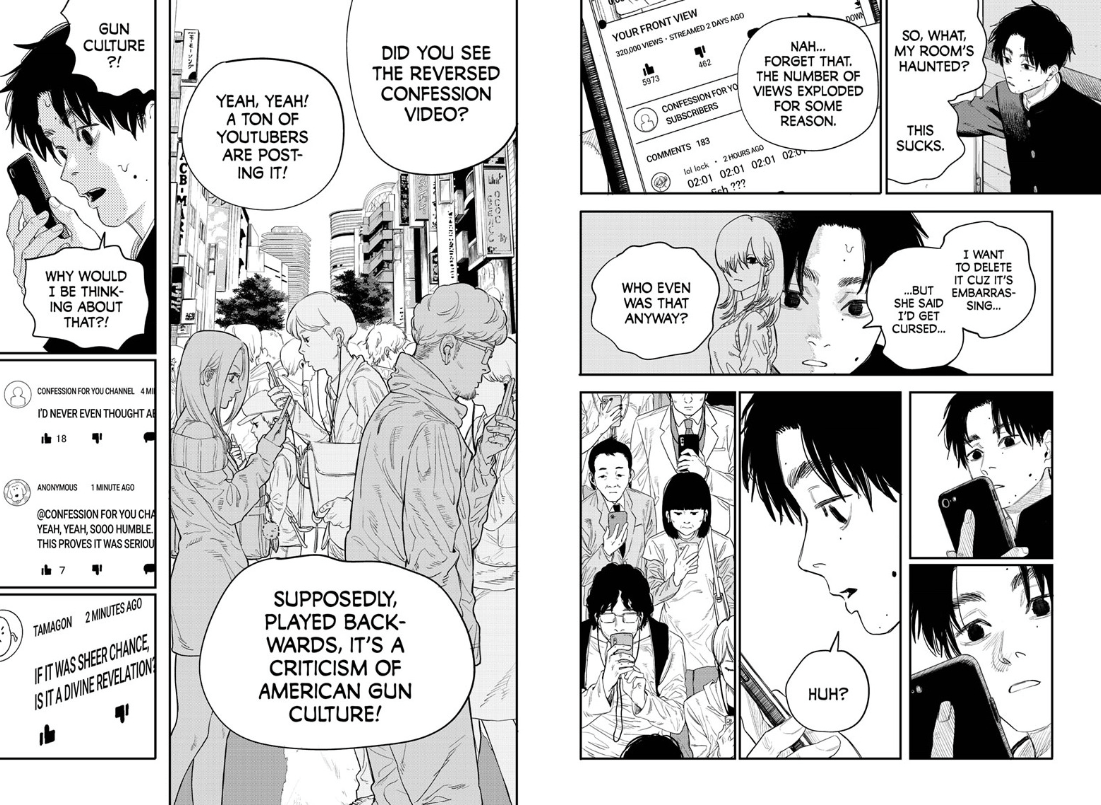
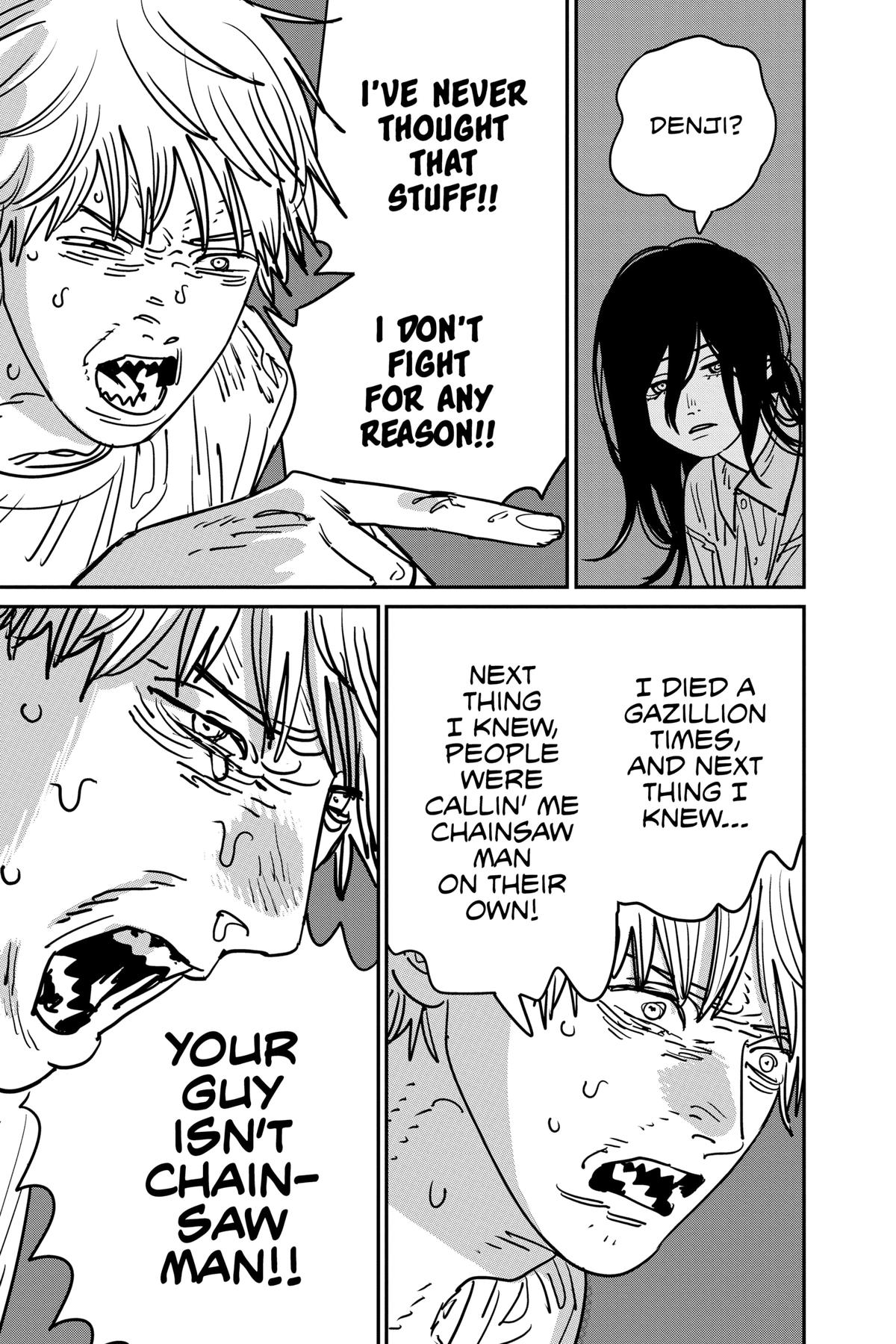
While he debated over what he’d do, folks went wild, crafting theories for what the video actually meant and all of its hidden messages you could only hear if you played it in reverse. Things like it’s “a criticism of American Gun Culture.” (🧐), something the boy never thought about. Eventually, the boy acquiesced and made a second song, titled “Just Listen to the Song.” It didn’t meet anyone’s expectations. It was panned. And folks ultimately lost interest and moved on after he deleted his videos.
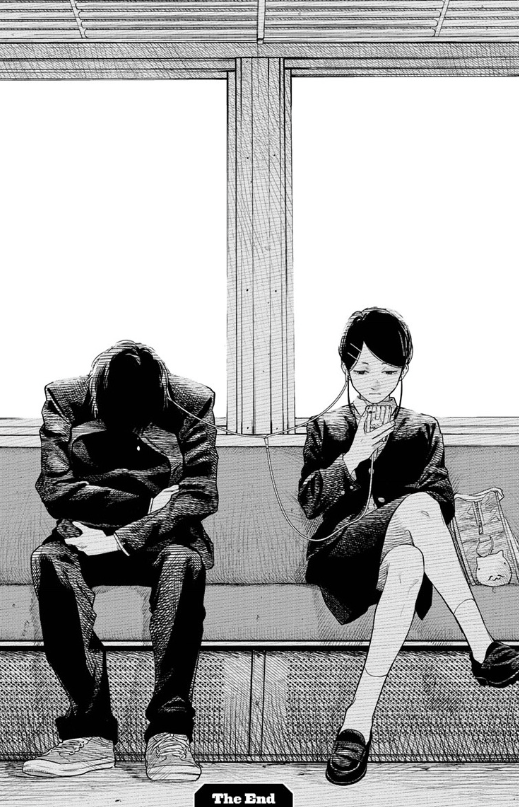
Sitting in a train by his lonesome, Shinji Ikari-style, the boy looked up in surprise as the girl he had made his first confession video for sat down next to him and put one of her earbuds into his ear, finally listening to his song with him.
Like his creator, Denji got everything he could’ve wanted and was highkey suffering from his own success trying to keep at it. Like Denji’s contract with Pochita, Fujimoto was stuck in a cycle where achieving all the acclaim and status that any mangaka would want—a popular series, lively fan base, great anime adaptation with phenomenal music and a killer movie, and enough clout to have his other works get that same shine in its wake—felt like a grinding loop that could only be solved by moving on from it.
Tatsuki Fujimoto/Shonen Jump
Instead of trying to find meaning in Chainsaw Man by scrutinizing it like a problem to solve or doing a double triple axel in my mind to uncover the hidden messages Fujimoto had for me in the final chapter, I just sat down and listened to what he had to say about what the world without Chainsaw Man would look like.
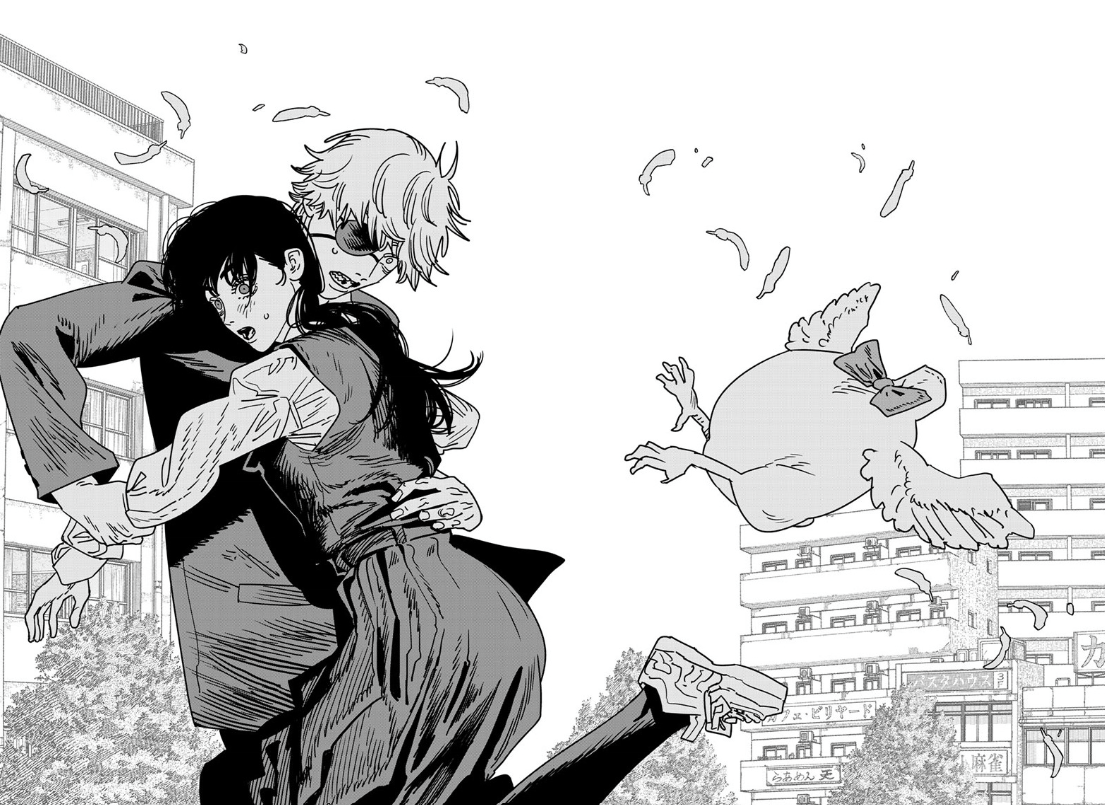
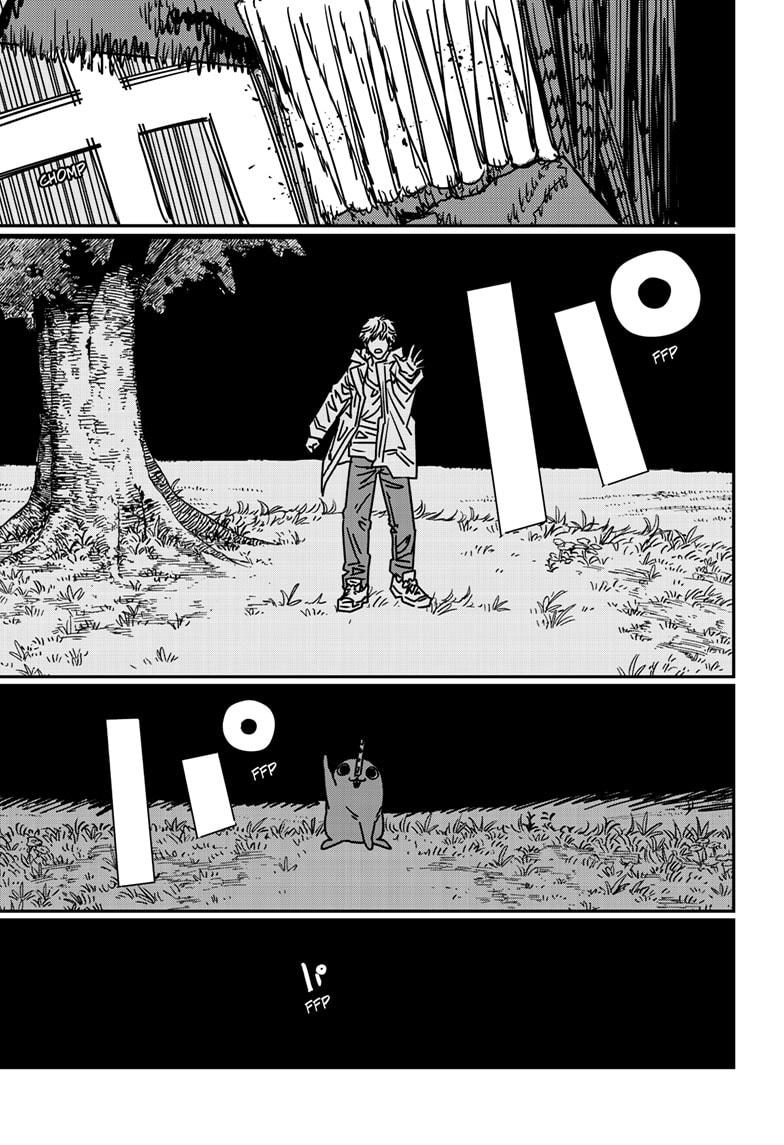
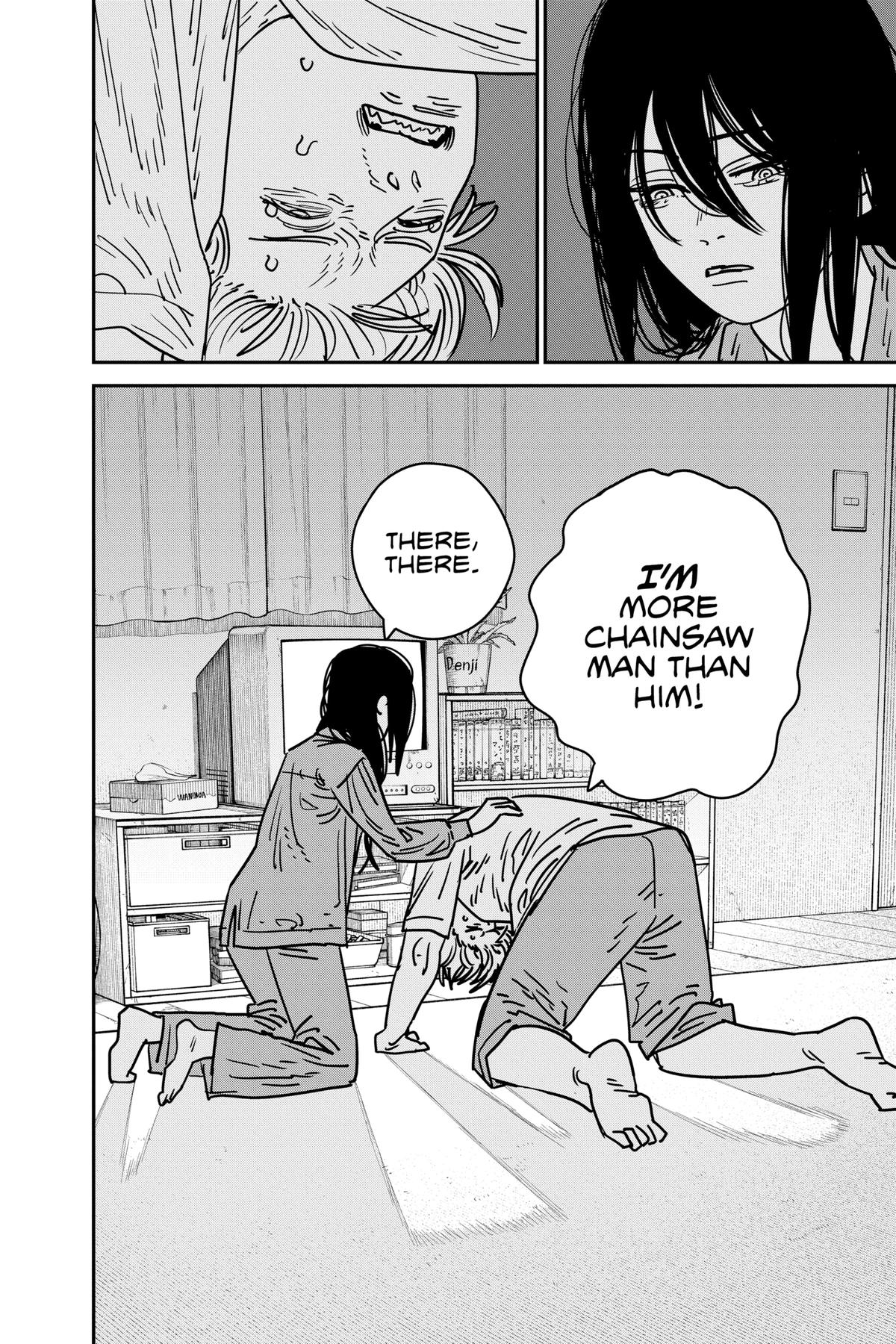
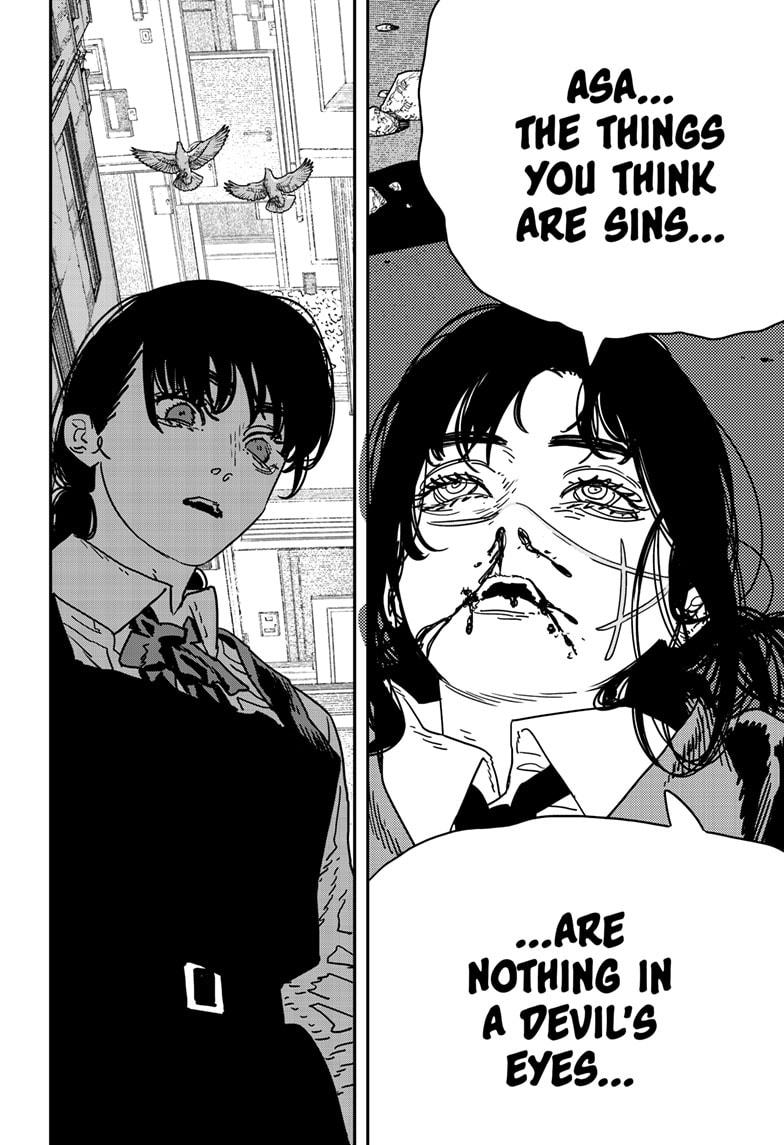
What I got was Power and Denji being buddies, reliving the same adventures Denji started with at the beginning of his journey. It was funny to see Nayuta, Denji’s adoptive kid sister, come back in place of Makima, and for the series to make a joke out of it. It was bittersweet to see Denji’s familiar, lost childlike look as he still saw himself as a weapon. But it was hopeful to see him save Asa Mitaka from crushing the chicken devil at the start of Chainsaw Man Part 2. In this world, Denji wasn’t the superhero who so many people loved and depended on. Asa saw him as just a man who was using a chainsaw a second ago and threw it aside to save her. No Chainsaw Man, just a man. I didn’t need a YouTuber to explain how to interpret the ambiguity of its ending; I felt both its hope and its bitterness myself.
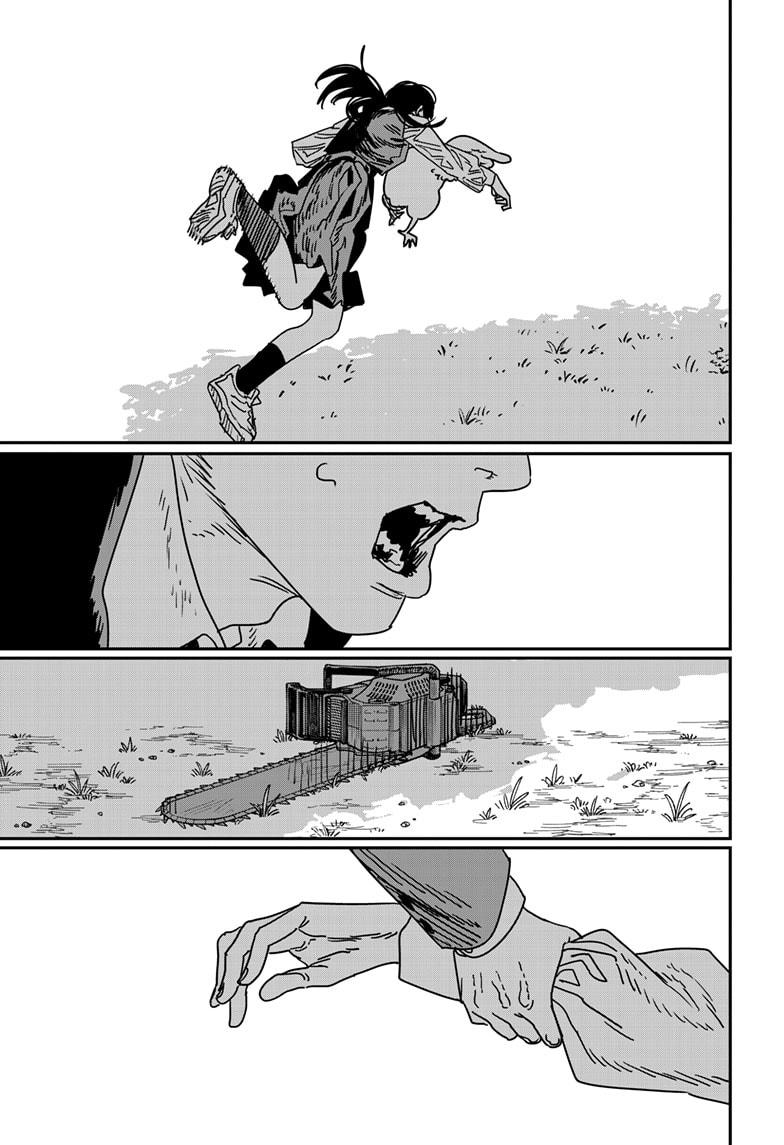
Even saying out loud how meta the note Chainsaw Man’s went out on is, to me, funny as hell because it simply ended. No tricks, no big twists that fans theorized. If anything, Chainsaw Man’s ending felt like the kind of meta stunt Otr of the Flame creator Yuki Kawaguchi pulled when his series was cancelled from Shonen Jump. Only here, instead of writing a meta ending about the circumstances of its cancellation, the pressure of a weekly release, and the demand to meet that expectation in one dense chapter, Fujimoto had been microsoding me with that medicine throughout Chainsaw Man Part 2. And a lot of that came to a head with Pochita’s heart-to-heart final goodbye with Denji.
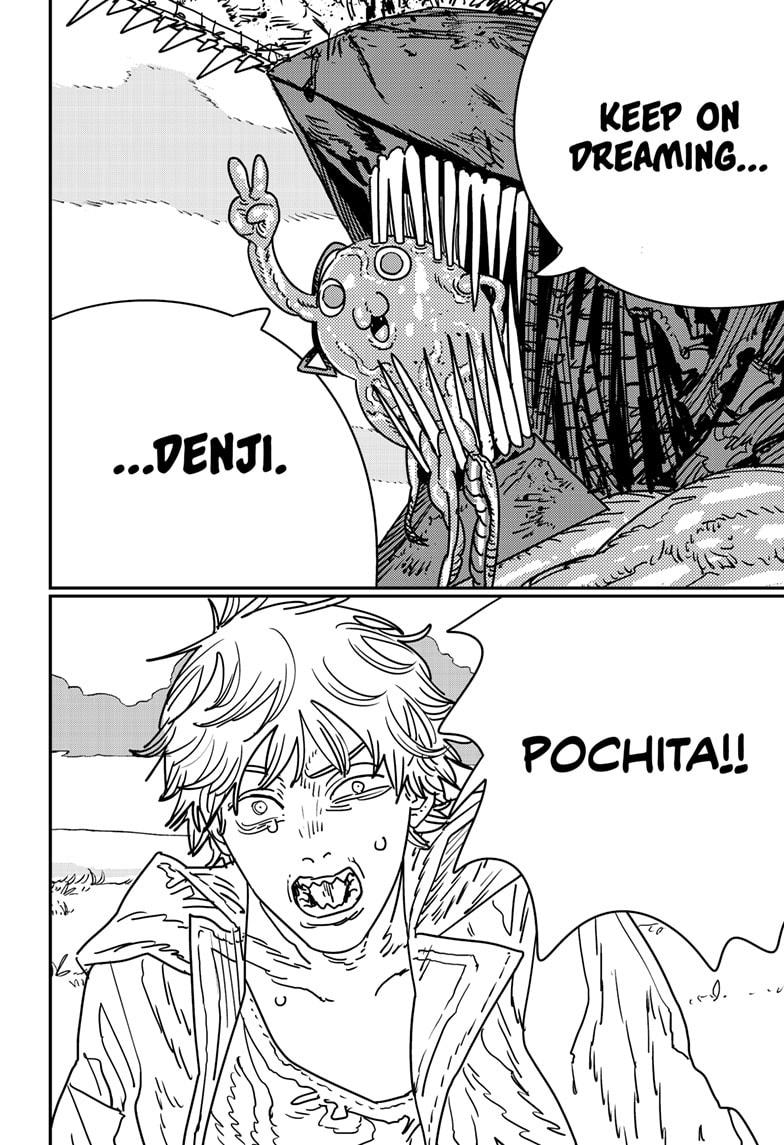
There, he told Denji that even after he got what he wanted, he still felt unhappy. That, ultimately, chasing the dream felt better than having it and wanting it in excess. I won’t go so far as to say that’s how Fujimoto felt about the series he created. But I can for damn sure project that into my own life. And to me, Fujimoto is telling me that sometimes, when people get what they want, they realize how limited their goals are. That’s why I felt a kinship with Denji from the start. I never saw him as some feral little spectacle I could tap the glass at every week, waiting to see what horny, violent impulse he’d act on next. I saw a kid learning, painfully, that desire is a moving target—and that the world gets a lot more complicated once you catch it.
Chainsaw Man is a series that has meant the world to me. It’s rich and full of meaning while also being unserious and silly as hell. It’s also a series that sucked the air out of the room from start to finish, leaving me with a suffocating feeling, wondering how it’d all play out every week.
I even joked about it to my therapist to stay committed to a headline I’d written, while quietly admitting that its finale was just one more thing piling onto my stress. I wasn’t expecting a real answer to my half‑serious “What do I do when my comfort series ends?” question, but she gave me advice that landed hard after I finished the finale: “Find a new series to love that won’t end so soon.”
It was a gift to have witnessed Chainsaw Man’s story develop in real time, and like Denji dreaming on, I’ll continue to find that same spark in something new.


