

Google announced changes to its ubiquitous Search function today, which for decades has been a skinny little box you enter questions into and then a bunch of links pop up, sorted by the company’s inscrutable, ever-changing criteria. So long to that, I guess: starting Tuesday, Google will be rolling out a new search function chock full of (even more) AI.
In a blog post, Google VP of Search Elizabeth Reid writes that the company is “introducing the biggest upgrade to our Search box in over 25 years — now completely reimagined with AI. This intelligent Search box puts our most powerful AI tools right at your fingertips, making it easier to ask your questions.” It appears that the box will get bigger when you ask it certain kinds of questions, pushing you even more toward AI-generated results rather than website links. Reid writes that it will also help users “formulate your question with AI-powered suggestions that go beyond autocomplete.”
Here’s an embarrassing trailer:
According to The Verge, you’ll still be able to see traditional links in “Web” view. The Verge writes:
Liz Reid, Google’s vice president of Search, said during a briefing that the company wanted to eliminate the “friction” between AI Overviews and AI Mode. “We really work to make that much more seamless and simplified, so that for most users, they don’t have to think about where to go, they can just go to the search box they’re familiar with and it feels like they get the best experience afterwards,” Reid said.
In a video by The Verge at Google’s I/O conference, we see the presenter make a Google query asking “how do black holes affect spacetime?” and instead of getting websites, they get an interactive graphic. Reid writes that users will also be able to search using images, videos, or files.
The changes are still rolling out, so I’m not sure if I have access to them yet. But Reid also writes that Google is “making it even simpler to continue the conversation with Search” by adding the ability to ask questions of the AI overview. I noticed this today: While I don’t interact with Google’s AI overviews much beyond scrolling past them, when I click “show more” in the overview to expand it, I’m given an additional search box. Asking another question of that box takes me to a chat page in Google’s AI mode. (This conversation lacks citations, but if I select “try without personalization,” I’m able to get links to sources.)
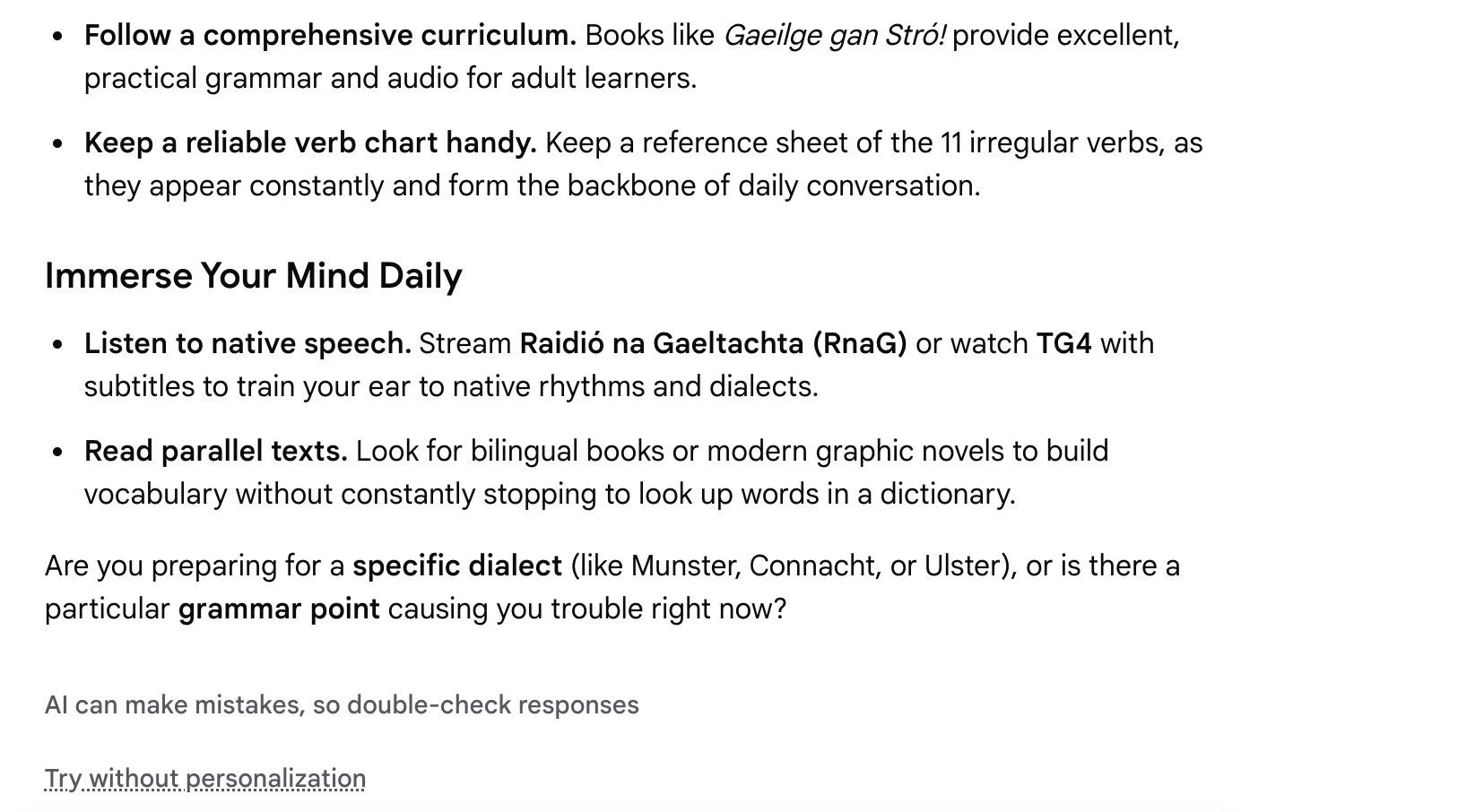
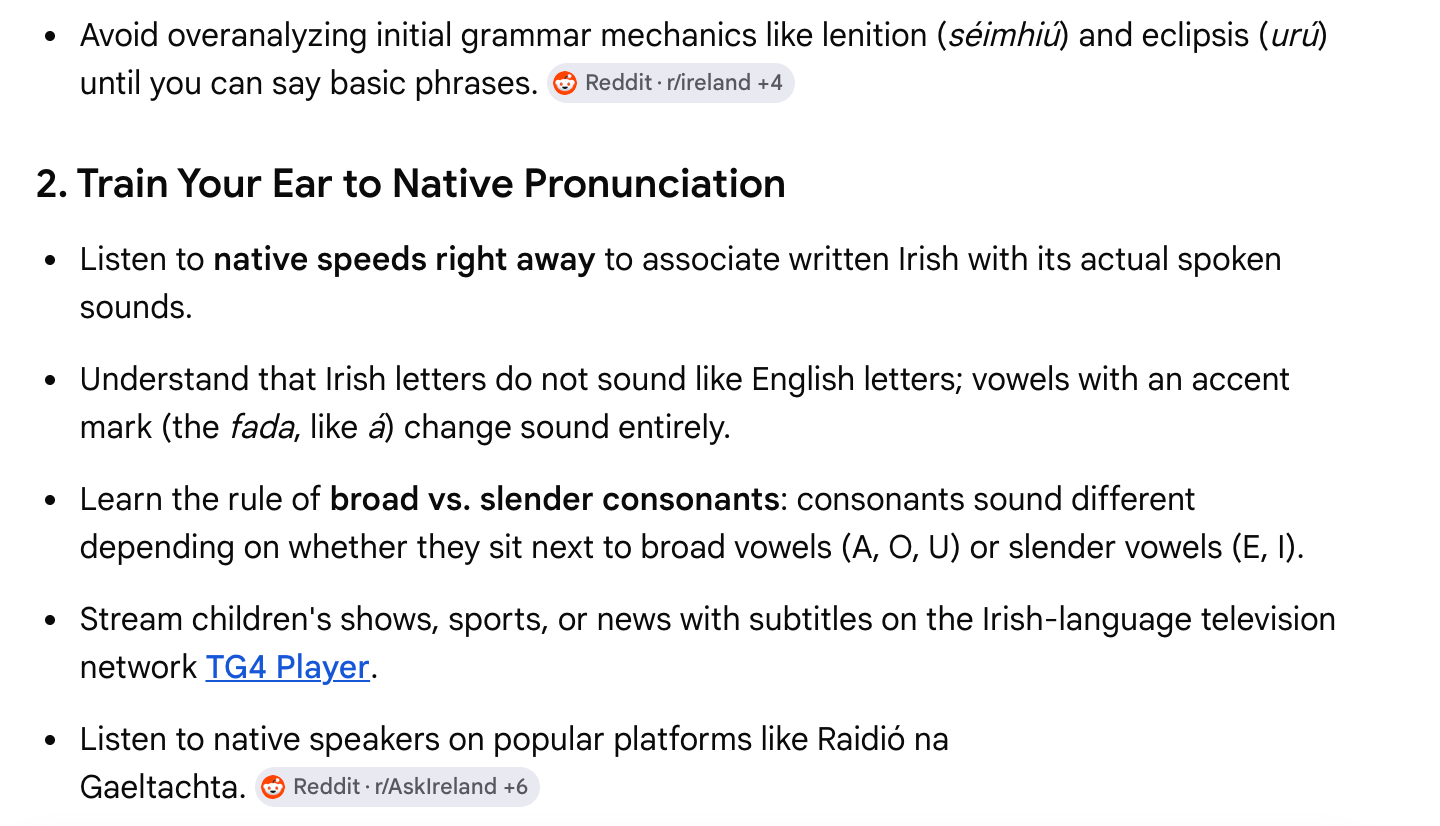
Left: "personalized." Right: Oh, it looks like this didn't just spring forth from the mind of Google Search, but was instead stolen from (sigh) Reddit
There are other changes to Search as well: You’ll be able to connect your personal information, like your Gmail and calendar, to Search to further personalize the results, should you for some terrible reason want to do that. And down the line there’ll also be the ability to deploy AI agents to do the things you used to do yourself with Google Alerts.
As TechCrunch points out, all this is surely even worse news for website publishers who rely on Google traffic. After years of making outlets reliant on its whims in exchange for traffic, Google now appears even happier to forego that traffic altogether, keeping users on its own page instead of sending them to the places where the information it’s regurgitating came from. The creators of that information, meanwhile, get even less than they were already getting, all in service of a hypothetical AI future that stands to benefit like ten guys.
As a man with a library science degree and thus a nerd about searching for information generally, stuffing search tools with AI is also bad for everyday people’s ability to understand and query systems, if you’ll bear with me through a little rant. Everyone faces a challenge when exploring a new library catalogue or work database or figuring out boolean operators in Google, but learning to talk to a system in its language is one way we get a sense of how its creators structured it and their worldview and priorities. Going through a system’s results also teaches you how to think about them critically: Are they what I’m looking for, are they trustworthy, what information do they connect to and reveal? Google Search is probably one of the first and primary places that people experiment with and grow their information searching skills; spoonfeeding them AI summaries while obscuring or bypassing the source of the information might seem convenient, but it’s just robbing them of the chance to develop vital information literacy skills that they need more than ever in an AI-obsessed world.
But if you’re just a regular person, this means more AI crap to wrestle with when you’re just trying to find a nearby coffee shop or that article you remember reading 10 years ago. The AI bubble can’t burst soon enough.


