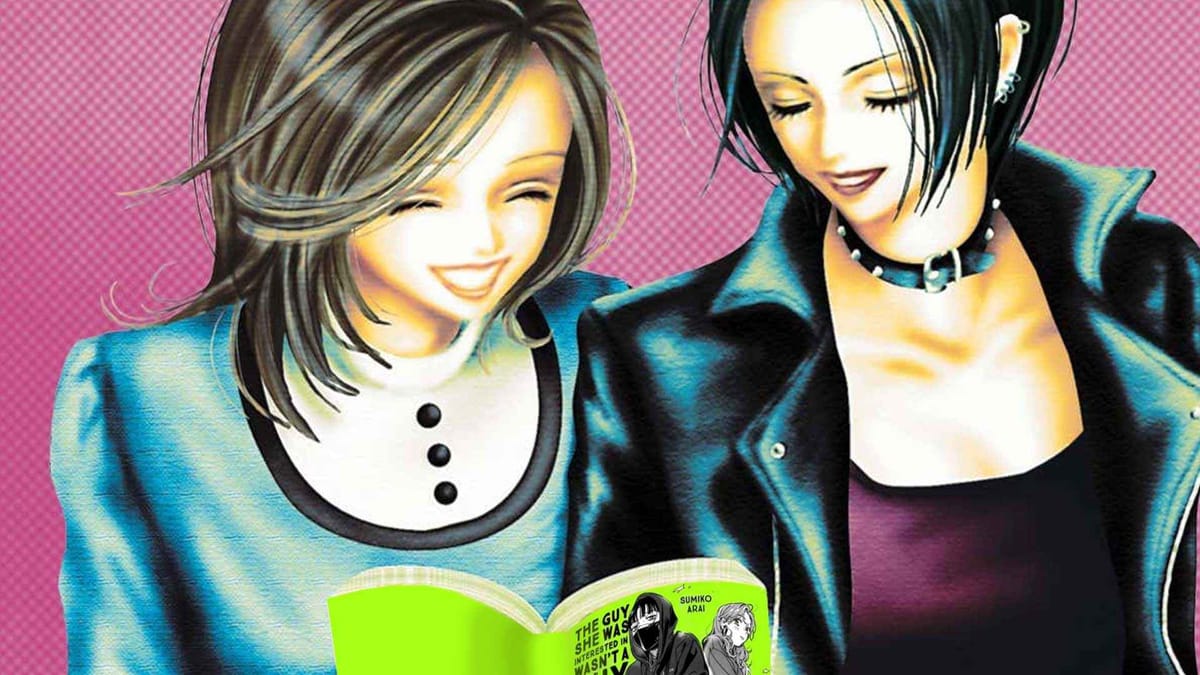
There are countless ways to write romance manga. The least compelling are those that abruptly conclude the moment the central would-be couple finally gets together, as if all the effort—the meet-cute, the yearning, the indirect-kiss embarrassment, the interrupted fireworks confession, the euphoric kiss or handholding—was simply a prelude to a “happily ever after” with clear skies and no road bumps ahead.
These kinds of manga treat their relationships as if the chase were the only interesting part, not the teeter-tottering of a couple building a life together. Time and again, these stories end with the tacit assurance that simply being together—like a child deciding their favorite food will forever be mac and cheese because it was their first—guarantees happiness, offering no proof beyond a wedding photo and a couple of kids.
Tamifull’s How Do We Relationship? is different.
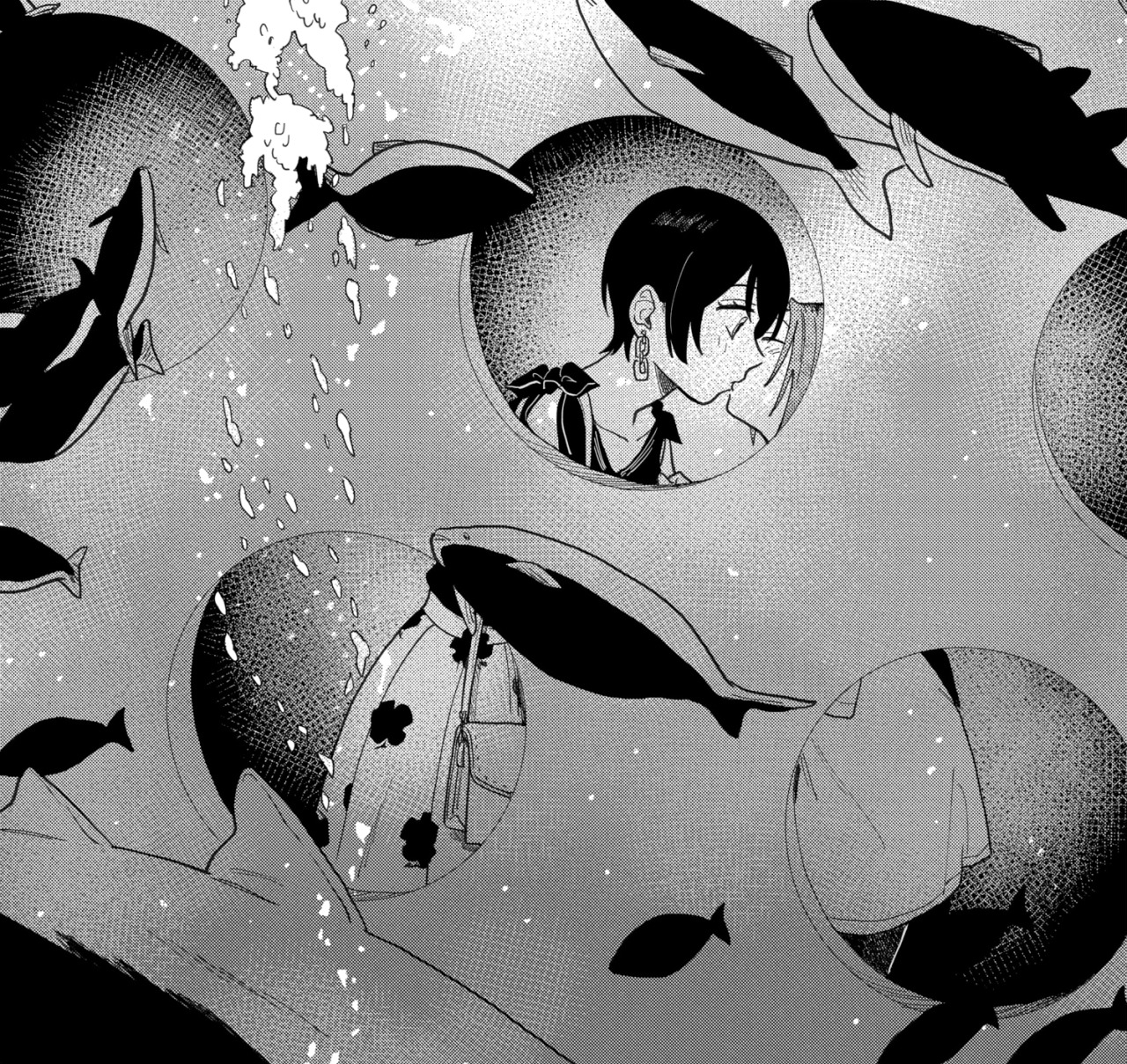
Tamifull’s serialized manga—loosely adapted from her earlier web comics—dives headlong into what unfolds when a lesbian couple comes together out of convenience, endures the storm of hard-earned and battle-tested love, and ultimately emerges as people worth rooting for far beyond the easy cheer of “yay, gay.”
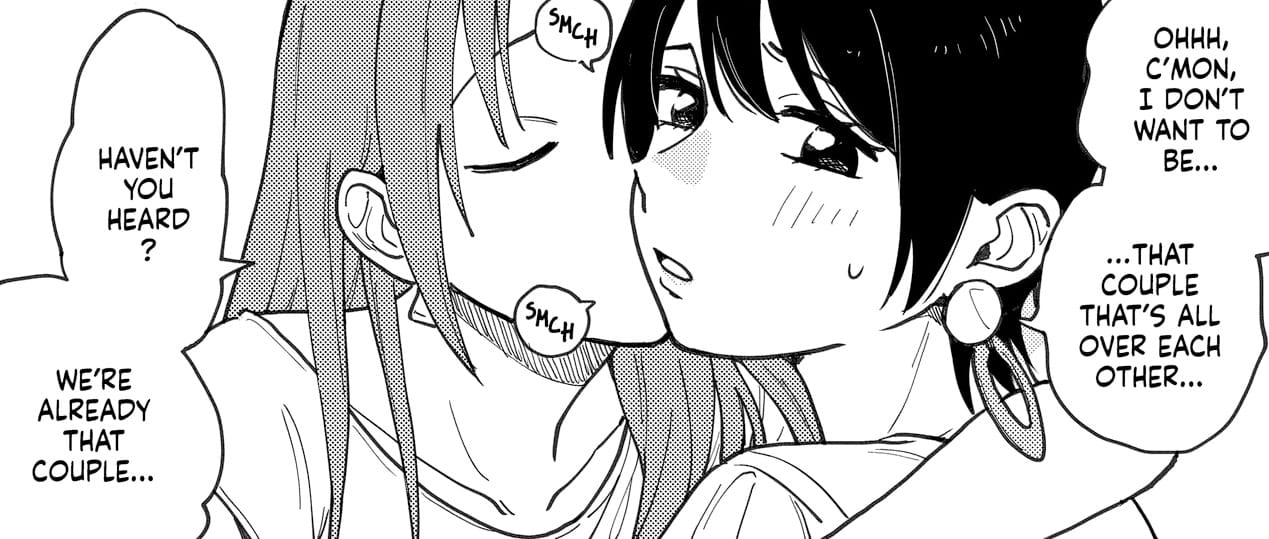
The series focuses on Miwa, an introverted, soft-spoken queer college-aged woman, who meets a new, outgoing, outspoken woman friend, Saeko. Like stand users in JoJo’s Bizarre Adventure, being among the only queer (yet not totally out) people in their growing friend group (expedited by the onboarding process of getting drunk first), they joke around their way into becoming a couple. In its early chapters, much of the story centers on the couple's unsuccessful efforts to hide their obvious relationship from friends, only to be asked questions by straight classmates that reduce them to either exoticism or latent prejudice—common experiences for many queer people from close friends and family who see their identity as just a phase.
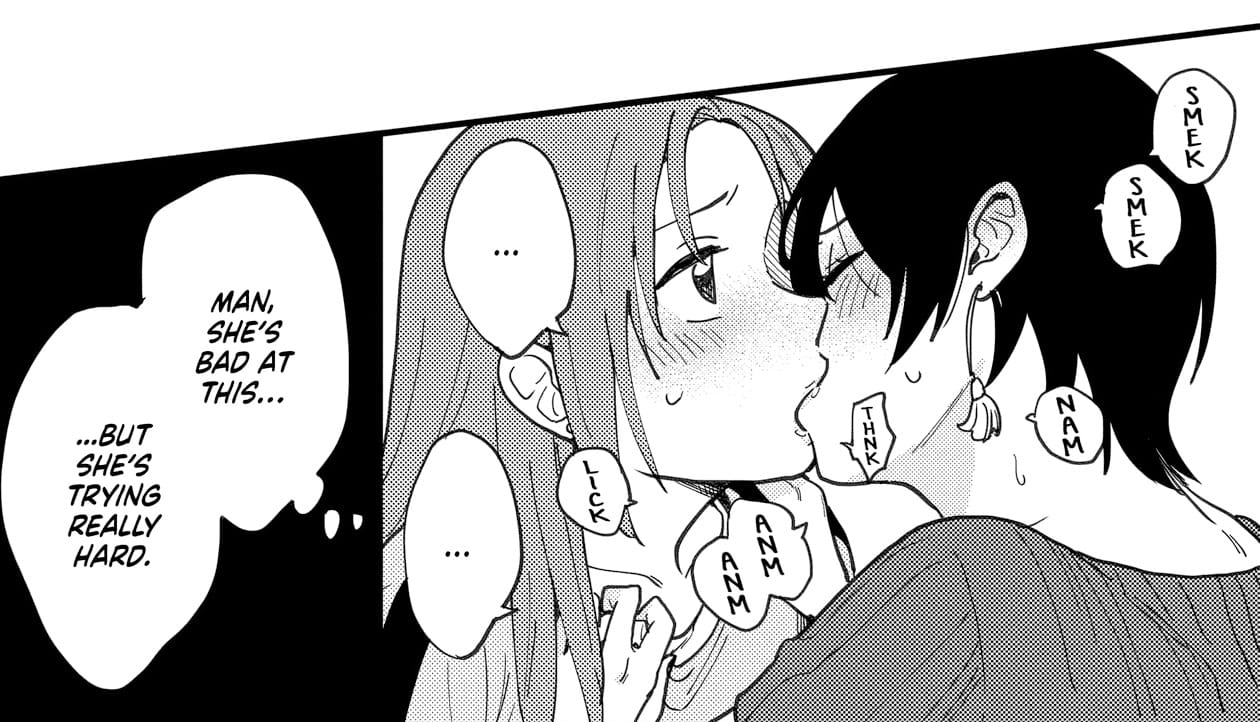
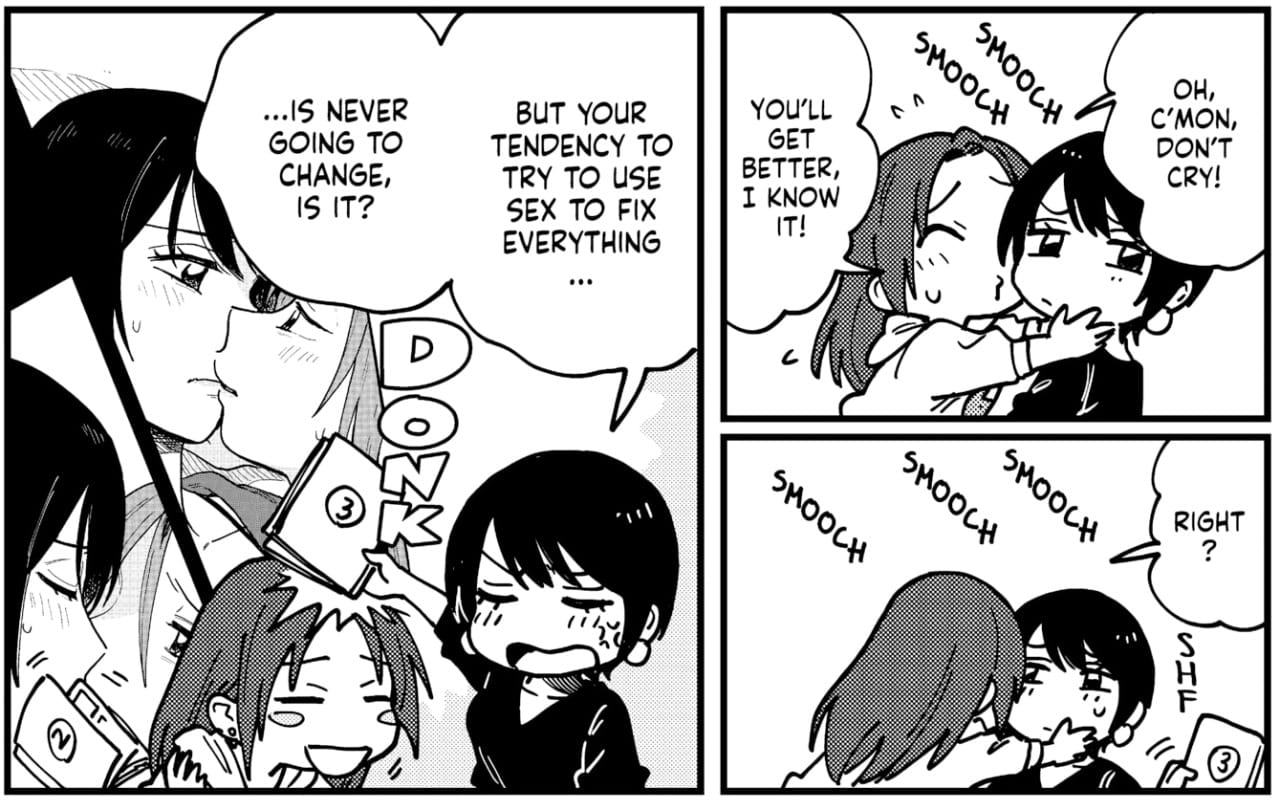
My early gripe with How Do We Relationship? was mainly that Miwa was a whiny pushover and Saeko was a pervy asshole, and I didn’t enjoy seeing them tiptoe over eggshells around each other. The foundation of their relationship was the constitution of a Nature Valley bar crumbling into a mess right out of the wrapper. The excitement had faded, and it felt like the effort wasn’t worth it whenever real problems and insecurities started to surface. But the sex was good, and they cared about each other enough to fear losing each other, so that was enough until it wasn’t.
Spoilers for that.
Eventually, the two break up in what I’d call the first act of the series’ three-act-in-medias-res structure, and it's really messy. Like, I’m talking “go see your first crush whom I’m totally not insecure that you might cheat on me with, confess to them, get rejected, and then spiral into a toxic fuckbuddy relationship with me where we’re slaves to our carnal desires but still can’t bring ourselves to talk to each other as people” kind of bad. It reads like a slow-motion car crash.
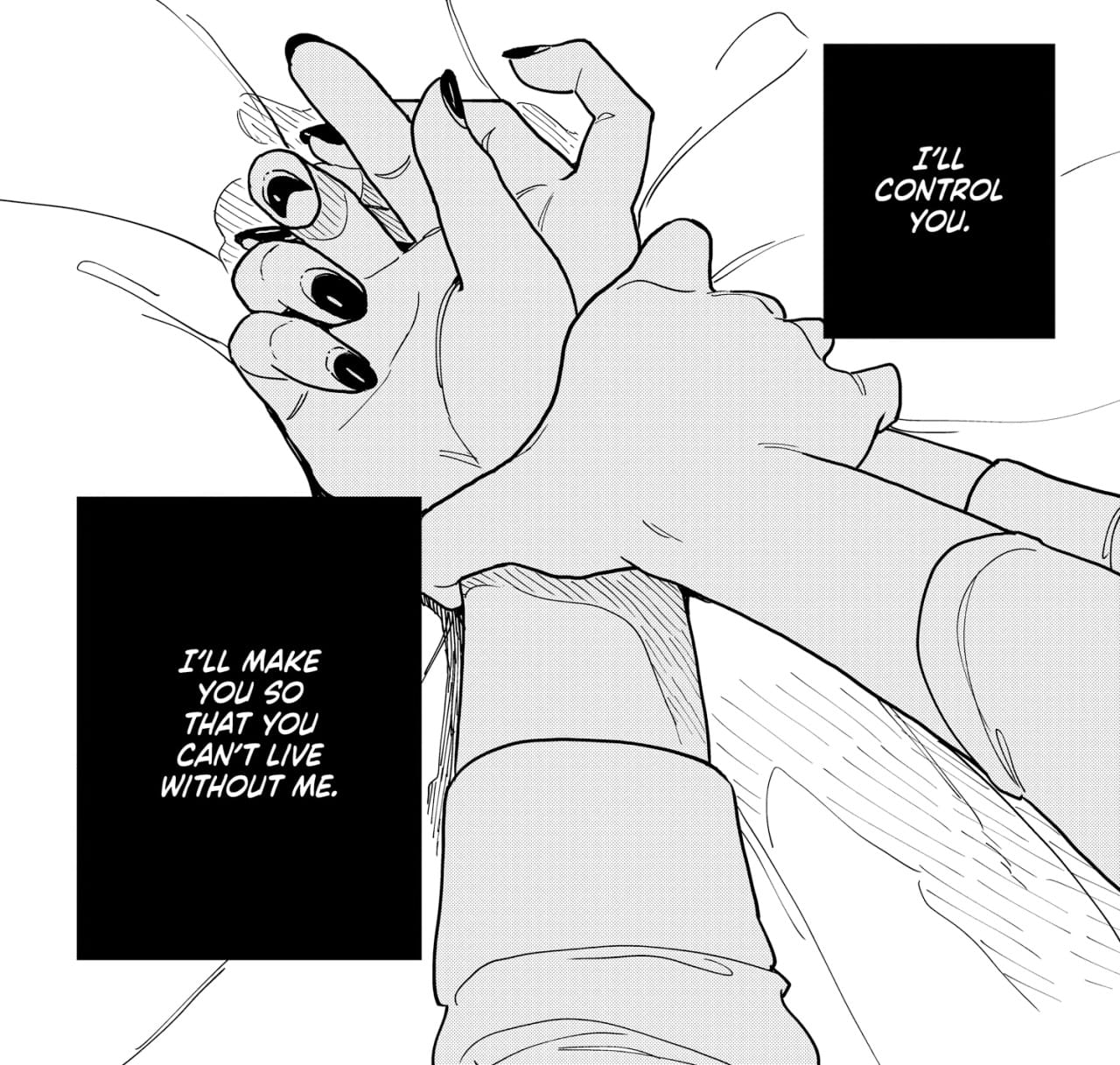
Over time, though, they drift into being closer than ever as friends. They settle into a rhythm as playfully catty exes, trading barbs only a close friend who has the jester’s privilege of uttering without swinging at the gallows can. At the same time, each tries to spark new romances while carrying the trauma their own relationship left behind. And that’s not even counting the familial and platonic ties they still have to wrestle with, along with all the societal prejudice. Still, they stumble through their own attempts to make new relationships technically work while resigning themselves to existing perpendicular to one another forever.
When one is floundering, the other seems to be thriving—or at least pretending to. Ultimately, Miwa and Saeko want to be in as good a spot as they perceive the other to be, yet they can’t help but see through each other’s bullshit and “grass is greener” posturing. Yet, despite having proverbial roaches in their own homes, they are the only ones able to call each other out and, in their own way, help each other through whatever unspoken relationship woes plague their houses.
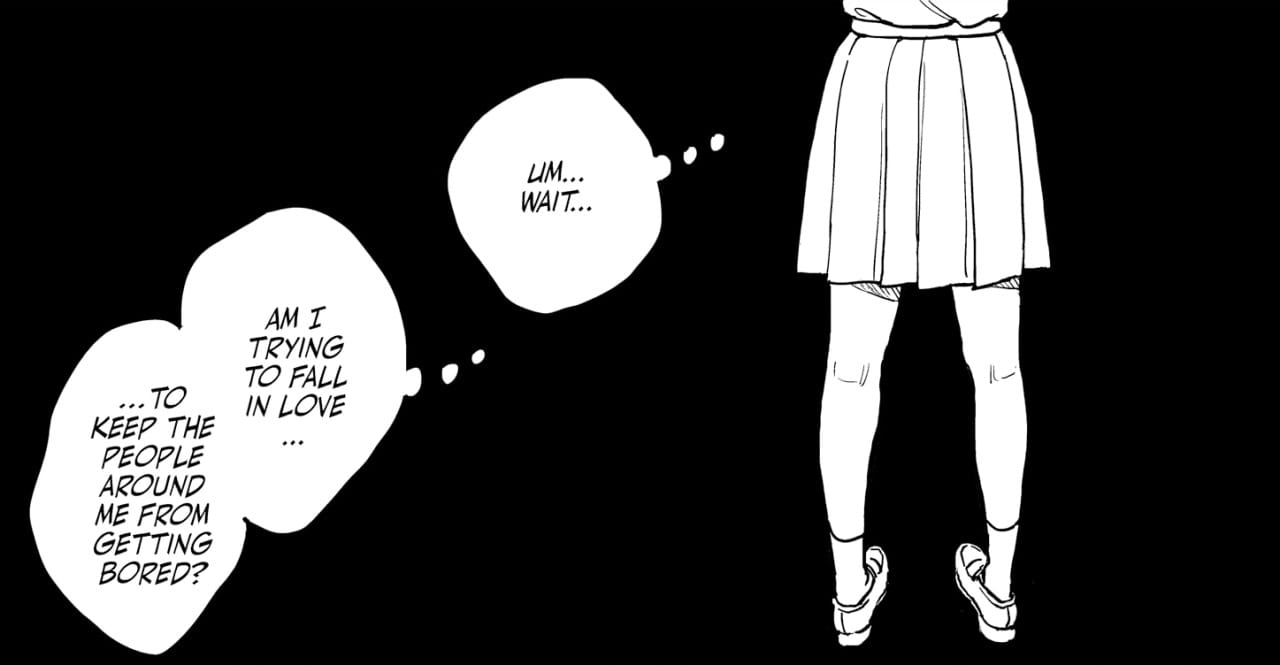
By this point, the series snuck up and stood alongside Ai Yazawa’s Nana and Veritable Joy Studios’ ValiDate: Struggling Singles in Your Area, other brutally honest examinations of love and relationships in my personal pantheon. After a while, I began joining in on months-old forum posts, witnessing the relationships Saeko and Miwa built become a reflection of my own unsuccessful, shaky connections. All because Tamifull challenged the genre’s typical romantic clichés and was brave enough to offer readers something genuine to think about.
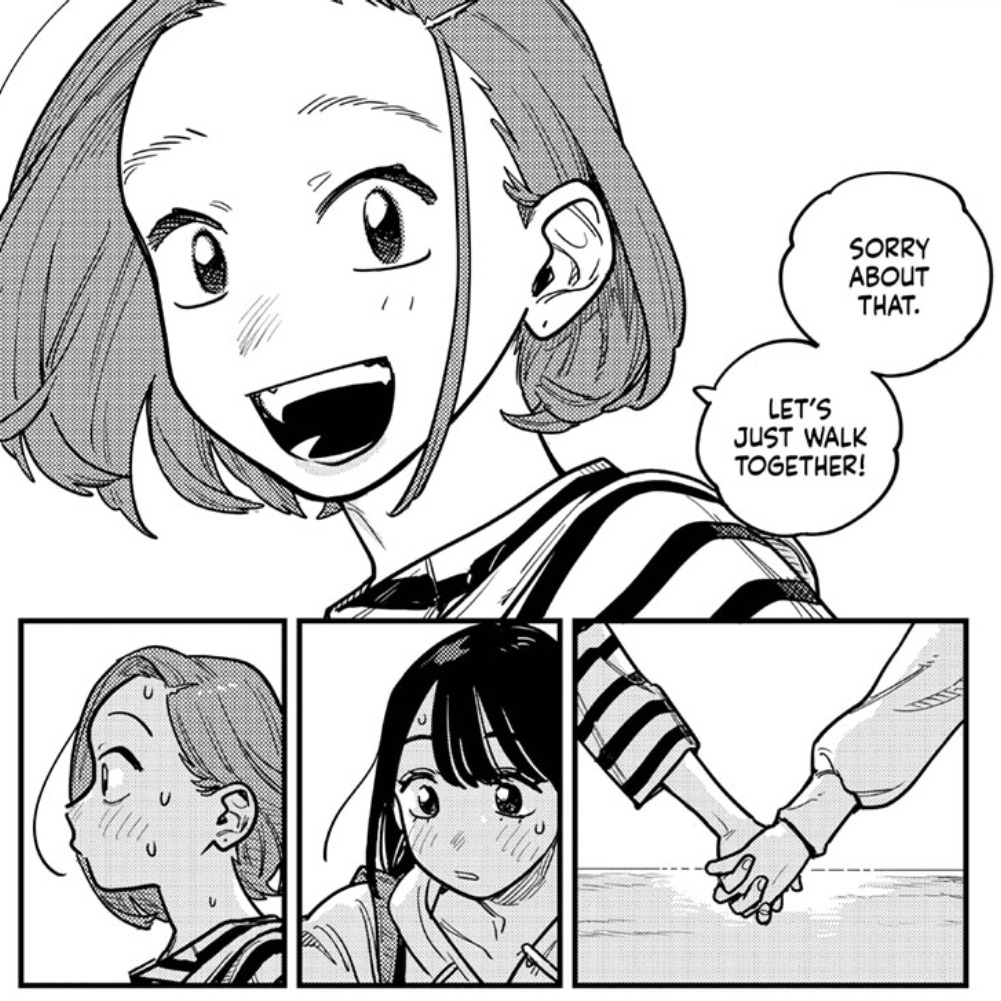
This story goes beyond their college days, following the two women from uncertain university years into just as uncertain adulthood as they navigate the roguelike hellscape of job hunting while dealing with the fires of their own relationships. Along the way, the manga becomes more complex as it sheds light on the unspoken insecurities that relationships sweep under the rug, causing them to fester and eventually explode.
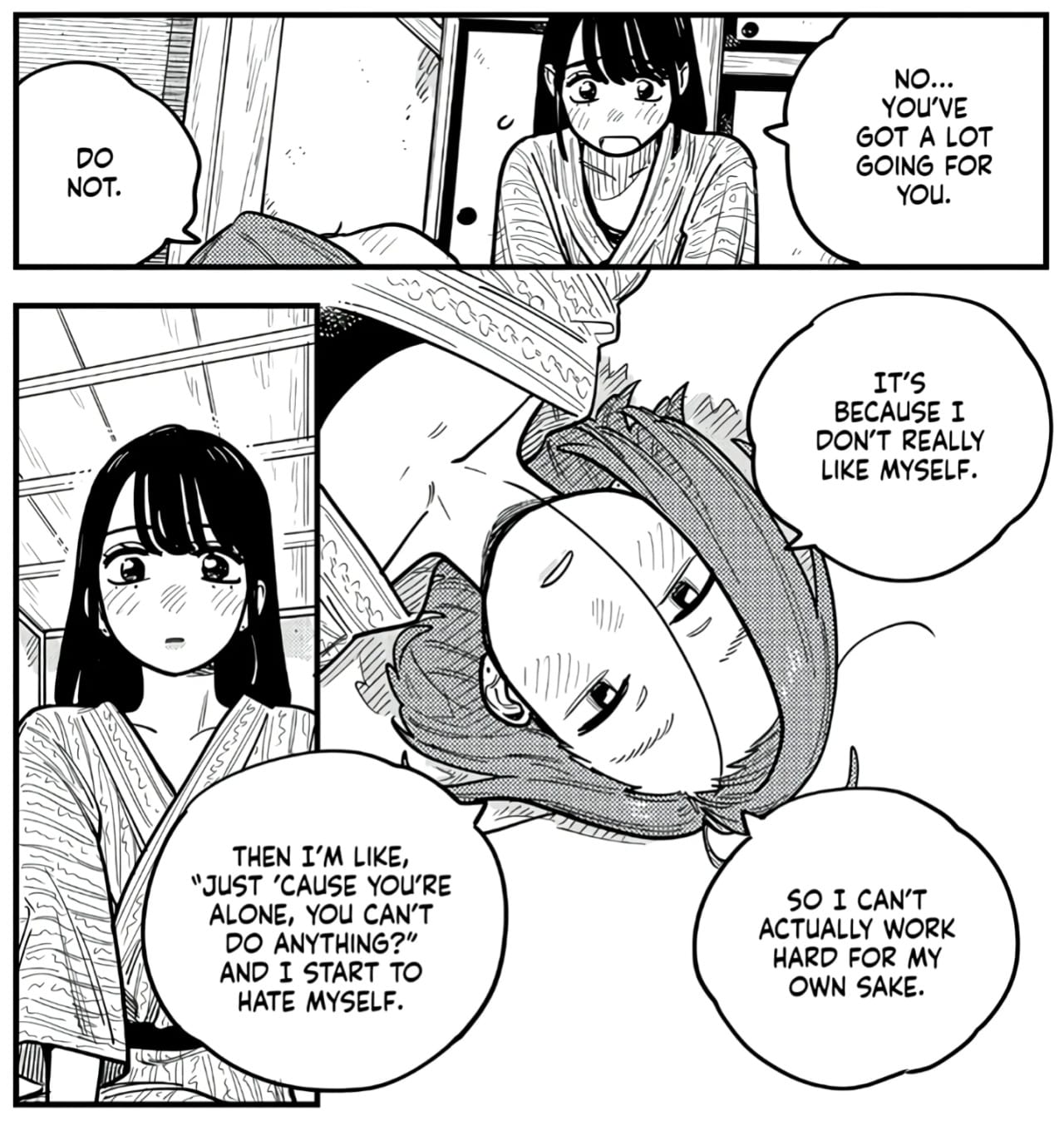
Brutal insecurities like Saeko’s need to make herself smaller—throwing herself into people-pleasing despite being a pessimist who doesn’t want every gripe to seem like a major crisis—while still wanting to be relied upon by her new partner, even as she struggles to express when she needs help. Or Miwa’s worry that her recently-discovered sexual awakening and high sex drive might cause her new partner to see her as disgusting. Inversely, the exhaustion Miwa’s new partner feels from routinely being asked for sex—especially when she doesn’t believe that’s the only way to have fun together—can leave both parties feeling like they are compromising themselves just to keep their relationship going.
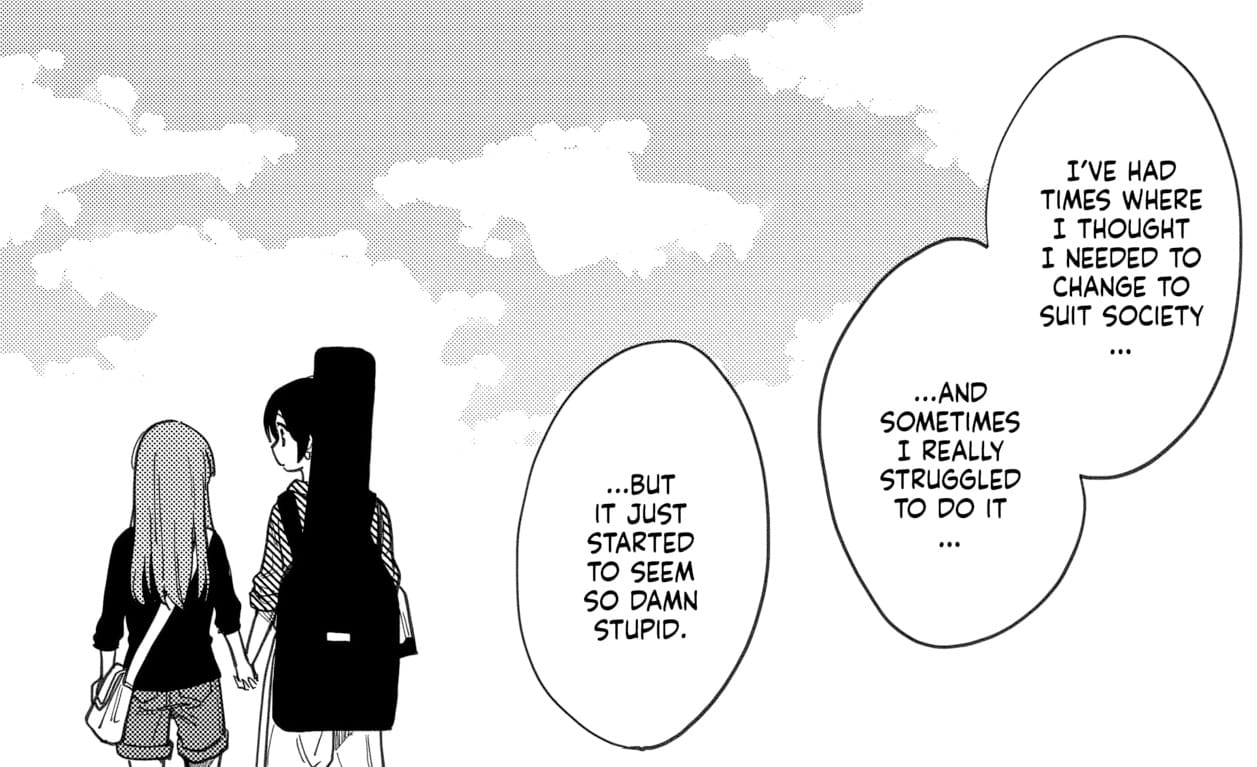
In that same vein, and to my surprise, How Do We Relationship? explored the nesting doll of how my initially reluctant favorite character, Saeko—the steadfast service top—might not trust another to help her climax because she a) prefers not to be touched, b) is haunted by the fear that their partner might not be able to satisfy her, and c) has unaddressed body dysmorphia, all of it handled so brilliantly that I forgot I probably shouldn’t be reading this on the CTA.
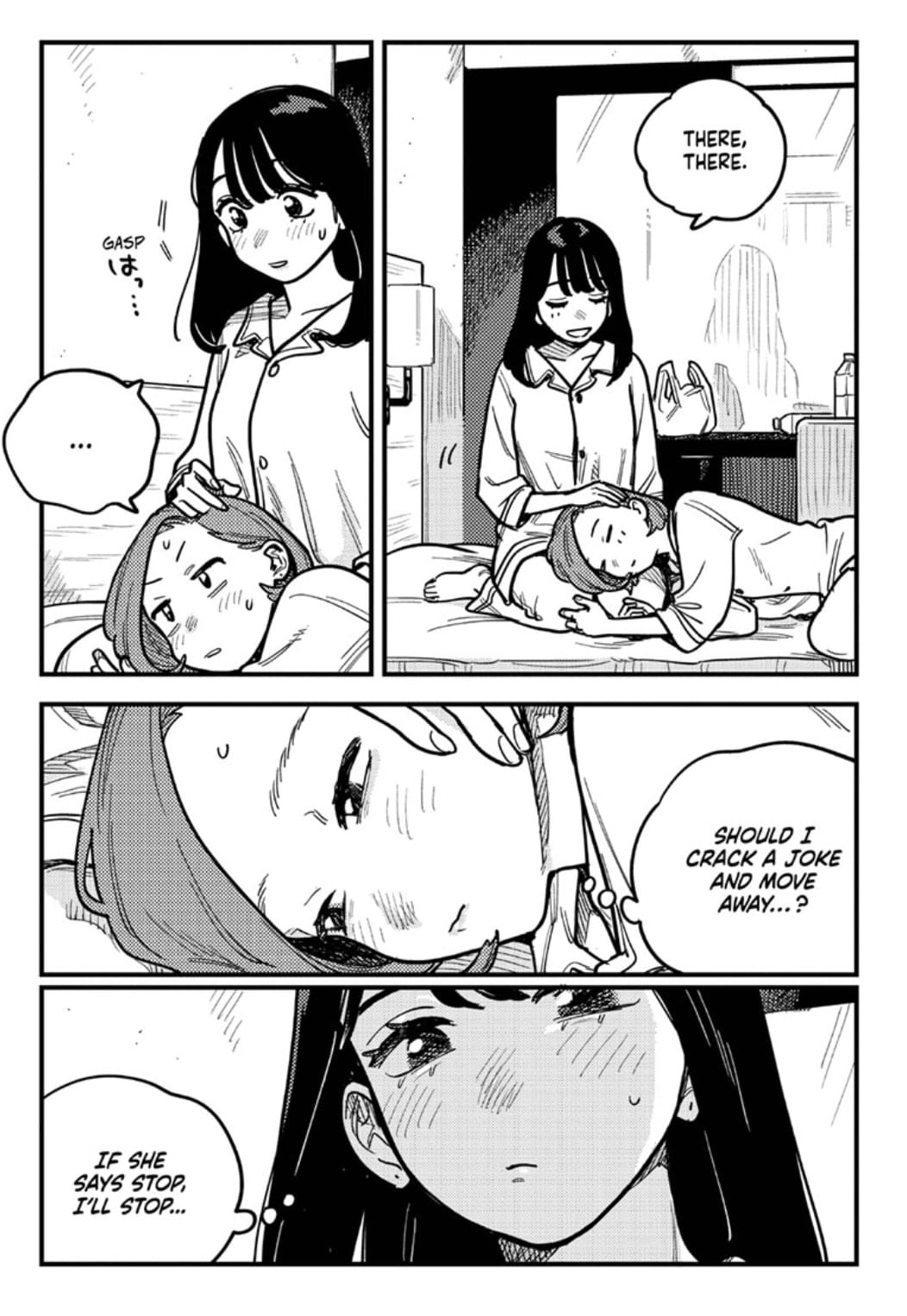
Throughout all this, Tamifull’s queer manga series remains tender, messy, hilarious, vulnerable, unflinchingly honest, and deeply human. All 133 chapters exhaustively celebrate how growth and learning are the foundation of any relationship, rejecting easy answers and instead emphasizing the difficult, complex truths of love as the path to understanding.
 Isaiah Colbert