

With the announcement of Life is Strange: Reunion, fans of the series will see cultured bisexual wunderkind Max Caufield reconnect with sardonic sex-mess Chloe Price. It’s a reunion long coming, bringing two “iconic” characters face to face again. Marketed as “by and for fans of the original,” and promising to “give Max and Chloe the ending they deserve,” Reunion is sure to please many players, but there’s an important question contained in all the promotion: What do fans deserve and what, if anything, do characters deserve as well?
I’m not judging anyone excited to see these characters share the screen again, and I’m not judging any developer on the game who is enthused to breathe fresh life into this couple. Life is Strange: Reunion could nail all of this and offer a rich, complex story of two messy people. But the current media moment is awash in attempts to please fans and create works “by and for” them, turning games back on themselves in twisted rearrangements of stories and experiences we already played back in the 2010s.
Life is Strange: Reunion is simply the latest to join this trend. The original episodic series released in 2015, doggedly carving a niche for itself in spite of (or maybe because of) remarkably awkward dialogue and story-telling. A strange mix of wallflower hipster chic with the dark crimes of Twin Peaks, it made for a unique flavor of Telltale-esque adventure game. And at the core was a messy love story between two incredibly short-sighted teens.
Max was a bookish and artsy bleeding heart and Chloe was a wild, dyed-hair rebel. Their friendship was an odd mix; Max’s mellow nature balanced Chloe’s recklessness even if Chloe’s tendency to fight the people around her strained her relationships. An odd twist to this was Max’s ability to rewind time and jump into alternate possibilities. Her constant use of this power led to a compelling final choice in the narrative: choose to travel back in time and allow Chloe to die or let Chloe live and watch her hometown of Arcadia Bay get consumed in a massive storm seemingly caused by her mucking in the timestream. What a big decision!
Fans loved it. They called it “Bae or Bay” and people still argue about what the “right” choice was. That’s a testament to how electric a couple these two are. Their tortured, time-traveling lesbian romp woke up countless players to all kinds of feelings. Life is Strange was a true lightning in the bottle fandom success.
The core question of what choice Max made was left mostly to linger all the way until 2024’s Life Is Strange: Double Exposure. This game saw Max return, allowing fans to select what choice she made, but shockingly neither path led to a terribly happy life. This was particularly true if players chose that Chloe was alive. Yes, she and Max had a stretch of life together. Yes, they got to love and care for each other. But then they broke up because if you’re gonna be true to Chloe’s character, that inevitably means that she’d push away even the person she loved most in the world.
In many ways this is a bold choice not only for the decision to not allow for a “clean” path for fans to follow, but because it keeps true to the fiction even though that highlighted how flawed these two people were. It had the confidence to accept that even the most passionate of people are not guaranteed a perfect ending. People are complex, messy, and make mistakes even after the story is “over.” Life goes on, and there are no promises that can’t unravel.
A plot point of Double Exposure is Max’s ability to leap between two timelines. Near the climax of Double Exposure these timelines are merged, and this paves the path for Reunion, allowing all players to bring Max and Chloe together in a story that the marketing claims gives them “the ending they deserve.”
What do characters deserve? To say that they deserve anything creates a strange value judgment, which positions characters as the force of a story. On face value that makes sense–of course a story revolves around characters! But to say they “deserve” certain things starts to limit the stories you can tell. In real life, people deserve plenty of things. They deserve health and a roof over their head, they deserve dignity. In a story? That’s messier. We tell all kinds of stories, sometimes not always bearing the perfect ending, because they help us understand the world.
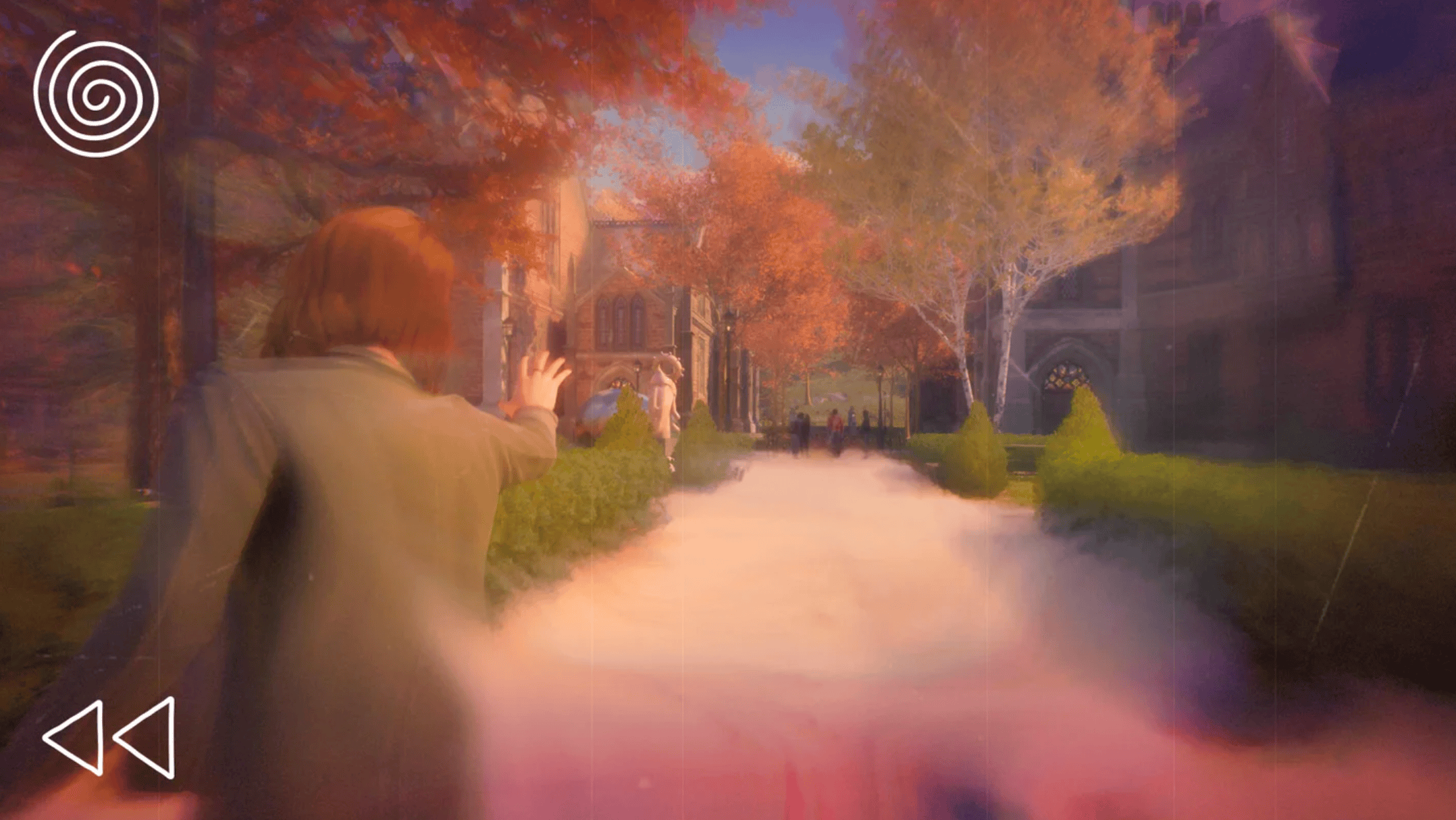
To give Max and Chloe the ending they deserve means playing a multiversal long con across several games, all of which is targeted at upturning one of the most talked about endings of the last decade of games. To give them the story they deserve means potentially bending over backwards in many directions to please fans and risk the developers not telling the story they actually wanted to tell. To suggest these characters deserve more is to imply their story was not complete by itself. It implies prior work, perhaps even the work of people not at the studio anymore, was flawed and faulty. To say that this game is the one for fans paints the other games as somehow not being for fans because they didn’t give what folks “deserved.”
Characters don’t deserve anything, and I don’t think fans do either. The goal of a story cannot simply be to satiate the hunger of fanatics or to smooth out the ripples of a world. Even the most indulgent self-insert fan fiction arguably operates on higher goals than this; the writer crafts the silly tale in order to address something in their soul. You don’t write to fix a story; it ideally addresses something inside us. You don’t write because fictional characters need it. You write because you need it. You do it because there’s something in you that needs to be said.
Maybe that’s happening with Reunion. Maybe solving the story of Max and Chloe addresses some yearning on the part of the storytellers; I don’t know their hearts. What I do know is that many people create art to make life more bearable, safely explore dangerous situations, or maybe to give themselves the voice that the various injustices and pressures of the real world have robbed from them. Even the most crass and selfish writing, and even the most mature fiction, must do something more than exist for its own sake. The line is blurry in this case. What are we doing? Are we making something true or something marketable? Said another way: if you’re making something with the intention to market it far and wide, does that make it harder—impossible even—to still write something soul-soothing and true?
When I see marketing about Reunion talk about giving characters what they deserve and being for fans by fans, I cannot help but brace for something terrible. Even if, as the game’s Xbox Wire post states, “their reunion could be no quick fix,” I cannot help focus on that final word: fix.We must fix this. We must fix our stories. We must save our characters. We must please our fans. We must protect our bottom line. We must take it all back. We must smooth all friction.
It’s easy to see how we reached this point. The world is a mess potentially on the brink of war and certainly in the throes of ecological collapse. The games industry itself is imploding with jobs lost by the thousands and studios fizzling away into the ether. Through all this, people want stability. They want known quantities. They crave a return to a time when things were not so scary. And executives at big companies with popular franchises want to find ways to sell their games and keep things out of the red. Do it right and you’ll even snag a good Metacritic score alongside all those big sales numbers.
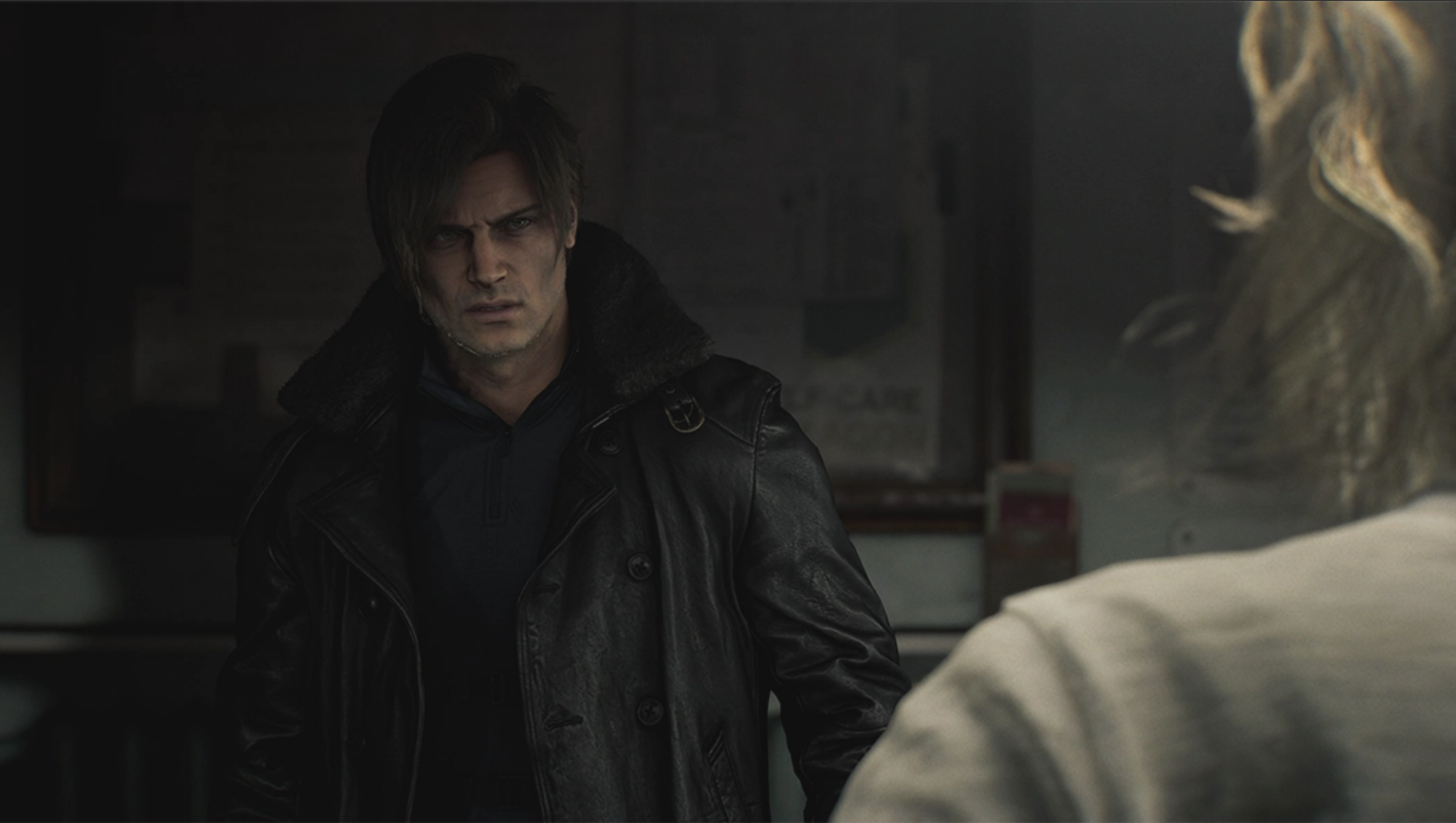
You can see it in many “franchises” in the AAA space. Having blown up their playerbase with the disastrous Battlefield 2042, Electronic Arts fashioned Battlefield 6 into the familiar well-trod modern warfare of past successes. After spending two main entries and almost a decade with new settings and characters (ignoring various remakes), Resident Evil Requiem returns players to Raccoon City and brings back grizzled veteran Leon Kennedy for some zombie smashing.
In some cases, studios can resell old stories at a higher price. When Yakuza Kiwami 3 releases next month, the old remaster will be delisted and unavailable for individual purchase. Instead of paying twenty dollars on Steam, you pay sixty dollars to enjoy a story that was originally released in 2009. And some people will pay because it reminds them of old times.
It is hard to not imagine Chloe Price being glass that read “Break In Case Of Emergency.” At a time when the prevailing desire is to return to a more innocent time and during a period when fandom pressure seems to overwhelm developers as studios struggle to stay alive, I am not entirely sure the story promised in Reunion’s marketing is the one that wants to be told and not the one which is simply crowd-pleasing. While Xbox Wire writes that Reunion is “a full circle moment for both developers and fans,” there were possibly other voices in the room: voices from marketing or publishing departments, mandates from people with higher paychecks. It might be this is really where the makers of Life is Strange or Resident Evil or any other game that promises something “by and for” fans want to go next, but I’m also certain that people in the marketing and publishing departments of each respective studio are relieved that they don’t need to pitch players quite so hard to buy their games.
And maybe there were voices from the world outside too: a false promise of simplicity, that mess can be overwritten. Be it from real fans or imagined, there might have been a pressure to please above all other things. The marketing tells players that stories are here to cater to them, that they deserve those stories. And while this could be a story that really grapples with those old choices and mistakes, it could also be one that says that what fans and characters deserve are no loose ends and gives them a way to make everything “okay.”
To wind back the clock on Chloe Price betrays a certain kind of anxiety and suggests, at least through marketing language, that the games after Life Is Strange lack a kind of legitimacy. Those were not you, dear fans. We’d never betray you like that. We’ll always give you what you deserve. Let us return together to a simpler time before we made hard choices.
This is a lie and a dangerous one. It is a poison dropped into the well by the forces of capital. Art is a gift from one person to another; it is a message crafted to express the truths we cannot adequately state through simple conversation. Characters don’t deserve anything, and players don’t deserve anything but what is true. And stories born of financial anxiety, stories which upturn progress and shift back to the comfortable, are not telling us the truth.


