

Last year, I lamented over how I’ve spent the worst part of five years searching for a dating show to fill the void left in the controversial wake of Terrace House. While Netflix is certainly not lacking for options, with many of them being derivatives of Terrace House’s formula, Love Village utilizes its inspiration’s pressure cooker environment for romance in a way that doesn’t just tug on heartstrings, it pulls the loose thread into a crumbling heap of wholesomeness.
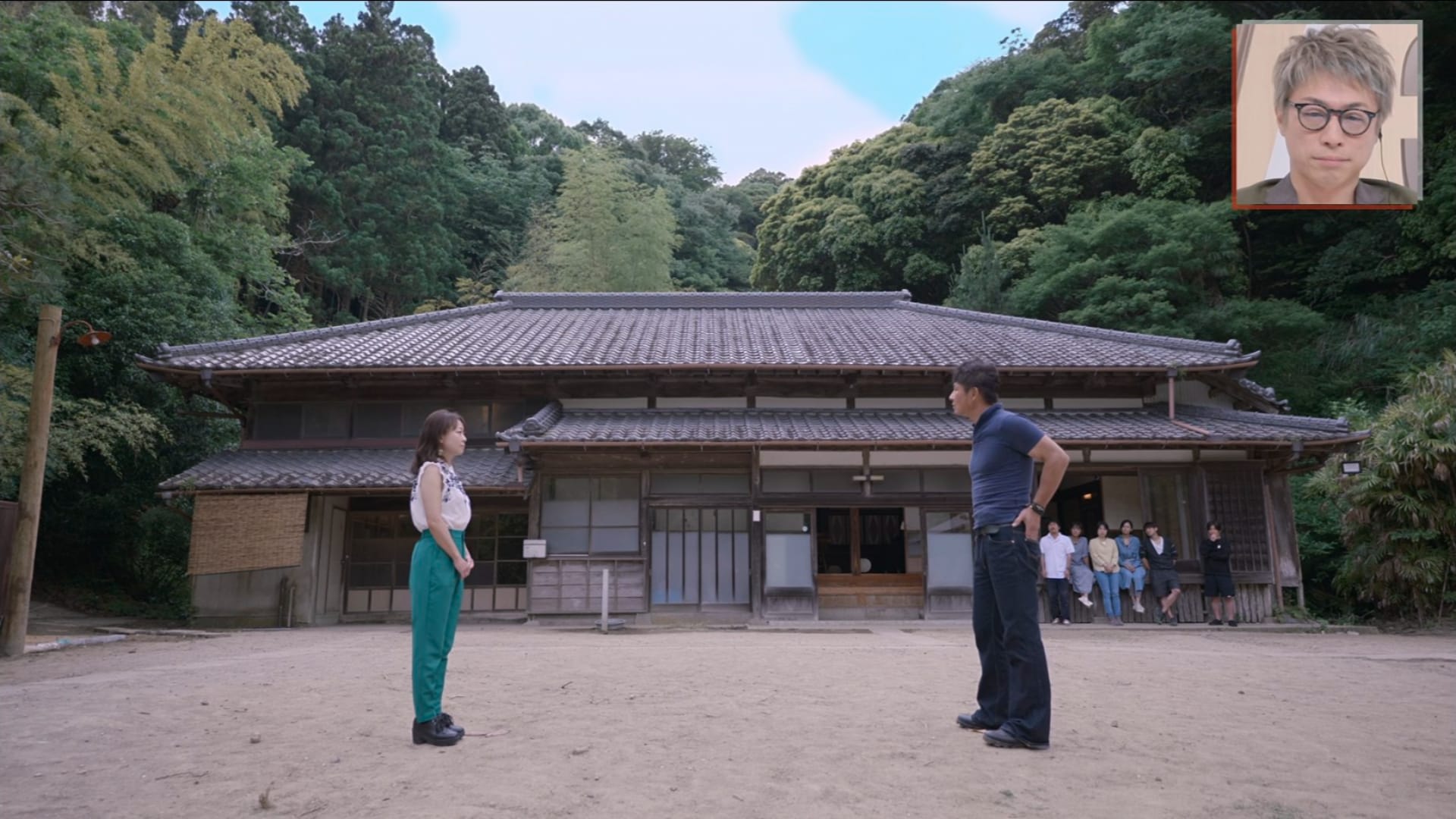
On the surface, Love Village isn’t dissimilar from other dating shows of its ilk, where viewers watch a group of eligible guys and gals live in a secluded environment and await love to sprout. While Love Village has much of the same scaffolding as other shows, its foundation isn’t built on young, dumb, and full of cum 20-somethings inflating their social media followings by participating in a reality show, regardless of whether their romances are the genuine article or fair-weather flings for television. Love Village is expressly about older Japanese singles rehabilitating an old country house they’re cohabitating in as they search for the “last love of their lives.”
When I say old, I’m talking about an age range from late 30s to early 60s. Love Village houses a group of men and women who have never married, are divorced, or are single parents, all with humble jobs such as carpenters, doctors, baristas, illustrators, business managers, and therapists. This less hip congregation of old fogies are either settled in their ways (to their detriment or otherwise), knowing what they’re about and what they want from a relationship, or are struggling to overcome decades-long reservations about getting into a relationship, whether due to ageism, a past partner’s infidelity, bad luck when the person they’re interested in falls for someone else, or a belief that they’re not meant to find love in the first place. Regardless, they’ve all joined Love Village to put themselves out there.
One of the reasons I blitzed through Love Village’s first season over the holiday break is its music accompaniment. Its theme song is freaking Backstreet Boys’ “Everybody (Backstreet's Back)”—a song choice that bamboozled the hell out of me when I booted up the show and delighted me to no end when the show doubled down by having “I Want It That Way” be an insert song. There are levels to Japanese dating shows, and Love Village is shoulders above its contemporaries.
While the inspired choice of making Backstreet Boys the theme song for Love Village brought me to the dance, what kept me watching was that it felt more patently honest and down-to-earth than your garden-variety Japanese dating show.

Netflix
Some of that has to do with the way the show’s participants confess their love. You see, atop a hill behind their shared house is a bell. Once one of the members feels ready to confess their love to a housemate, they sneak off and ring the bell. What follows is the spitting image of what happens in shojo manga: a high schooler meets their would-be partner and confesses their feelings. But confessing in Love Village, as in real life, comes at a huge gamble: Regardless of how the confession goes, the person who confesses must leave Love Village. But if their confession rings true to the confessee, they will leave together as a couple.

Netflix
Upon hearing the bell ring, everyone must line up outside the house as the confessor approaches the confessee. Then the pair spends some time chatting privately. Afterwards, the confessee has 24 hours to mull over the confession. All the while, no one in the house can discuss the matter. The following day, everyone lines up again as the confessor publicly declares their love, and the confesse either accepts or declines. Either way, there’s not a dry eye in Love Village, its commentary panel, or in my humble abode.

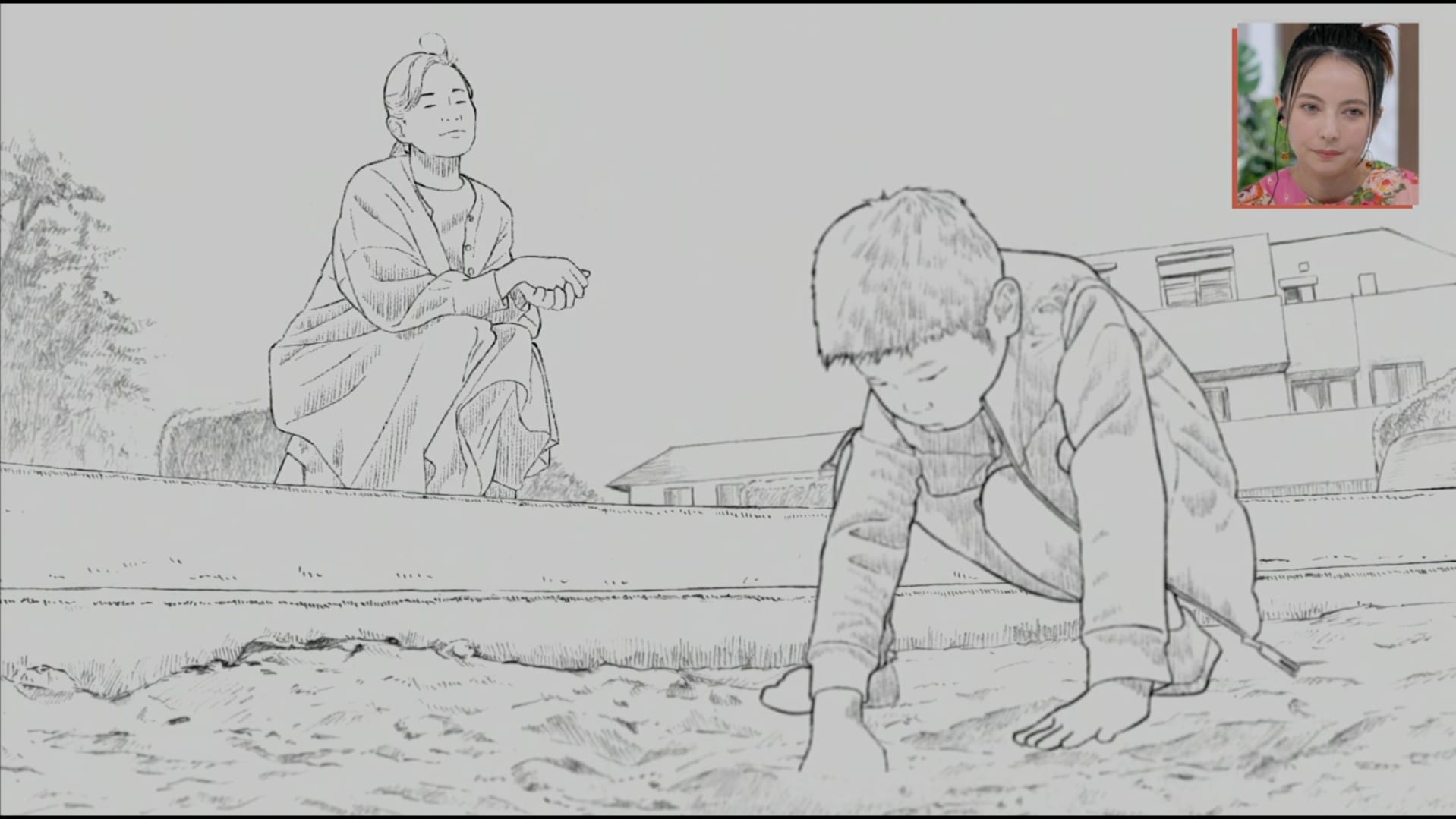
It also doesn’t hurt that the backstories of Love Village housemates are showcased in hand-illustrated manga-style sequences narrated by them. Plus, its commentary reaction panel isn’t overcrowded, with just two hosts who have pretty great chemistry. They aren’t overbearing, and their interjections aren’t so frequent to cause an irritating syncopation between the developments at Love Village and its studio audience's reactions. That might not sound like much, but that’s a huge plus for these types of shows, especially when they’re editing out the boring parts and teasing developments-to-come in future 30-minute episodes, in contrast to hour-long drama-farming shows where nothing of note happens unless manufactured by the production crew.




Netflix
In another show, even a glimpse of its production crew would be proof that it was an amateur dating show. But if anything, witnessing the black shirts of Love Village’s camera crew catch developments in real time, such as a person smirking at a crew member before sneaking off to ring the bell, adds to the show’s transparent nature. Older folks, just like younguns, can’t hide it when they’re giddily in love, and having the crew excitedly scramble to capture moments as they happen, grabbing at their earpieces to let their coworkers know “It’s happening!,” is cute shit every time.
In the span of Love Village episodes I’ve watched, I’ve witnessed both successful and failed confessions, tearful farewells, and meetcutes with new, slightly younger, and physically fit arrivals, followed by waves of regret from older housemates who question whether the cards were stacked too much against them. But what gets me every time about the show is that it feels special seeing these old folks rehabilitate the house. Knowing that some successful couples left evidence of their romance in the foundation of Love Village by writing their names and a heart on the deepest bricks of a fire pit in Sharpie is one of many reasons this show operates on a different level.

Even if romances don’t pan out, having tactile proof of the folks who once walked Love Village’s grounds, be it by replacing the floorboards, adding window screens, or erecting a fire pit for barbecues, is a tactile reminder of their impact on the show and encourages members to continue to fight the good fight. They’re doing so not just to improve the day-to-day lives of their housemates but for those who come after them in search of love. So, even if they have to leave alone or with the person they love, they leave little pieces of themselves in the refurbished old house that new members can enjoy.
 Isaiah Colbert