

Fandoms are a double-edged sword. Well-meaning rallying cries of “X character deserves better” or that they’re “doomed by the narrative” often metastasize into shipping wars. Or, it turns into spitting in the general direction of a creator who deprives them of an outcome they want. Such is the case with Neon Genesis Evangelion and the long-awaited emancipation of one Asuka Langley Soryu.
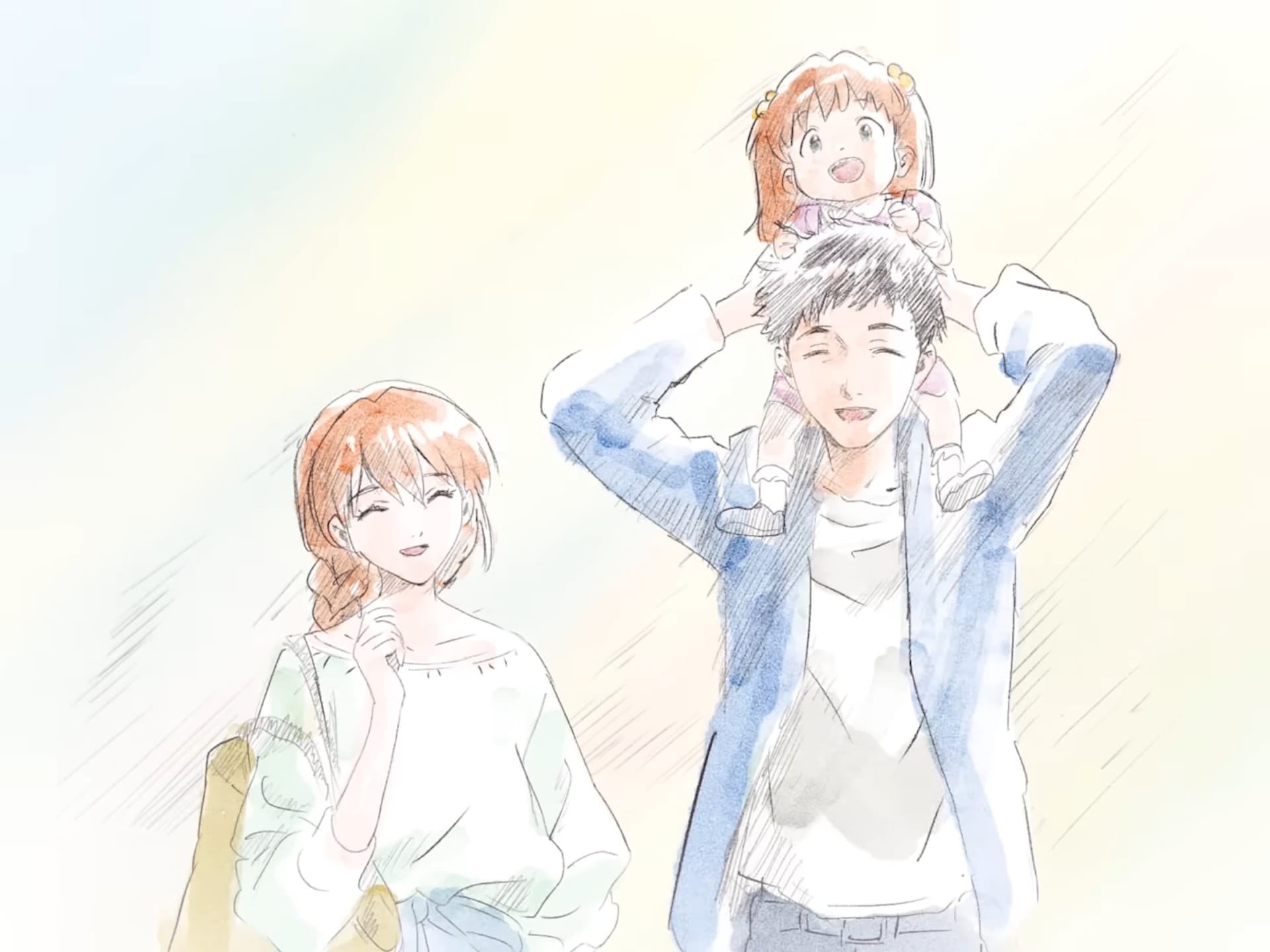
When Studio Khara announced the brief return of Neon Genesis Evangelion for its 30th anniversary, it awoke a fandom still in the trenches of unpacking a mecha anime whose heady themes are more than the sum of its mecha anime parts. But mostly, the fandom was giddy about the 13-minute short focusing on its tsundere hot head, Asuka Langley Soryu. The short, which was screened at Yokohama Arena, predictably made its way online with grainy screenshots and cellphone footage like a Marvel movie on TikTok. In its wake, “AsuShin” fans claimed victory at NGE’s contentious shipping fandom, coming back from a 30-point deficit in the fourth quarter and narrowly securing a win when stills of Asuka and Shinji Ikari married and with child broke the internet.
So this is what the dream feels like? This is the victory we longed for. pic.twitter.com/KxcJiwc5n6
— Tyler (@tylerwetrusted) February 21, 2026
The image of two troubled teens finding happiness together is basically the lifeblood of the NGE shipping fandom. Case in point: its fandom still argues over ships between Shinji Ikari and Asuka, Rei Ayanami, Kaworu Nagisa, and Mari Makinami Illustrious, online to this day.
Before the “illegal” footage of the animated short hit the internet, fans accepted that the Evangelion movie Thrice Upon a Time would end with Mari and Shinji together, while Asuka and Shinji’s other potential partners waited at a train station as the pair ran off hand in hand into the real world. So it’s understandable why those screenshots would make AsuShin fans feel positively euphoric about their favorite girl finally getting her “happy ending.” However, the context behind those stills couldn’t be more different.
“I don’t want to depend on fantasy anymore.”
When Studio Khara finally released the animated short on YouTube, the subject matter of the video was actually about Asuka lamenting that she never got a happy ending. In it, she chats with her Rebuild film counterpart, Asuka Langley Shikinami (don’t worry about it), about her fate in both the anime and End of Evangelion. As if speaking for the fans, Asuka voiced how she wasn’t thrilled about dying in End of Evangelion, nor was she ecstatic about Shinji choking her out.
“The ending of my episode may have been a happy one for the main character, idiot Shinji, but it wasn’t for me. I just felt sick from being forced to join in that idiot’s world and being strangled. Where is my happiness?"
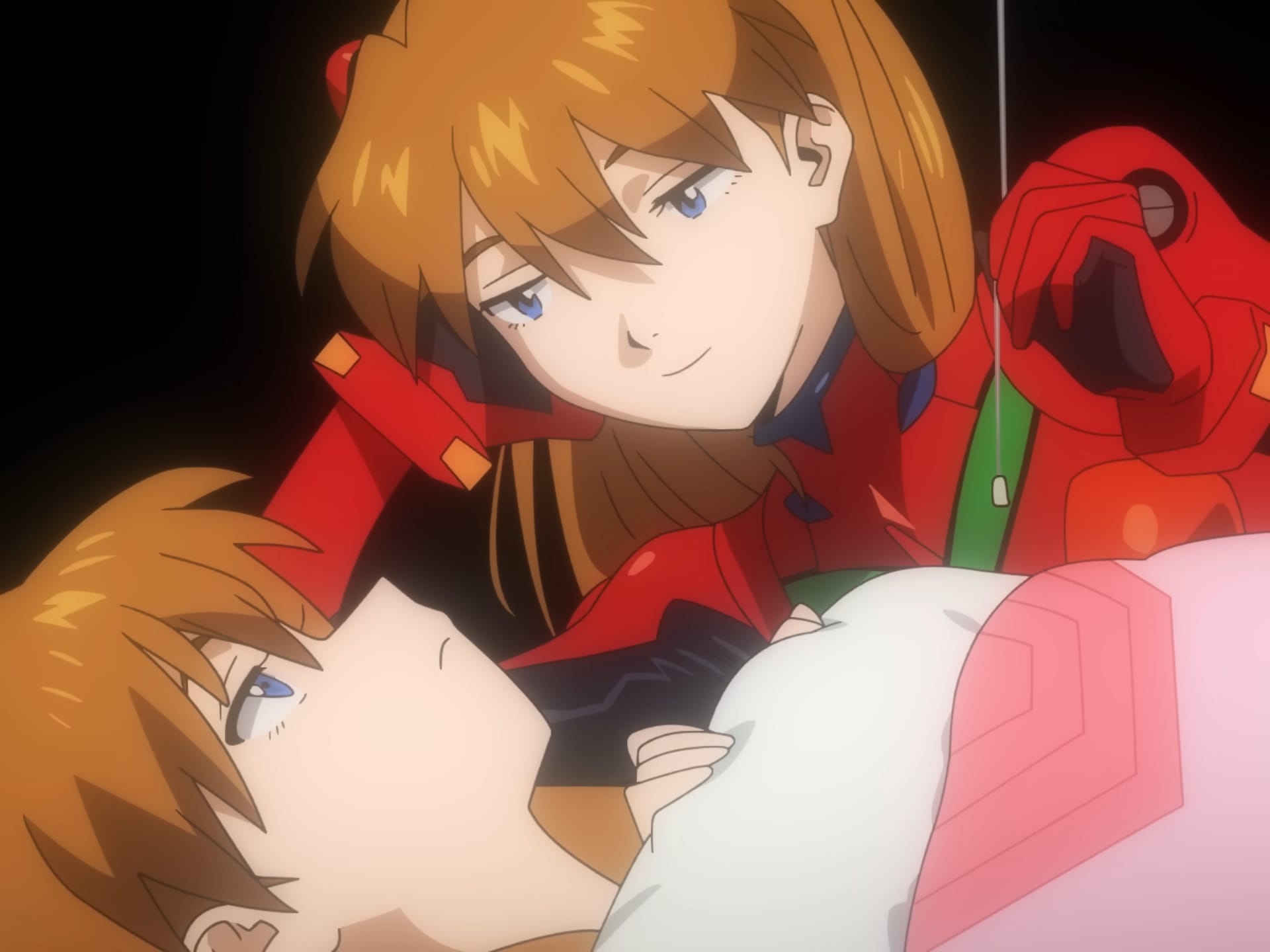
What follows is the pair going on a spree of what-if scenarios where Asuka falls asleep and dreams of a different ending for herself. A lot of those dreams are comedic gags; among them is a scene where Asuka is a giant mech. But the ones that hit uncomfortably close to home for her are scenarios in which her mother praises her, and the aforementioned scene in which she and Shinji end up together. Both scenes, while cathartic on their face, are outcomes she ultimately rejects as her happy ending.
“I just felt uncomfortable. Like I wasn’t myself.”
Of Evangelion’s traumatized teens, Asuka’s issues aren’t just about having a tragic backstory. Asuka’s baggage is about the layered emotional wounds that shape her identity. They manifest in her haughty defensiveness, her desperate need to be seen as exceptional, and her deep-seated desire to be wanted. It’s why she throws herself into an EVA to prove she’s better than Shinji or Rei, and why she rushes into romantic or sexual situations with Shinji and Kaji. Asuka’s problems are so ordinary that even the fans who dislike her understand why people believe she was given short shrift from the show. It’s no coincidence the animated short plays with that feeling through its ironic “have its cake and eat it too” razzing of the series’ own treatment of her.
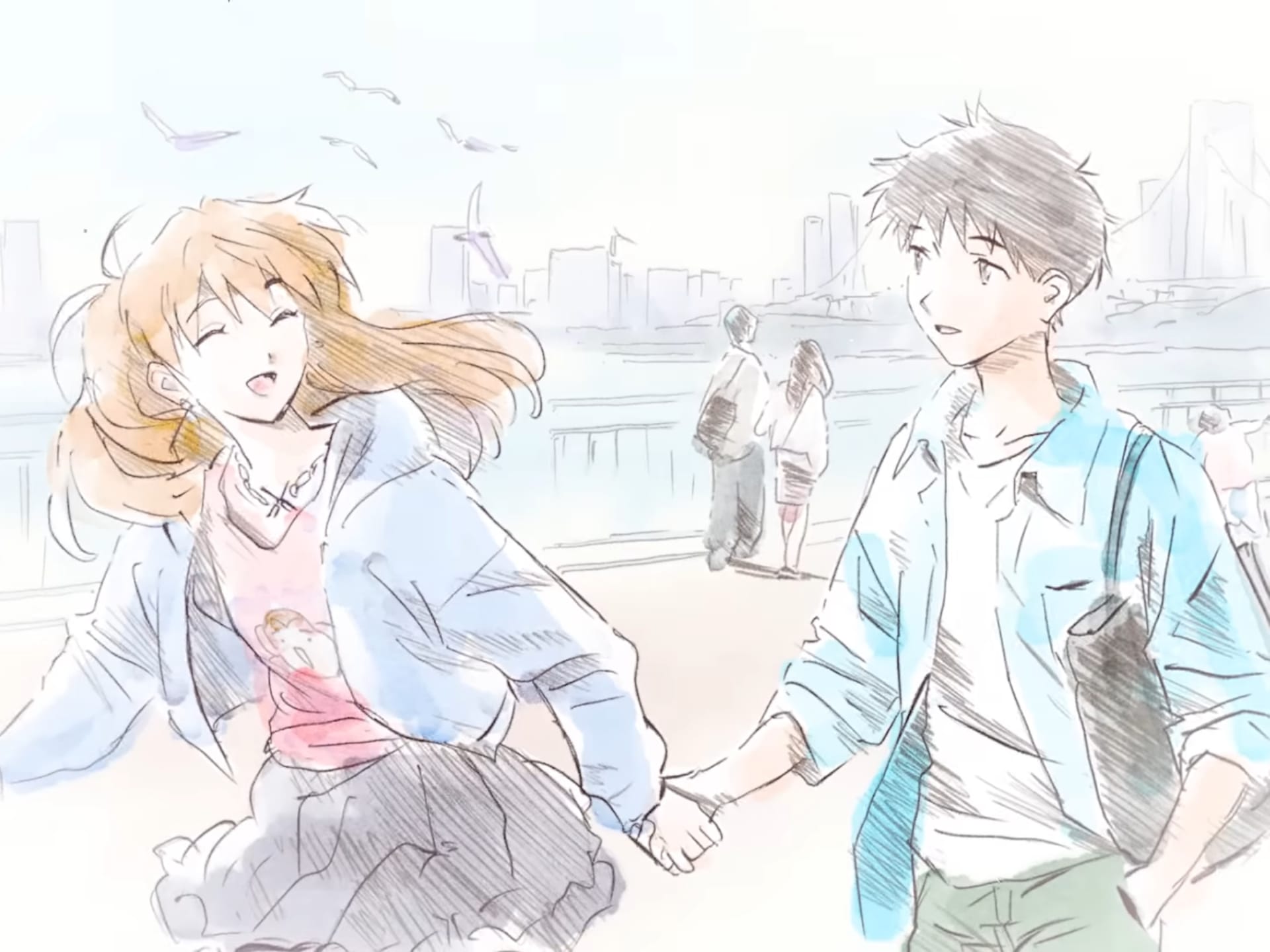
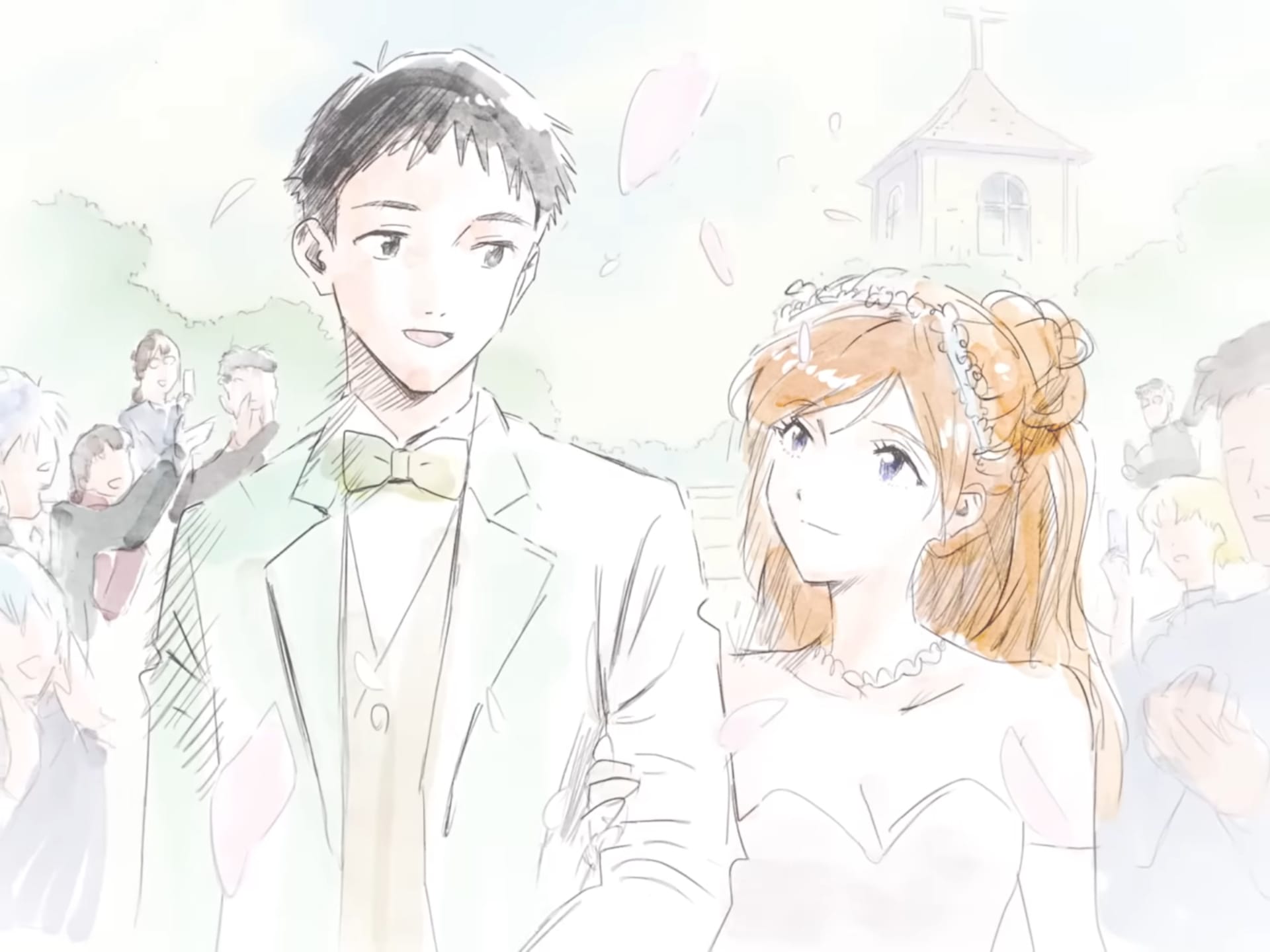
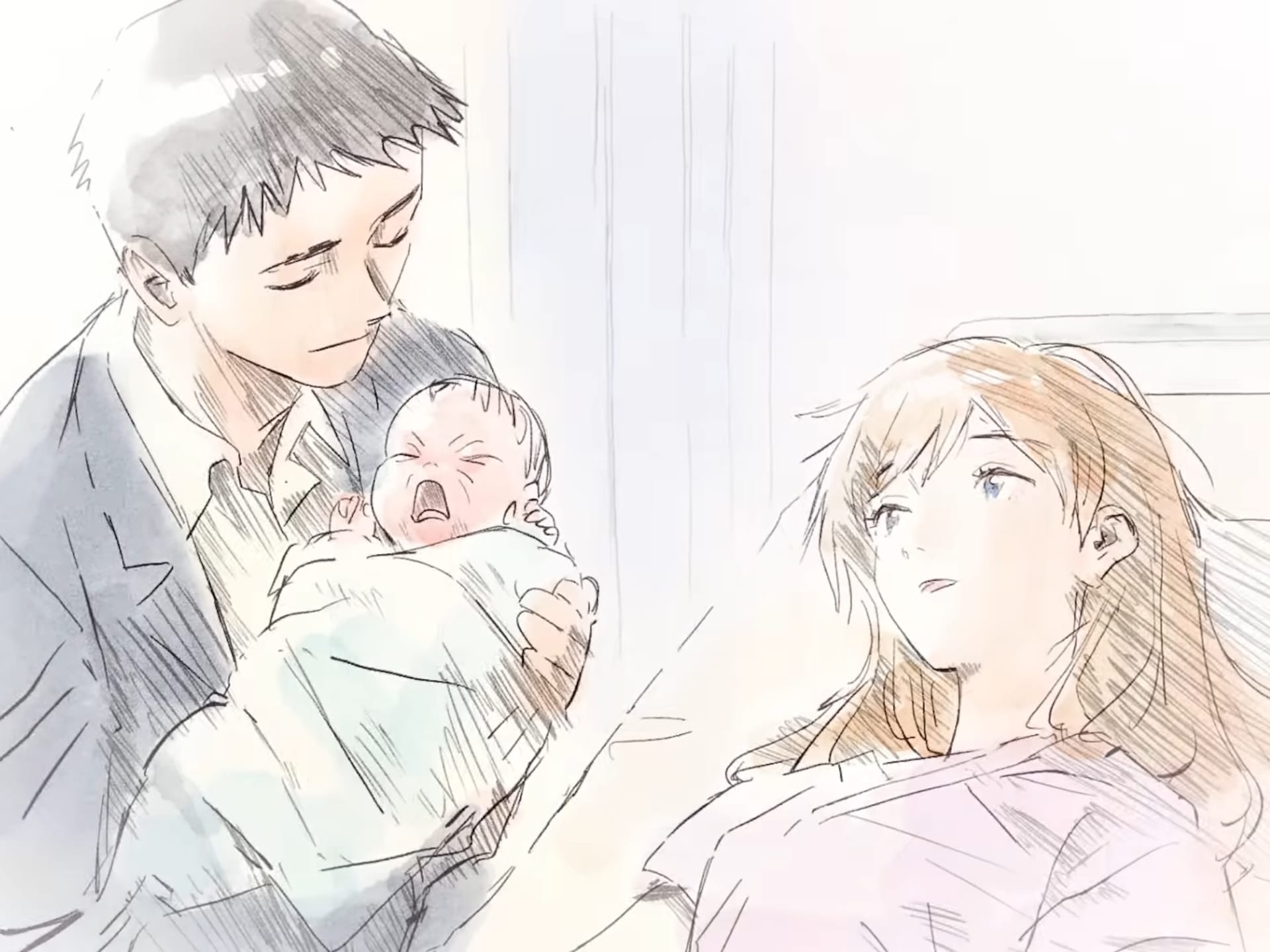
Studio Khara
“Sorry, cut. It’s not a bad premise, but I want to be happy in my own world.”
Asuka’s hyper-independence, her emotional abandonment as a child, and the insurmountable pressure to perform like a perfect doll are exactly why audiences around the world connect with her so fiercely. And, in turn, it’s why so many fans see pairing her with the series’ protagonist as a way to support her through a fantasy, giving her the love, stability, and validation she never received in the series proper.
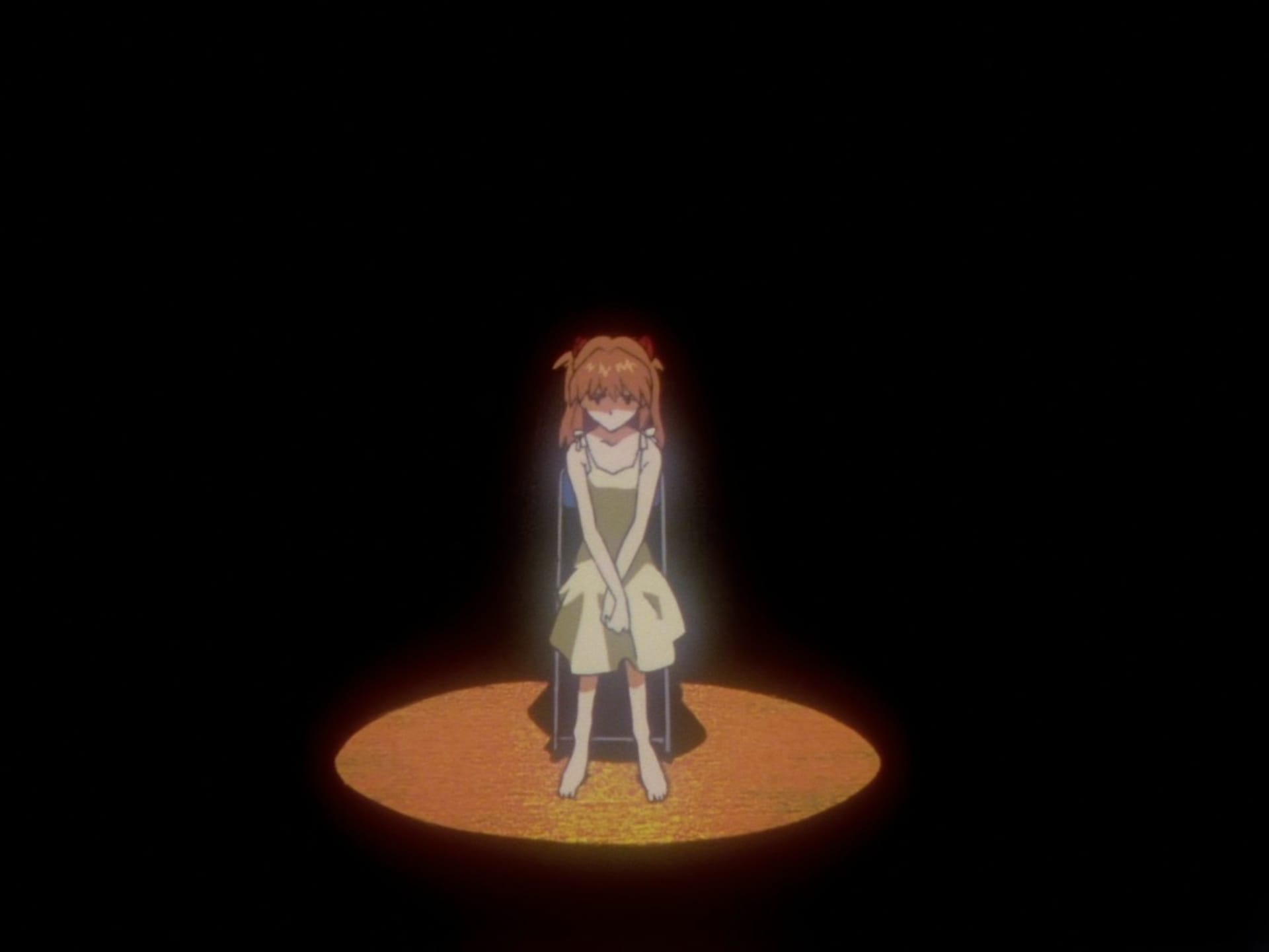
But that imagined happy ending glosses over the moments where she’s been harmed, ignored, or mistreated, especially by Shinji. The notion that her trauma could be smoothed away with a cookie-cutter romance with a boy who would magically fix her betrays who she is and what she’s endured.
Fan‑favorite characters often feel narratively doomed, and that sense of doom pushes fans into flights of fancy where we imagine worlds that “fix” them. Whether through fanfiction, shipping, or giving creators grief to get back in the kitchen and cook up a different ending, we chase the fantasy of repair. And that uncomfortable truth—that impulse to rewrite a character’s fate—is exactly what Khara’s animated short brushes up against.
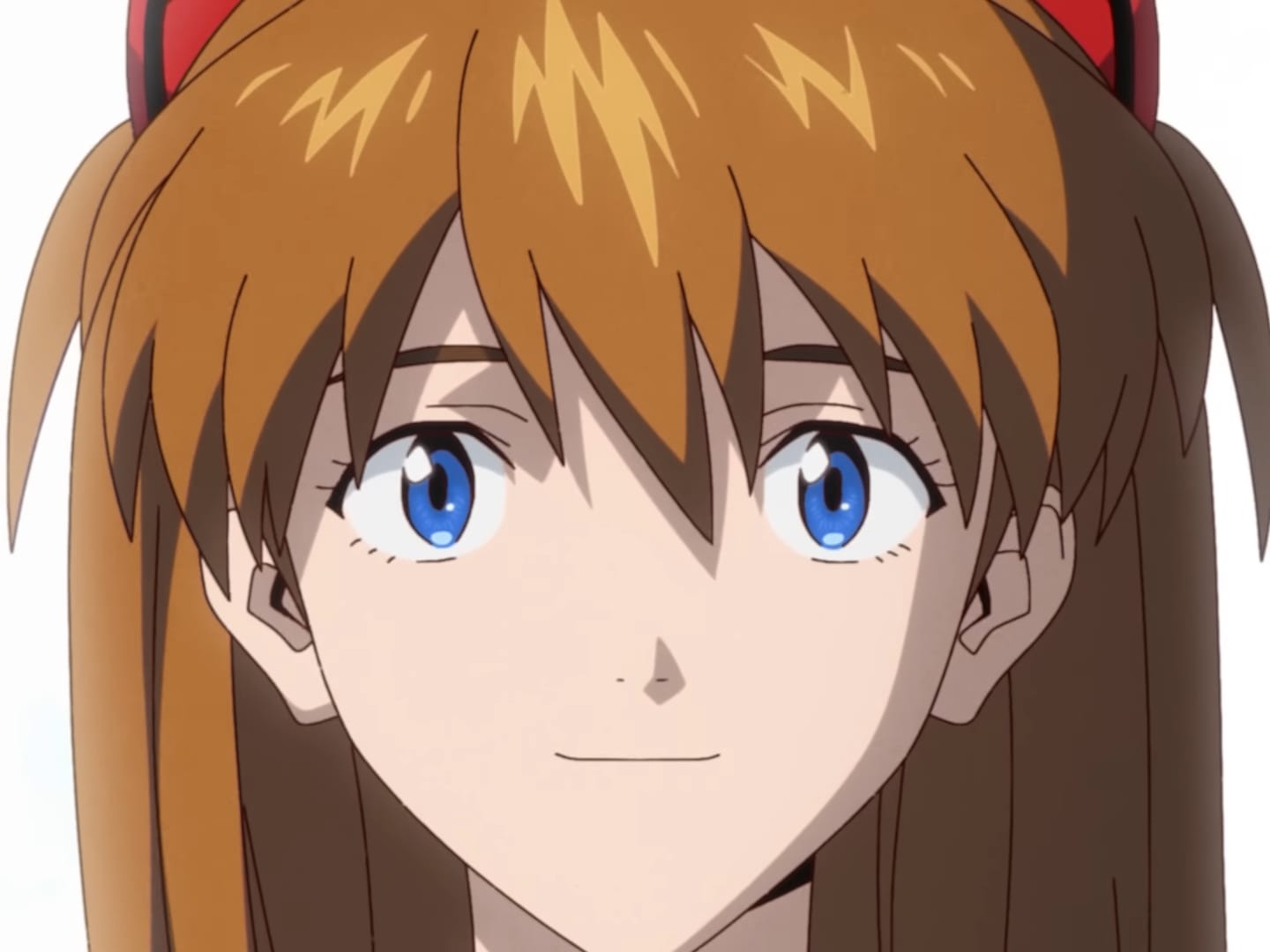
“I’m my own person!”
Characters aren’t owed anything. And it's just as insulting to believe that their problems can be solved by antiquated means like pairing them off and calling it a day. For Studio Khara to drop a short about a ship as old as I am within a stone’s throw of International Women’s Day is a pointed reminder to fans too deep in the trenches: a character’s emancipation matters far more than any shipping war. And that’s a lesson worth carrying into our own lives.


