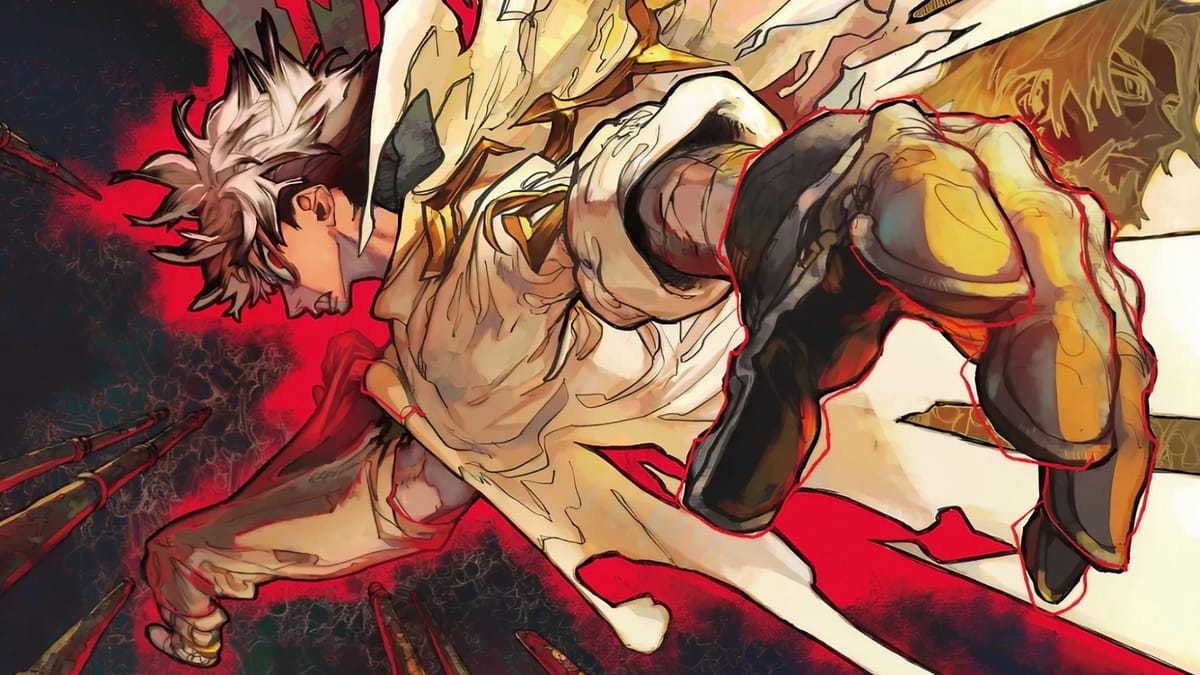

For every Shonen Jump success story, there’s a trail of newer series canceled almost as quickly as they’re greenlit, leaving fans in a long‑running bind: either you’re crushed when a manga you spiritually backed gets axed overnight, or you regret saving a promising title for later only to watch it disappear. With so many supernatural series already culled—most of them meant to plug the Jujutsu Kaisen‑shaped hole before its sequel roared back and dethroned Chainsaw Man as the hottest series out—readers can seemingly breathe a sigh of relief at that void being filled. Which is why fans, myself included, are hoping that with Jujutsu Kaisen Modulo entering its endgame, a trio of new manga might actually survive long enough to cook instead of getting chopped just as their fresh ideas start to bloom.
The first and newest of Shonen Jump titles fans have been digging is Akira Inui's Alien Headbutt. Its sales pitch is a pretty easy one to nod your head to and immediately say, "Hell yeah, I'm in:" A professional wrestler fights aliens. The series’ first chapter introduces its hero, Ouga Shirokiba, in basically a panel-to-panel moment of “he's just like me” for real. Instead of growing up wanting to be a hero like Kamen Rider, he dreamed of becoming a professional wrestler. He gets his wish, not as a good guy, but as a generational heel with the stylings of Dump Matsumoto.
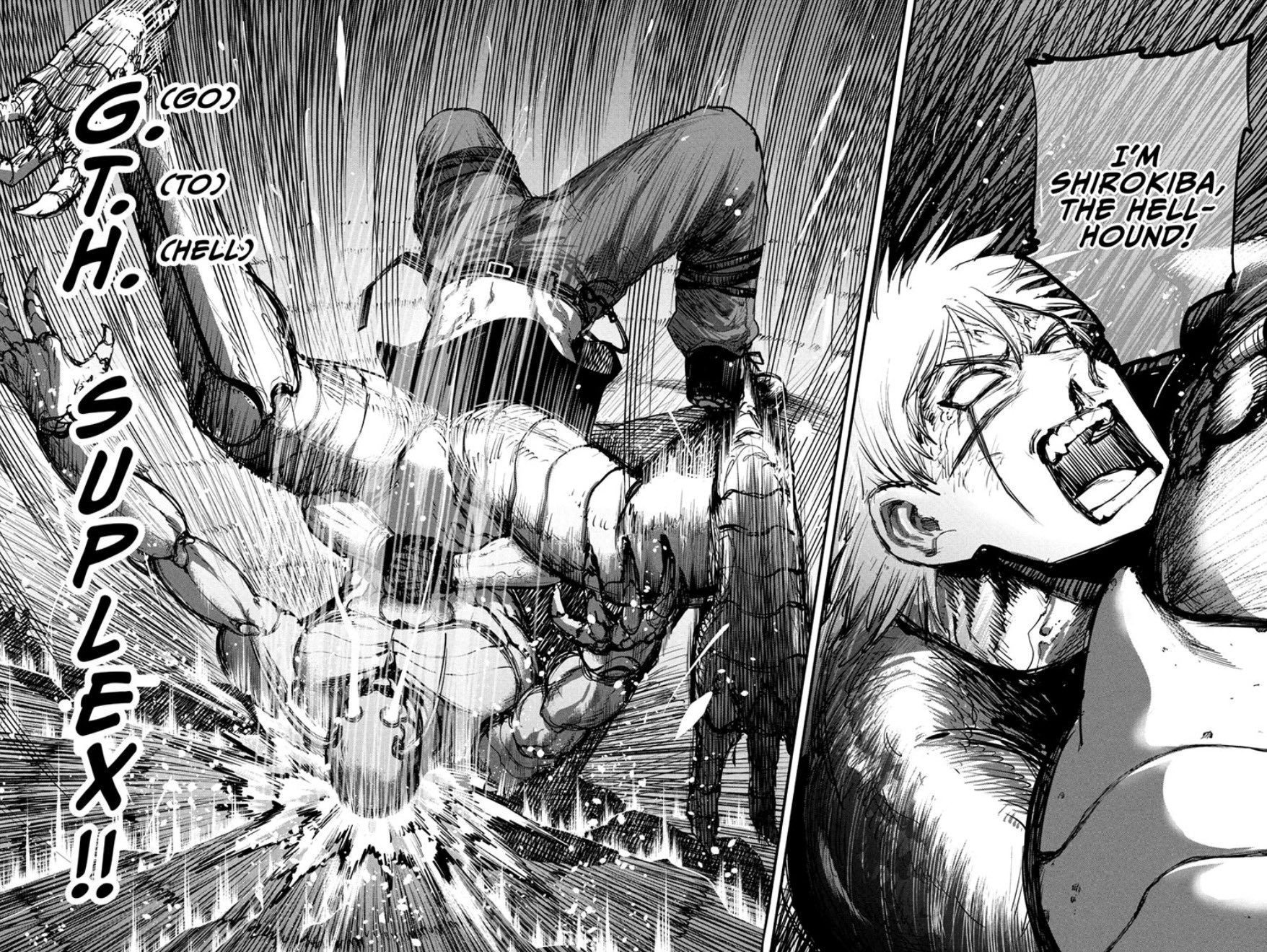
When he returns home after finally getting a championship, his hometown is invaded by aliens. The first chapter all but points at the WrestleMania sign, signaling a journey where Ouga lariats and German suplexes (because of course he had to do the best move in the business) his way through aliens who work stiff to find out if his mother, four siblings, and, most importantly, his pet goat Mei are alright. The manga is Kinnikuman by way of JoJo's Bizarre Adventure levels of cunty poses and Jujutsu Kaisen levels of ultraviolence. Personally, having been scorned by mixed martial arts manga Martial Master Asumi ending just when it was getting good, I'm rooting for Alien Headbutt as a gateway for folks to learn more about the artistry and intrigue of professional wrestling.
Everyone knows how thankless a job being a healer is in any video game. While you get the most shit in comparison to tanks or attack characters in your party, every healer knows it's really you calling the shots. Everyone else is just chess pieces on a board to move around and keep alive at your whim. While this kind of power is enough to make anyone big-headed, that isn't the case with Kento Amemiya's fantasy manga Kinato's Magic. Off rip, the manga feels like what would happen if the nervous bean of a protagonist like My Hero Academia's Izuku Midoriya was put smack dab in the middle of Fairy Tail's sprawling fantasy world with a loveable ensemble akin to Demon Slayer's cast. The eponymous protagonist's whole deal is that he can use magic, but only as an amplifier. Translation: he can move the mana in others. He mostly uses this nifty ability as a seitai practitioner, i.e., a body work doctor, healing sore joints and muscles.
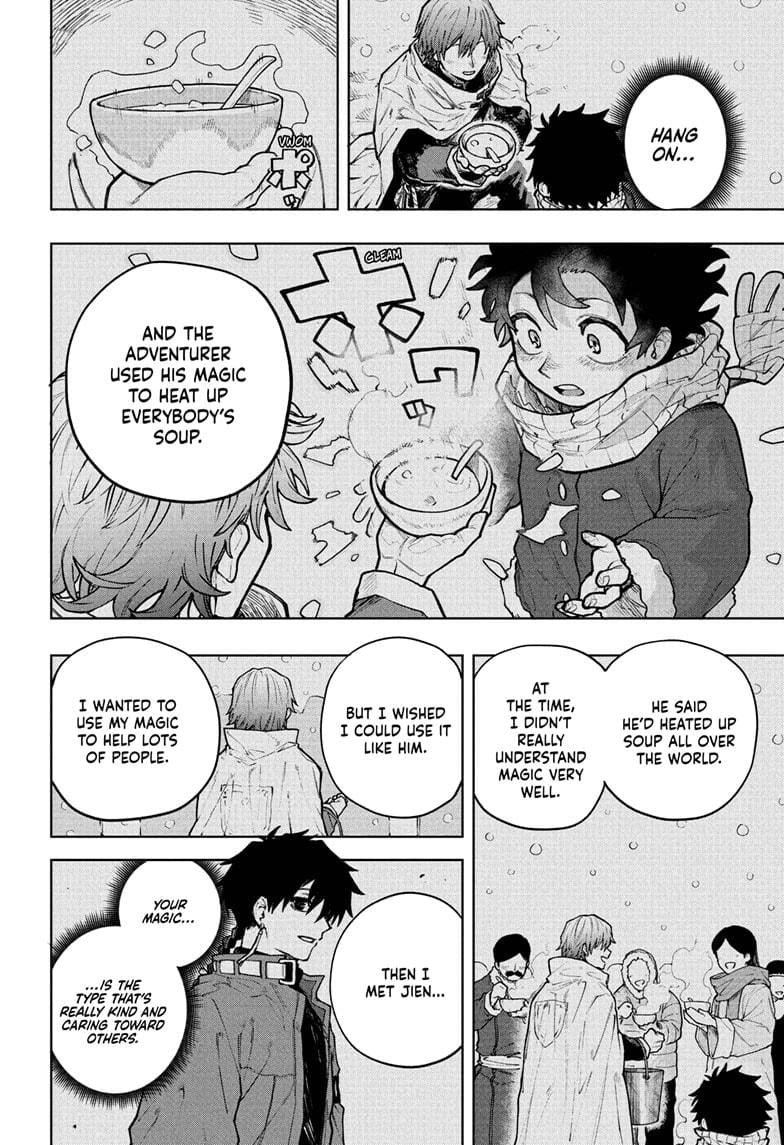
Rather than dream big, shooting for the moon pursuing his childhood dream of being an adventurer, Kinato resigns himself to "knowing his limits" and living the modest life of a seitai until he comes across a foolhardy adventurer who sees the true potential in his ability to be a force strong enough to not only kill a dragon singlehandedly but to chase his dreams. The manga is teeming with heart, hilarious sight gag humor, and action.
What’s got me most excited about the series is how Kinato’s early arc hits me with the same rush I felt reading My Hero Academia for the first time—flipping through a random Weekly Shonen Jump and instantly rooting for a kid just trying to throw a baseball without turning his arm into a string of spent firecrackers. The manga radiates that same earnest warmth from panel to panel, and it’s already shaping up to be another story that pushes the idea that there’s no single blueprint for what makes a hero. And now that my approaching thirties have blessed me with a pinched shoulder nerve, I’ve developed a whole new appreciation for a protagonist whose entire deal is healing.
Speaking of healing, last up is a battle shonen medical drama that feels one in the vein of The Pitt, with a sprinkle of Baki The Grappler and Sakamoto Days: Kyo Tanimoto's Under Doctor. The manga follows a shaggy-haired, laid-back doctor named Haiji. He's gifted with an ability that feels lifted out of any garden-variety battle shonen worth its salt: he can see the weak points in a person's body as dots of light that get brighter the more severe they are. But instead of using that ability to become a fight-o fight-o man, he uses his talents, against his father’s wishes, to help heal folks in need. More importantly, his heroic grace extends to those entrenched in the criminal underworld as well as folks who aren't well off because he has an unshakable belief that everyone deserves equal care, and if he has a means to make a difference, he will. Even if that means being a back-alley doctor who works in the shadows and is perpetually broke because he doesn't have a government or a college institution backing his efforts or buying equipment. Basically, he's perpetually broke, but he's got a heart of gold. He'll also run the dozens with anyone who means to do harm, but he'll ensure he doesn't kill them because dude drinks that Vash The Stampede pacifism juice.
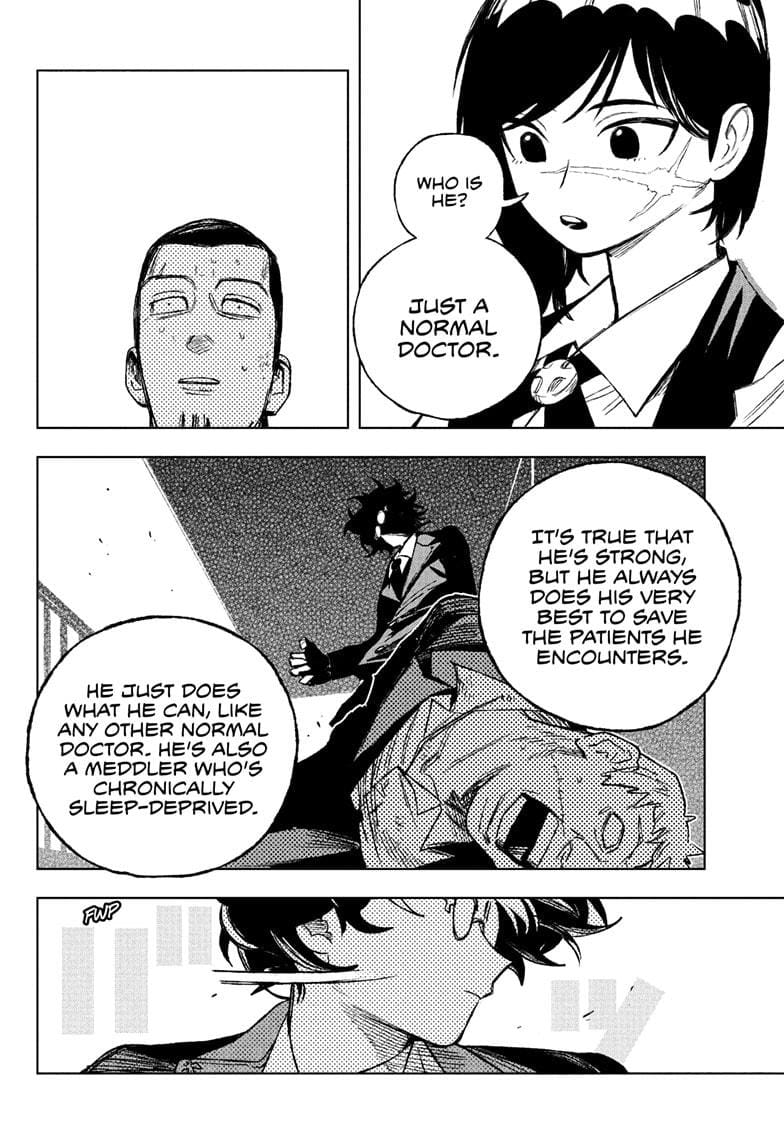
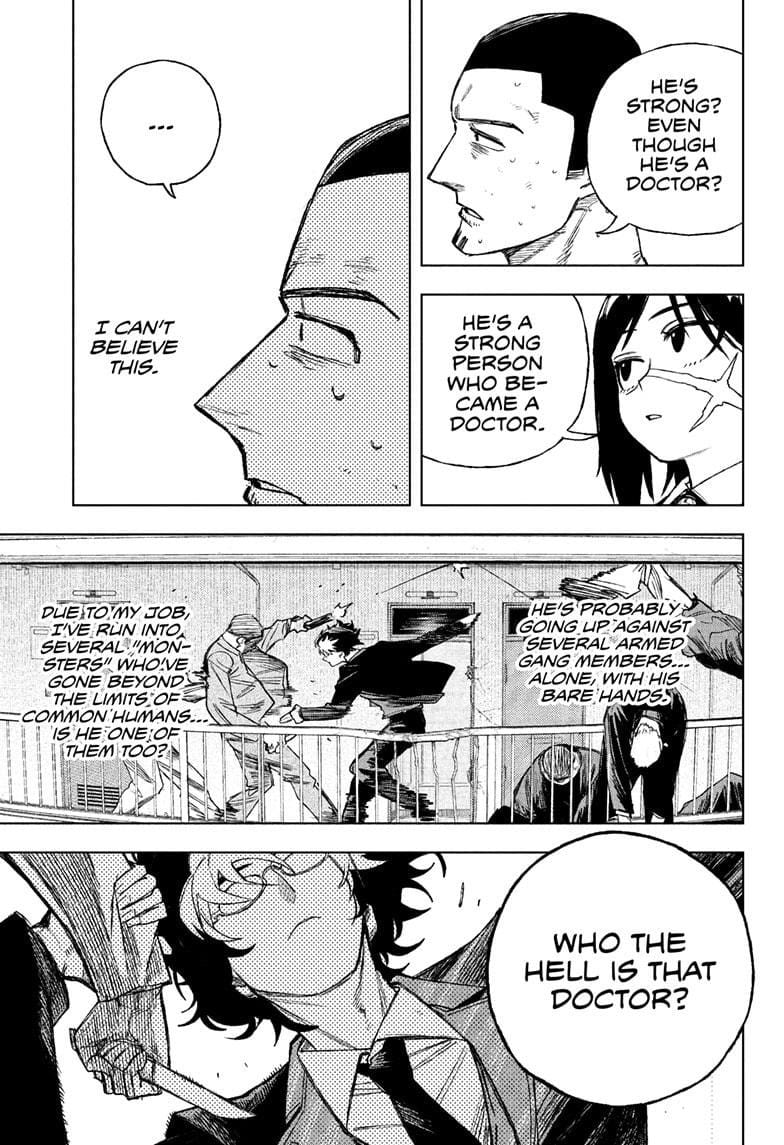
Under Doctor (Images: Kyo Tanimoto/Shonen Jump)
What I like about the series is that, like Akane-banashi, it's a piece of fiction that goes the extra mile by consulting a medical expert, so the medical mumbo jumbo it has to address isn't entirely baseless. Haiji's ultimate goal of solving dormant diseases with his ability is more than enough reason to root for the guy, even with less than a handful of chapters to get to know the dude. Plus, it's nice that there's a trend of "hypercompetence porn"—specifically in medicine—that shows no signs of slowing down in American and Japanese dramas. So, having that bit of representation in manga as well, to set it apart from bombastic battles, is a nice change of pace.
Crap
— Thunder Trigger (@ThunderTheDevil) February 8, 2026
I think this is the first time I like the entire new batch........dammit pic.twitter.com/GlDS4Dkxng
What makes new shonen so exciting is the chance to step into a creator’s world for the first time, to watch it take shape, and to hope it becomes one of those rare fictional spaces we carry with us for years as a place of comfort, escape, or inspiration. The real wish now is that this new wave gets the time to grow rather than become the next round of premature cancellations. With any luck, they’ll stick around long enough to become the touchstones future debuts get compared to. And honestly, Weekly Shonen Jump could use a few new faces on the magazine's collage covers to keep Luffy company until the heat death of the universe.
 Isaiah Colbert