

Sinners mania still has everyone craving more of Ryan Coogler’s world—an itch we’re unlikely to see scratched anytime soon outside of rewatches unless he feels generous to share tidbits about what characters were up to before the film. So instead of waiting for a sequel that will never happen or sprinting to AO3 in search of spiritual continuations, there’s a manga that hits the same nerve in an equally sinister register.
Me and the Devil Blues is an underappreciated and, let’s be honest, criminally under-discussed horror manga, inspired by the life of Robert Johnson. Johnson is a legendary, famously elusive bluesman who was the unofficial first member of the 27 Club, leaving behind 29 songs, three photographs, and a legacy that reaches from the 1930s to the present, shaping musicians like Eric Clapton and Bob Dylan in his wake. But by far one of the most famous legends about Johnson, perpetuated by fellow musician Son House, is that he went from being a terrible guitarist to a transcendent one overnight after striking a deal with the devil. And it's that tale that the manga leans in on hard.
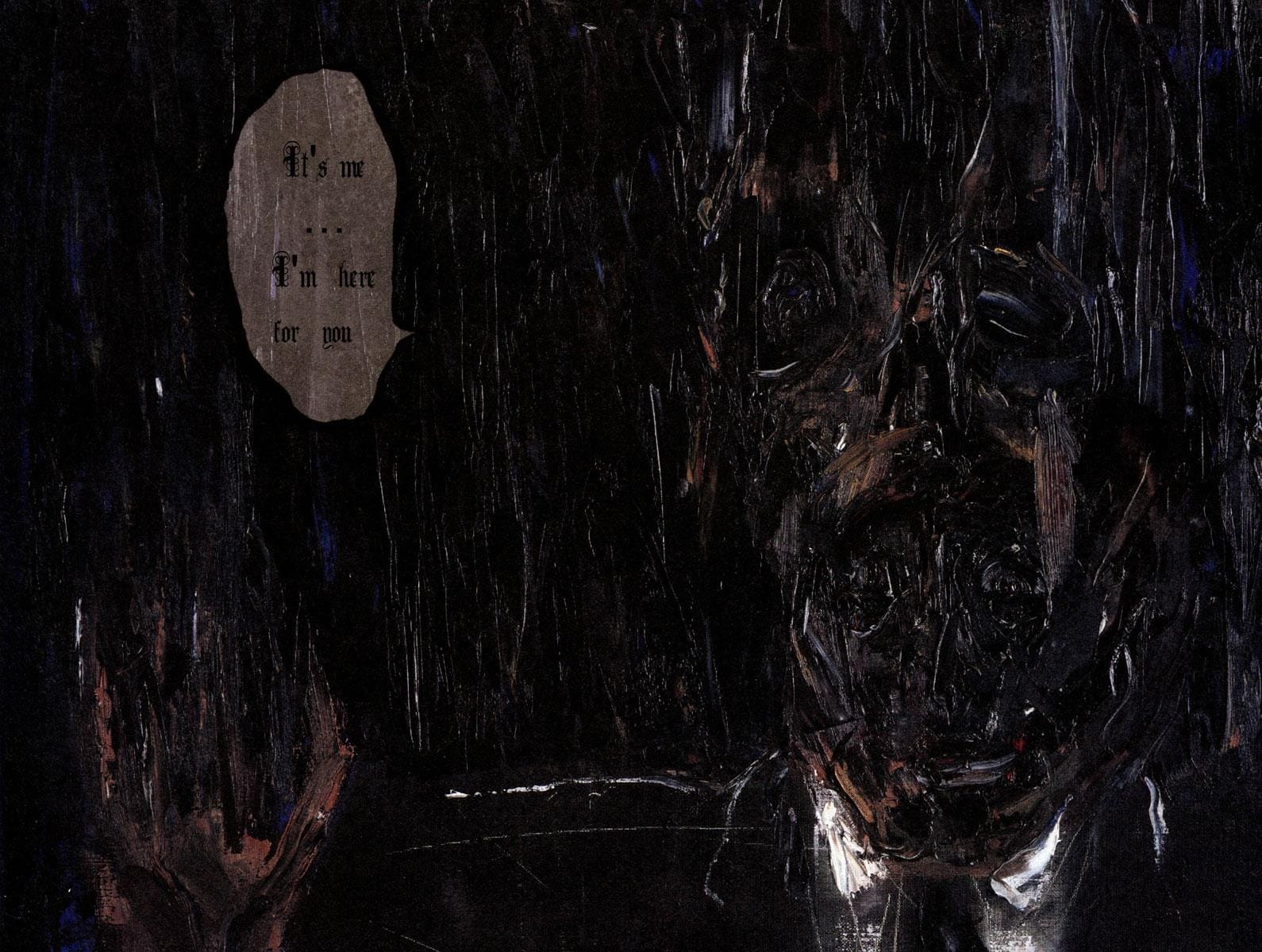
Said tale begins with Johnson as a soon‑to‑be father. But instead of spending time with his family, he sneaks out to the local juke joint with the stated goal (read: excuse) to learn lullabies for his unborn child. The truth is simpler: he wants to become the best bluesman on Earth. The problem is he’s terrible—so bad that he gets clowned on for souring their spirits every time he attempts to strum his dobro. But when he accidentally recreates a rumored ritual wherein someone plays the guitar at the crossroads of a street and has their wishes granted, he miraculously becomes a genius bluesman overnight. However, the bargain he absentmindedly makes with the devil quickly becomes a curse that’ll follow him no matter where he runs or hides. And the manga punishes his naïveté with a horror‑tinged odyssey across the Delta filled with gangsters, racists, and plenty of things to sing the blues over.
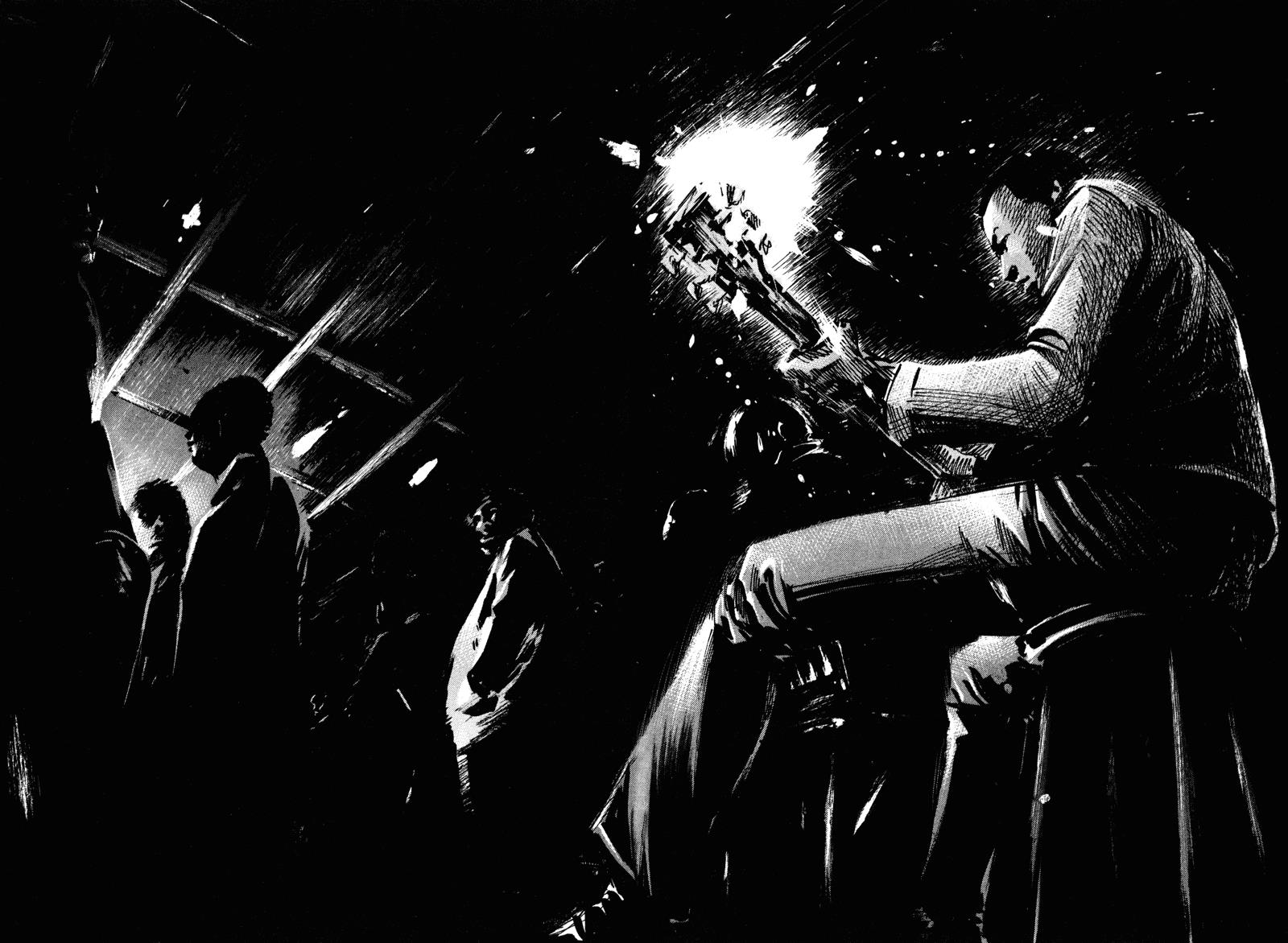
Across 38 chapters, the story unspools Johnson’s myth while stitching in some of its own embellishments. From my estimation, it feels more like Takehiko Inoue’s Vagabond than any run-of-the-mill biopic. It’s a tale with the style and brutality people often full-throatedly credit to Quentin Tarantino, except here the violence and liberal use of the n-word feel earned and not self-indulgent. Visually, the manga is a surreal, almost magical, realistic take on the era—an era my own grandmother lived through—showcased with an unflinching depiction of racism, lynching culture, and the everyday terror of being Black in the Jim Crow South. And despite the conceit of the manga's wanton fiction, it doesn’t handwave the history of the times; it threads itself through the gaps, riffing on the legend the way a bluesman would pull universal pain to the surface as music for listeners to seek refuge in.
The series front‑loads what little we know about Johnson, filling in the gaps with a folkloric exaggeration that feels truer to the kayfabe of his myth than any biopic ever could. It pulls songs like “Cross Road Blues,” “If I Had Possession Over Judgement Day,” “Hell Hound on My Trail,” and “Me and the Devil Blues” into the narrative as if they were already spoken‑word scripture bleeding through the ink of the manga’s illustrations. And it does so without leaning drawing Black folks like one-note caricatures of themselves that most manga fall prey to; instead, it renders Johnson’s world with a grounded, lived‑in respect that’s rare in manga, making both its real world and supernatural fixings feel eerily plausible—as if the devil really were guiding Johnson’s hand with every hypnotic strum.
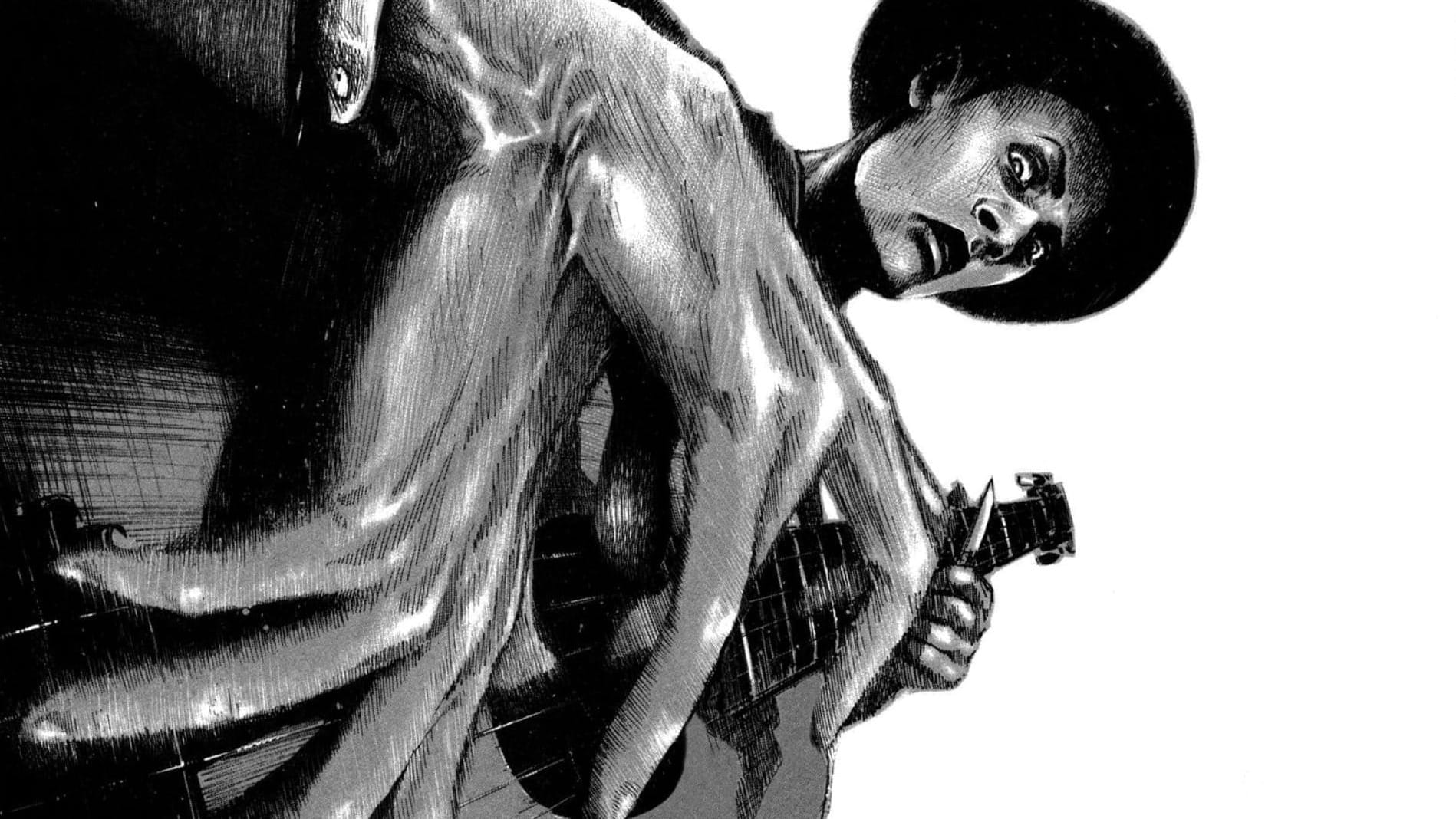
However, the series does take a detour in its middle half, sidelining Johnson for a stretch to follow his white gangster companion on a separate, anxiety-fueled adventure that goes from Django to Black Phone real quick. But unlike other works that lose themselves in grand, fantastical pivots—cough, Yasuke—it never wholly forgets the story it’s telling. If anything, the liberties the manga takes bend Johnson’s legend, but never so far as to break it.
Despite being a monochrome medium where music can’t literally be heard, the manga finds ways to make Johnson’s songs resonate. Chapters named after his tracks unfold like movements in a Greek‑tragedy‑style retelling from memory. But it also didn’t hurt reading with his recordings playing in the background, adding a whole new, haunting, Sinners‑adjacent layer to the experience. Like Blue Giant, Me and the Devil Blues effectively captures the emotional truth of music—but here, the notes are in a dreamlike flurry of artwork that makes it feel as if something wicked is keeping the rhythm of Johnson’s life in time.
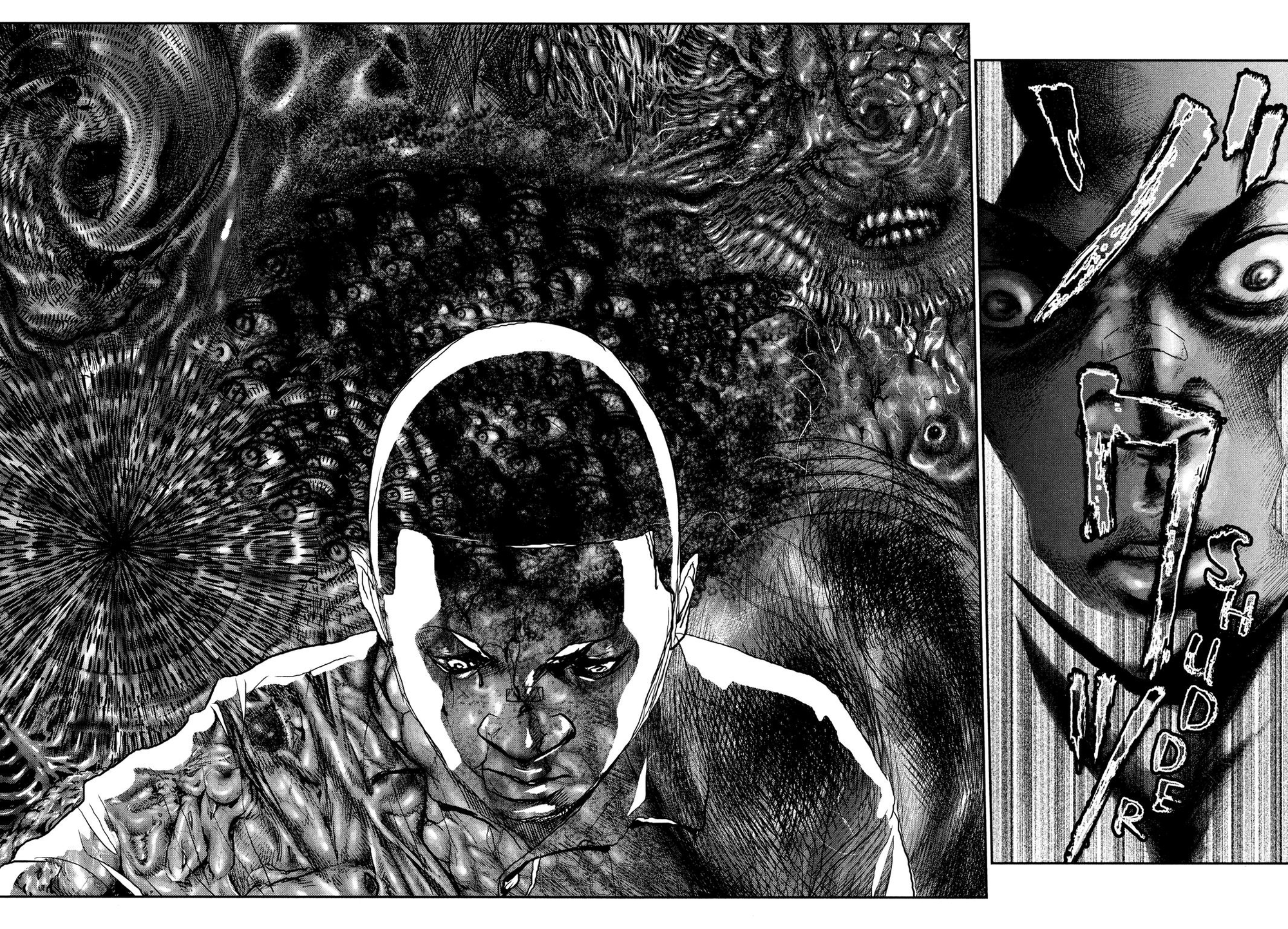
And just as the story reaches its most dire crossroads for Johnson, the manga plunged into indefinite hiatus in 2017, long before Young Magazine shuttered in 2021. Even with the magazine’s 2025 revival for American audiences, the odds of the series returning are slim, especially given the creator’s current pursuits.
And that creator? Akira Hiramoto—the same mangaka behind ecchi manga classics like Prison School, Raw Hero, and Super Ball Girls. That’s right. Whatever compelled him to write such a bespoke horror manga about a Black blues musician before making his bank in all kinds of trash (complimentary) debauchery is anyone’s guess. But old buddy draws Black folks and draws horror exceedingly well.
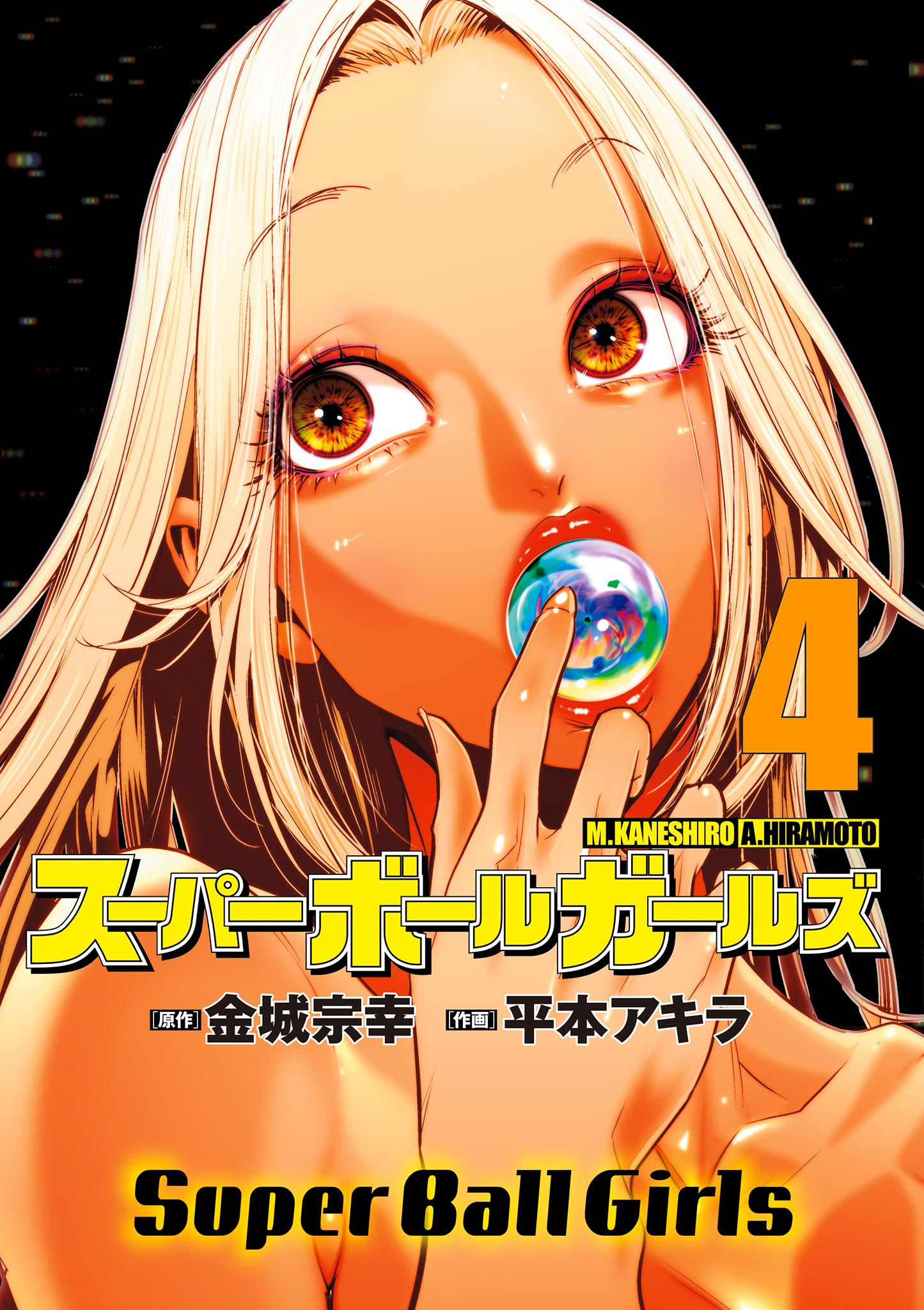
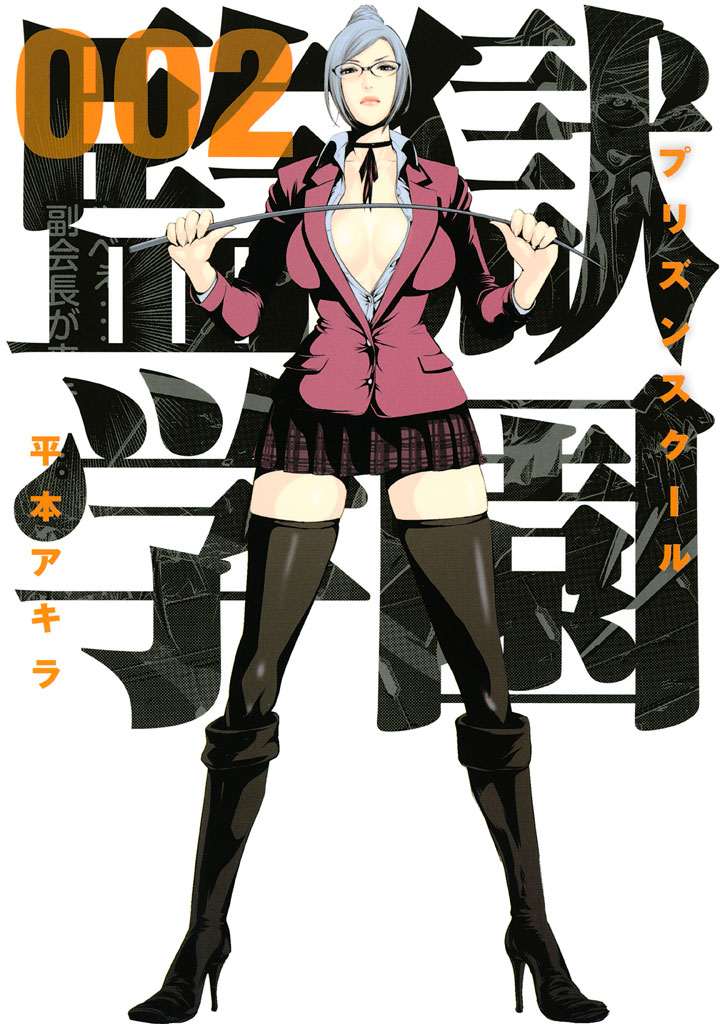
Akira Hiramoto/Kodansha/Yen Press
If you’re looking for a manga that engages Black history without reducing it to a backdrop for someone else’s story—or flattening it into a simple “music narrative”—Me and the Devil Blues is a series you’re unfortunately gonna have to hunt down. It’s not available through Kodansha, so you’ll have to scour the internet for it, like it's lost media, because it honestly is.
Me and the Devil Blues is far from a flawless, must‑read recommendation, but where it sings is as a more than serviceable add-on to his legend. If anything, the manga opens a path for readers to want to learn more about the man behind the myth and how his influences echo in places you would’ve otherwise not have known about. The added bonus that it’s by a mangaka who forever put the boobs vs asses debate to rest is something I’m sure would make the Devil himself chuckle.


