

Anime, like wrestling, harbors a treasure trove of tropes with hidden meaning and references that can be traced back to a point of origin beyond the show you’re watching, should you be savvy and old-head enough to spot them. I’ve been able to spot and identify a few common ones: the crying mole/freckle beauty marks under a character’s left eye (illustrative shorthand for a character harboring a tragic past); closing one eye (the character doubts something they’re saying or is being said to them); and the most common and annoying trope, getting nosebleeds when seeing a pretty girl, as visual shorthand for being incredulously aroused. But one specific trope has eluded me until today.
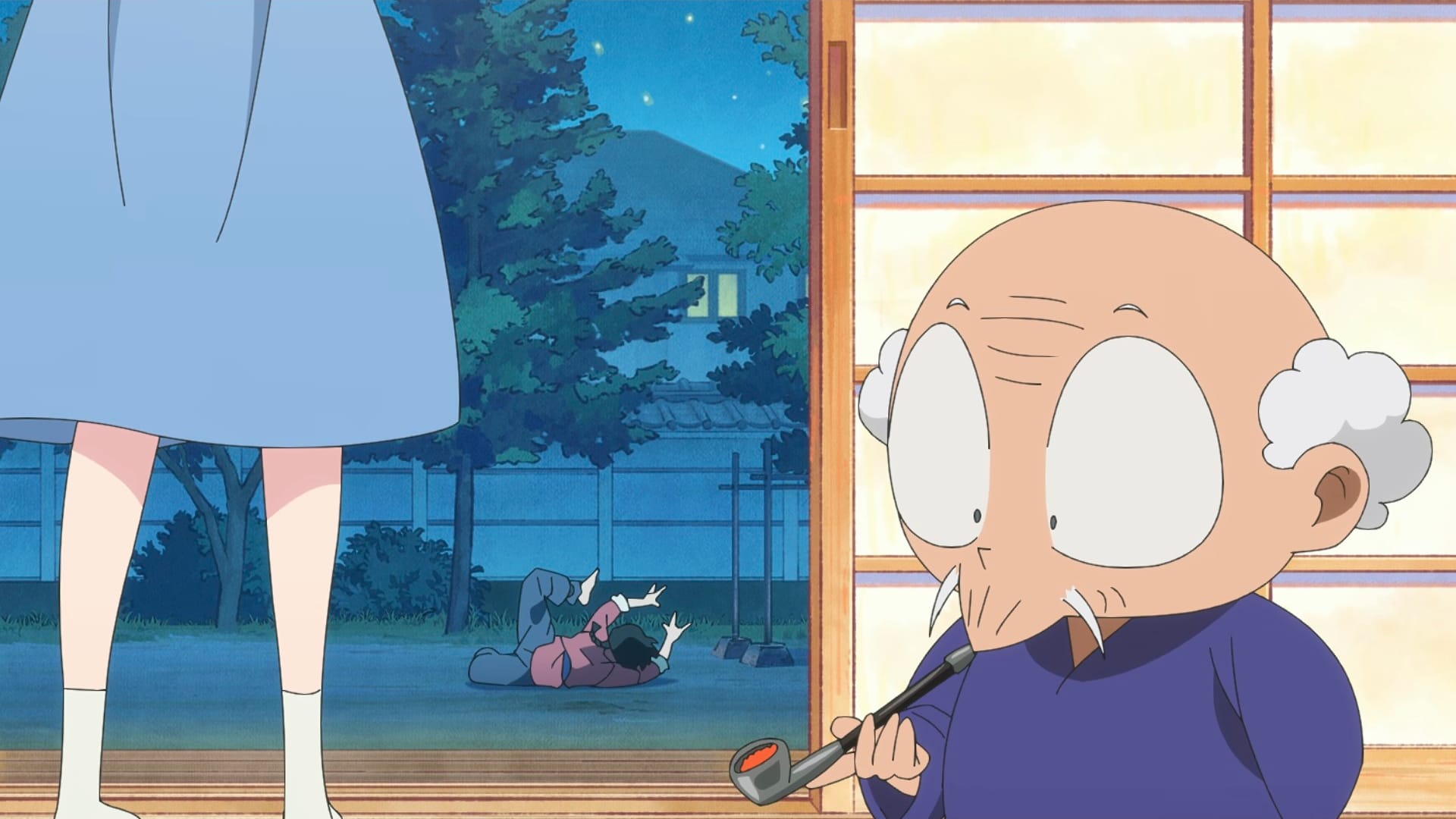
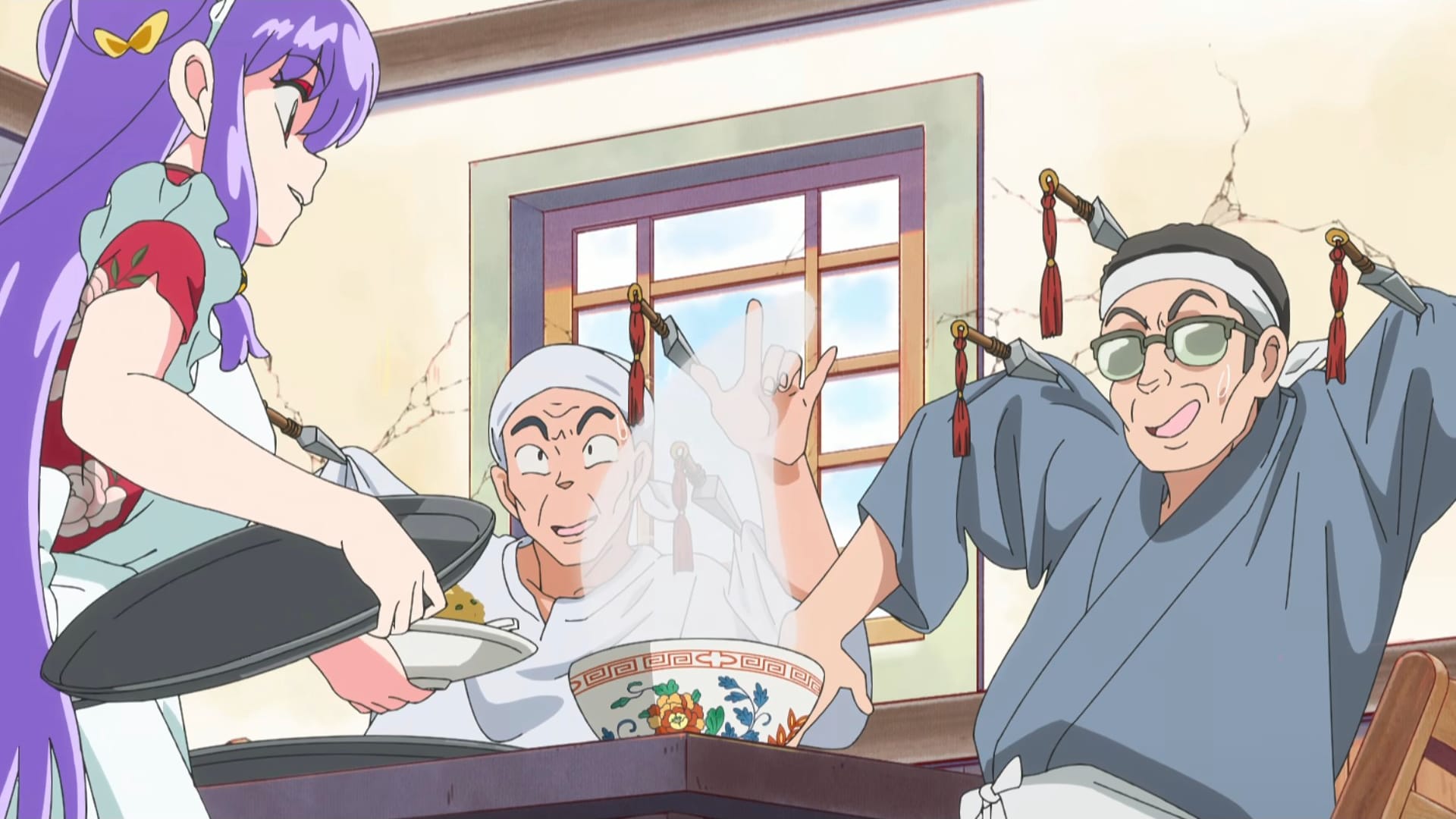

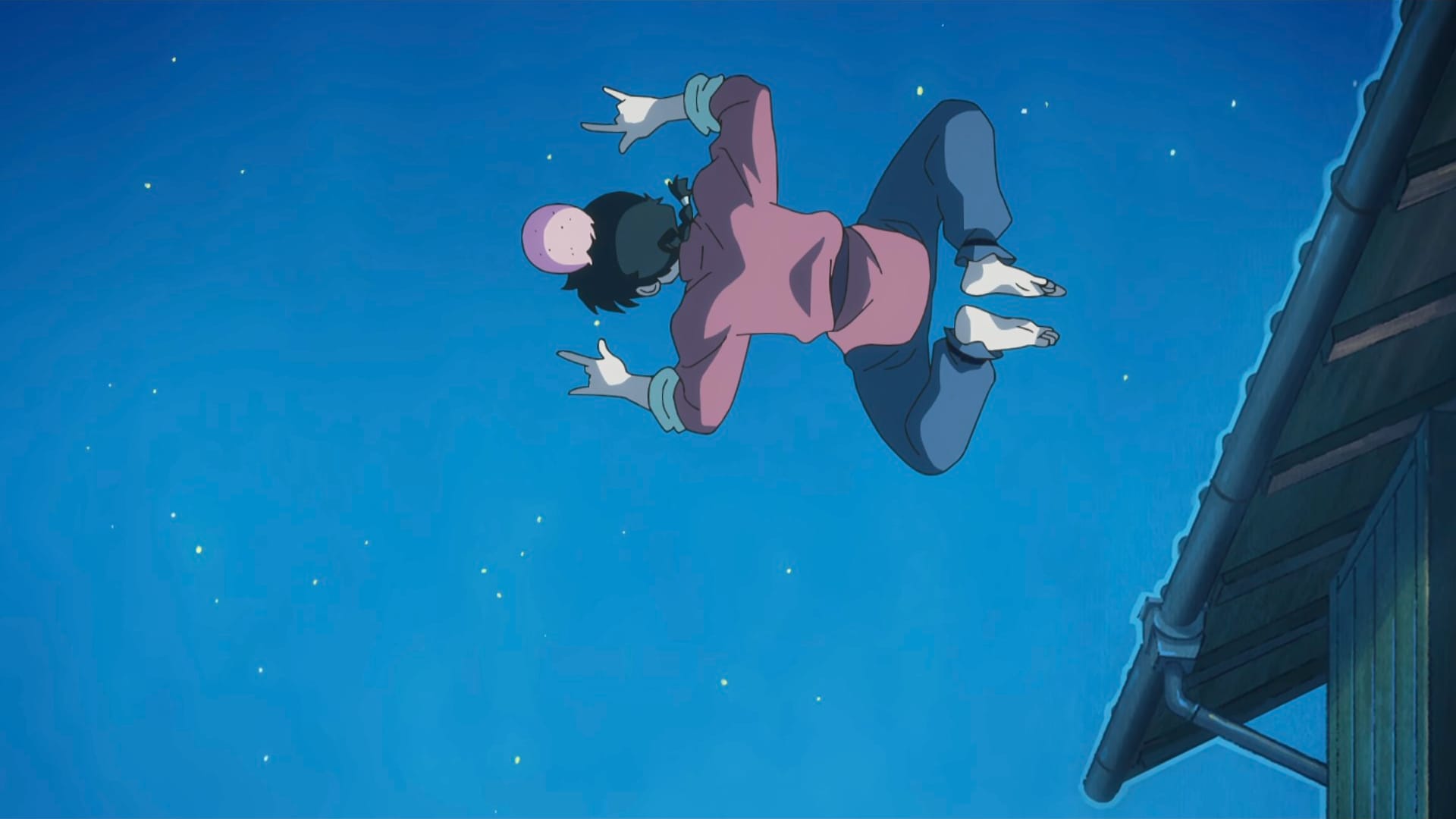
Ranma 1/2 (Image: Netflix/Mappa)
That visual trope is famed author and illustrator of Urusei Yatsura Rumiko Takahashi’s signature rock-out hand sign pose. Pinky, index, and thumb extended. Ring and middle fingers curled. After years of wondering what the hell this hand sign means, I finally decided to roll up my sleeves and do the legwork to find out.
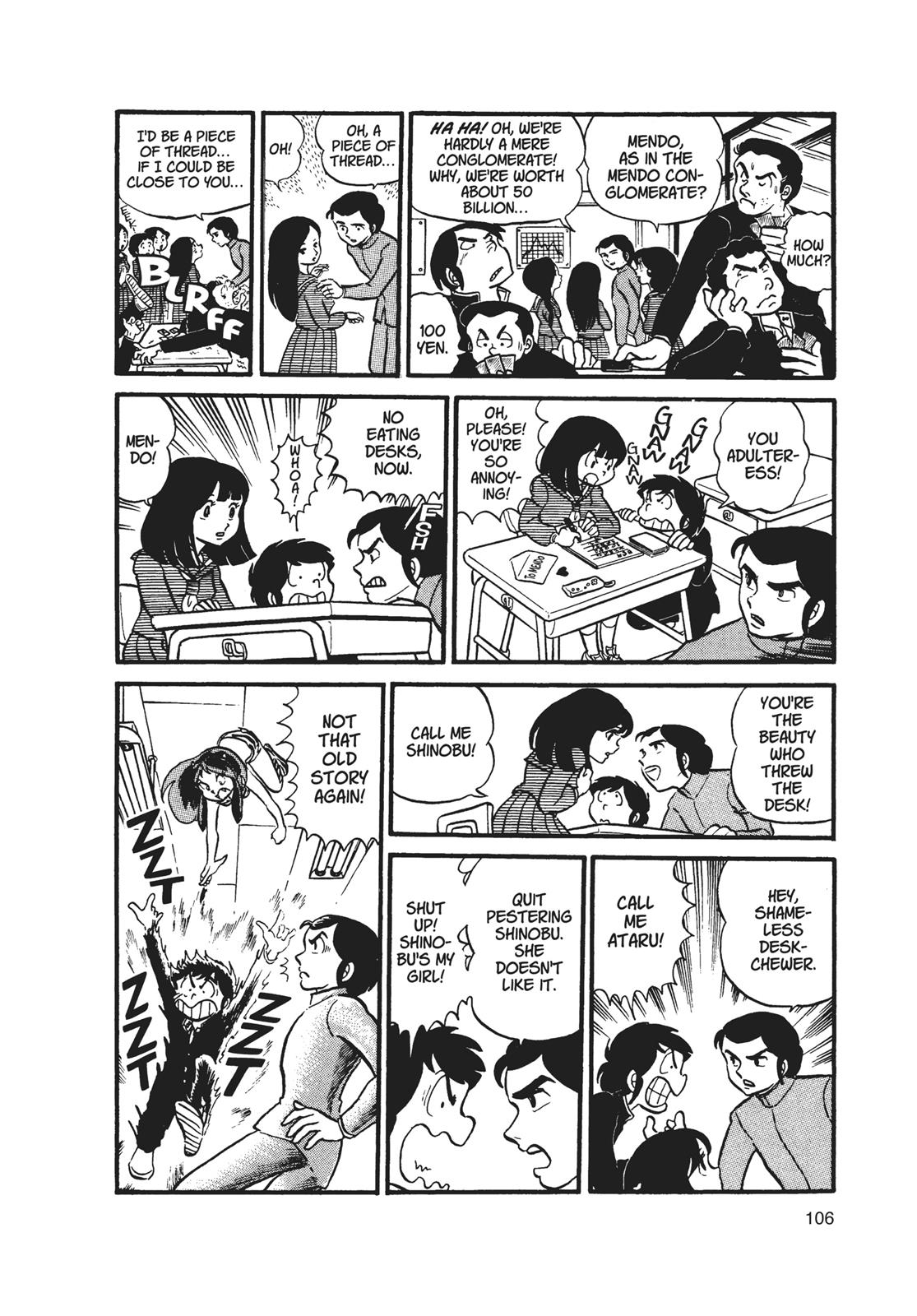
First, let’s run down what Takahashi’s hand sign doesn’t mean. Upon first blush, Takahashi’s hand sign looks an awful lot like a cross between the “corna” (devil horns) or “I Love You” in American Sign Language. However, the context for the gesture is neither one that screams shonen protagonist defiantly yelling “rock on!” nor is it something an idol would flash to her adoring fans on stage, so the jury is out on that one. Takahashi’s hand sign is used in reaction to something stunning or comedic happening to a character. Things like falling out of a window or walking in on someone in their pajamas.
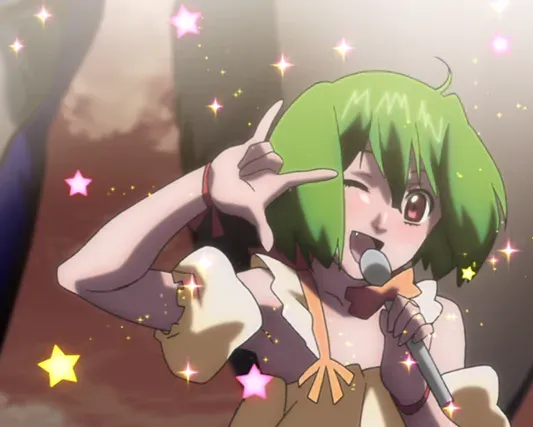
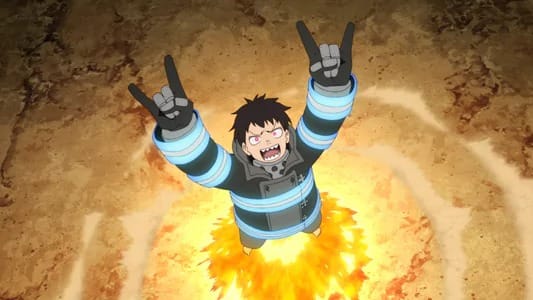
Macross Frontier and Fire Force (Image: Studio Nue/David Production)
Another educated guess is that the hand sign could be the kitsune (fox) gesture. This symbol, which has too many meanings to the point of being rendered meaningless, from kissing to a sock-puppet gag, is also off the mark because the thumbs aren't extended.
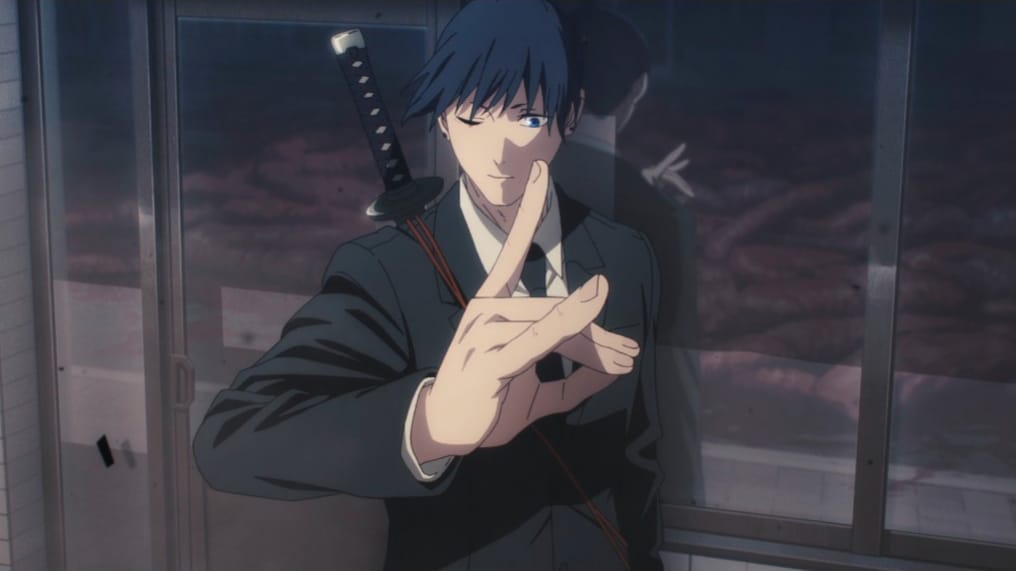
Now that the wrong answers are out of the way, let’s get to the rabbit hole this educational endeavour has led me from, obvious, overthinking, and the hilarious true meaning behind Takahashi’s signature pose.
Anyone who has read or seen a Takahashi work, with a functioning, wrinkled brain and the power of context clues, can readily deduce the meaning of the hand pose. The hand sign is a pantomime for a character being shocked. Usually, a character will throw out this pose if their person is harmed, be it by a falling object like an anvil, Looney Tunes style, or if someone says something shocking to them. Takahashi has used this particular visual trope in practically every series she has created. Key among them are her star-crossed rom-com Urusei Yatsura, her gender-bender martial arts romance Ranma ½, and her demon-slaying isekai romance Inuyasha.
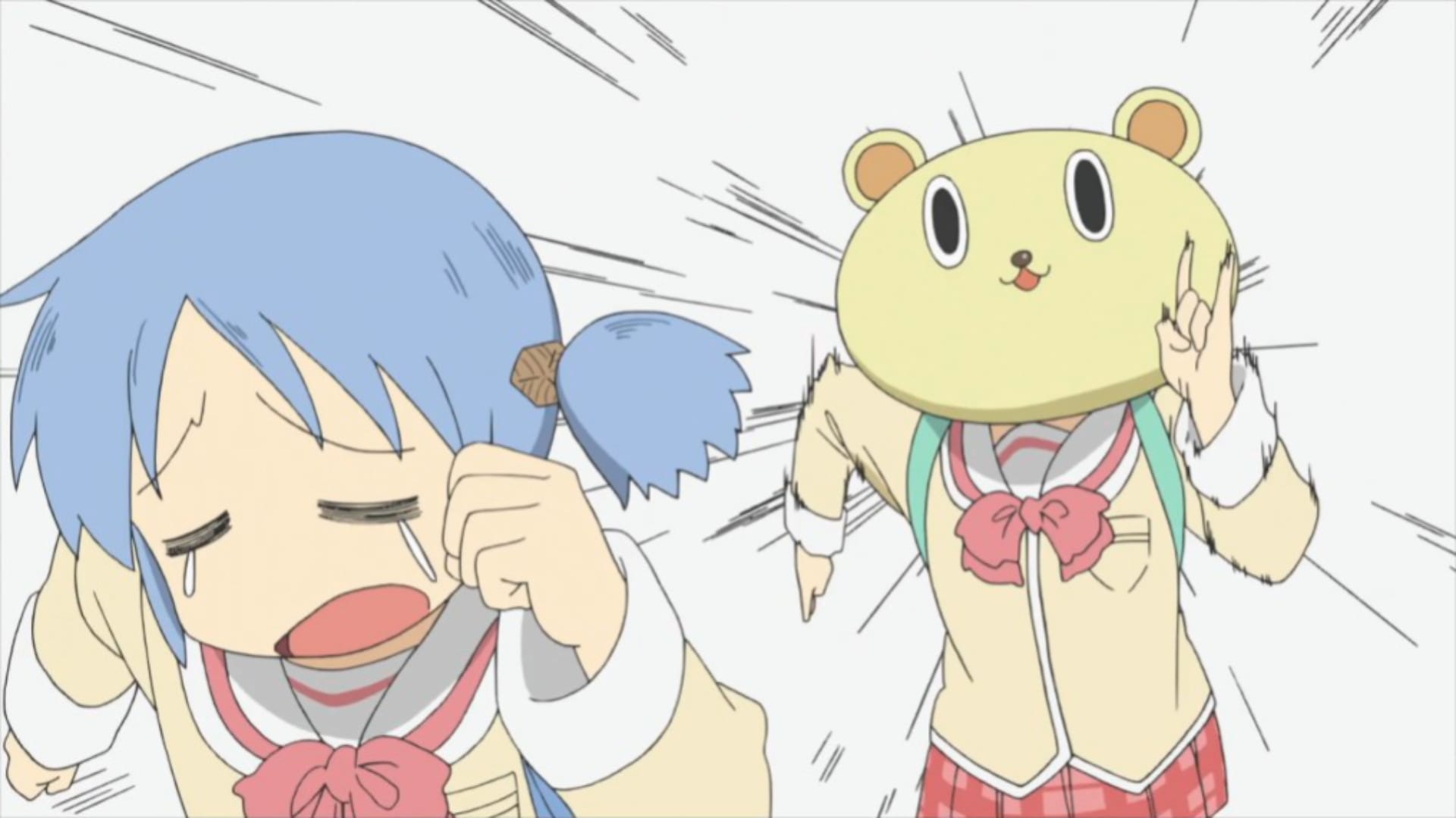
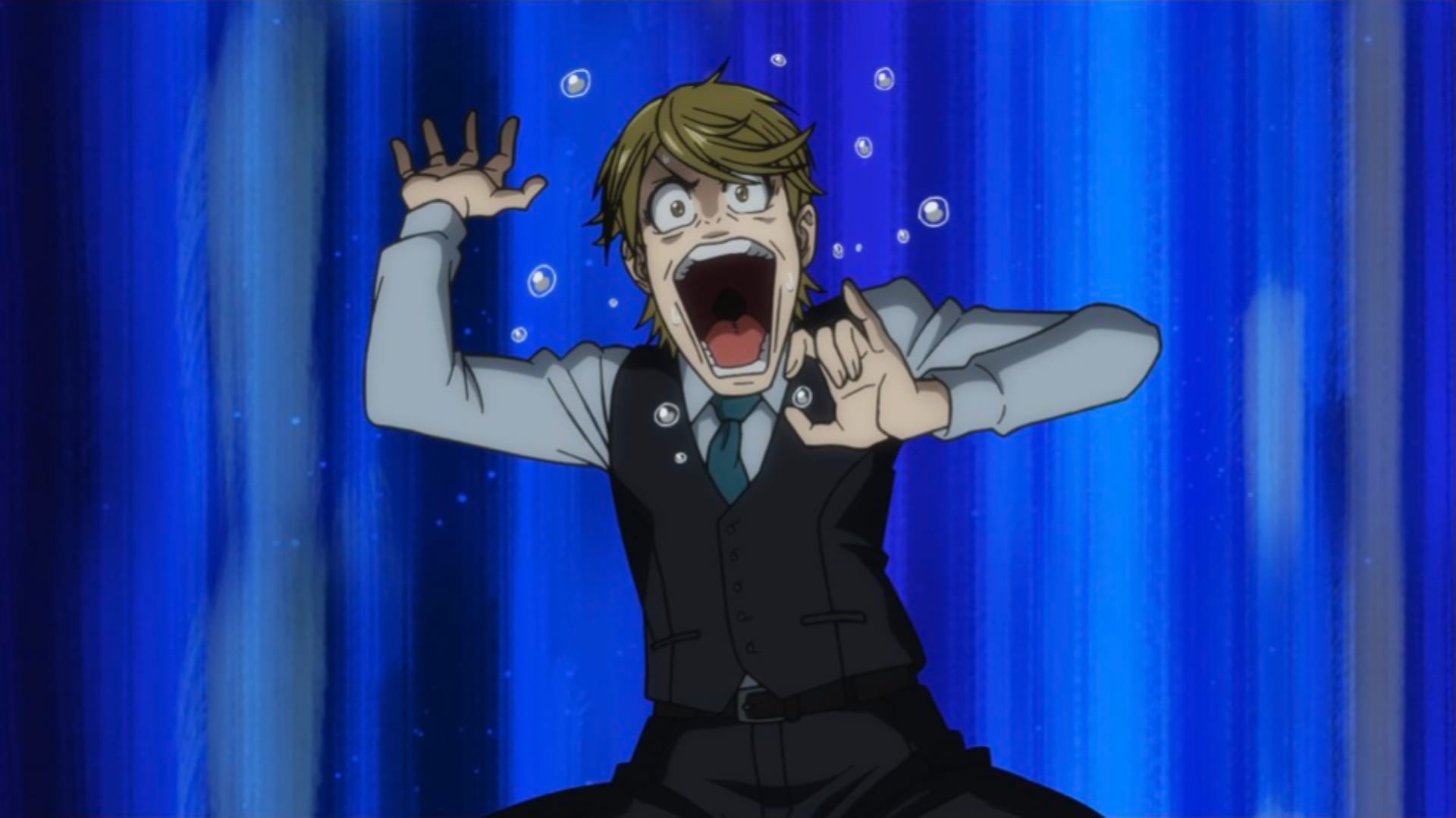
Nichijou and Tojima Wants To Be A Kamen Rider (Images: Kyoto Animation/Liden Films/Toei)
This particular visual gag serves as a full-body exclamation point for the shock a character experiences in a funny or surprising moment in a comedy series. In fact, it’s a bit that fellow throwback feeling comedy series like Nichijou have implemented as a kind of visual punchline to a wisecrack. While knowing its context is half the battle to dissecting the hand sign, that still doesn’t explain why Takahashi opted to specifically use a hand sign that can otherwise be misconstrued for the gesture to “rock on, my dude?” Here’s where the otaku ancestors got too deep into overthinking territory to explain the articulation of the pose and its “spiritual meaning.”
Like Seele from Neon Genesis Evangelion, the otaku ancestors (who dubbed Takahashi’s hand sign the “Rumic Sign,” referencing her collection of short stories, Rumic World) went full armchair anthropologist, hypothesizing that the gesture had Buddhist roots. More specifically, they posited that the hand sign’s origins lie in the Karana Mudra—a gesture intended to ward off obstacles and negativity and to counter the pose with positive energy.
When I first came across this widely accepted double meaning, I was a second away from nodding along, eyes shut, with a grunt like, “Shit, I’d believe it.” After all, Ranma ½ is all about spirituality, and most of Takahashi’s works feature her heroes warding off demons and the like. Appropriating the pose as a comedic bit would be a smart way to address its mystery. But if my years of coming up with concise questions to ask creators why they do the things they do when they make art have taught me anything, more often than not, anime fans put creators on a pedestal, treating them with the same reverence as Kendrick Lamar or Taylor Swift, assuming layers of double meaning behind their art, when, in reality, that couldn’t be further from the truth. This doubt finally led me to the real meaning of the pose.
While everyone in the states has been debating the hand sign’s meaning in forum posts and blogs, an interviewer from the Japanese publication Natalie just flat-out asked Takahashi about it. In a 2013 interview celebrating Takashi’s 35th anniversary as a mangaka, interviewer Kozue Awo asked her about the pose. After all this deliberating, Takashi’s nonchalant answer, is so fucking funny I damn near did the pose myself reading it. I’ll just leave their exchange here:
Awo: Speaking of comedy scenes, there's something I really wanted to ask you about today... There's a pose that often appears in comical scenes, where the middle and ring fingers on both hands are bent. I think that's an expression that only Takahashi-sensei would draw, but does it have any special meaning?
Takahashi: This one (she says, actually striking a pose). I drew it without thinking too much about it, but... how about, for example, if you get punched in a slapstick scene, right? If you get blown away like that, you might get the impression that it hurts or is cruel, but with this hand, strangely, it doesn't seem serious at all (laughs). I drew it thinking that it would be clear that he has the composure and that it's okay
Awo: What was the first thing you drew?
Takahashi: In Urusei Yatsura" I think. By the way, I later received a letter from a reader telling me that this hand position means "I love you." I had no idea about that. I didn't think it was such a good pose.
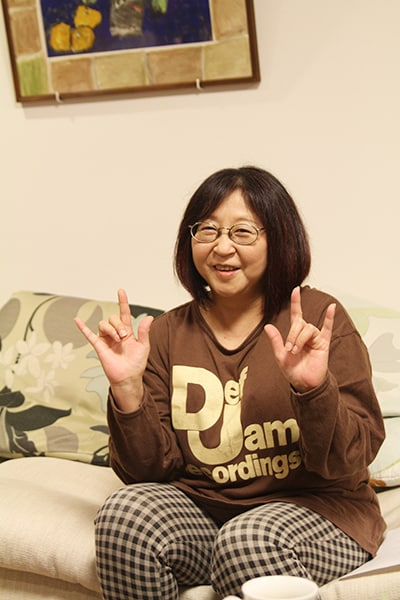
Incredible. Now the only mystery I’m left with from this whole ordeal is why Takahashi was fitted out in a Def Jam recordings T-shirt. Should I ever get the chance to speak with her myself, I’ll be sure to ask.


