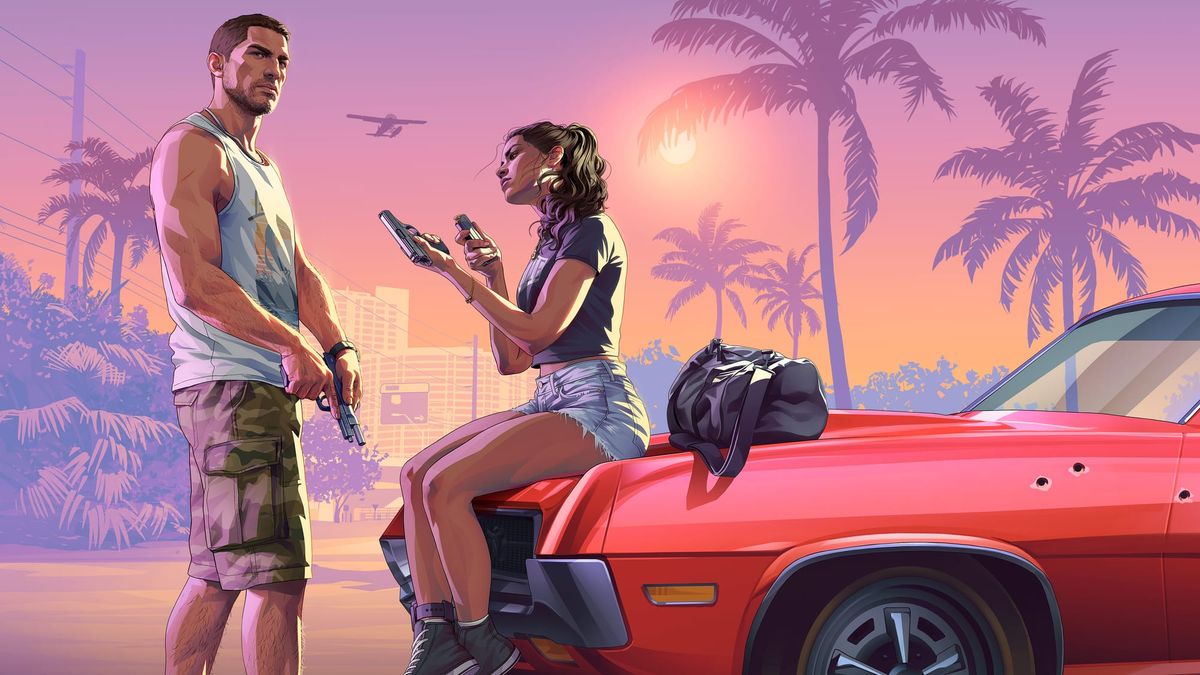
Back when the Yakuza series was first released in the West (20 years ago!), it was often unfairly and inaccurately compared to Grand Theft Auto. You could see why: there were open-world similarities, and a criminal underworld setting, but apart from those two bullet points there wasn't much else they actually had in common. Fast forward to 2026, though, and the two games are now finally worth holding up in the same light.
These days the comparisons are coming from the opposite direction. One of the most striking things I noticed early on in GTA VI, especially as you're slowly introduced to things like pawn shops and gas stations, is what I've come to see as the Yakuzafication of Grand Theft Auto.
 Luke Plunkett
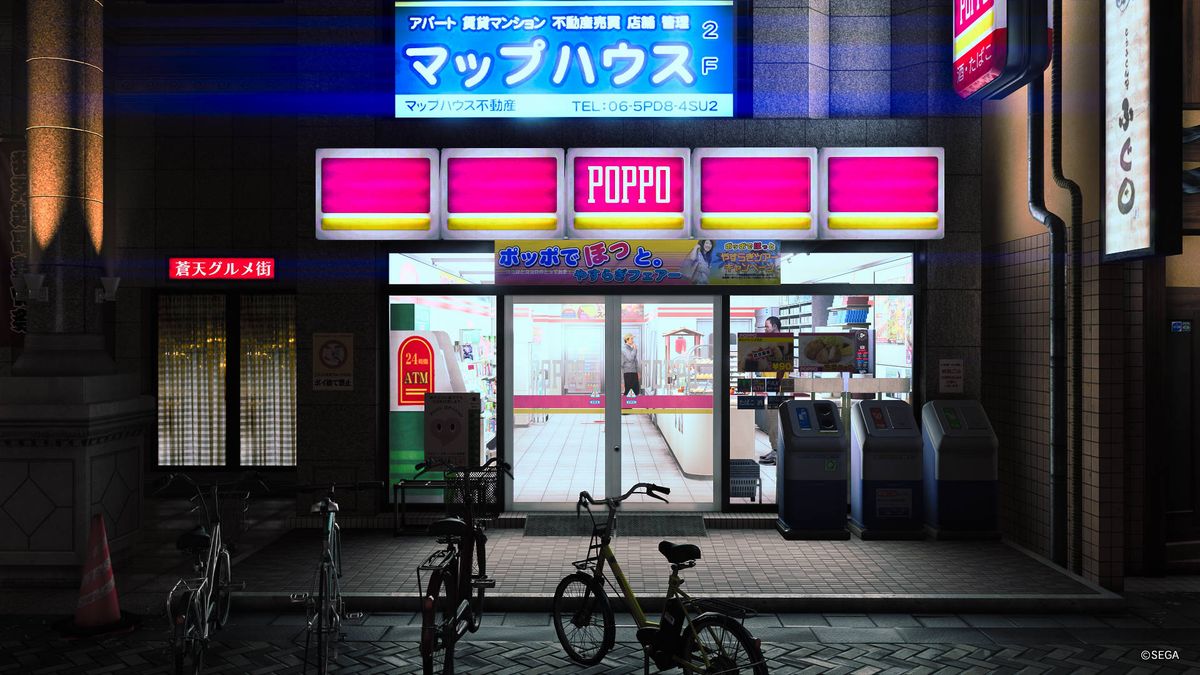
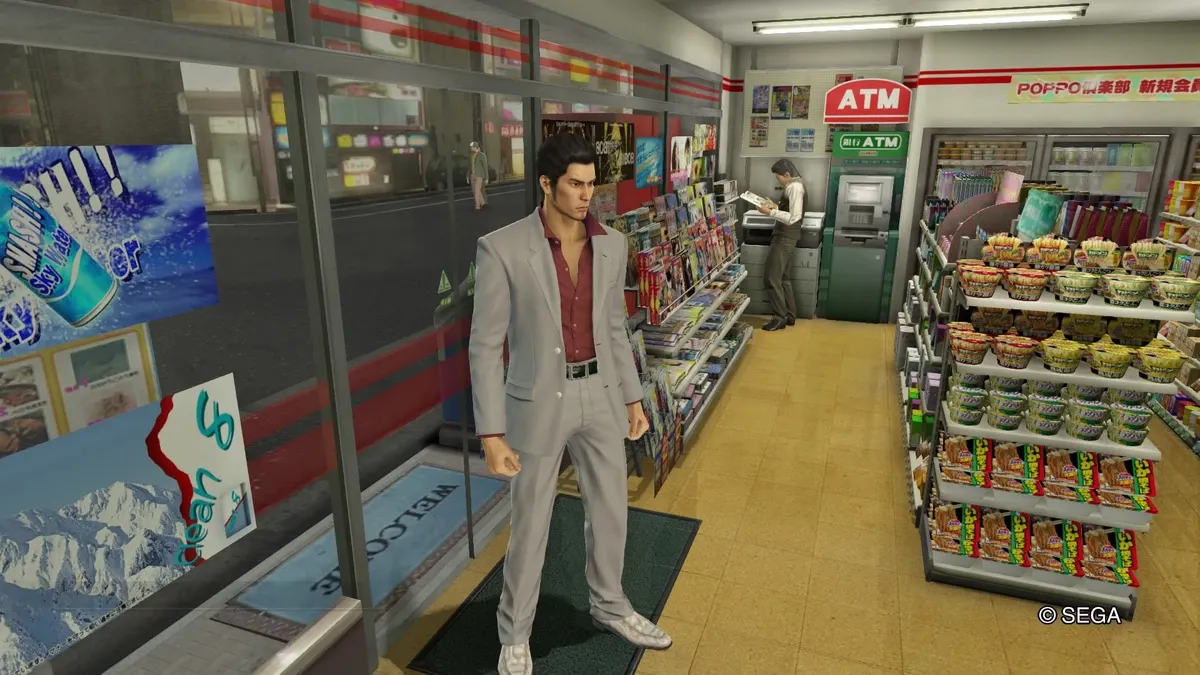
I don't mean that GTA VI is a game about friendship and monster battles (though, mild spoilers, both do feature), but that it now shares Yakuza's love for minutiae. One thing fans of RGG Studio's series cherish about its games is that, by obsessing over the smallest details, and agonisingly recreating the detritus of our modern world, its cities feel more like living, real places than an abstracted, video game sandbox. I love Yakuza for its fights and cutscenes, sure, but I also love it for its convenience stores, and all the painstakingly modelled soda cans, bento boxes and packets of cigarettes found within.
This sounds like a peripheral and unimportant detail when described like that, but it's not! So many video games are set in wild and wonderful places, like space stations and alien planets and fantasy kingdoms, that to play a game that meticulously recreates the world around us can, by letting us do some truly wild shit within those otherwise mundane surrounds, feel even more liberating.
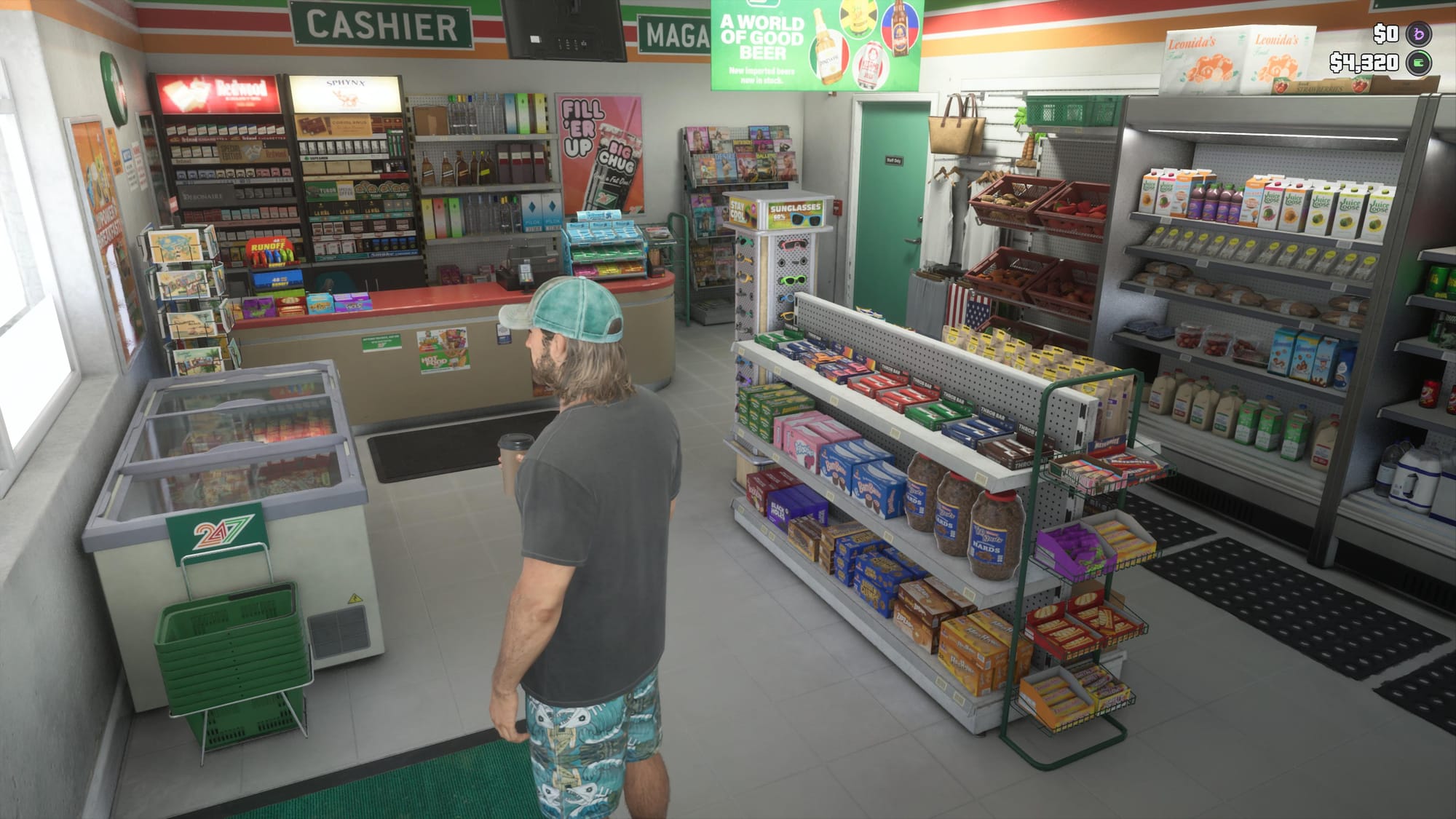
GTA, a series traditionally more interested in big parodies and even bigger game maps, has never really bothered with this approach, not even in the relatively hi-fidelity IV and V. But with VI Rockstar has finally found the time (or the money) to lower its gaze and not just expand the horizons of its maps, but start fleshing out the world at the player's fingertips as well. Walk into any store in the game and you'll see what I mean: Doors are plastered with advertising and warning stickers, and the aisles are full of unique and varied products that are very similar to those we find in our own everyday lives.
Like Yakuza's shopfronts, GTA VI's don't feel like a cookie-cutter video game transaction point, they feel like dioramas, beautiful little recreations of the same places many of us visit on a daily basis. It's easy to approach these as normal, ordinary spaces, so the fun comes from also being able to subvert that realism by letting the player do something they would never actually do. Like...rob the joint with a basketball.
It's absurd and even a little bit pathetic for so much of my praise here to centre around the trappings of consumer culture, I know, but also...this is our culture. And I've got to stress it’s not the items themselves that are the source of my wonder. I'm not sitting down playing GTA VI hollering "yyyeesssss, more advertising!" every time I walk into a liquor store. What I'm pointing out here is the attention to detail in the pursuit of recreating the everyday things around us (which just happen to be advertising), from the biggest truck to the tiniest label on a beer bottle. Every soda can and trashy magazine you find in this game is meaningless on its own merits, but when assembled in such quantity and with such accuracy they help build a space that feels so much more substantial to explore and interact with.
 Luke Plunkett
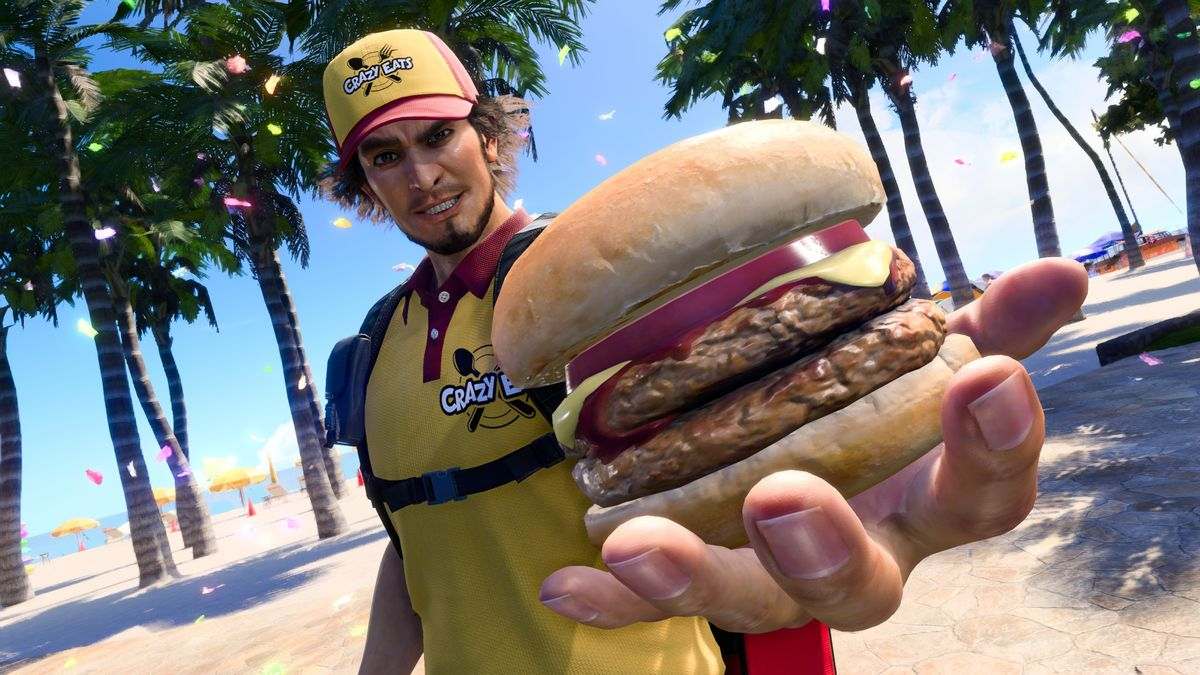
Coupled with GTA VI's slower, more deliberate walking speed and its life-sim influences and we're left with a game that, yes, is about driving fast cars and blowing shit up, but can also--just like Yakuza--function as a sedate urban wandering sim, a Walking Around Game that can inspire as many thoughts about urban planning, consumer culture and virtual tourism as it does about fashion and murder.
 Luke Plunkett