

If you're a fan of stuff like Pokémon cards or old video games and have been distraught at the state of things in 2026, with resellers and middlemen wedging themselves into the market and destroying the affordability of what used to be a fun little hobby, I think there's value in considering a future where this doesn't happen anymore.
I'm not saying this as someone struck down by a debilitating and possibly terminal case of optimism. I'm saying it as someone who has seen this all before, elsewhere, and has seen how the gas eventually ran out of the speculative boom that attracted the parasites in the first place, and where things have now returned to some semblance of normality: sneakers.
 Luke Plunkett

I spent almost a decade, through the 2010s and into Covid, as someone who landed somewhere between "enthusiast" and "collector" on the sneakerhead scale. I've always been into shoes--I remember asking for a pair of Jordan VI Infareds for Christmas in sixth grade, and being politely told by my parents to get in the bin--but after finally growing old enough to have some disposable income, much of my 30s was spent following, talking about and buying sneakers.
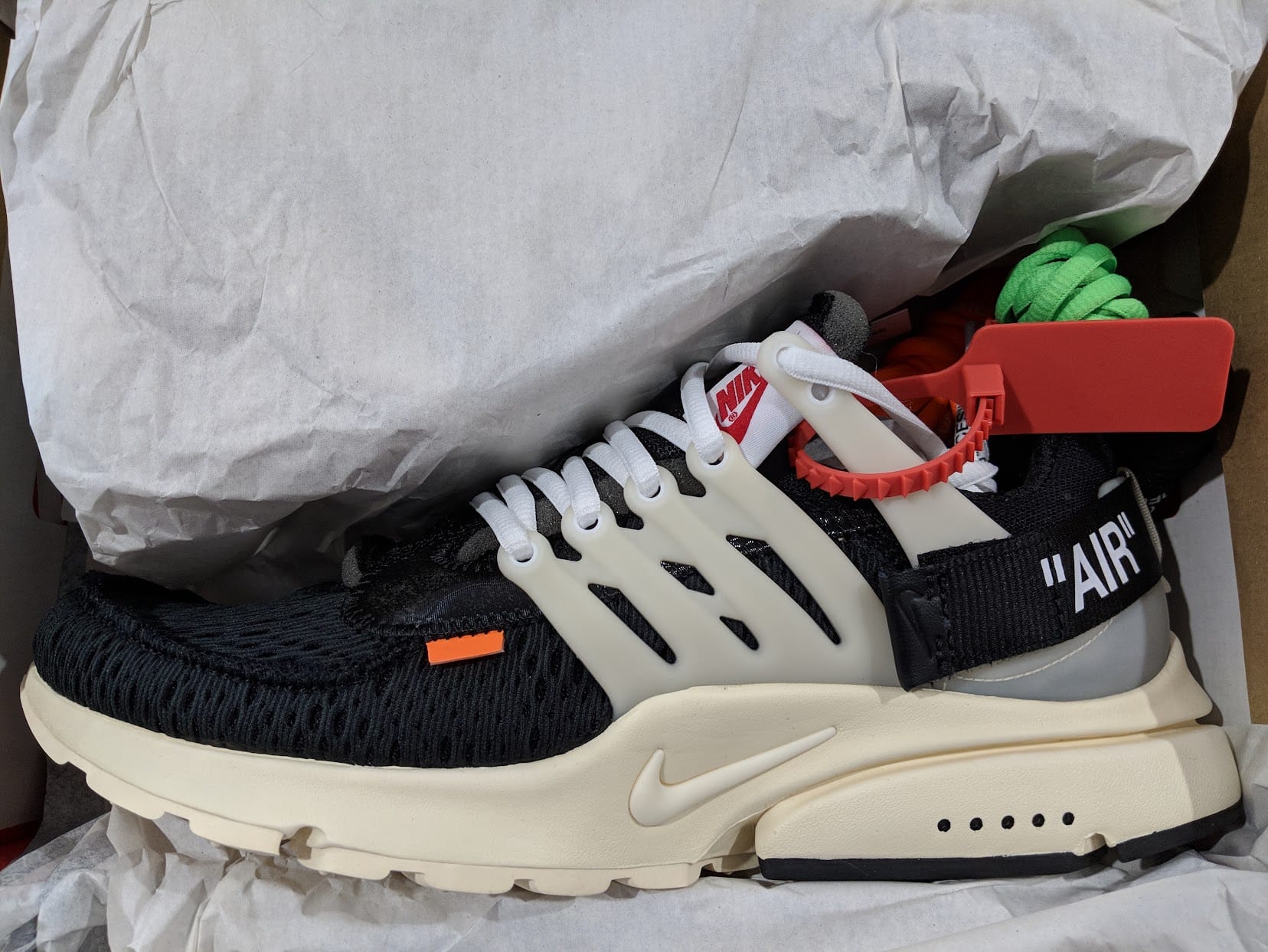
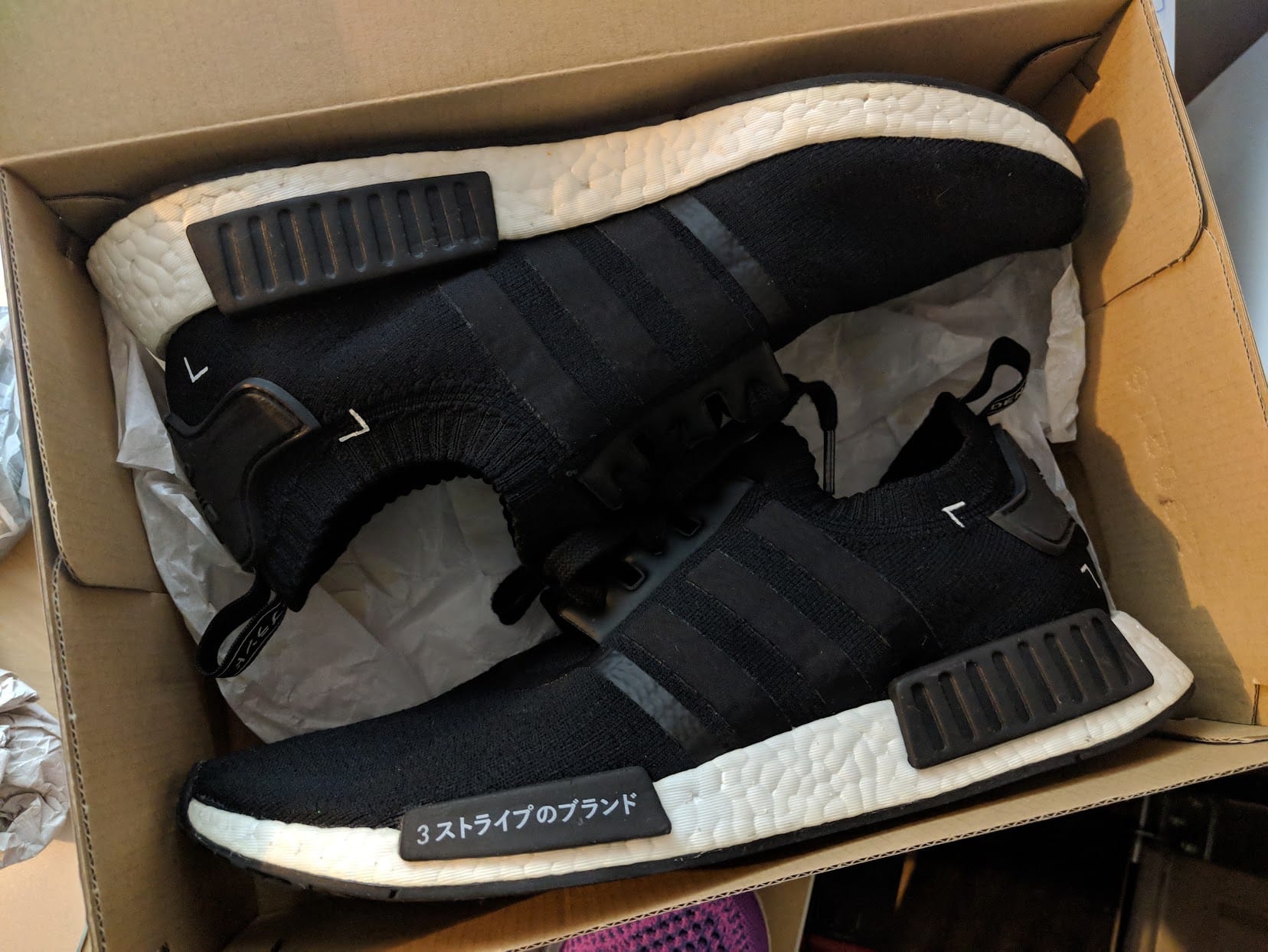
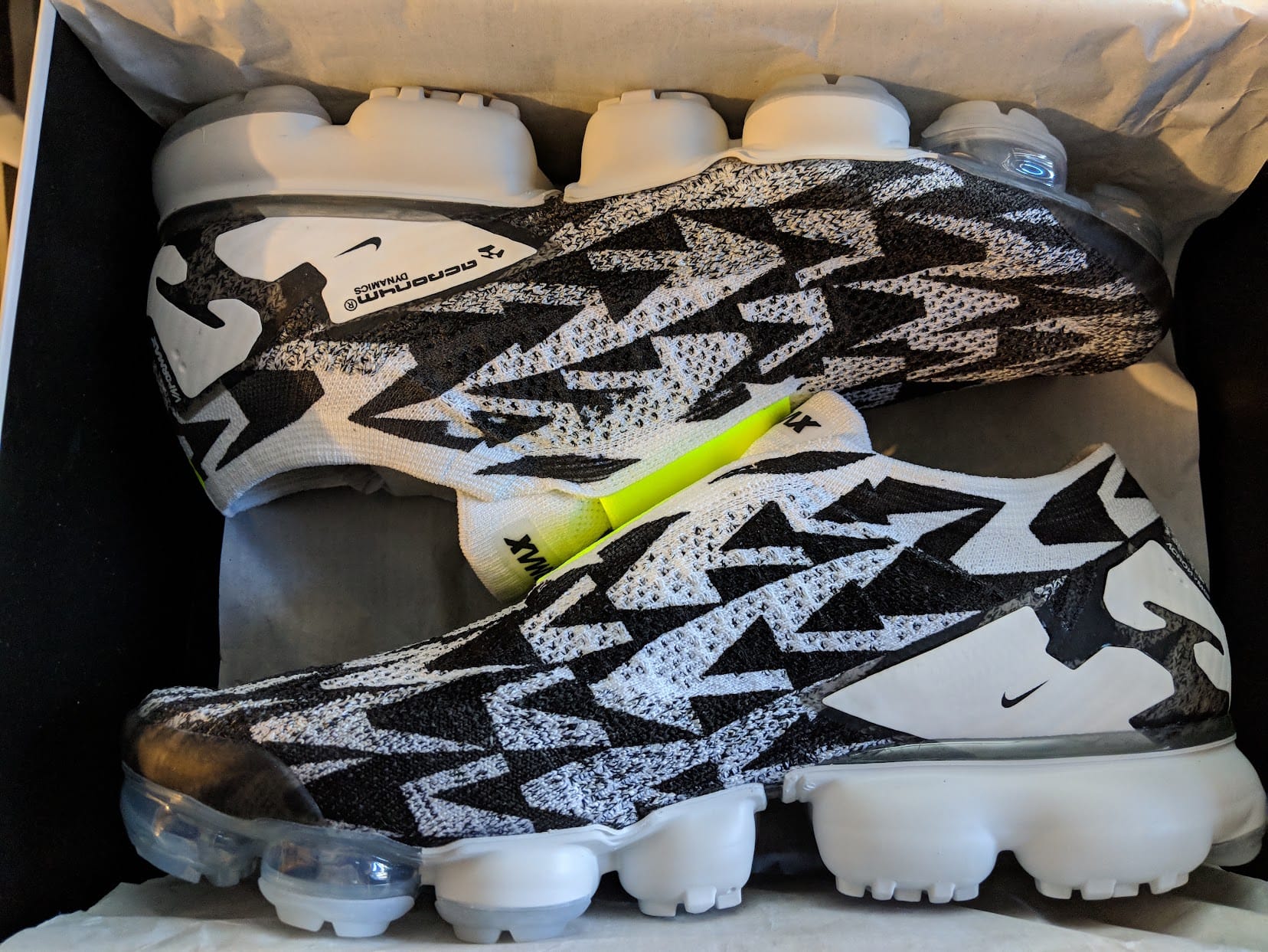
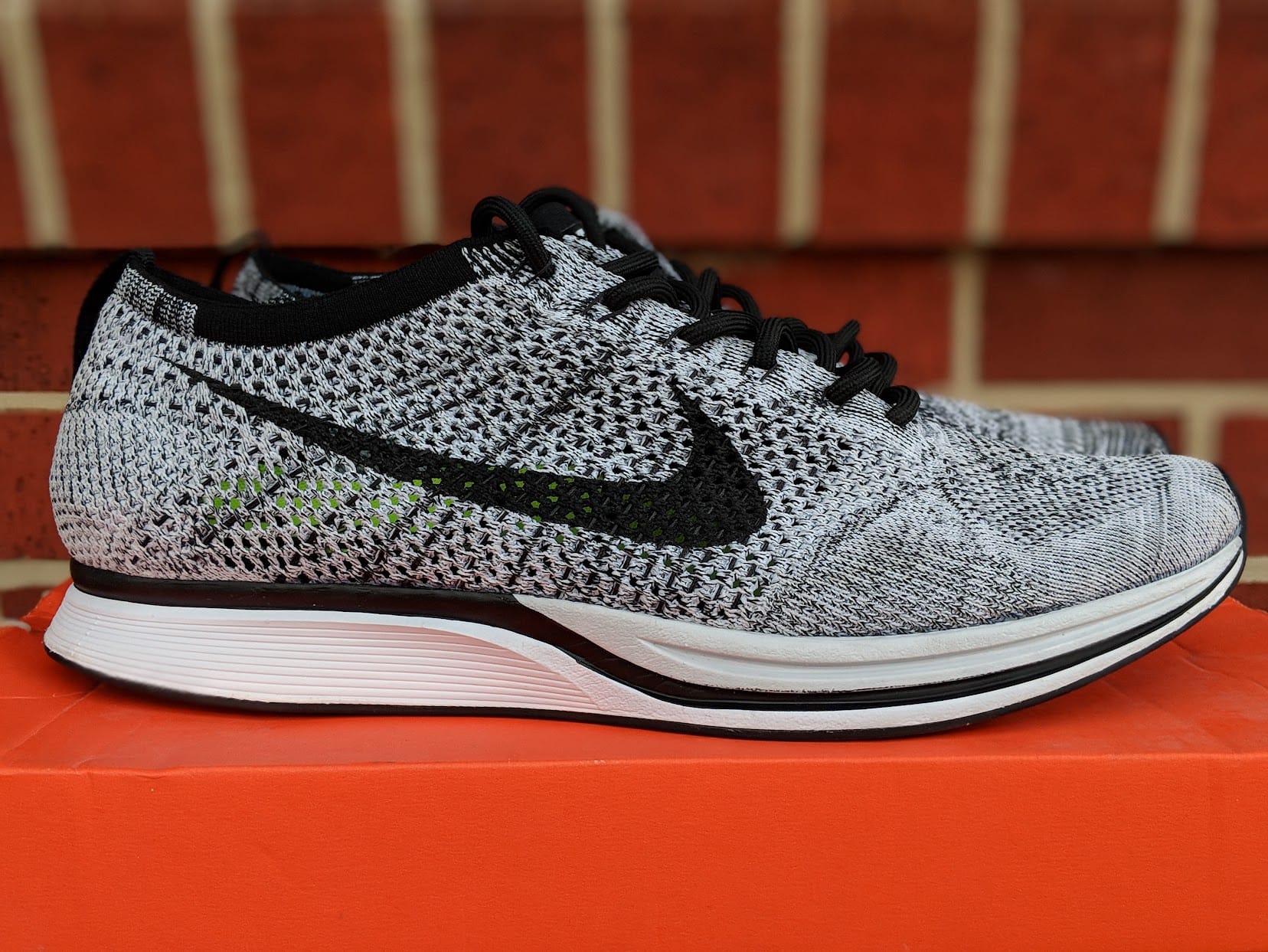
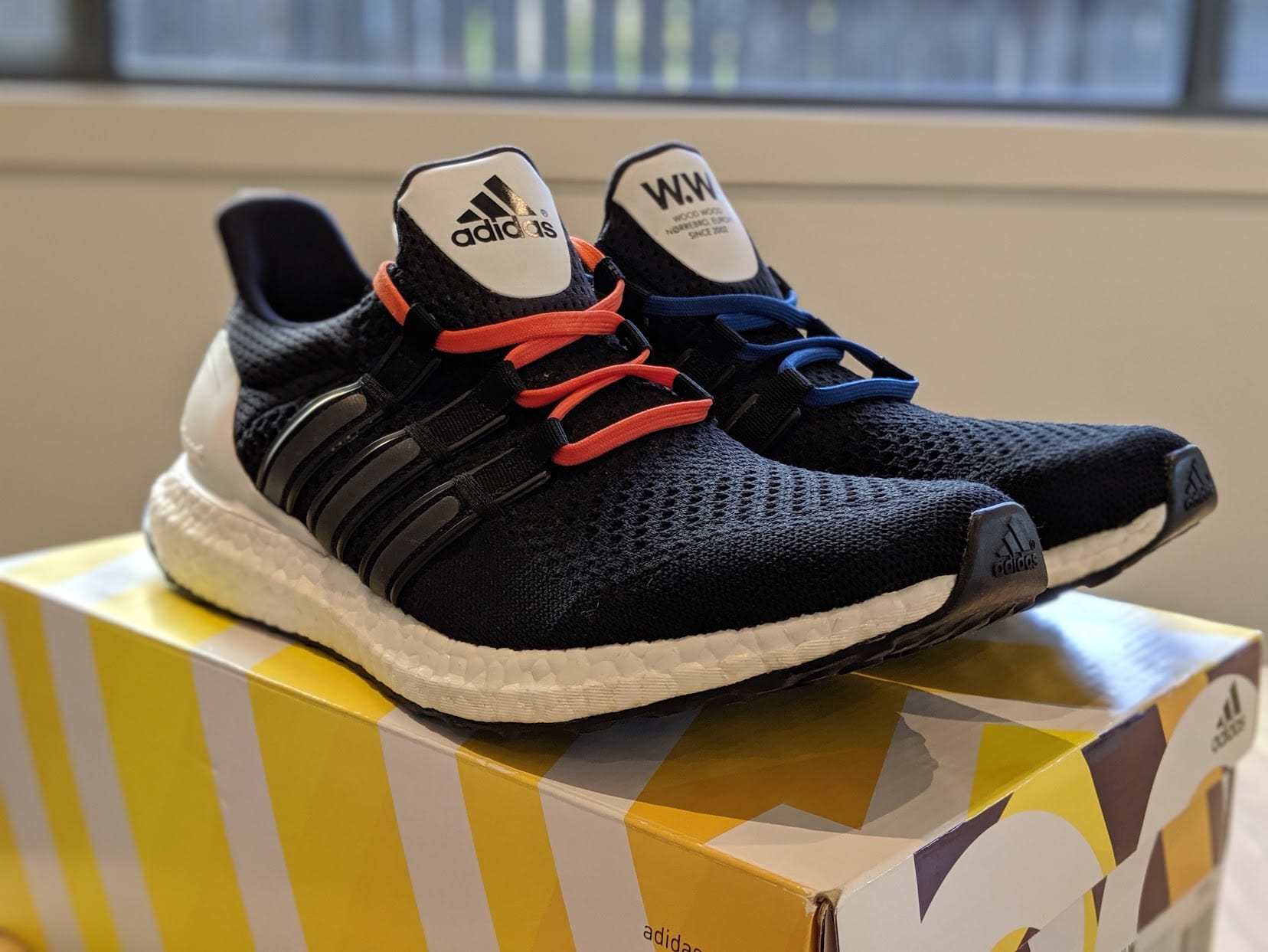
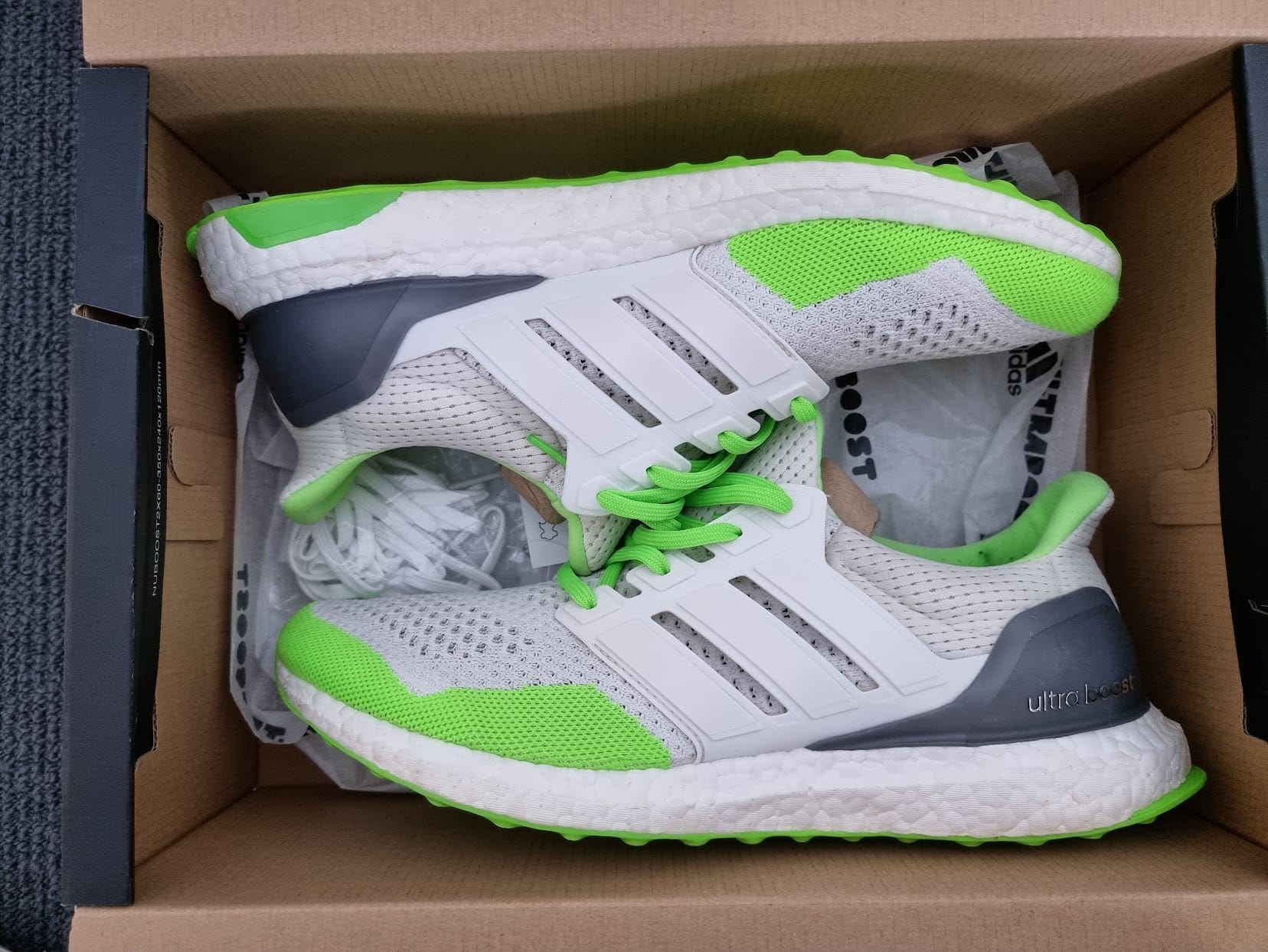
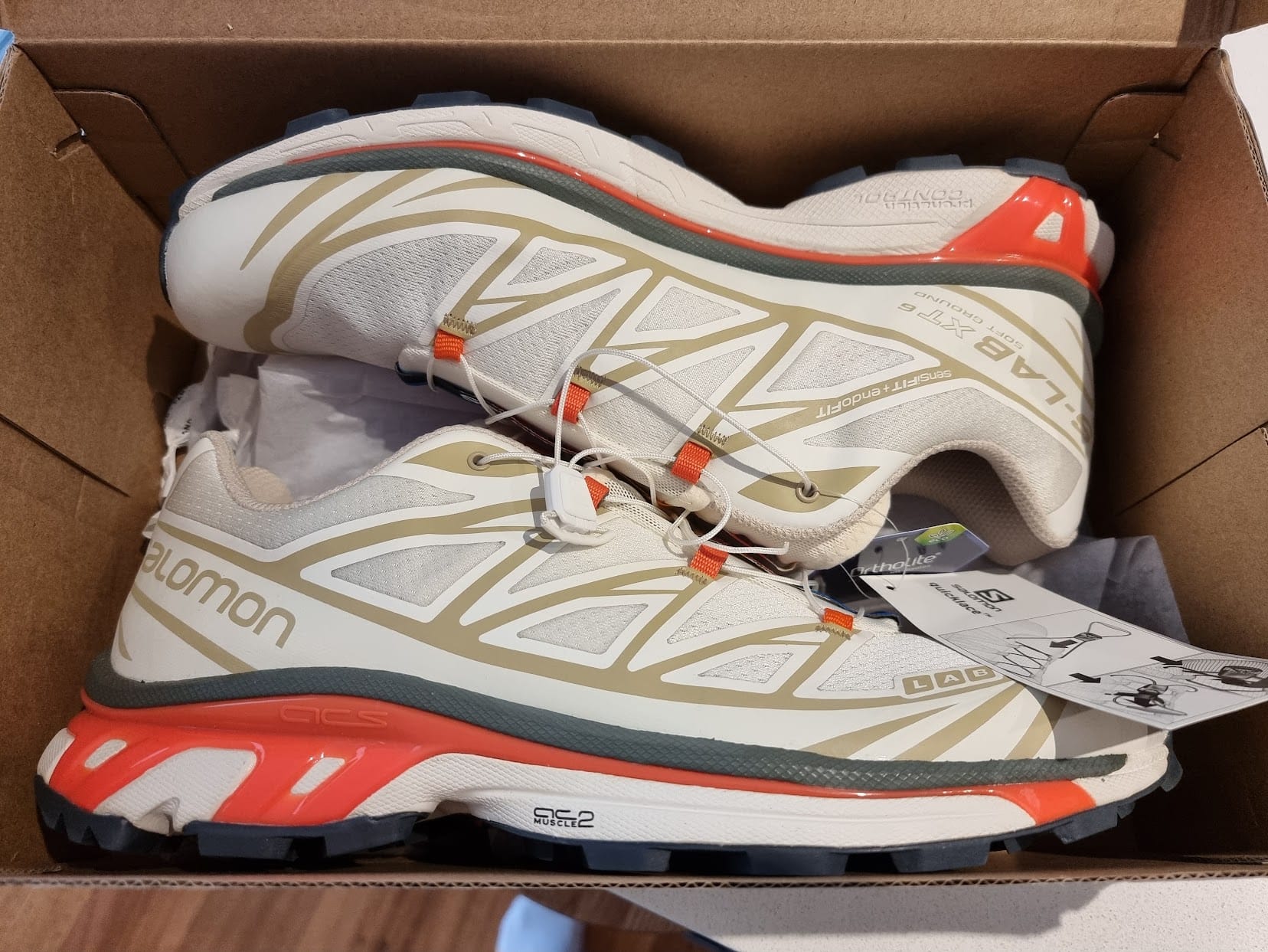
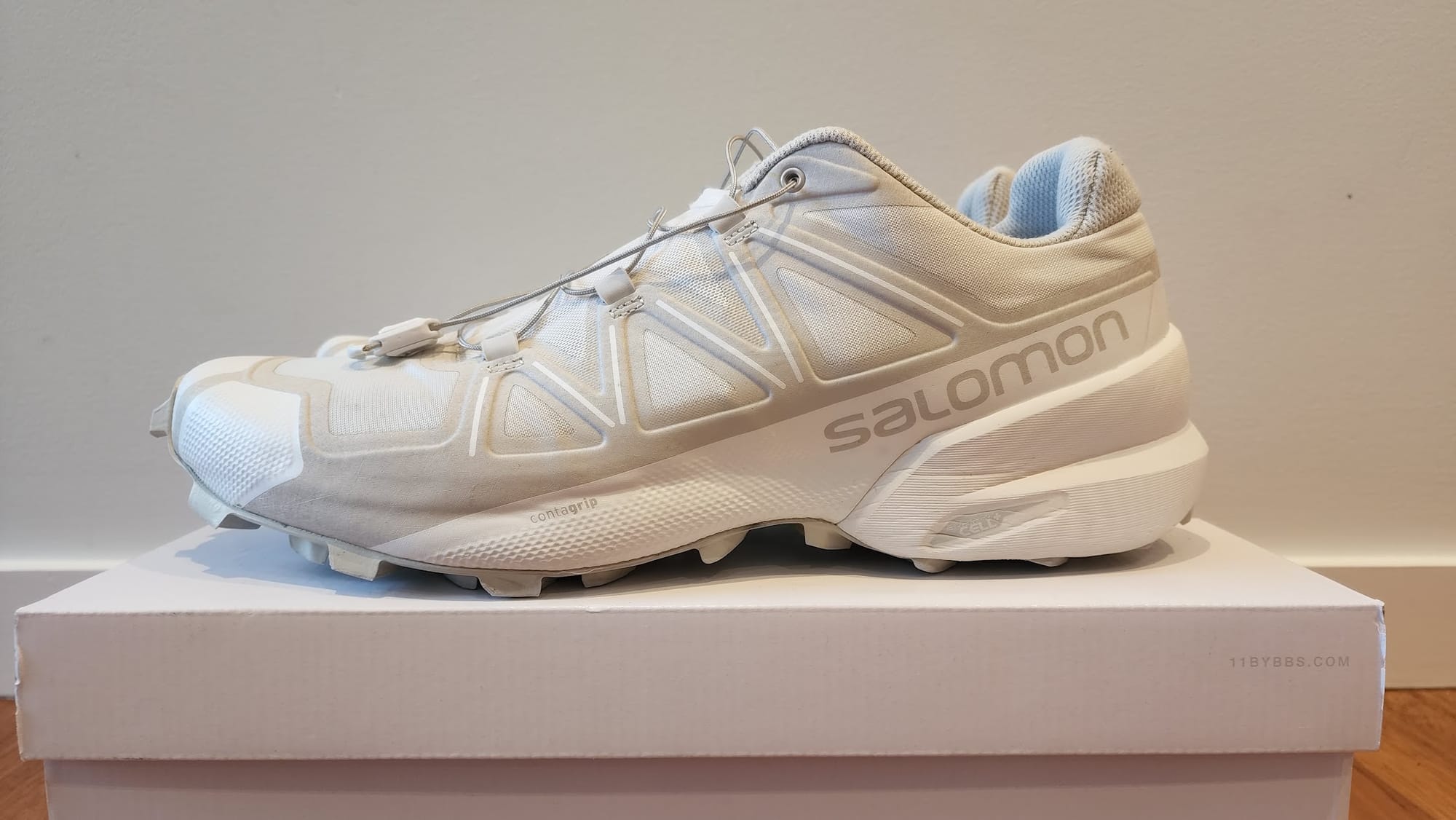
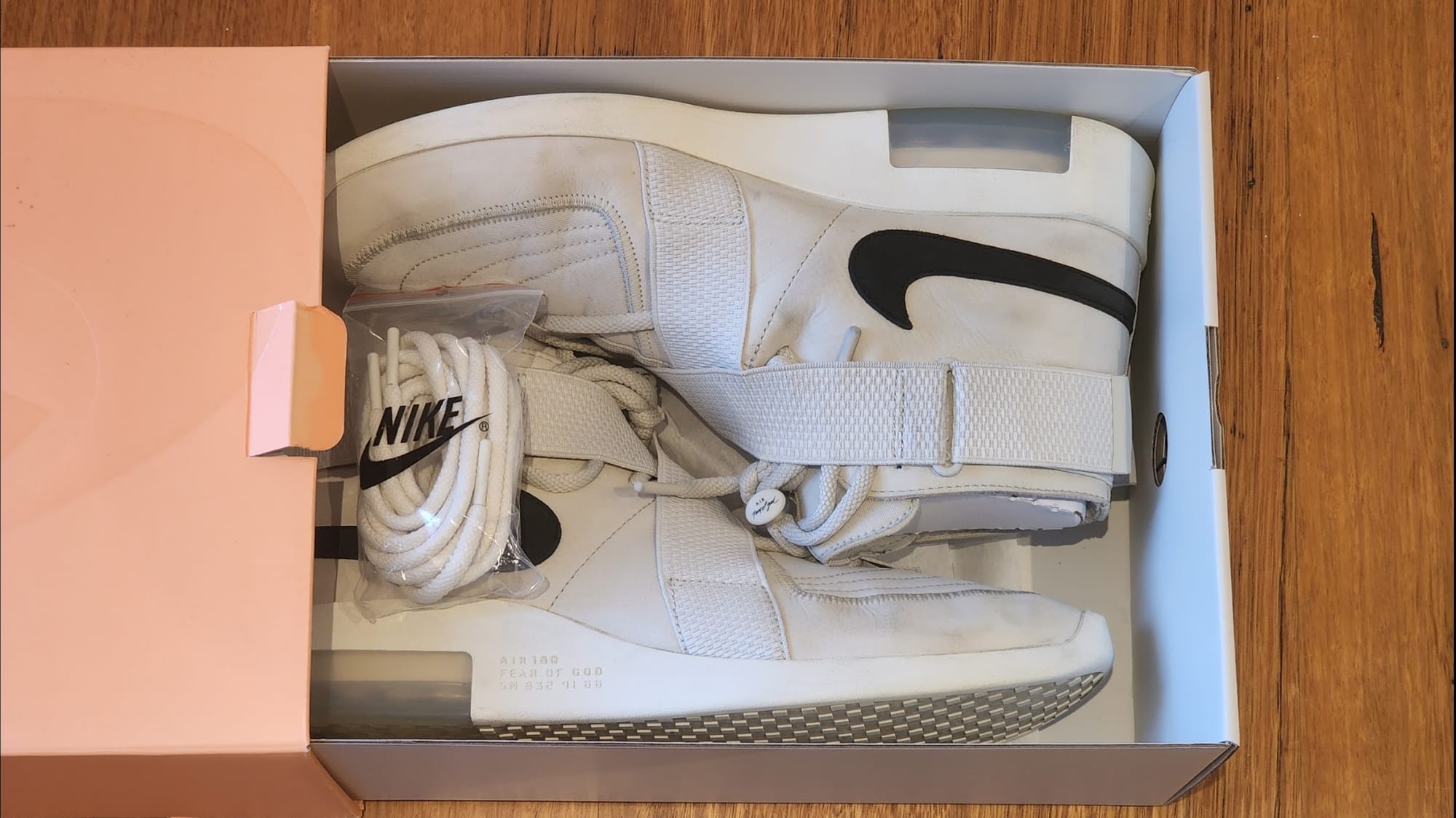
Some of my favourite pairs from my collecting days
It was a lot of fun for a while there, but things started to go downhill once people from outside of sneakers caught wind of how much money was being made buying and reselling shoes. As soon as you start seeing mainstream news reports about long lines for products, limited supply, immense demand and the resulting stratospheric resale prices (as we did in the 2010s with Yeezys, Ultraboosts, NMDs and Jordan/Dunk re-releases), those products stop being 'grails' for the fans, and start becoming commodities anyone could invest in.
Nearing the end of the 2010s, manufacturers like Nike and Adidas leaned into the hype cycles created by releasing their most sought-after shoes in limited quantities. Massive online commerce platforms like StockX and GOAT grew their businesses, and what had once been an enthusiast market had been overrun by speculators and investors. A common sight on social media around this time would be photos of rooms, and sometimes even warehouses, full of sneaker boxes, as unscrupulous resellers worked out ways to engineer online auctions and retail releases to secure huge quantities of shoes that might have retailed for $150, but could be resold for over $300.
This caused enormous frustration among sneakerheads, in the same way it's causing frustration for long-time Pokémon players and retro gaming collectors now. There was literally no need for this vampiric class of middlemen to have inserted themselves between fans and their intended purchase! Manufacturers could have sold those products directly to people who actually wanted them!
Nothing lasts forever though. In 2018 the sneaker market seemed like a new frontier in consumerist money-printing, a bottomless well of demand and resale inflation, but just a few years later Yeezy had crashed and burned as a brand, Ultraboosts had run out of steam and Nike had become so reliant on milking classic silhouettes like Jordans and Dunks that it started sinking the entire company. Brands like Adidas moved away from rapper collabs and started reinvesting in performance athletic shoes, which can be bought at any store you walk into, and companies like Hoka, Salomon and On, once existing on the fringes of the sneaker market, have capitalised on a boom in running, trails and fashion trends like gorpcore to grow into major players, helping sink demand for traditional "hyped" shoes as they've ascended.
Companies like StockX remain, and there are still hyped sneaker releases, but the scene in 2026 is nothing like it was in 2016. If you want a pair of new shoes now, there's a good chance you can just jump online and get them directly from a manufacturer or specialist store. Personally I've only bought two pairs of shoes at resale since Covid: one pair on StockX at half its retail price that the seller must have accepted just to get rid of their stock, and another on Depop at retail from a guy who bought the wrong size from a running store that didn't accept returns. That's a far cry from 2016-2020, when I was camped out in Discords and subreddits, entering raffles and sharing tips on how to secure sought-after pairs.
Sneaker reseller complains that he can’t upcharge customers anymore
by u/brockapex17 in TikTokCringe
Anyway, that brief recap is my way of not just setting the scene for the rise and fall of sneaker resale's golden age, but also to really help fans of stuff like TCGs and classic Nintendo games through their own suffering. I'm not really a sneaker journalist though, so for Inside Baseball Week I spoke with Russ Bengtson, former editor-in-chief of SLAM magazine, long-time sneaker editor at Complex and, disclaimer, author of a tome (A History Of Basketball In 15 Sneakers) that sits proudly on my living room bookshelf.
Luke Plunkett: Hey man, thanks for chatting with us. I've already given readers a very brief recap on the ups and downs of sneaker resale, but what do you think caused a decline in the importance of resellers in the market? Do you think it was saturation, complacency from Nike, something else, maybe all of the above?
Russ Bengtson: I think it's all of the above, and on top of that it was never something that was going to last at that level forever to begin with. You had something of a perfect storm of models—Nike in particular—from roughly 1985 to 2001, '82 if you count the Air Force 1, that were lightning in a bottle from design to marketing, that had a second life once those of us who were teens in that two-decade or so span got jobs and got money and were able to buy all the stuff we either wanted or had as kids. We had first-hand experience with and connections to all of those shoes.
As we get further away from that era, those who really wanted them are aging out and probably already have everything they wanted, and the next generation only experienced those shoes as retros. The marketing, to steal from Fight Club, becomes a copy of a copy of a copy. And then on top of that, yes, resale hubs and personal resellers already have so many pairs of all the "grail" shoes—every re-retro becomes less important—and Nike flooded the zone with so many releases that they lost their importance that way too.
LP: I guess I should be specific and accurate here: Is sneaker resale even dead? Companies like StockX keep reporting massive profits, but culturally--however you'd like to define that--it definitely seems like hyped launches and resale frenzies have dried up massively. What do you make of that discrepancy?
RB: I'm not sure it will ever be fully dead. There are obviously some shoes that still fetch absurd prices—thinking of some original '85 Jordan 1s and a lot of the more limited Dunk SBs that haven't been retroed yet. And then you have people paying resale for brands like Saucony and Brooks who weren't really in that conversation before, but now they too are doing the limited collaboration thing. And on top of that, I'm sure some people are just conditioned to buy through Stadium Goods or Flight Club or even eBay, and even on below retail sales they still get their cut. I'm not sure you're going to get as much of the "buy a whole store's allocation to drop off at a resale shop," but there will still be a resale market.
LP: Do you think, culturally at least, sneakers are in a healthier place now that the boom market has seemingly cooled?
RB: I have mixed feelings on this, and honestly on retro in general. I wrote a whole book that sought to put some of the more significant basketball sneakers into some kind of context, and what you have with retro is more or less complete context collapse. Back when retro was new and relatively rare, you had things like retro cards and even a burgeoning sneaker media trying to stay on top of things, but now it feels like it's just everything all at once all the time. If you walk into a physical sneaker store or even go online, it's just an endless wall of products where the only way you can know what originally came in which order are the numbers. And then on top of that you have all the current signature lines fighting for space and attention with all the old stuff. Honestly, as someone who dedicated a good portion of my life and professional career to following all this stuff and trying to explain it all—and as someone who had and still has far too many shoes—I'm pretty much fully checked out. I mostly wear old Sambas these days.
LP: As someone wearing beat-up Hokas while writing this, I feel that.
Seeing as this is actually a piece about other markets currently suffering through a speculative crisis, do you think there'll also come a point soon where stuff like LEGO, Pokémon cards and retro games also see the speculators move on?
RB: Yeah, I do. Maybe less so with LEGO since that strikes me as more of a current thing than retro, but Pokémon cards and retro games seem to occupy that same limited timeframe where [there are] those who are most into it as nostalgia are those who experienced it all the first time, or at least fondly recall all the marketing and pop culture around them. It's sort of hard to believe that this many people in 20 years will still care about an old Super Mario game let alone, like, Pitfall or Galaga. It's one thing if you remember playing a game on a console at an arcade; it's another thing entirely if it's just an old game that some old dude is telling you how important it was once. OK grandpa, let's get you to bed.
LP: Finally, what do you think drove the speculative boom in sneakers?
RB: Money! I think you can look at sneakers—and anything else where there's a resale market—as starting with true diehards who just really love whatever the product is, then as "values" go up, speculators move in from whatever else they were in before and kind of locust swarm the whole thing before moving on to whatever the next easy cashout is. And it's like, if the industry seeks to maximize the profit from those speculators and considers them to be the new market to cater to, they risk losing their OG diehard fanbase and then—when those speculators inevitably move on, because all they ever cared about was making a profit—that industry may have no one to turn back to.
And that's where I think the sneaker market is, honestly. They threw so much at the wall chasing those easy retro profits, not really caring if a lot of those "sellouts" were just stocking resale markets, and never really stopped to think what happens after. Those Gen X and millennial consumers are either aging out or just done with it all, and I'm not sure whether they know how to market to the next generation. It'll be interesting to see what happens next.
So much that's rotten about modern consumerism and late-stage capitalism, at least as far as it extends into enthusiast spaces, really feels like it got its first big break in sneaker culture. Existing at the intersection between multinational corporations, cashed-up millennials, nostalgia and popular culture made shoes the pioneer for so much of what's come after and is now affecting retro gaming, Pokémon cards, watches and beyond. Sneakers were maybe the first example of what happens when a generation of people desperate for money are given the (decidedly modern) tools and opportunity to wedge a market.
As badly as sneakers were ravaged by resellers, though, the scene is now leading the way in showing what happens after, once the hype dies down, the money dries up and the locusts move on. Because as bad as things might seem now for TCG fans, as different as things might look after and as many friends and touchstones you're going to lose along the way, you've got to remember that this, too, shall pass.
Welcome to Inside Baseball Week, our annual excuse to explore topics so niche and weeds-y that no other video game website would touch them.
We're also having a sale, so if you're yet to make the jump to helping support independent games media, there's never been a better time!


