

What I'm about to say isn't based on any kind of hard evidence or statistics, just vibes, but stick with me: I think it's fair to say that the trajectory of The Bear was one of a TV show that started really strong, got a bit carried away, annoyed a lot of people as a result then faded from wider public consciousness.
It began as a series about a Chef With Problems (played so intensely by Jeremy Allen White), so defined by its moments of tumult and disorganisation that I would start anxiously sweating before an episode had even started. Allen White's Carmy Berzatto would always fuck everything up, and everything around him would fuck up as a consequence, but it was all shot and acted so deep into the trenches that it felt like watching an excruciating personal documentary, one where I would learn a ton about how restaurants worked at the expense of my own happiness and blood pressure.
After a few seasons of acclaim and awards, The Bear got a bit high on its own supply. It got too cute with its time and space, became too reliant on flashback sequences with the emotional subtlety of a fistful of broken glass and introduced too many corny musical touchstones and too many annoying celebrity cameos. By the end of its third season, when Riley correctly pointed out it had gotten "too up its own ass", I feel like many people not only bailed on the show, but would go on to talk shit about it at any given opportunity for years to come. Which to a point was fair, it had become obnoxious television!
 Riley MacLeod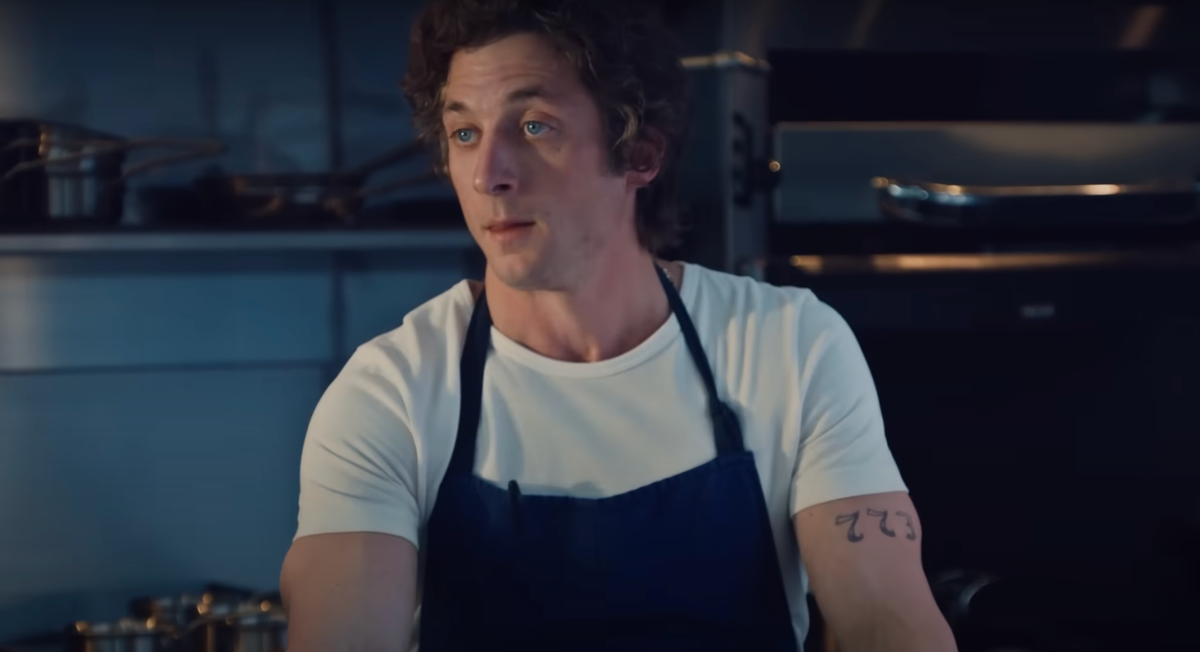
That's a shame though, because The Bear's final two seasons are a wonderful example of a creative redemption arc, a rare case of a TV series stepping back from the brink to re-examine what it did so well, where it could go and most importantly how it could wrap all that up.
If you punched out during the show's wildest excesses, let me fill you in on what you've missed. Seasons four and five of The Bear realised that Carmy had become insufferable, a tragic and seemingly irredeemable figure, a man whose constant thirst for self-destruction wasn't telling a story so much as beating the viewer to a pulp with the same bloody hammer, show after show. And so it pivoted, turning away from being a show about a predictable, angry man into one about a pensive, brilliant young woman.
Ayo Edebiri's Sydney Adamu is, and I do not say this lightly, maybe the single best acting performance I have ever seen on a television screen. She is so human, so nervous and imperfect and anxious, so bursting with expression and detail and relatable charm that every scene she's in feels like I'm watching her in 4K while everyone else is in 720p. It's her journey from self-doubting cook to [spoilers] that becomes more interesting, and so it's her story The Bear rightly shifts its spotlight onto.
Season five especially benefits from a narrowing of its focus. It sheds the fat of flashbacks (one episode-length detour aside, though this was released as a pre-series standalone episode) and other restaurants and other countries to just be about The Bear and its staff. The way a single day in the restaurant's life plays out across seven episodes, in almost real time, gives each character ample time in the sun to point themselves towards a future beyond this show, and for us all to get a chance to say a proper goodbye.
And it's a goodbye to relish. It's corny in so many ways, with every bow tied and every T crossed, but you know what? So many seasons of this show were about tension and catastrophe that it could never sustain that indefinitely. For The Bear to end, everyone involved needed to reach their own finish line, and the way everyone manages to get there, in ways that show all the hardship they endured for so much of this series had been worth it, was great.
To be clear, not everyone here emerges as a better person. That would betray the entire point of the show, which fed off people's imperfections, the sparks that fly when personalities clash under pressure. But their experiences have been worth something, and are now taking those imperfect--if now a little happier--characters to better places.
It felt sad to say goodbye to these raw and fragile weirdos, which if anything is a testament to how successfully this show has pulled off its recovery. For most previous episodes in most previous seasons it felt like a relief to reach the credits sometimes, so tense and unbearable had their key scenes been, so it was lovely to get some closure and happiness at the very last instead.


