

I've been talking a lot of shit about Civ VII over the past year, and nearly every time I do, I find myself pointing to all its flaws, then pointing over at 4X rival Old World--which is excellent--and saying "See? SEE?! This is how you do it!!!"
I've only just realised that I've never actually written about Old World on this website to explain in detail what I'm pointing at, so let's fix that.
First released into Early Access all the way back in 2020, Old World is a 4X game directed by Soren Johnson, who had previously been lead designer on Civilization IV. Seeking to address some of the issues he ran into on that storied series--like games going for too long as they try to span 6000 years of human history--Old World narrows its scope to just the...old world, letting you play as factions like Rome, ancient Greece, Persia and Egypt, and ending things just before what we'd now call the Early Middle Ages.
As I've said in other posts, I think a focused 4X game is a good 4X game. Why? By limiting its representation of history to a single era, Old World is able to invest in much more detailed and interesting diversions within that period than Civ has ever been able to manage. Most important of these is a dynasty and relationship system lifted straight from Crusader Kings, where every faction is made up of families and clans, and every major individual within them is represented by personality traits and skills, and the relationships they develop as a result.
These values bounce off one another all the time to create a real sense of personality, and add fantastic layers of depth and unpredictability to every playthrough. Every single turn in the game begins with a series of decisions and events you need to resolve before moving units, ranging from settling personal issues (all of them based on characters’ stats and standing) to exploring (even more) ancient ruins, and your decisions here can have far-reaching ramifications.
A dispute between a rival king and his heir, for example, can ask you who to support. Back the king and you might maintain cordial relations in the present, at the risk of creating a grudge down the line. Back the heir and you could risk war in the coming days, but count on an ally when the king eventually dies. This makes diplomacy one of the game’s strongest systems; rather than reducing interactions with the AI to a series of barters over numbers, it makes the whole world feel alive, and makes every other faction in the game something you can develop a relationship with.
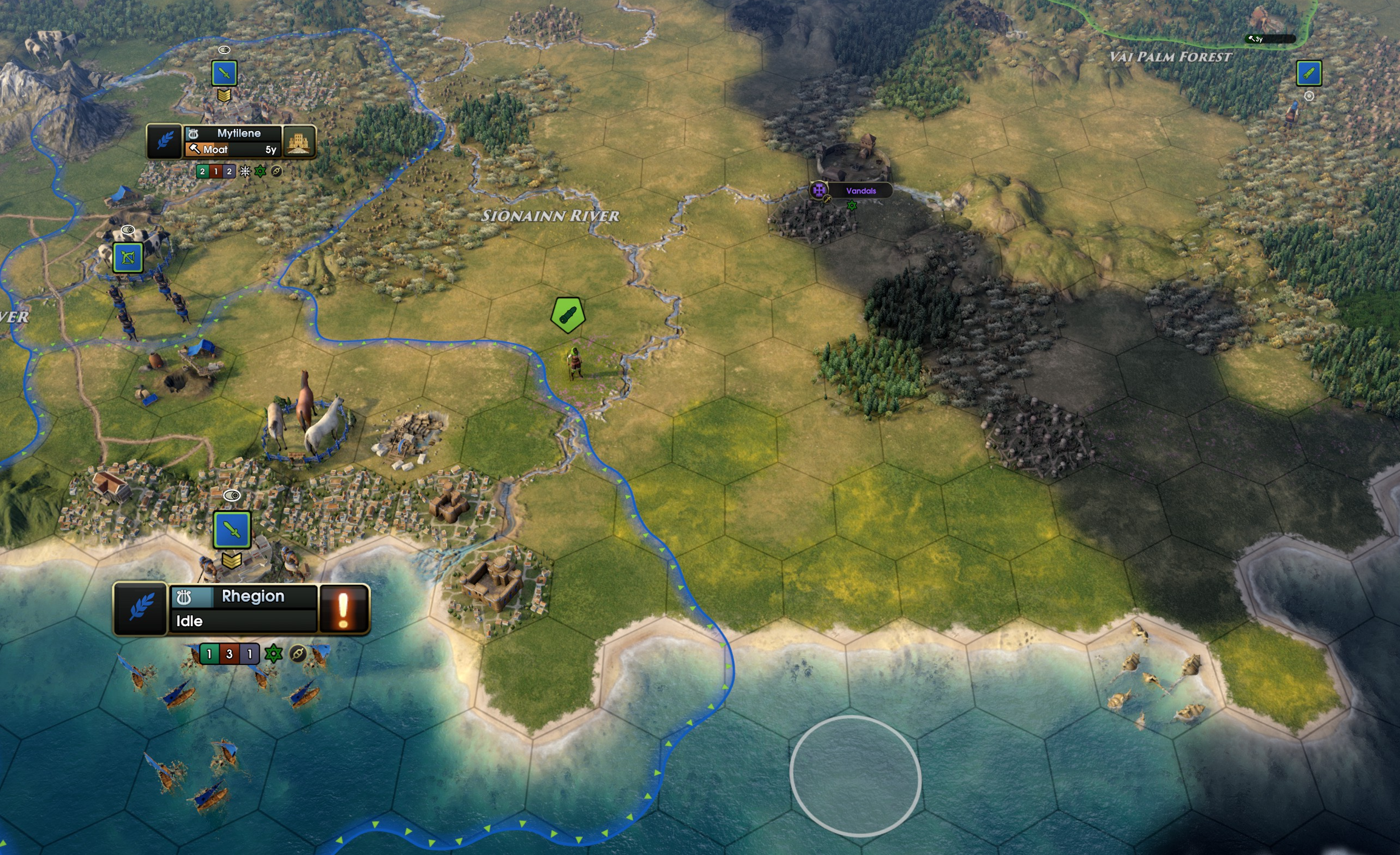
Also key to Old World's success is the sense of scale it's able to achieve. Old World fully understands that the best parts of any 4X game are its earliest turns, where the player must explore the world around them and found their first settlements in the wilderness. In a purely visual sense, Old World absolutely nails this: its deserts are vast, its mountains often impassable, its oceans intimidating. At all times you feel like a very small civilization just scratching the surface of an enormous, uncharted world.
This scale carries through into how it plays, as well. While Old World has loosely the same district-building system as recent Civilization games, it couldn't be implemented more differently. Your improvements have to be constructed by hand, for starters (I love worker units!), but even when your biggest cities start to sprawl, they never overcome the landscape like Civ's megacities do. There's always so much land around you in this game, reminding you at all times that you live in ancient times, and that moving around that world was hard work.
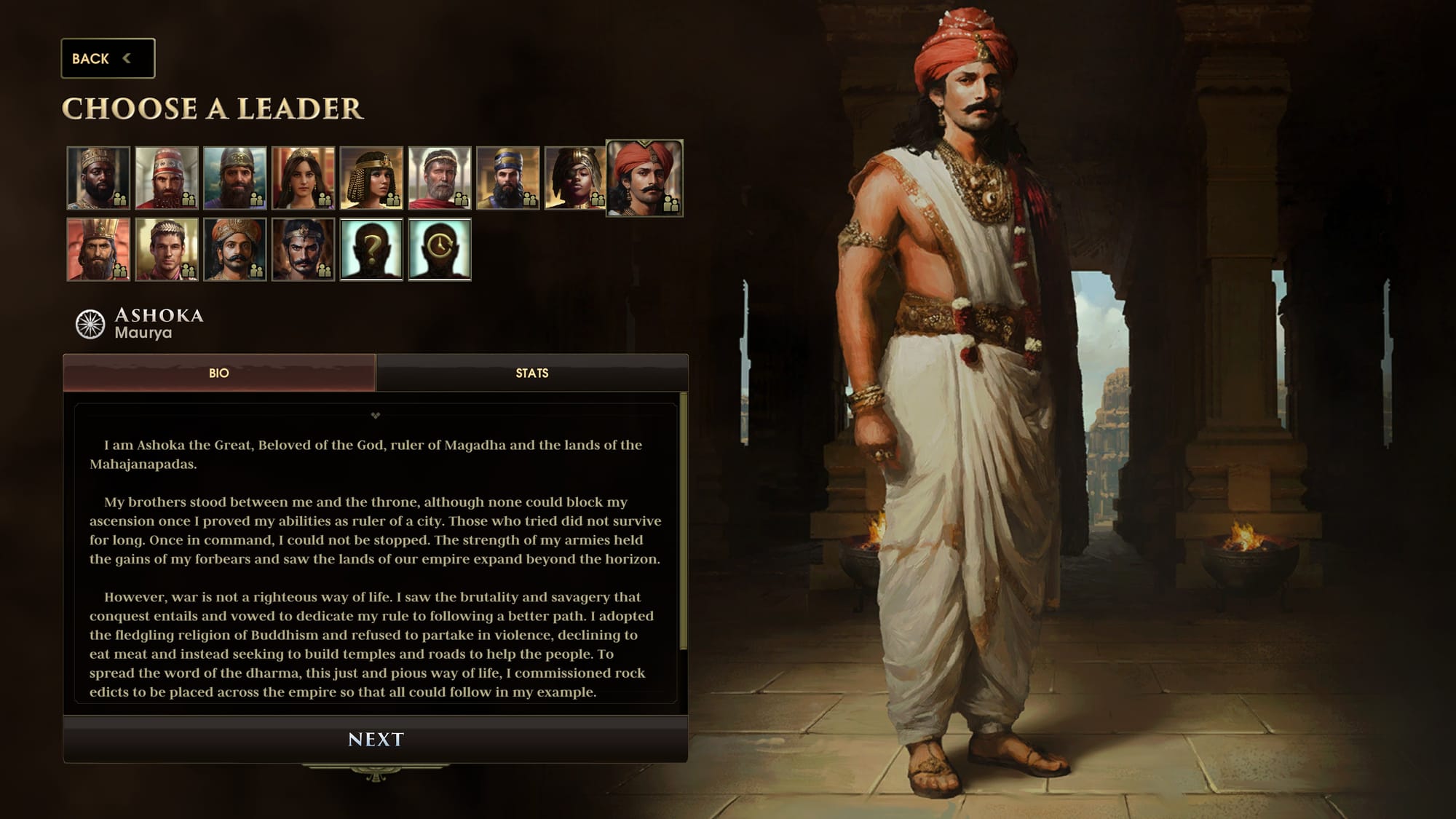
There are so many other ways this game stands above the competition. The fact developers Mohawk keep adding updates and new factions (three more dropped recently, six years after release!) rules. The soundtrack is so good it was nominated for a Grammy. The amount of quality, engaging writing that's gone into its events and relationships is simply mind-boggling. And its "order" system, where the number of moves you can issue per turn is limited to the strength of your bureaucracy (you can rarely move all your units!), is one of the smartest combinations of historical accuracy and interesting game mechanics I have ever seen.
Basically everywhere I look with this game, I see something I not only like but, given my long experience with the genre, that I admire. The whole thing is an accomplished understanding of not just what makes 4X games great, but where they can innovate in ways that add to the experience, rather than derailing it. It's a game I loved when I first played it back in 2020, and have only grown to love it more since.


