

We spoke about Dylan Faden (protagonist of Control Resonant) last week on the podcast and, while we had some level of sympathy and understanding for the character, the prevailing view was that he was a deeply annoying person. I am here today to apologise to you, Dylan.
I'd been so comfortable sharing my views on Dylan on the podcast because, at time of recording, I'd thought I was right near the end of Control Resonant, and so I'd seen all the Dylan I was going to see. Turns out I was way off; I was actually only around 2/3 of the way through the game, and a huge bulk of that final third (which I've since played through) is spent introducing and then dwelling on all the terrible shit that happened to the poor guy at the hands of the FBC.
SPOILER WARNING
My initial views--I think I called him a "whiny little bitch" at one point--were based on the character as he's introduced at the start of the game: the bad guy from Control, who was responsible for the deaths of hundreds, and who was now working to make amends by saving New York City. For the first half of Resonant Dylan is on a redemption arc, and it falls kinda flat because all he basically does any time someone confronts him about his part in the first game's events is go "waaaahhh I'm trying" while carrying all the gravitas of a wet paper bag. He sucks!
During Resonant's final third, though, a series of events that had previously been scattered and whispered on the fringes of the game start to come together to paint a very different Dylan Faden. Gone is the character out to make amends for what he (or a possessed version of him, at any rate) did in the first game. In his place is a man on a quest to quite literally find himself, to somehow reconcile a decade of gross mistreatment at the hands of the government and find that deep inside him, past the Hiss and years of conditioning, that he is a person, not just a weapon.
We're drip-fed some of this narrative through the clever return of FMV sections starring Dr. Casper Darling (a mainstay of the first game), which over the course of Resonant escalate from kindhearted greetings and birthday wishes to, by the end, overt threats and a reliance on torture. Actor Matthew Porretta's slow transition from cozy father figure to snarling zookeeper is one of the game's deftest touches, and were such a highlight of Resonant's storytelling that I made sure I poked my head into every corner and meeting room of The Oldest House so that I didn't miss one.
 Gita Jackson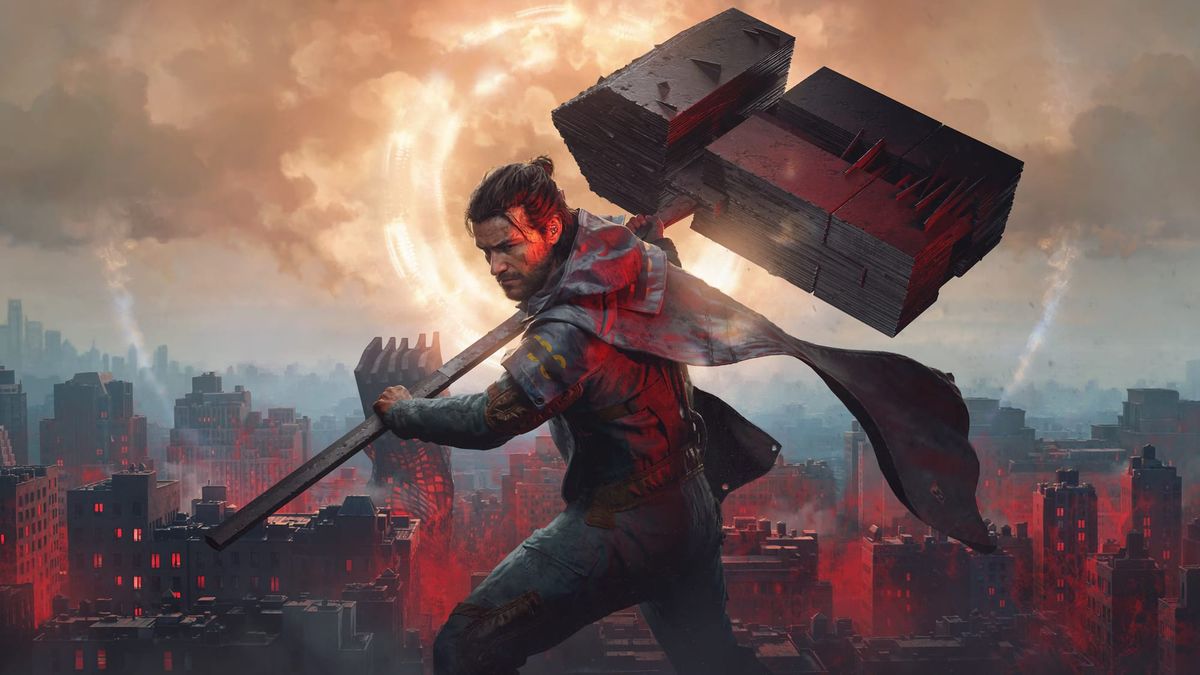
The real game-changer, though, comes from Resonant's most surprising chapter: a lengthy Earthbound tribute act just before the end, which pulls the player out of a lavish 2026 AAA action game and dumps them onto the SNES, trapped in a top-down 16-bit RPG. While the perspective shift isn't a total surprise--Dylan and sister Jesse's love for the fictional JRPG Severed Circle 2 is made pretty clear throughout the game--the length and importance of this section certainly are.

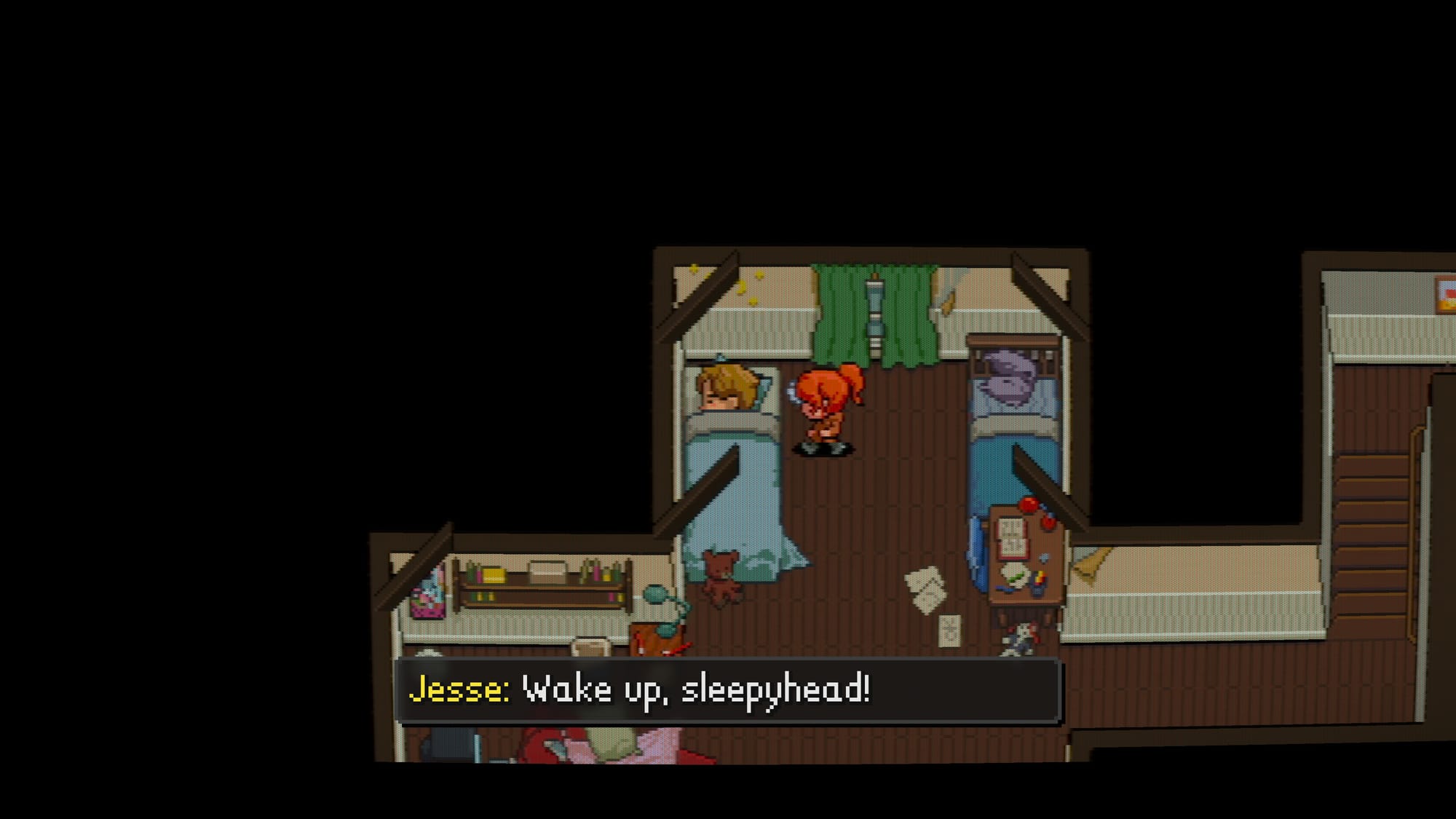
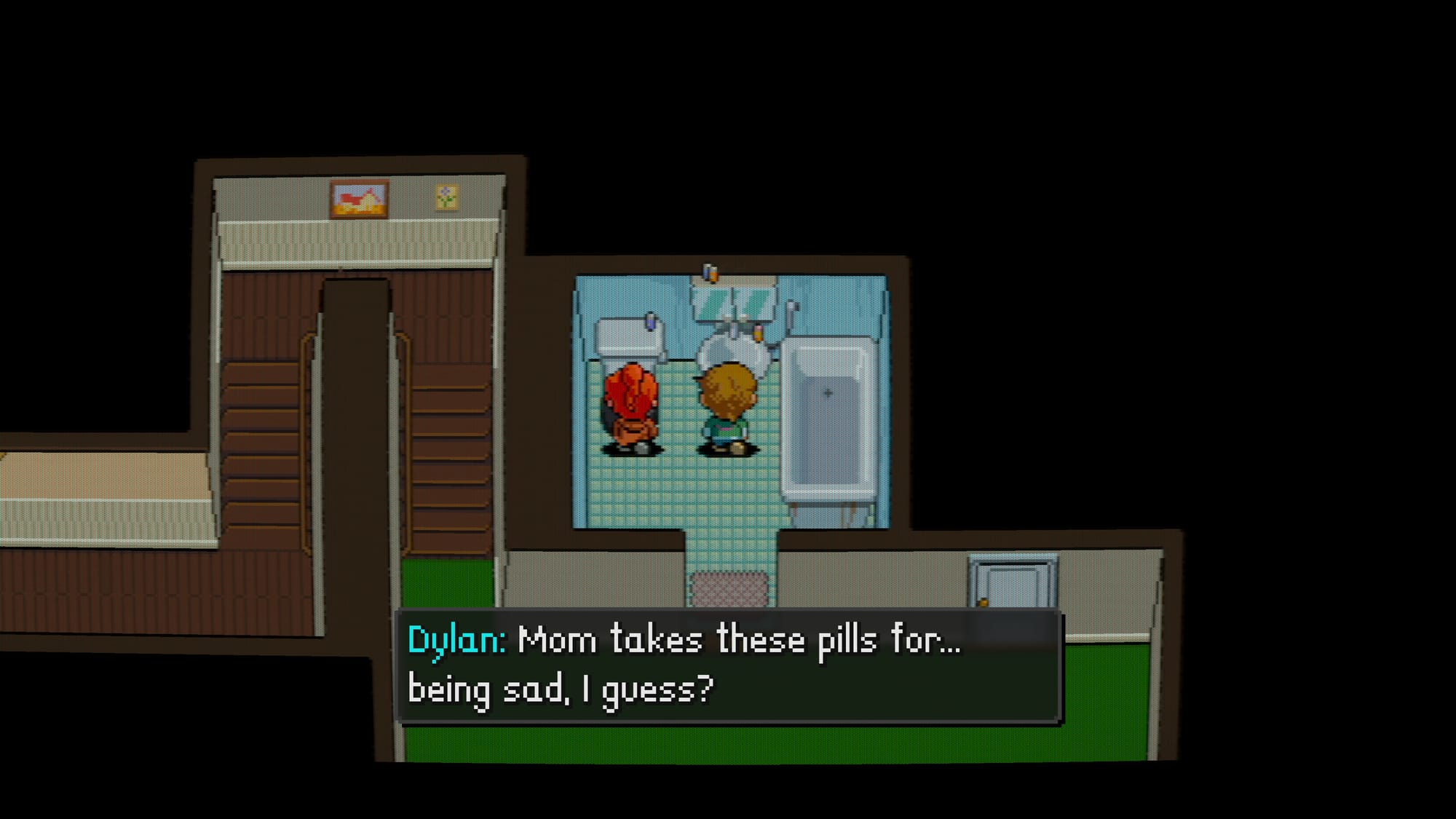
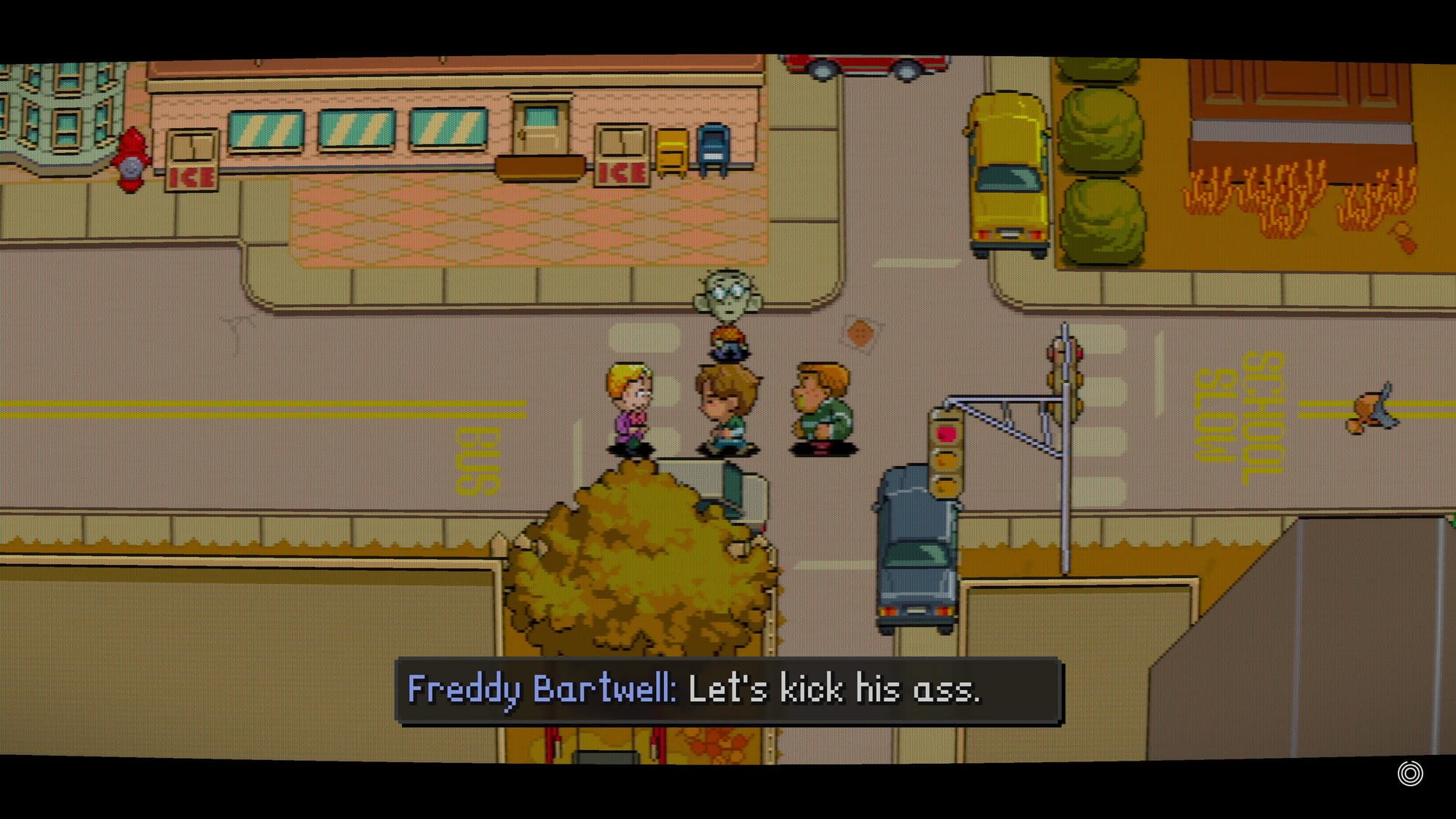
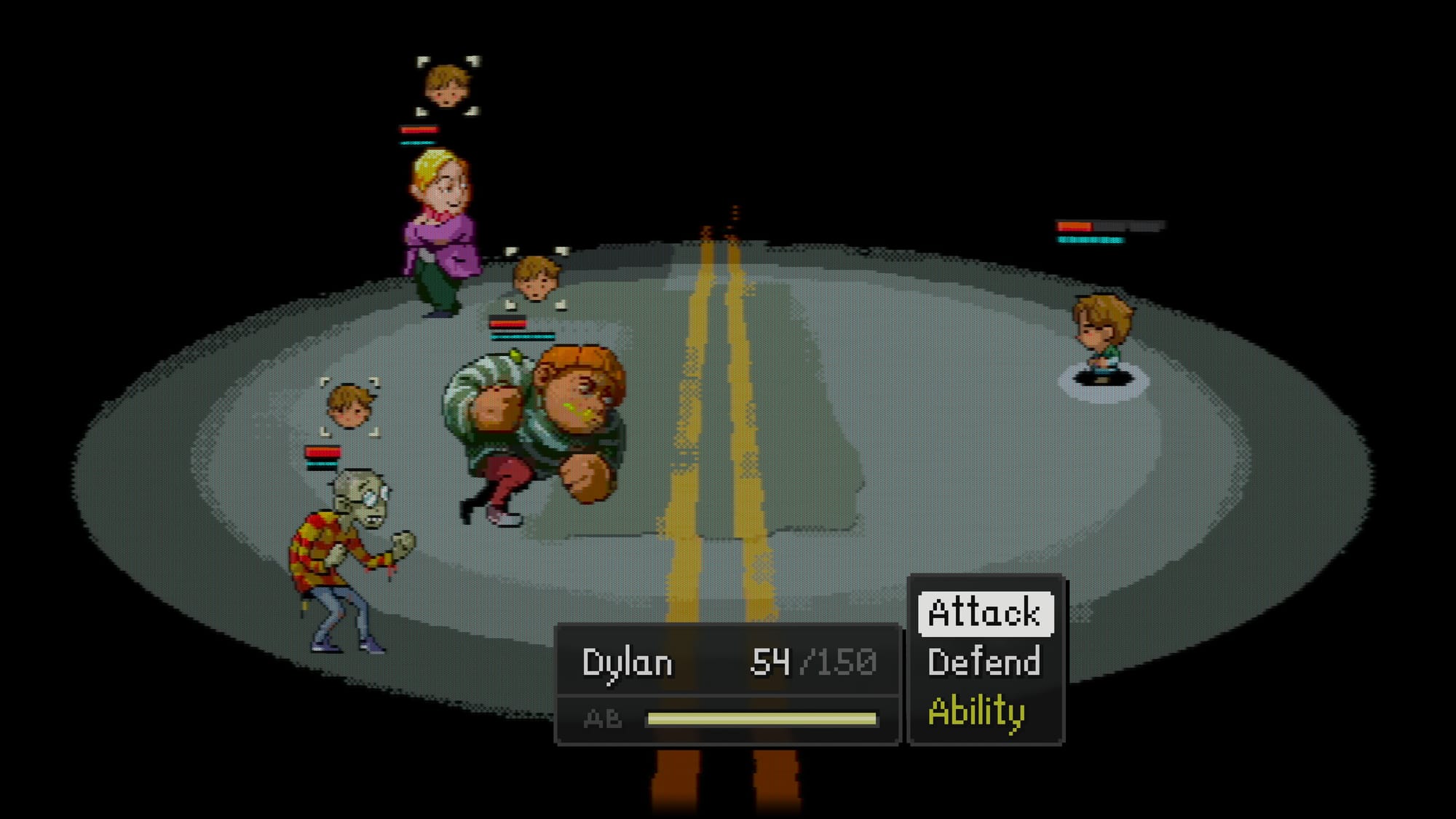
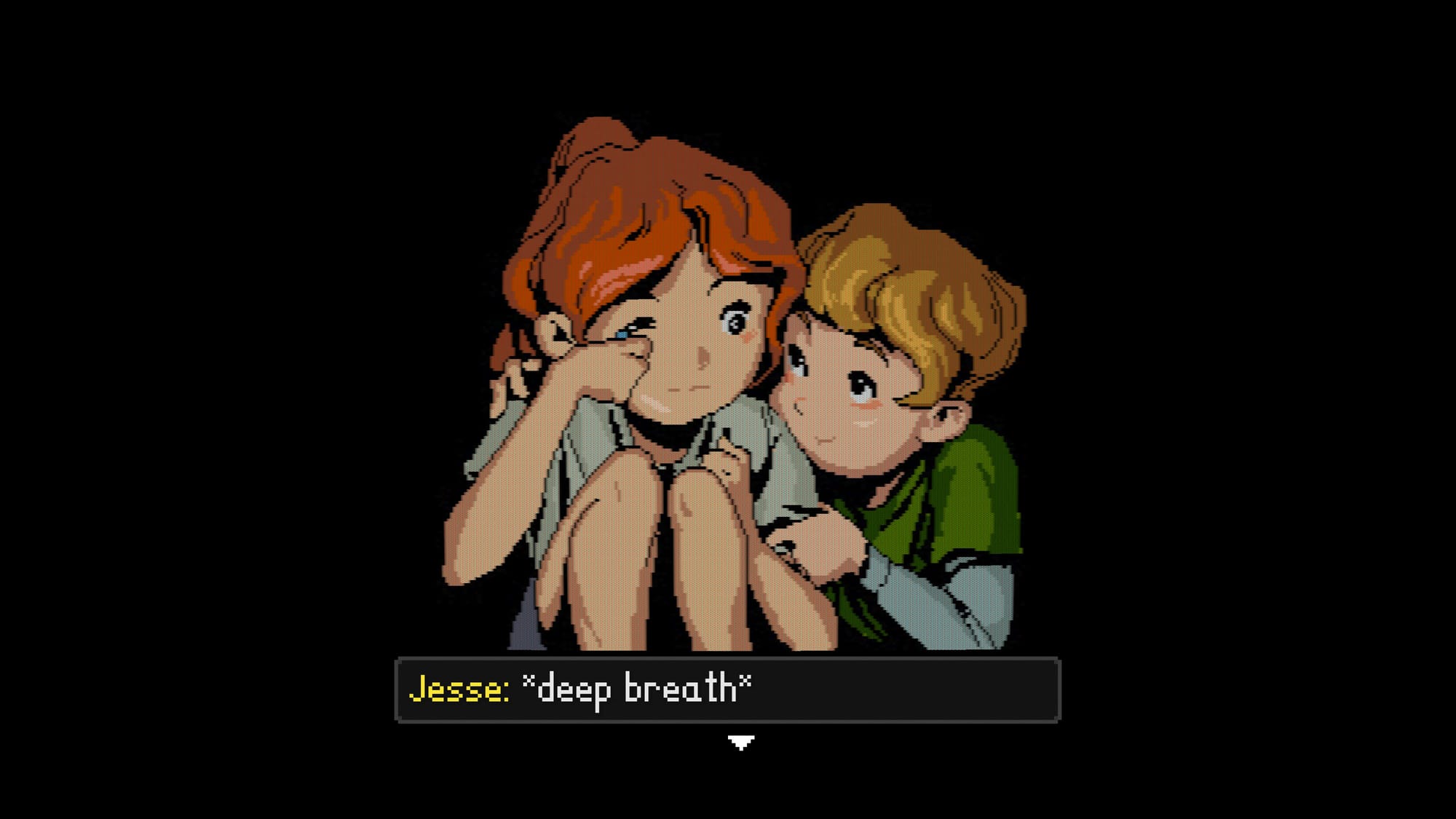
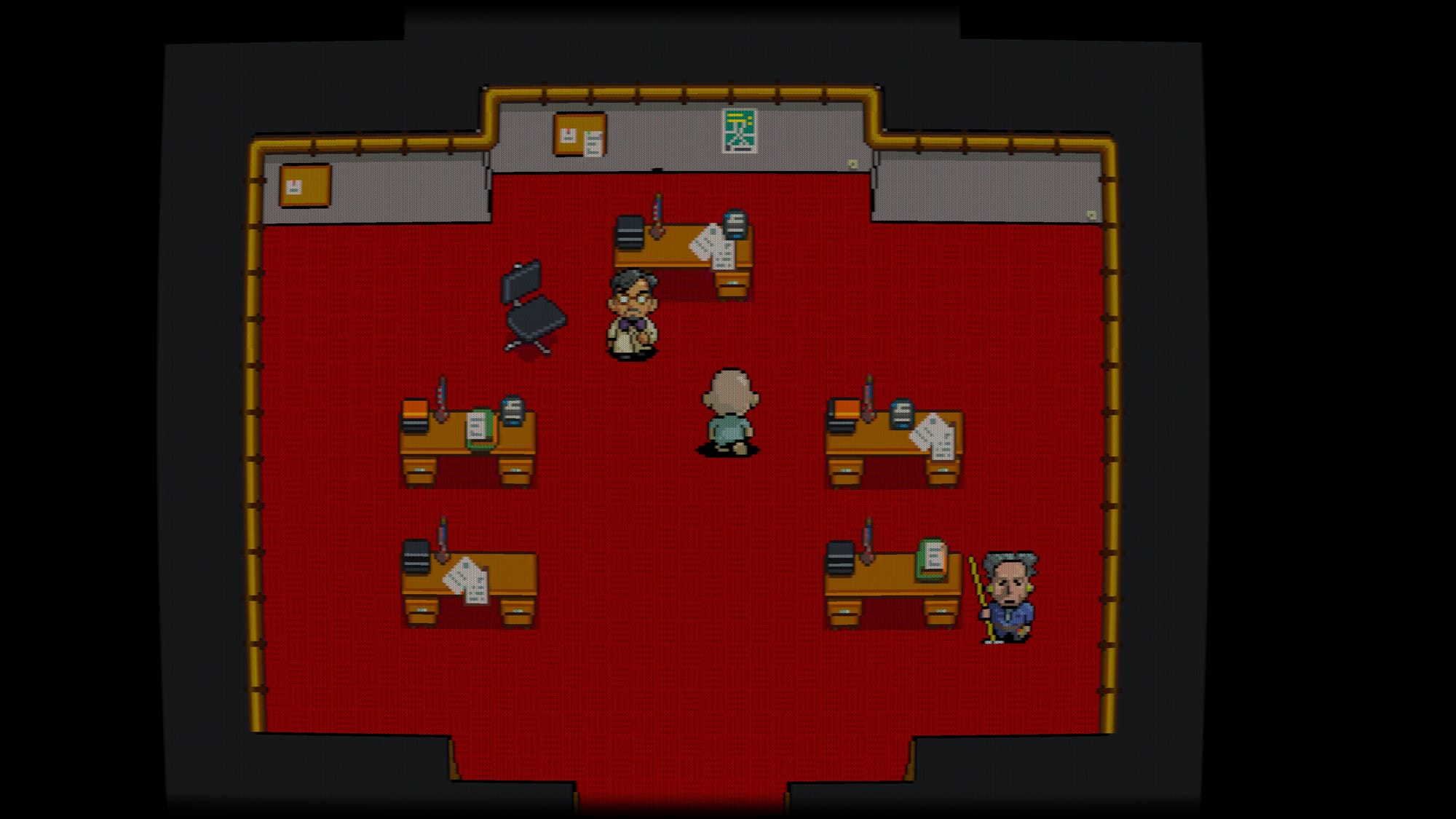
Called Rebuild, the mission takes the player back to 2002 and introduces you to the Faden's fractured home life, the night the kids find the cursed slide projector from the first game, what happens next (to both their family and hometown) and, finally, the moment that Dylan and Jesse become separated, which just happens to be the moment the former enters into government custody and the latter escapes to become the character she is by the time we're playing Control.
It's a haunting sequence. Funny at first, given the cartoonish art style and faithfulness of the homage, yet the longer you spend in it, talking to everyone in the town and tiptoeing around your drunk father, the more it takes on a haunting quality. The retro visuals and stripped-back audio are there to disarm you, to distance your heart from the gravity of the events, to present these facts in a way that doesn't overwhelm the player, because there's so much heavy shit happening over the course of a single mission that presenting it in a realistic, AAA style would have been way too much.
By the time the game is over--with a succession of mind-bending dimensional traversals that challenge the very definition of the word "architecture"--we're left with a very different character than we'd jumped around with during Resonant's opening hours. You'd expect the culmination of dozens of hours of puzzle-solving, frantic combat and 4D platforming would have resulted in some montage about saving the city, preserving the FBC, maybe some kind of parade or medal or culmination of Dylan's redemptive arc.
Instead you get very little of that, because by the end of Resonant none of that matters. After a decade of torture, what matters to Dylan is what we're left with as an ending sequence: the revelation that he's free. He can wear whatever clothes he likes (he loads by default into the postgame wearing jeans and a Severed Circle 2 tshirt), has an apartment to call his own and a friend, Zoe, who he can chat to about music. All that work you put into the game wasn't to save New York (which is still pretty fucked up by the end!), it was to save yourself, and the game shifting its focus so successfully was such a lovely treat to end everything on.
So Dylan, please accept my apology. I had no idea the amount of shit you went through in the decade before the events of this game, and if the worst you developed (outside of...being a vessel for a murderous evil spirit) from this was a tendency to be a bit sad around others then I think you're one of the strongest people in video games.


