

Anime has a storied history with what I like to call “the thinking man’s shows”—cerebral dramas built on double-crosses, galaxy-brained gambits, and verbal sleight-of-hand that reward viewers paying close attention. Its hieroglyphs are carved with greats: Legend of the Galactic Heroes, Code Geass, Death Note, Attack on Titan, The Apothecary Diaries, and, most recently, Orb: On the Movements of the Earth. Just when I resigned myself to 2026 passing without an heir worthy of that pantheon, Nippon Sangoku quietly released, bringing a fiery new animus to the category: debate bro energy.
Nippon Sangoku: The Three Nations of the Crimson Sun, created by Ikka Matsuki and animated by Studio Kafka, is a political drama set against a backdrop of a collapsing Japan. According to its long-winded opening narration—which, mercifully, reappears every episode to handhold viewers through the minutiae of its political hellscape—Japan is in a very “those who don’t learn from history are doomed to repeat it” point in its life. Everything that can go wrong does: political corruption, acts of God, and nuclear warfare between the United States, Russia, the United Kingdom, Germany, and India thrash Japan’s economy so thoroughly that the Reiwa era (contemporary Japan, circa 2019) reverts back to something resembling the Meiji Era (1868 to 1912, when Japan started flirting with interacting with the Western world).
In the aftermath, Japan fractures into three warring nations, each clawing for dominance through military might and puppy guarding resources. It’s basically what Alex Garland’s A24 movie Civil War was reaching for tonally if the film hadn’t been trying to be white folks’ City of God by way of HBO’s The Newsroom (and AI slop posters).
At the center of its tale is Aoteru Misumi, a man the show delights in roasting as the most milquetoast of protagonists. He is a meek man with a basic bitch side-part that’d leave him lost in a crowd of extras, and he doesn't even have a nepo-baby pedigree to stand on. If anything, the most likable thing about him is his wife, Saki. Aoteru is also miles away from the kind of person you’d see at the front lines of Japan’s woke 2 like his street-smart wife, who also can’t help but voice her polite disappointment at how he keeps his gifts tucked away, treating them as passive talents rather than tools to get active with instilling real change in Japan.
And Saki’s right, because what Aoteru does have is vital to her dreams of a restored Japan. Beneath all his self-effacing caution is a librarian with an historian’s grasp of humanity’s cycles of folly, ego, delusion, and breakthroughs. It’s also a mind, tragically, that’s smarter than he ever lets the world see, satisfied with living peacefully under the heel of Japan on the verge of a dictatorship than rock the boat with ideas of unification attained without force.
Translation: Aoteru is your everyday moderate liberal man.
That is, until tragedy strikes, a little too close to home, and he finally gets active as a legendary military strategist who aims to unify Japan on the strength of his sharp insight and persuasive gift of gab.
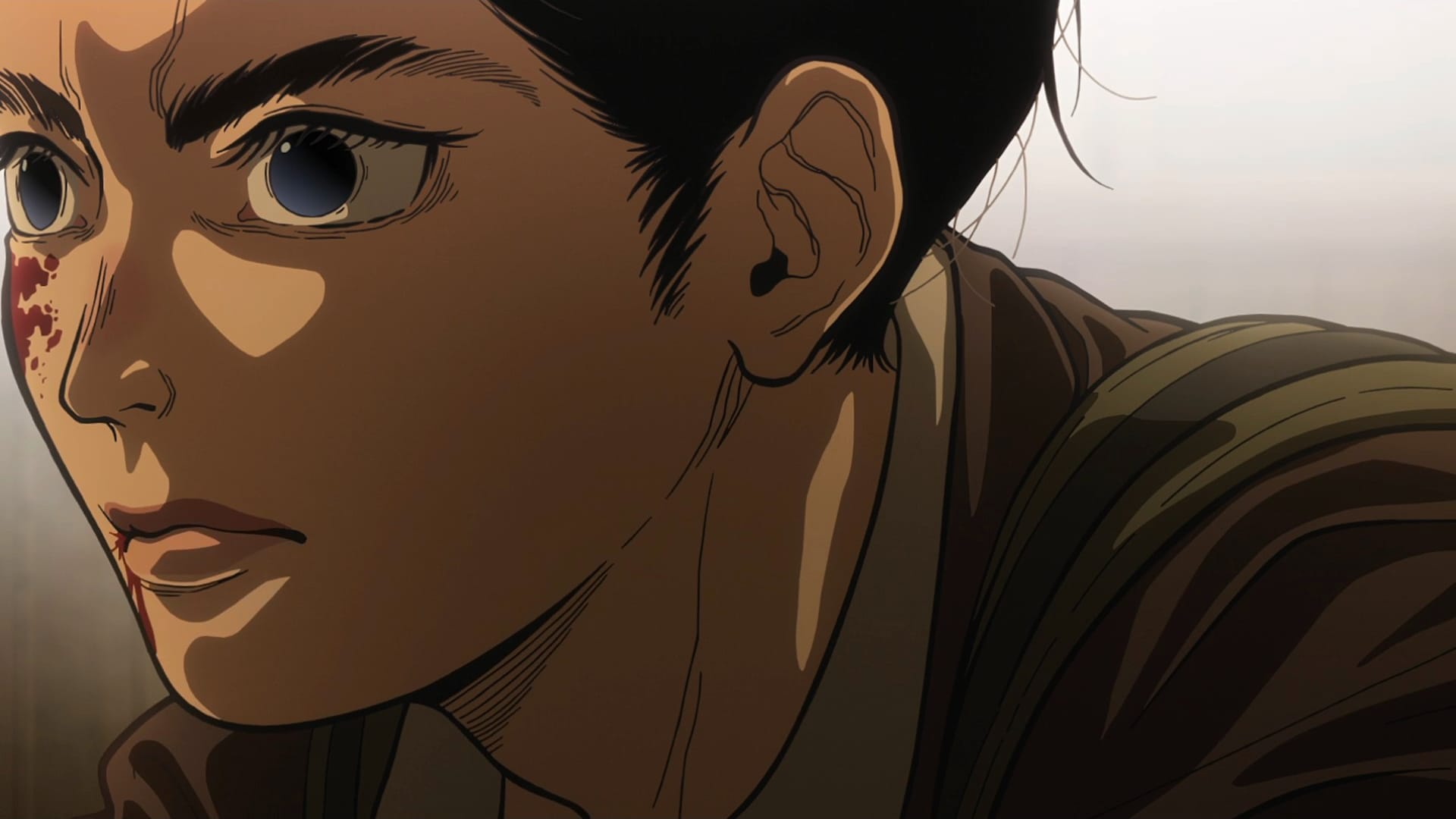
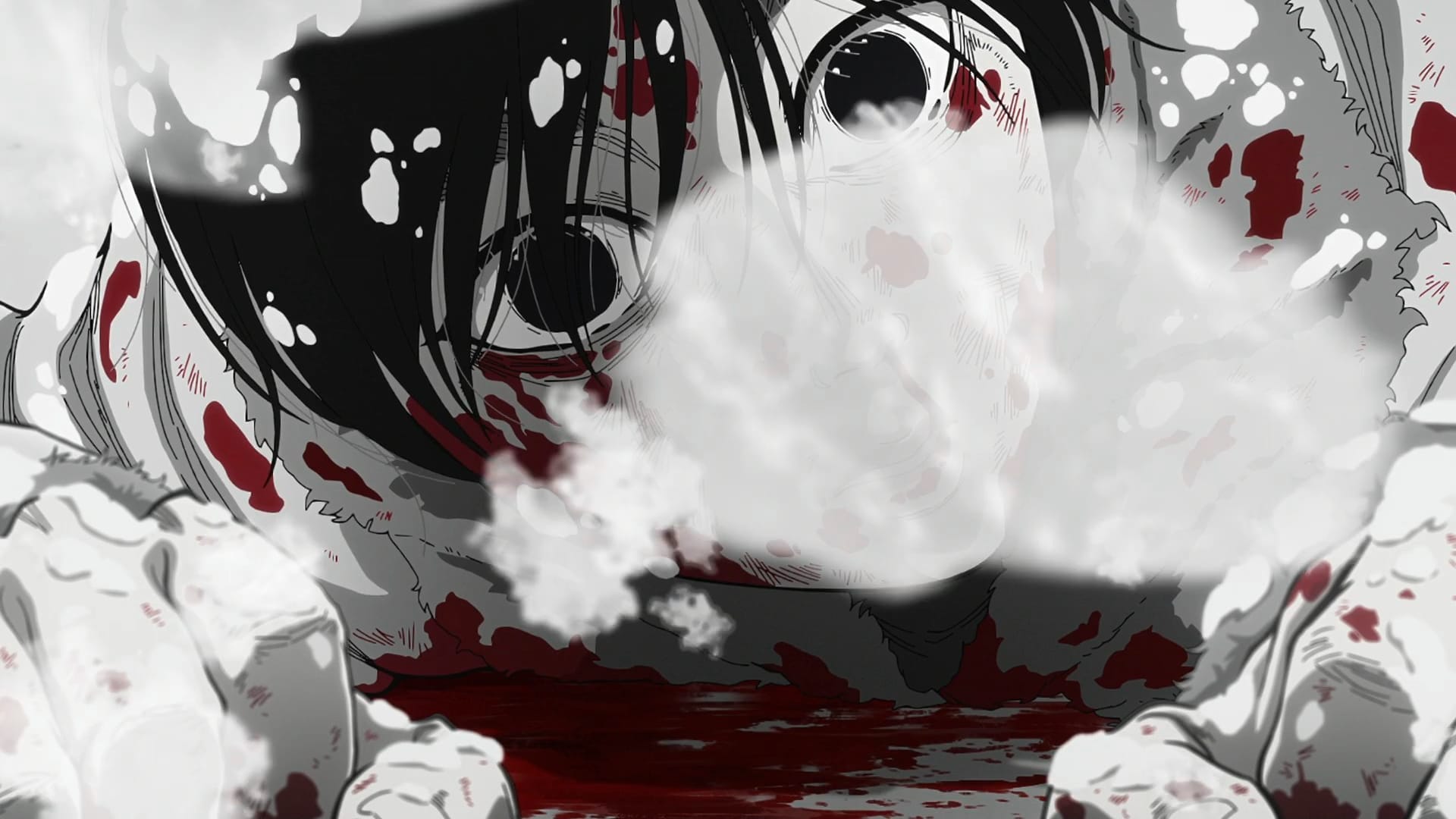
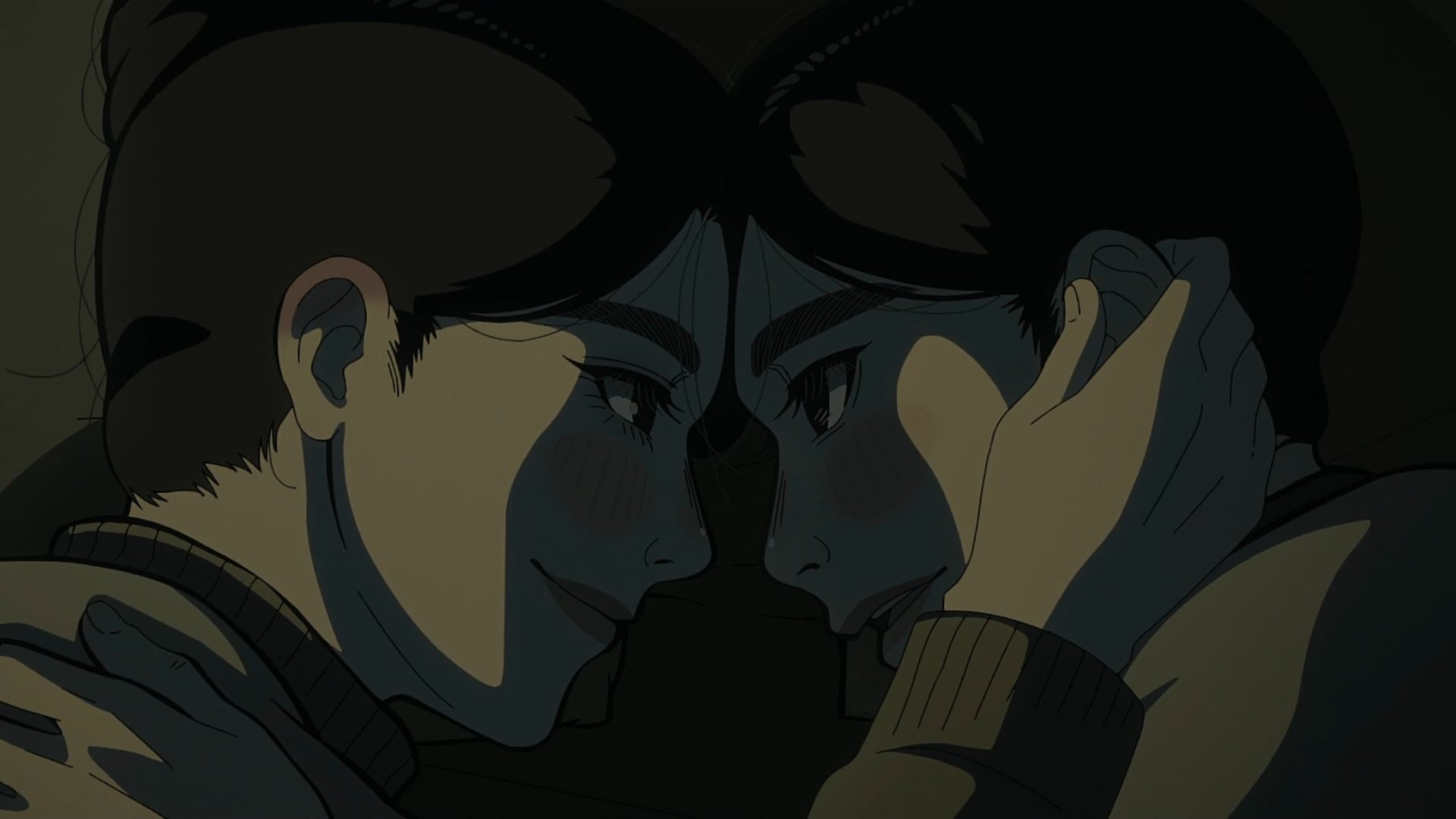
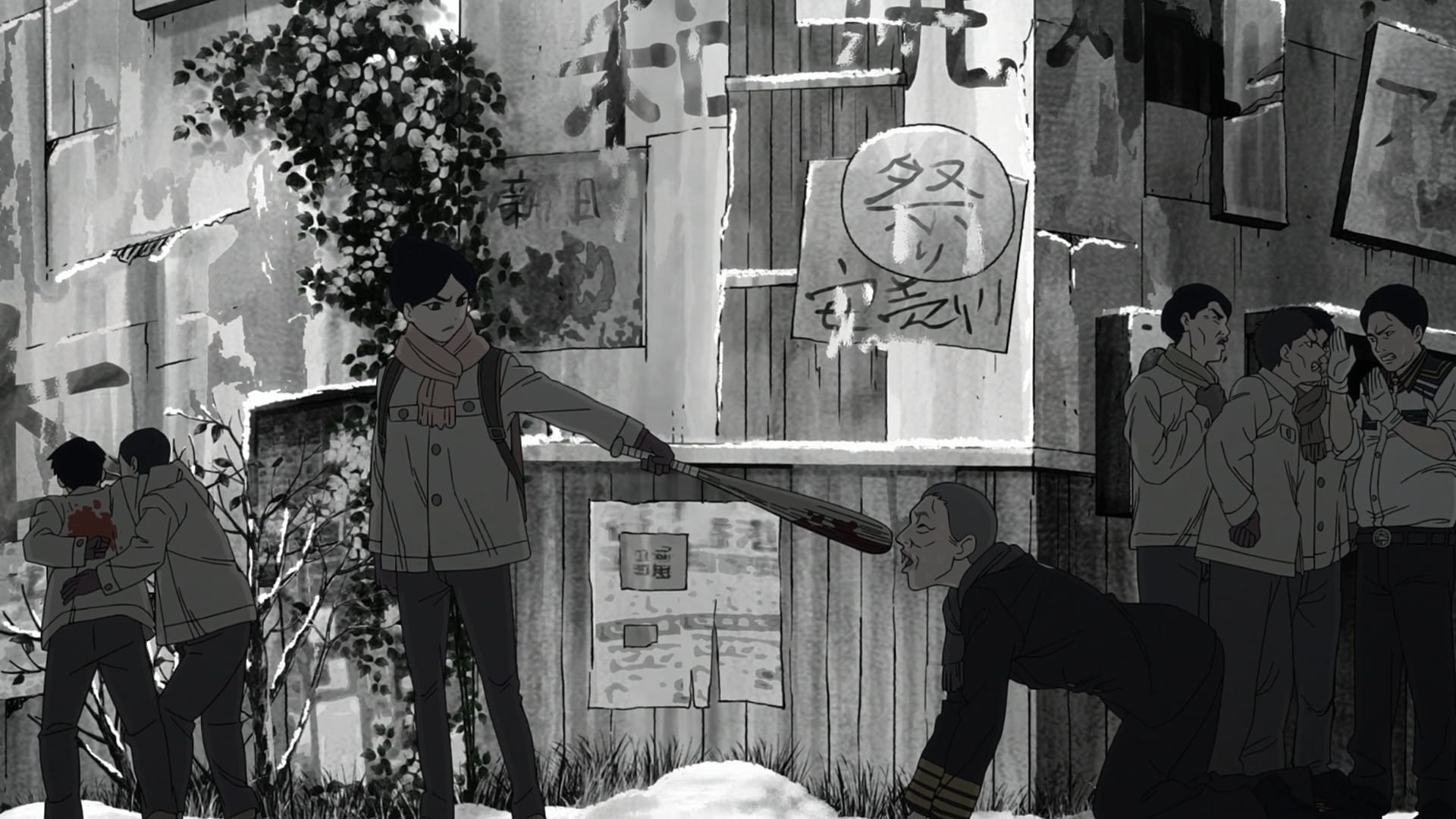
Studio Kafka / Prime Video
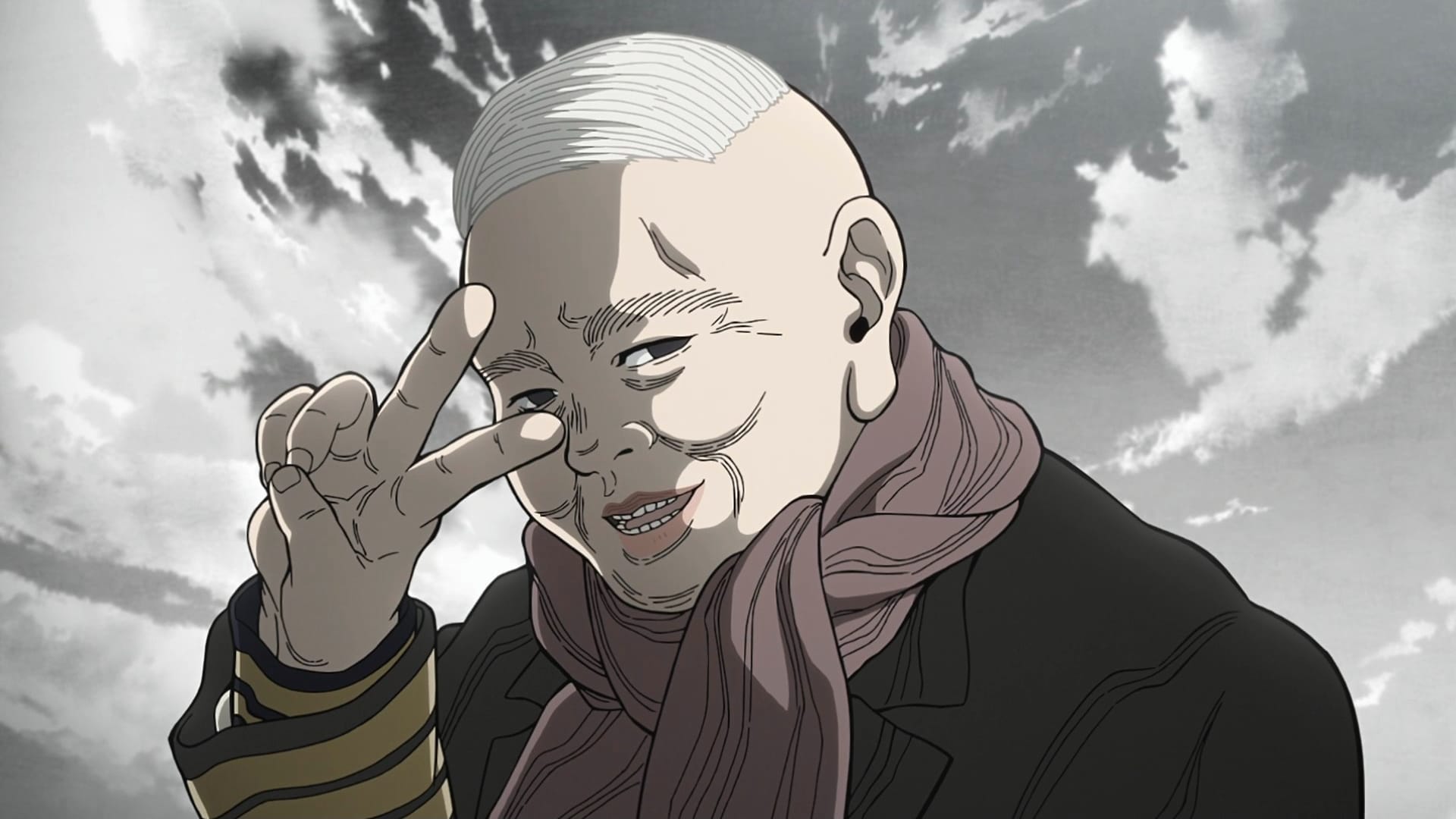
Admittedly, an anime about a man going full Hasan Piker, verbally dismantling his opposition’s interlocutors, sounds wonderfully boring on paper in the big 2026. We’re living in un-parody-able times, after all. Yet, even in its early episodes, Nippon Sangoku has already become a standout for me. A huge part of that is because the show feels spiritually like Golden Kamuy, with an ensemble of larger-than-life weirdos whose unserious hijinks make you forget that Nippon Sangoku is, at its core, a political drama. And at the heart of that drama is the ideological clash between Aoteru and his sardonic, Sasuke-esque rival, Yoshitsune, whose “might is right” approach to unification is the polar opposite of Aoteru’s rhetoric-driven idealism.
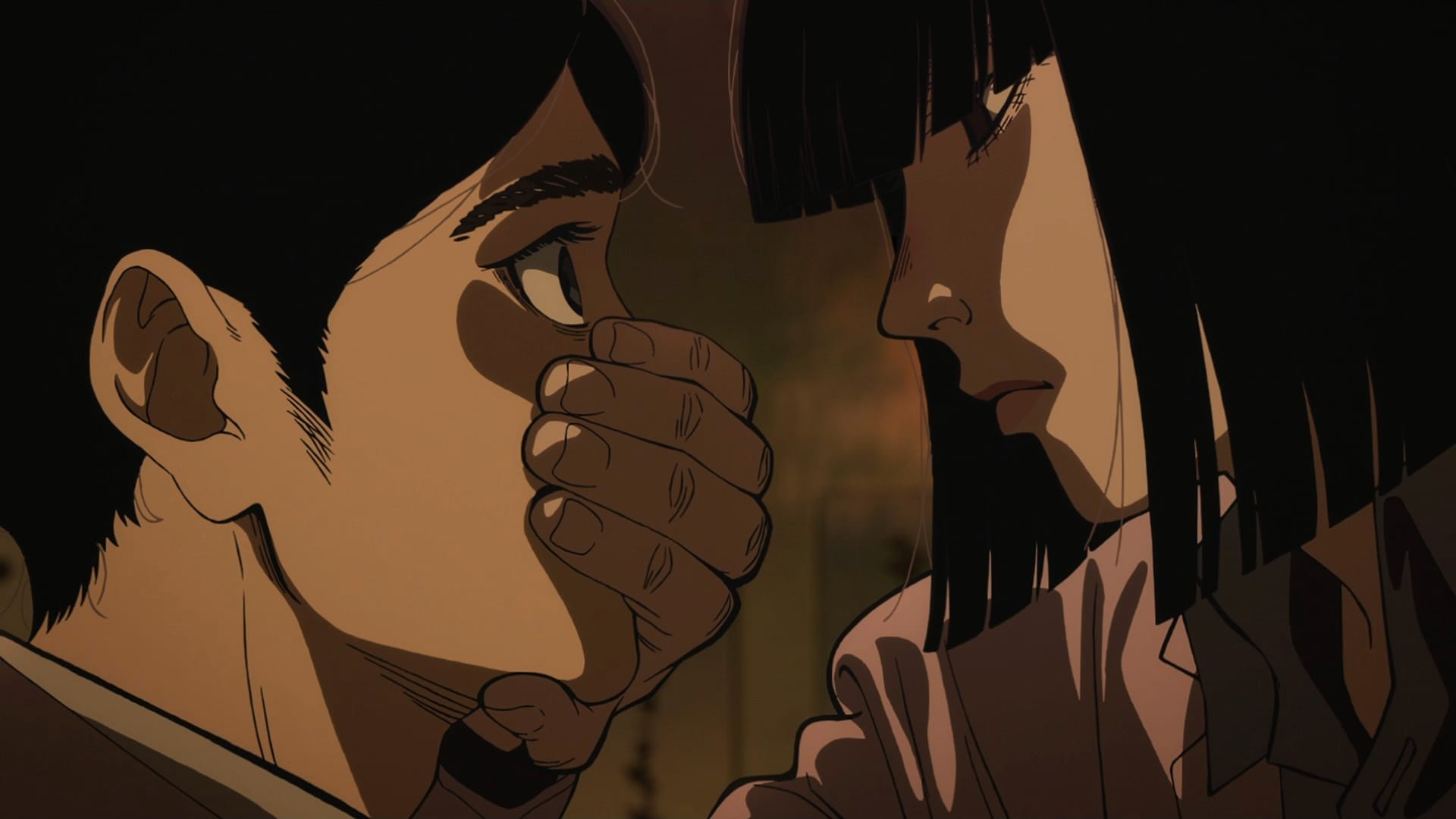
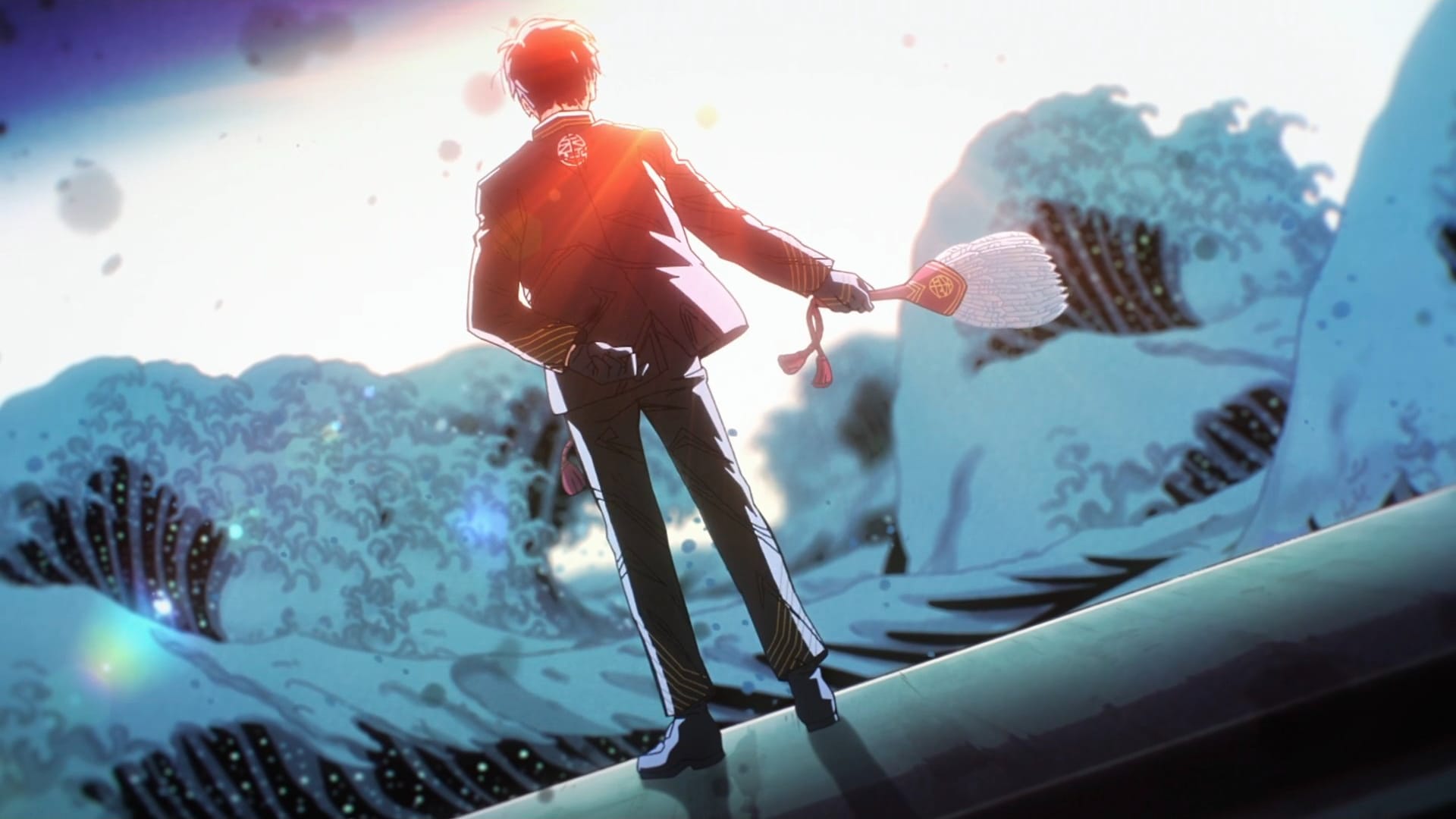
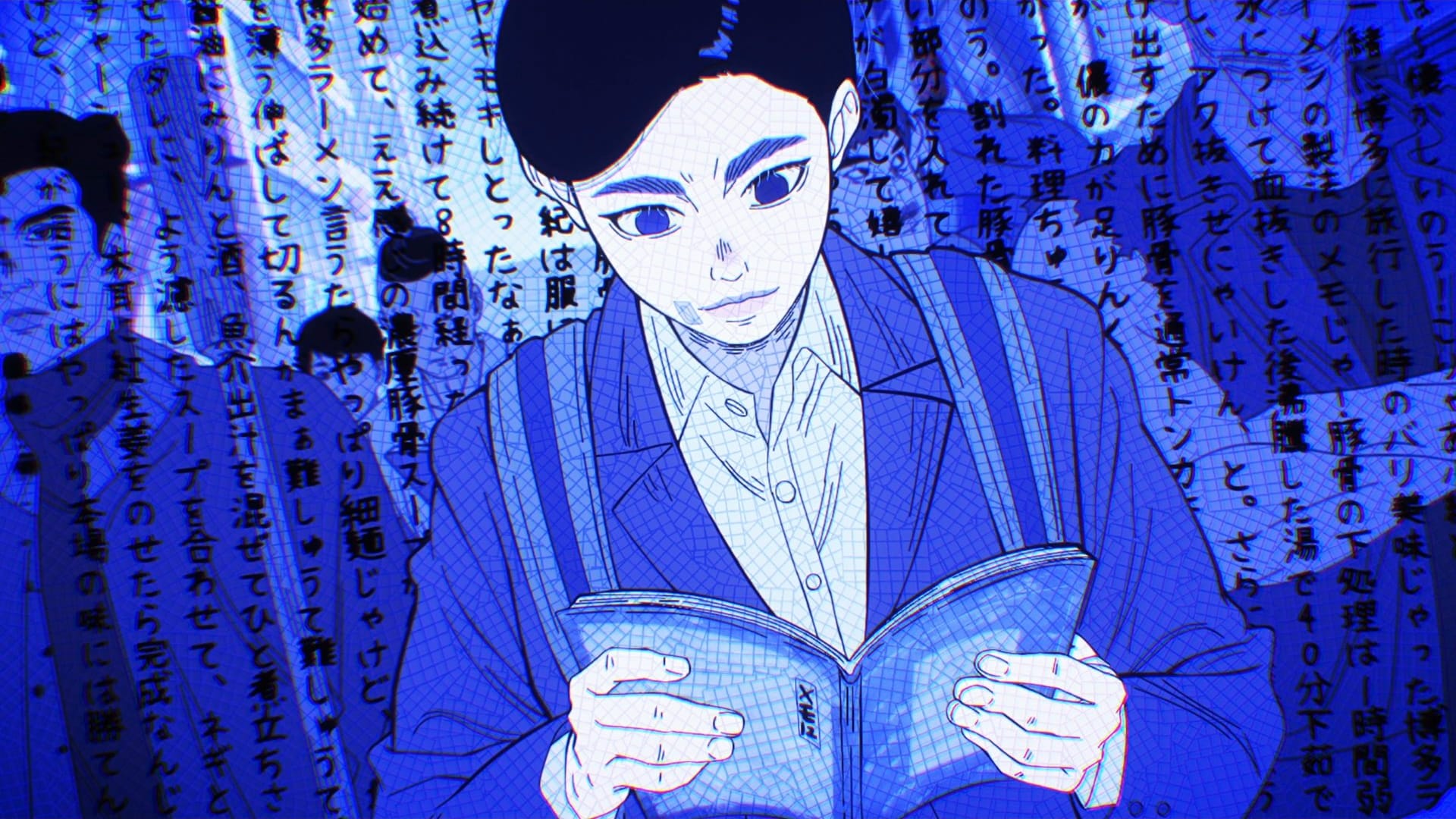
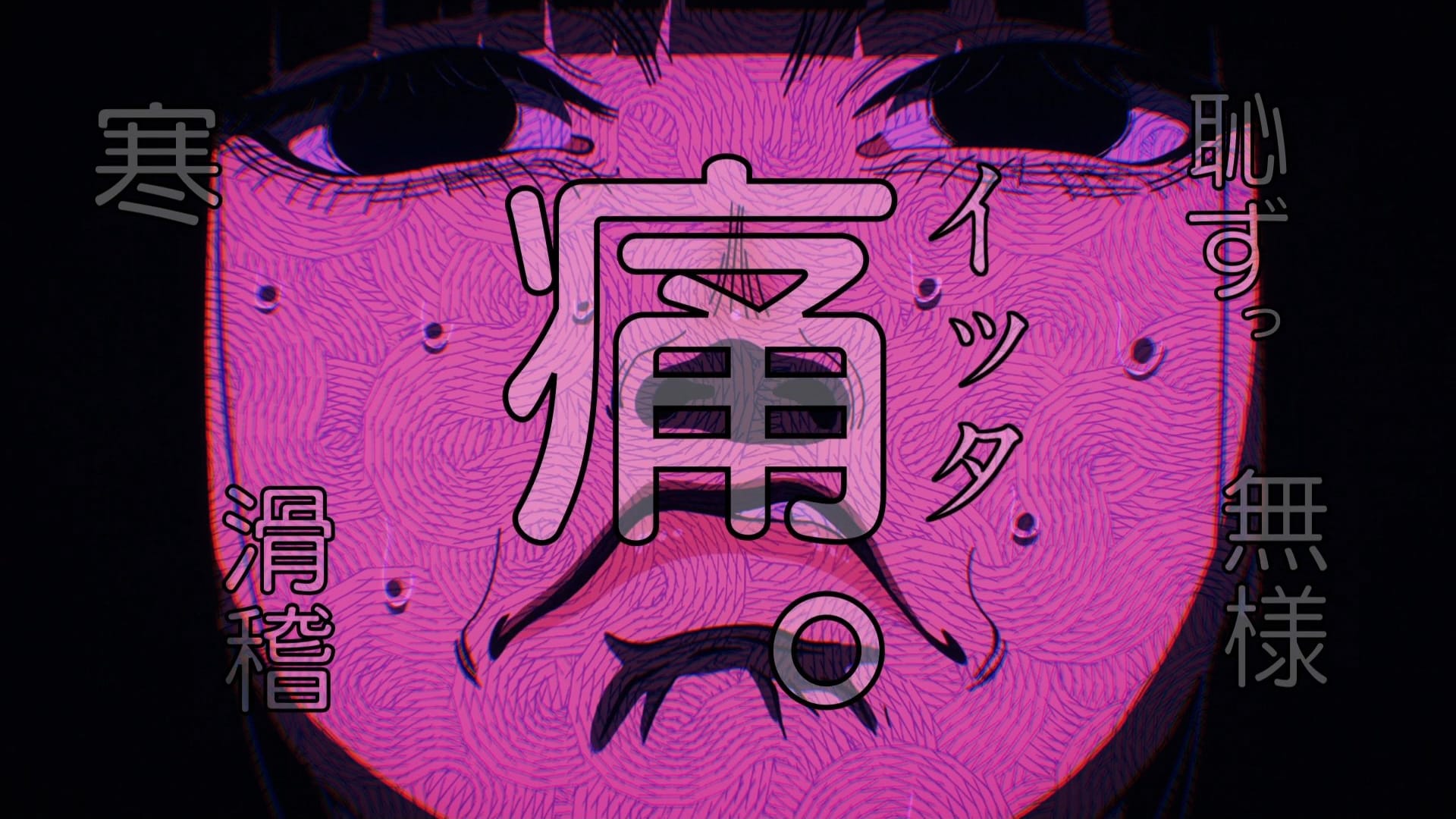
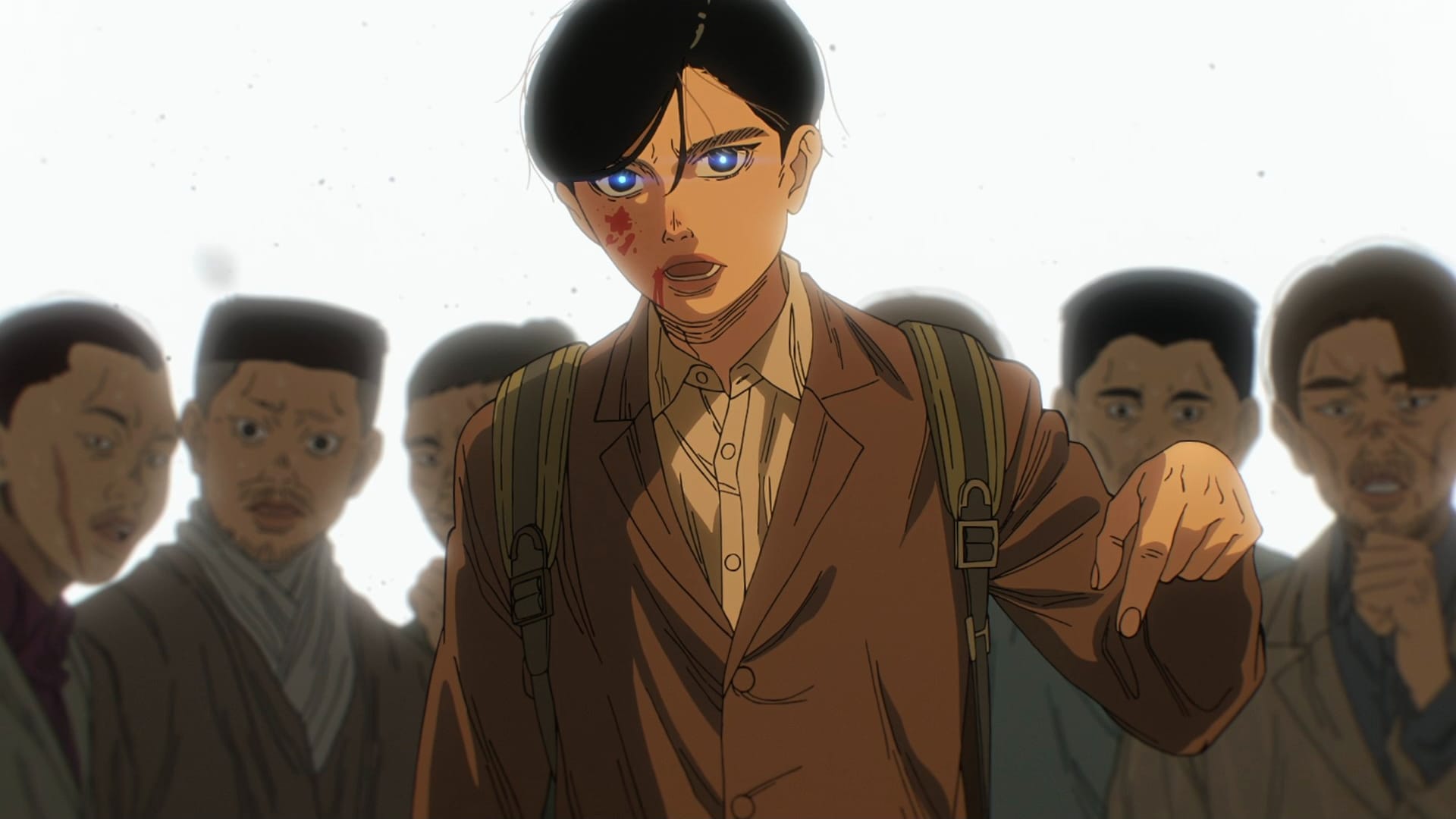
Another huge reason I’m enamored with Nippon Sangoku is how beautifully it’s animated. Without fail, the show turns what could’ve been a monotonous string of “debate‑bro destroys his ops” moments that’d win the internet on LiveStreamFails into something genuinely fascinating. And even as someone with only a college‑level grasp of Shōwa‑era history, I never felt lost in the political minutiae, proper‑noun avalanches, or policy deep‑cuts Aoteru fires off.
Studio Kafka / Prime Video
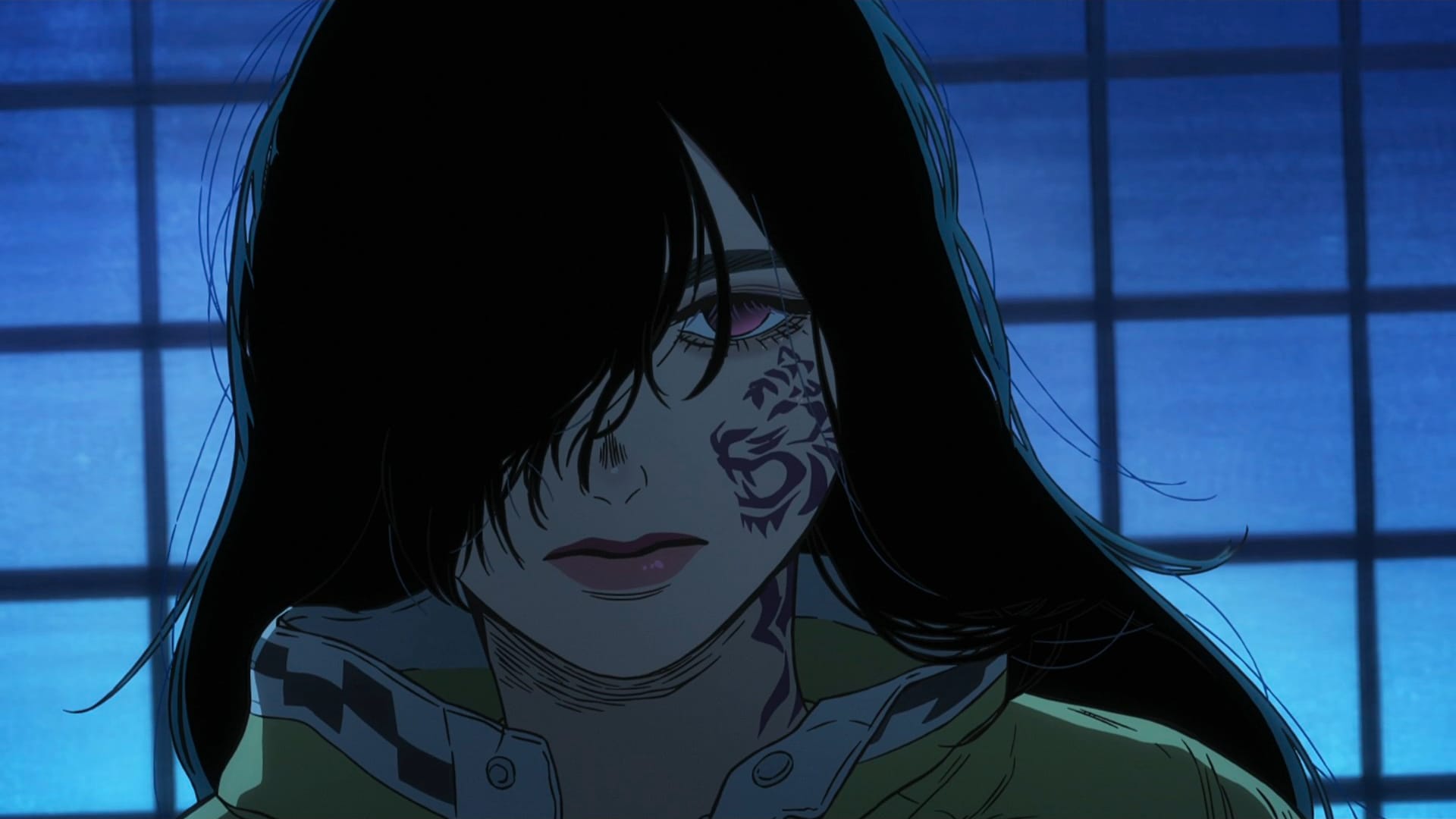
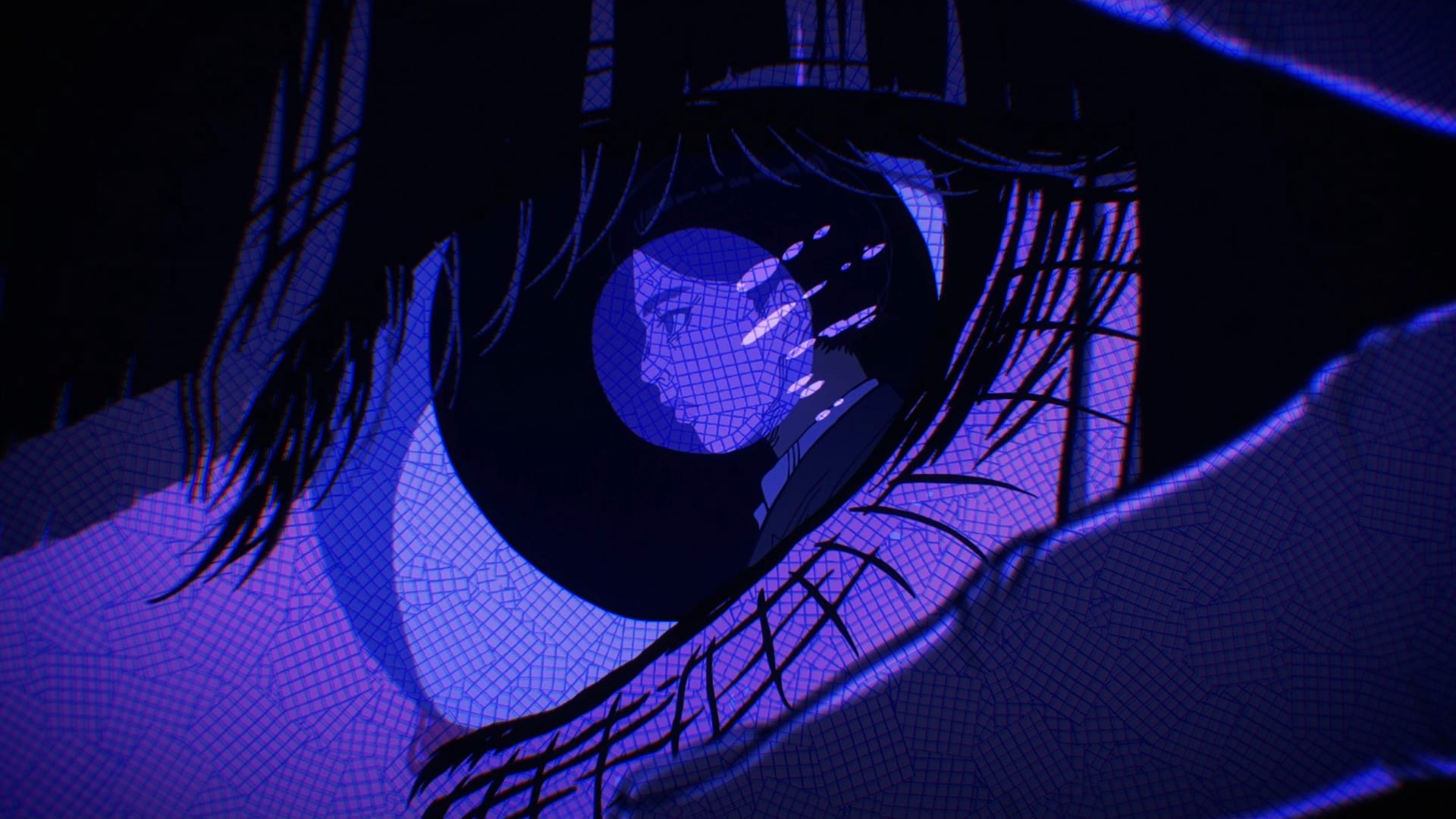
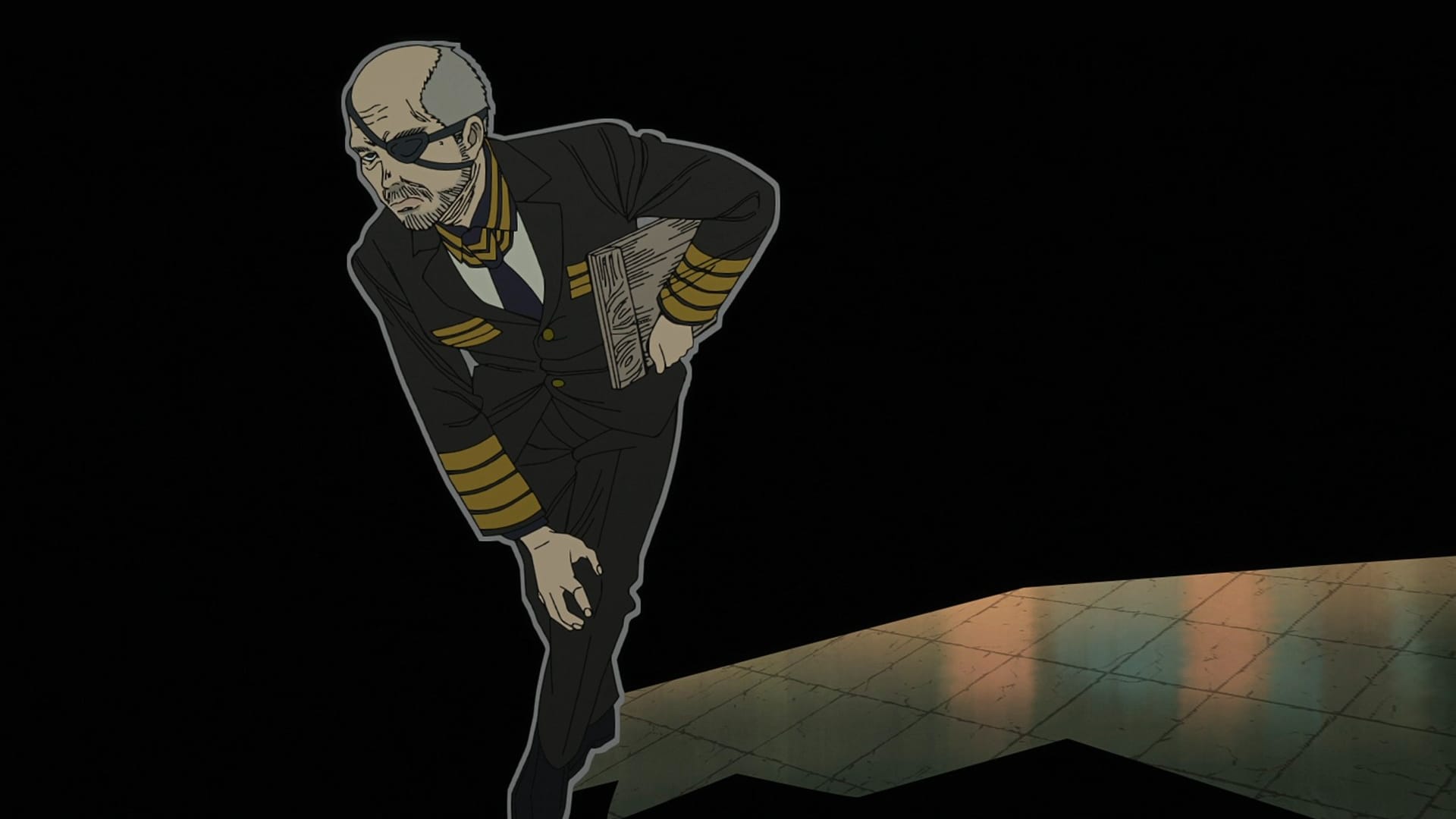
That’s thanks to the show’s clarity and expressive visual storytelling, which uses clever cues, asides, and metaphors to translate its double‑entendre political speak into something legible and lively. It eases viewers into its heady themes so gracefully that what could’ve played like a PBS history special disguised as anime instead becomes one of the most enthralling watches in an already packed season. It's the most fun I’ve had with an anime, much less a show, since Hulu’s Shōgun.
Studio Kafka / Prime Video
Kafka really did their big one here. Given the production house’s work on The Ancient Magus’ Bride, one of Tatsuki Fujimoto’s stronger 17-26 one-shot anthology stories, and the third Mononoke film (not Studio Ghibli), Nippon Sangoku feels like a bravura showcase of the studio’s strengths. In one moment, the anime is a stirring epic with the fate of an entire nation at stake; in the next, it’s the most catch-you-off-guard funny misadventure committed to animation. All the while, it’s punctuated by an “oh shit” cliffhanger that’ll have your brain buzzing as the full tapestry of its dense world continues to take shape.
「日本三國」の2話観た。やっぱおもろいやんか!ごっつう、おもろいわな!大当たりや。なんと福山潤さん、山路和弘さんも出てきたやん。いやあ、嬉しいわ。なんやこのアニメ、観てるとなんでか“関西弁”になってしまう。また観るわ🗾 pic.twitter.com/2m2EuznSx7
— 小島秀夫 (@Kojima_Hideo) April 14, 2026
The only downside is that Nippon Sangoku is a Prime Video exclusive show—a streaming platform where anime go to die in the algorithmic void without a peep of social media promotion. But with any luck, that obscurity, paired with it being one of the rare anime Hideo Kojima has spotlighted twice on his mostly Letterboxd-coded social media profiles, gives Nippon Sangoku the air of a hidden gem. And in its early goings, it absolutely earns that status.
Here’s hoping the show continues sharpening itself into a true thinking-man’s anime with teeth that gnash deeper with every new episode.


