

If you accrue enough devices, device-specific power supplies will haunt you. This is annoying for an endless list of reasons: Power adapters awkwardly take up a lot of room. They are often made by a no-named supplier and only say the name of the device they are meant to connect to about twenty percent of the time. They will sometimes cover an adjacent part of the power strip and are derisively called “wall warts” for that reason. If you don’t label them properly you may be screwed. They often take a hyper-specific barrel connector and if you lose the adapter you might get taken for a ride by an eBay seller attempting to sell you an OEM or knockoff replacement. As more devices have moved to just being powered by USB-C, God’s totally OK cable, it can make you upset at the devices that are not. To quote a million nameless late night infomercials, “there’s got to be a better way” followed by “well now there is.” Enter the VFLEX, a USB-C adapter that lets you power all those annoying adapters via USB-C and, often, via a power bank.
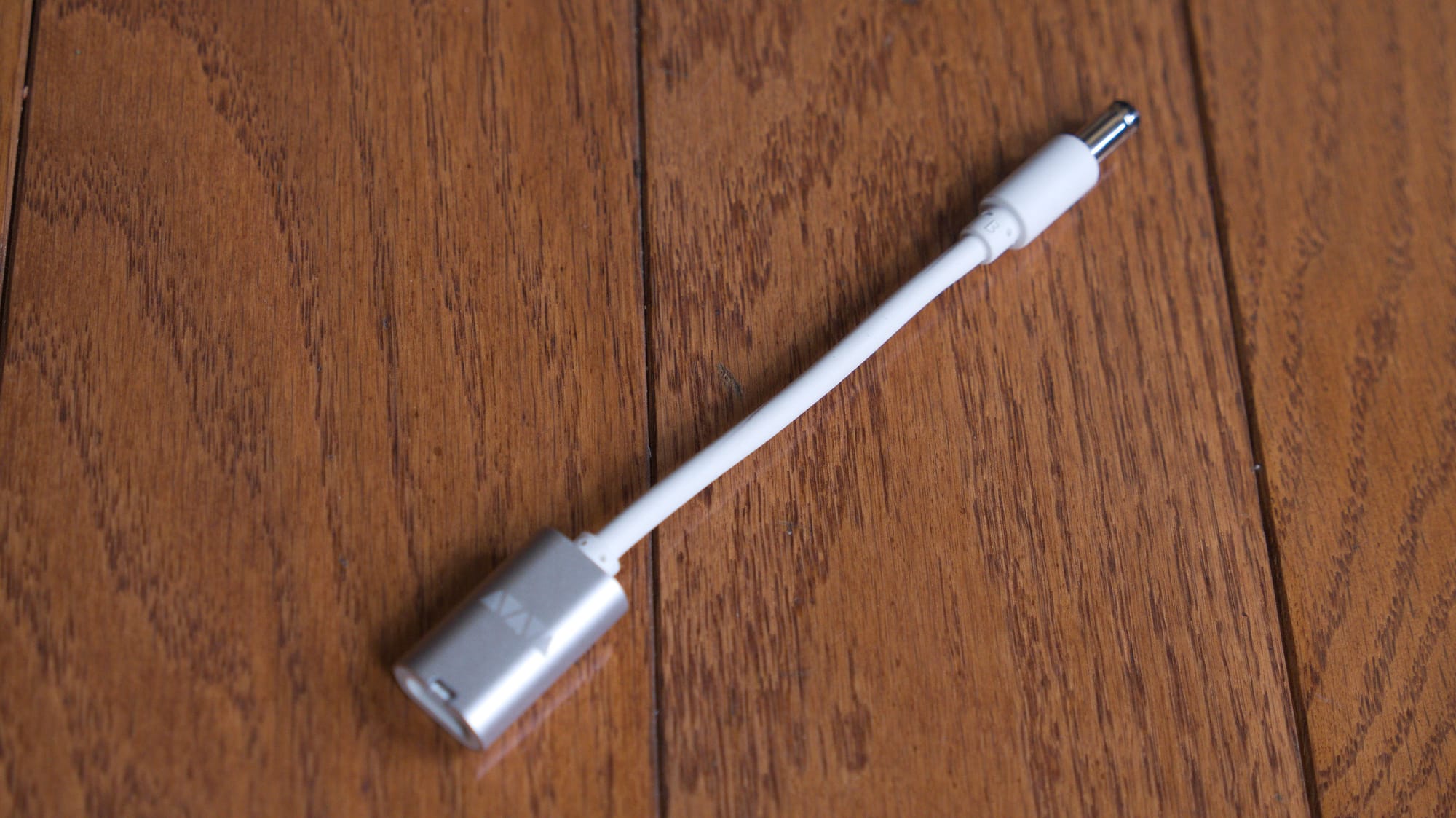
The VFLEX, produced by a company named Werewolf, is a tiny metal dongle that’s USB-C female on one end and a two prong female port on the other side. The pronged side attaches to different interchangeable barrel connector, each with a different pitch. You plug the device into your phone or computer and then tell it the exact voltage and polarity (this is super important) it needs to output as well as the source you are attaching it to. The device then stores that setting in non-volatile memory.
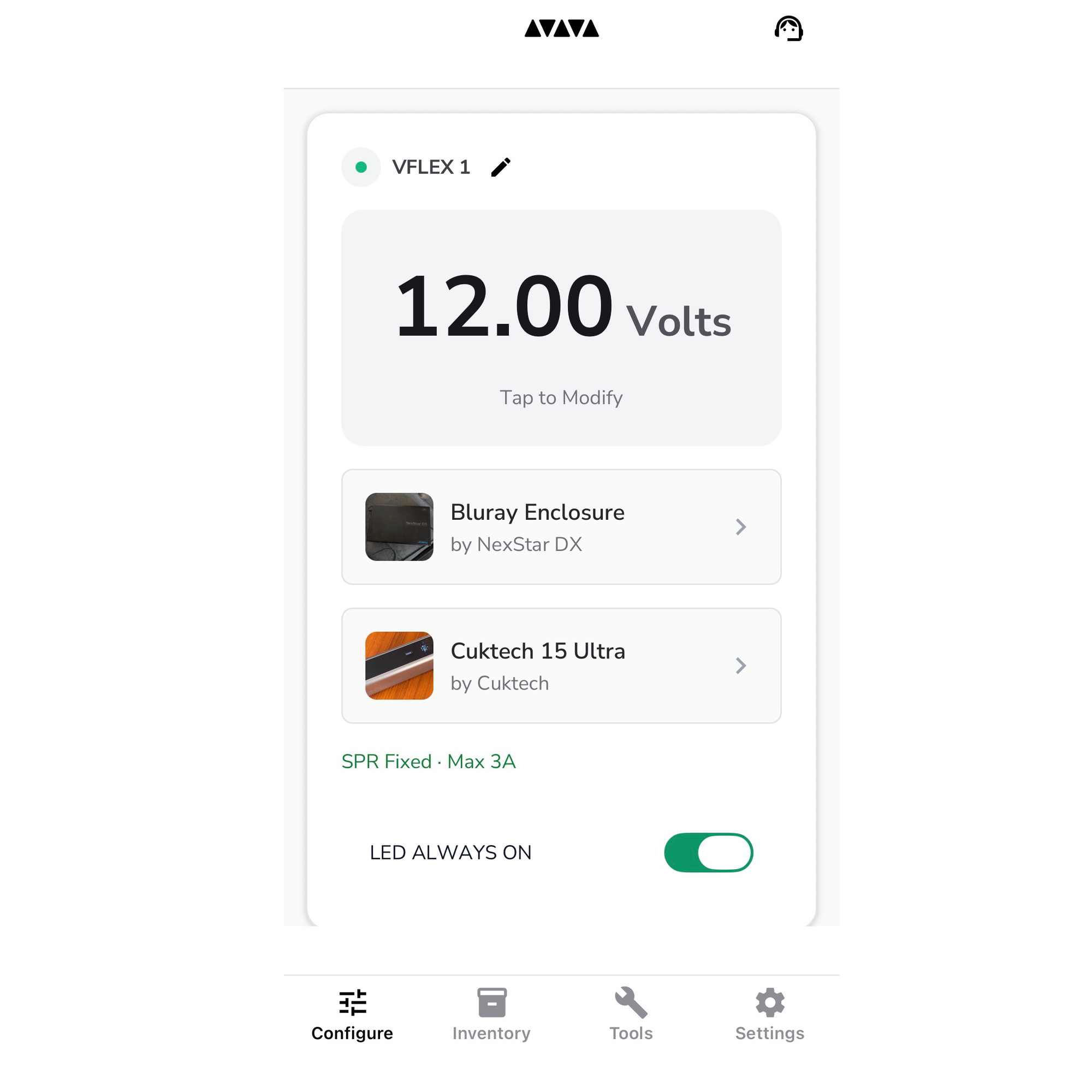
The VFLEX is able to communicate with individual power bricks and adapters, allowing you to measure the output of each. This is done by putting it in a scanning mode, connecting it to the bank or adapter and logging the output of every USB-C port. Doing this allows you to create a library of all your USB adapters, power banks and devices for quick and easy access. Once everything is dialed in, you can have the VFLEX output between 3.3 to 48 volts, although you will need a wall charger that can support that output.
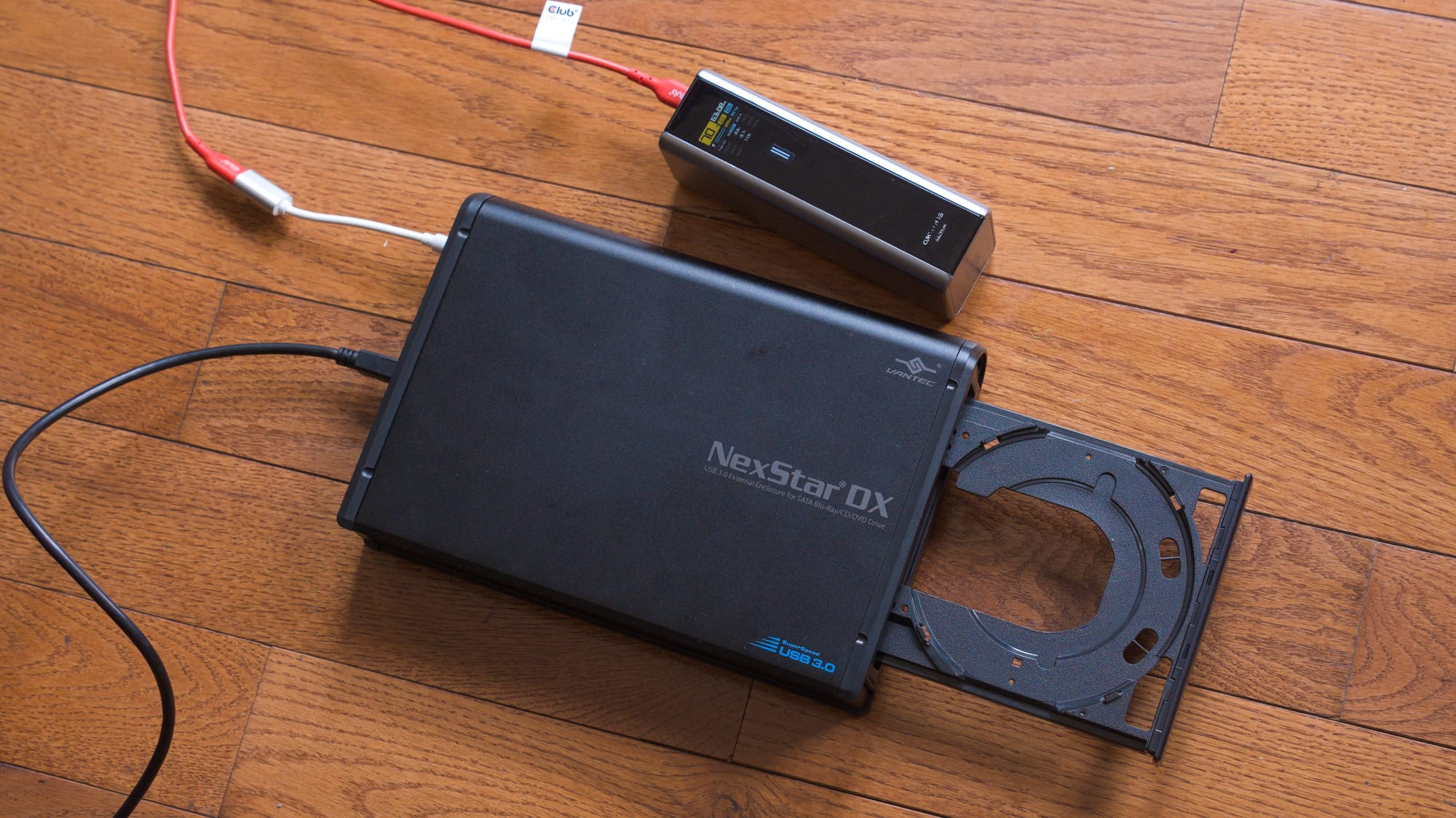
In my testing, I was able to power multiple devices using the VFLEX. My Blu-Ray enclosure and drive was able to be powered quite easily using the adapter and my suspiciously fast charging power bank, providing an easy backup should I lose the 12v2a adapter I store in the box with it. I did run into some trouble when I tried to power my 24 volt Zebra label maker via USB-C, but that’s mainly because I did not have an adapter handy that supported a compatible AVS protocol. I also have multiple network switches plugged into my UPS that I wish were powerable via USB-C, and this is an easy enough way to do it.
The VFLEX is not for everyone, but it’s a game changer for a hyper-specific kind of person: people with cable management fixations and a lot of idiosyncratic gear. While most small consumer electronics will operate at some variation of 5v or 12v, occasionally an old device will throw you a curveball. Similar solutions have existed from Adafruit and random AliExpress vendors (often called PD Triggers), and the Reflex Volt by MiSter Addons is also worth noting, as it covers a lot of these for a comparable price although with less specificity. Even with the VFLEX, you may still need a little label maker or way to keep track of your devices, and you definitely need to know the exact voltage and polarity of the device you are using. And of course there’s just a bunch of weird connectors that the VFLEX does not cover, but Werewolf sells a DIY adapter that allows you to mess around.
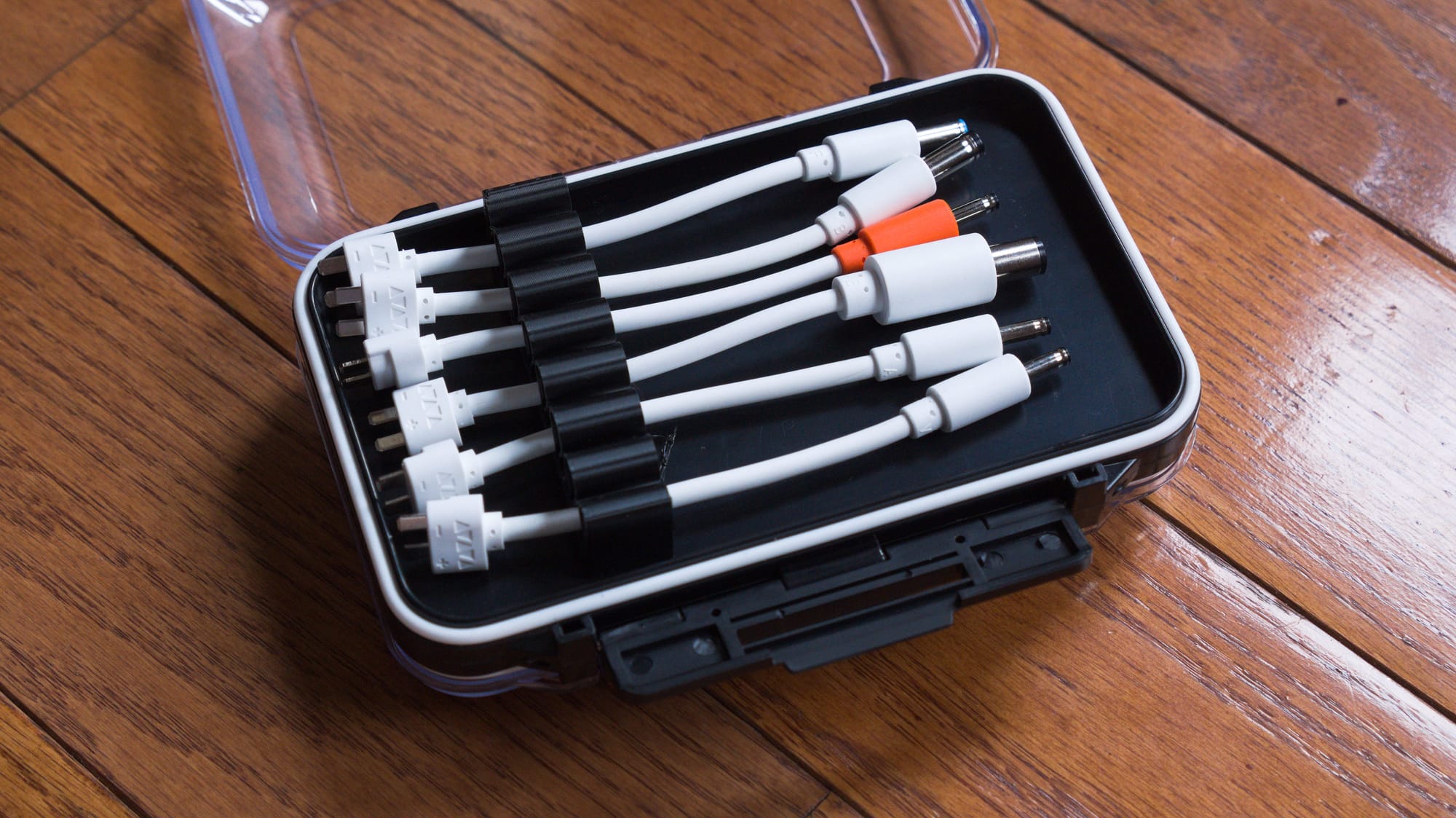
The VFLEX system is fairly cheap, with each adapter costing about 8 bucks and the entire kit costing 48 dollars as of my writing. The starter kit even comes with a handy carrying case for your different adapters and cables, although I did print out a cable organizer my friend made to keep the cables neat and tidy.
The VFLEX is a considered product. It is a device born from an unfulfilled need that attempts to bridge older technology with the reality of the present, using the advancements in USB power delivery standards. I would not use the VFLEX for everything, or at least not until the price of power delivery chargers goes down, but the sheer flexibility of the adapters and the ability to reprogram them at a later date makes it an invaluable tool to have around. If a device breaks, the VFLEX might outlive it.
There is a nasty bin of shame in my office, full of power adapters for devices present or forgotten. It sits on the lowest shelf of my bookcase, grimy and near the floor, taking up space better used for literally anything else. Every attempt to be rid of it or to simplify it is met with a nagging doubt. “What if you throw me away now, and need me later?” the adapters seem to plead. “And if you need me later, then you’ll just have to spend money to replace me.” Perhaps the VFLEX is a step in the right direction, a way to simplify that rat king of adapters into something godfearing and sensible. Maybe soon I can finally unburden myself, go to the E-Waste facility, dump those pleading adapters in a bin, and finally live in the USB-C future of tomorrow.


