I went to film school, and aside from being the last class to edit a freshman film by splicing it on a Steenbeck, I had to handle a lot of hot lights. The experience of going to film school was largely an exercise in carrying heavy fucking lights in Pelican cases to your friend’s poorly conceived kitchen sink drama or, if you were lucky, goofy fourth rate Troma knock off. The lights were heavy and turned whatever environment you were shooting in into a furnace. The wiring you would have to do ranged from borderline to actually illegal. You had to use these burlapy gloves and were often burned, and if you touched the bulbs the oil from your fingers could cause them to explode.
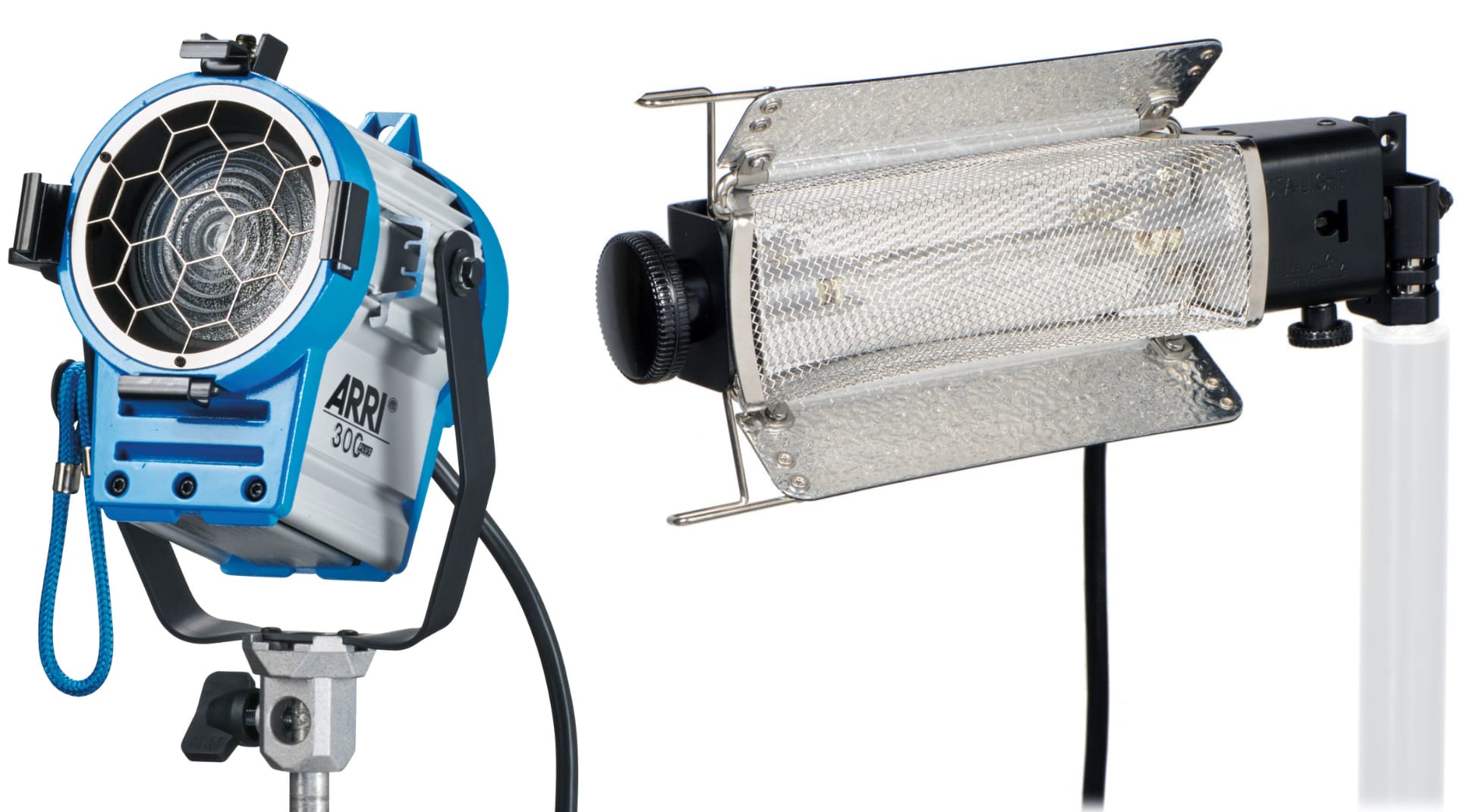
A not insignificant portion of cinematography class was devoted to teaching a bunch of indoor kids who never played sports or worked in the trades how many lights a 15 amp circuit could handle before you blew a fuse. Given how much of my current career involves rewiring appliances, it is probably the most useful class I ever took at the School of Visual Arts. Eventually Kino Flos, big fluorescent bulb fixtures pioneered for the Mickey Rourke movie Barfly, became fairly ubiquitous on tiny indie sets, and students loved them because they did not give you an undiagnosed hernia in your early 20s. These would give way partially to Litepanels, from the company of the same name. LEDs were a game changer. Tungsten lights and HMIs didn’t die though. The big fuckoff 12K and 18Ks still stick around because it’s shockingly hard to replicate the quality of light that comes from a filament getting way too hot.
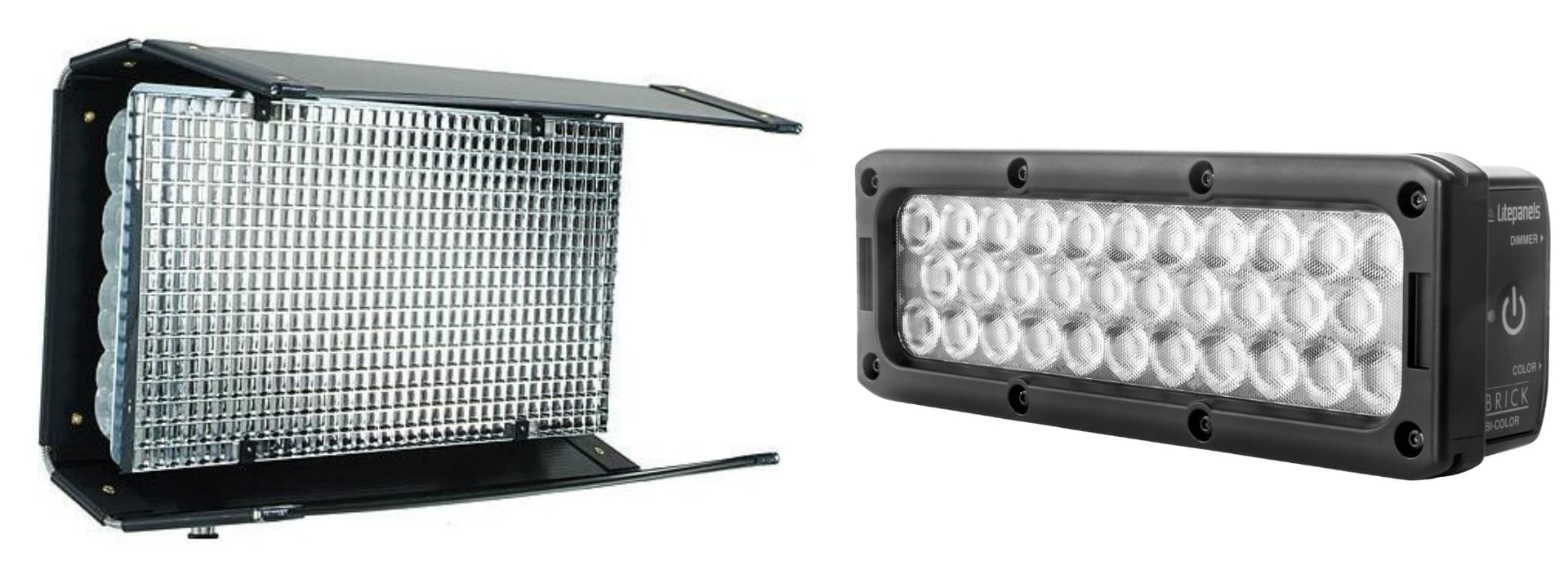
My early 20s was spent being a permalancer, which is to say I was functionally unemployed. The term “preditor,” a portmanteau for “producer” and “editor,” was often used to mean a weird jack of all trades video person. I really hope they don’t use that term still. Before DSLRs and cellphones fucked up the game, you could make at least rent and beer money with a handful of jobs a month if you owned a semi decent video camera and an onboard light. I had a Panasonic AG-HVX200 I had bought with my savings and a big dumb camera-mounted light panel brick. It would give off an unflattering, blinding glow, made everything look like the show Cops and cost like $800 to $1,000. I think they still sell a version of those but there’s no reason to buy one any more, because the lights got good.
Lights got good
Since becoming a video editor full time at Kotaku, eventually adding writer to that resume, I have not had to touch lights except recreationally. The quality of basic, cheap LEDs has risen dramatically over the years, and I’ve spent a lot of time doing open source addressable smart home lighting in my spare time (that’s a blog I have threatened to write for a very long time). If you follow the right people and go down the right rabbit holes, you can get very fantastic strips for home lighting for a song (BTF Lighting for color strips and Auxmer on AliExpress for single or bicolor strips are good examples.). As with many goods, the trusted American brands that would often outsource to China would get slowly overtaken by the brands more organically integrated into that supply chain.
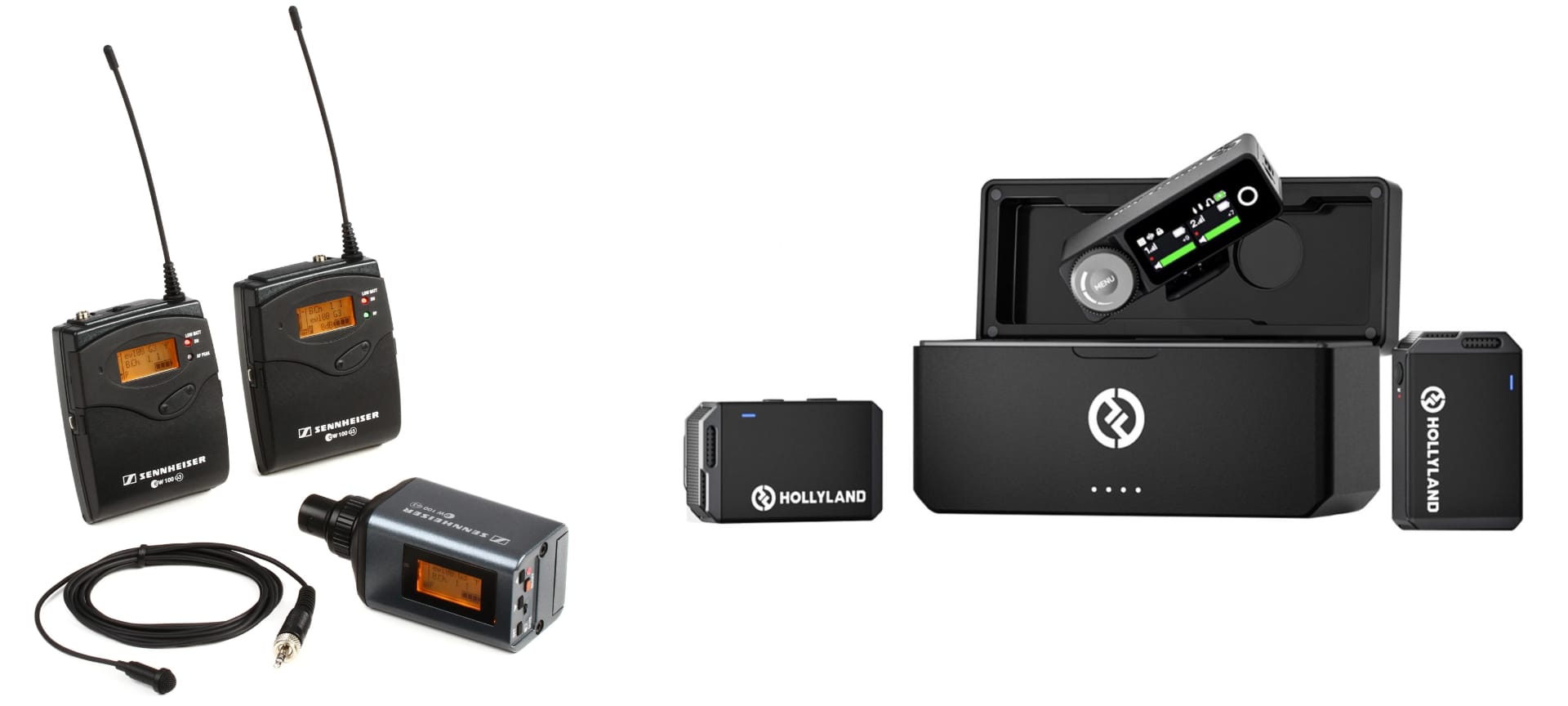
As content creation has become a ubiquitous intrusion into normal people's lives, what was once a professional tool for cinematography found rich soil in which to flourish. This is a pattern mirrored in the explosion of gimbals, podcast mics and TikTok lavaliers, with DJI, Røde, and Hollyland now operating in a space previously dominated by mics like the bulky Sennheiser EW100 G3. I still have one of those in my camera case from my preditor days. The old professional standbys still exist, and professional shoots use adult gear, but the line is increasingly blurred.
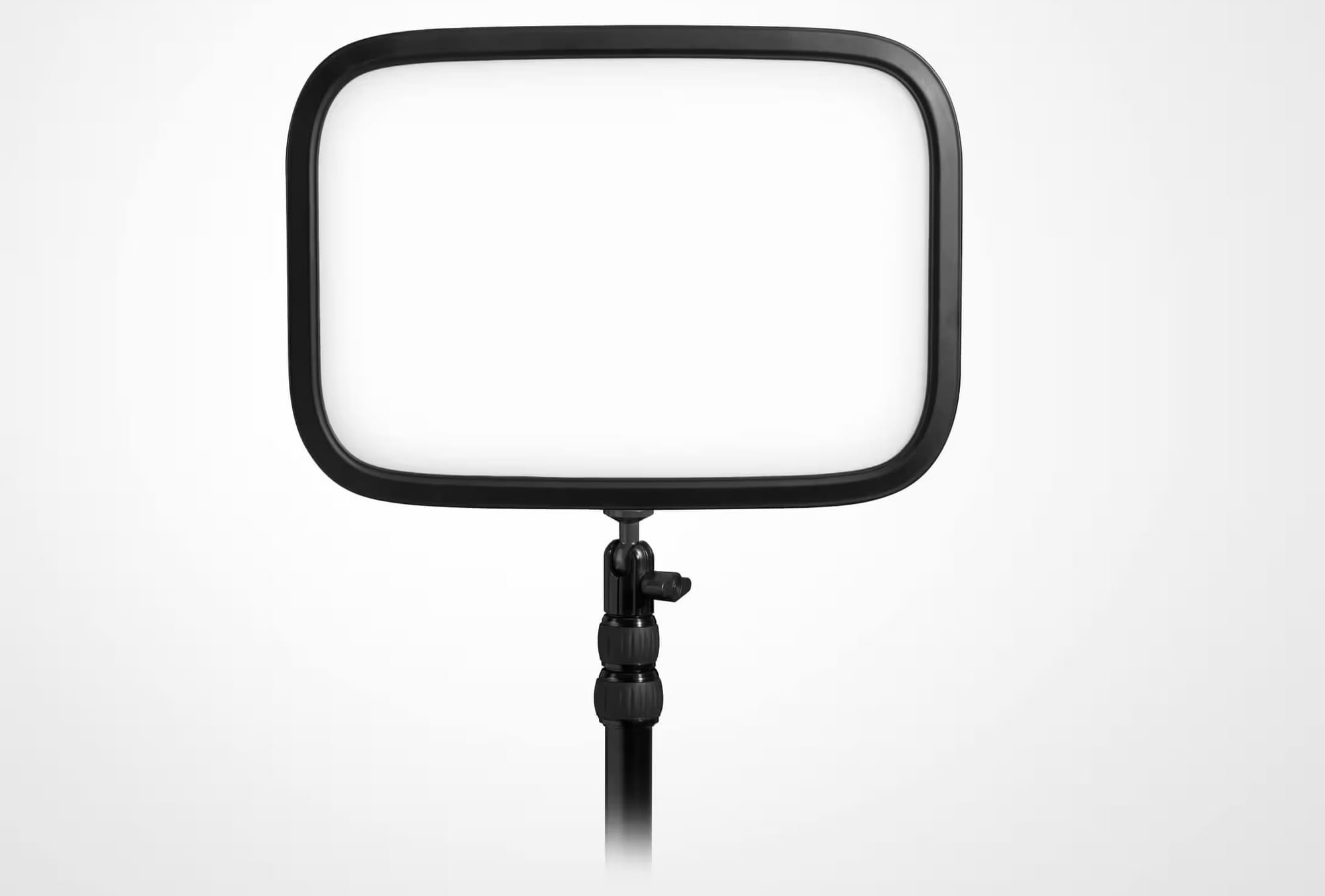
LED panel lights would eventually find a home with YouTubers, Twitch streamers, and internet pornographers – vocations with significant aesthetic overlap when it comes to lighting your combination bedroom/home office. Tube lights became a cheap and portable way to add a splash of color whose lighting sensibility is equally between gamers and bisexuality. Elgato’s Key Lights were a hit, they work over WiFi and integrate into their beloved Stream Deck system, although at this point they’re fairly dated and have been surpassed by budget cinematography brands in terms of sheer light quality. Though brands like Godox and amaran offer big ass streamer lights, many with attachments, their semi-professional COB light offerings have gotten much more inviting and increasingly competitive.
Instead of offering a wide grid of LEDs, recent COB lights are concentrated, focused, and take a standard Bowens mount. The Bowens mount is a standardized mount for adding diffusion to lights. I mainly remember using them on strobes in still photography shoots more than video shoots, but as the lines between those two vocations have blurred so too has the gear. Panels still have their uses, but a single universal mount that lets you attach soft boxes with grids, spotlights, and fresnel lenses simplifies things immensely.
Like I said, the lights got good, particularly when it comes to color rendering. In particular the brand Aputure has been dominating. Aputure is an American brand with production facilities in Shenzhen, pointed at professionals and with offerings that have been getting absurdly competitive. Instead of simply doing RGB (red, green, and blue), RGBW/RGBWW (the same but with one or more white temperature added) or bicolor (two different color temperatures of white light), many professional LED lights will offer some combination of different colors to better render skin (this is often referred to as a “light engine”). Aputure’s Storm series are absurdly nice in this regard and use systems called BLAIR and BLAIR-CG that use five and seven colors respectively. For serious film sets it’s still hard to top an ARRI kit, but every year the technology gets a bit better.
Mark does tests of these things every time a new one comes out. Here's his comparison between how the Ray and Storm render light.
Aputure’s content creator sub-brand is amaran, and many of the basic quality of life features from their pro lights have trickled down into those products. The amaran app to control their lights as a unified ecosystem is quite nice, not unlike Aputure’s Sidus Link. The amaran Ray and Halo series both have Bowens mounts, and the former is lightly weather rated. Some of the Ray and all of the Halo series can be controlled via DMX (an industry standard for controlling lights, particularly in live settings) over USB as well as Bluetooth and NFC. The Ray series has their "Omnicolor" engine that noticeably improves skin tones, while the Halo is cheaper and just bicolor.
Upgrading
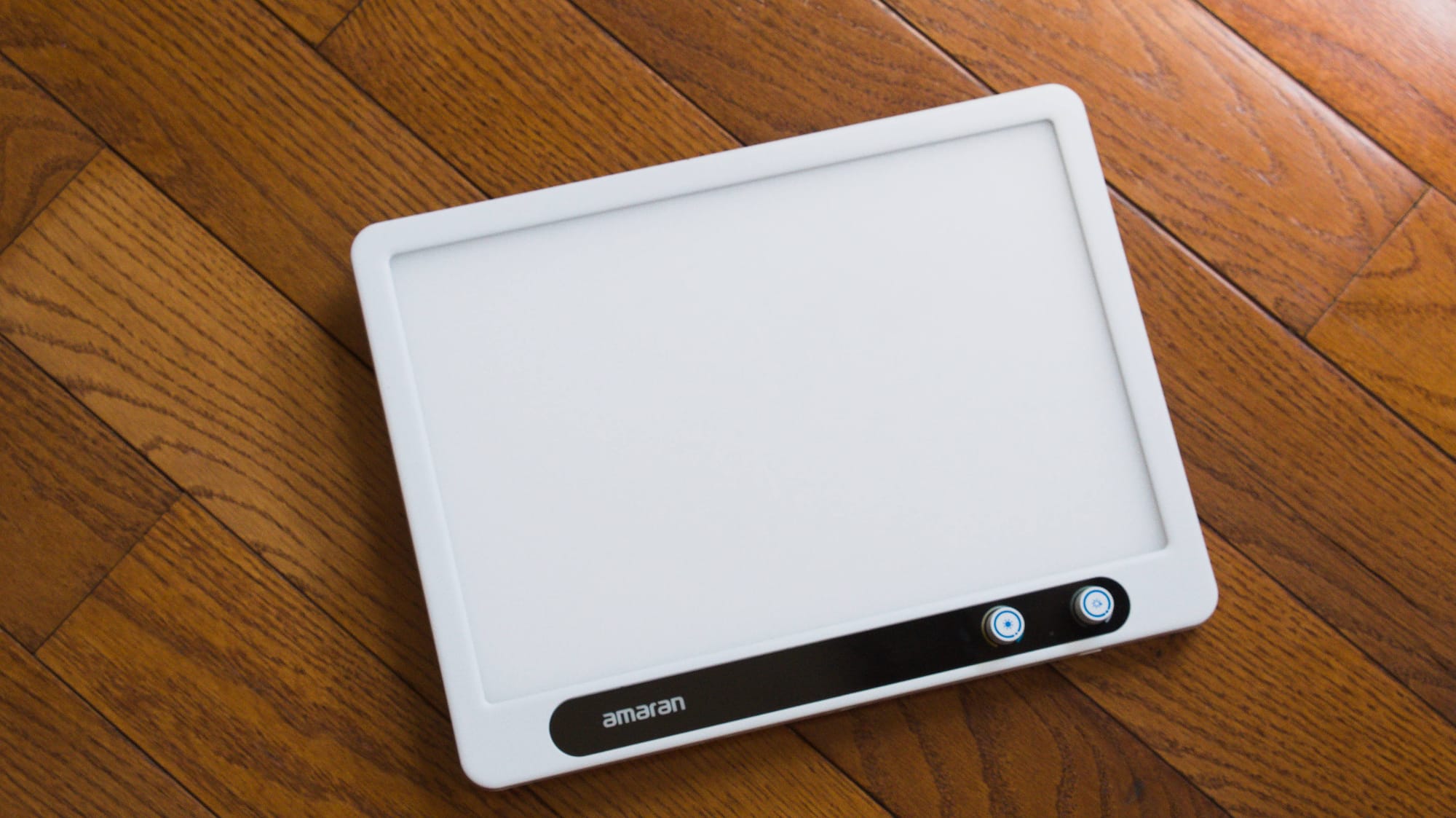
When we started Aftermath I had a few aging Elgato panels I had inherited from when G/O Media laid me off. I had wanted to upgrade for a very long time, and took a chance on panels aimed at content creators: the amaran Verge series. The Verge series are simplified bicolor alternatives to the amaran Pano series aimed at streamers. For about 80 bucks each they’re a lot of light; the light output on them is rock solid and the basic quality of light clears the Elgatos. They have front-facing physical knobs to adjust intensity and color temperature, a nice added touch that the Elgatos lacked. Wirelessly, the amaran Verge controls primarily via Bluetooth, which I severely dislike. Nilay Patel from The Verge (the publication) tipped me off to Stream Deck integration that seems to work. I wish there was a WiFi or Ethernet option in some capacity, if only because I am a Home Assistant pervert and will automate anything even remotely connected to my network.
Unfortunately for me, the amaran Verge lights are lacking in one very crucial way: modifiers. The amaran Pano series has several soft boxes and grids you can attach to soften the light, none of which are compatible with the Verge series. This is a deal breaker, as the entire point of getting new lights was to lessen the strain of appearing on podcasts and video calls, and despite my attempts to create a diffusion using the harvested diffuser of an LCD TV on the street, it was insufficient. I had fucked up and ignored a basic rule of gear nerds, “Buy once, cry once.” Why was I still dicking around with gamer panels when real lights existed?
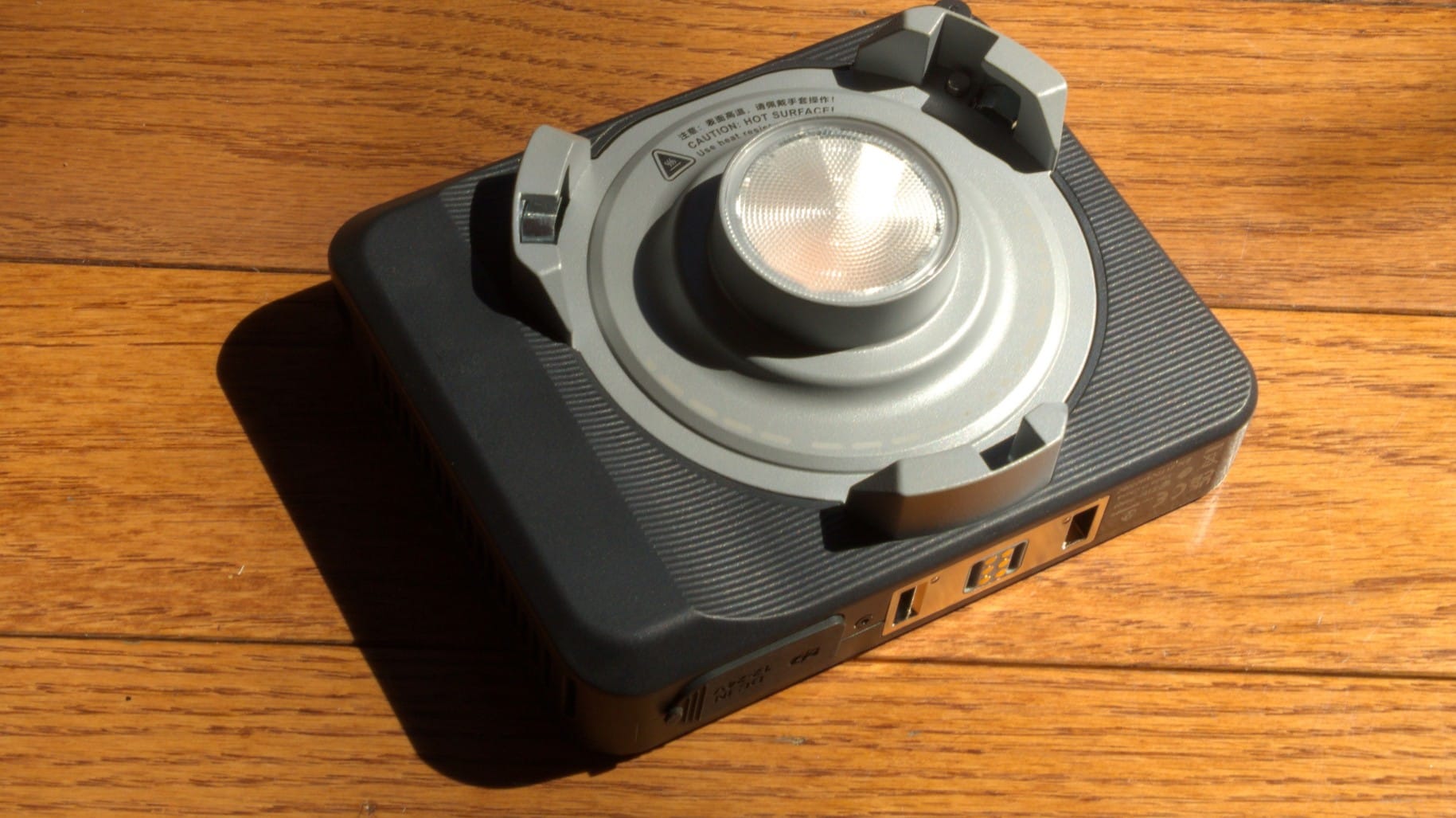
Despite the recent introduction of the bicolor Halo series starting at $119, I decided to treat myself right and get the amaran Ray 60c specifically for that nice indigo channel. The amaran Ray 60c is such a nice little light. It’s tiny. It comes in a cute case to carry it around that I will probably never use, but thoroughly appreciate. Earlier criticism of the light I have seen was that the power brick they included was nonsensically short, and they have attempted to solve this by having a little holder for the power supply that mounts right under the light. Unfortunately they did not think the placement out thoroughly, and the brick will collide with any modifier you place on it if you tilt it downwards.This is easily solved one of several ways: getting an extension to the power cable so you don’t have to use the mount, powering the light via USB-C, or by disassembling the handle and flipping the power supply holder backwards. None of these are terribly unrealistic, but it’s still an annoying thing to have to do.
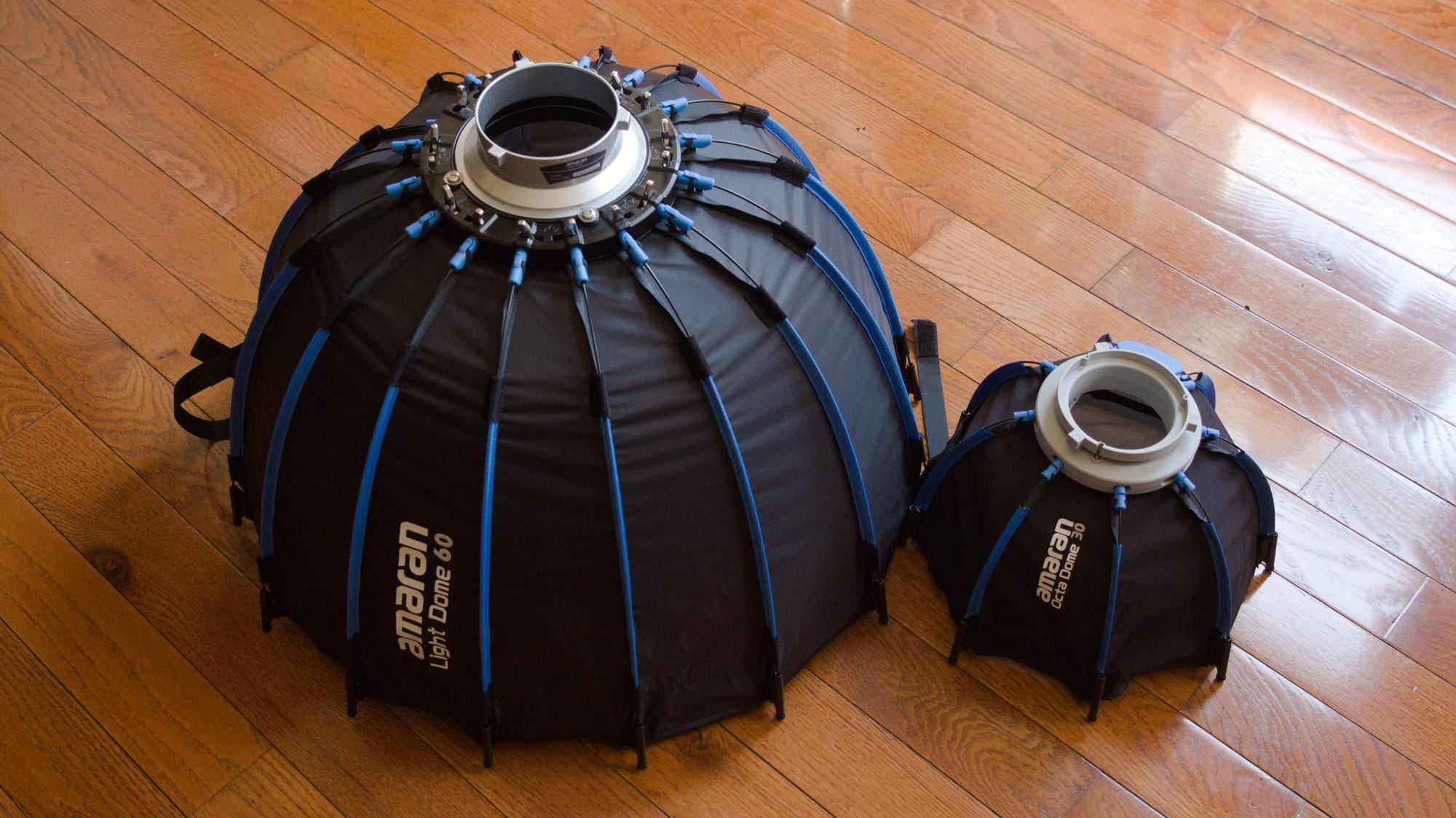
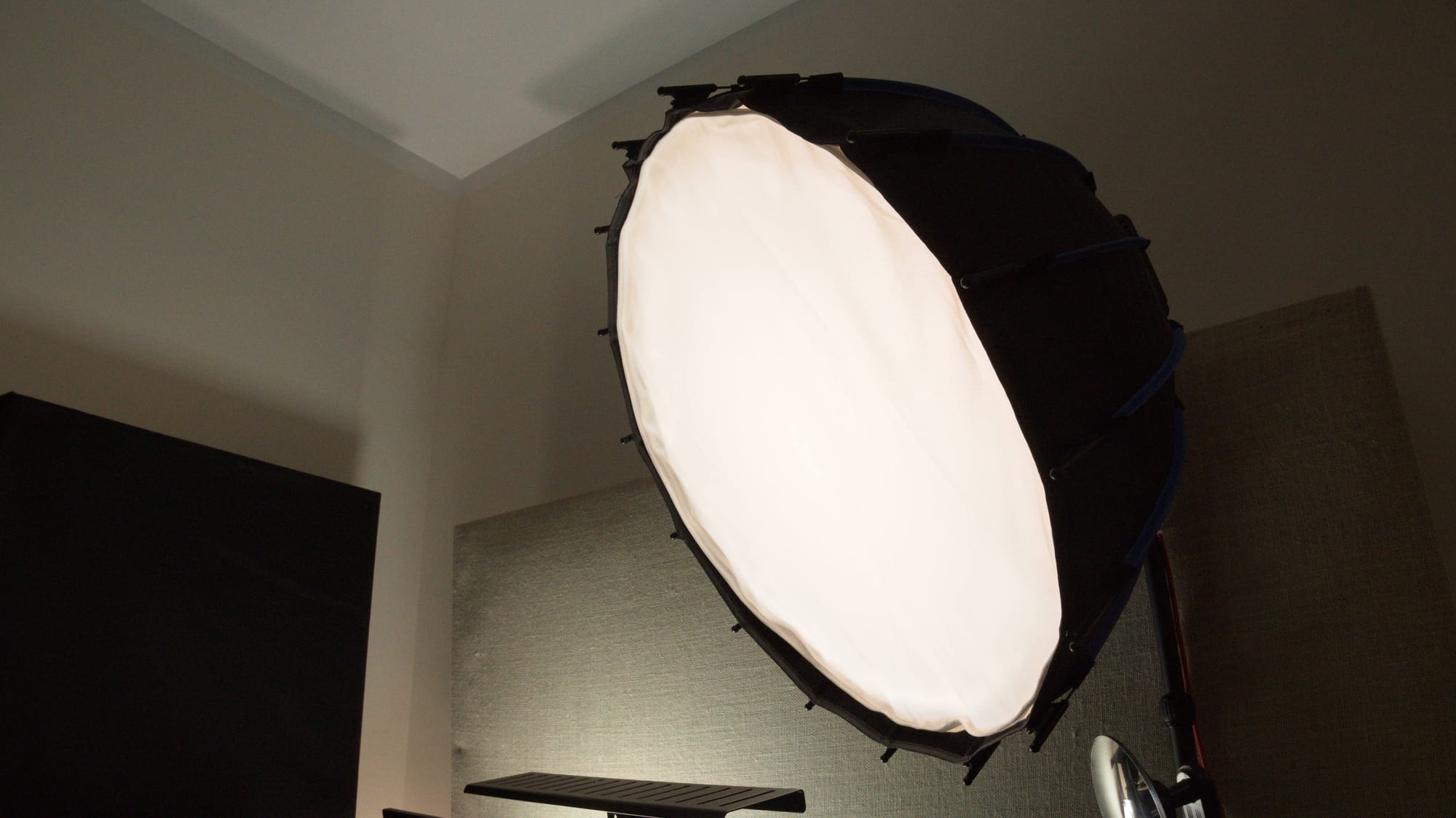
The Ray 60c comes with a tiny modifier, the Octa Dome 30. This is a little baby soft box that is useful in terms of how compact it is, but is not diffuse enough if you are pointing it at you while you stream for extended periods of time. I decided to go with the Light Dome 60, which also comes in its own bag. It’s far more substantial, allowing for two levels of diffusion, which the Ray 60c can just barely handle. It looks a little absurd mounted above my desk, but the diffused glow of the light does not bother my eyes and it makes my camera render the skin tones just right. I could stay in that bright light all day and never tire.
Aside from being a very nice light, the Ray 60c has a feature I would be remiss if I did not point out: the haptics on its wheel. Depending on which level of a menu you are on, the click wheel will feel different. If you are someone who designs hardware, I would recommend you go to a photo store to try it because it’s satisfying on a basic, reptilian level. Everyone should rip this off.
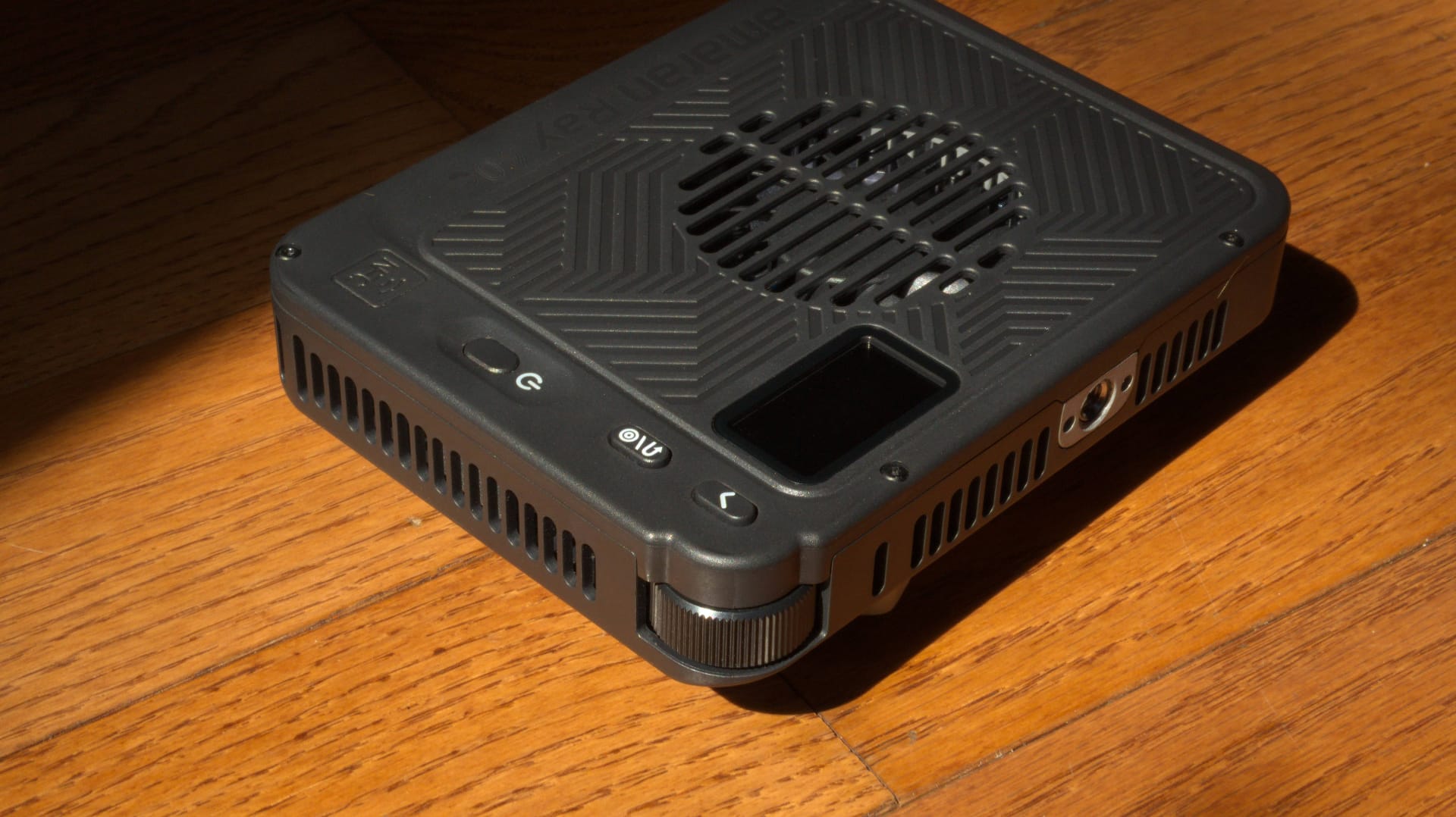
I am writing this not to glaze amaran and its parent company, although I love the amaran Ray 60c and the company’s continued pressure in the market is helping standardize those features. Nanlux and its subsidiary Nanlite are similarly competitive in many ways, and Godox has some fun offerings as well if you’re trying to do content creation. You could pick almost any COB light from the companies above and be thoroughly satisfied as a newbie. Though much about technology has gotten expensive and shitty, socially corrosive and dangerous to our continued well-being, occasionally a product category slowly but surely gets better and cheaper while you aren’t looking. You will research something after seriously being out of the game for a decade and say “damn, when did this happen?”
If you had told me when I was 20 and hauling cases up five flights of stairs that lights would be this good in the future and described these features I would have freaked out. This is not to say that people in film shoots don’t still have to haul a bunch of heavy ass tungsten lights and run power cables into an adjacent building, but I’ve walked by plenty of film and TV shoots in New York City lately, and some of the gear is a little less physically debilitating, particularly when combined with those huge battery backups. I am so happy at the continued improvement of lighting technology. The lights got good, thank god.