

The news Wednesday that Sony was going to stop printing video games on discs has turned into quite the monumental event, finally making good on threats that date back as far as the launch of the Xbox One: namely that one day, and that day is very soon, we will no longer be able to truly own the games we are paying for.
 Luke Plunkett
Anyone who has paid attention to this kind of stuff for longer than yesterday will know we've been most of the way there for years. On console, many customers are buying games digitally (and have been doing so for a while), and even many disc-based releases have long been little more than glorified download keys. As for the PC, when was the last time any of you had a disc drive even installed, let alone bought a game that shipped on a disc?
(My personal answer is that I haven't had a disc drive on my PC since 2015, and that I think the last game I bought on DVD was...Dawn of War II?)
So this week's news is less of a bombshell and more of a milestone on a miserable journey, one that trudges us towards a future where we are all cultural tenants, forever renting products from a handful of companies and never truly owning anything. That sucks, but for now at least, the news compelled me to cheer myself up by going and cataloguing the depths of my remaining physical games collection, to take stock of the last video games I may ever own, and let me tell you: there are some stories, and some bangers, in here.
As someone who's worked in games media for 20 years now, and was obviously buying video games long before that, I have played more video games than I could possibly ever remember, let alone count. From a plastic box of half-forgotten C64 games that we got for free when I was four years old from "a friend at Dad's work", which are now long gone, through to the thousands of Steam releases I've downloaded in my current career but will never actually touch, most of that elusive tally are basically vapour to me now, games I may have played, but no longer own.
Everything in two drawers under the TV in my living room, however, are my keepers. For various reasons--some are all-time favourites, others just happened to come out on consoles released at a time I had both disposable income and a console that relied on physical media--taking a stock of them all today, in light of the news, has made me appreciate (maybe for the first time!) that owning these games has given me something more than just ownership.
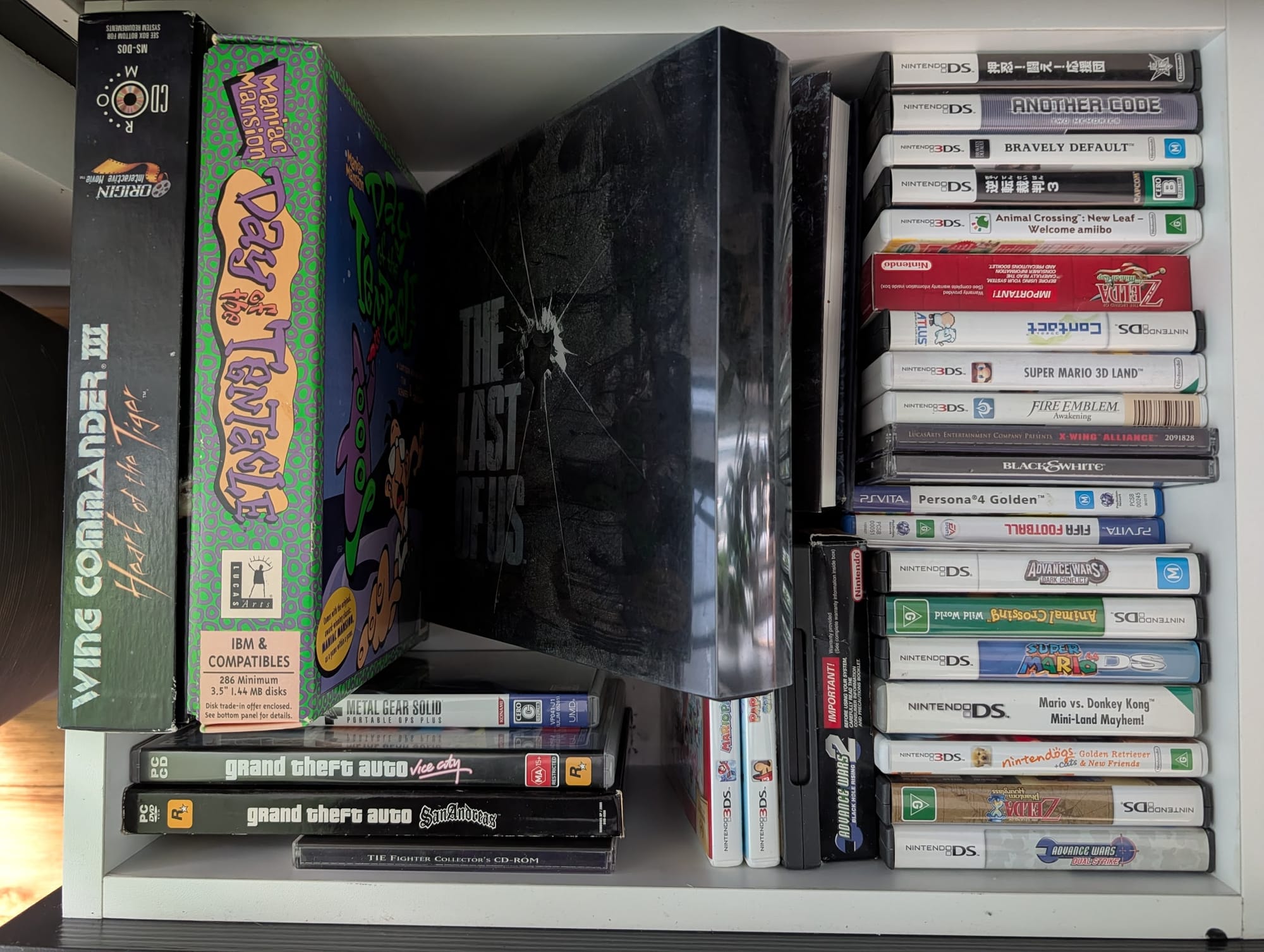
Like, on one level I own these games so I can play them again if I ever want to, sure. But I've owned a lot of games over the decades that I don't own anymore, and I think what's kept some of these around is that there are so many cool stories and memories associated with them, which carry weight beyond the 1s and 0s held within their cases.
I imported (at great cost) the Japanese version of Odama on the GameCube, a medieval pinball strategy game where you could issue voice commands using a special, included microphone. Voice commands I could never get right, because I do not speak Japanese. I couldn't get some GameFAQS-translated soundbytes right either, and so for the most part it was basically unplayable. Still, cool box!
I've got two press packs for two different Uncharted games that recall a time when publishers would put some effort into the major game releases they sent to traditional games media, instead of just sending out a download. Both shipped in custom packages that spoke to the game's theme (2 in a Tibetan-inspired wrap, 4 in a pirate-themed book). They are both, I think, worth a lot of money. If there's ever an Uncharted 5, I probably won't even get code for it.
There's Wing Commander III, a PC game I saved up AUD$125 for in 1993, which in 2026 money would be AUD$300, or USD$207. This was a game whose minimum specs demanded a PC with a DX66 processor; I knew I didn't meet that, with just an SX33, but I was so into Wing Commander and wanted this game so badly that I spent all that money anyway. When I finally got it home it of course wouldn't work, but after two days of tinkering with a literal boot disk I actually got it to run! And was able to finish it, despite missions taking around 15 minutes to load! It remains maybe my finest ever technical accomplishment when it comes to video games.
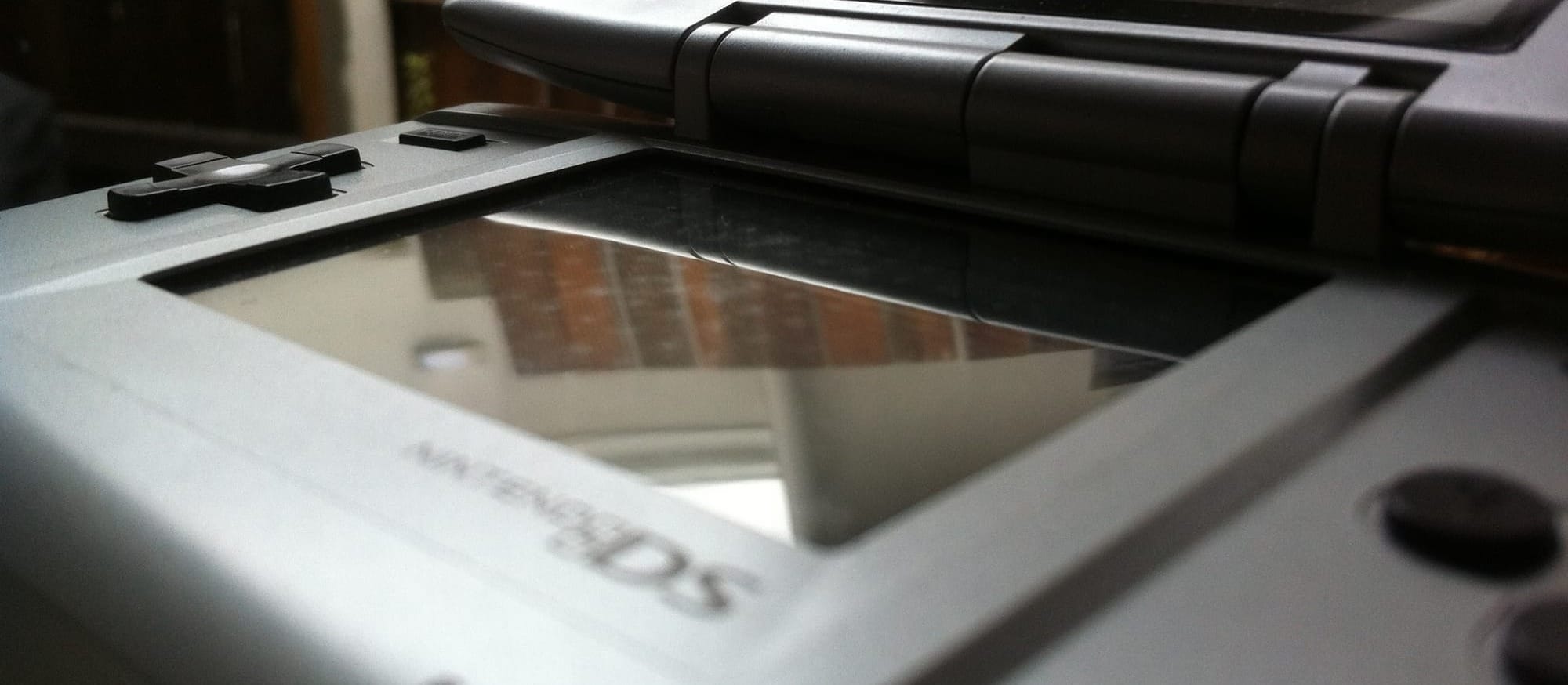
Advance Wars Dual Strike is a game I played so much that tapping on its units permanently scarred the touchscreen of my original Nintendo DS (see above). I played it so much that, at my first proper office job, while others were taking smoke breaks, I used to sneak it into the men's toilets and play a mission or two. Until one day I came out of the cubicle after finishing a battle to find my boss standing there washing his hands. He looked at me, at the DS in my hand and asked why I, a 25 year-old man in a corporate setting wearing business attire, had a camera in the men's bathroom. I couldn't find an answer beyond "uh it's not a camera it's a Nintendo". I never tried that again.
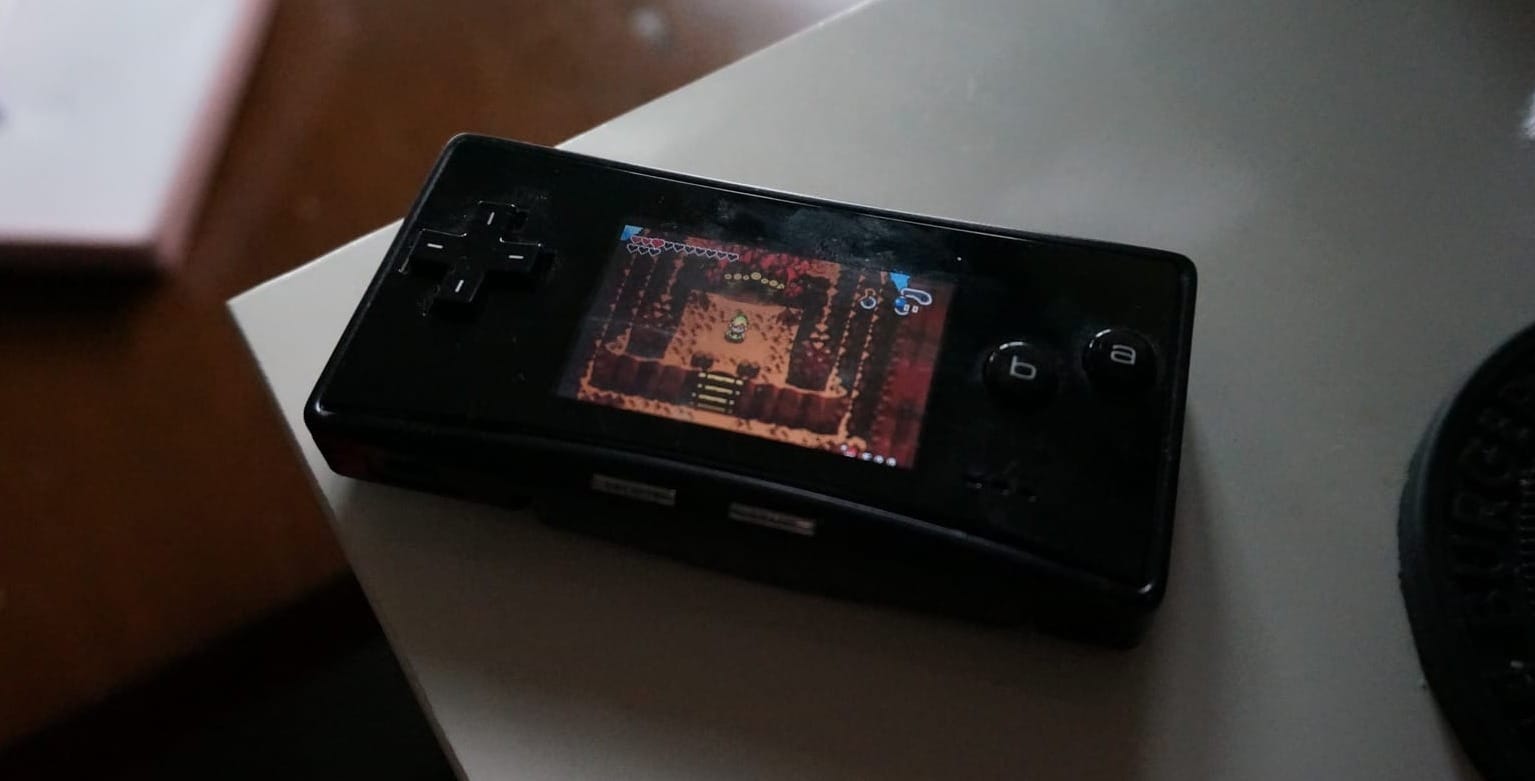
I got Minish Cap the same time I got a Game Boy Micro. It's the only game I ever played on my Game Boy Micro. I must have got that thing over 20 years ago, and after I finished the game I don't know if I have ever had to charge its batteries since. Every year or two I flick it on to see if it still works. And yes, I just did it and yes, it still works.
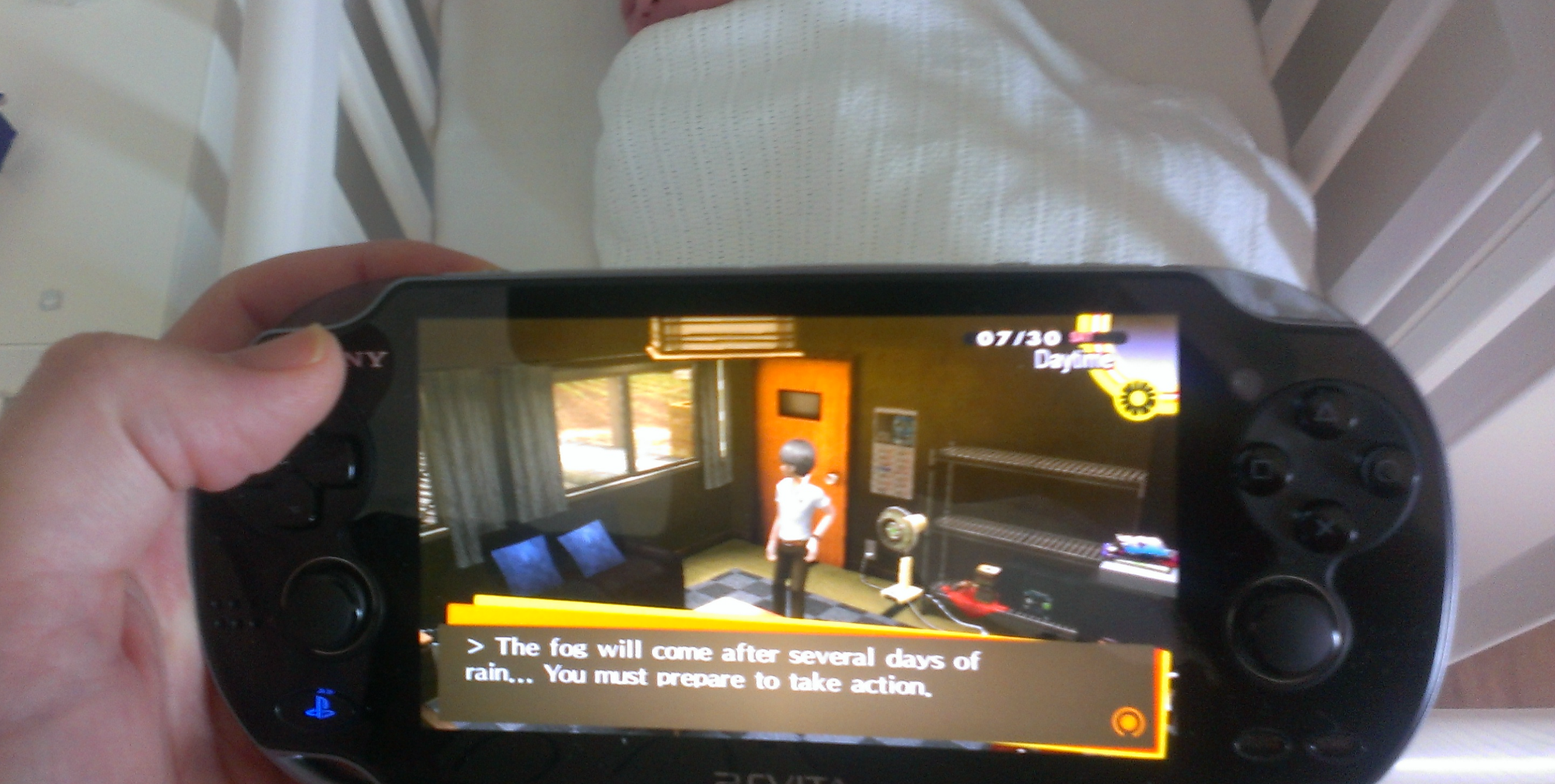
My PlayStation Vita, another handheld with an excellent battery life, was basically my personal Persona device, because most of its life was spent playing Persona games on it. I was halfway through the latter when, in March 2013, my son was born, and as my wife recovered from the birth he slept on my lap for most of his first night, while I passed the time playing Persona 4 Golden. I cannot think of the game without thinking of that moment.
Most of these games have stories like this behind them. Guitar Hero II wasn't just played at parties, it was the reason for the parties. Animal Crossing, and the GameCube memory card within its case, is home to a character and a town that I cherish like something I'll pass down in my will. I played Wind Waker as a co-op experience with two friends, huddled around a TV and sharing a Wavebird, in a way that made us brothers for life.
Holding these boxes now, feeling their cartridges and discs in my hands, I realise that still having them after all these years doesn't just bring back memories of the games themselves, but physical stories about owning and enjoying them as well, and owning these games is part of keeping memories about family, friends and… work toilets alive.
And in a way that makes me even sadder. To think that if things keep heading the way they're heading, future generations (or this generation, really!) won't be able to experience and tell the same stories because everything they play--and both my kids play a lot of games--can't ever be held in their hands, passed around friends or kept in a drawer so you can dig it out every decade or two, like a photo album or family heirloom, and let some memories wash over you.
If companies like Sony and Microsoft want to take away our ownership of video games, to break our tangible connection with the classics we play and love, there's little we can do to stop them other than refusing to buy their games going forwards. But everything in these drawers, all these physical boxes containing lived memories and games I can still play? They can never take those away.


