As a romance manga girlie routinely drafted into shonen jury duty, I’ll never get tired of the goody-two-shoes-falls-for-the-delinquent trope. However, even without the old-school pompadoured Yankee and floral princess shorthand, the opposites-attract premise usually leans on the “don’t judge a book by its cover” moral of the story, happy ever after. I’m No Angel takes a left turn. Its come-to-Jesus moment doesn’t blossom from its titular goody-two-shoes saying “I can fix him.”It comes from putting her through the wringer and landing on a sharper, universal truth beyond romance: you really need to check in on your strong friends.
It’s no secret that I love mangaka Ai Yazawa’s works down bad. I love Nana so much that I have a fan scanlation panel of Nana Osaki tattooed on my arm. Despite the indefinite hiatus of her best-selling shojo series persisting, I’ve been fed by Viz Media’s recent spree of localizing her earliest works, from anniversary editions of her runway chic tales like Neighborhood Story and Paradise Kiss to her long-forgotten supernatural romance, Last Quarter.

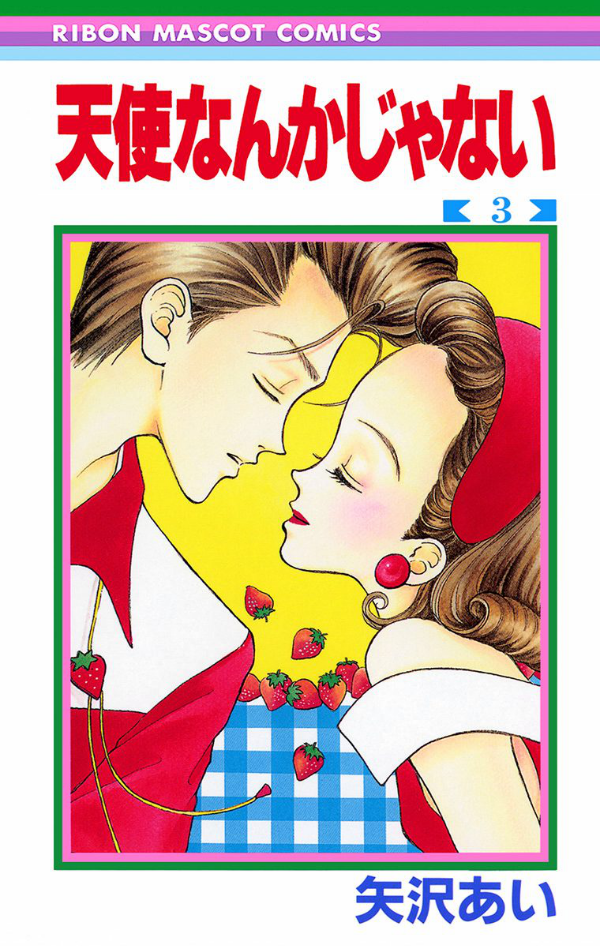
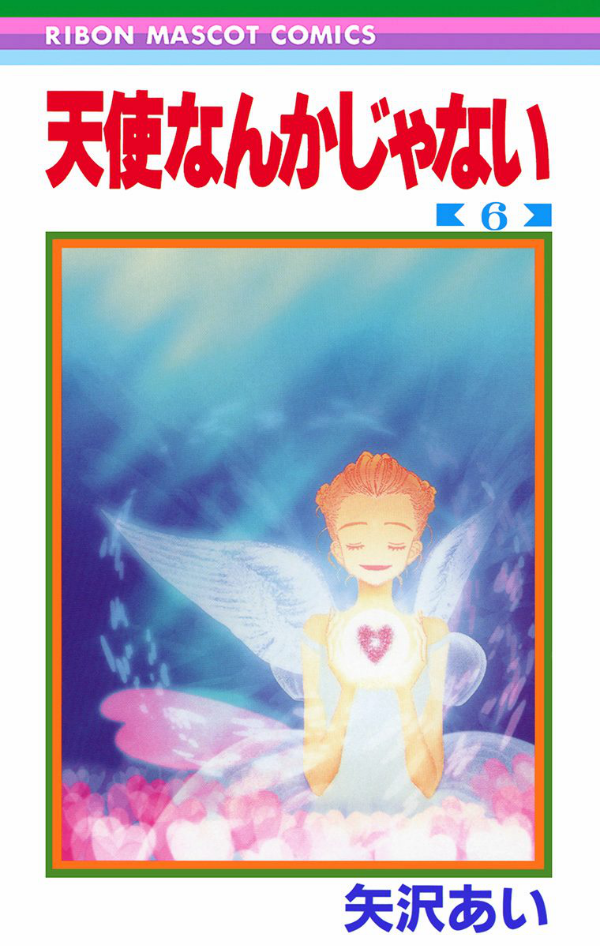
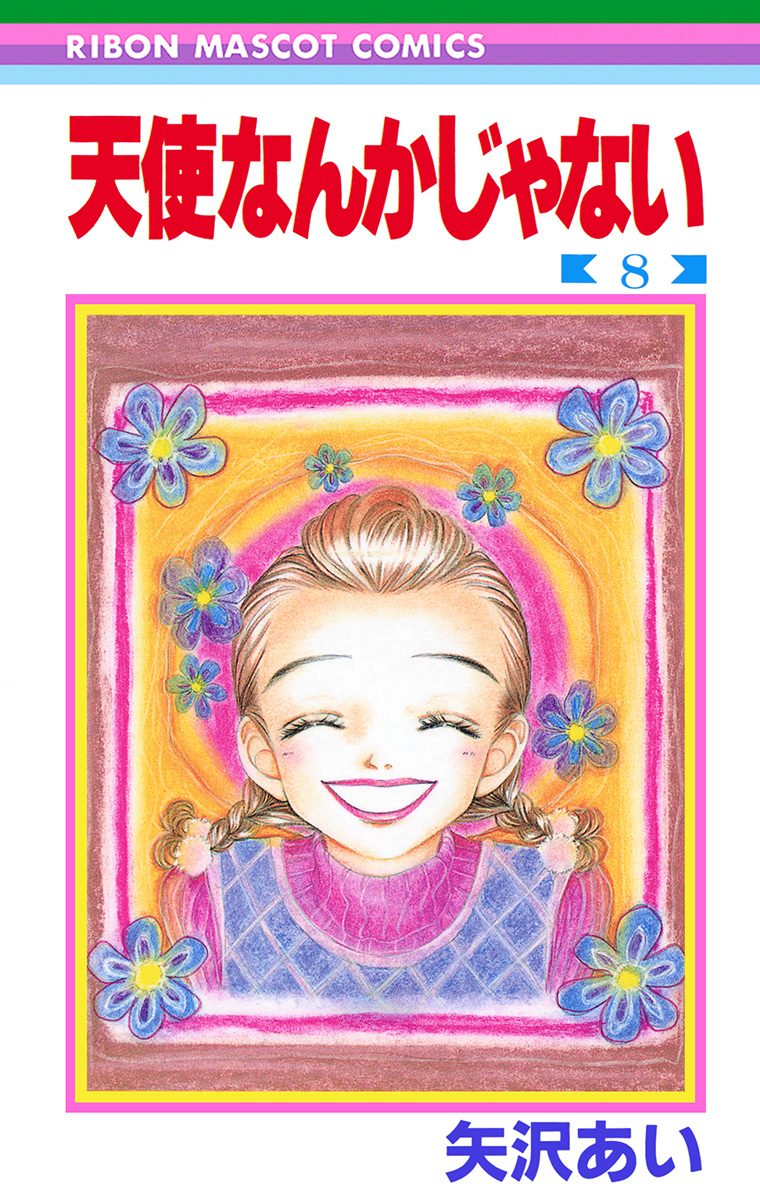
© Ai Yazawa / Shueisha / Ribon Mascot Comics
Although Viz Media’s recent release of the first volume of her equally lesser-known work, I’m No Angel, gave me the impression I’m No Angel would be a story where her characters would get a break from Mitski-tinged melancholy and instead see Yazawa deep in her sugary romance bag. Ironically enough, what I got was a sheep in wolf’s clothing. It is instead a manga that used the usual trappings of shojo romances to get at a deeper truth about how much pressure we put on folks to put on a mask and thanklessly assume a role for our benefit.
I’m No Angel is a rom-com about a first-year high schooler named Midori Saejima, who has caught the love bug for Akira Sudo, an aloof boy at her high school. The girl was a goner the moment she saw him caring for a stray cat left in a cardboard box in the rain. Love-at-first-sight, shojo-beat type. After returning to school from her summer vacation, Midori is shocked to learn she’s been voluntold by her classmates to represent them on the student council. Ever the people-pleaser, Midori goes through with it despite being bombarded with platitudes about how happy-go-lucky, cheerful, and responsible she is, and about her infectious ability to light up a room as she walks in. Though, it certainly doesn’t hurt to know she’ll be running against her crush. Even if she loses, she’ll get to serve under him as his vice president. This is how she wins.
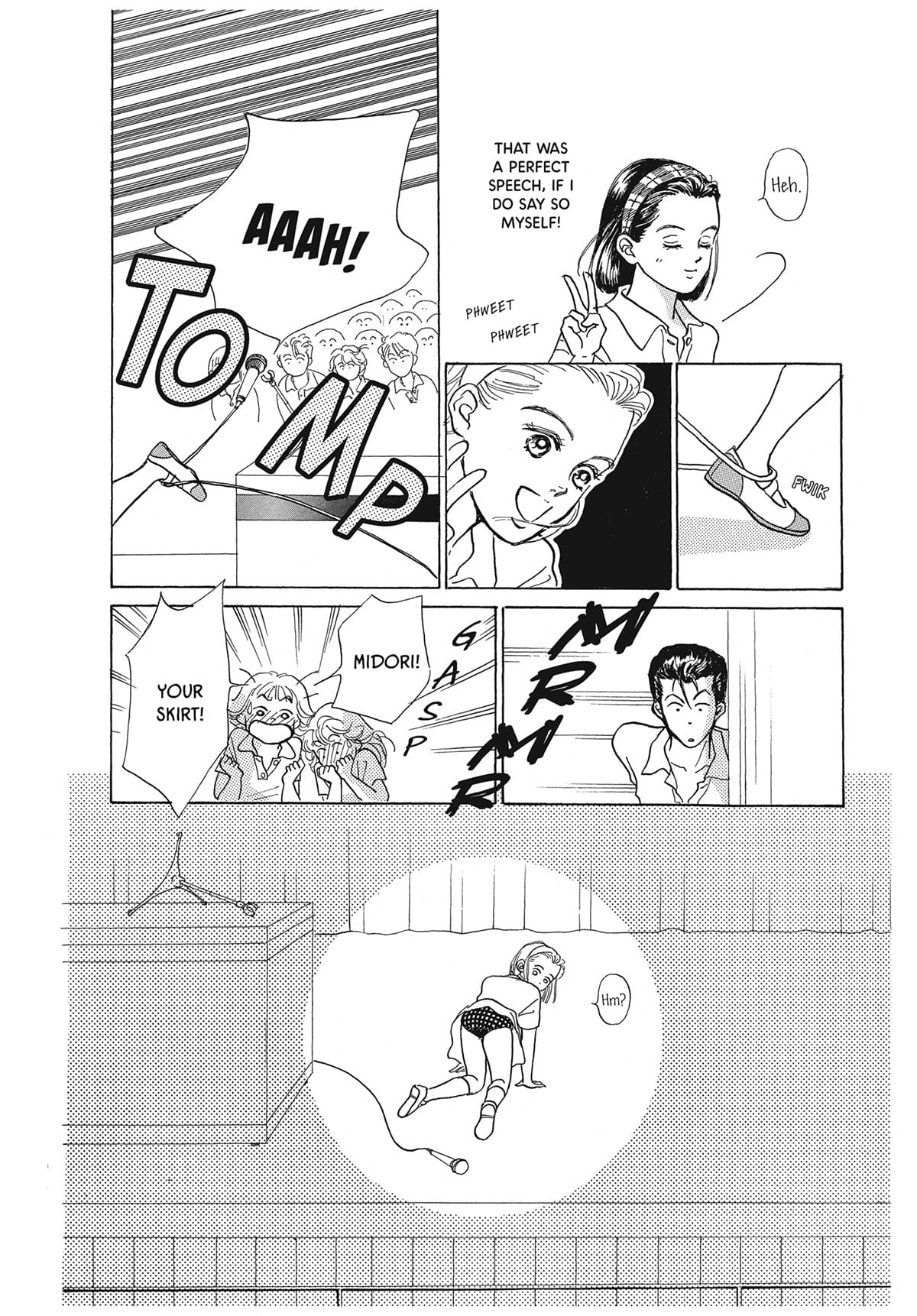
After giving a bubbly speech about wanting everyone to feel as happy as she does, Midori trips on stage, revealing her panties to the entire school. Mortified, Midori prepares to storm out of the auditorium before Akira runs defense for her by making an ass of himself in his speech, distracting the school so she can make a swift exit without prying eyes.
While the manga presents itself as your typical slow-burning school council romcom, where the motorcycle-riding Akira takes a liking to Midori, the yearner of all time, Yazawa twists the knife as she’s wont to do by putting her heroine through it.
Midori is a character I’m No Angel drags across the coals as a flattened trope of the cute girl, whose sole purpose is to boost the serotonin levels of everyone around her. In fact, I’m No Angel’s entire ensemble treats her less as a person and more as a conduit through which everyone around her derives happiness, solicited or otherwise. This manifests as Midori cultivating space for everyone else in her life—going so far as to overwork herself by playing Hitch with her fellow student council members—while her own happiness ranks as a sorry third in her own life.
Evidently, according to Yazawa’s author note, she took it personally when her editor at Ribon told her that she loves the boys in her early works, but the girls are totally unattractive, and decided to make a story where her cutiepie goes through the meat grinder.
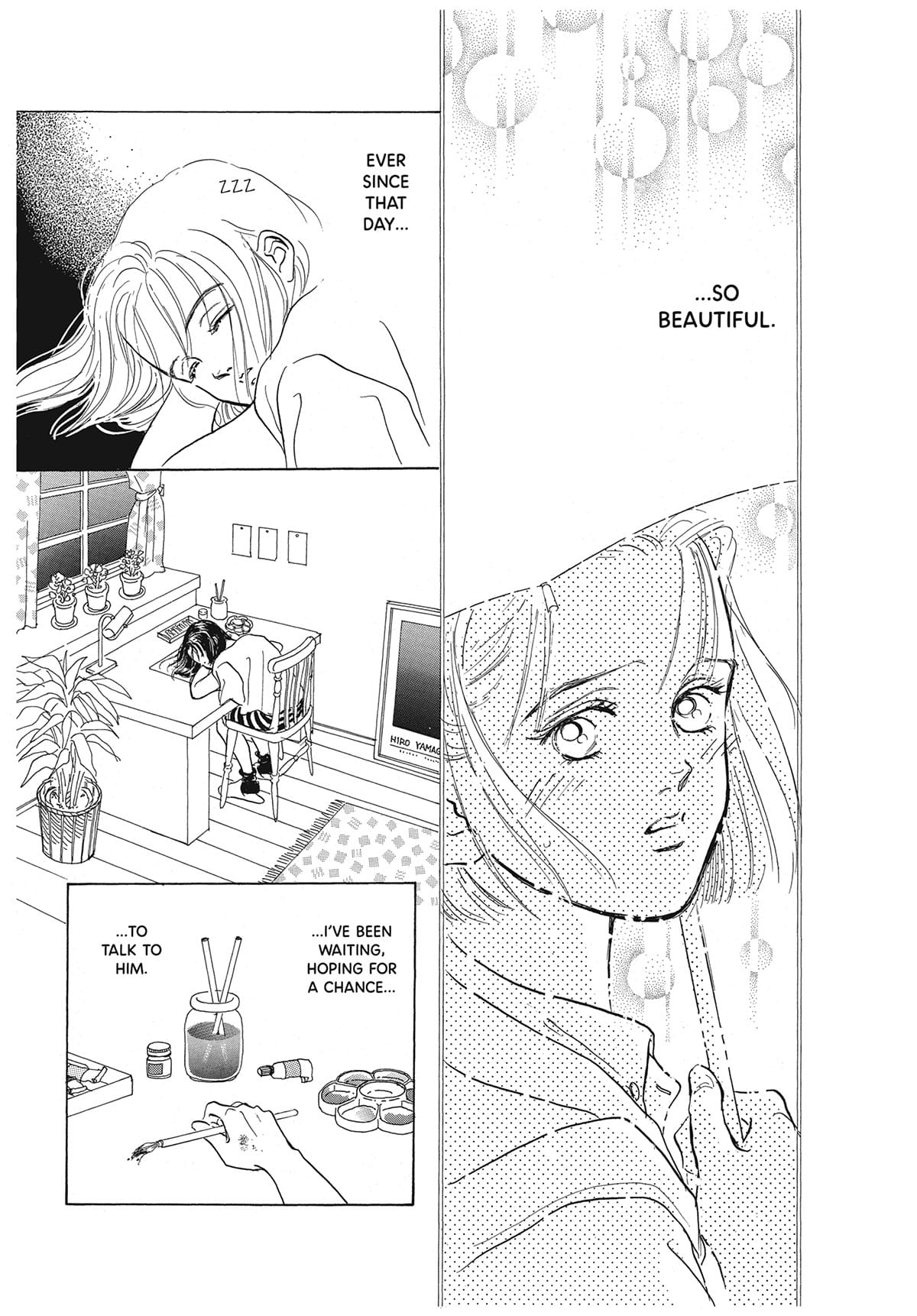
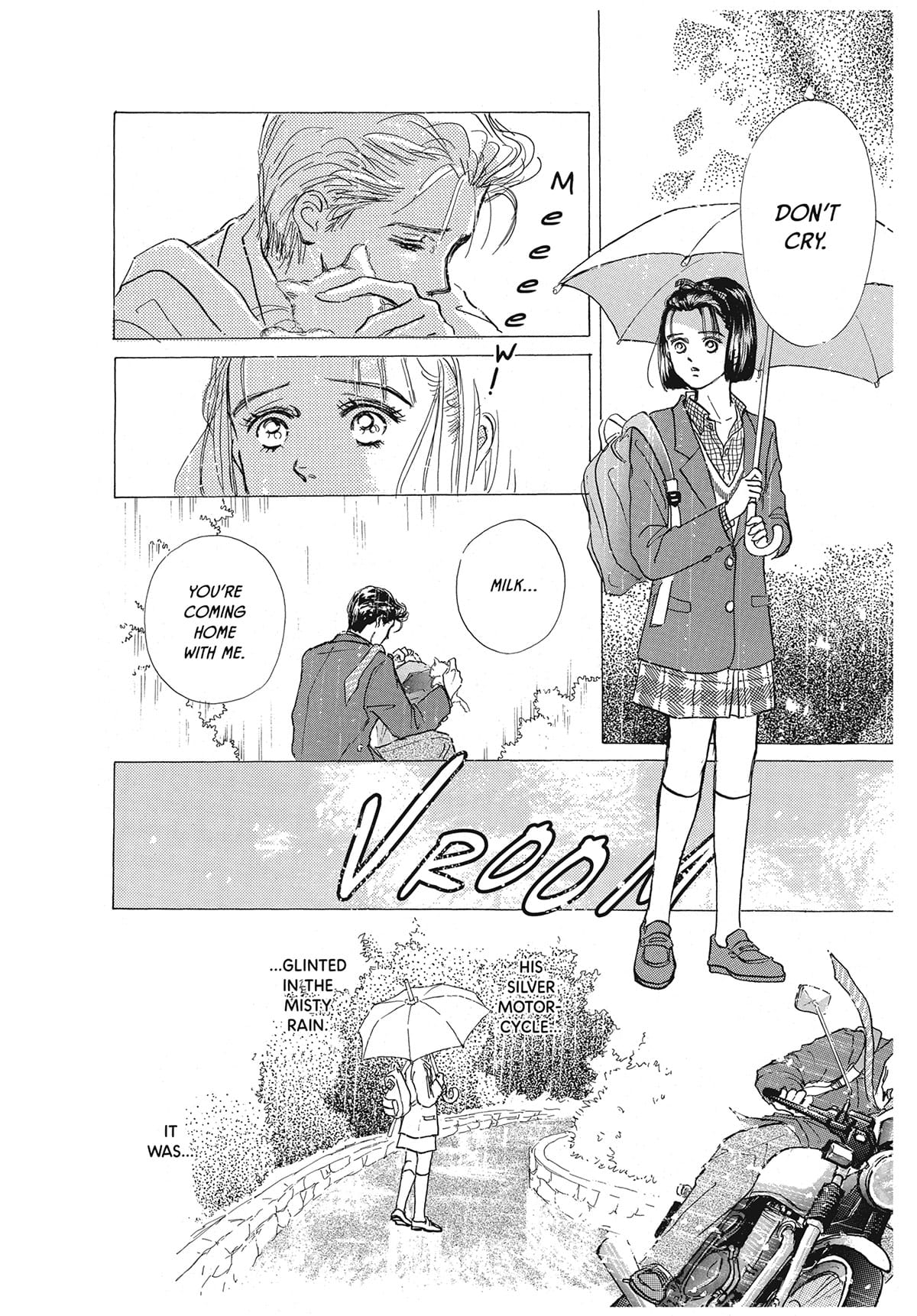
© Ai Yazawa / Shueisha / Shojo Beat / Viz Media / Tenshi Nankajanai Ultimate Edition
In a lot of ways, Midori is the blueprint for what would later become Nana Komatsu’s baggage in Nana. Lord forbid Midori feel crestfallen when the melodramatic heartbreak of her bittersweet love story takes a left turn, with her catastrophizing that Akira might have a history with her older, prettier instructor. Rather than face the music when the saxophones get louder in her life, Midori routinely pushes her emotions aside to make sure everyone else is attended to, as is her role as the Angel of her school. Midori is the embodiment of the Kobe Bryant system: a different animal and the same beast who can always give more.
Midori represents the put-upon. She’s someone whose love language is acts of service, and she’s being politely taken advantage of by everyone around her. What’s worse, she’s often the one initiating the kindness, only to be taken advantage of. Her stereotype as the kind friend is as damaging as what Akira gets as a stereotype of the bad boy. In anyone else's hands, Midori’s plight as a strong friend would go unexplored, treated as the lofty prize in Akira’s journey. She’d be a virtuous doll who smooths his edges the moment their romance takes off, and in turn transforms him into the well-adjusted, sentimental guy he’s always been deep down, in the eyes of those who wrote him off as a hoodlum.
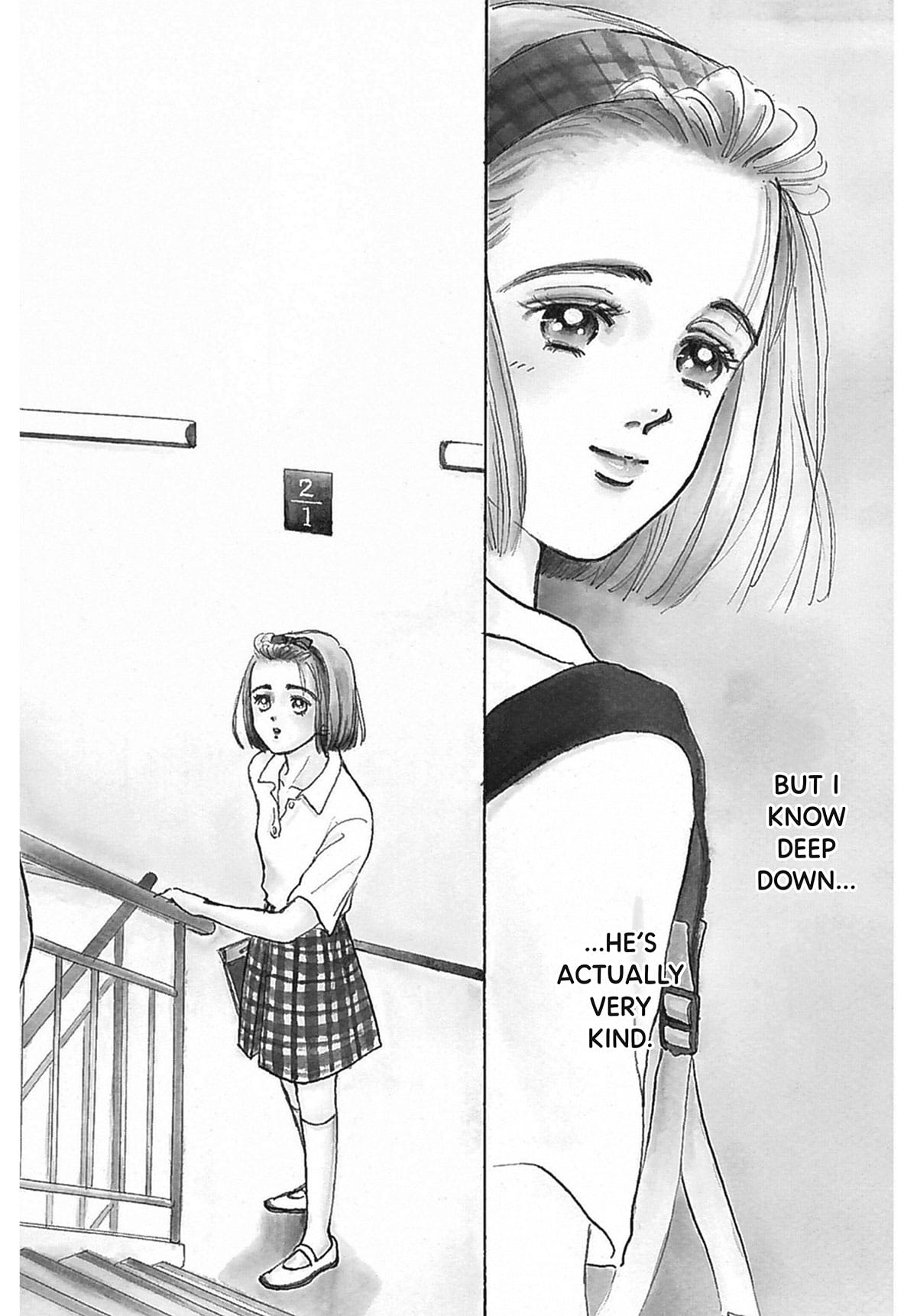
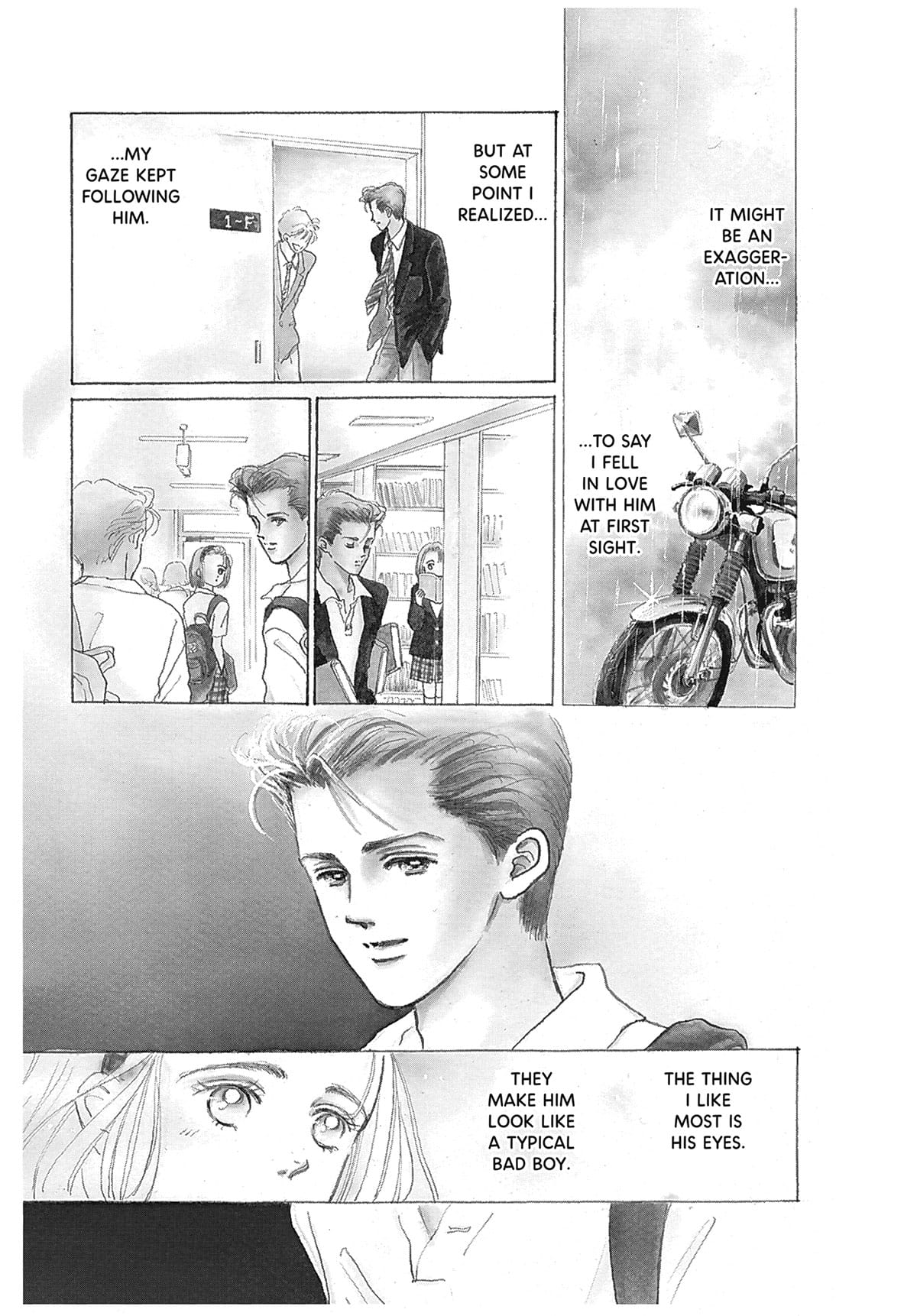
© Ai Yazawa / Shueisha / Shojo Beat / Viz Media / Tenshi Nankajanai Ultimate Edition
Yazawa opts to swing I’m No Angel’s story off Akira’s hang-ups and interrogate why Midori refuses to get angry for herself. Why is Midori so adamant about keeping up the appearance of everyone’s angel, who's simply thrilled to be alive and not be a bother to anyone, when everybody’s got her at her wits' end? That’s a lot of responsibility to live up to. It's easy to finger-wag at Midori for falling back into the loop of being everyone’s giving tree without getting any gratitude in return, until you start seeing bits of yourself in Midori. Always the bridesmaid, never the bride, not just in love but in life.
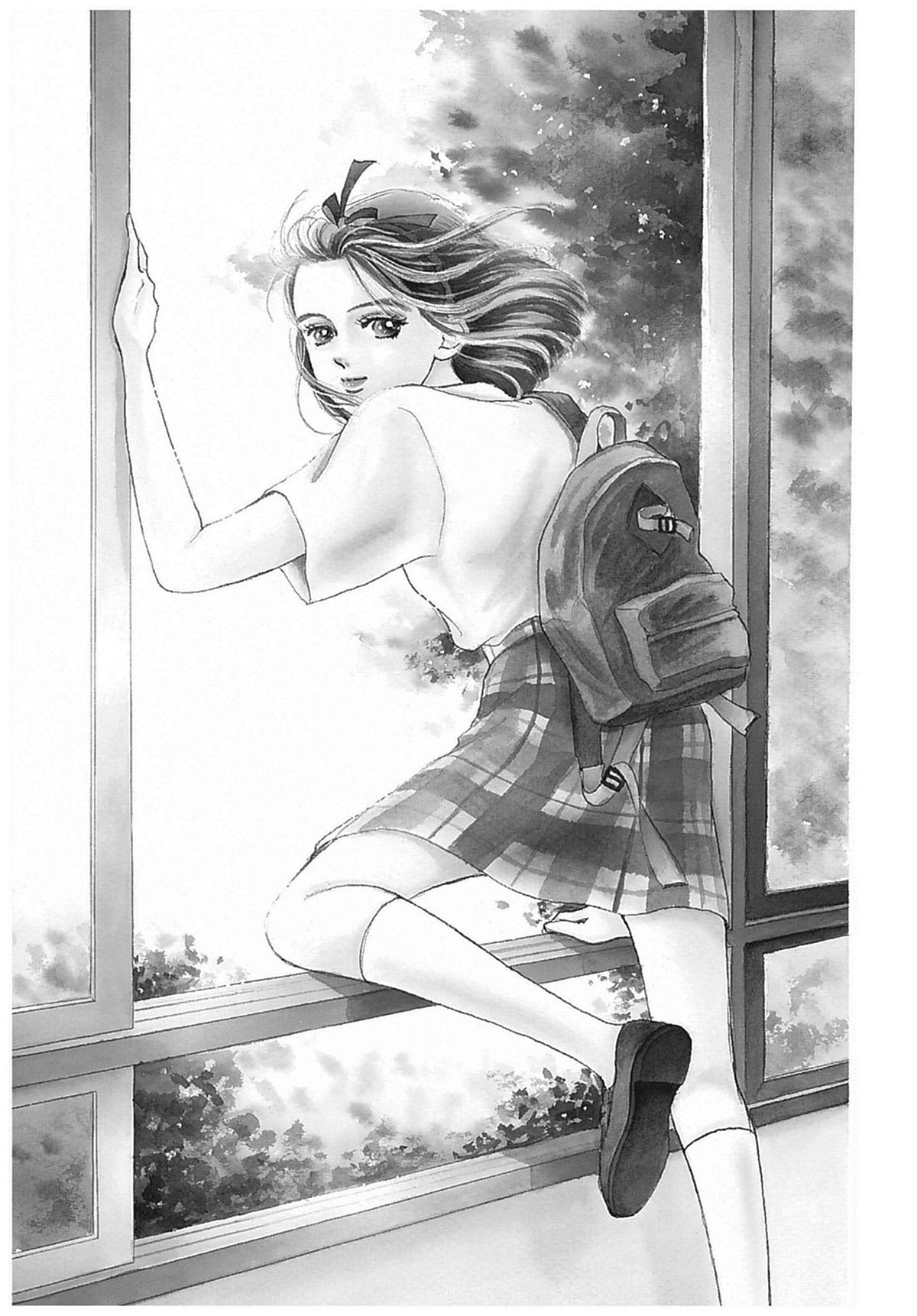
Midori isn’t an angel, and I’m No Angel is as much a story about her figuring out her own agency as it is about her holding hands with Akira. And their romance isn’t one where Akira teaches Midori not to be so uptight either; it's one where she goes through the long road of making space for herself. By highlighting how strong friends come in all shapes and sizes and deserve a break too, Ai Yazawa finesses I’m No Angel from being a by-the-numbers old-school romance into one that has a lot to say about how sometimes that strong friend isn’t a big, tough Yankee. Sometimes, it’s the cottagecore cherub. It’s a manga that asks, instead of putting girls on a pedestal, turning them into a maternal force of nature that can fix you, maybe we shouldn’t? And that’s why Yazawa is the goat.
Recommended
 Isaiah Colbert