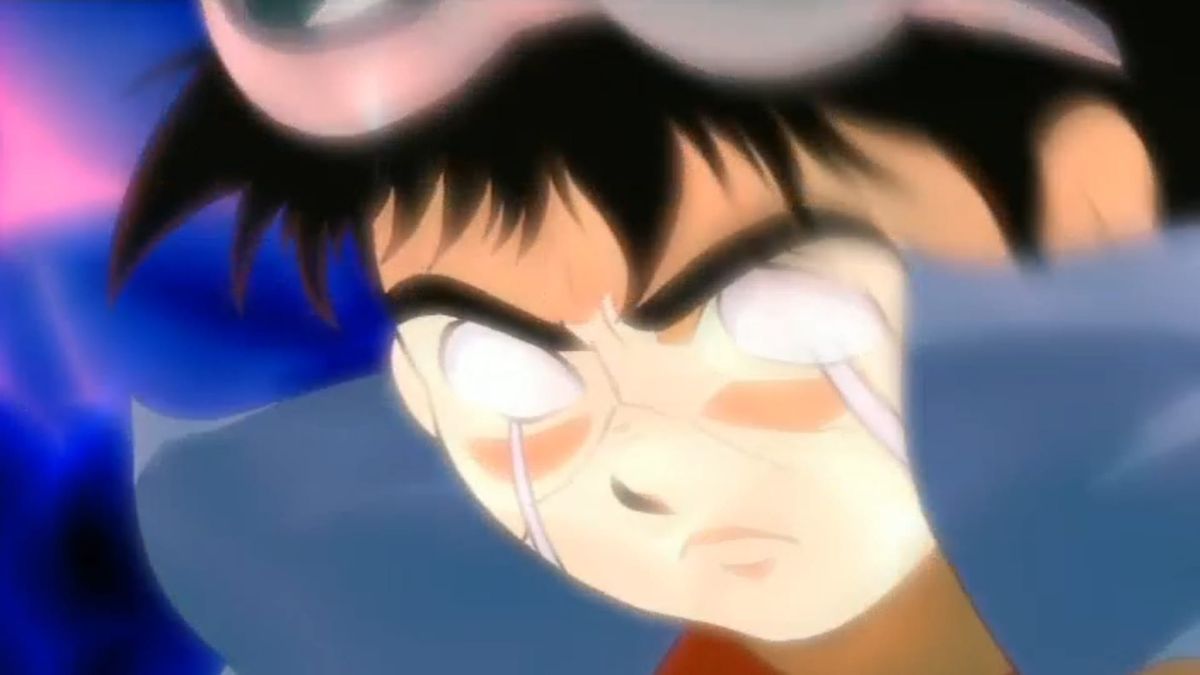
You don’t earn the moniker “the Godfather of manga” without a decadent body of work to “aht aht aht” from. And nearly 40 years after his passing, I’ve rediscovered how legendary mangaka Osamu Tezuka’s influence persists, not only in the DNA of every bright-eyed, happy-go-lucky modern-day manga, but also in the pent-up works of fiction we don’t dare read in public. I owe the discovery of the latter side of Tezuka to happening across his psychosexual sci-fi manga, Apollo’s Song, at my local bookstore.
Recently, I’ve found myself deep in what I’ve described to my friends as my “Osamu Tezuka era.” In a way, we all are if we read manga or watch anime. After all, he created seminal series like Astro Boy, Kimba the White Lion, and Princess Knight, to name a few—works that continue to influence mangaka and pointedly irk creatives like Studio Ghibli’s Hayao Miyazaki to this day. Tezuka’s works are to manga what the Tigris–Euphrates rivers are to modern civilization. They’re the bottomless bedrock of storytelling whose reimaginings, including Naoki Urasawa’s Pluto, Disney aping his flow 44 years later with The Lion King, and Netflix’s anime film, The Ribbon Hero, drink from in perpetuity.
Whereas his most famous works are recognizable to manga readers as meditations on transhumanism, coexistence between nature and humanity, and gender, Apollo’s Song is talked about less today because it's pretty damn odd. In fact, it's downright screwed up. But after reading both volumes of the manga, I have an appreciation for its freakish nature as a grimier tale that mirrors the times in which it was written and serves as a looking glass into the future.
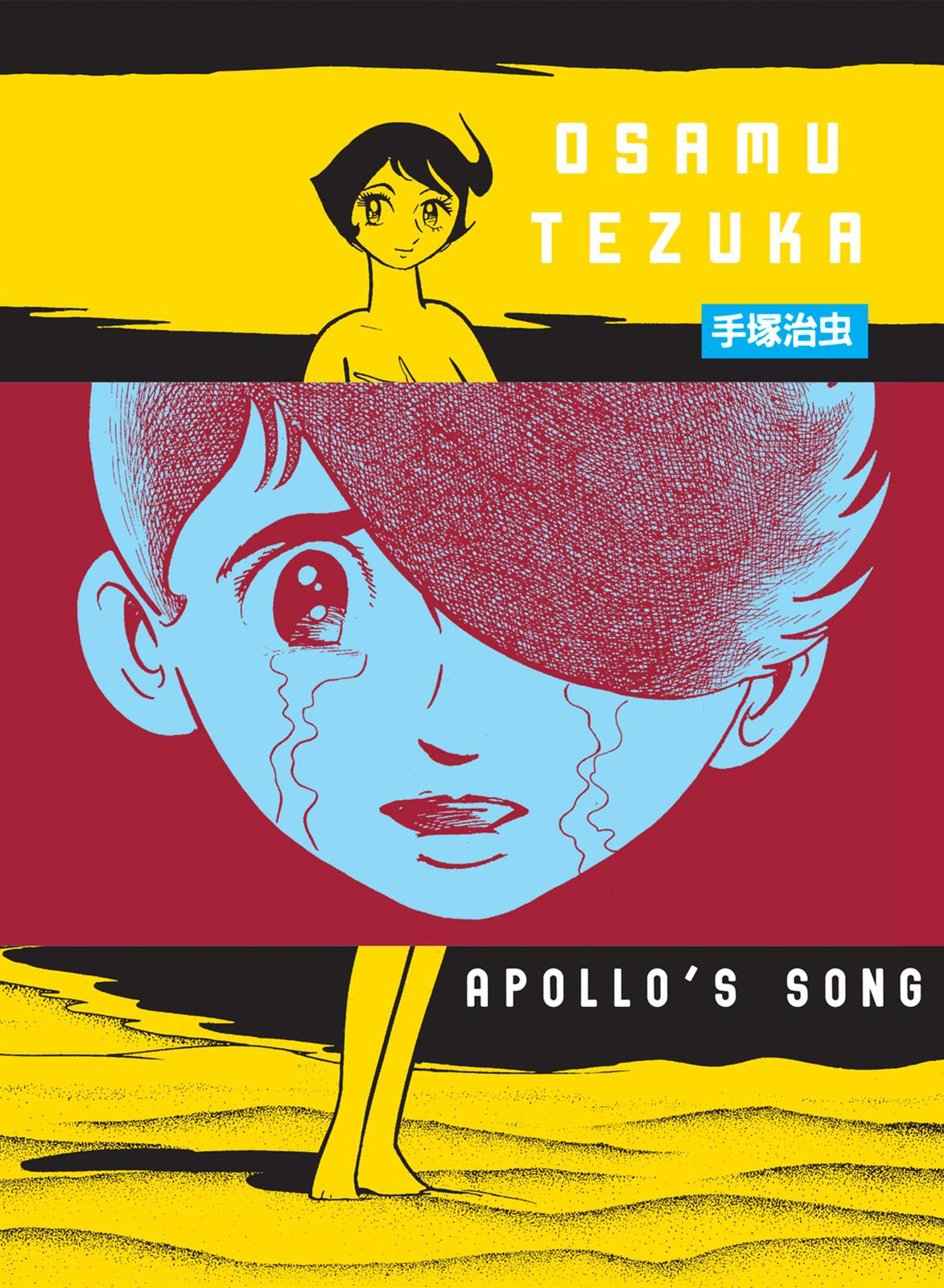
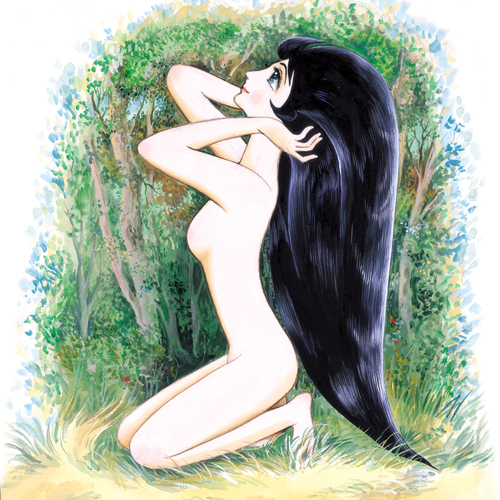
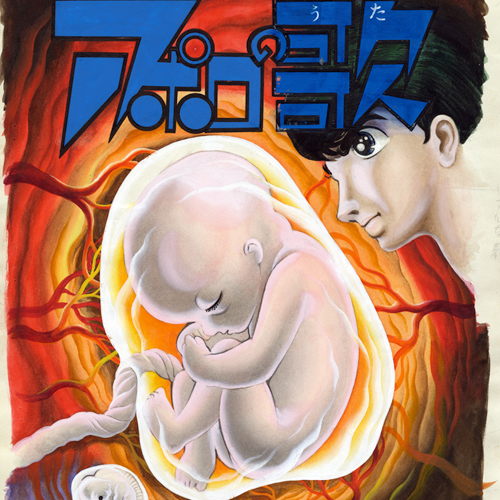
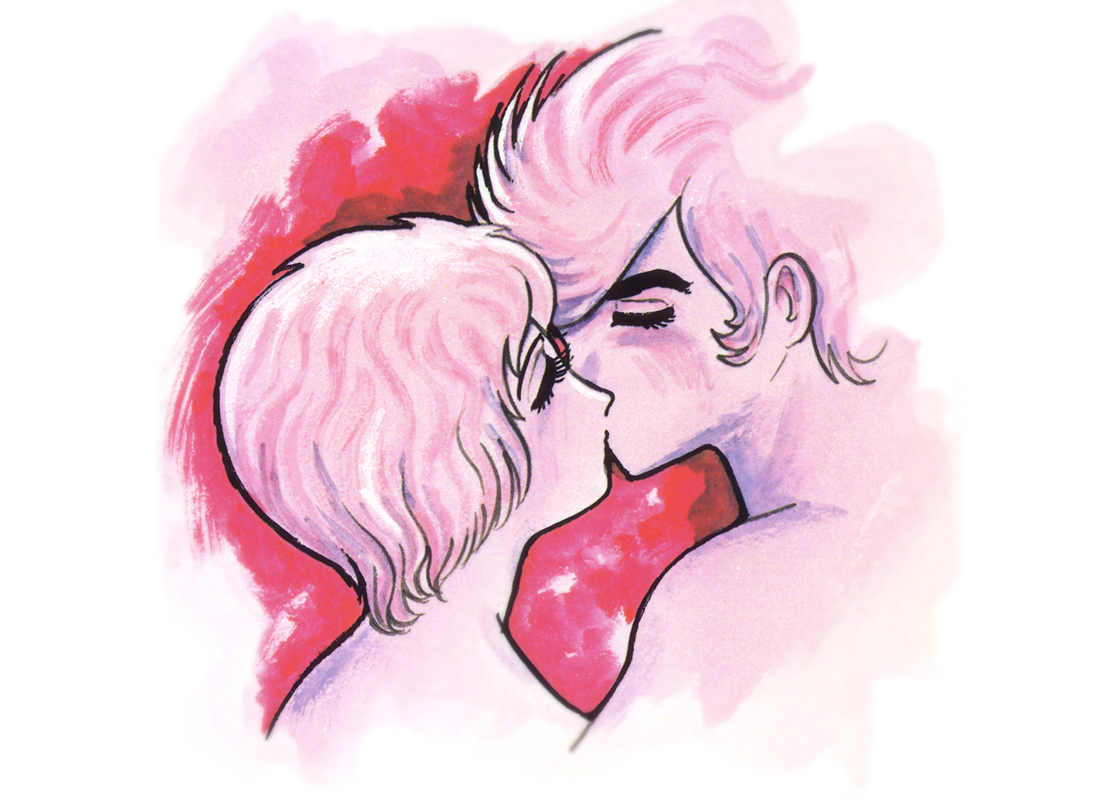
© Tezuka Productions / Shonen Gahosha / Kodansha / Vertical, Inc.
Apollo’s Song is a coming-of-age sci-fi manga whose marrow is seeped into the stew of the adult-oriented manga genre called Gekiga, which Tezuka is credited with helping spearhead. Unlike other works by Tezuka, whose aesthetics give off a Disney-like whimsy, Gekiga is a genre defined by political unease, film noir, and, more importantly, young boys and men thumbing through manga less for their stories than on the off chance they’d see something titillating.
In my humble estimation, gekiga, like Osamu’s own illustrious list of mangaka he’d inspired, is the origin point for seinen and josei as an aged-up storytelling genre. And Apollo’s Song is the ginger root from which they derive their complex, emotionally volatile storytelling.
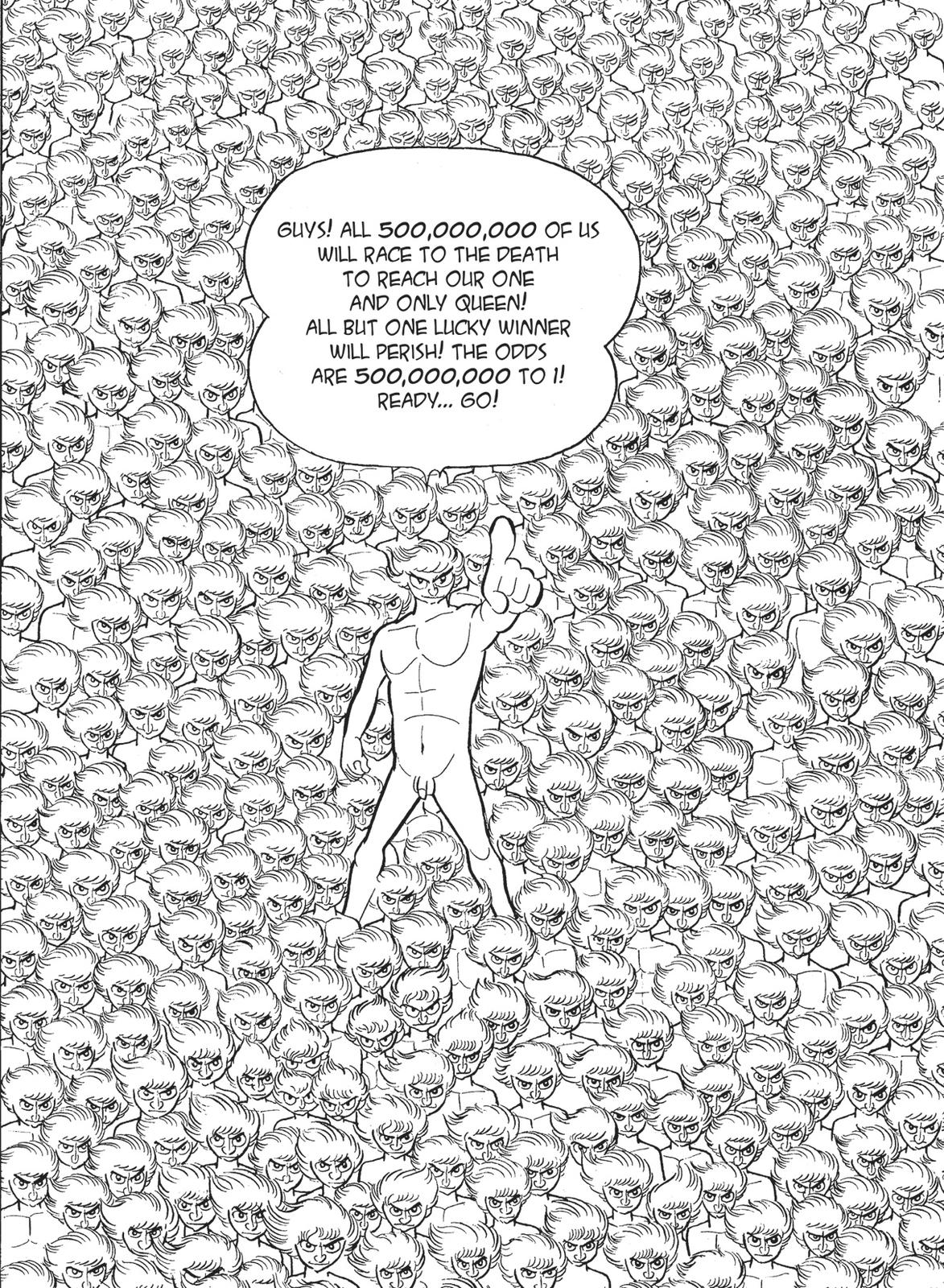
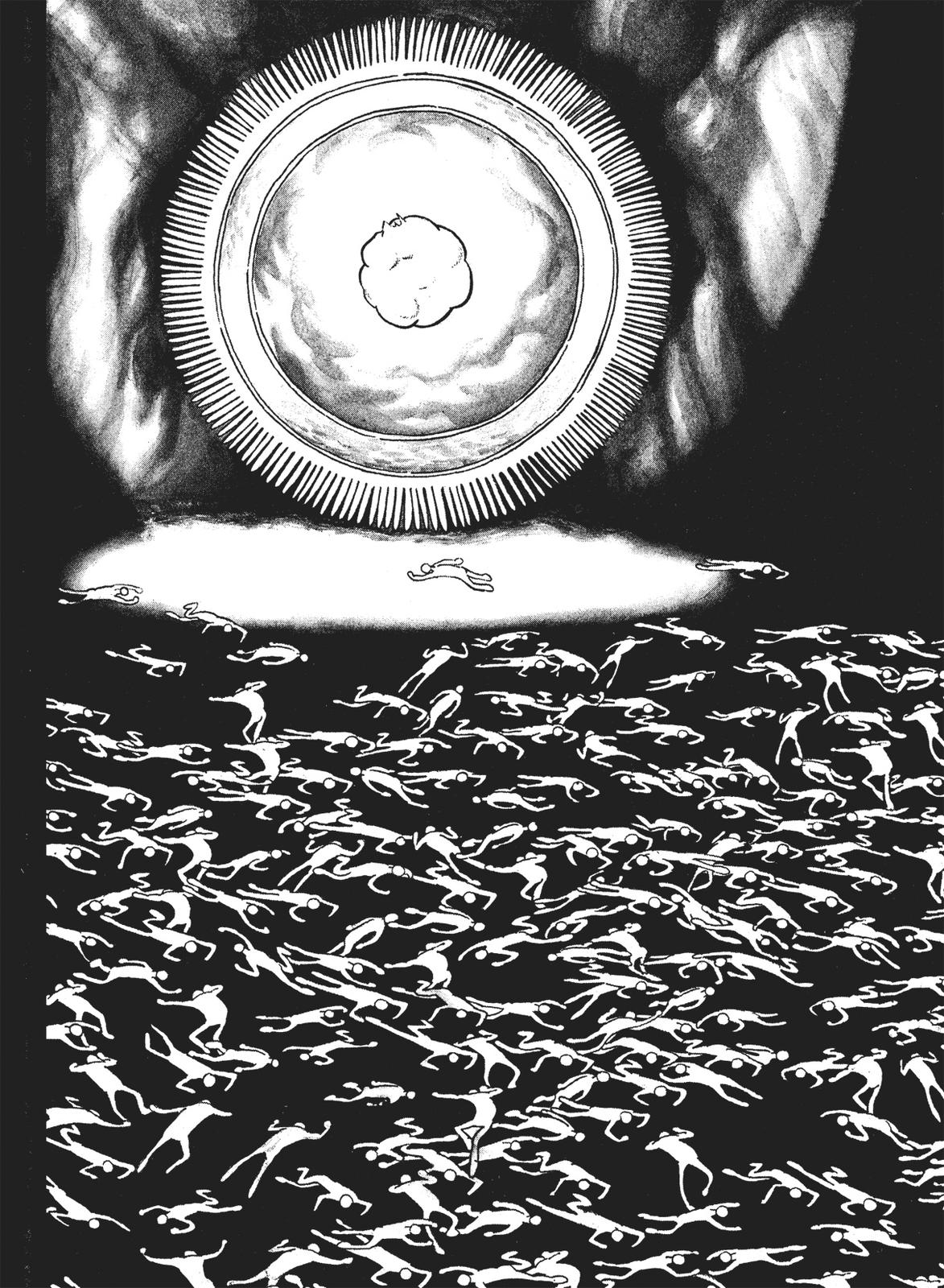
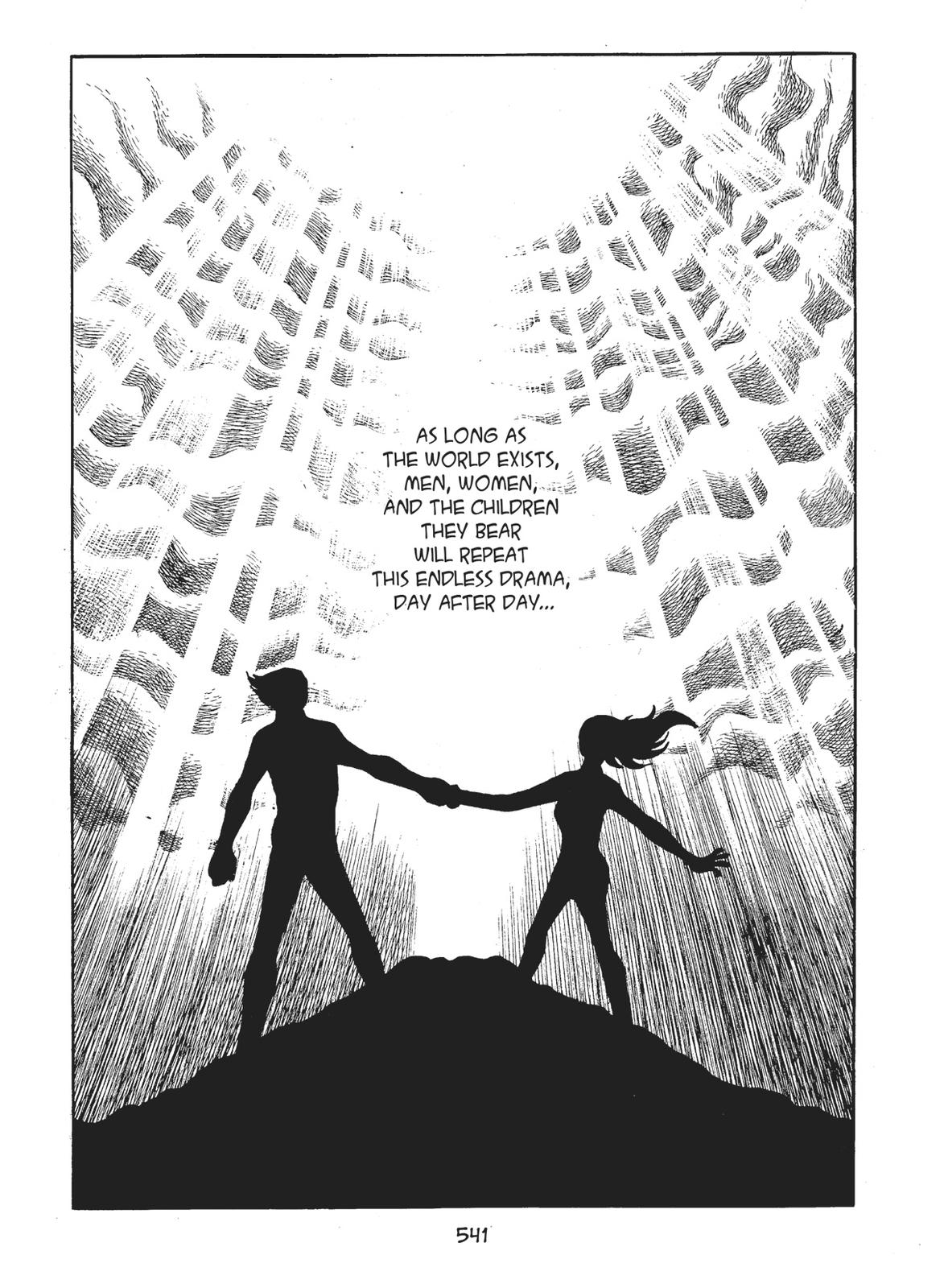
Apollo’s Song opens with the most arresting depiction of conception in manga. Its prologue sees a troop of burly men—500,000,000 strong—break for it through cavernous fallopian tubes to be the first to reach their destiny: their beloved queen. Those left behind lie in a mountainous heap, dead. Meanwhile, the chosen one receives the queen’s embrace, melts with her into an embryo. Afterward, readers are left with the silhouettes of a man and a woman standing hand in hand before glorious God rays, with a message that serves as both a warning and a premonition for the bereft love story to follow.
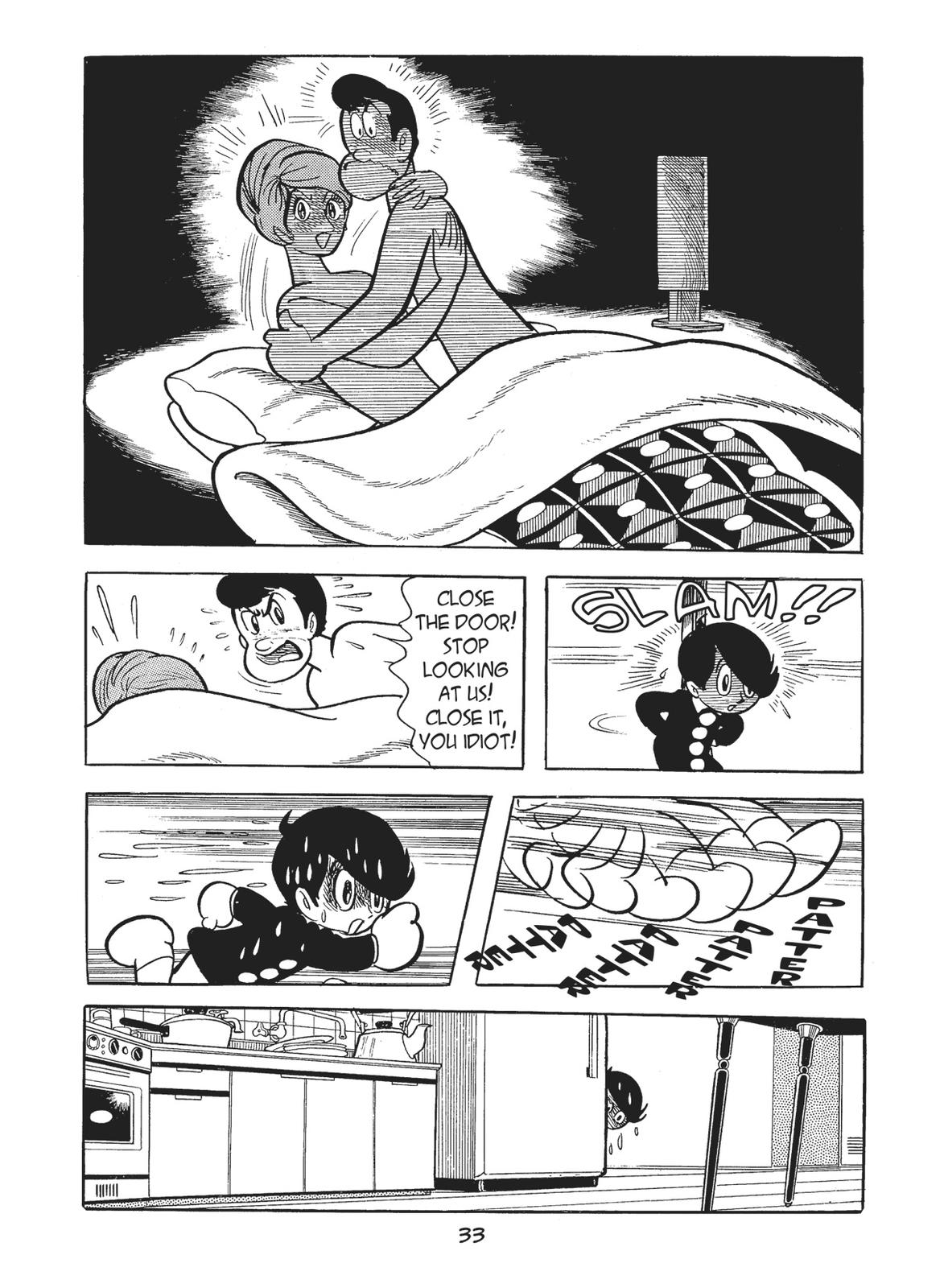
But that’s not important right now. What’s important is the rehabilitation of our far-gone hero, Shogo. Shogo’s a young man whose psychosexual and emotional damage is so extensive that it would kill Sigmund Freud. Early on, readers learn that Shogo’s Freudian plight stems from witnessing his mother being intimate with a Rolodex of men he assumed were his fathers as a neglected child. After one shocking night catching his mother doing the beast with two backs with a gentleman, Shogo’s mother physically abused him. Shogo grows up as a maladjusted adult who loathes love and has a compulsion to kill animals and human beings whenever they display signs of affection.
Shogo’s baggage is so detrimental that both mortals and the gods are intervening. While a doctor puts Shogo through the paces with human rights-violating hypnosis and shock therapy, the gods have cursed him with repeatedly falling in love with a woman, across time and space, only to have one of them die, Three Thousand Years of Longing style. If you’re wondering whether Apollo’s Song treats the latter as a dream sequence interplaying while Shogo loses consciousness from the former, or if it’s a real supernatural phenomenon happening to him, the manga answers that binary question with a flat yes—it is real, and it is actually happening.
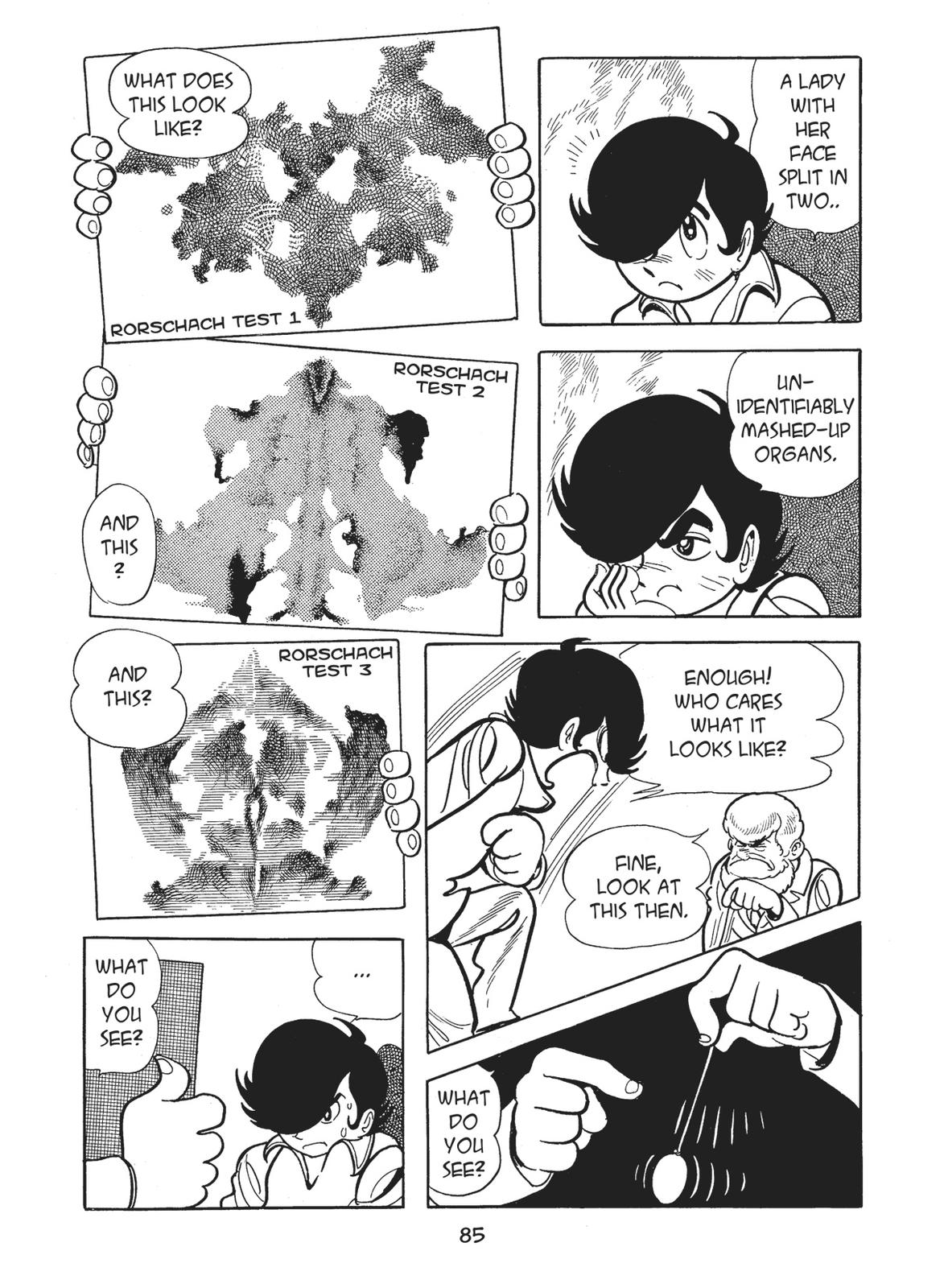
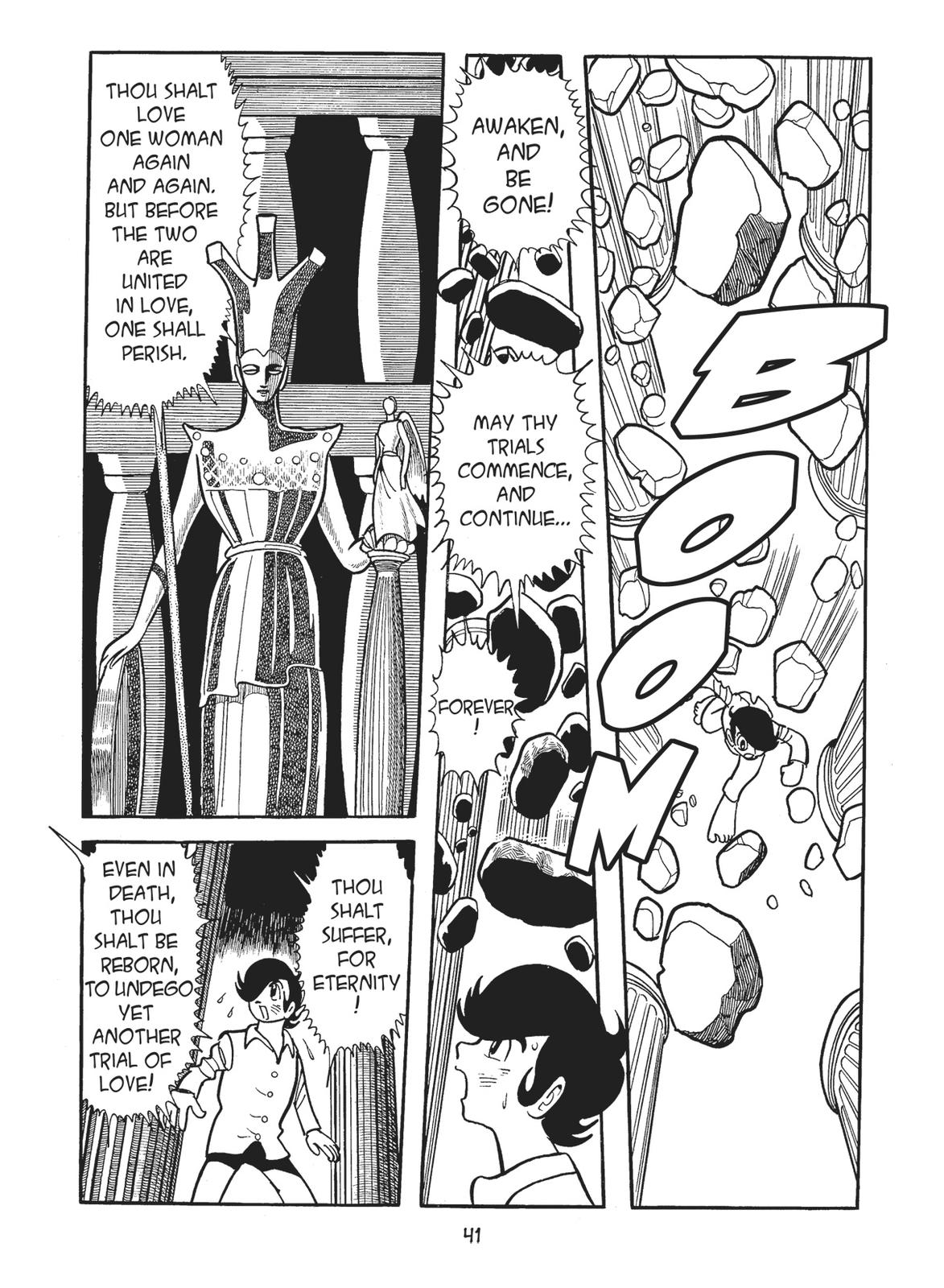
© Tezuka Productions / Shonen Gahosha / Kodansha / Vertical, Inc.
Throughout the five chapters of Apollo’s Song, I read as Tezuka brought Shogo’s psyche to a boil and blew away the foam building up over the pot before it threatened to spill over, depicting him and his paramour as a Nazi soldier and a Jewish prisoner during World War II, and as a pilot and a journalist sequestered on a volcanic island run by harmonious and horny animals. Despite how ridiculous their set-ups were, they’d always end with Shogo having his heart ripped from his chest, witnessing his lover die. And each time it happened, Shogo would slowly turn from a jaded, red-pilled disaster to something resembling a human being. But the tale that got the most time, and stuck with me the deepest, was Queen Sigma.
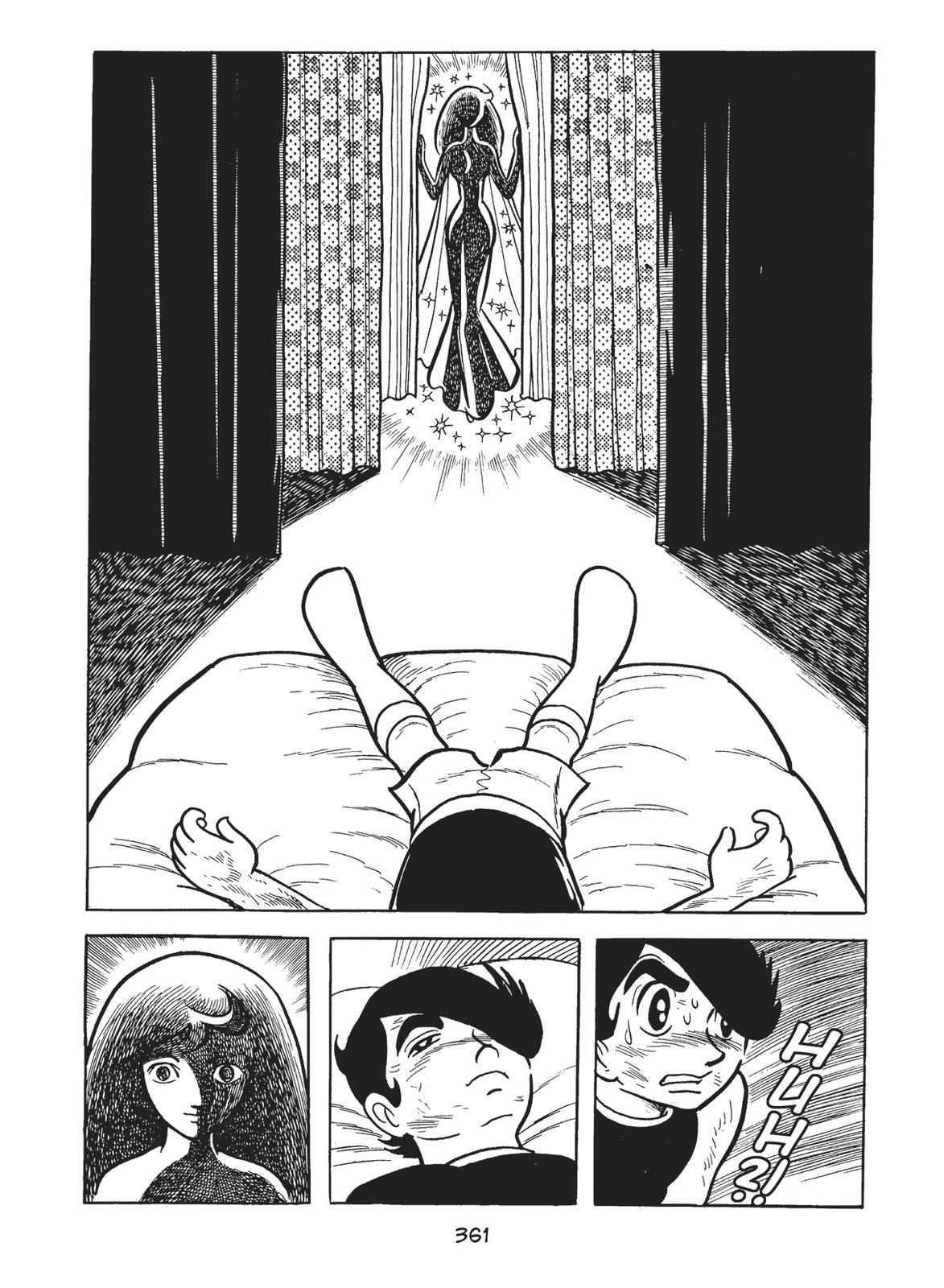
Queen Sigma sees Shogo whisked away to the year 2030. Their homosapiens are ruled by homo lacteans, synth robots made in our image who’ve punched past the ceiling of humanity’s ecological ruin, and are perfectly embodied in their sandblasting half of Mount Fuji to make a data-center Metropolis.
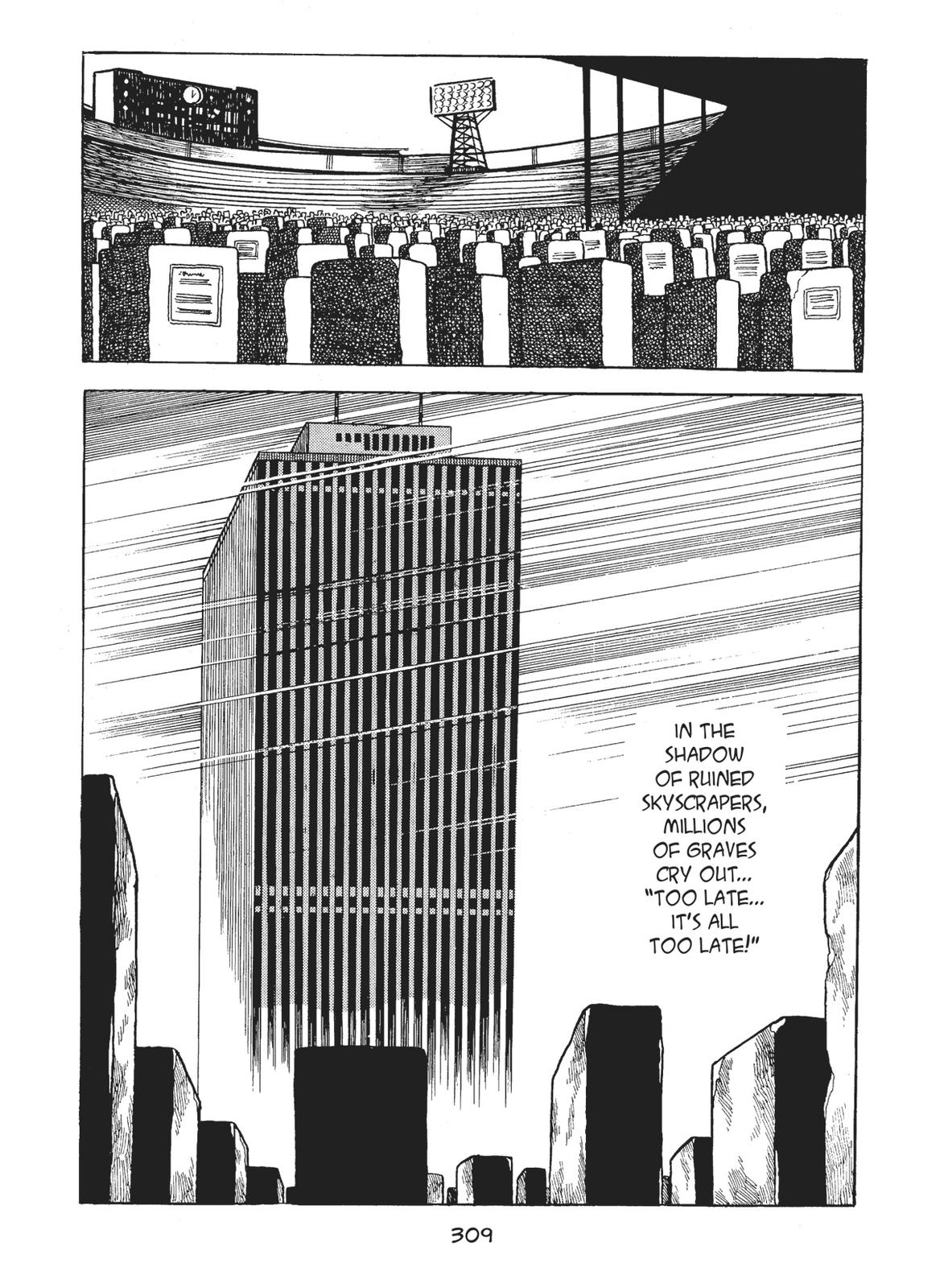
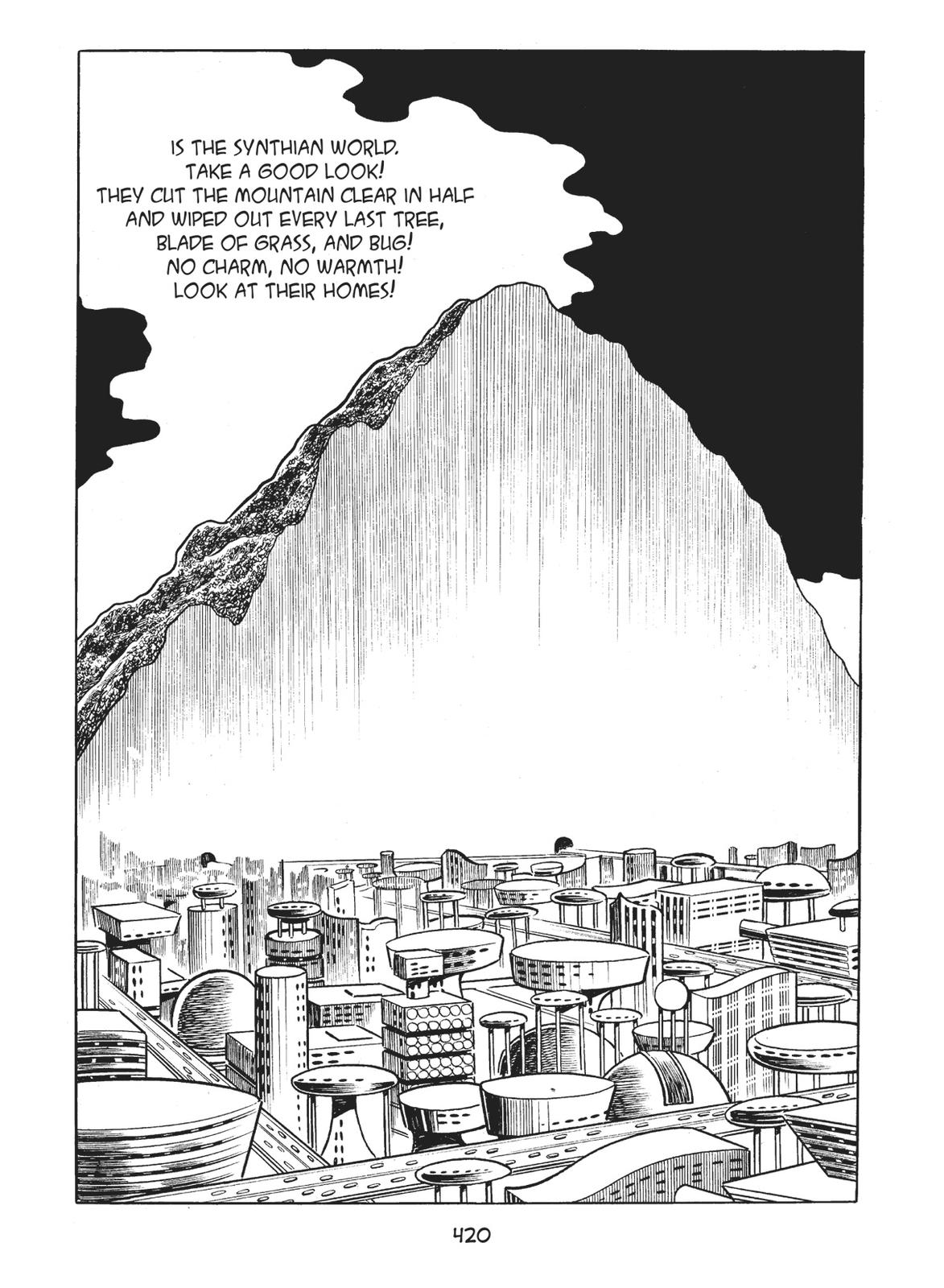
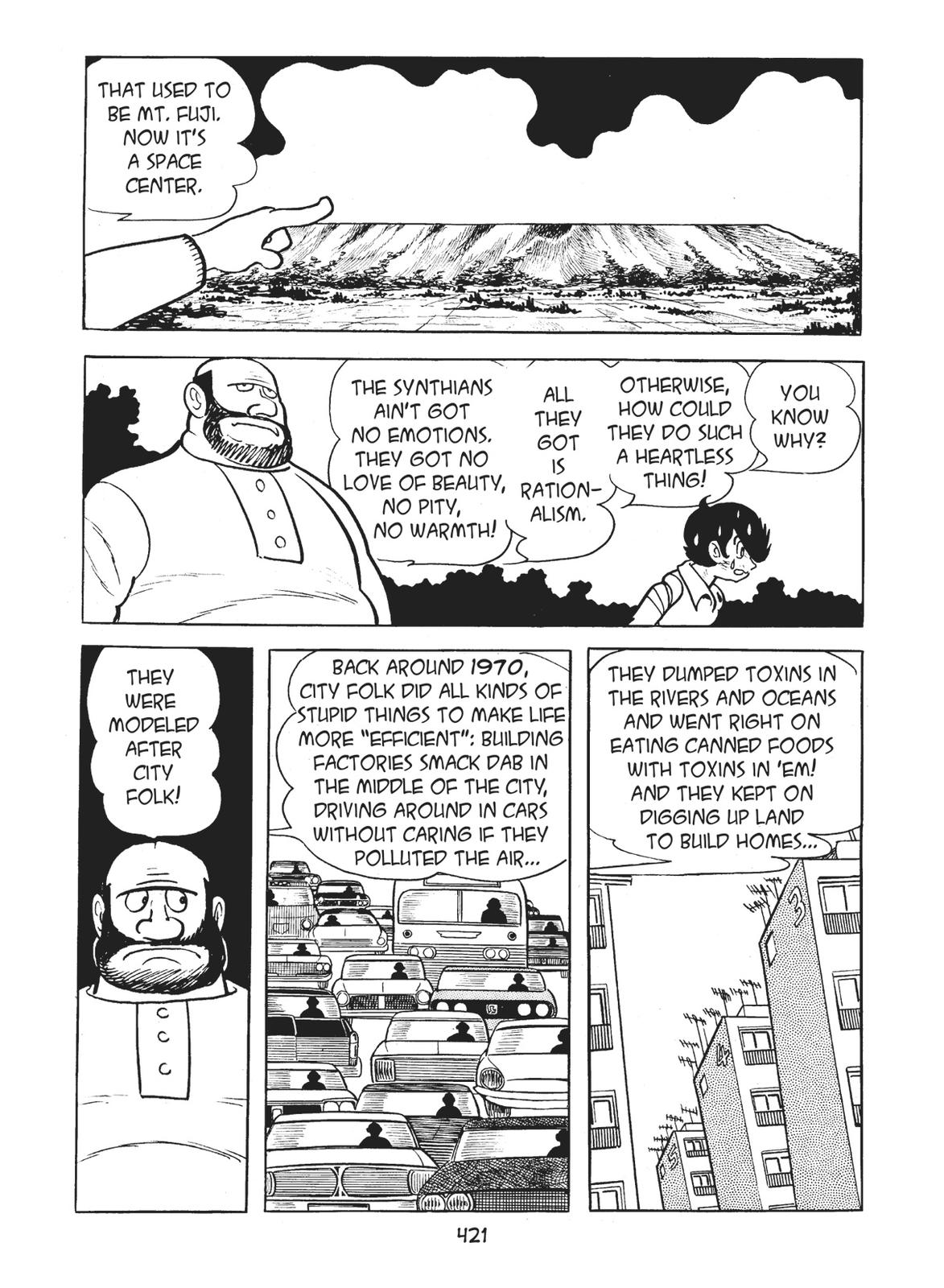
© Tezuka Productions / Shonen Gahosha / Kodansha / Vertical, Inc.
Things are so fucked, entire cities and baseball fields are marked by a sea of gravestones in the shadow of skyscrapers. Shogo’s mission is to infiltrate the synth kingdom and kill its eponymous queen using a bomb implanted in his molar. The Queen, however, has other plans. Namely, to witness Shogo make love with a woman to understand human intimacy and complete their mimicry of us.
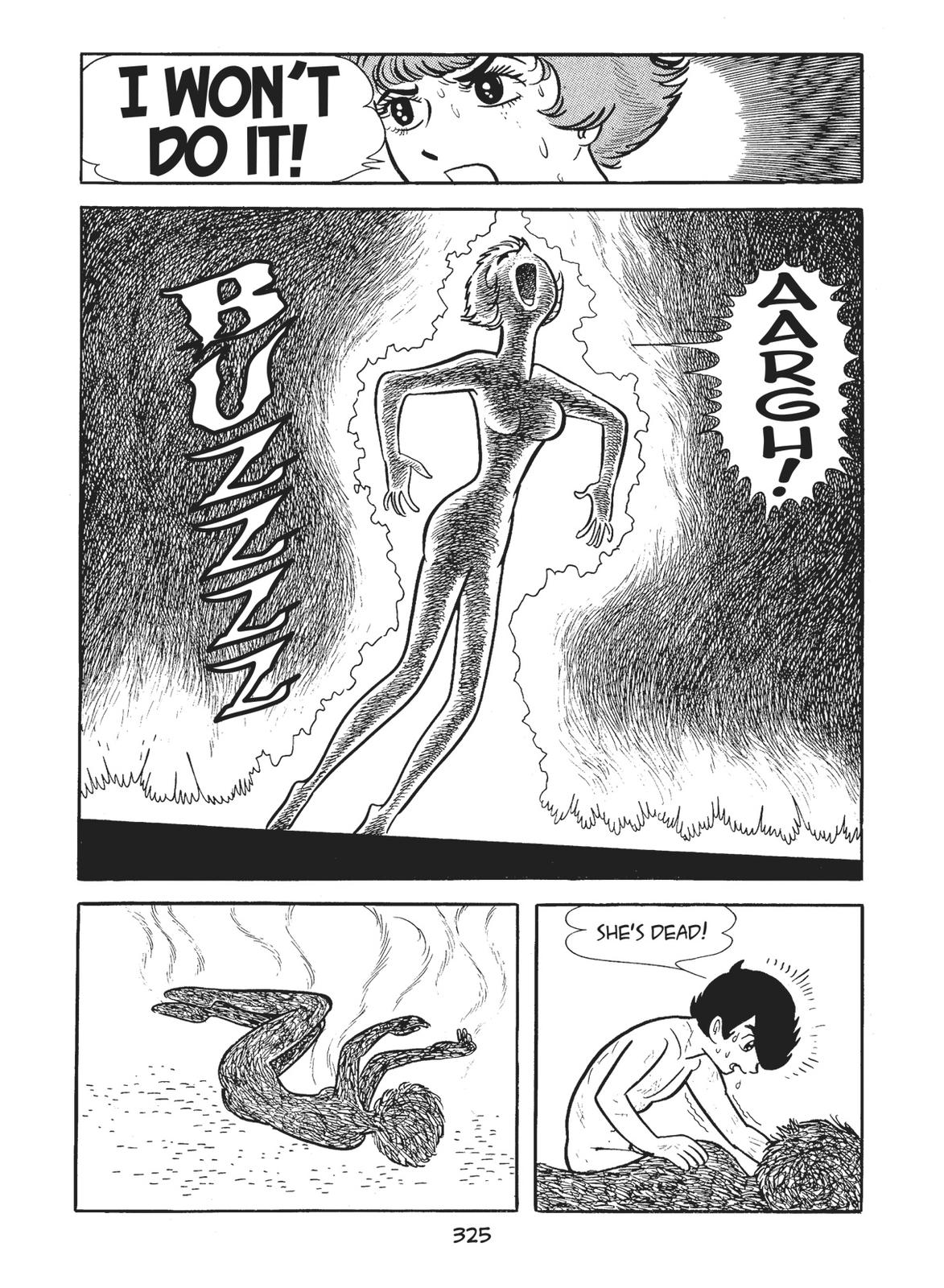
After Biden blasting his would-be mate, Shogo and Queen Sigma engage in a hot and heavy tug-of-war where she desires to be intimate with him to learn what love is—going so far as to get human genitalia grafted onto her—and he kills her, only for her to reanimate like a robot from Westworld. This goes on for some time until Shogo gives up, and the two have a conversation about love.
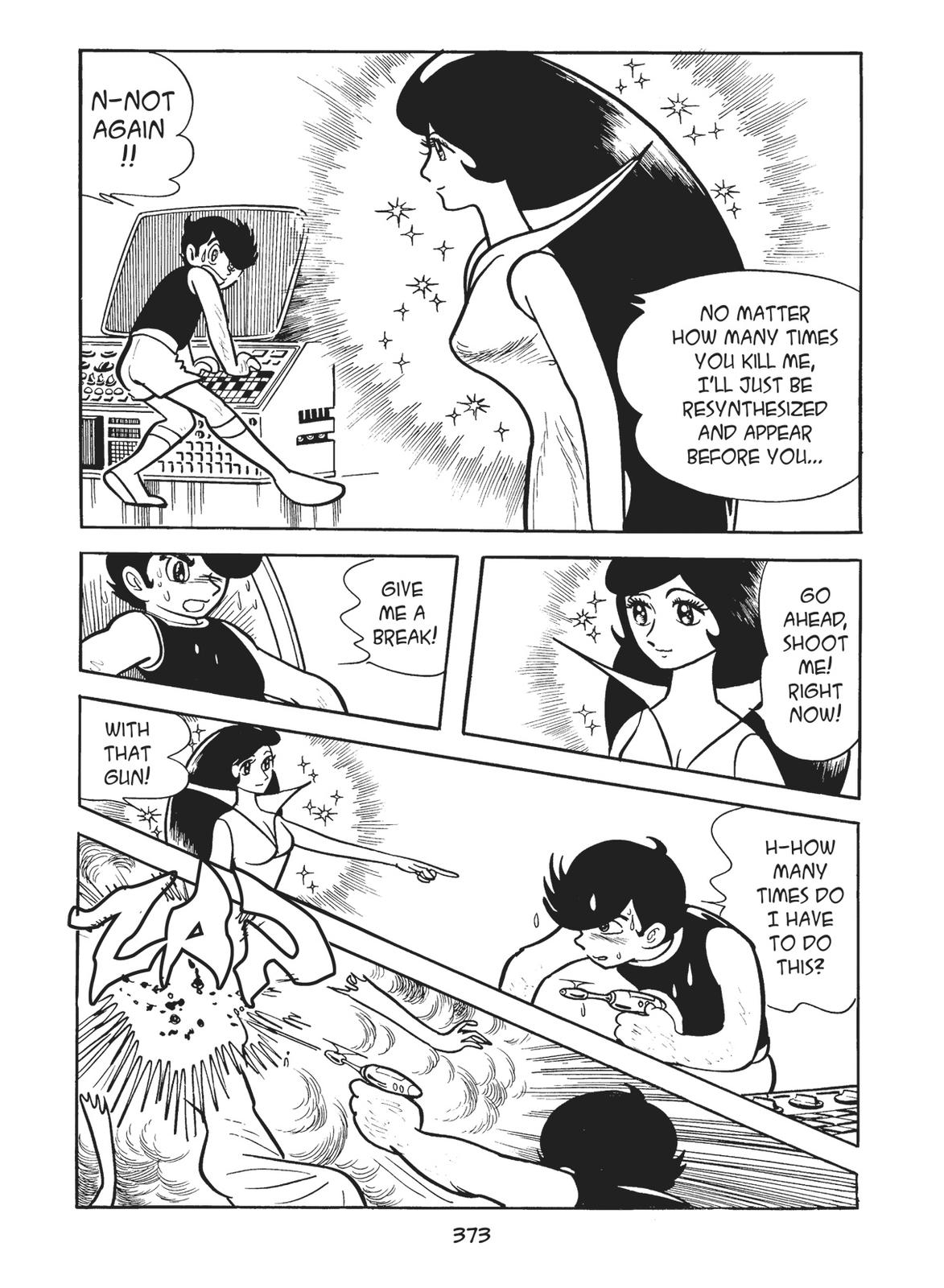
It’s here that he flashes back to the day he stormed out after a fight with his mom—only to nearly get clipped by a car the second he hit the street. For one suspended moment, they locked eyes, both terrified for the other, despite having sworn each other off minutes earlier. That’s the moment he finally gets it: love isn’t just dry kisses from a mother, wet kisses from a lover, or sex. Love is messy, contradictory, impossible to disentangle.
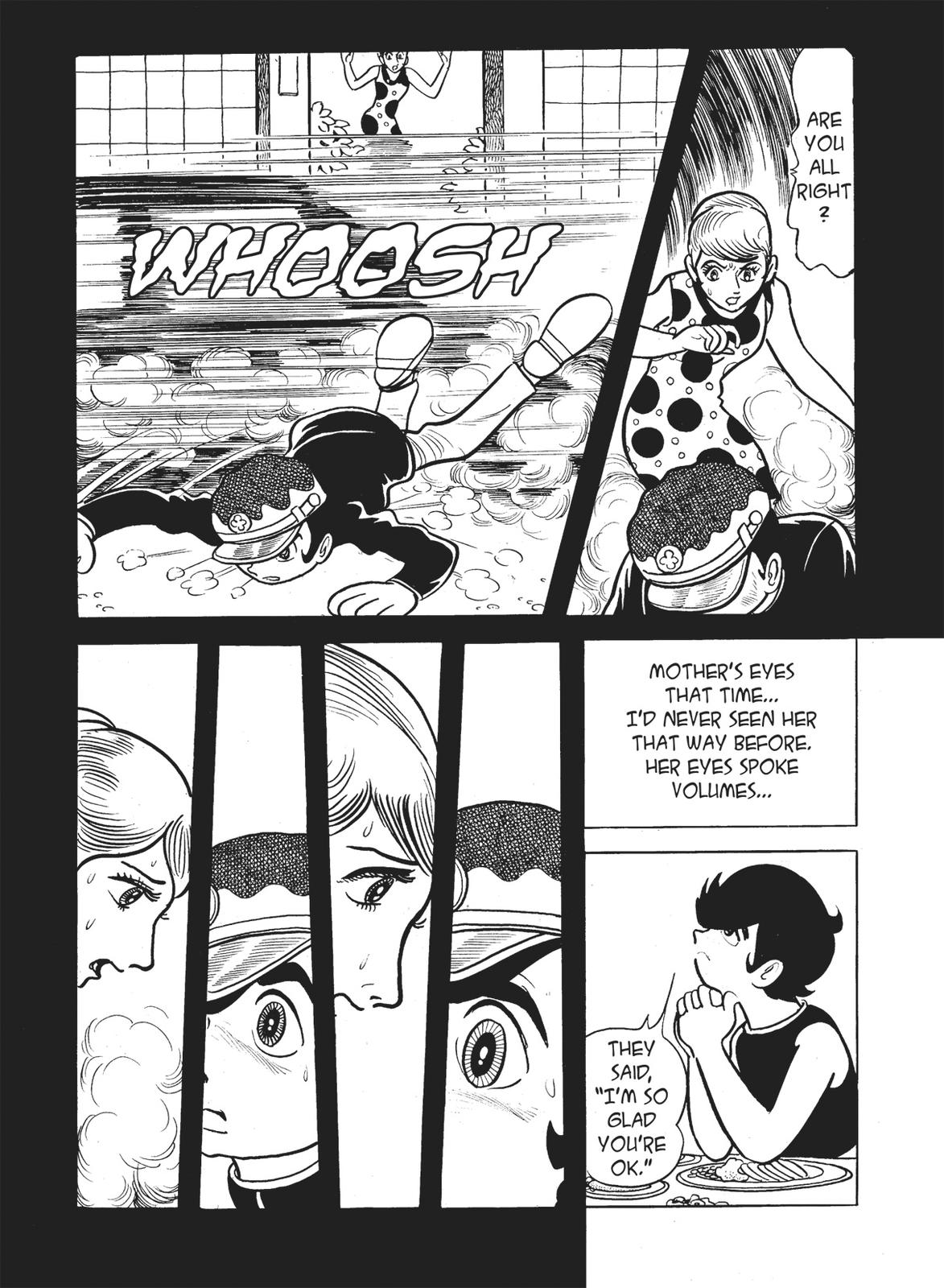
Things only get uglier from there. The synth kingdom, horrified that Queen Sigma has actually fallen for Shogo, mutilates her, mass‑produces copies of her, and tosses the two of them into the street to be lynched. What none of her loyalists grasp is that every clone of their queen will eventually wake up still pining for Shogo—and each one will be met by a clone of him (don’t ask) created before he ever caught feelings for the mannequin monarch.
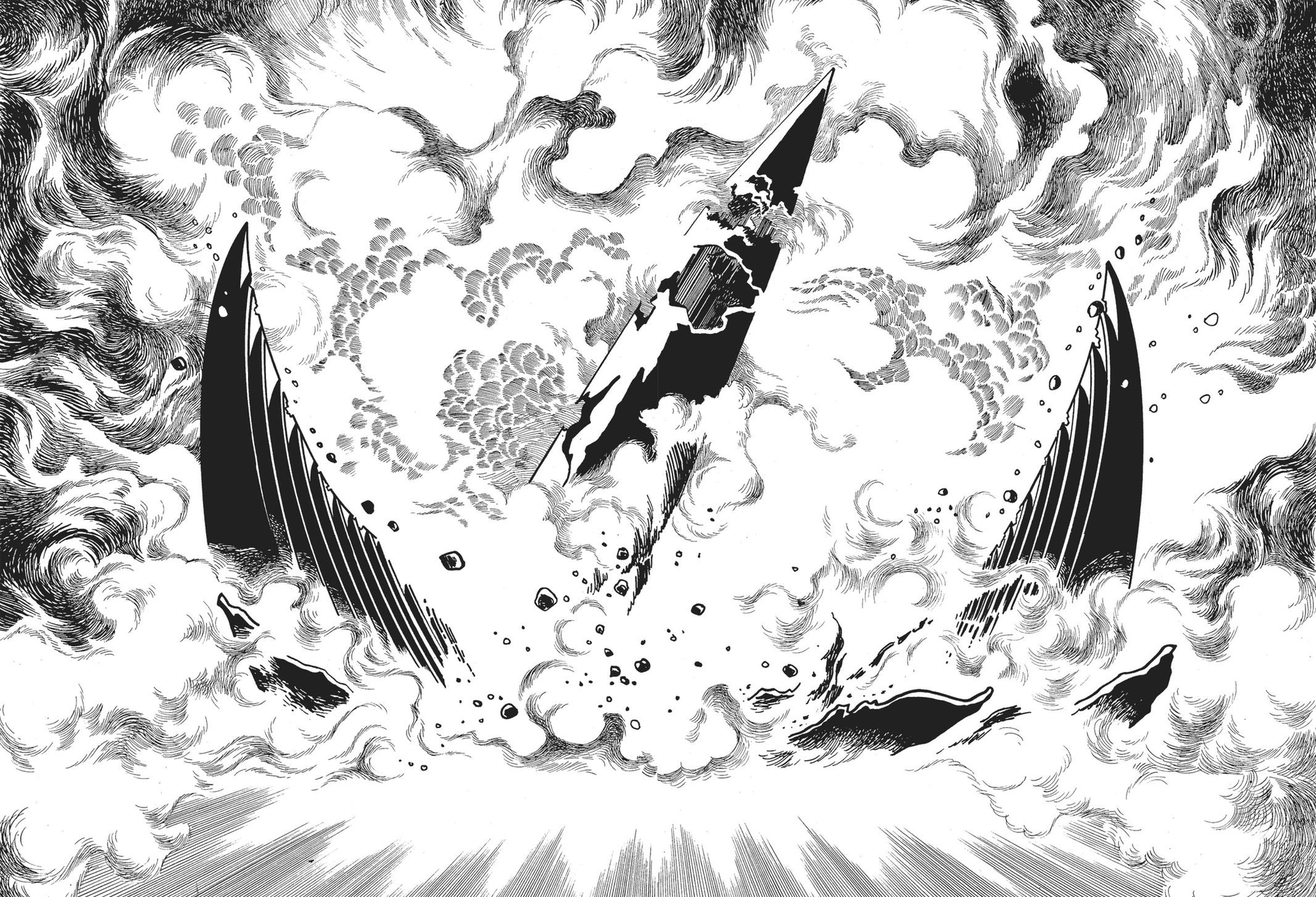
Things end in tragedy here as well, but in a way that feels so outlandish and poetic, predicting how silly it is for folks today to fall in love with AI while giving bystanders the ick. The chapter ends with Queen Sigma carrying Shogo’s carcass (for the first time in their cursed reincarnations), wishing that their atoms would blend and become one high in the skies before they detonate in a fiery doublespread.
Despite its more temperamental story in comparison to Tezuka’s other works, Apollo’s Song isn’t above its own modern-day reimaginings either. In fact, it received a live-action J-drama in 2025 starring Akari Takaishi of Baby Assassin’s fame.
No back-of-the-book quote quite captures the paradoxical intrigue of Apollo’s Song's Western localization by Vertical Inc. in 2010 as succinctly as Newsweek’s:
“Maybe it’s a good thing Apollo’s Song wasn’t published in the West [earlier]. Had it appeared here when it first came out, its peculiarity would surely have been dismissed. But now comics sit at the table with the grown-ups, and we should clear a space at the head for Osamu Tezuka and his oddball masterpiece.”
Apollo’s Song is a work that’s both slightly antiquated and somehow future‑proof in the way it dissects love and the paranoia‑soaked forces that misshape it, guiding its characters toward ruin and, occasionally, a fleeting embrace. It’s also a psychosexual work so unruly it threatens to burst out of the margins of its own panels and spill onto the floor. Yet, even at its most rudderless, Apollo’s Song manages to get there in the end, striking at something moving, true, and ungracefully human. That’s to say, it threads the needle, weaving a tale as stirring as the Greek myth of Apollo and Daphne that crowns its final chapters. It’s tragic, horny as hell, a little bit funny, and a testament to Tezuka’s genius storytelling being every bit as worth reading now as it was then.
Recommended
 Isaiah Colbert