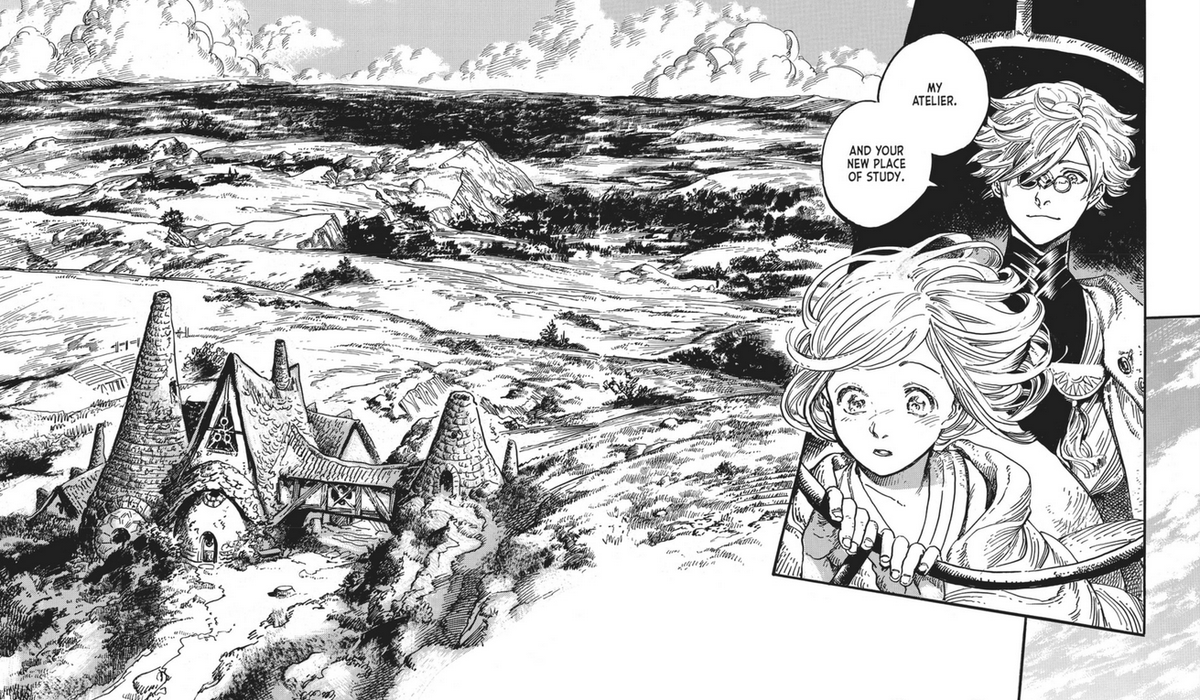
My favorite thing about manga is its god-given ability to broach prescient, heady, and uncomfortable topics, like war, in digestible ways. Sometimes, war manga are about a Viking’s hard road toward pacifism and depressed kids seeking validation inside the cockpit of a giant robot; other times, it's cute girls cheerleading the troops from the sidelines. Cocoon is a manga belonging to the latter camp that absolutely doesn’t pull its punches.
Based on a true story, Cocoon by Machiko Kyo is a medical historical drama manga that recently received an English translation from Viz Media. Despite its warm, floral Little Golden Books artistry, Cocoon is a genuine josei manga that doesn’t blink away at the earnest way it portrays the horrors and tragedy of war. I received an early copy of Cocoon from Viz Media ahead of its release on June 16. After spending an otherwise chill Sunday evening reading Cocoon, I was broken in a way that I’ll never forget.
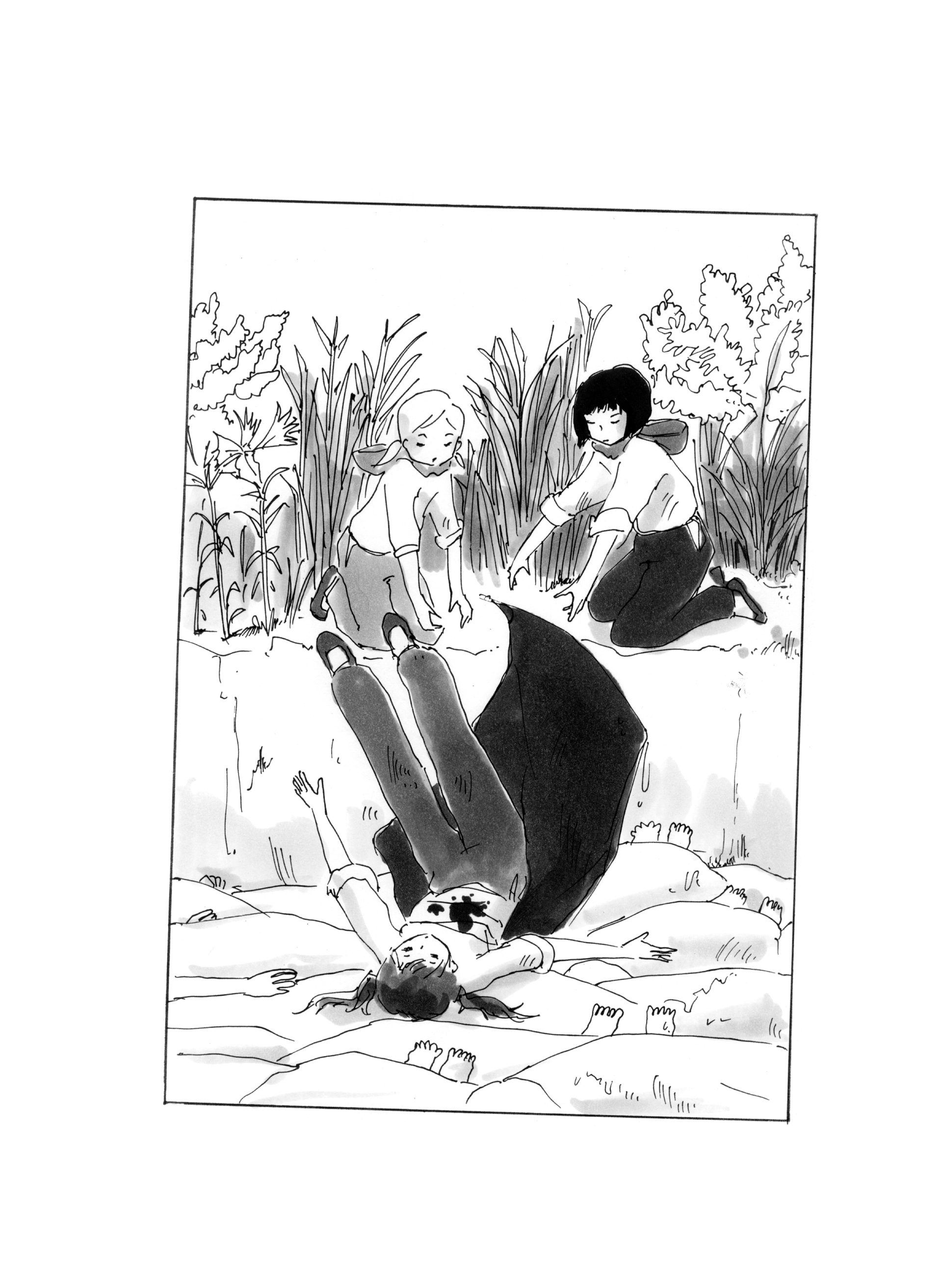
Cocoon follows a bubbly girl named San and her no-nonsense bosom buddy, Mayu. San and Mayu’s futures were shining brightly ahead of them until their studies at a prestigious boarding school in Okinawa were interrupted. They’re recruited as nurse assistants for the Japanese Army. This isn’t a stint in their ensemble of hopeful, doe-eyed high school girls. It’s World War II.
Instead of feeling profoundly crestfallen at the very real prospect that their lives could be cut short before they ever truly began, San and company compartmentalize their tour as field nurses with the same vigor as going to a sleep-away camp. The collective’s unimaginable display of patriotism ripples from San’s infectiously optimistic desire to pitch in as best she can to help others—and her dream of everyone finding their way back home.
Even with the cheat code of having the power of friendship on her side, Cocoon drags San and her pals across the frontlines of presumed safe zones with the hard truth that nothing in this world is assured, including living to see another tomorrow.
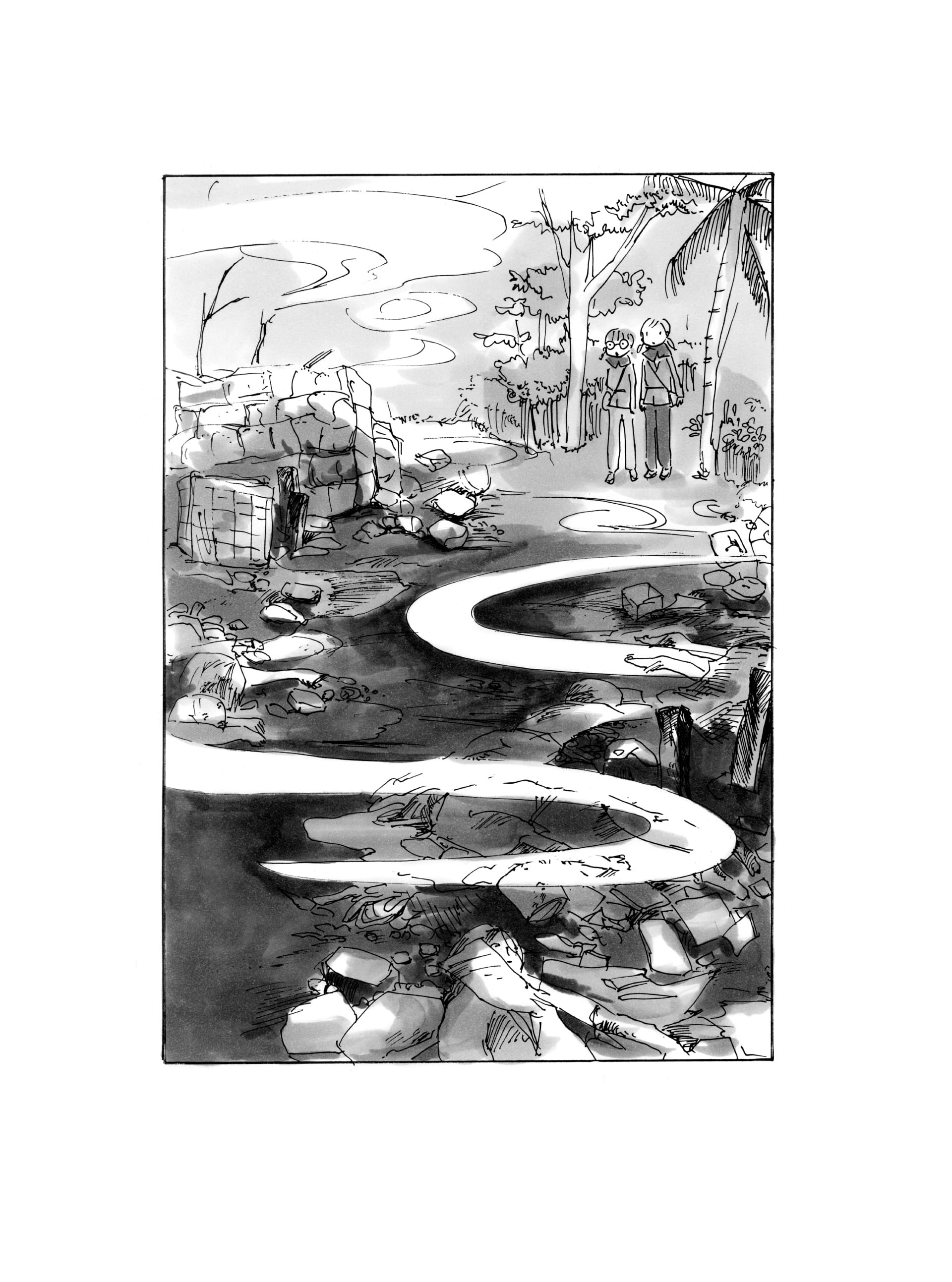
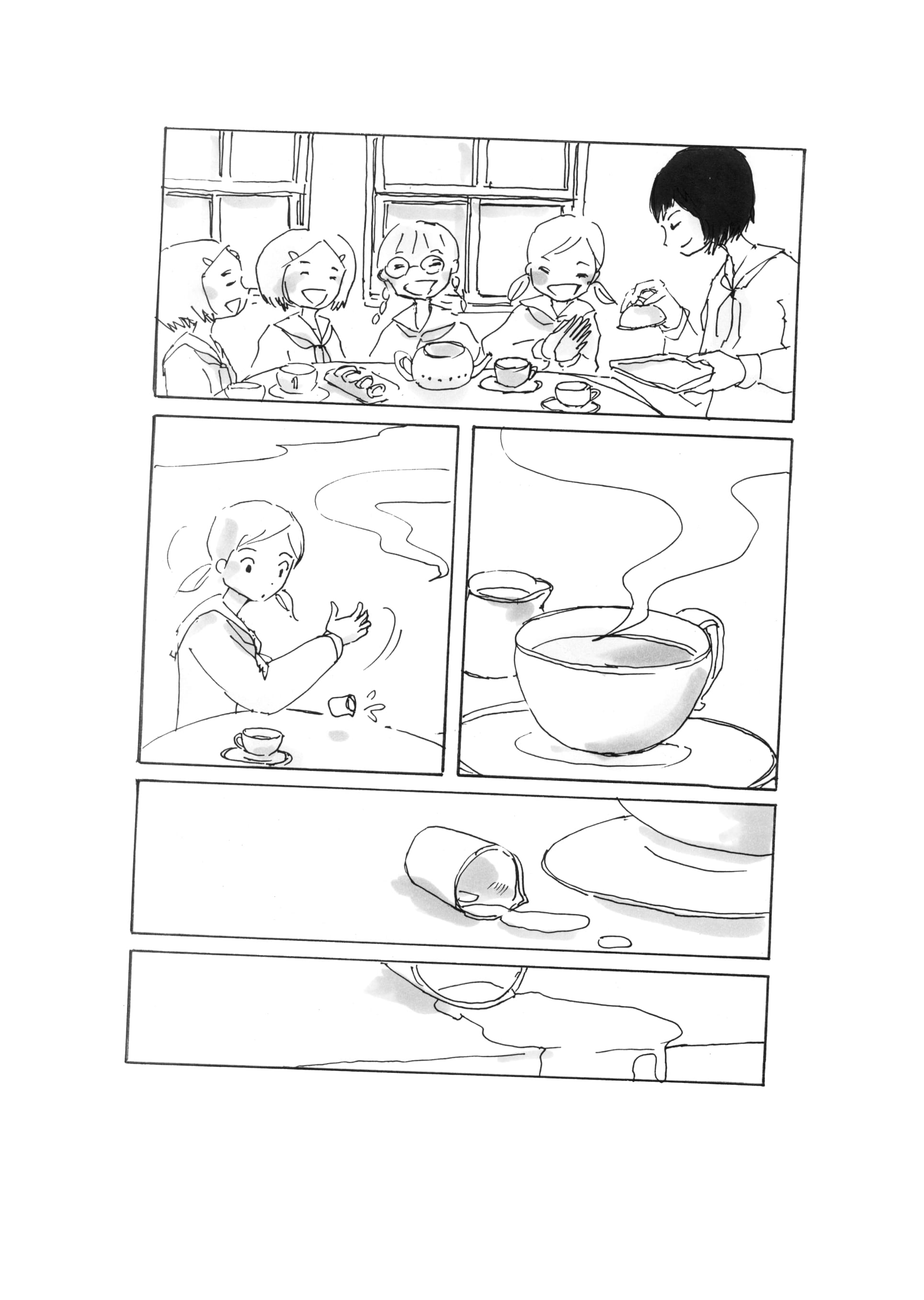
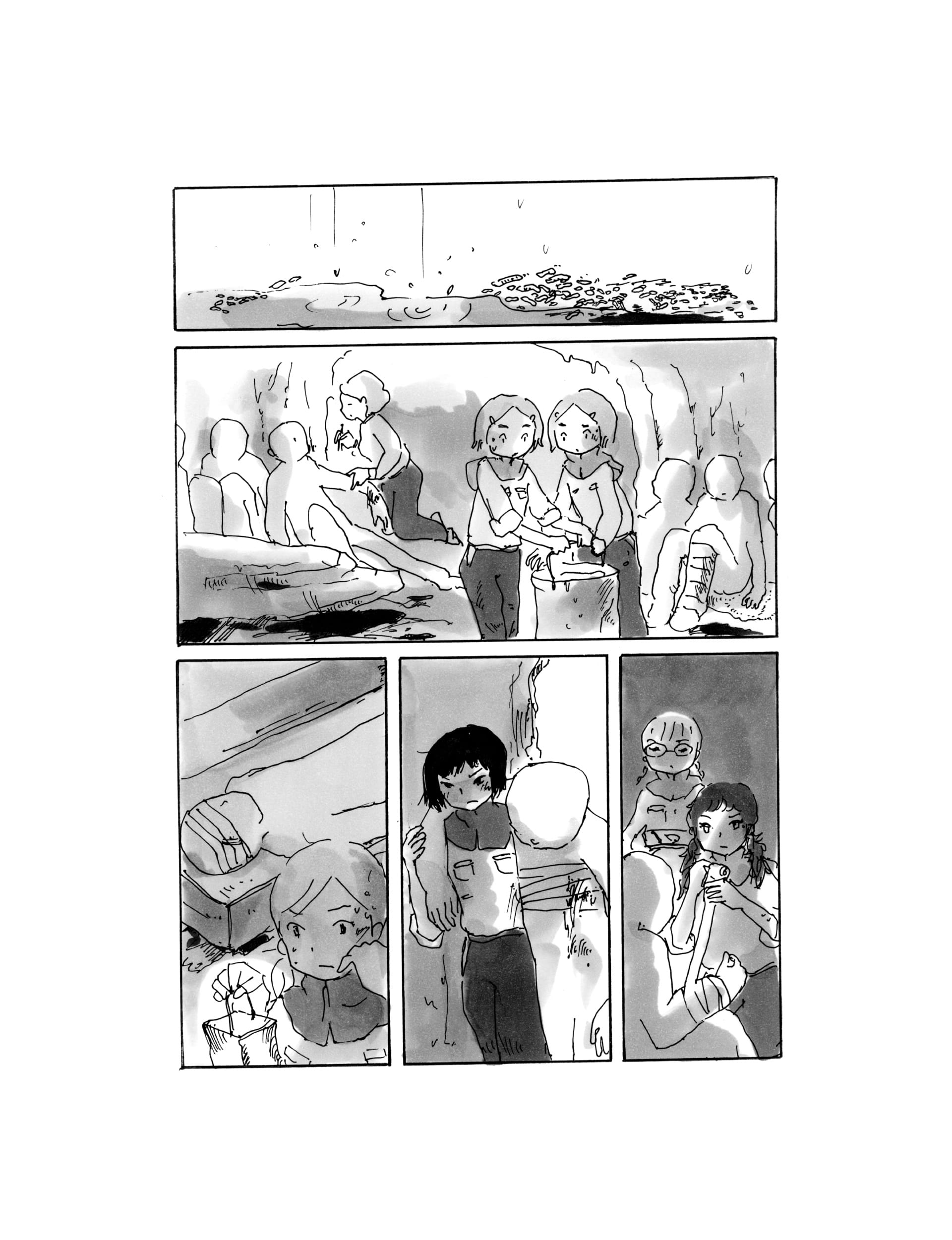
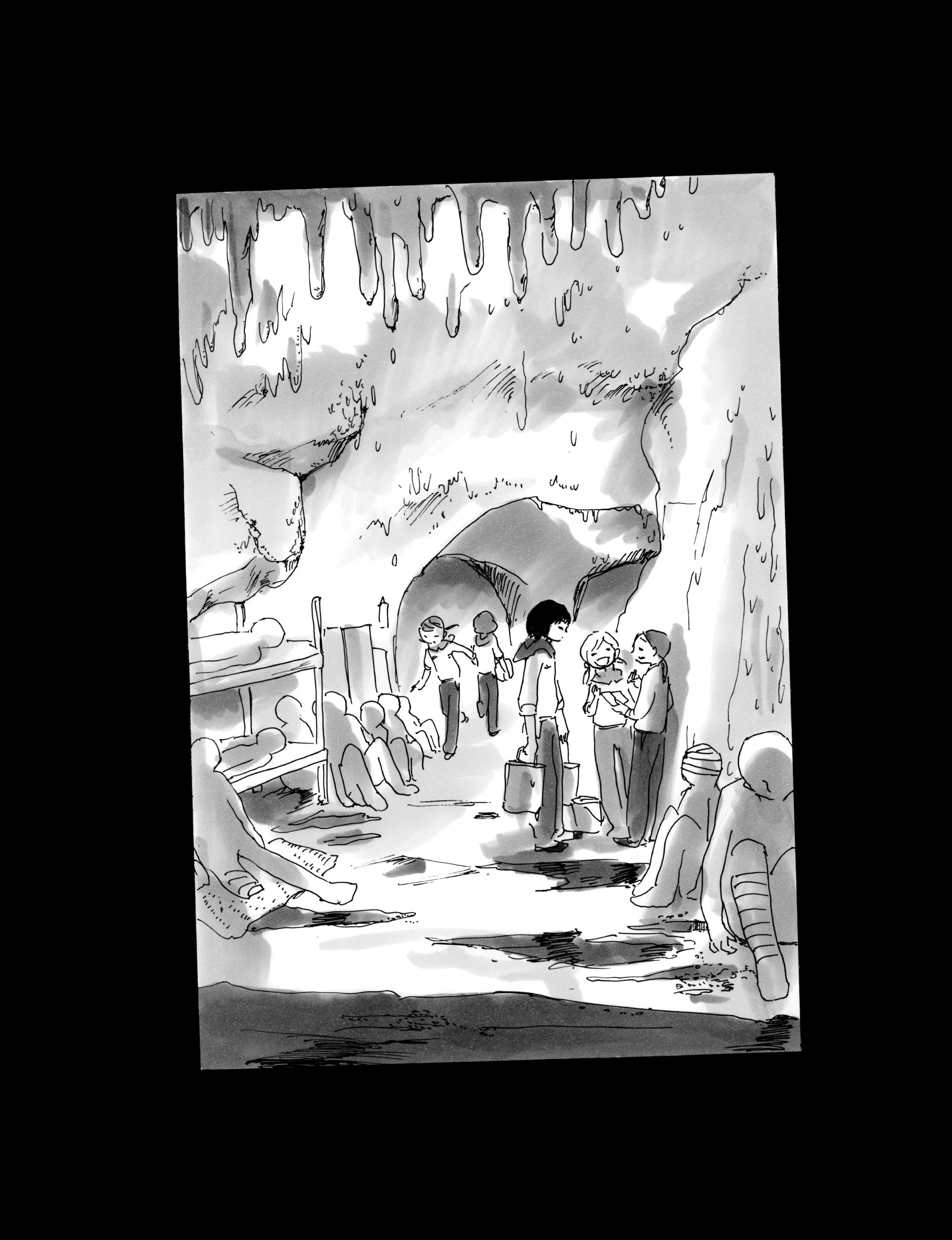
© Machiko Kyo / Viz Media
If anything could be used to fight a cruel reality and an undefeatable enemy, I thought the sweetness of our imaginations might be it.
What struck me most about Cocoon was that its early pages recalled the tension-breaking camaraderie of M*A*S*H*. Like the cast of the ‘70s CBS dramedy, Cocoon’s girls muscle being God’s toughest soldiers—dodging chemical bombs from enemy combatants from the safety of makeshift medical tents tucked away in caves—with laughter as the medicine. Whenever San’s not tasked with aiding wounded soldiers whose bodies have turned to spent firecrackers, she’s daydreaming about eating candy with her friends. If she’s not distracted by the daydream of candy, she’s heavily sighing over the day she’ll get to smell her mother’s soap again—an aroma that causes her to reflexively cup her face in her hands to remember her mom and to self-regulate her stress. Unfortunately, San and Mayu’s stress ramps up with each passing day as dangers from all sides—be they enemy combatants or their own fellow countrymen—push the girls' empathy as nurses past their boundaries as prepubescent girls in over their heads in nearly every imaginable and horrifying way possible.
That’s to say, Cocoon has strong content warnings for gore and sexual assault that betray its cutesty, unassuming painterly art style. The contradiction between Cocoon’s art style and themes is what makes it such an evocative and earnest look at war. It was also what progressively broke me as I flipped through reading all 220 pages of Kyo’s manga.
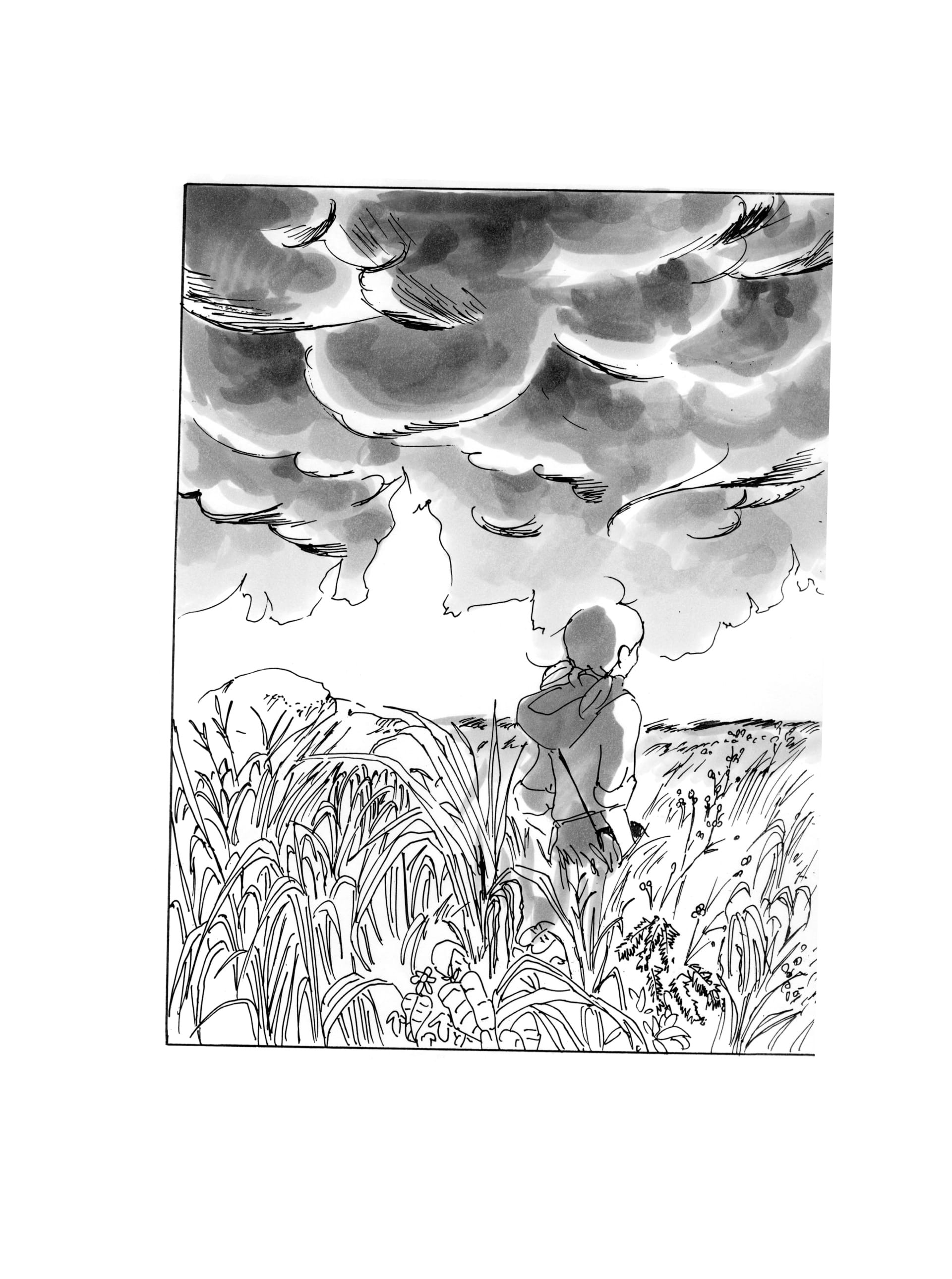
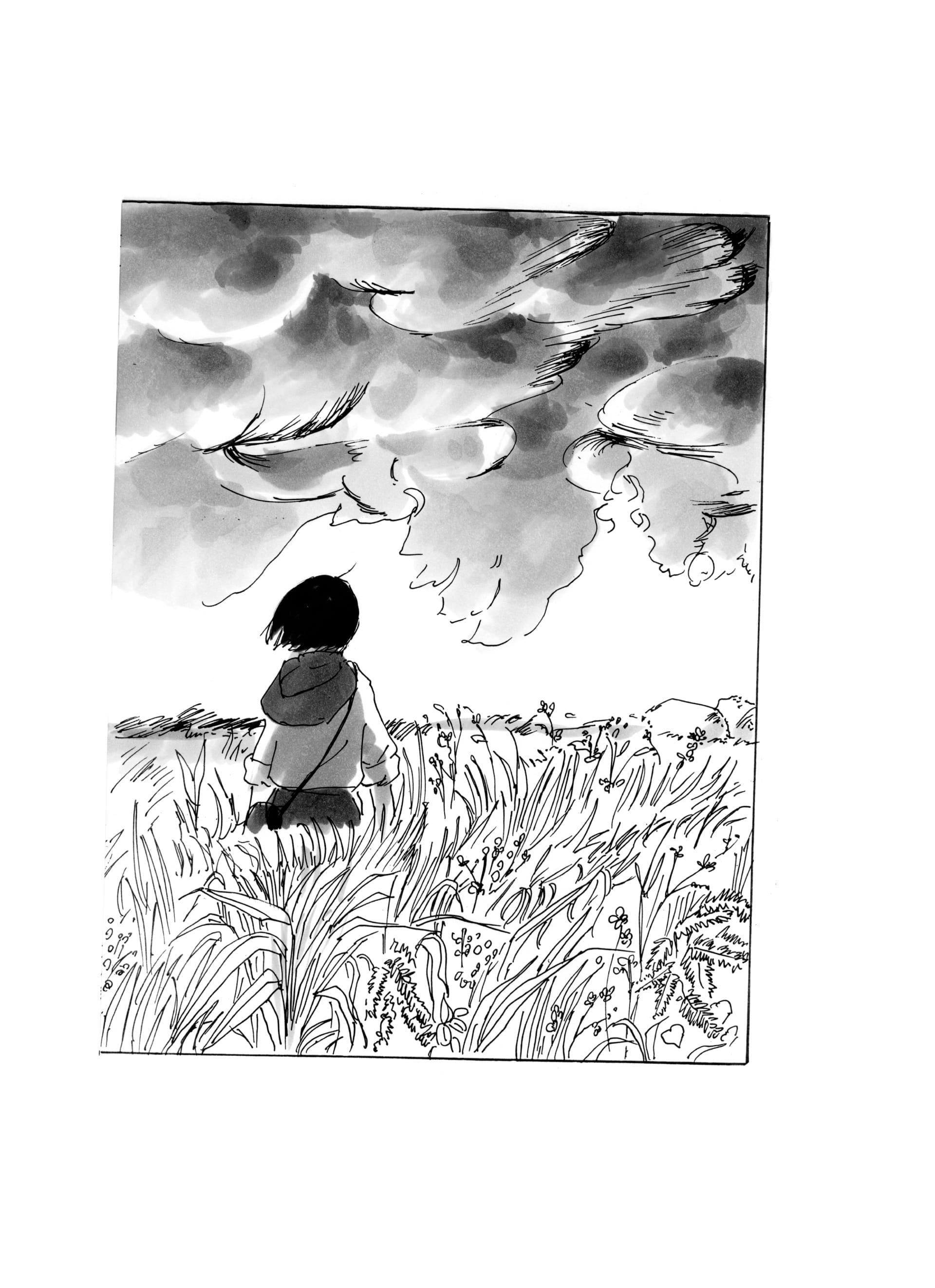
© Machiko Kyo / Viz Media
Perhaps sugar can corrode iron?
What makes Cocoon so brilliant is how it folds the dichotomy between its heavy themes and bubbly art style. To cope with the horrors of war around them and the long road ahead of her, Mayu shields San by instructing her to imagine a world where men are white shadows to get over her petrifying fear of being around them.
Mayu also coaxes San into retreating into a living daydream where she and their friends are shielded inside a silkworm's cocoon, protected from the outside world until the day they can emerge and live out their fantasies together. It's a beautiful lie that works when it works, but gradually San spirals into chaos as the horrors of war break the immersion she’s built for herself and her friends as they begin to unceremoniously drop like flies.
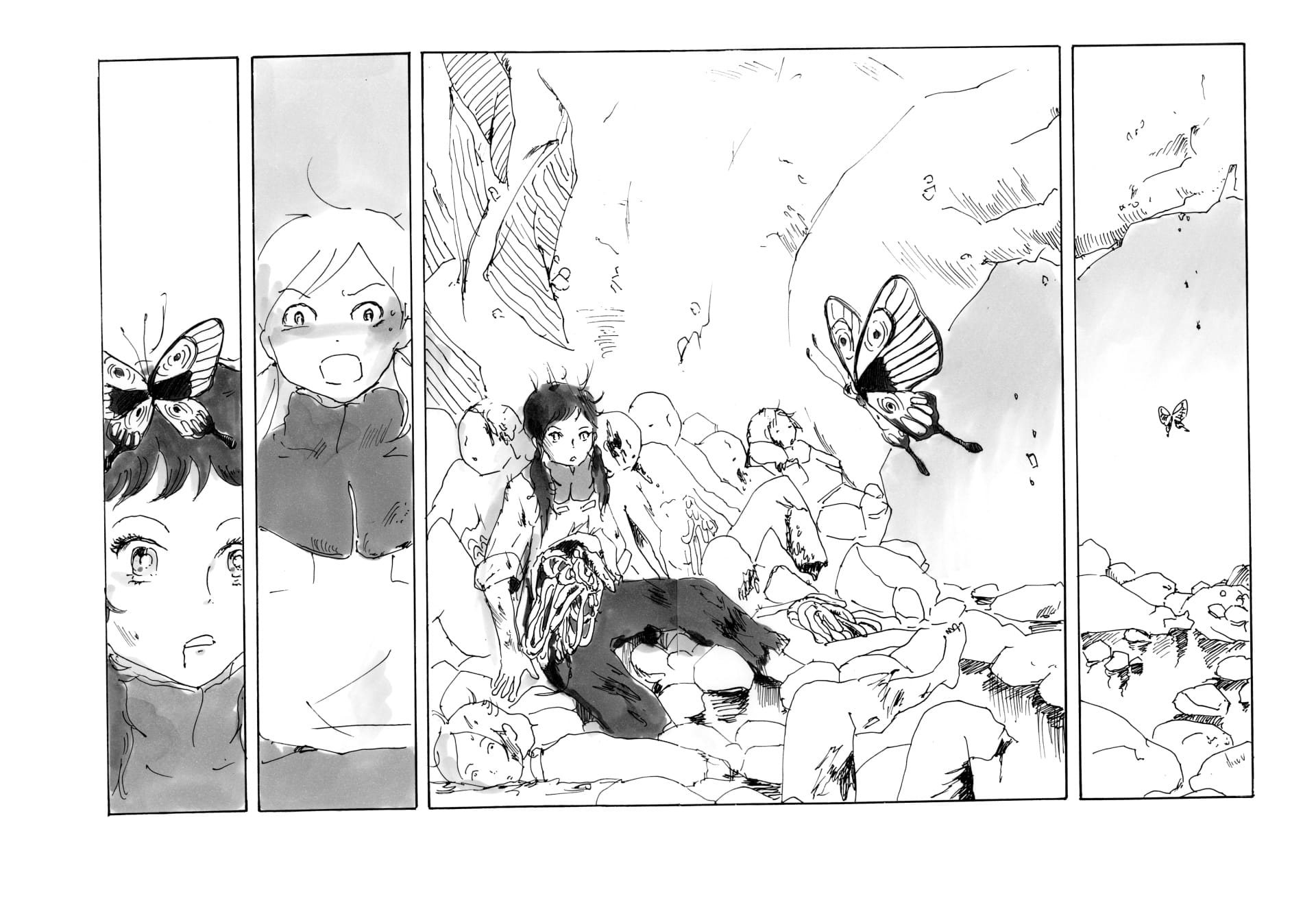
But once they break out from their cocoons, their newly formed wings can’t carry them into the sky.
That isn’t to say San and Mayu are completely ignorant of the extremely dire situation they’re in, especially as girls with an intensifying war as their backdrop. Far from it. San has no qualms with acknowledging how her coping mechanism has as much merit as ducking and covering from a bomb. Even with that in mind, there are some huge wipeouts in Cocoon that you can never prepare for, no matter how obvious the red flags are waving for its girlies. Still, Cocoon invites you to press forward and try to cope with each loss as the girls fight to survive the profoundly cruel and unfair situation they’re in with the hope that, at the very least, they find a modicum of peace.
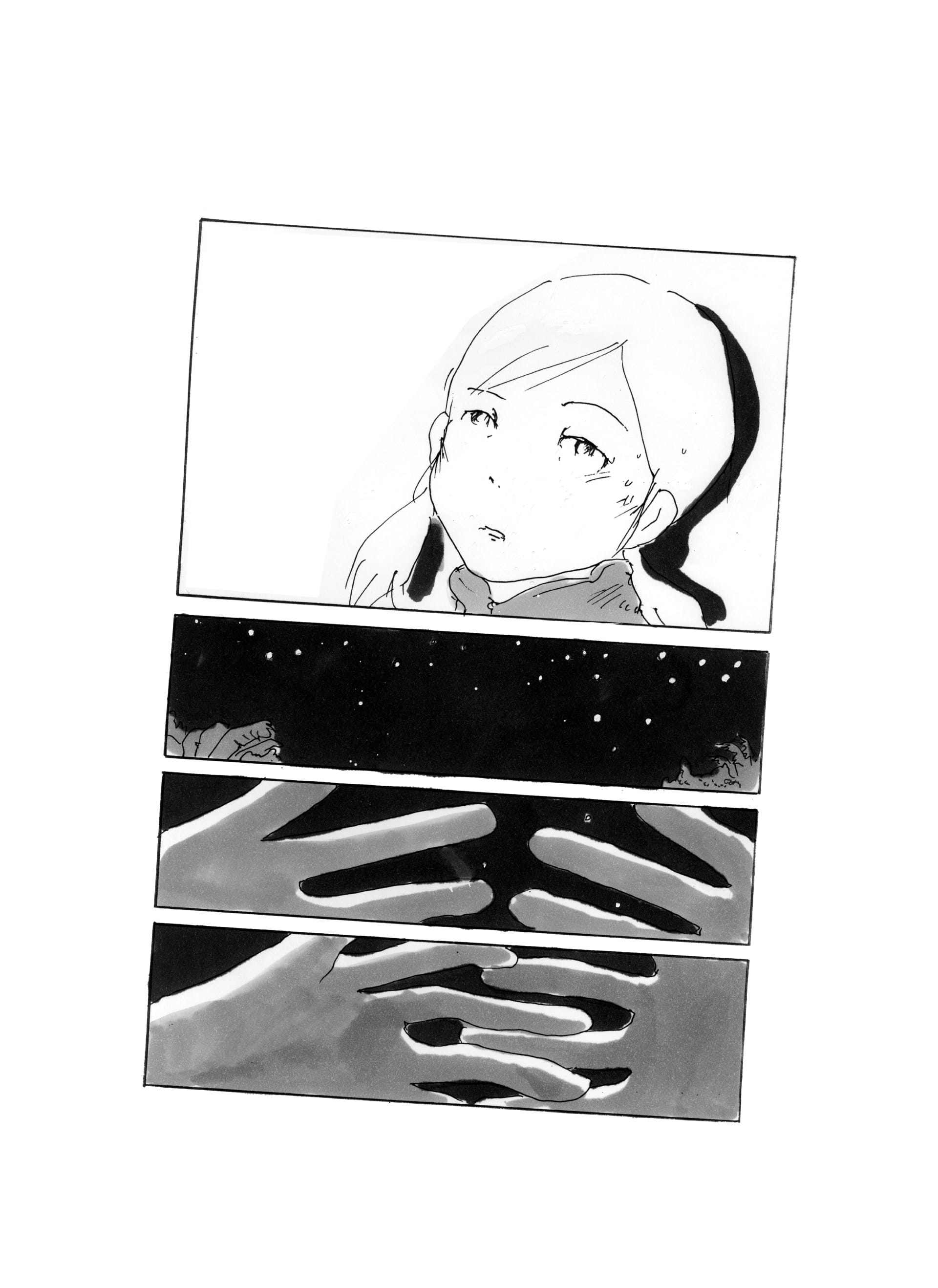
This is a story about war that appears in a dream dislocated from concrete locations and times.
What makes the sapphic-tinged manga all the more tragic is that the “based on a true story” of it all was informed by Kyo’s research on the Himeyuri Corps in Okinawa. San’s real-life counterparts, too, were misinformed about Japan’s odds of easily defeating America, to the point that they brought their schoolwork with them to the front lines, assuming they’d be safe and sound, able to pitch in and study to return to school.
What they got was a three-month experience beyond horrific, where many of the students and their teachers died or elected to take their own lives to avoid the systematic horrors of war. Kyo also notes that she based Mayu on a newspaper article about a boy who was raised as a girl to evade conscription and consulted Okinawan organizations to lend authenticity to her fictionalized account of real events.
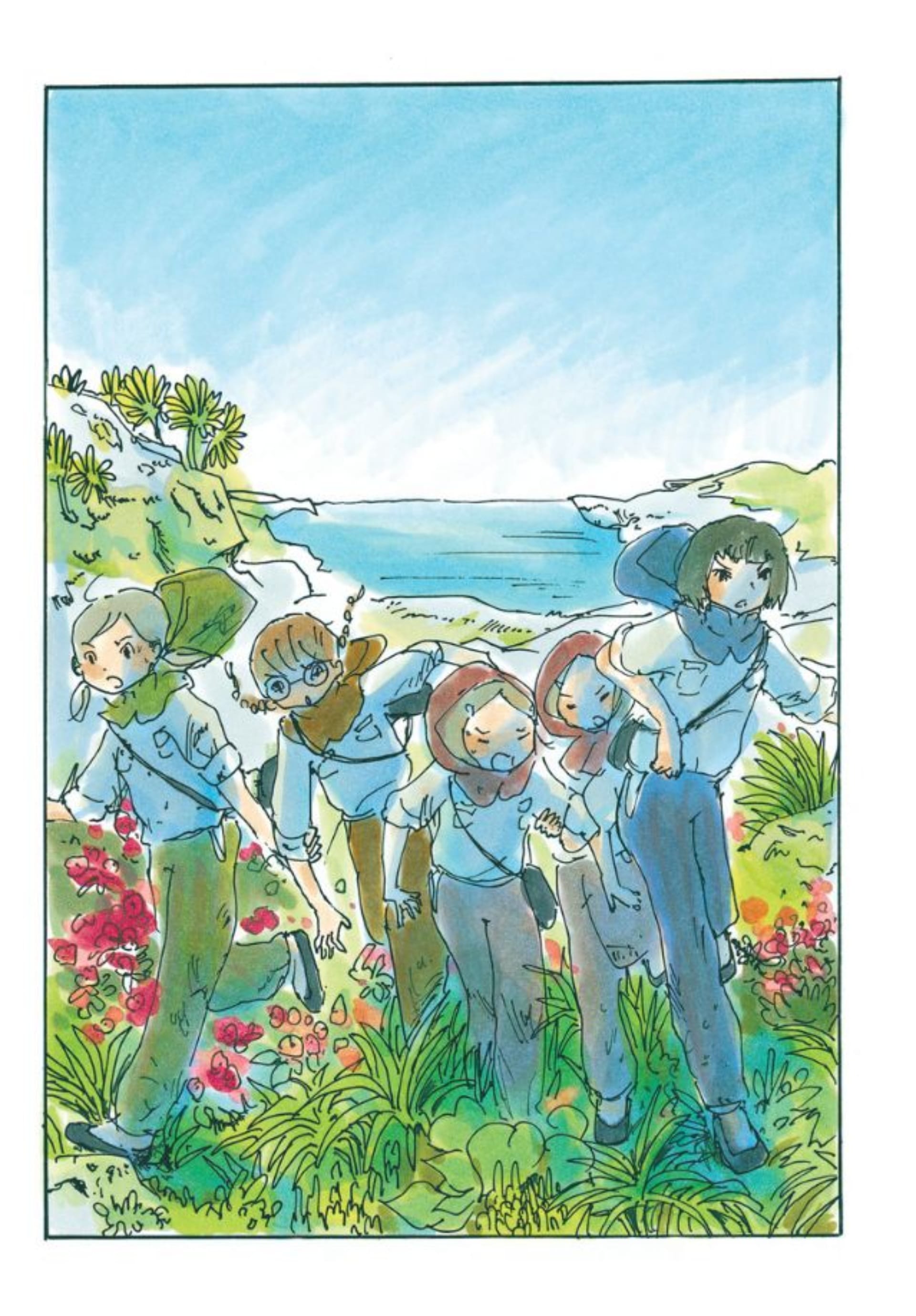
Everyone has their own take on war.
While all of the pressure points of Cocoon are time-stamped in WWII, Kyo’s modern-girl wartime manga is unsettlingly timeless. What Cocoon has to say about what it would be like to live through the experience of war on the front lines at such a tender age is liable to ruin you, as it did me with each page turn. It’s a capital-B bummer of a read. But nestled in the misery of Mayu and San fighting for tomorrow is a bittersweet sentiment about trying again despite it all that’ll linger with me forever.
Recommended
 Gita Jackson