

Digger, a Tom Cruise-led climate change film that has the dubious honor of being Warner Brothers' last standalone release before it's subsumed into the maw of Paramount, has been divisive. By all accounts a box office bomb, negative reviews and discourse online paint a picture of a pretentious, meaningless movie about one of the most important issues of our day. Riley and Isaiah both went to check it out, and we're here to say what we think.
Riley: I saw Digger last night so we could talk about it today, and then I lay in bed turning the whole thing over for hours. I'm going to come right out and say: top line, I think I liked it. What about you?
Isaiah: I've had the most up-and-down post-movie theater experience with Digger. Like, my review score on Letterboxd has gone up and down a couple of half stars. For whatever reason, the more I think about it, I think I dig Digger. However, my initial reaction was that I liked what it had to say more than how it said it. Which is kinda the point, which I hate.
Riley: I want to say we should get the summary out of the way, but it's also one of those movies that, to really talk about it, you kind of have to spoil the whole thing (something I don't think has done a lot of the reviews many favors). But the basic premise is that it follows an oil tycoon named Digger Rockwell (Tom Cruise in an old man suit) whose company causes a global disaster when its drilling operation knocks loose an ice shelf in Greenland. There are a lot of scenes of bloviating military men and the US president (John Goodman, whom I thought was great) yelling at each other about what to do as the ice shelf hurtles toward Europe.
Isaiah: I think the marketing and the hubbub about it being Tom Cruise's first post-Mission Impossible movie in IMAX from the director of The Revenant did a lot of rubbernecking intrigue for the movie to put butts in seats. It worked on me. As far as tone goes, the movie is a very manic, wild cinema experience. I think I equated it with being like a cross between Wes Anderson and Ari Aster. But I think the whole friction I had with the movie is the same thing I have with a lot of prescient films: they hit a little too close to home and feel a touch didactic with what they’re trying to say. Digger kinda took on a double meaning the same way Coyote vs. ACME did that way.
 Gita Jackson
Riley: Yeah, there's definitely a lot of weight to it that, while meaningful, can make it hard to see the film for itself. I didn't really know anything about it going in, like director Alejandro Iñárritu's past work and how that affected how people saw it, so to me none of that really played in.
OK, I think we should just spoil it, haha. Are you ready?
Isaiah: Yeah, might as well!
Spoilers
(Bang bang bang!)
Riley: So after about a half hour of slapstick entrances and exits and everyone yelling at the top of their lungs, it becomes clear that the events we've seen so far are actually part of a play called Fossil Fools. (The title got the only laugh in my theater, by the way.) Cruise is actually playing an actor named Curtis Markson who is playing a satirical version of the real-life Digger Rockwell. The whole play was this minor farce that was written 25 years ago, making fun of past events and the people who caused the film’s present day’s climate collapse. Markson has some concerns about the nature of it all, and he also has some drama going on in his personal life with trying to locate a flight his daughter was on as she comes to see the play’s opening night.
I'll ruin the even more important twist, too: It comes out toward the end that this production of Fossil Fools is being funded by Kenny, the nephew of the real-life Rockwell, who bought the rights to the play. It’s hard to say if Kenny is a “good” or “bad” guy, though he does help Markson and his wife locate their daughter by drawing on the resources of a security company he owns.
The play-within-a-movie and Kenny’s involvement is where a lot of the division around Digger sits, I think: that the unreality takes the teeth out of the whole thing, and that what the movie is ultimately saying about art about the climate crisis is, like, "well none of this matters and everything is going to turn to shit anyway, oh well!" I don't think I agree with that reading, though I do understand it.
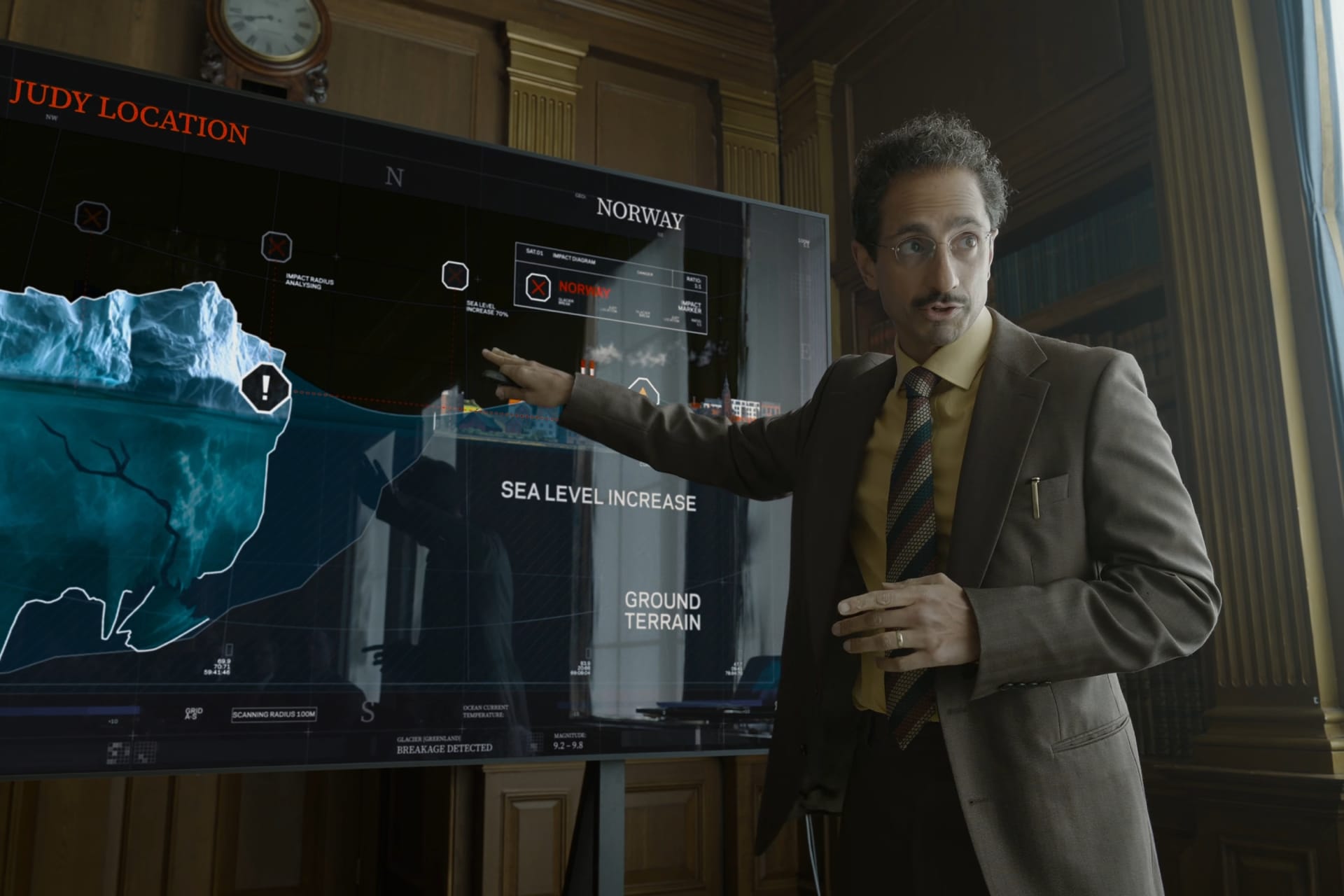
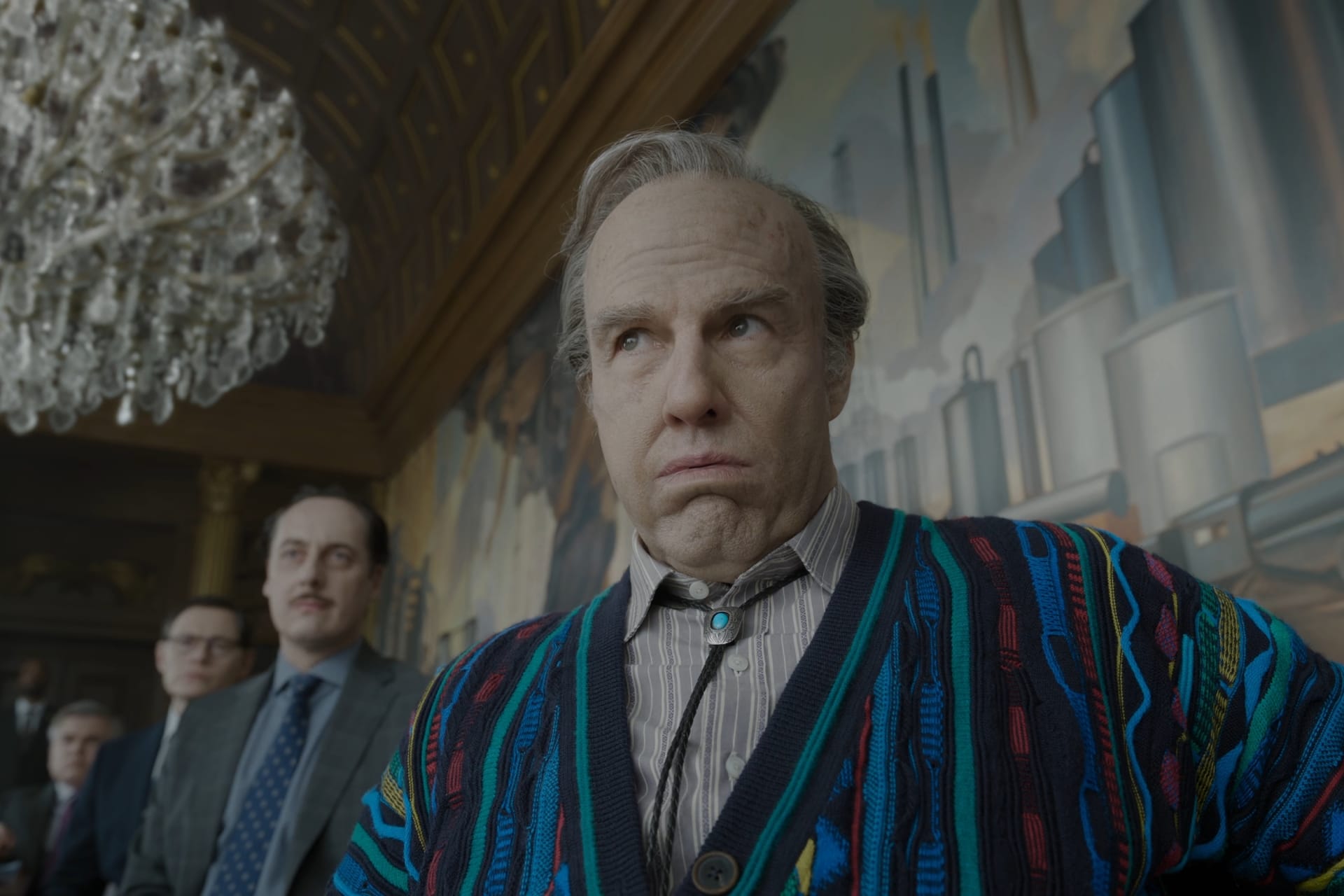

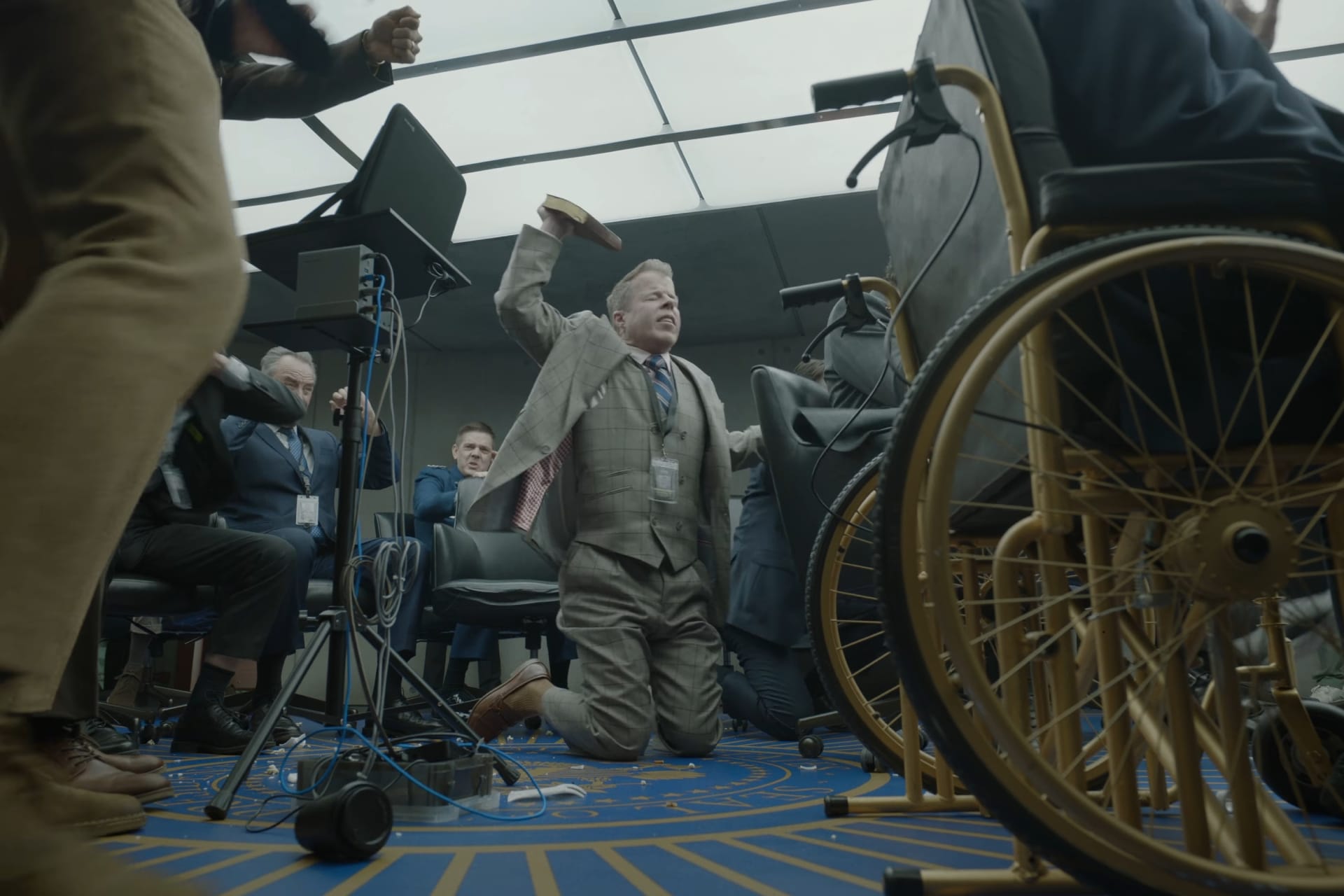

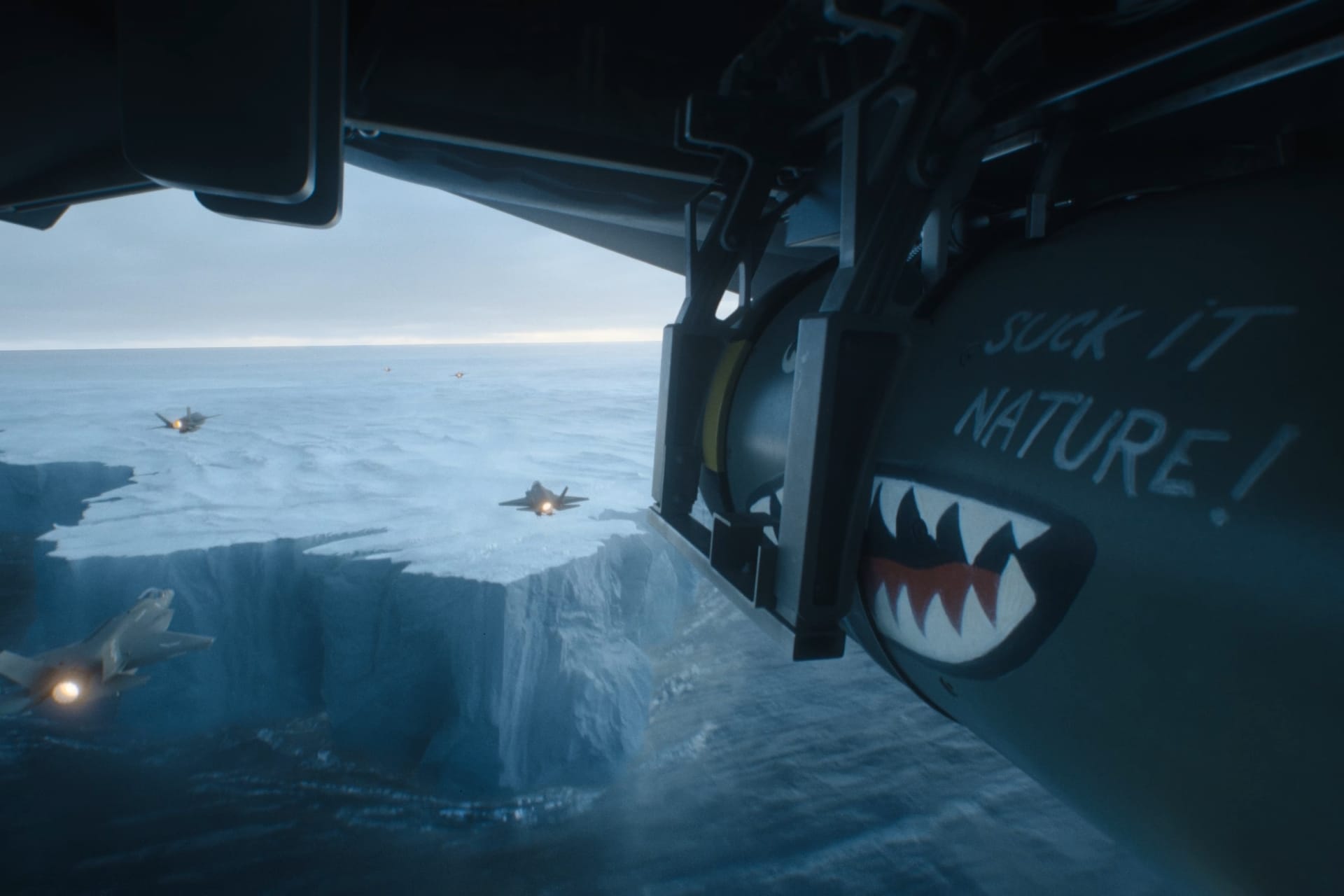
Warner Bros.
Isaiah: Yeah, that was my knee-jerk reaction to that plot twist, for lack of a better term. By that point, my theater was cracking up at all the melodramatic antics of Fossil Fools, and the reveal kinda took the momentum out of the film for me for a spell. I've seen so many play-within-a-play stories—including the director’s earlier film Birdman—that the movie ended up having to rebuild its endearment with me. And that took a while!
When the movie ping-ponged between the play and the behind-the-scenes turbulence, I started to enjoy Fossil Fools less. It felt like Cruise's character was cutting real-life audiences to the chase by tearing down how pandering and exaggerated the play was.
But then I got caught up in the cinematography and started to like the movie again. It started to remind me of the second season of this anime Oshi No Ko, which takes place on this digital sound stage. I've always wanted to go to one of those fancy stage productions, so seeing how the miniatures and stagecraft constructs for the movie itself worked was mesmerizing. It's no wonder Guillermo del Toro was a huge fan of the film.
Dig or Die - c'mon! https://t.co/NvwC826iWm
— Guillermo del Toro (@RealGDT) October 2, 2026
Riley: I've seen critics say the movie is ugly, but I thought it was really beautiful in its ugliness-- I found myself wondering how the actors felt about how bad they looked. I definitely groaned when it was revealed all the action was a play, and I wasn't as interested in the behind-the-scenes stuff, though I think Jesse Plemons as Kenny carried a lot of the intrigue there with how mysteriously he played Kenny.
There are two movies it made me personally think of: One was that it was kind of a less smart Synecdoche, New York, and the other was that it feels like–for good and bad–it falls into the Don't Look Up camp of climate movies that want to turn the spotlight on their audiences. (Reportedly, Digger was pitched at Netflix before the streamer made the too-similar Don't Look Up.) Both films share this idea that audiences don’t really care to do anything about the climate crisis, that we just want art about it to confirm whatever we think. And both films kind of rely on this condescending, almost hateful portrayal of "the masses" within them (who are in actuality all of us, including these movies’ creators; everyone is “the masses!”)--in Don't Look Up it's the people who don't believe the scientists, and in Digger it's the audience for the play at the end of the film, who hoot and holler before trudging back out to their shitty lives.

I think the Kenny plot elevates the movie above just shitting on the audience: this knife twist that even the stories that get told about the climate crisis can be controlled by the powerful who benefit from them, and maybe the idea that, like it or not, the powerful are also people who are part of that story, just like us. I also imagine in this world there is other art about the situation too--there simply has to be, just like in our world. It’s not like Kenny’s Fossil Fools is the only word on the crisis; if it is, that might support a “no one can do anything” reading that makes the film feel shitty to watch. I think if anything Digger can be read as a critique of the Don't Look Ups of the world, how self-important that movie briefly was by kind of making up a guy to get mad at, this idea that regular people don’t give a shit.
Isaiah: Yeah, that was kind of the Coyote vs. ACME of it all to me where—technically—it's no sweat off WB's mid-merger brow that Coyote came out and made its money back. But it's still a small victory to enjoy the art we make in futile times. The film doesn't necessarily fence-sit on that point necessarily, though it does come off as a touch nihilistic in its honesty, and I kind of appreciated it for that. The movie having enough wherewithal not to do a rah-rah speech trying to drum up an "And here's what we should do about it" like we're at a rally kept it from feeling condescending. That, and the fact that Goodman's totally-not Trump presidential character resisted the urge to do the voice. (Cough cough Mark Ruffalo in Mickey 17). Did you stay through the credits at all?
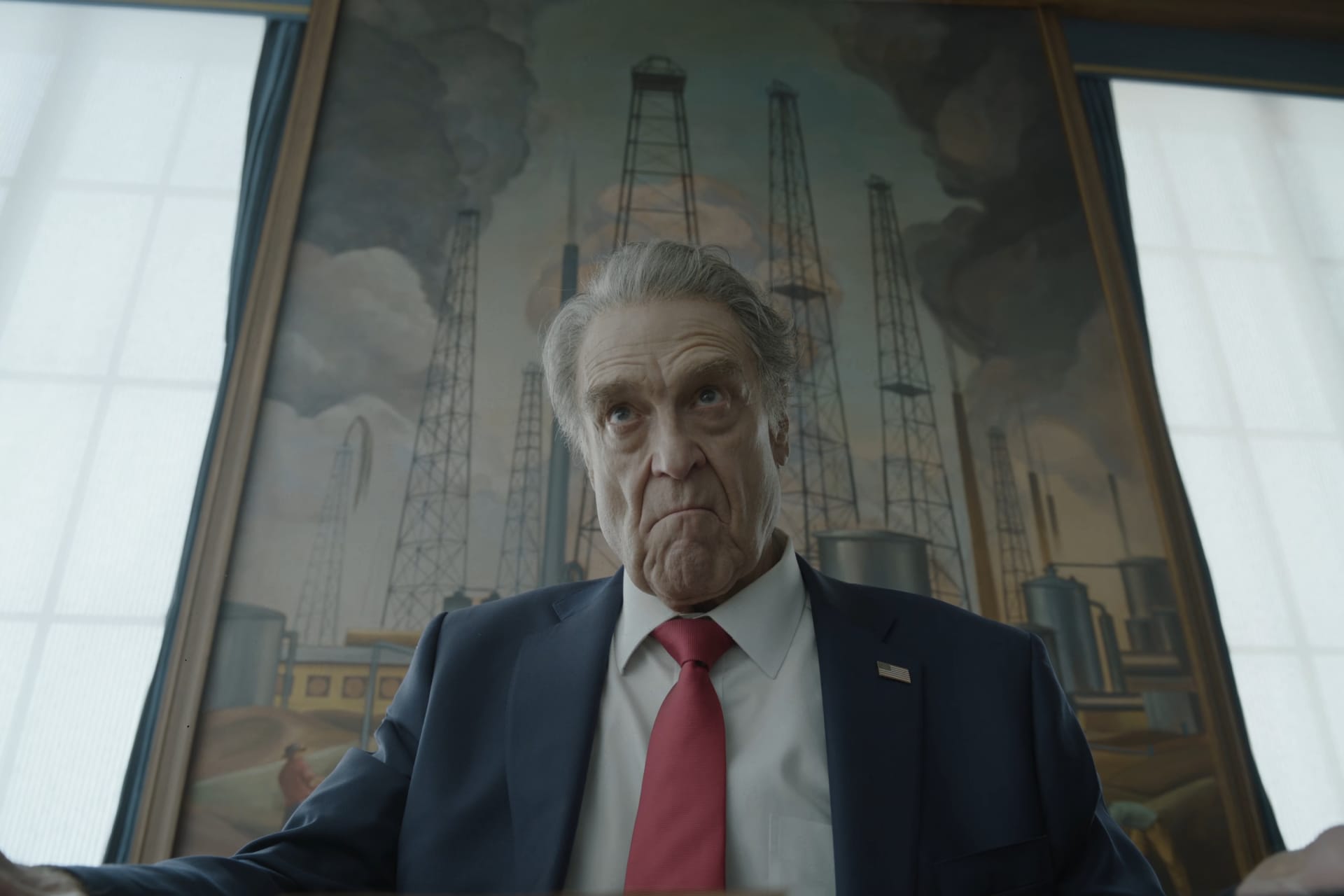
Riley: Most of them I think? There were all the people trudging out and then I think the film did an announcement aimed at us the audience about the air quality. Did I miss something?
Isaiah: No, that's exactly it! At the end of Fossil Fools, there's this loud ding, followed by an announcer saying "Level four," signaling to the audience to put their masks on and exit the theater. It's a big "Show's over, everyone. Go home" moment. It happens again during the credits. Pavlov be damned, everyone in my theater got up the moment it went off and left. My friend and I couldn't stop laughing at how effective that was despite only seeing it moments earlier. That's the kind of shit I love going to the movies for.
“Level 4” pic.twitter.com/fIbtWgibPI
— Sinking (@EisakuOtomo) October 4, 2026
Riley: Ha, that's great. But I feel like I really don't want that to be a "turn the whole thing on the audience" moment, even if that's what the director was going for. I think implicating all of us in it makes the movie... hateful and crass in a way that puts me in the camp of people who hated it.
I didn't go into it knowing much about the context, and honestly I wish I'd stayed that way instead of going home to read about it. There's an interview where the director says
I’m not interested in pointing fingers or reducing the film to a political commentary or a right or left thing... I’m trying, through Digger’s speech, to say that we are all part of this madness. That there are no good people or bad people. The system has trapped all of us, and we have to find a way out together.
Which I think is an idiot thing to say that, if I let myself take it seriously, ruins the whole movie for me. Like, there’s definitely good guys and bad guys, you dumbass! Digger gives this big speech to European leaders where he’s like “I did it all for you, you wanted this,” and in Fossil Fools that speech is successful and the politicians all turn on each other. But I didn’t read that as earnest at all, the way the director’s quote might ask me to.
If there's this idea that I'm the asshole for seeing the movie, but the movie has nothing to offer beyond "hey look at these assholes," then I think it was a waste of my time.
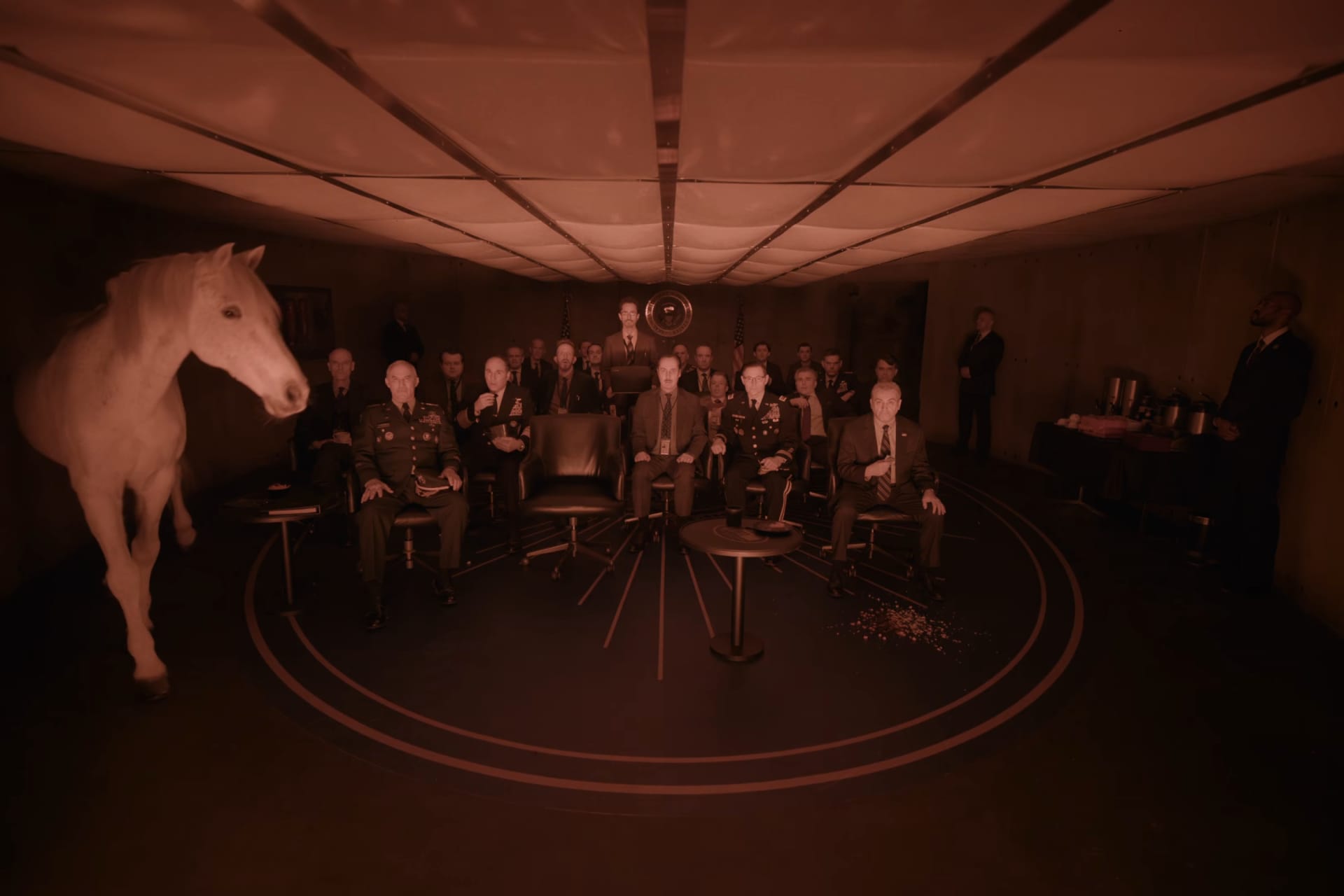
Isaiah: Digger ain't beating the PSYOP accusations. And honestly, I think the movie hammers that point home best in the airplane scene with Riz Ahmed's character futzing over Digger offering him some endangered tuna with a tall tale about how the fish came from this farm where the owner took really good care of them. People don't care for the truth; they care for a story. And that's where I kinda hate the point it makes while not entirely being able to argue against it. Still, that quote is wild. Directors should shut the fuck up a little more.
Riley: I think it's a tall order to put on climate art that it has to inspire us to do something, when even the real world and the situations that are in our faces can't really inspire action. And that isn't because people don't care–what it means to do something is so big and complex, and many of those individual lifestyle choices or whatever are just fossil fuel company propaganda in their own right. I'm not sure if the movie wanted to hold or honor that tension--it certainly doesn't feel like it does, though I think it can.
Like, the audience gets their catharsis and then goes back to their lives, but what else would they do in that moment? What's the critique?
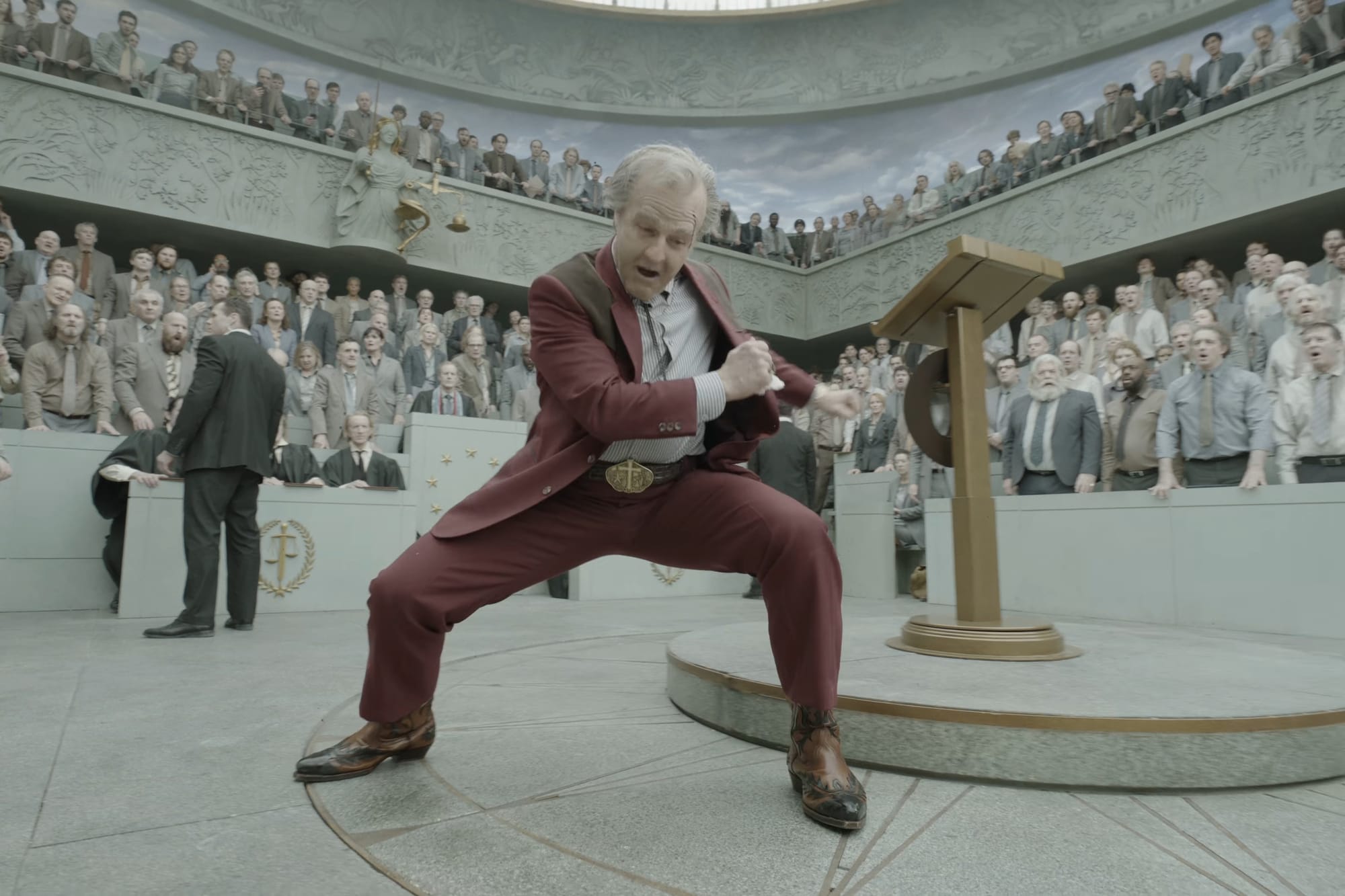
Isaiah: Yeah, it's a point my friends and I keep circling back to where it honestly isn't up to us in a cosmic way. Our footprint in preventative measures, being environmentally conscious, pales in comparison to what bigger corporations should be doing. Digger treats his company like a person just acting on its nature. And that, like us, Human Nature is rooting for him because we all need each other in a fucked up way. Now I feel insane because, in saying that, I'm back in "I don't really dig Digger" territory because it does kind of treat art as this special thing while also saying it's an opiate to the masses. Digger is a frustrating movie. But I think I prefer frustrating three-and-a-half-star movies to movies that I feel apathetic to.
Riley: If I decide to ignore everything surrounding it except the movie in front of me, I think it feels like it explores who has power over narratives--artistic, historical, and in terms of the climate crisis--and how different people live within them. I didn't read Kenny as buying the rights out of guilt, or out of a desire to protect his family legacy--I found him as a character fascinatingly inscrutable--and I think that when Markson/Cruise stops the rehearsal to protest Rockwell's portrayal, he isn't, like, our voice as the audience or anything like that. I think we see all these different parties grappling with how you talk about something so big and with how that thing changes over time.
It put me in mind of this most recent anniversary of 9/11 actually–I was living in NYC then but don't tend to think of it much, but this was the first anniversary that really felt like an anniversary and got me thinking about that experience versus the people in my life who might have been living far away or who might even have been children then. It made me think about how long ago it was, and how that day has filtered and changed over the years. Fossil Fools kind of does that too-- if it's the play's 25th anniversary, it must have been written pretty long after the initial disaster? That event feels immediate to us as the audience because we're living them for the first time through the play, but it's possible a huge chunk of the audience wasn't alive then and has never known anything different. What should be expected of them, then, or how are we supposed to see their reaction?
You decide. https://t.co/c3jA93X8tg pic.twitter.com/bMv87nkVfn
— Digger (@diggerthemovie) October 3, 2026
Isaiah: By that token, the whole ecological disaster was probably memed to death, leading to the birth of Fossil Fools as an artifact distilling that feeling into a big fuck you to Digger himself. It's ironic that the film itself is "the final Warner Bros. movie," carrying such a mixed-metaphor feeling for audiences wrestling over whether they vibe with its messaging.
I don't see myself rewatching Digger, and I don't necessarily think it reinvents the wheel in terms of how films should or shouldn't talk about climate change. But I do think it's what we talk about when we talk about topics with impunity on either side of the fence that made it worth the watch. Certainly, the film's post-review marketing is leaning hard into that angle. I'll know it made it if Tom Cruise getting nailed by a shoe mid-speech becomes his Oscar reel clip.
Digger: Marty Supreme for oil tycoons.


