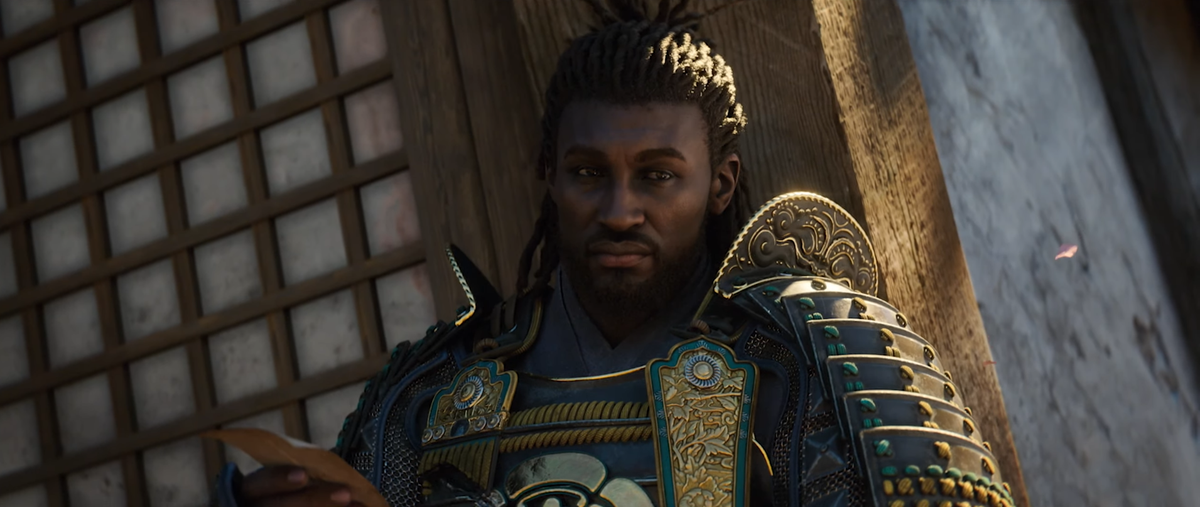
Gaming discourse in online town squares often boils down to a recurring complaint: the video game industry no longer caters to men. Charitably, this broad, inclusive-sounding protest resembles outcries for racial and queer representation in media. But the issue with invoking the so-called forgotten man in the arena is that it refers to a very specific man: one who is white, straight, and cisgender. Video games are catering plenty to this kind of man; the men who are actually missing are everybody else.
Men are a gender like any other, and billions of people in the world don’t fit the mold of that default image. But male representation in games is rarely talked about unless it's exclusively about a white male protagonist. When games do focus on different kinds of men, their ethnicity, gender, sexual orientation, or creed is showcased, with their otherness being the entire crux of their presence in games as a villain or supporting character to white heroes. Outside of standouts like Marvel's Spider-Man: Miles Morales, which centers on an Afro-Latino Spider-Man rather than an Afro-Latino Spider-Man experiencing racism, games where the male protagonist isn’t straight, white, or cis are hard to find.
This complaint has smoke for women, too. Invariably, it spills over into what a woman “should” look like: AI-generated facsimiles of Sydney Sweeney with honking yabbos. Granted, one man’s idea of sexy isn’t another man’s idea of what a 12-year-old thinks is sexy, but that’s a conversation for another day.
The irony in all this is that white men aren’t going extinct in gaming. They remain the most visible representation. They’re the default, and developers and outlets unconsciously cater to them all the time. Meanwhile, non-white, non-gender-conforming men are frequently absent from the discussion altogether.
 Luke Plunkett

The game industry as a whole has a habit of kowtowing to white male anxiety and pearl-clutching. Without fail, whenever a gaggle of white male gamers expresses dissatisfaction with a game (even if it’s not out yet), it’s treated like an emergency in need of immediate remedy and coverage, no matter how ludicrous it is. This happened when the Lollipop Chainsaw developer used a one-buzzword-after-another approach to promote the sequel and anime, tied to its crass, somewhat perfunctory hack-and-slash zombie game. In it, Nanda Holdings and Dragami Games touted that “the development process will prioritize staying true to the distinctive tone and spirit of the original work, without imposing excessive creative restrictions in the name of DEI (Diversity, Equity, and Inclusion).”
 Nathan Grayson

This deeply embarrassing focal point, like many preemptive, reactive accommodations to white male gamers under the dog whistle of DEI, is a paper tiger. It didn’t stop the audience it courted from clowning the remake for “censoring” the game (i.e., toning down important details like the boob and jiggle physics of its bubbly heroine) and for running like shit, nor its Tokyo Game Show demo for its sequel, Lollipop Chainsaw 2: Back2Back, from being a sauceless follow-up that, in the words of Kotaku writer Alicia Haddick, “had no idea what it wants to be.”
That’s not to say games on the other side of the political aisle aren’t without their nonsensical choices. For every game developer like Archetype Entertainment’s himboficiation of Jun Aslan, its generic-looking protagonist in its sci-fi RPG Exodus, being spurned byfrom prospective player feedback, there are curious changes like Insomniac’s Marvel Spider-Man changing Peter Parker’s face to look more like Tom Holland. (I’m still not over it. Dopey, long-faced old Peter looked like a homie. New, square-jawed, ROTC theater kid Peter looks like he’d call me a slur.) Regardless, the feeling that everything in gaming—from promising upcoming titles to assured successes—is gender affirming care for white men is hard to ignore as the modus operandi of the industry as a whole.
 Cheryl Eddy
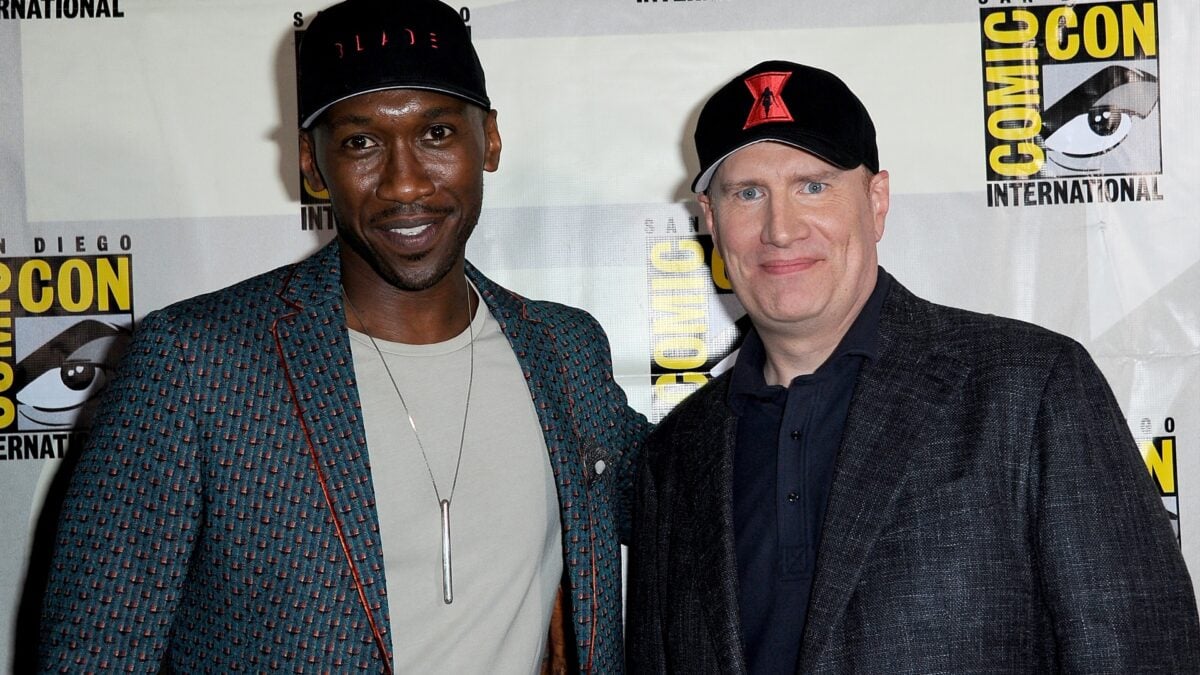
Meanwhile, the utter collapse of Marvel’s Blade movie and purgatory of its game, and the cancellation EA’s Black Panther game are additional proof of how lopsided the scales are. These aren’t obscure properties; Black Panther was one of the biggest films of Marvel’s heyday, and Blade is a coveted IP that’s impossibly hard to fuck up. Yet projects centered on these Black heroes were canceled or left to languish, while publishers and studios made room for a mid Wolverine game.
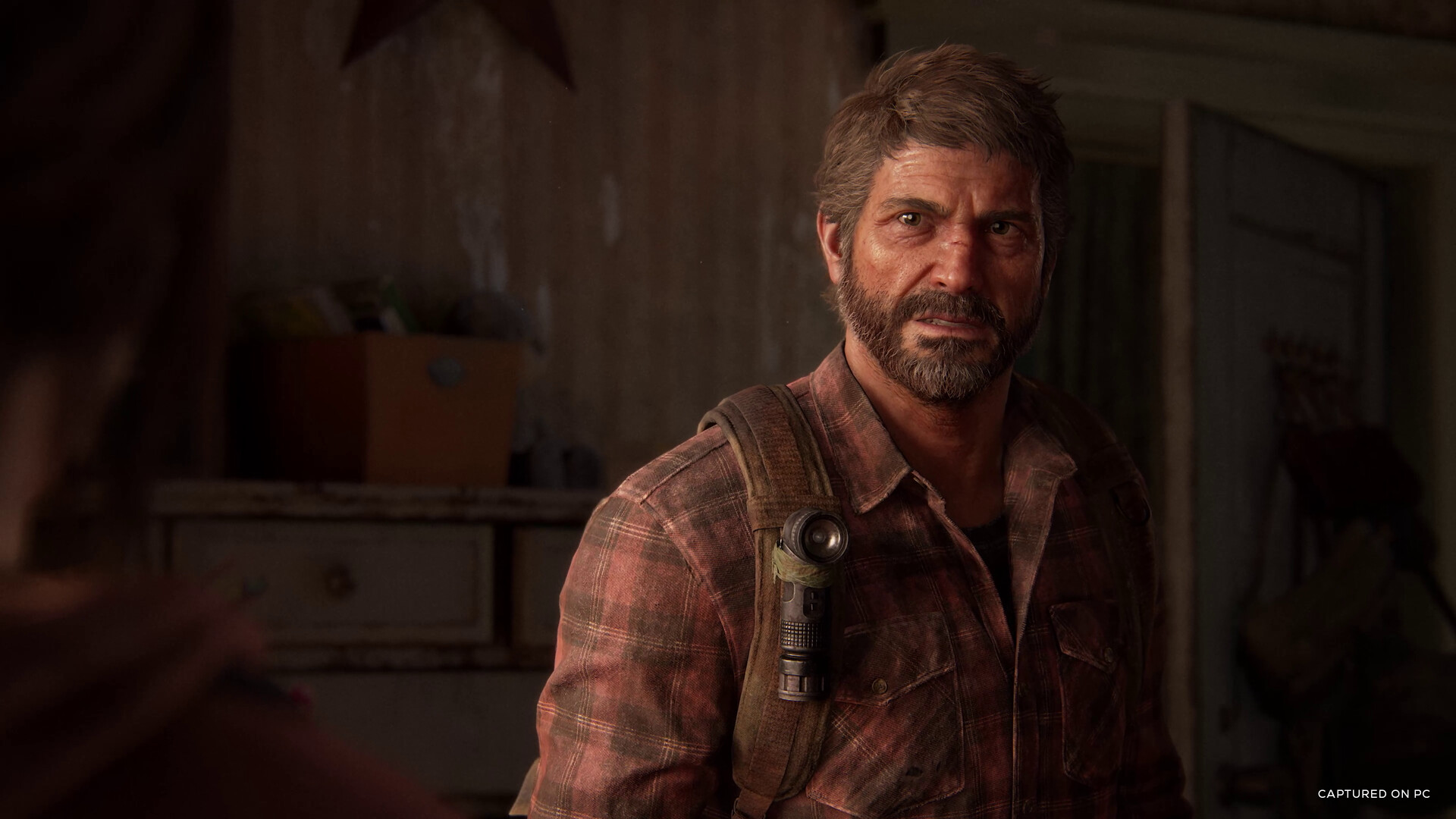
White male protagonists being the default in games is the same thought process that led to Band-Aids and “flesh”-colored crayons being geared toward a lily-white audience. Not insidiously so, but because the ubiquity of men’s whiteness paints a blank canvas. In Nathan Drake, Booker DeWitt, or Geralt of Rivia, whiteness feels invisible. It’s easier to live vicariously through a character who’s mostly some scruff and a gravelly voice. Their whiteness, as the invisible default, makes it easier for certain folks to look through them in a first-person game, or see a protagonist as a mirror from a third-person point of view.
But every time a studio makes another grizzled man with anger problems as its proxy, this default becomes a choice. White masculinity isn’t going the way of the dodo; it's a surplus that shows no sign of stopping.
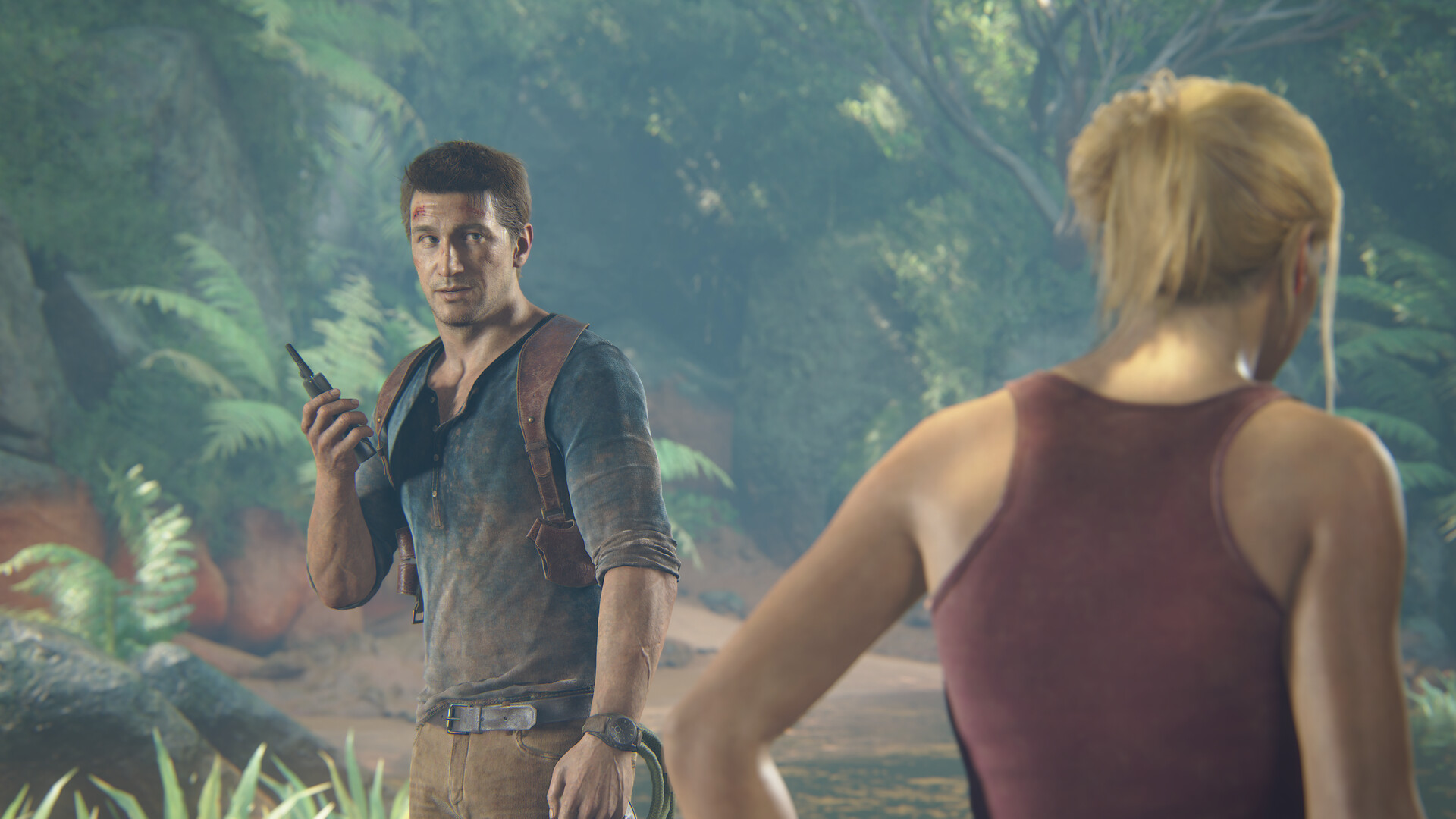
The problem with white men being the default in gaming is that they become the industry's baseline. Being a white man in gaming—a medium where you can inhabit anyone from a pink puffball to a soccer-playing car to a kleptomaniac prince from beyond the stars—stops feeling like a choice.
While games often support the idea that games can let you be anyone, many only do so from a white player's perspective. They can be allies, wiggas, and white bois who speak a little Latin. They aren’t assholes; they are nice to folks from different walks of life. Sure, a white male playable character is usually paired with one of two gendered, customizable character options in video games like Cyberpunk 2077 or Mass Effect. But even those games shied away from showcasing their female-presenting counterpart in promotional material and fancy trailers until both games neared the end of their runs.
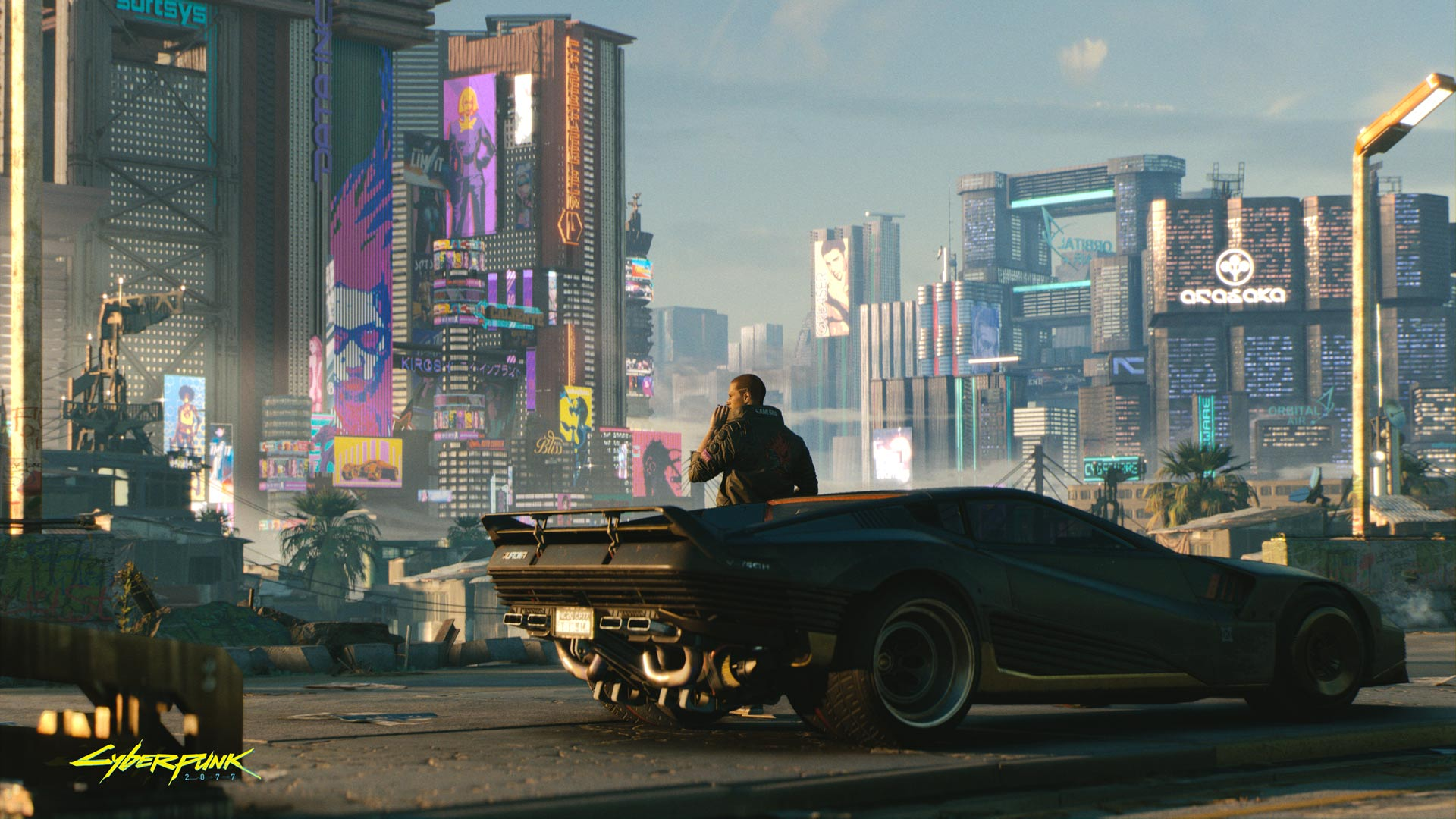
For non-white male gamers like me, I’m constantly inundated with the expectation to readily shove myself through the sieve of white masculinity. I don’t have the luxury of opting out of a non-choice in most games. If anything, I’m tasked with the imaginative labor of trying to ignore it, saying I’ll sit this one out, or choosing to play as a woman. I tend to lean toward the latter because it offers me a different stimulus that hews closer to how I experience the world.
My fucked up “a-ha” moment of what representation could look like came from Saints Row 2 making a joke about character creators. I’m the type of person who will spend hours in a character creator. Volition’s sequel let players choose from an array of male and female voices and gaits, without putting guardrails on hair and body types based on a character’s gender. Even though I knew its story like the back of my hand, I replayed Saints Row 2 more than any other game in middle school because being a different person, rather than the cookie-cutter default, was fun. It got to the point where I’d headcanon how my Boss was related to my brother’s rotating saves of different Bosses.
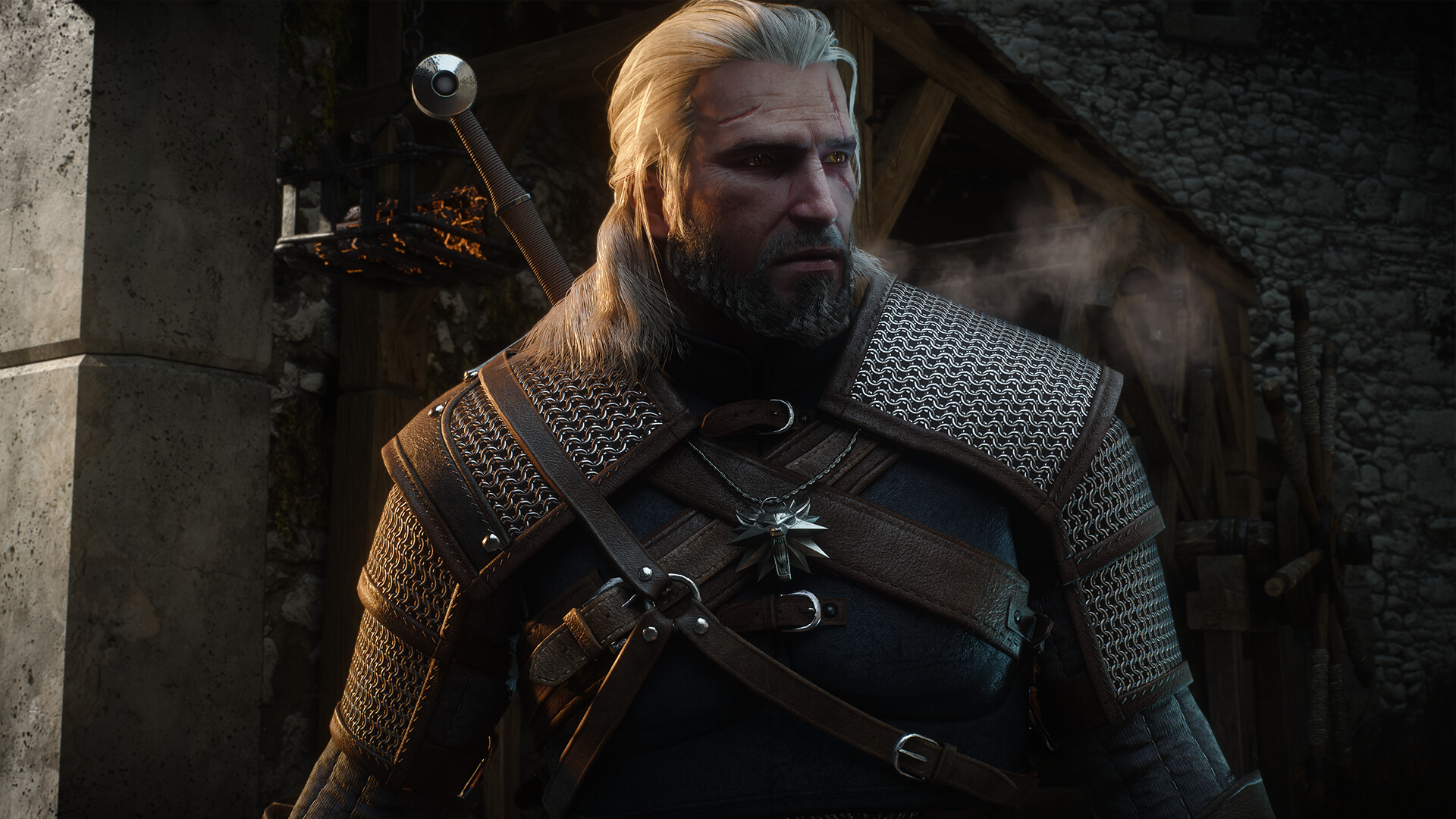
There’s nothing wrong with seeing yourself in some generic white character, but it’s only the tip of the iceberg of what men can be. The endless repetition of these archetypes, as a supply-and-demand mechanism to recapture what worked, astroturfs what being a man is, setting up “diversity” and “man” as if they’re two opposing poles.
Meanwhile, the proverbial wolf that boys online are outcrying as the cause behind gaming no longer catering toward them is diversity, equity, and inclusion. When a game fails, diversity gets the blame. When it succeeds, diversity suddenly stops being part of the conversation. Not because a point was proven false, but because a new game is on the horizon to rinse and repeat the same feigned outrage.
But the options aren’t just “men in games” or “diverse games;” diversity doesn’t diminish male characters. It creates more kinds of men with more backgrounds and expressions of masculinity, and by proxy, more stories worth telling. The fallacy in the phrase that gaming no longer caters to men is that the anti-DEI pundits (read: chuds) claim to speak for all men. But their concerns center on preserving one version of masculinity that’s been the de facto standard for generations, forgetting that masculinity is also a gender with different avenues of being.
It gets to the point that I get irked when I reminisce about Troy Baker’s innocuous joke at The Game Awards 2015. Baker’s advice to aspiring voice actors was to get good equipment, get training, and wait for him and Nolan North to die. Over a decade later, I hate this joke not for how true it was about the pair’s utter dominance in the voice acting landscape, but for how it summed up how frustrating it is to wait for representation to ever happen for any other male character they played a vital role in embodying throughout the halcyon days of gaming, a time that men who say gaming no longer caters to them look back on fondly.
Granted, voice acting has mostly tried to close the gap by casting and recasting roles with folks from backgrounds similar to the characters they inhabit, for the sake of authenticity and representation. But moments when those characters bask in the same limelight as their white male counterparts are fraught, if not nonexistent. Sure, folks can raise a stink about it, as audiences for film and television have online and in studies about the types of stories they want, but compared with film and television, gaming still feels immature in how its industry caters to and gently parents its juvenile outcries for more male representation, offering placating succor to their whims instead of actual radical change that would leave underrepresented males feeling seen.
 Keza MacDonald
While “Ugh, men” has become a shorthand retort that rarely needs explanation, men aren’t a monolith. That’s what makes the claim that games “no longer cater to men” so frustrating. More often than not, it’s really a demand to cater exclusively to white men. The result isn’t just exclusion; it’s creative stagnation. As someone who's largely checked out of the discourse and its endless nonsense, there’s little left to do but skip out on the same recycled games, wait for representation that actually piques my interest, and hope a game’s marketing cycle doesn’t exhaust me by the time the usual suspects make it about them before the game launches.
Gaming arguably has more potential than film or television because it gives players agency and lets them play an active part in the entertainment they partake in. After all, what is gaming if not the meaningful choices we make? Yet, gaming as a whole keeps circling down to the same choices, with the same protagonists, the same perspectives, and the same assumptions about who gets to count as a man in the first place, and who they slap on the cover art of their Triple A games, what’s left is representation portrayed as a binary choice, when diversifying the kind of men we see in games would, perhaps ironically, cater to more men.
Until that changes, notions about whether games are “only for” or “no longer cater to men” will remain fundamentally flawed. They assume that “men” refer to a single, static archetype rather than a vast spectrum of identities, backgrounds, and experiences. The day the video game industry starts asking how it can cater to more men, instead of perpetuating a binary where men’s representation and diversity are somehow opposing forces, will be the day that question will be worth giving air to.
Recommended:
 Gita Jackson