

Godzilla Minus Zero, the long-awaited sequel to director Takashi Yamazaki’s Oscar award-winning film, has arrived. Aftermath’s resident kaiju Siskel and Ebert, Chris Person and Isaiah Colbert, are here to sift through the wreckage of Japan’s first film shot entirely on IMAX, assess the damage, and decide whether it truly lives up to being the perfect sequel.
Spoilers, duh.
Isaiah: Good day, Chris. While I was unsuccessful in procuring a Godzilla popcorn bucket for the express purpose of storing my weed nuggies inside his wide frame, I did manage to secure IMAX tickets with a friend to watch Minus Zero the way it was intended. After spending two hours and some change with fellow Godzilla fans who clapped when we saw its special IMAX countdown sequence, when my friend asked me what I thought about it, I said I’m probably not gonna rewatch this one as much, if ever. I was kinda disappointed. What about you?
Chris: I did not find any Godzilla popcorn buckets there but my local AMC still has plenty of Digger boot buckets left. I wonder how many of those they made. I’m not gonna watch this one again; I thought it was kinda middling, but I liked the actual fights.
Isaiah: Even someone whose excitement deflated the moment its second trailer teased the other not-so-secret monster added to the mix, I didn’t really even like the fights. Minus Zero is certainly a sequel in the same way every Godzilla franchise sequel runs the risk of being weaker than what came before it. But for me, I just found the whole film to be a bit clumsy with all the things it was trying to deliver. It was a series of diminishing returns that verged on ruining what I even liked about the first film.
Chris: There’s that old Bugs Bunny cartoon where Daffy Duck swallows explosives and blows himself up to impress an audience and top Bugs Bunny, and Bugs goes “wow that’s terrific, they want more” and you see Daffy’s soul going to heaven and he goes “I know, I know, but I can only do it once,” and that’s kinda how I feel a little.
You can only do the earnest, heart-wrenching postwar melodrama bit once before the basic economic forces that undergird the Godzilla franchise take shape, the toyification sets in, and King Ghidorah shows up. The second you introduce a second monster for Godzilla to fight this is gonna happen!
 Isaiah Colbert
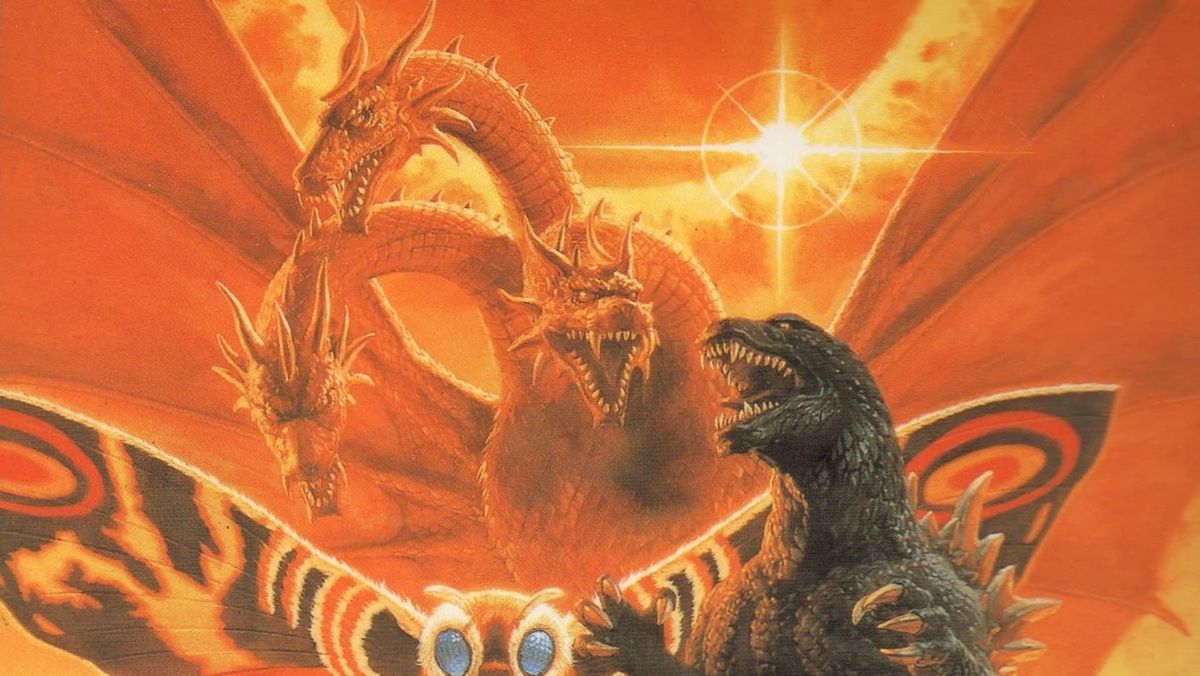
Isaiah: And Ghidorah isn’t just any monster; as Yamazaki attests, using him was basically like putting the Joker as the big bad in The Dark Knight. Even with my misgivings about Ghidorah being a bum amongst kaiju in Godzilla’s rogues’ gallery, I can’t fault him for going for it. But even that is a symptom of what I’m struggling with in Minus Zero as a film: I’m more interested in the behind-the-scenes than the actual things the movie presented to chew on. It’s kind of like Rockstar releasing a dev diary about the making of Grand Theft Auto VI eclipsing the actual expensive-ass game I spent cash money dollars on.
Whether it be Yamazaki’s anecdote about his inspiration, staging their tussle from watching his own cats fight, or the film acting as a promise to respond to Christopher Nolan’s Oppenheimer, I find those details and whatever else may come from GKIDS’ post-release behind-the-scenes details of what-if and canned ideas more interesting than what the film itself did. Like any sequel, it is indulgent in fun ways, but for all its ambition to remain a melodramatic post-war allegory while also dipping into its own Monsterverse spectacle, Minus Zero bottoms out as the closest thing the Reiwa period has come to a Heisei-styled Godzilla sequel. It’s a movie that posits intriguing and clever ideas that never fully come together because they’re shoved into the background.
I suppose before we get into that, we should talk about the film’s story.
Chris: Yeah, please.
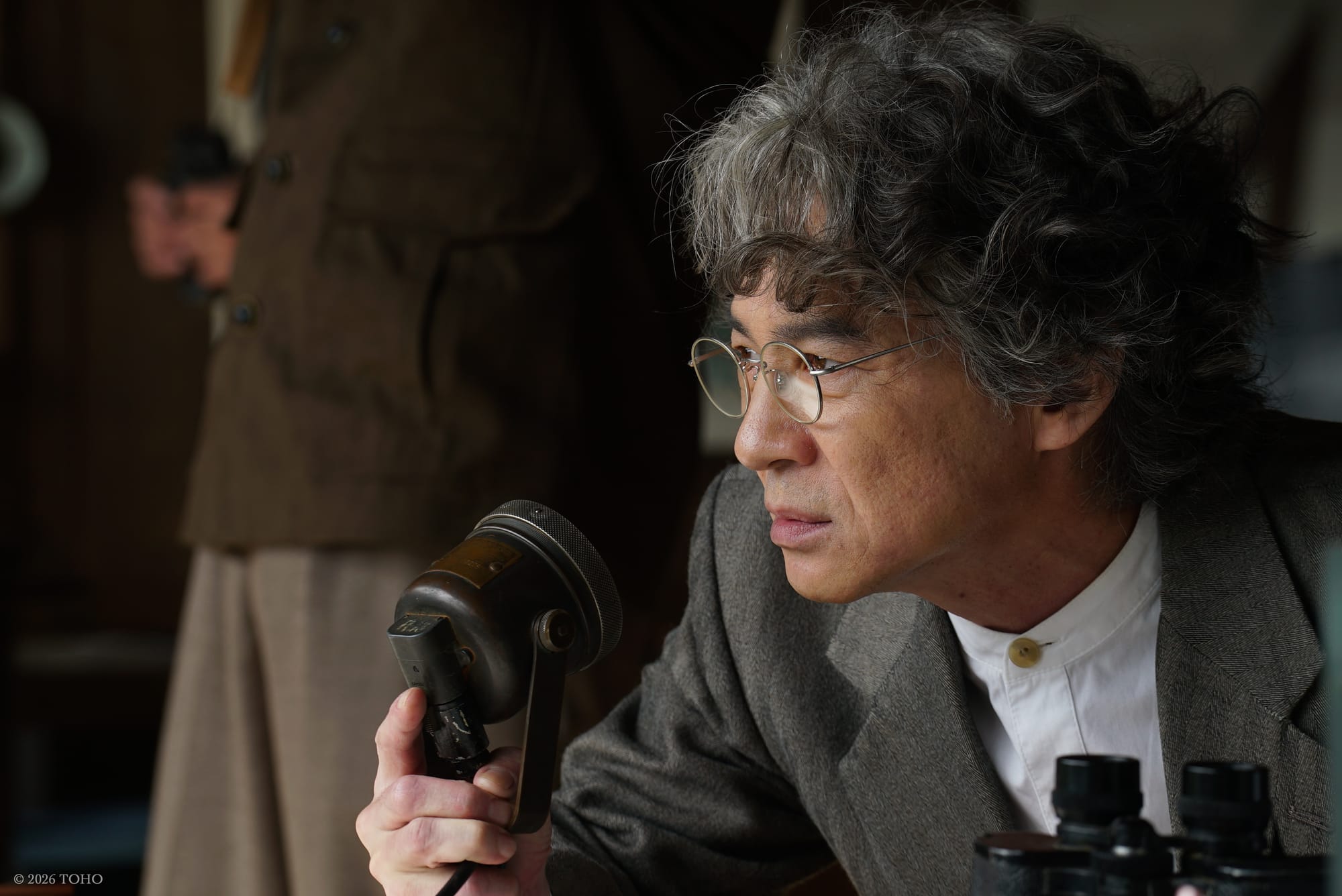
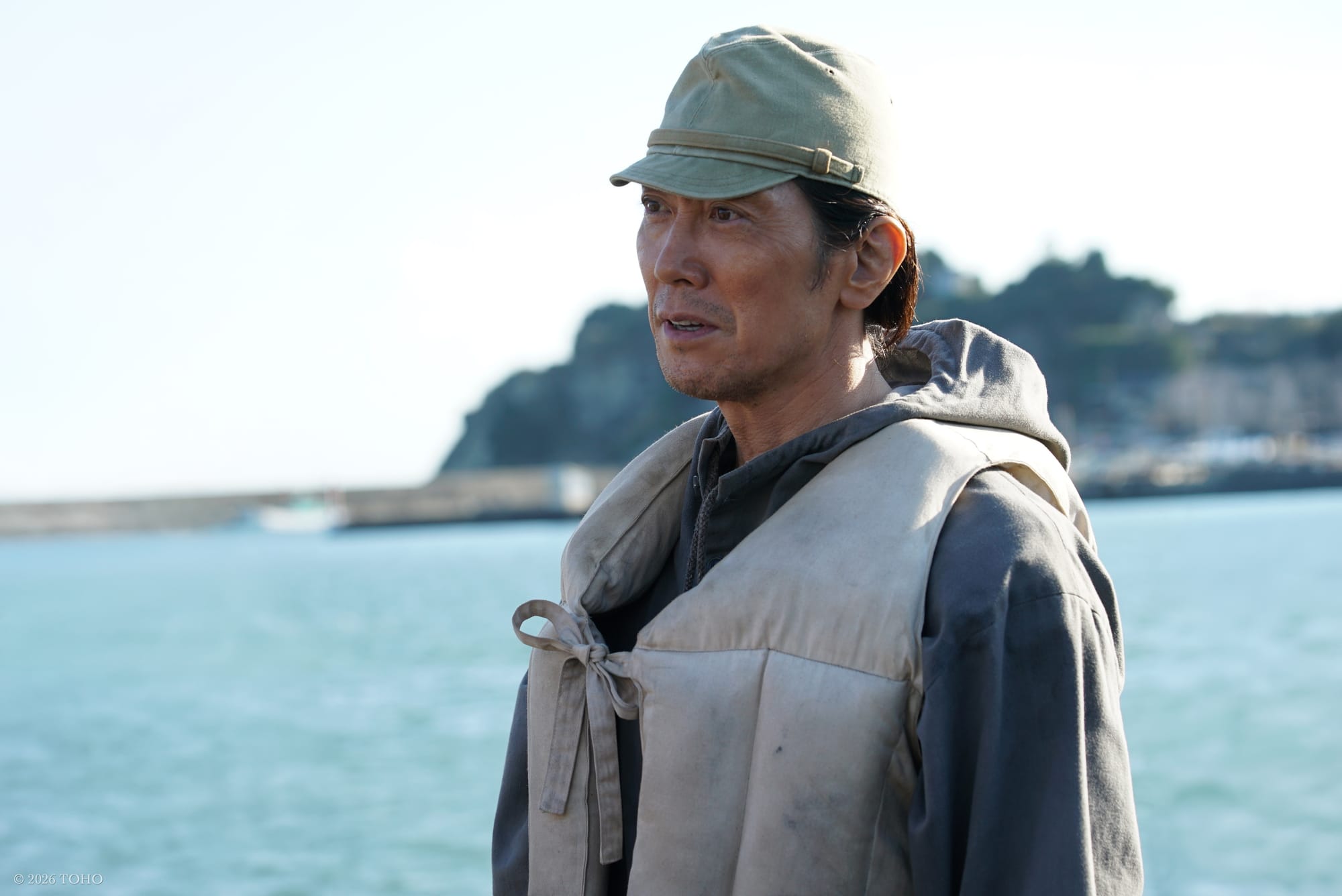
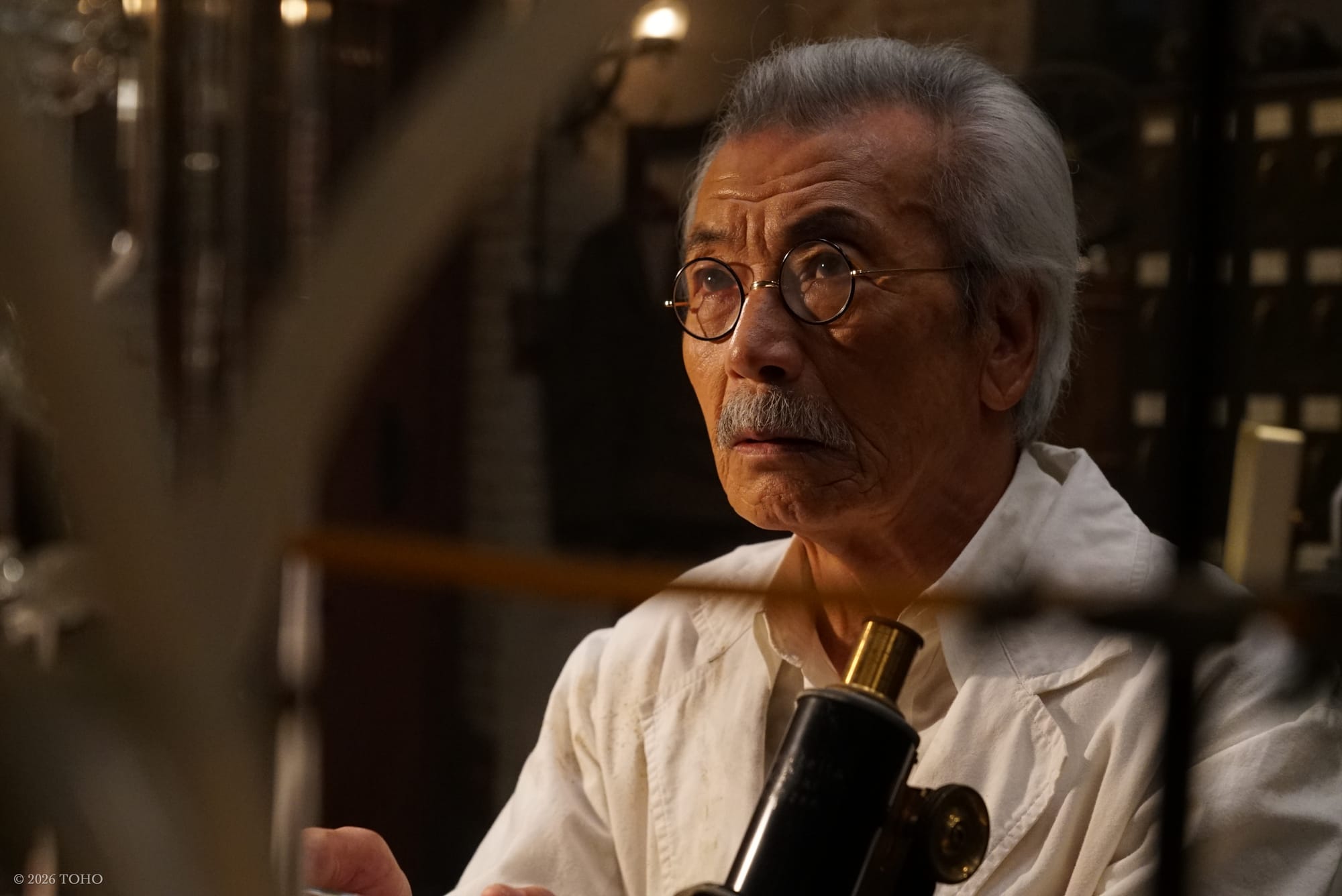
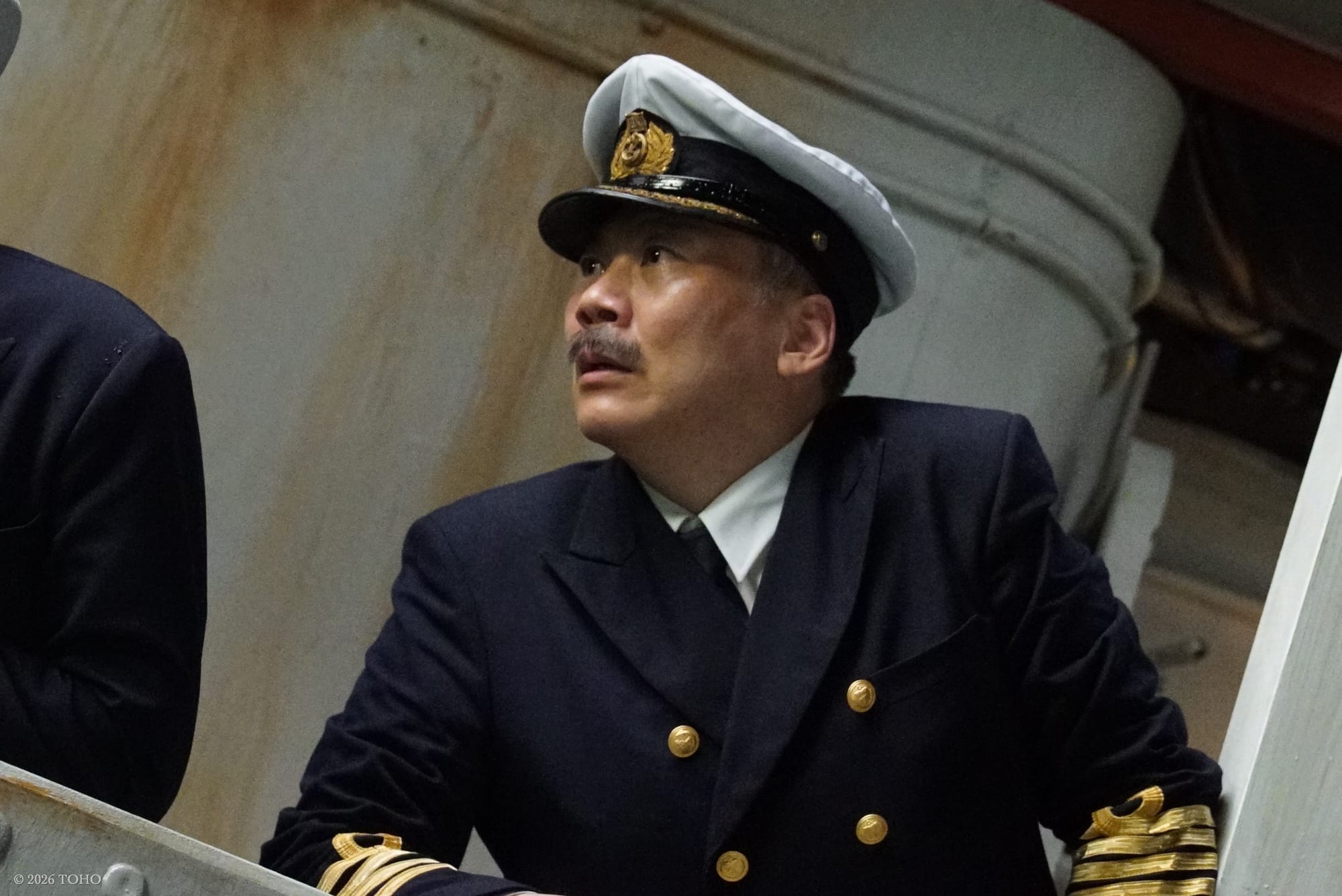
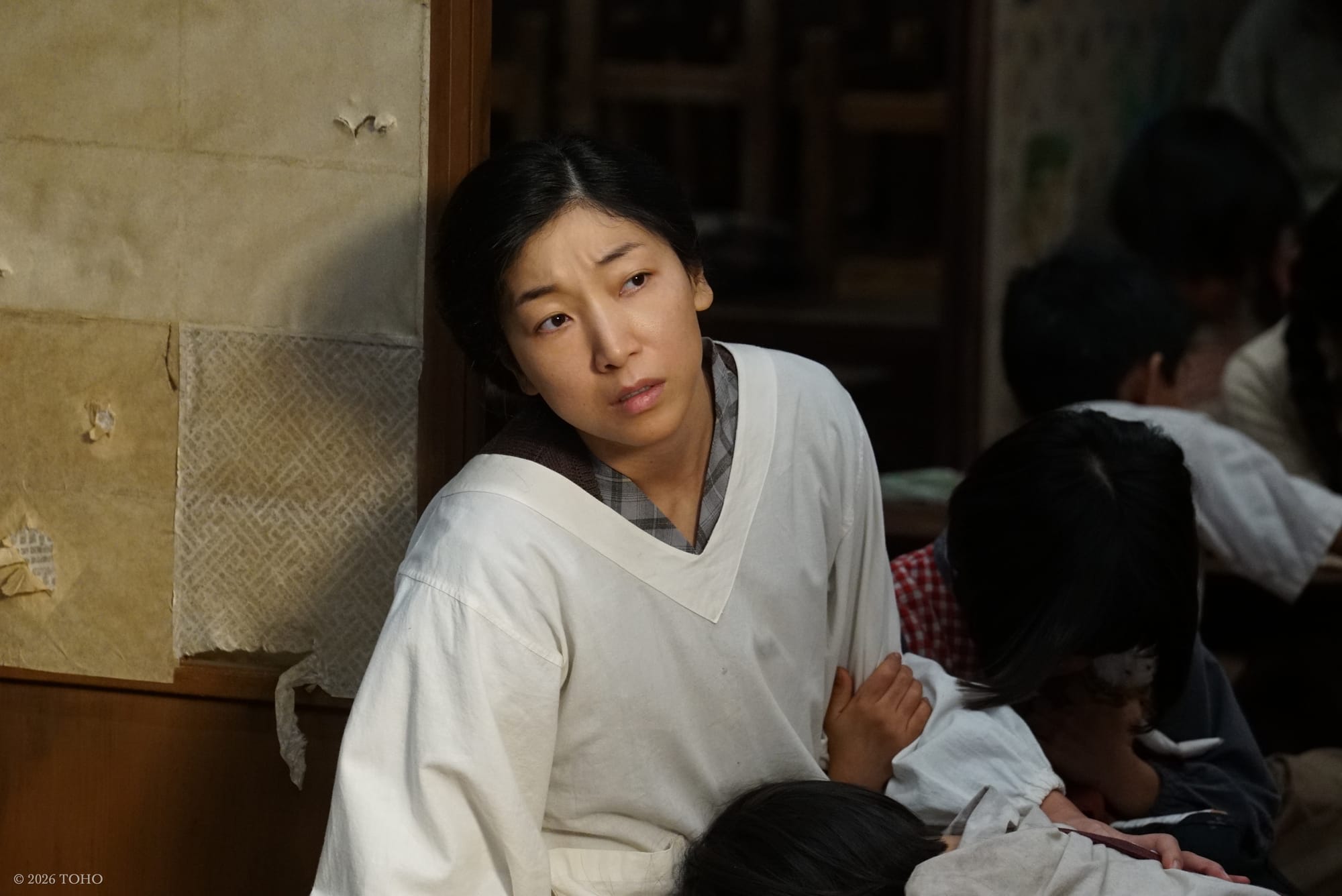
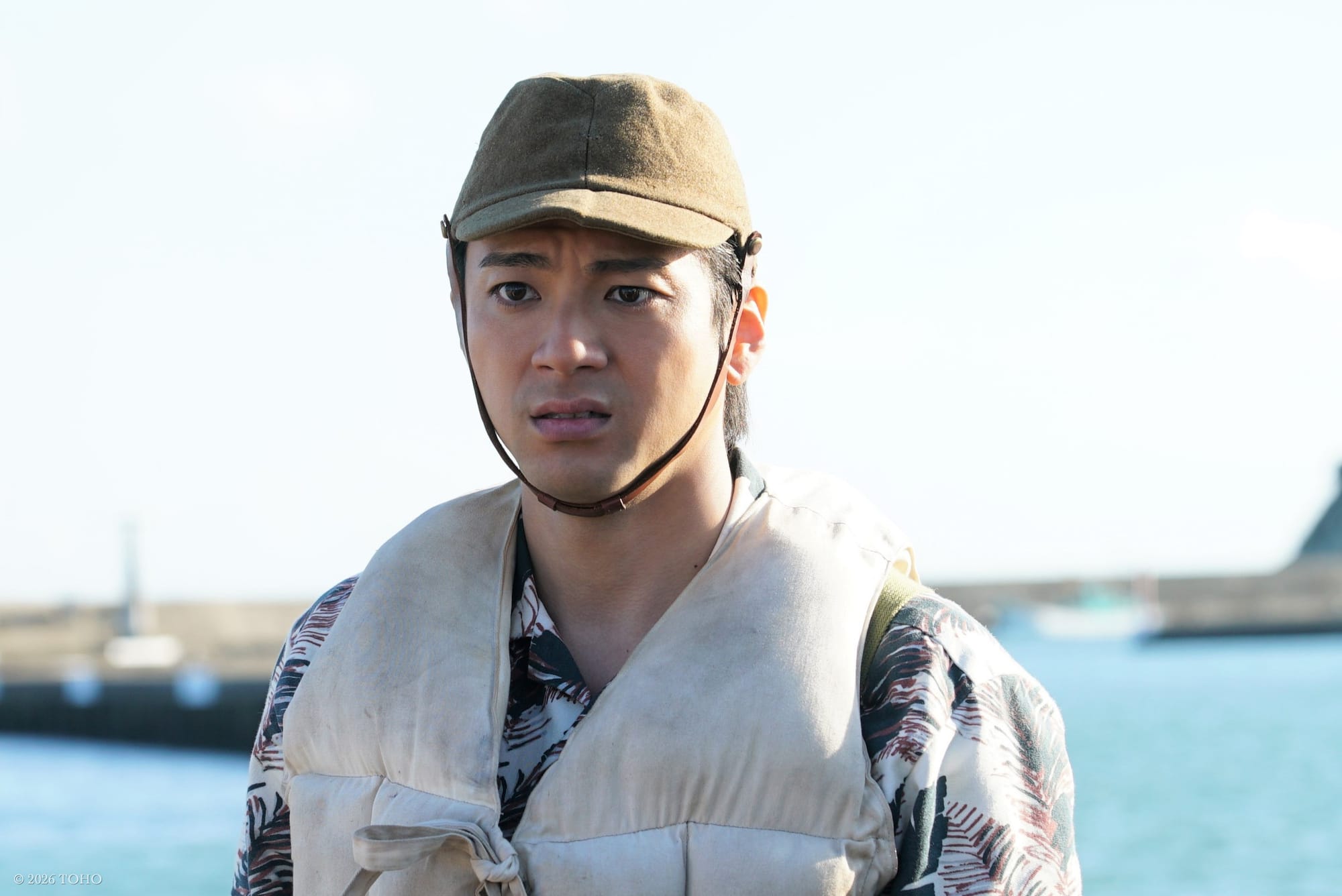
Toho
Isaiah: Set two years after the first film, Minus Zero finds Japan on the upswing of recovery from both World War II and Godzilla’s devastation. So, of course, a new threat hits the scene in Ghidorah, ripping kamikaze pilot Koichi Shikishima from his new normalcy with his now-wife, Noriko, and his daughter, Akiko, to join hot engineer with the good hair Kenji Noda in the civilian-led effort to put Ghidorah down for the count. Things don’t go well, what with Ghidorah being a space monster with regenerative powers. Oh, and Godzilla is back too.
Chris: They didn’t fully kill Godzilla, who could have guessed?
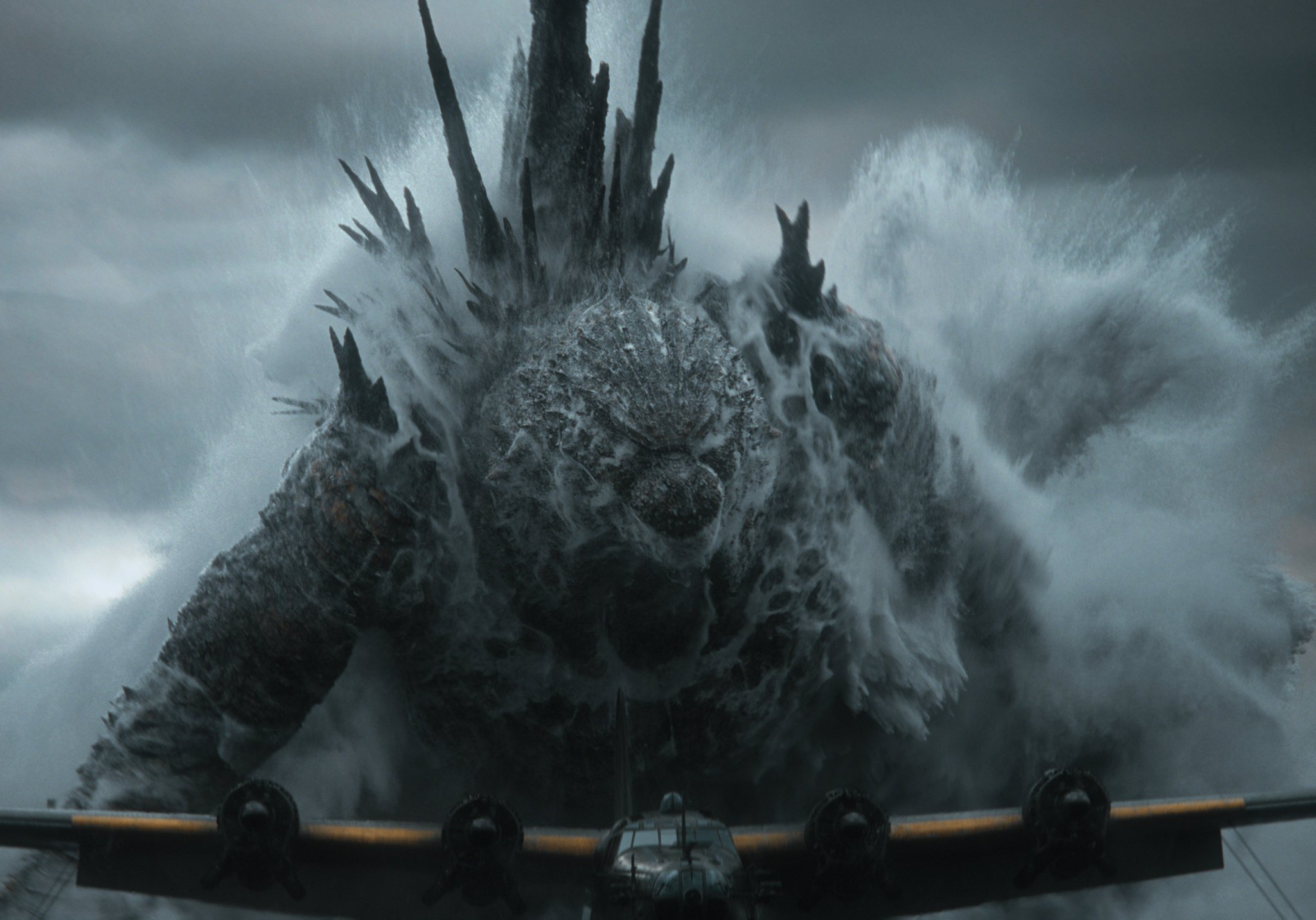
Isaiah: Buddy is stubborn. That’s not to say the only new face(s) in the film is Ghidorah. Joining the human effort alongside some of the most generic American army dudes Yamazaki could find are meteorologist Makoto Aoyama and scientist Kanji Murakami to hatch a plan to kite Ghidorah and Godzilla toward another, let them fight, and kill whoever wins.
Chris: Everyone is carrying various scars from Godzilla but also the war. Part of the reason Godzilla is back is because he has what are called G-Cells, which are a recurring thing that I believe Godzilla vs. Biollante established (Criterion has a 4K restoration of it, and it kicks ass if readers have not seen it). The G-Cells caused many of the victims to regenerate rapidly before dying, and it’s revealed Noriko is one of those people.
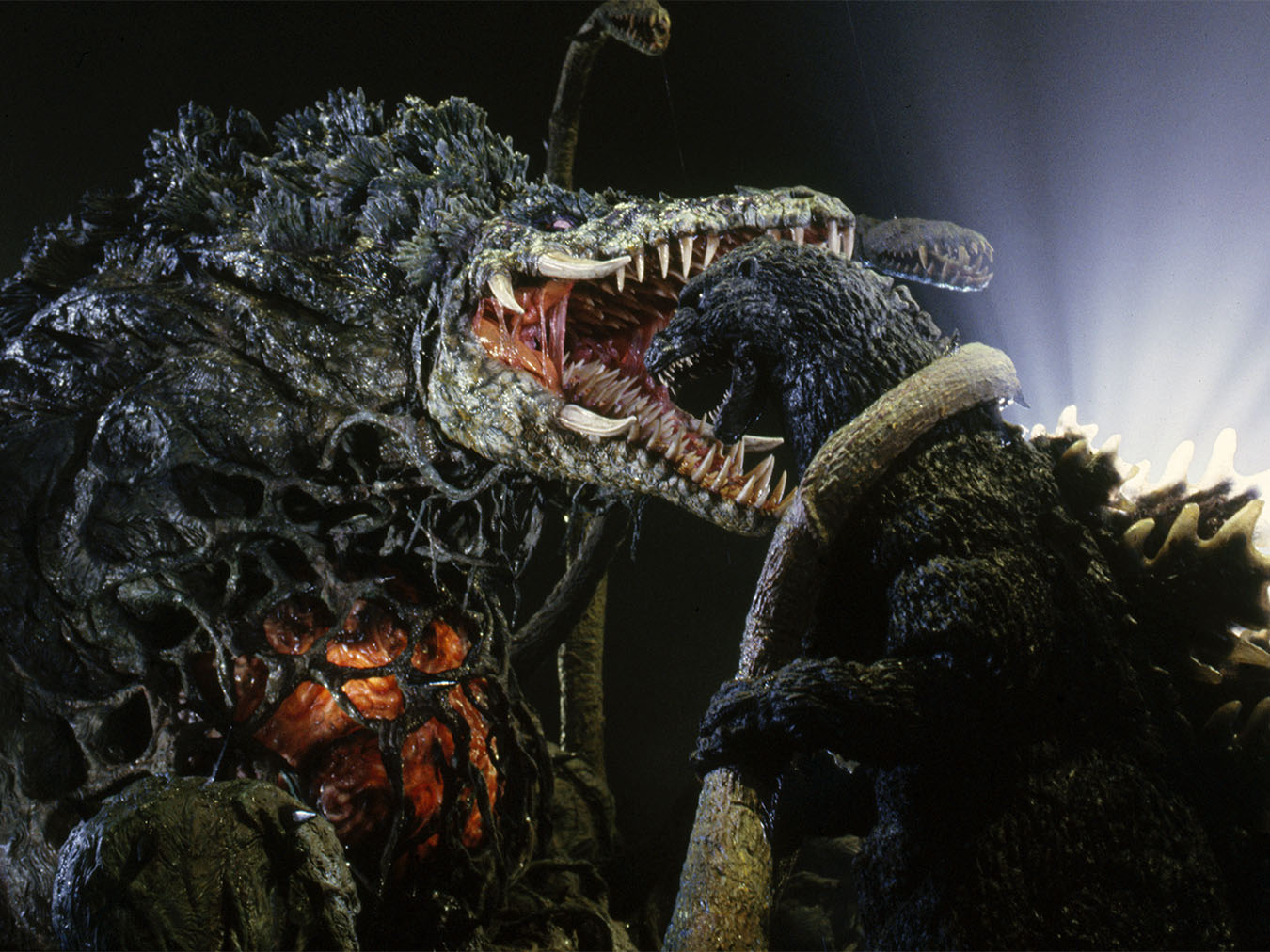
Isaiah: Oh, you bet your ass I saw Biollante. In fact, when early rumblings that this film was happening came up, I cited Biollante as a potential direction this movie could’ve taken in my write-up of the news for IGN. Suffice it to say, the wind left my sails when I learned we weren’t doing that, but instead were giving Ghidorah his shine again as the big bad.
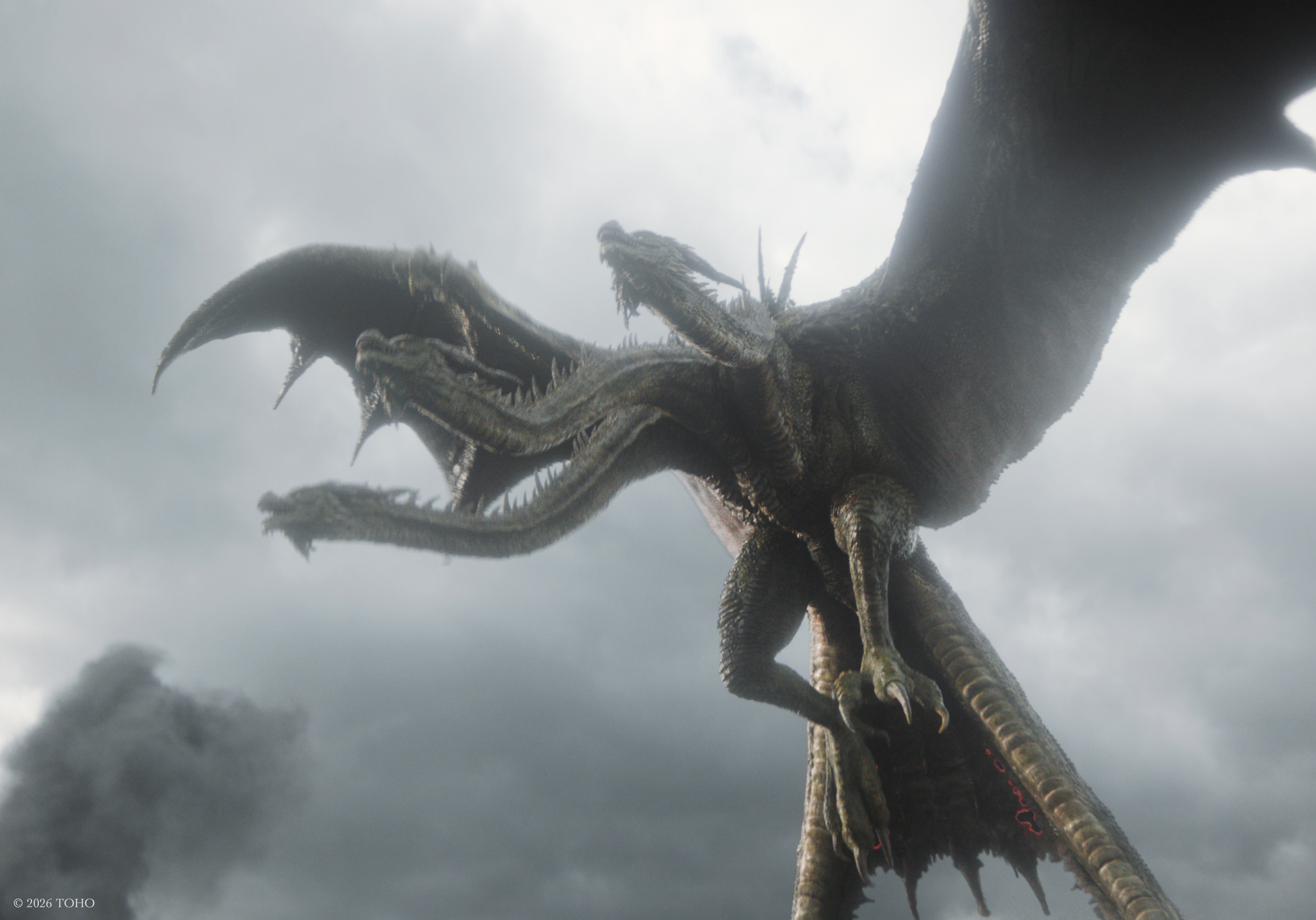
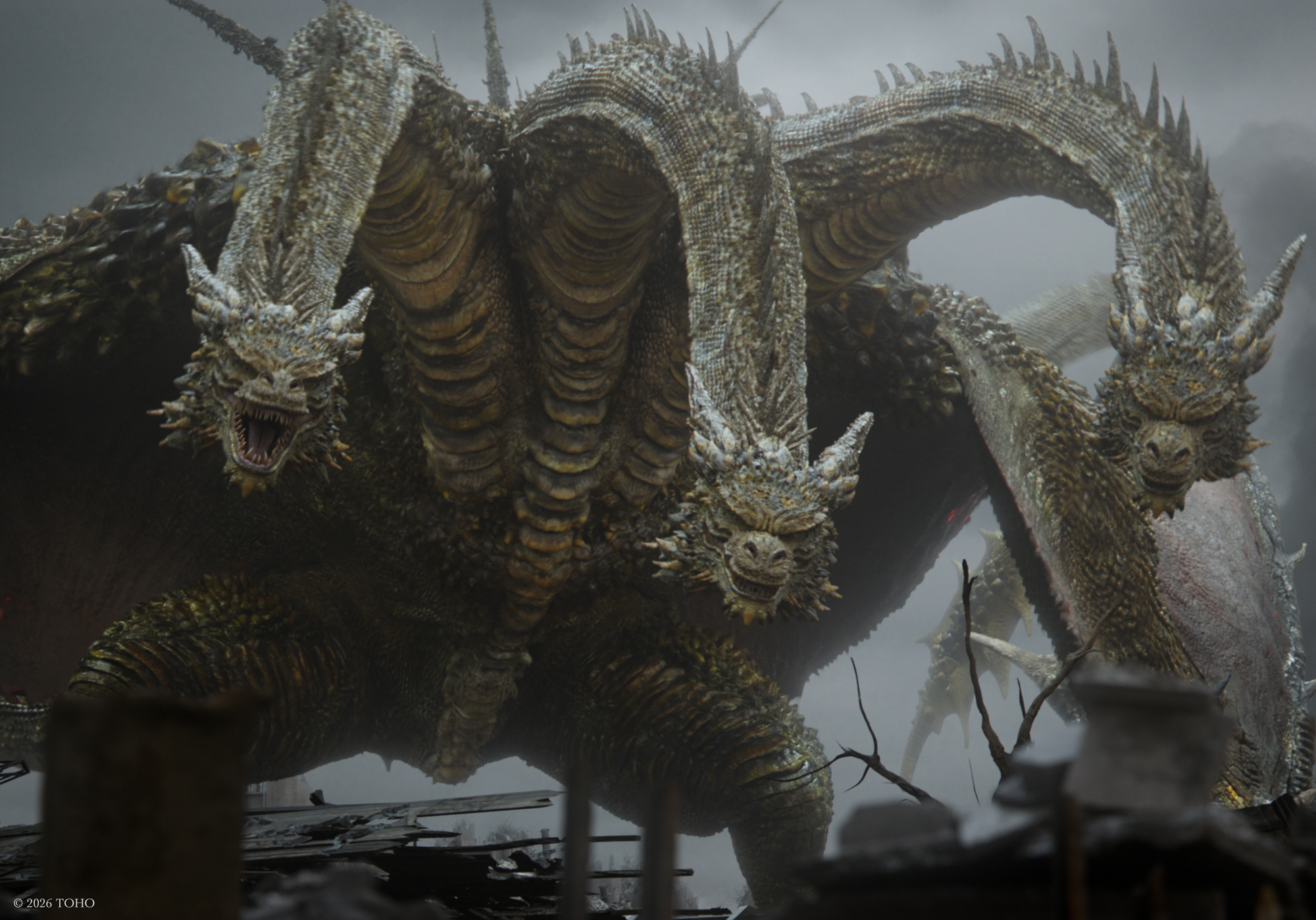
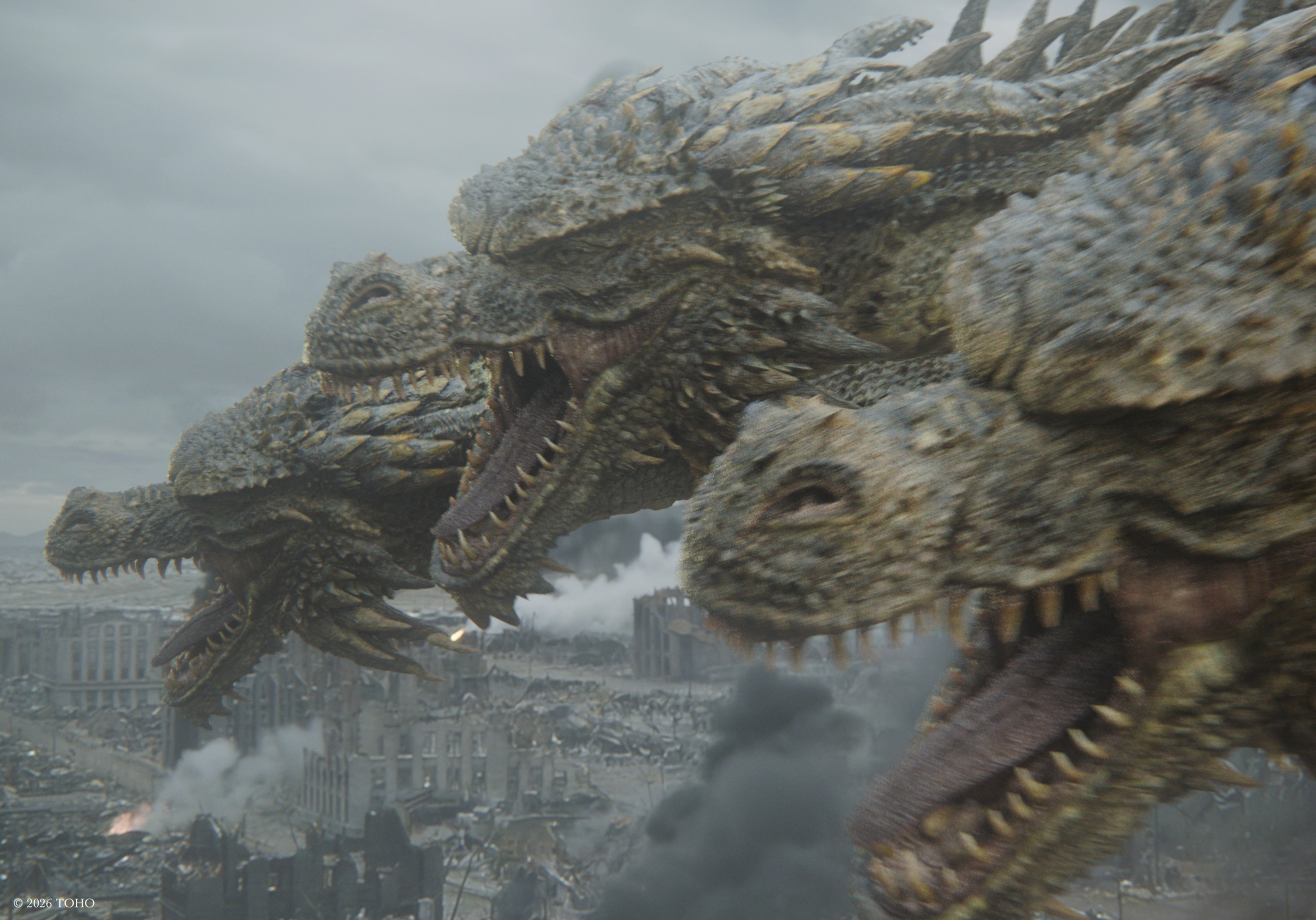
For all my bellyaching toward Ghidorah, I don’t hate that he’s in the film. I think he’s a pretty smart, if not limiting, escalation for any sequels that follow, for what the movie is playing with thematically. As you said earlier, folks carry scars from the war, but the scars Ghidorah carries throughout the film evolve and mutate him into a bigger problem.
My beef with the film is that I think it would’ve been better if the B plot and A plot were swapped. Instead of focusing so much on Shikishima and his family being in the crosshairs of everything, the film should’ve focused on the implications of Ghidorah and how they fed into Murakami’s secret plot for revenge against the US.
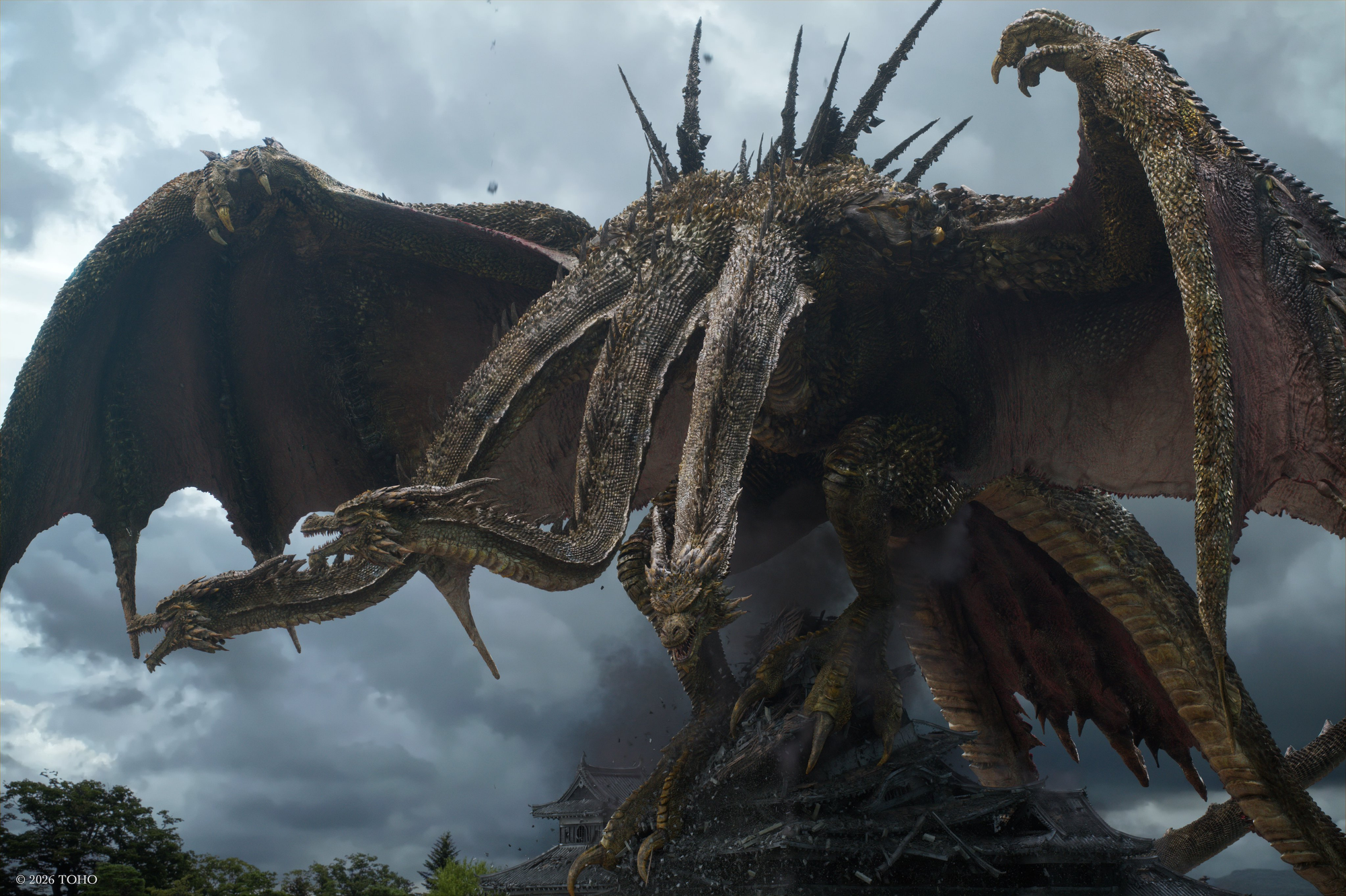
Toho
Chris: Yeah I wish the implications of what America was planning on doing were better fleshed out here. If you’re going to do a movie about postwar Japan, the continued military presence of the United States is fertile territory. Although I will say I do have a love for getting whatever generic white actors Japan has around to do the corniest caricature of US Army men you can. Also very funny that one of them was Jordan Vogt-Roberts, who directed Kong: Skull Island.
Murakami’s a survivor of the bombing of Hiroshima and plans to eventually use Godzilla to exact revenge on the United States. It leads to an incredibly fucked up dream sequence where Godzilla vaporizes New York City, and while it’s technically quite cool I find the characterization and his entire arc to be slightly overwrought.
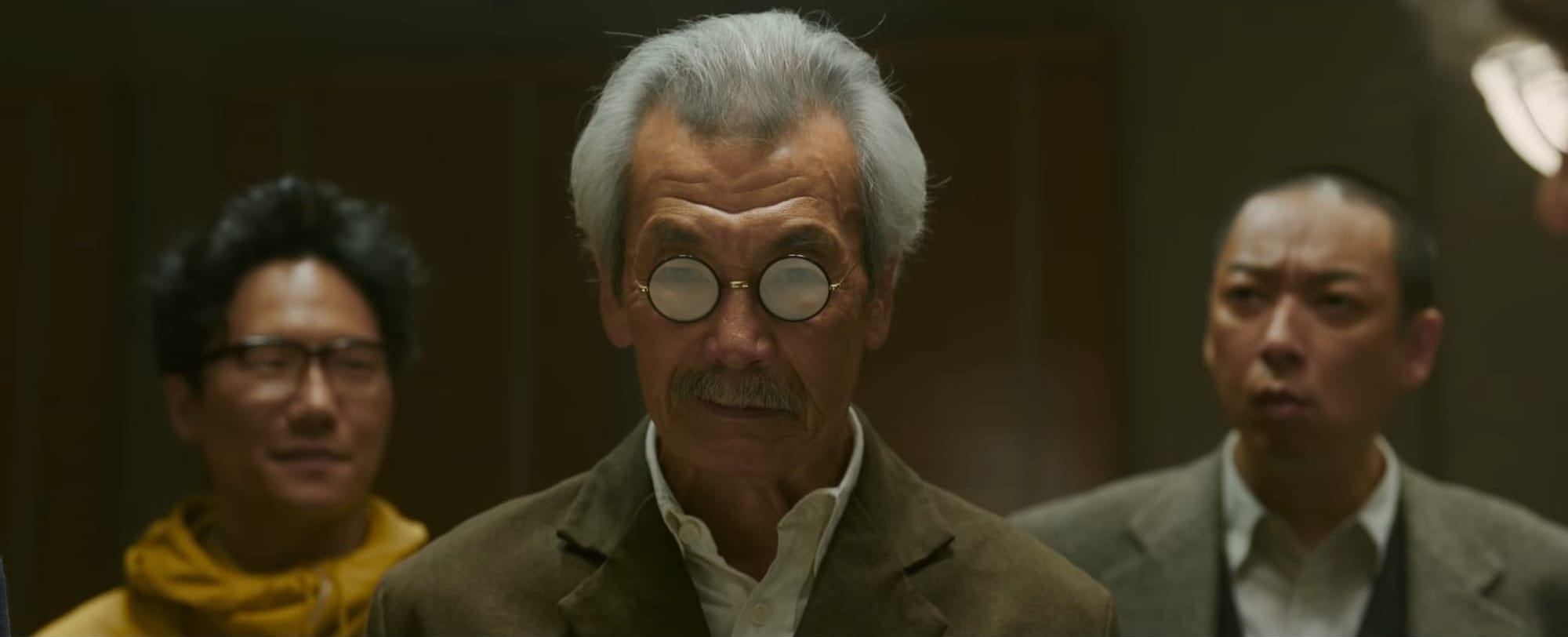
Isaiah: On paper, that whole scene and Murakami are interesting as a Godzilla protagonist. Like how Minus One was a modern contextualization of the ’54 film, Minus Zero echoes it too by making Murakami the inverse of its own scientist, Murakami. In that movie, Murakami comes up with a means to kill Godzilla by building an oxygen destroyer. He’s so tortured by his invention’s potential to plunge the world into further ruin than the atomic bomb should it reach others’ hands that he ensures schematics for it and he himself die with it. It would have been very interesting to see Murakami struggle with the weight of his vengeful eye-for-an-eye ambition braiding with Ghidorah’s fighting-fire-with-fire motif. It would have been interesting to have that teased out throughout the movie. But Minus Zero only fades in and out of focus on that emotional throughline. Instead, the film spends way too much time on the particulars of how they can MythBusters their way into killing Ghidorah and kiting Godzilla, or on characters kind of reminding you of the stakes they faced in the previous film.
Outside of the dogfight aerial battle with Ghidorah at the start of the film, I struggled with being invested in Minus Zero. Mainly because that was the only scene where I felt any actual tension and emotion, uninterrupted. That took me out of the film in an annoying way: I was less watching it as a moviegoer and more seeing it from Yamazaki’s perspective, trying to string all these plot points and tones together on a corkboard. The whole film has this choppy cutting in and out of scenes where characters wrestle with a feeling, only to fade out to Ghidorah and Godzilla’s fight to send us home and land the proverbial plane. But I found the fight to be pretty underwhelming too, given the potential the film drip-fed me throughout.
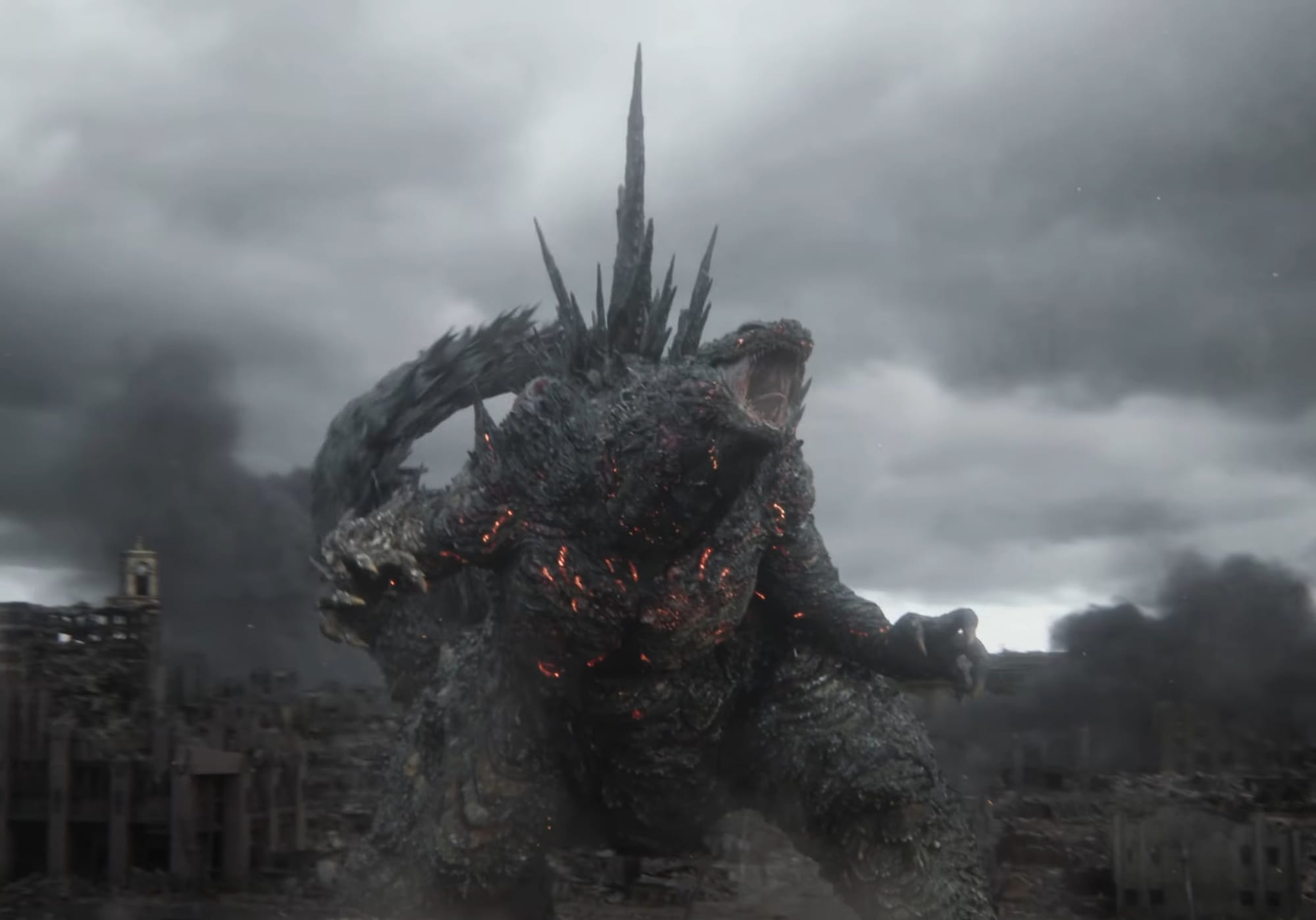
Chris: I will say there are scenes where Godzilla gets his ass beat briefly before regenerating in a sicknasty way, and I personally liked those parts, but to your point they have to exist within this sorta militarized/sorta not militarized reality where their main weapon is like five planes and the breakfast machine from Pee-wee’s Big Adventure. And again, those scenes have to be buttressed by the drama and the drama, unfortunately, feels a bit like a rerun minus the Murakami bits. But more than anything there is this bigger issue for me in that the entire thing feels like it’s setting itself up for a more interesting sequel, and that’s kinda a bummer.
Isaiah: I enjoyed that Godzilla got his ass beat. After all, he’s never had his chin tapped before. Humans wrecked his shit enough that his big reintroduction saw him move very gingerly to make sure their naval vessel didn’t break from his resurfacing. He is an animal learning the limits to expanding his territory. It was really brutal seeing the gore from their fight, but knowing they’re both creatures with a broken healing factor became yet another reason why the film felt like it lacked tension both on its human story and the kaiju front.
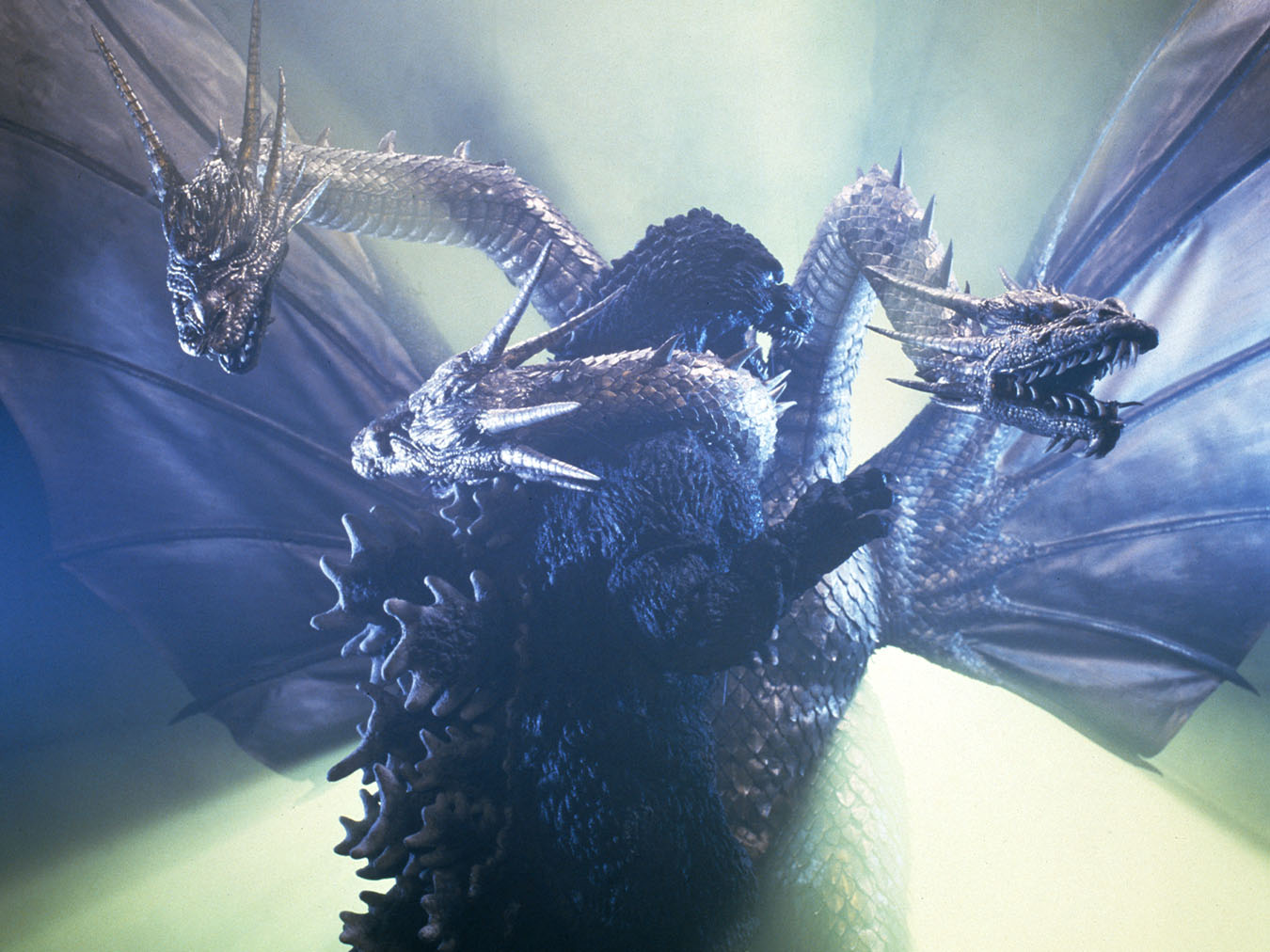
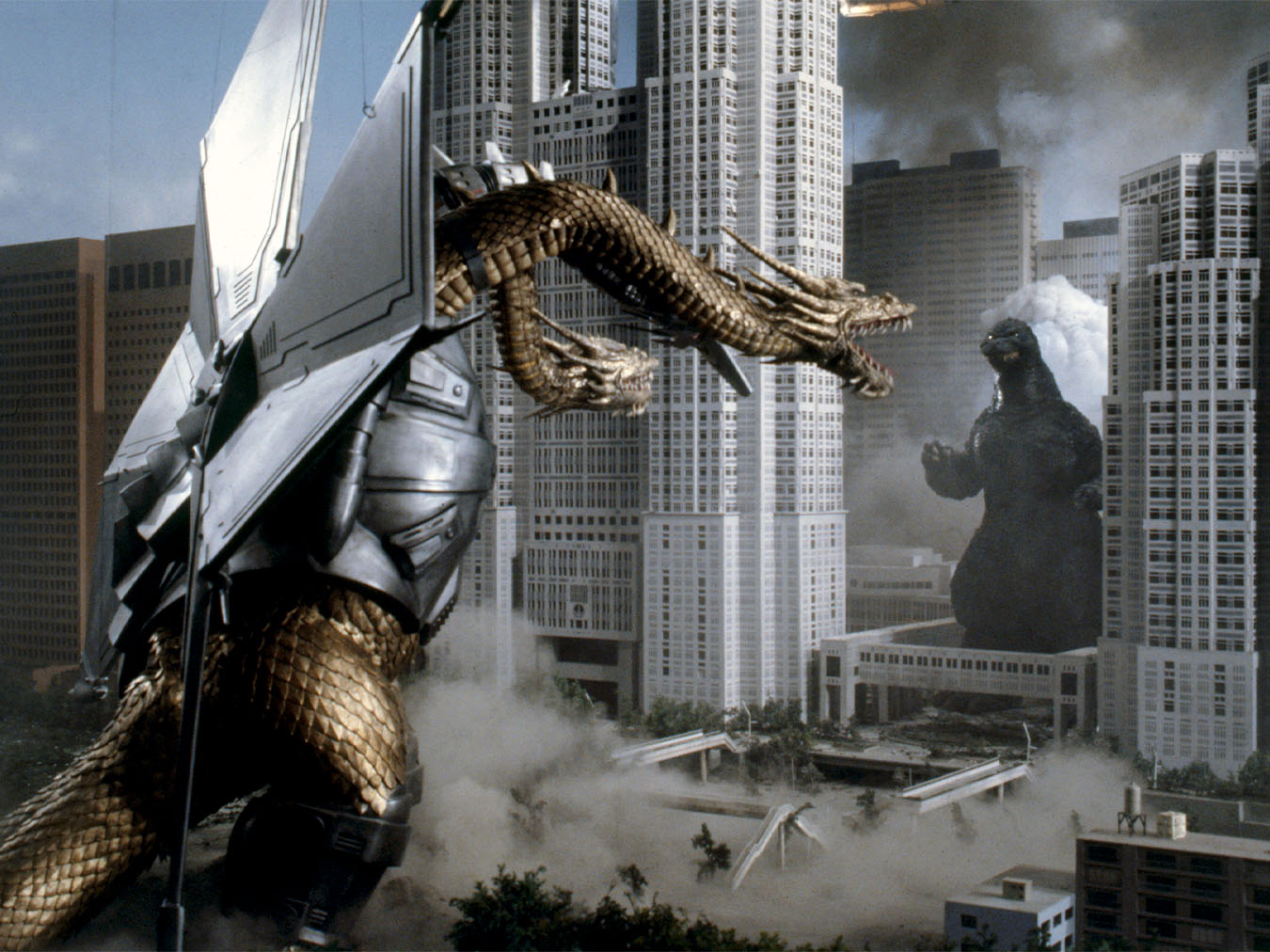
Godzilla vs. King Ghidoah|Toho
My glib Letterboxd review boiled down to one singular complaint that Minus Zero felt like the most focus-grouped kaiju movie I’ve ever seen. It’s a movie about splitting the difference. The human drama gets swallowed up by the sequel instinct of going bigger and louder at every turn, while the monster action suffers from a similar escalation problem. For all the spectacle on display , their climactic showdown essentially amounts to two monsters with busted healing factors trading blows until one of them resorts to the classic Dragon Ball Z strategy of hitting the other harder. It’s an impressively staged fight with shocking gore and referential moments but also a disappointingly short and dramatically thin one, especially for a movie determined to uphold itself as a bigger, grander, and more consequential follow up.
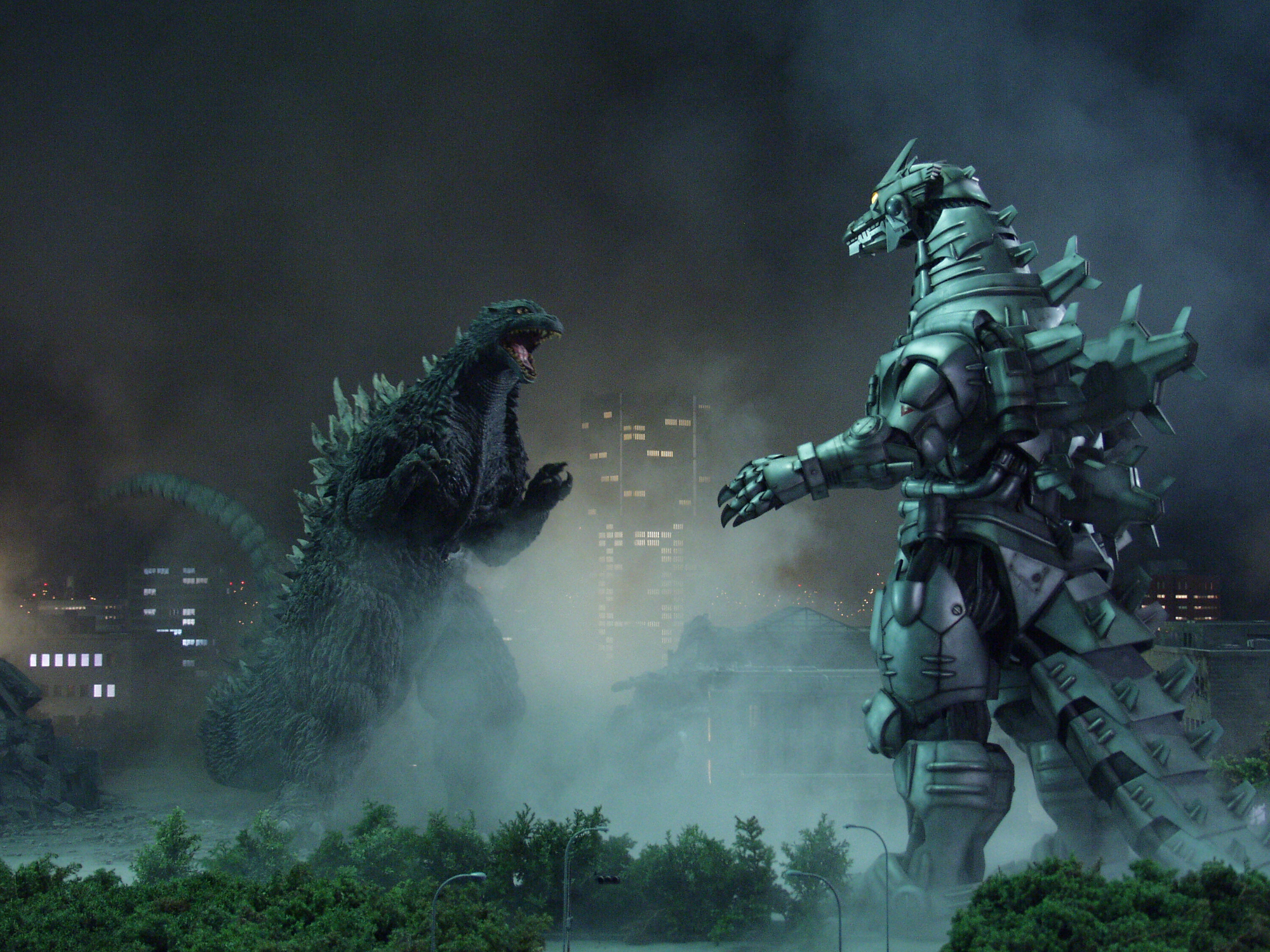
Godzilla sequels rarely eclipses their predecessors. The best thing they can do is find ways to carry forward ideas that were already on the table and recontextualize them. In my scattershot watch through of Godzilla’s filmography, Godzilla Against MechaGodzilla and Tokyo S.O.S. might be my favorite example of this. While the latter is a far cry from being the pinnacle of the franchise like the former, Tokyo S.O.S build directly on the tragic idea that MechaGodzilla (Kiryu), constructed from the bones of the original Godzilla, still carries remnants of his memories. What begins as a compelling wrinkle evolves into the emotional core of its sequel: a weapon choosing it no longer wants to be used as one. A weapon that wants its bones to rest. Granted, Tokyo S.O.S. shoves that plot point in an awkward “oh, by the way” fashion at the tail end of the movie. Still, Kiryu dragging himself and Godzilla into the ocean to bury both of their remains elegantly resolves a conflict that references the original film and deepens what came before, even as a louder, more crowded monster sequel.
That’s what frustrated me so much about Minus Zero. I don’t think it “yes, and”ed in a way that deepened anything in a revolutionary way. It was all “oh, by the way” for two hours and some change, and I resent it most for how little it trusted me as a viewer.
Every emotional beat is accompanied by another flashback reminding me of something I watched thirty minutes ago, yet the story routinely skips over events it tells me are important. Yes, I know Murakami is fucked up by Hiroshima. You don’t need to remind me so incessantly while his actor is showing me how fucked up he is about it.
The most egregious example of this is in its climax. They don’t even show Ghidorah dying. This is a monster whose entire gimmick is evolving, regenerating, and adapting, and when the finishing blow lands, the camera practically pans away. That’s it. No DBZ beam struggle. No payoff. No confirmation. Just a glorified Kamehameha without even the courtesy of a beam clash. When Godzilla beat Hedorah, he disemboweled the thing and held a victory parade over its corpse. You’re telling me he finally throws hands with his Joker, a literal space dragon, a detail the movie itself glosses over, and I’m not supposed to think that was just the end of round two?
The human drama of Minus Zero doesn’t fare much better. The central tension of Murakami weighing whether to use Noriko as a remote controller for Godzilla and Shikishima as their glorified Uber driver to get them to New York and enact fifteen 9/11s gets resolved through my least favorite narrative shortcut: flashbacks. Rather than letting that conflict breathe, the film dumps that responsibility onto a flashback conversation with Noda, who sort of, kind of talks him out of it, off-screen before the finale. The whole thing felt like a diluted attempt to recreate the emotional climax of Minus One. But that film had the benefit of being a tightly written story where Shikishima’s survivor’s guilt has every character interact with him about it, so that moment lands.
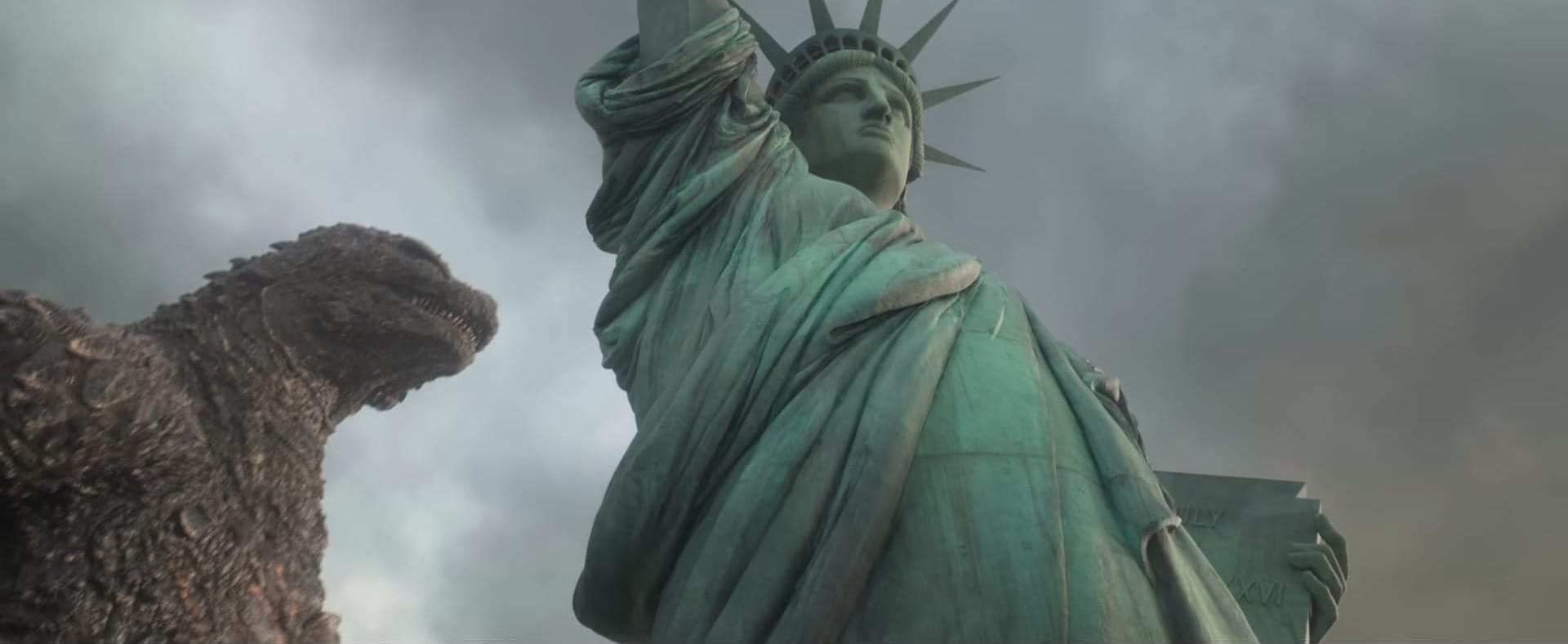
Chris: If there’s any consolation, it’s that the movie’s end suggests a time jump, which is the only way to keep this subseries interesting. We have only seen Japan in the immediate ruin of the war, twice now, and you can only live in the wake of that so many times before the world needs to stand up on its own two legs. We need to see a different era of Japan, one that is fully rebuilt but still has to deal with the ramifications of the attacks. The Godzilla sequel math I did in my head was “1964 Summer Olympics and Mothra,” and that pairing gives you a lot to work with. But no matter what direction they go with, if these stories are about Japan’s history following the war, there’s so many interesting directions that you can do with that material. Like you said, there needs to be more wrinkles, there needs to be more interesting swings, the movie needs to use the form to tell its own story, because if it is just the same movie a third time with slightly different actors and a new series of figurines to buy, then I don’t much see the point.
Isaiah: What frustrated me most about Minus Zero is that I spent half the movie constructing ideas in my head that felt more interesting than where the film was going. I kept thinking about how the franchise’s lore could recontextualize Godzilla and Ghidorah’s rivalry with the former’s hatred of bright lights, a la Godzilla Raids Again, stemming from the hydrogen bomb flashes that created him. Ghidorah as an allegory for the US military-industrial complex, addicted to lightning after Shikishima mag dumped him with a lightning rod and leading to his obsession with absorbing more power felt like a compelling foil. Hell, there’s even a moment where, while dodging Godzilla’s atomic breath, you can see neurons fire in his head as he takes that power from another’s trauma for himself. The pieces are there, but the film never assembles them into anything concrete. I did a lot of the thematic heavy lifting, more than the movie itself, which was happy to leave breadcrumbs in service of spectacle.
That feeling carried through to its ending, which irked me more than it moved me. For a brief moment, it seems like the film is willing to commit to a bittersweet end when Noriko and Shikishima appear ready to leave Akiko behind, paying off her earlier “have a safe trip line” with a real gut punch of an ending. Then the movie immediately backs out, scooping Akiko up so everyone can ride off together. It felt less like a creative choice or even an emotionally manipulative one and more like a test-screened compromise between audiences who wanted some tension and audiences who wanted a happy ending.
That’s kinda my core issue with Minus Zero; it rarely wants to be one thing. Minus Zero wants to warn about cycles of violence while also validating fighting fire with fire. It wants emotional consequences without fully living them out on screen. In the end, what should have been a cathartic follow-up feels like a sequel pulled in too many directions, indulging in every cool idea without committing to the ones that made it the most interesting. The best and the worst thing about Minus Zero is that it’s a Godzilla sequel in every sense of the word.


