The fate of Black characters in horror tends to go one of one way: we die so the stakes feel real for our lily-white-skinned counterparts. Lately, though, that trope has mutated into a modern offshoot of the equally tired “died first” trope. Sure, Black people still die in service of the plot, but now our deaths haunt the survivors’ narrative in ways they never could have in life. Few shows embody that trend quite like Netflix’s The Body.
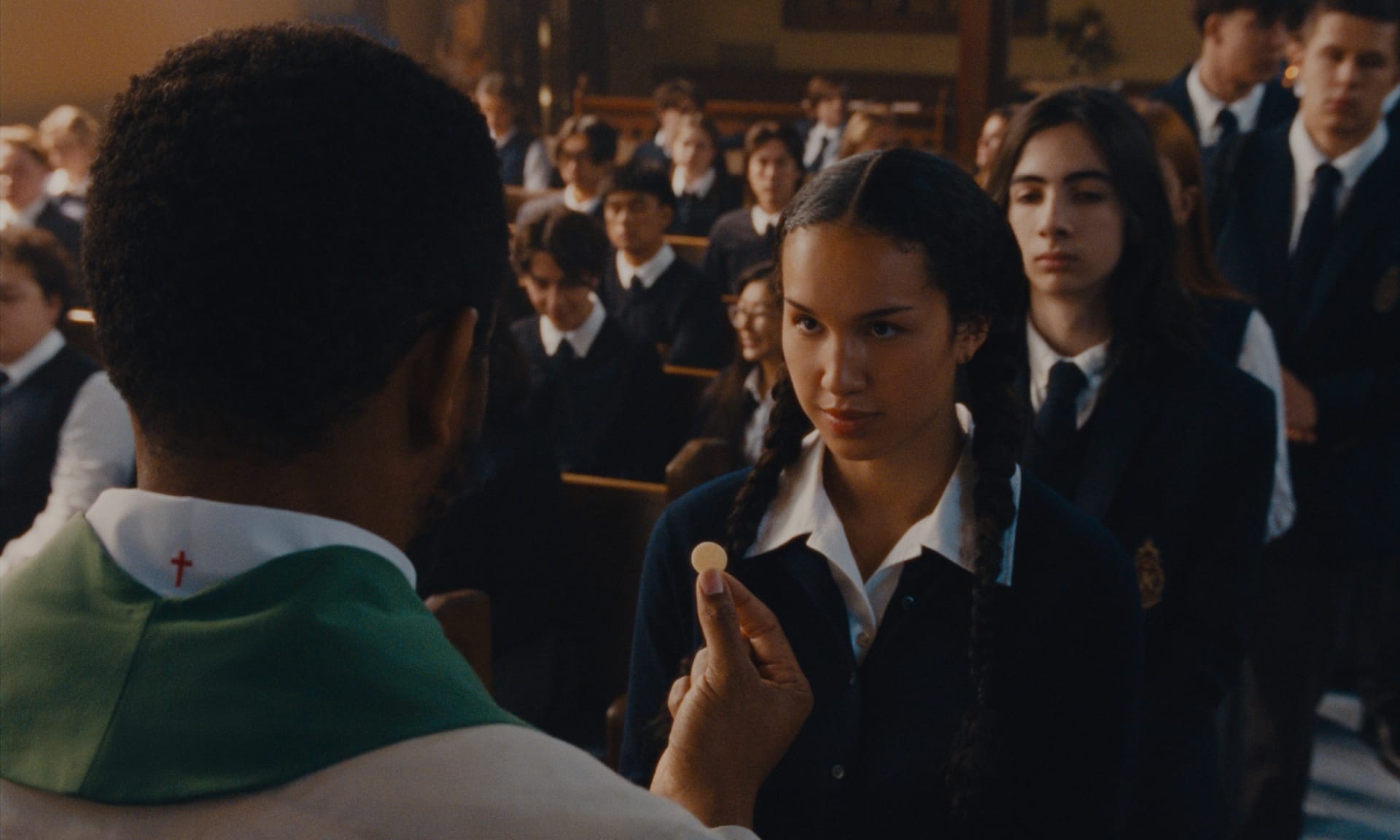
Created by Quinn Shephard, The Body is a fun Y2K-era thriller with horror sequins. Set in a small Northeastern town, it follows a group of unruly Catholic girls on a school dance squad who, during an ecstasy-fueled party and a hazing ritual dabbling in the Devil, wind up oopsie-daisy killing a prospective member. Turns out the Devil doesn’t understand the difference between invoking his name as a joke and the real thing when sacrificing a pledge to win nationals. What unfolds across eight episodes is a pretty ambitious balancing act for television. The Body critiques conservative Catholicism while avoiding the easy punching-down of the church as a caricature a la Midnight Mass.
This scene of all time pic.twitter.com/I71kylHub1
— Netflix (@netflix) November 14, 2026
But if you asked its burgeoning overnight fandom and languishing yuri subreddits what The Body was, they’d call it the most compelling sapphic romance since Orange Is the New Black. While all of the above made for an entertaining weekend binge, what interested me most wasn’t the queer love story driving Netflix’s marketing. It was the aforementioned Black body that predictably gets lost in the margins while haunting the narrative.
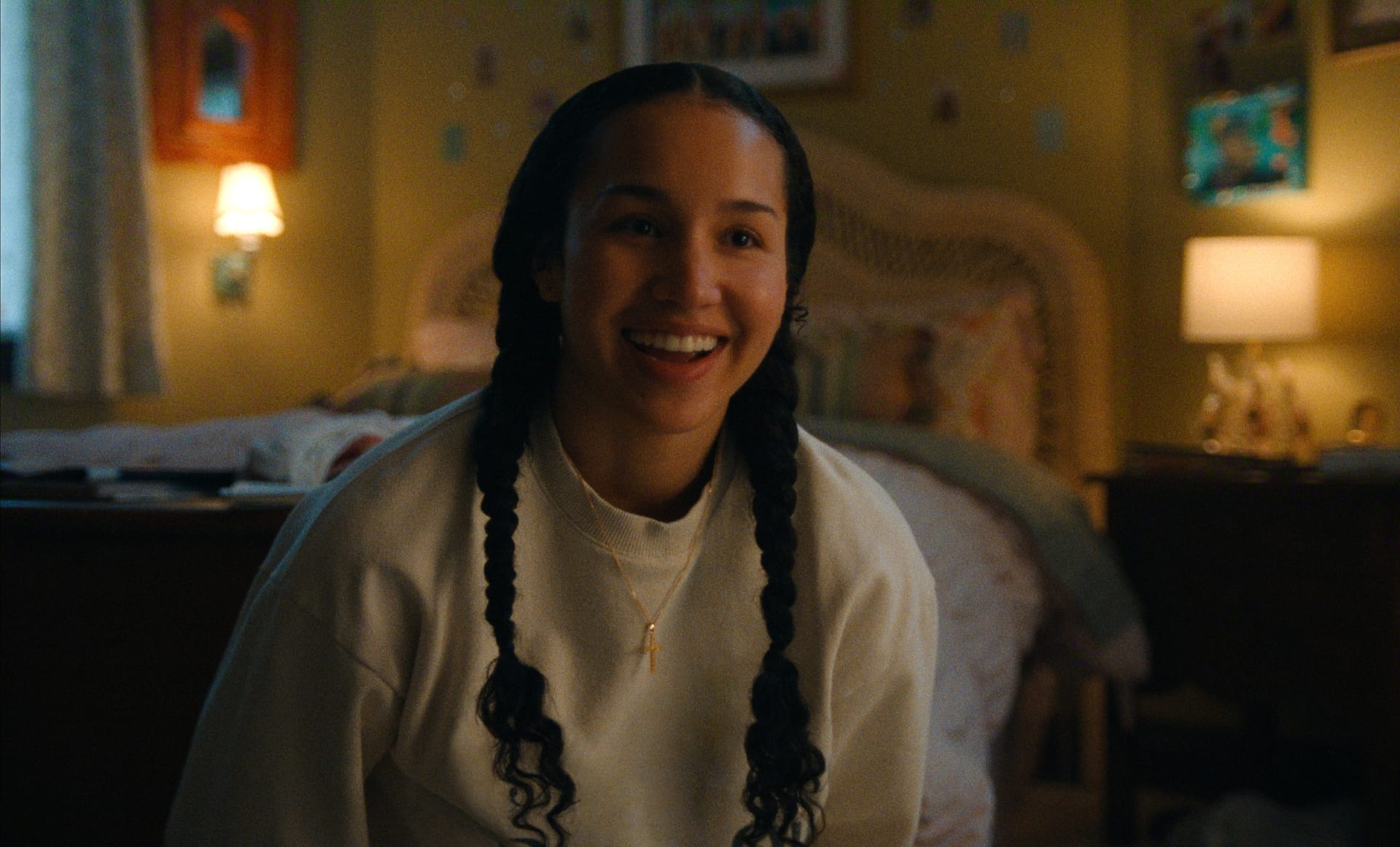
Played by Sofia Wylie, Grace is the pastor’s niece, the school’s angel, and the odds-on favorite to join St. Mark’s dance squad, the Lions, just in time for the big regional competition. Then she gets Laura Palmer’d in the premiere.
best friends 4ever <3 pic.twitter.com/0Q9F0tQXaW
— Netflix (@netflix) November 14, 2026
Grace’s apparent death becomes the catalyst for a very CW-style scheme. Terrified of being caught, two girls tuck Grace’s body back into her bed and pretend nothing happened. The discovery of her corpse draws two unlikely co-conspirators: Anya Butler (Kristina Bogic), a popular girl caught in a compheticated entanglement with her childhood friend and her jock boyfriend, and Lisbeth Anderson (Geena Meszaros), an Ethel Cain-coded outcast who leverages blackmailing Anya to claw her way into the social hierarchy by joining the Lions in Grace’s stead. Anya and Lisbeth’s lie to cover their own asses only gets more complicated when a miracle undoes their scheme. Despite everything, Grace isn’t dead. She’s alive, though trapped in a coma, and her lingering presence begins to reshape the lives of everyone around her, not for the better.
Light spoilers for The Body, duh.
You’ve got the rest of the Lions going full The Devils, leveraging the hysteria and farming sympathy by claiming they’ve seen visions of Grace, despite never having been close to her in a positive, non-transactional way in real life. Her one actual guy friend has erotic, in-bondage illustrations of her that are unearthed by her parents, making him a prime suspect. But the bigger problem in the show, relegated to the background of its romantic drama and Weekend at Bernie’s, is that its vegetative ingénue has strangers and church members flocking to visit her, believing her body capable of messianic miracles. In death, everyone’s made Grace a symbol: a Black body to which they can take turns projecting meaning for their own absolution and deception. It makes for good television because it mirrors the unfortunate real-life phenomenon of women’s bodies meaning more in death than in life, something that takes on new weight when those bodies are Black.
 Joshua Rivera
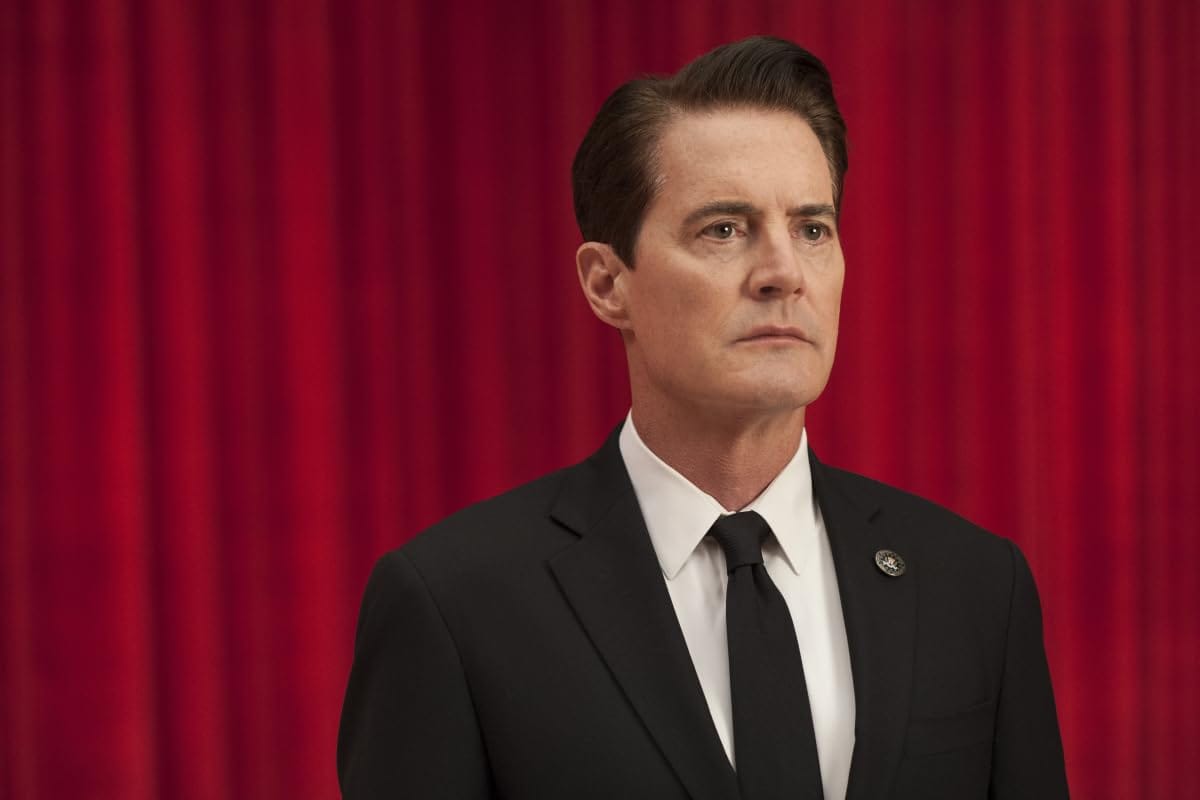
Grace’s death follows a similar pattern to the aforementioned Laura Palmer from Twin Peaks. Like Palmer, Grace’s death is the only remarkable event in the small, unassuming town. Rather than letting her death be simply a tragic event, both teenagers’ deaths mean more to people, prompting them to project more meaning onto them than they ever truly considered while they were alive. Over two seasons and a movie, David Lynch and Mark Frost’s Twin Peaks fleshes out Palmer as more than the innocent, blameless white girl her town made her out to be. The Body pulls a Laura Palmer-esque setup with Grace, but it’s also less a revelatory evolution of Black bodies as a cliché in horror and more an evolution of the “black person dies first” trope looming over its predominantly white cast and haunting the narrative.
Ever since the 2020 Black Lives Matter protests, there has been a pointed response to the representation of Black bodies in media. A Hamilton-ification, if you will. I’m not just talking about shows like The Simpsons replacing legacy voice actors with POC talent; I’m talking about shows recontextualizing classics on screen with race-blind casting or adding more texture to historical shows, like AMC’s TV adaptation of Anne Rice’s Interview with the Vampire. If there ever were a proto-example of Grace’s robbed sense of agency, it’s Interview with the Vampire’s Claudia.
 Gita Jackson
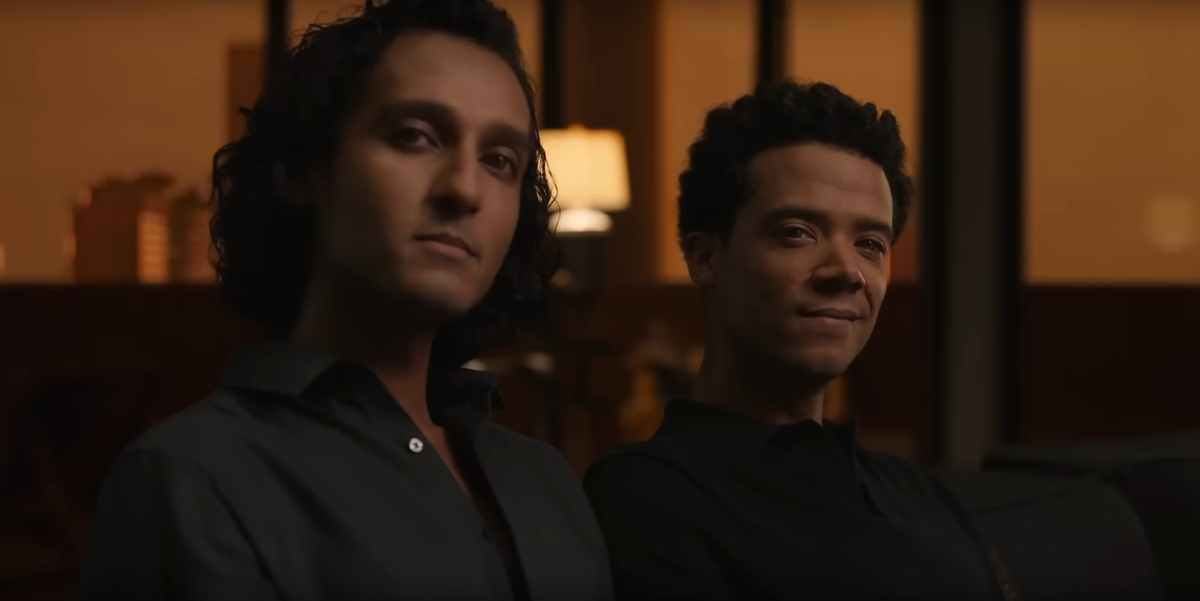
No life is as disastrously uprooted by the collective selfishness of its titular vampires as Delainey Hayles’ Claudia. Like the idea that a child can sustain a failing marriage, Louis and Lestat (more Lestat than Louis) turn a child into a vampire. Unlike them, she cannot age. Her horrible eternal vampiric existence is less horror-comedy like Matt Bettinelli-Olpin and Tyler Gillett 2024 film Abigail, and more melancholic malaise like Tomas Alfredson’s 2008 film adaptation of John Ajvide Lindqvist's Let the Right One In. Claudia is Lestat and Louis’ living doll, and she fucking hates it.
Just as the townsfolk take advantage of Grace’s death to serve their own ends, Claudia’s name is callously weaponized in spats between Louis and Lestat. Despite how much genuine love they harbored for the girl, to them, her death serves a purpose: to absolve them of blame and to justify their actions. They invoke her name not for who she was but for the comfort she provides to the afflicted and the affliction her name inflicts on the comfortable.
no wonder that whole town went crazy this shit WORKS https://t.co/gTB9mMK6Ak
— eve🎴| the body spoilers🚬 (@may_dayeve) November 15, 2026
As with Lestat and Louis with Claudia, every person wrestling with Grace’s passing fails to reckon with the fact that Grace is a teenager who lost her autonomy and became a symbol. In the process, they erase her individuality to give meaning to their own fraught existence. The majority of the cast even lies about seeing visions of her to garner sympathy, though you’d be forgiven for missing this, given her death becomes a bit of an afterthought in the thrust of the show (initial queries like what was actually in the pills that Anya gave the Lions get dropped in service of Anya and Lisbeth’s anxiety for being tied to Grace’s impairment). People try to perform dueling exorcisms on her, but instead of her soul being freed, miracles start happening around town that everyone interprets as Grace’s doing. No one’s concerned about how she wound up in a coma; now all anyone cares about is what miracles they can visit and ask her to do. Hell, the fandom itself has embraced the miracle power of Grace’s corpse in social media posts praying to her to bring back AO3 (and it came back the same day). When it works, it works.
As the consequences of the BLM protests have proven, you can invoke a name—and even misspell their names painted on your person—all you want. But in so doing, you invariably run the risk of deifying and defiling a death. Rather than celebrate or honor someone, you turn them into emotional agitprop. It happened to Ahmaud Aubry, Breonna Taylor, and Trayvon Martin in the media frenzy from both sides of the aisle, just as it did with Emmett Till.
Where “the Black person dies first” was once a comedic expectation, it’s been transformed into an almost hallowed, powerful symbol, and I’m at an impasse over whether I rock with it after watching The Body. Mostly, it’s still just a finessed version of the “Black person died first” at the end of the day.
The Body is so fun and moving; I am so glad queer kids have shows like this these days. Yearning that isn’t a period piece ending in a hate crime death!!!
— Emma Vigeland (@EmmaVigeland) November 15, 2026
I can’t fault The Body for reflecting a reality that too often befalls Black people. Its Bush-era exploration of closeted queerness and the pressures of a restrictive upbringing made The Body one of the most compelling original shows I watched on the streamer. (Stranger Things literally could never.) And much of the praise the show has received is warranted; as The Majority Report’s Emma Vigeland put it on her Twitter account, The Body is a fun, moving series for queer kids to grow up with where “yearning isn’t a period-piece ending in a hate crime death!!!” But that reading patently glosses over the still-beating fact that the series begins with one for Black viewers. Granted, it's the result of negligence rather than outright malice, but it’s still the kind of narrative setup that Black viewers like myself can’t help but wearily eye-roll at.
Netflix
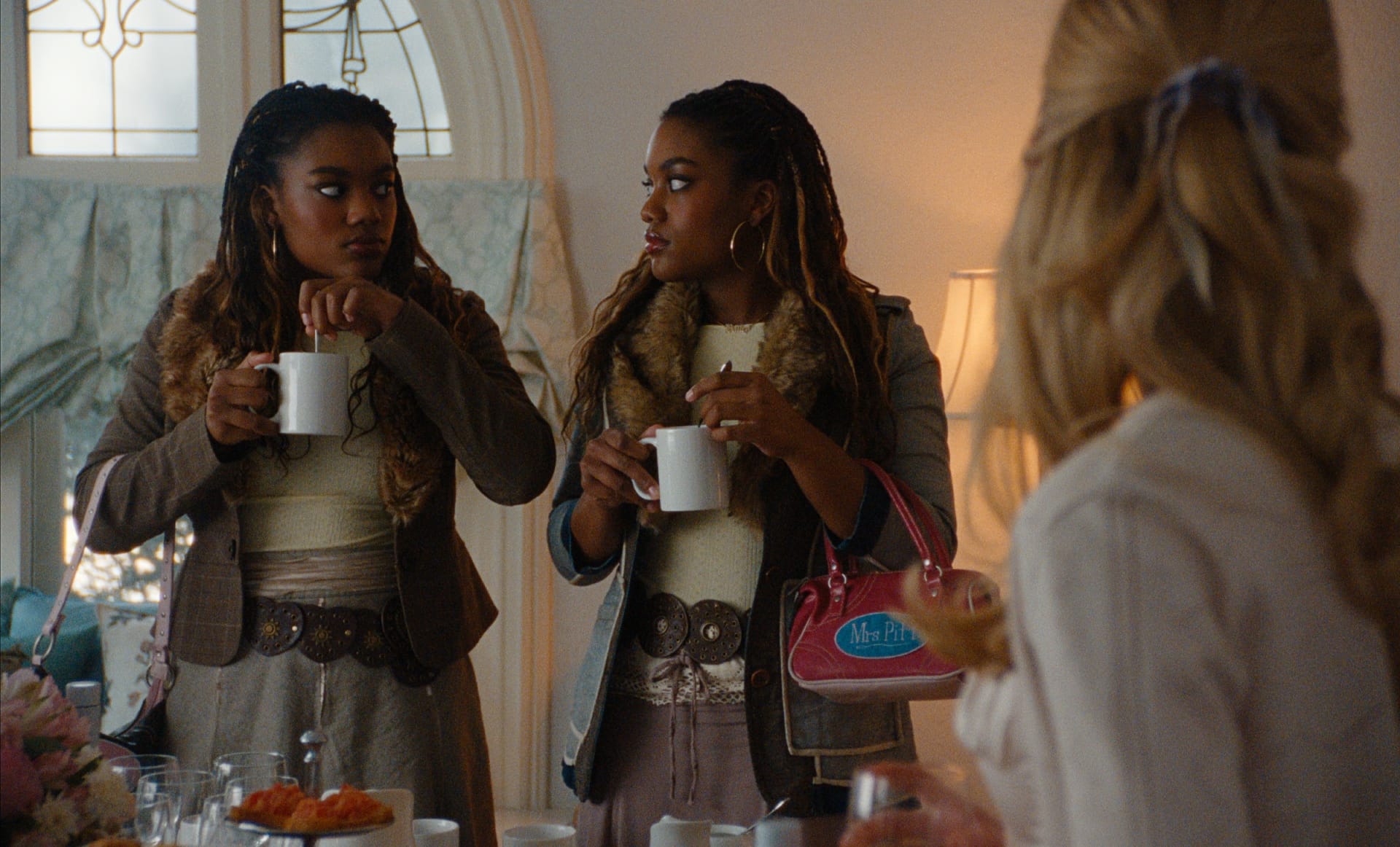
For all its strengths as a fun, queer, horror-tinged thriller, season one of The Body still harbors traces of a broader tendency to flatten Black experiences within ensemble casts. That makes Grace’s role as the dead magical corpse even more pronounced. Grace isn’t the only Black girl in the series, but as the only light-skinned Black girl—a casting choice I’m much too tired to get into—she might as well be, as far as the series is concerned. The only other Black girls are Brit and Bailey, dark-skinned twins played by real-life twins Phallon and Kyra Pierce. They don’t do much; in fact, they occupy a lower rung than Dionne Davenport or Rochelle did in Clueless and The Craft 30 years ago, respectively, as the token Black friends orbiting a largely white cast. With so little characterization, they barely register as individuals. The show even makes a joke of it, with the Lions admitting they can’t tell the twins apart during their farce of an exorcism.
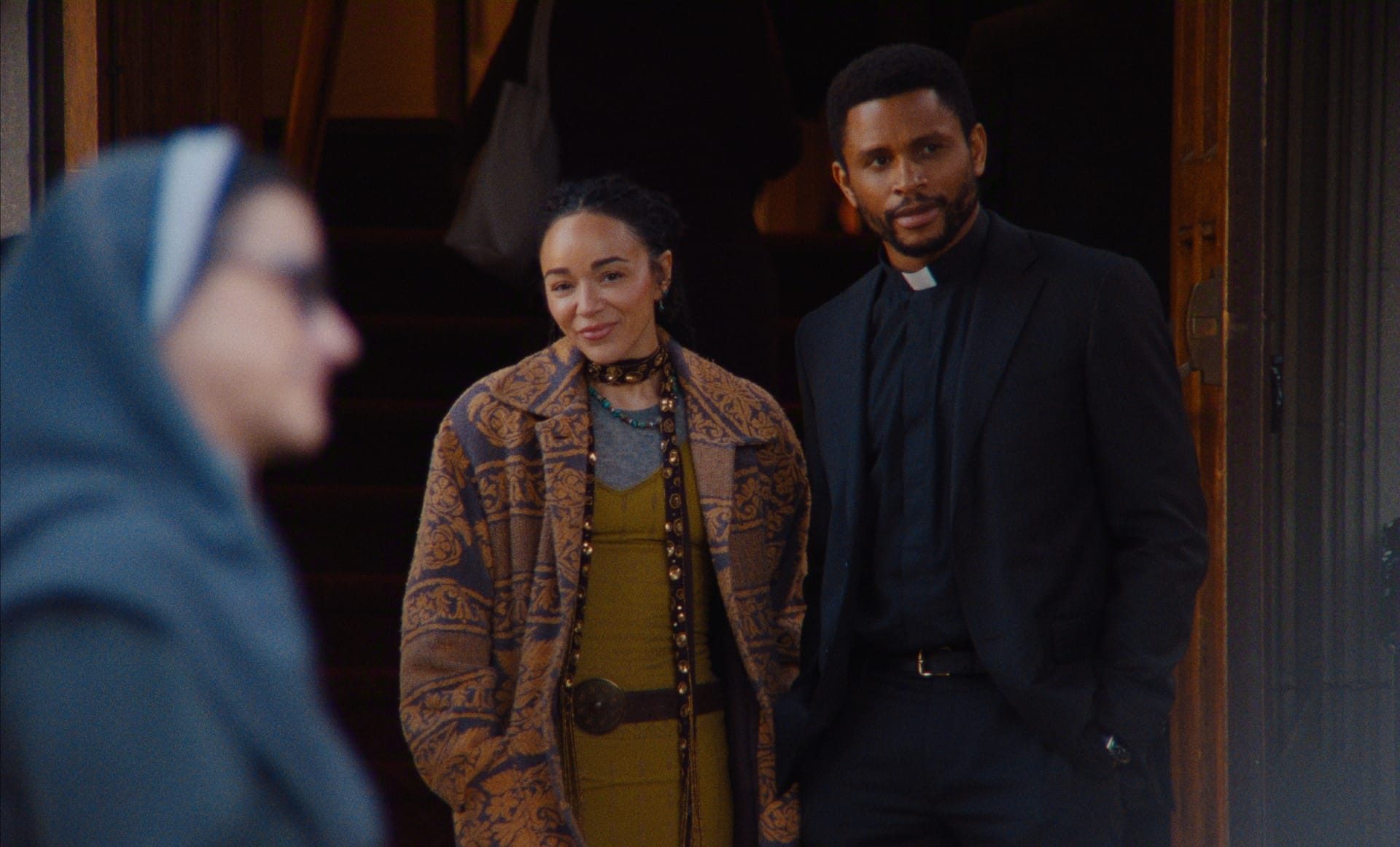
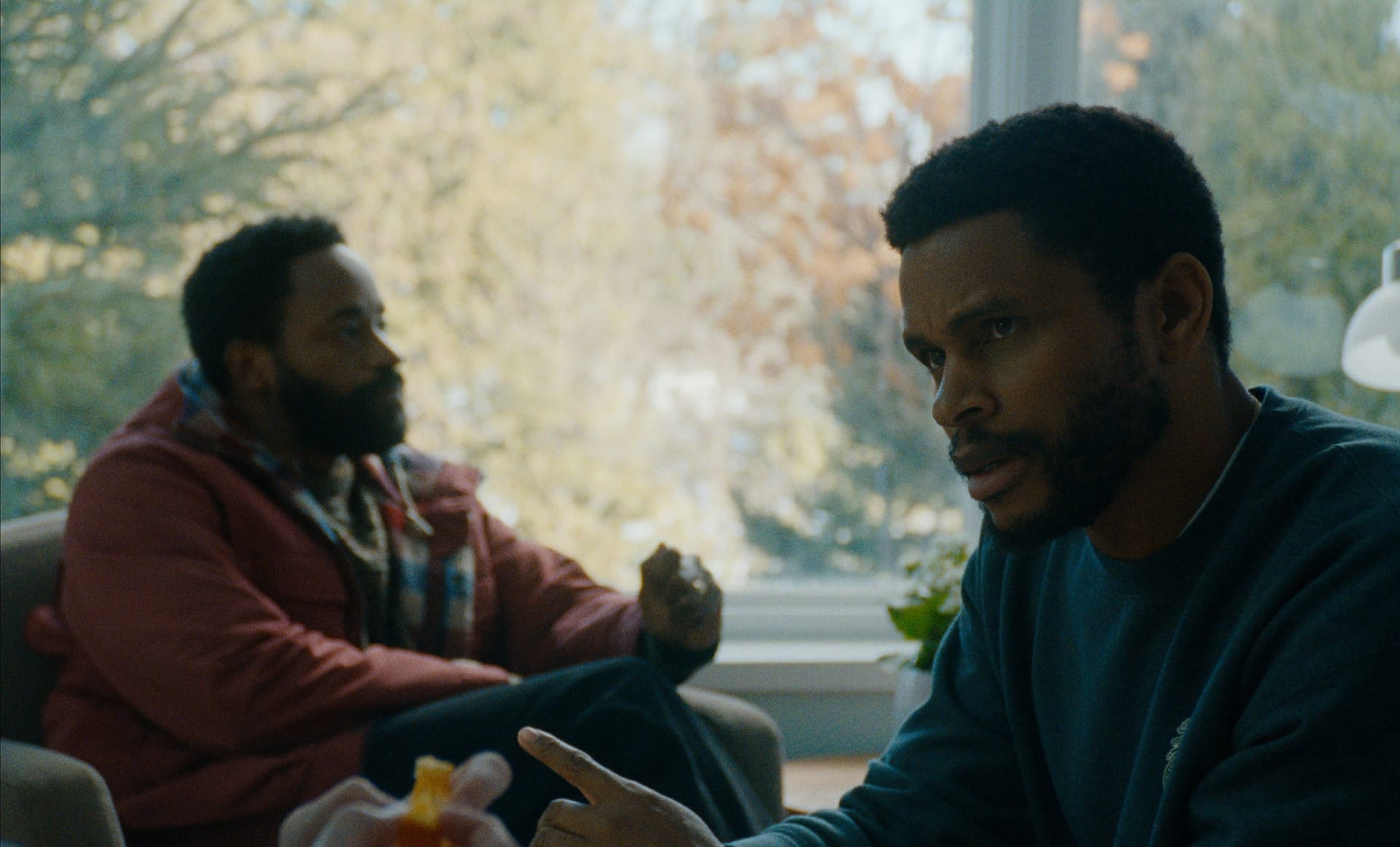
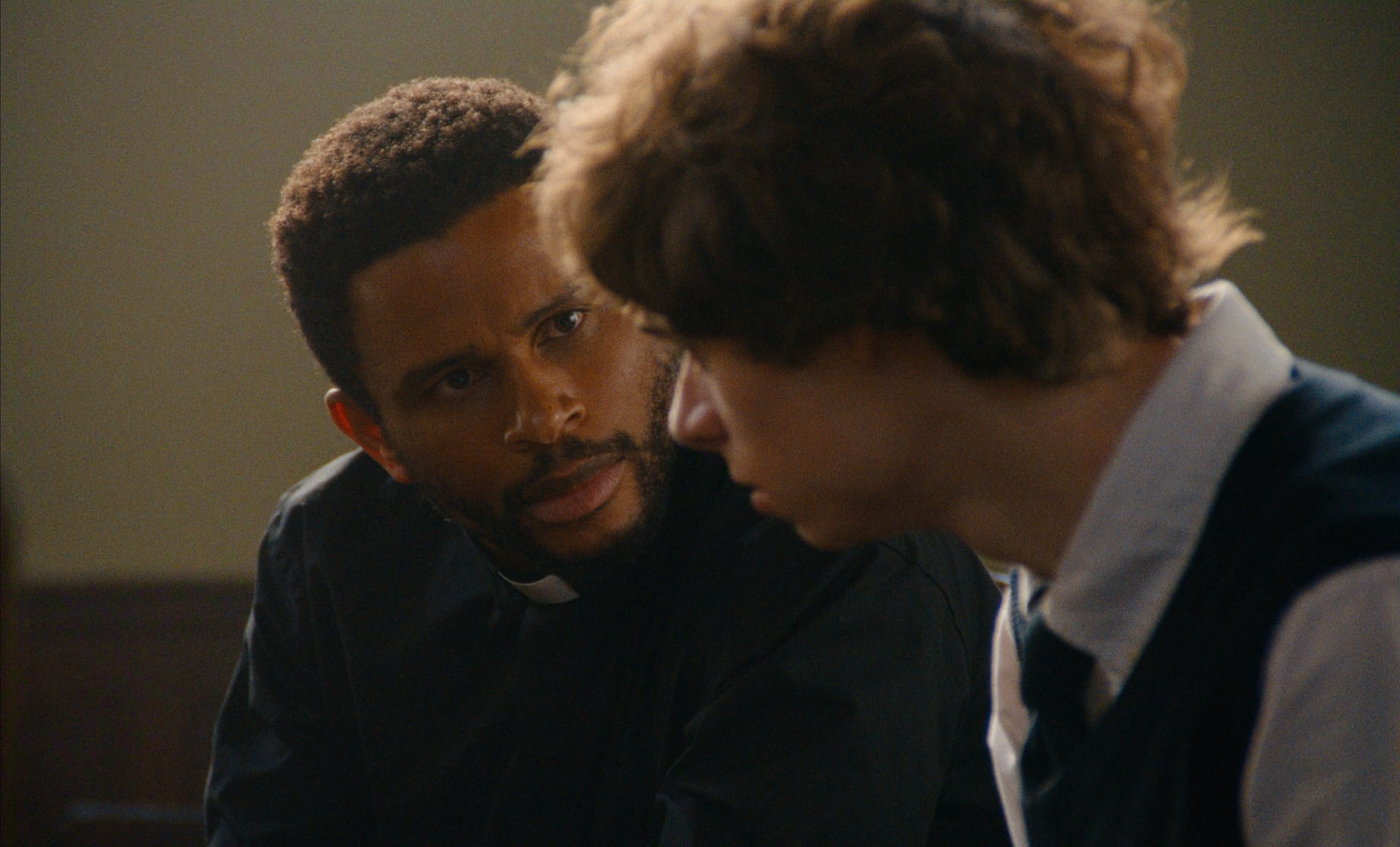
The only other Black characters in the show who feel as deeply affected by the consequences of Anya and Lisbeth’s deceit are Grace’s Buddhist mother, agnostic father, and uncle in the cloth. To the show’s credit, they do give them some screen time to gawk at the town's caucasity, turning Grace’s tragedy into a genie-in-a-lamp spectacle, but confusingly, they’re never really the anchor of the show. They’re more occasional gumshoes or threats, functionally spoil sports to Anya and Lisbeth’s deceit and a landmine to whatever bad romance Anya has going on with her bestie, Elise, who the official Netflix socials are treating like the queer second coming of Steve Harrington. (And honestly, yeah. Valid.)
good morning elise nation pic.twitter.com/5veeXR8yZf
— Netflix (@netflix) November 14, 2026
As someone who enjoyed the hell out of The Body’s first season, especially the cliffhanger it ended on with Grace’s fate, I hope the show ultimately does more than latch onto its Laura Palmer-style mystery. Instead of treating Grace solely as the catalyst for everyone else's development, I hope that, if it is renewed for a second season, it swings her back into focus. I’m not necessarily wanting a Fire Walk With Me style recontextualization where all her dirty laundry is aired out beyond the tragedy that befell her. At the very least, I hope The Body continues to play with how to go further beyond Grace as a haunting, emotionally stimulating rendition of a Black girl haunting the narrative, akin to what Jordan Peele accomplished in Us. With any luck, the catnip of The Body’s queer romance will serve as an on-ramp to a second season where Grace has more to do than serve as a Black symbol for two white girls’ ambitions and emotional catharsis.
Correction 11/17, 11:47am--An earlier version of this story misstated the name of Twin Peaks co-creator Mark Frost. Additionally, that version also mistyped the year of Abigail's release. We regret the errors.
Recommended:
 Isaiah Colbert