Television and movies, by design, let audiences live vicariously through their characters. Lanterns is no exception. Despite the sparseness of its superhero spectacle, DC Studios’ HBO Max series is already being hailed as one of the greatest superhero shows of all time. I enjoyed its plotting and writing for the most part. But what really struck me was how Lanterns puts the folly of Black excellence on full display through John Stewart’s origin story.
Light Lanterns spoilers follow.
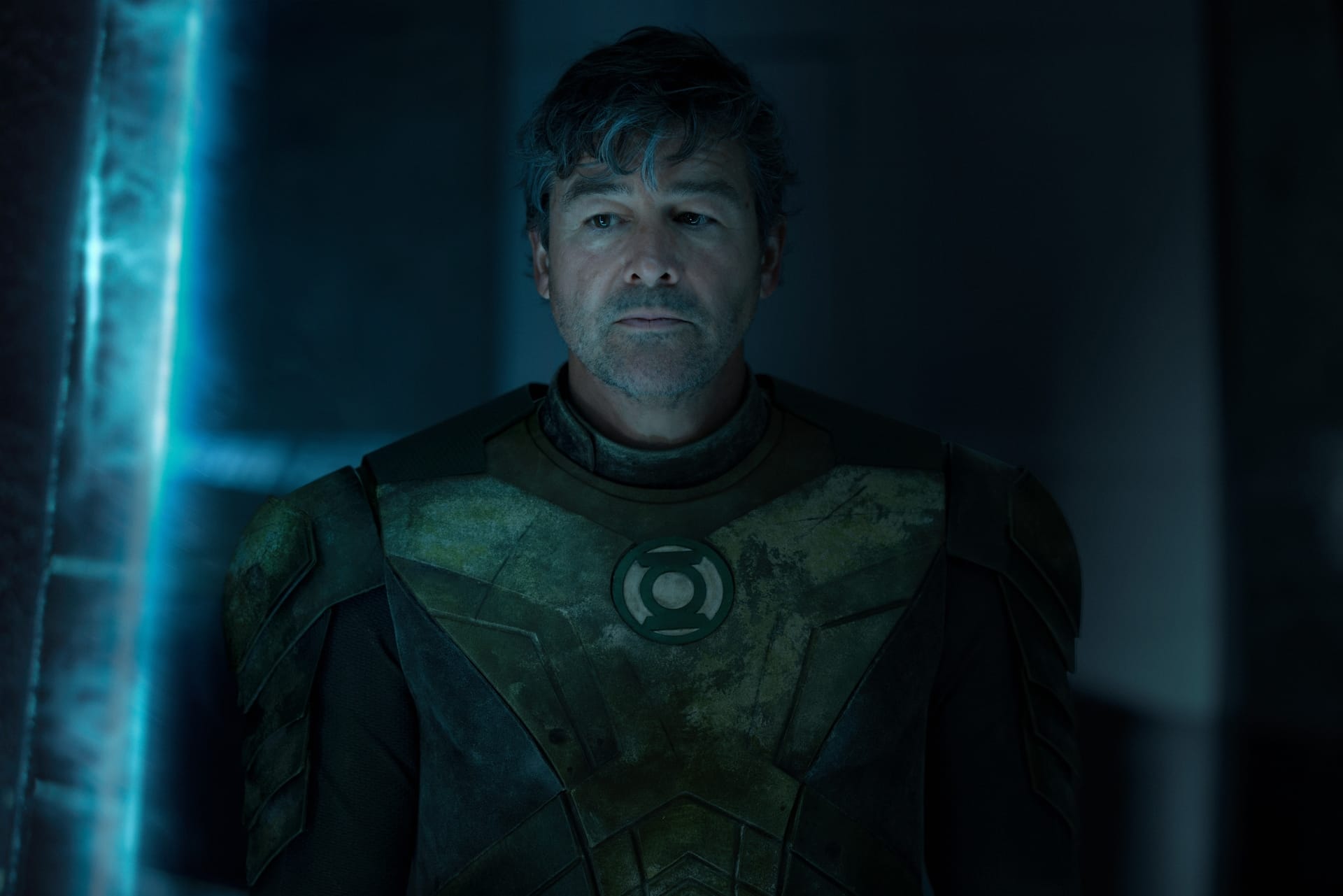
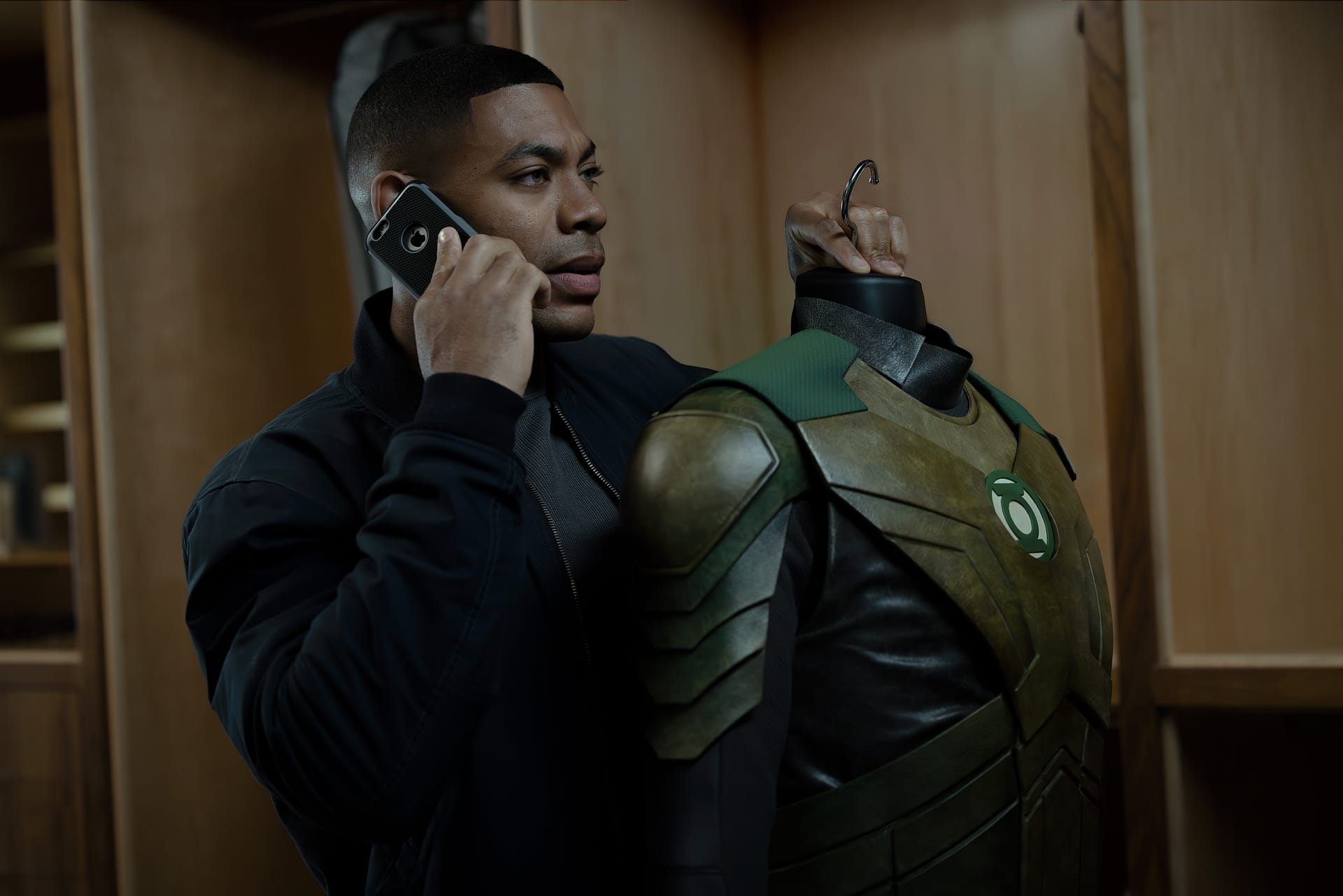
Lanterns plays like True Detective and Training Day doing a fusion dance in the middle of artist alley at Comic-Con. The series follows rookie John Stewart as he learns the ropes under Hal Jordan, Earth’s Green Lantern, while the pair investigate an alien invasion in rural Nebraska. Their mentor-mentee dynamic is contentious from the jump. I’m talking ‘bail out of the car and leave you for dead (multiple times)’ contentious. Hal knows his bosses, the Guardians, are grooming John to replace him. John resents Hal for wielding the ring he was raised to believe would one day be his. Hal’s been in the game too long to let go; John hasn’t been in it long enough to think for himself. Scant CGI budget aside, that’s good superhero TV on the strength of its human drama alone, which the show does by subverting expectations left and right.

HBO Max
As the season unfolds, it becomes clear their conflict isn’t really about them—it’s about how the lantern chooses its wielder and the sense of entitlement it breeds. Whenever a Lantern dies, the ring flies off their finger in search of its next user. It’s Excalibur, if Excalibur were a glowing green imagination ring. The ring’s superhero job interview has but one question: Are you afraid? If you are, you’re out. The ring didn’t choose Hal first; it chose John’s father—a Black man in 1986 America with more than enough on his plate to be terrified of before a cosmic bauble trapped him in a bubble and demanded fearlessness. Stewart Jr. fails the vibe check, so Hal becomes Earth’s Lantern instead. Classic case of ‘I worked all my life, white man did it in one week.’ And thus begins the show’s slow dissemination of the Black excellence myth through John Stewart Jr.'s origin story.
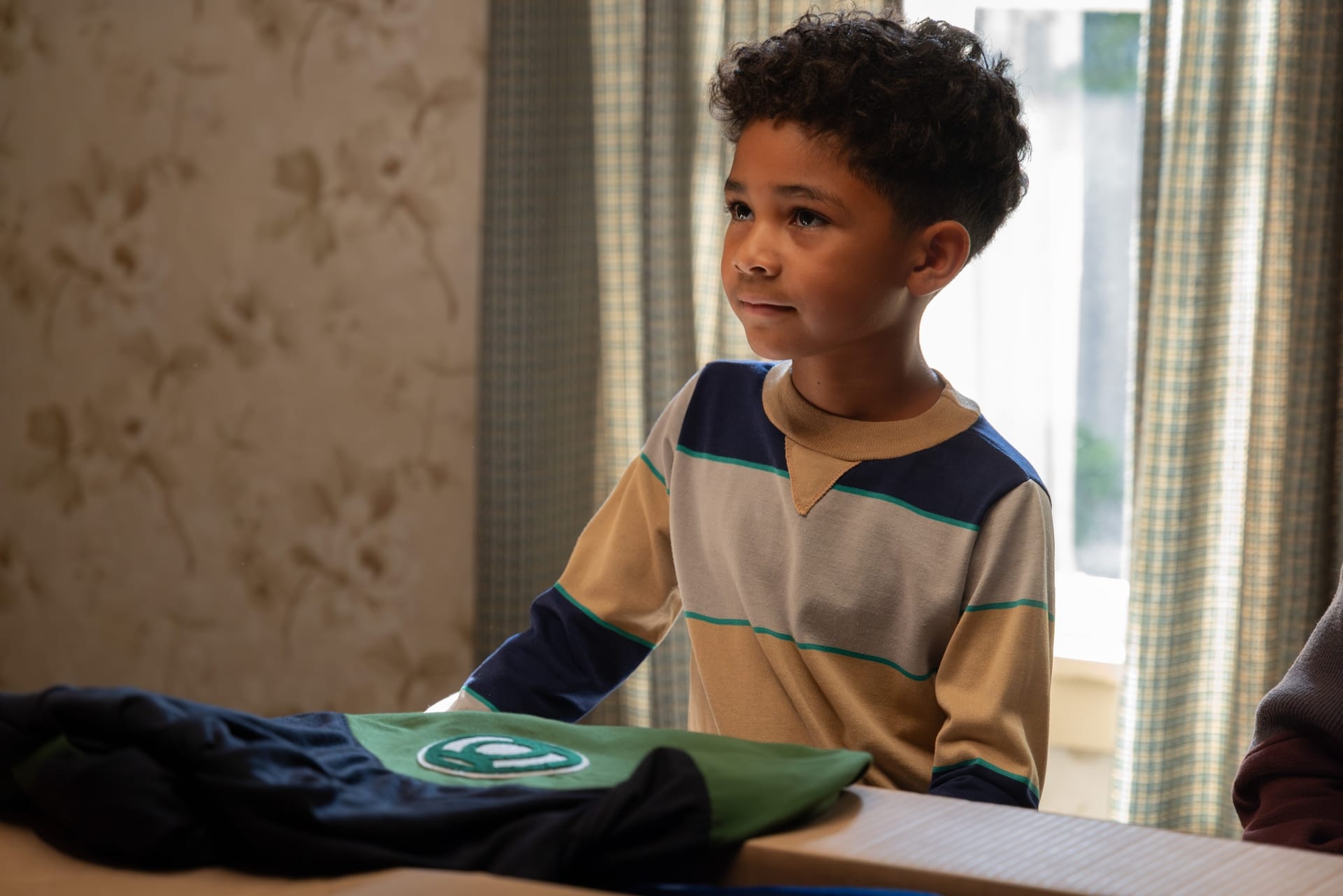
My favorite episode is the show’s lowest-rated on IMDb: episode three, “OutKast.”. (For posterity, Hal’s backstory episode, “The Jordan Boys' Legacy,” is the second-highest-rated episode of the season; do with that information what you will.) Written by Vanessa Baden, “OutKast” digs into John’s tumultuous upbringing. In the pilot, we learn John’s parents put him in the hot seat at every point in his life, running him through a gauntlet of deadly situations to ensure he grew up without fear.
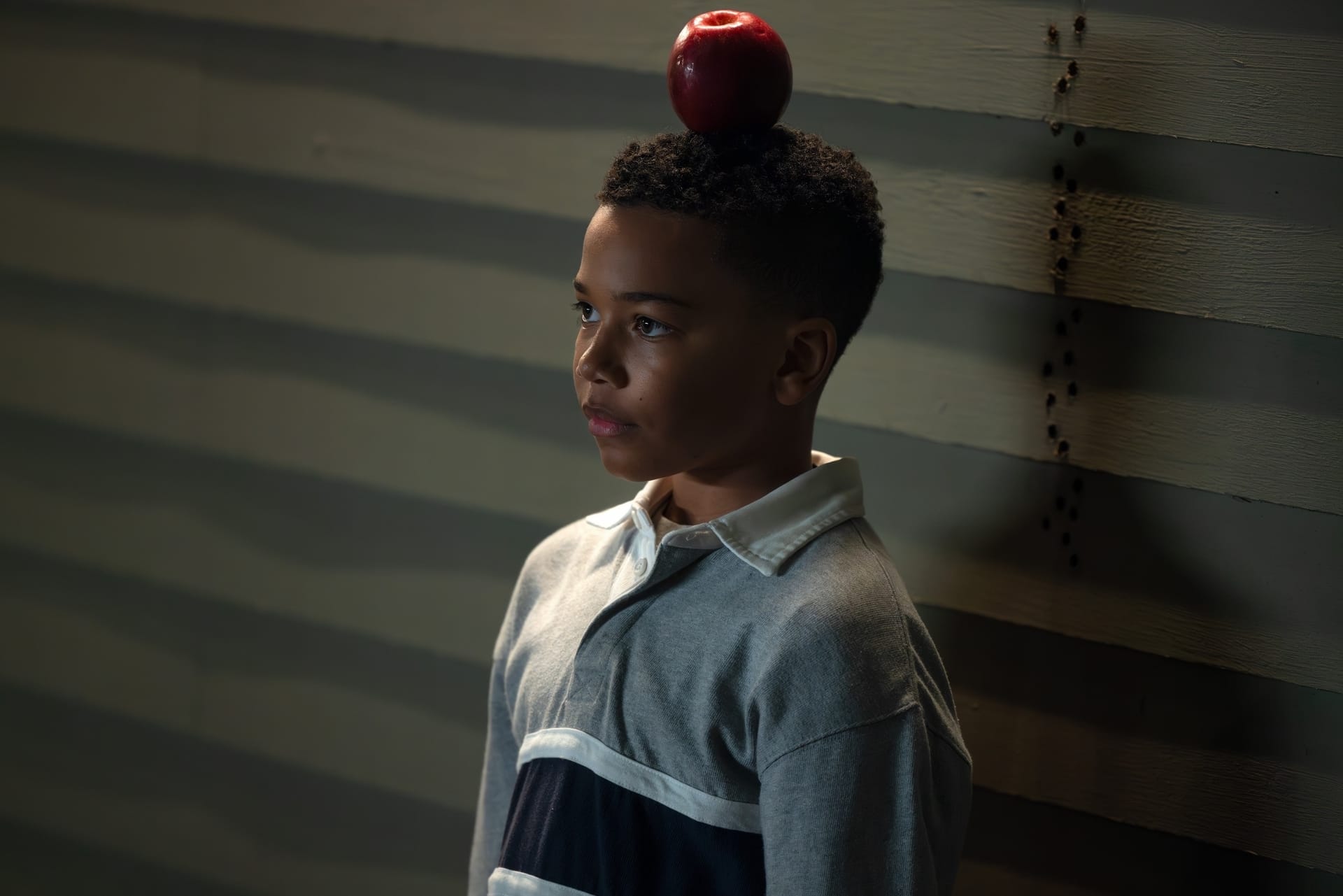
They shoot apples off shorty’s head. They leave him alone in a “rough” Detroit neighborhood to walk home by his lonesome. If he’s lucky, they reward John by taking him out to get hamburgers. This “tough love” programming fucks John up. Being placed on a pedestal isolates him from his brothers. Instead of being equally loved, John’s clowned for being the chosen one—an obedient machine built to follow orders. Why? Like an army recruiter outside a grocery store in an impoverished neighborhood, a Guardian dangled a carrot above his mother's head, promising they’d make John a Lantern someday if they raised him to be fearless.
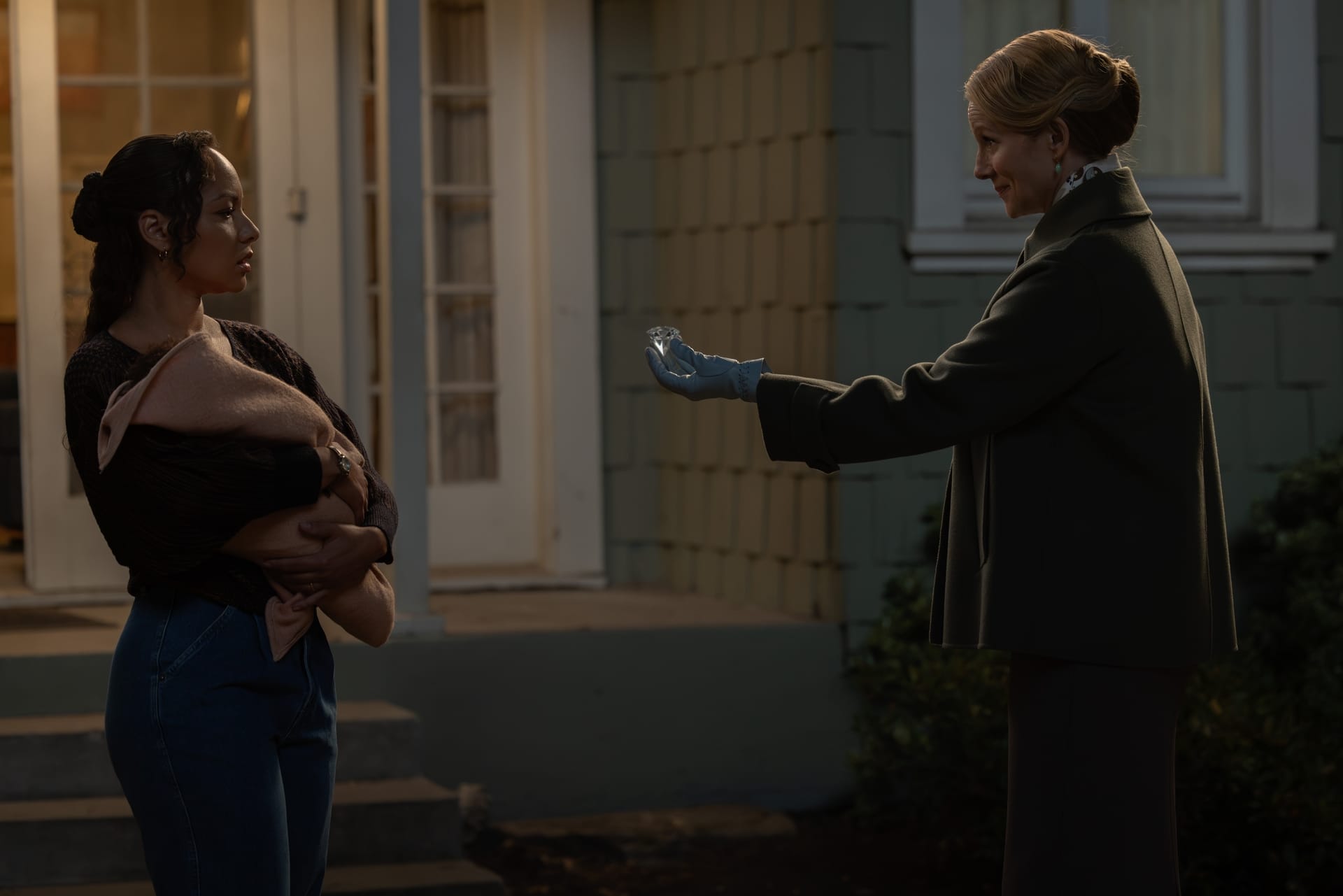
John wasn’t allowed to play along with his older brothers. He wasn’t allowed to be normal. He wasn’t allowed to be mediocre. He had a higher calling, and everyone around him treated that calling like destiny. It’s obvious to Hal, to John, and to us that he’s going to be a better Lantern than Hal ever was–not because he wanted to, but because he had no choice.
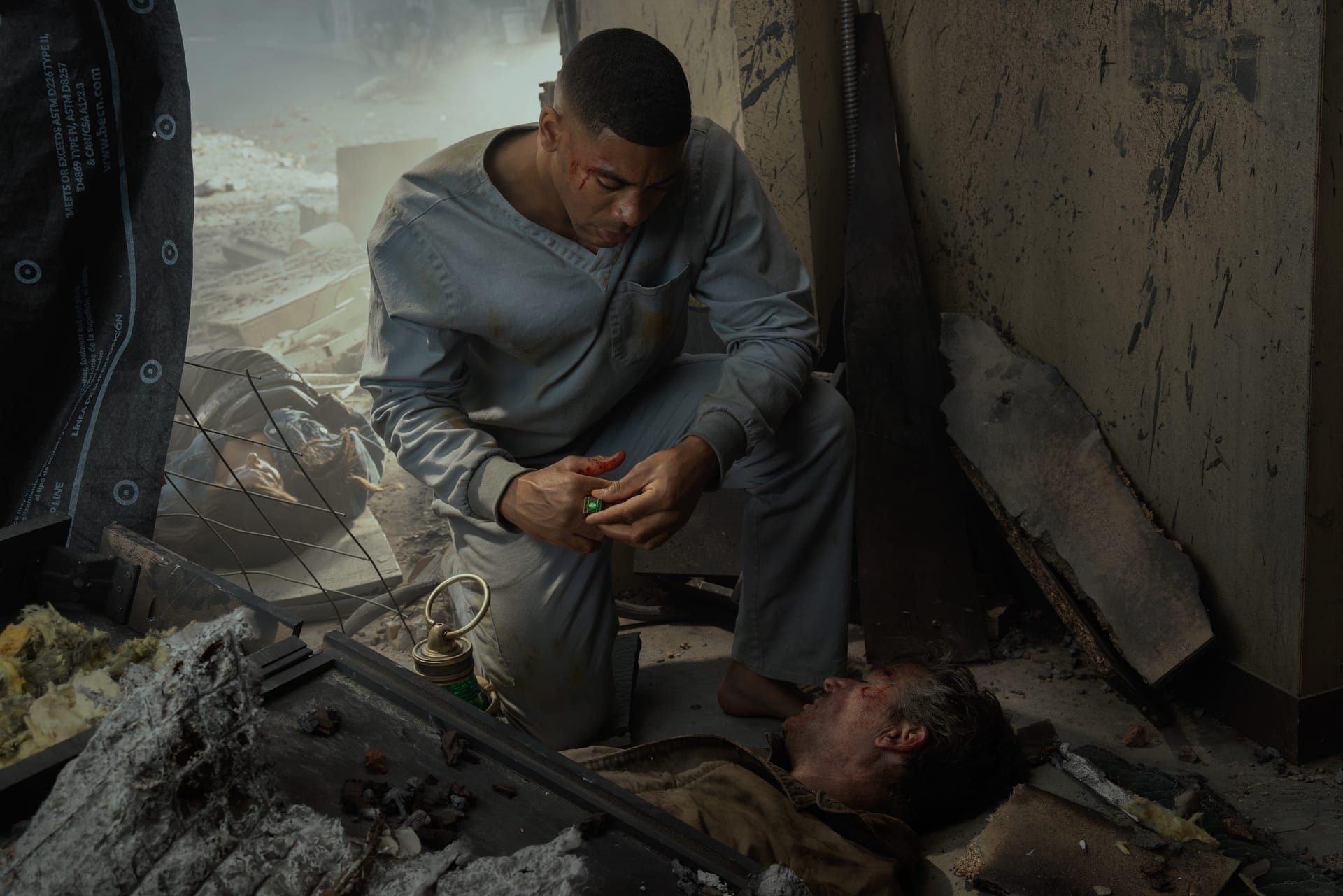
For a grip, I worried the Tom King-ness of it all would lead the writers’ room to endorse the Stewarts’ anti-fear parenting methods. After all, every smiley-face trauma John endured forged him into the perfect Lantern: an unthinking lapdog for the Guardians to bestow power upon. John was Black excellence personified, and the show felt poised to reward him for living up to that standard, even as it killed him inside. Witnessing John walk barefoot across glass in a warzone to pry the ring off Hal’s fingers, only to reject it, was when the show became truly remarkable in my eyes.
Black excellence is a term coined, lamentably, during the Barack Obama presidency. It’s meant to celebrate the Herculean efforts Black people make to succeed despite systemic and social barriers like racism, bigotry, and all manner of invisible tripwires that make success harder. Become a billionaire like Beyoncé and Jay-Z? Black excellence. Become president? Black excellence. Become a Lantern? Honey, you just might be a Black Hal Jordan in the making. But every time I hear the phrase, my teeth itch. To me, “Black excellence” lives in the same area code as white people calling a Black man “King” as a compliment—well-intentioned, maybe, but pandering as hell.
My issue isn’t the term itself but the mindset behind it. The idea that Black people must be excellent to be worthy of celebration, status, or privilege. That mediocrity is unacceptable. That you must be exceptional on whatever sliding scale the moment demands, doing twice the work for half the validation. Black excellence is almost never self‑defined—it’s projected onto you, shaped by other people’s expectations rather than your own. It's a prison where your only solace is toxic gratitude for platitudes over self-affirmation. Having John reject that fool’s errand plight as the main hero of a primetime DC Studios series means more to me than any roadmap superhero timeline.
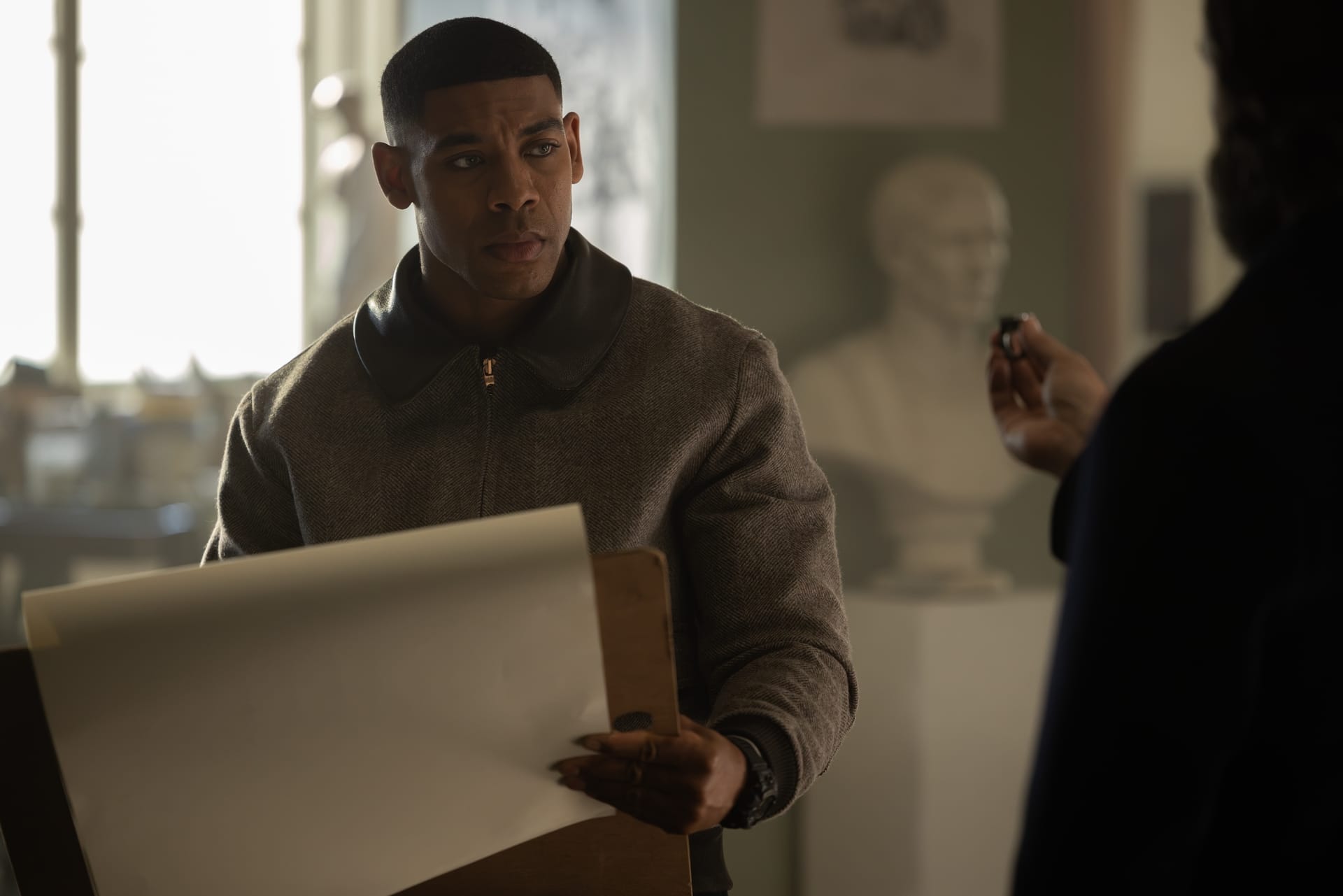
After a time skip, we meet a chiller John who’s more comfortable with himself. He’s saying nigga to his brothers for being trifling as hell, singing OutKast to take his mind off things, and rocking turtlenecks. He’s dropped the facade of Black excellence as defined by his parents and the Guardians and has begun asking himself who he is, what he likes, and what he wants. In so doing, we learn he never liked hamburgers. He’s vegan—or at least he was. We also learn he never wanted to be a Lantern. He wanted to be an artist. Likewise, instead of following orders from Guardians or asking what Hal would do, John starts solving problems as a Lantern in his own way. This John is no longer a victim of the toxic positivity of Black excellence, the ends justify the means logic that tells Black kids they must be extraordinary to matter. That they must follow the path chosen for them, even if it means walking barefoot across glass. Likewise, it shows parents that their job is to support children in becoming whatever they want to be, not to play beauty pageant parent by living vicariously through their children.
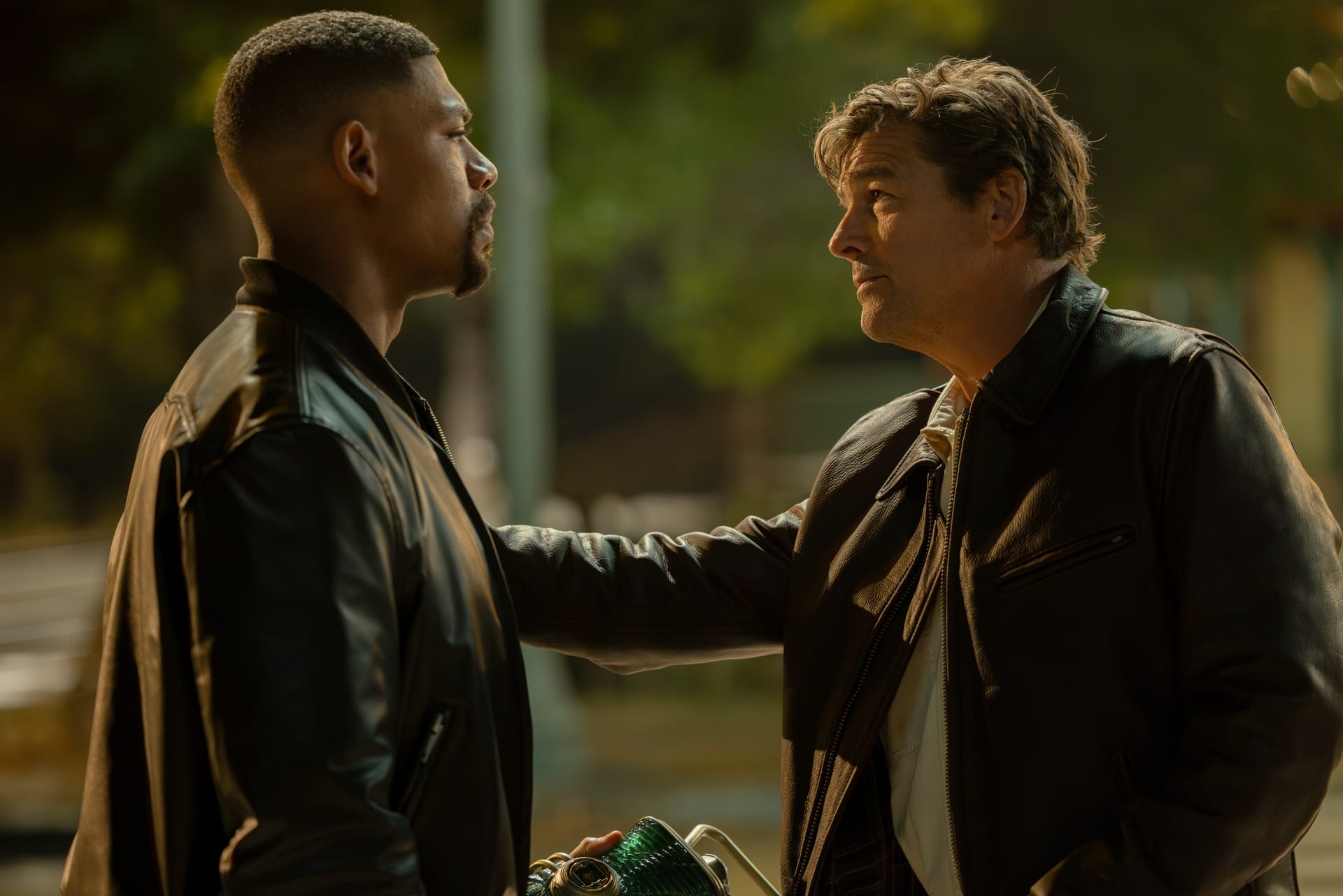
While there’s going to be much ado about Kyle Chandler being to Hal Jordan what Robert Downey Jr. was to Iron Man and oohing and aahing over Aaron Pierre’s John co-starring alongside David Corenswet’s Superman in Man of Tomorrow, I’m still stuck on the point Lanterns hammers home through John and Hal’s final moment together. Not every Black child needs to be a prodigy, a symbol, or a vessel for someone else’s dreams. Sometimes the bravest thing a Black kid can do is simply choose their own life. To be messy. To be unsure. To be mediocre. To be human. To be fallible and to be loved all the same.
Recommended
 Gita Jackson