

There are certain games whose impact is largely obscure to most Western audiences due in large part to what made it over here. And though fan translations and YouTube have helped quite a bit, certain classics are only now getting their time in the sun. Kamaitachi no Yoru for the Super Famicom is one of those games, a title that is load-bearing for understanding how certain games came to be. And though versions of its remake have been localized before, the original has not been localized properly until now, as translator and programmer But Thou Must has done proudly without the use of AI.
Kamaitachi no Yoru roughly translates to “Night of the Sickle Weasel,” although a kamaitachi is more specifically a yōkai, a mythological creature that looks like a weasel with blades for arms and rides on dust devils. The game is mostly interactive text, a Chunsoft-branded subgenre known as a “sound novel” that reads more like an actual book than other visual novels Western audiences might be familiar with (although the distinction is debatable). Kamaitachi no Yoru followed the success of the first “sound novel” Otogirisō, which ButThouMust also released a patch for two years ago.
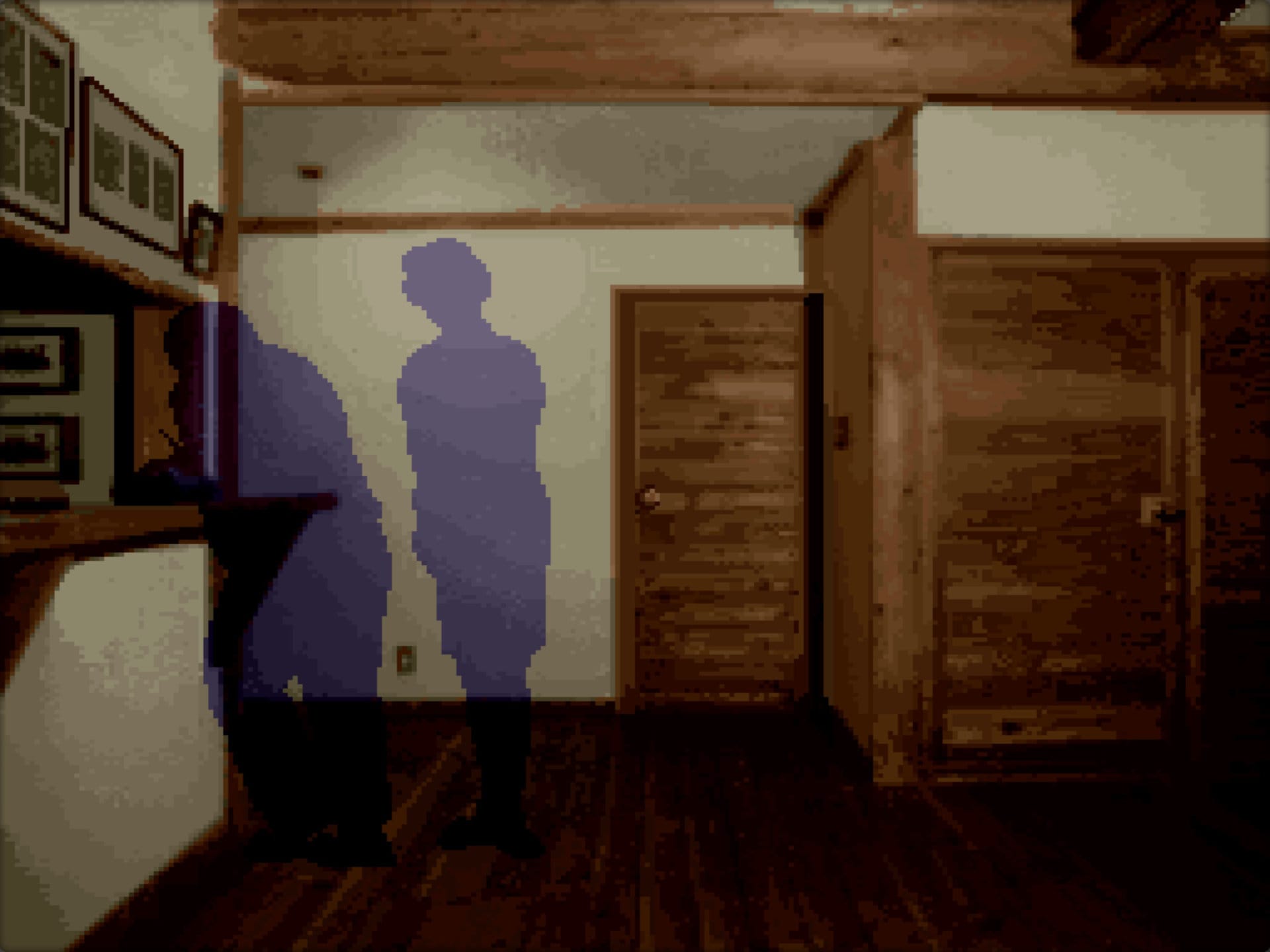
In Kamaitachi no Yoru, the player takes the role of Tooru, who is staying at a boarding house named Spur in the mountains on a ski trip with his girlfriend Mari. A blizzard traps everyone inside, and the game introduces a varied cast of characters before descending into a snowy murder mystery of increasing violence. The setup of a mystery in an isolated snowy mountain lodge reminds me of Dead Mountaineer’s Hotel and Věra Chytilová’s Wolf’s Hole, two fantastic movies that mix intrigue and mystery in the isolation of cold. As the plot progresses the body count rises, and only by going through the multiple branching bad endings in the plot (there are about 40) and replaying the game can the player solve the mystery, with the true “best” ending being a fascinating exercise in metafiction.
The soundtrack rocks.
Kamaitachi no Yoru was a gargantuan success on the Super Famicom in 1994, going on to sell 750,000 copies and massively influencing the visual novel genre moving forward. It is hard to overstress the importance of the game’s impact, an impact which you can see in Spike Chunsoft’s later work generally (the same writer of the game, Takemura Abiko, would go on to write 428 Shibuya Scramble) and the work of Kotaro Uchikoshi specifically (999: Nine Hours, Nine Persons, Nine Doors, Zero Escape: Virtue’s Last Reward, The Hundred Line: Last Defense Academy). The game spawned sequels and was remade multiple times and brought to multiple platforms, with later versions of the game ruining the mood by adding abrasive anime characters instead of using foreboding blank silhouettes. Making the characters knowable and explicit ruins much of what makes the original Super Famicom game so special. This version was translated and brought to iOS as Banshee’s Last Cry, although the localization changes the character names and location significantly. Though I’m sympathetic to changing details to fit a new language, much is lost in that version of the game.
Bowl of Lentils has a fantastic history of the sub-genre for those interested.
Playing the original Kamaitachi no Yoru, you are struck by how alarmingly gripping and modern it still manages to be. The music in the game is solid, and the backgrounds are digitized photos from a real location compressed into crunchy images to fit the Super Famicom. Characters are rendered as silhouettes, which adds to the mystique and forces the player to use their imagination. I could see playing this game in a cramped apartment in Tokyo in 1994 and it rocking my world. “When I was playing the game in Japanese for the first time, I thought the atmosphere was excellent, with a palpable sense of despair and helplessness in the later parts of the murder mystery.” Translator But Thou Must told me via Discord “I also appreciated the game's unique look with the silhouettes and digitized photos, and how the story felt more focused than Chunsoft's previous sound novel Otogirisou. I knew I seriously wanted to work on the translation when I got my first bad end and then went back to pin down the killer.”
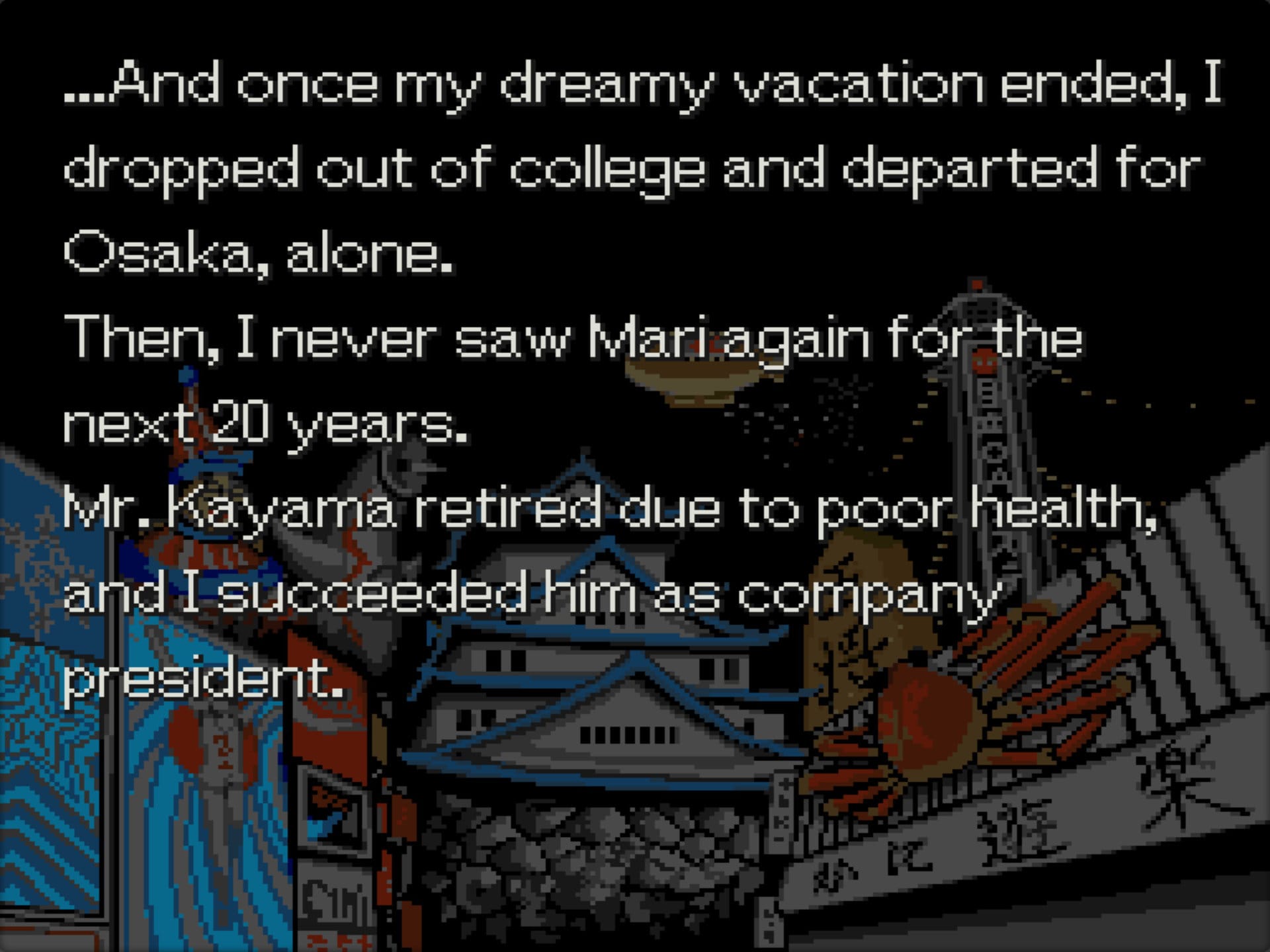
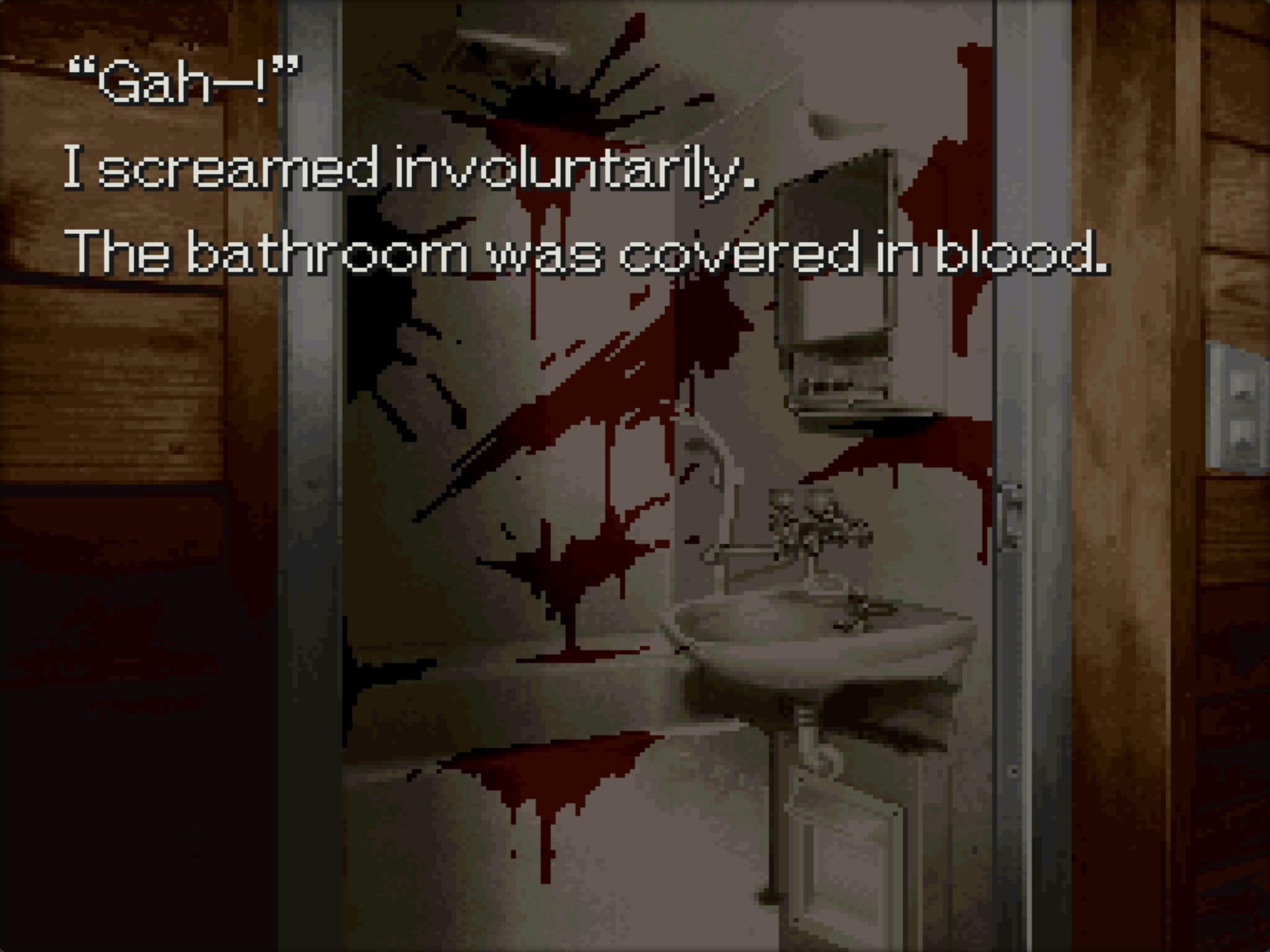
The ending on the left sees Tooru bypass the murder entirely and moving to Osaka.
The game’s multiple endings go some wild places depending on what the player chooses, with objectively the funniest one being Tooru accepting a job offer in Osaka so enthusiastically that Mari breaks up with him in disgust, with him bypassing the murders entirely, dropping out of school, eventually taking over the business of the job he was offered, and returning to the snowy lodge years later as an elderly retired man with his wife. The tone of the game is oppressive and bleak, highlighting the ways in which humans are violent to each other. While the choices the game makes are a product of what the system could handle, those crunchy images have aged like fine wine, the pixels and synth adding a layer of sheer menace. If a patched ROM could be cursed, it would be Kamaitachi no Yoru. If you have any interest in visual novels and are able to, I highly recommend you play it.
Someone took pictures of the real lodge “Knulp” that the fictional Spur is based on. Seems nice!
Localizing games is both a technical feat and one of translation, and But Thou Must had to deal with a few challenges with how the game understood text, particularly with name entry (which is needed for several endings) and how the game parsed text. “The original Japanese game had a character limit of six for names,” But Thou Must told me via Discord. “Six was fine for fitting the default names of the protagonist (Tooru) and his girlfriend (Mari). But six wasn't enough for the points in the story where you have to enter the name of who you believe to be the killer.” From there, it was a matter of balancing the text properly inputting to memory and the save file with the amount of available screenspace. He wrote some assembly code to expand the limit to ten for naming the killer, and seven for naming Tooru and Mari to be the ideal sweet spot. Since Chunsoft also reused compression formats for script and text from their previous game Otogirisou, But Thou Must was able to reuse and tweak compression tools from his localization of that game to fit the new translation.
Like many people in the ROM hacking and translation space, But Thou Must sees the intrusion of AI as a liability in a field full of important work. “I disagree with the ‘it's better than nothing’ mindset that some people have with AI fan translations. To me, a major issue with them is, should it be the first-ever translation of a particular game, that patch becomes players' first, and quite possibly only, exposure to that piece of media. If, and emphasis on if, a human-created fan translation comes out later, most people who were interested in playing the game will likely not care. After all, they already got to play the game.”
The announcement for the patch.
Kowloon’s Gate
We are currently in a flood of incredible curiosities being translated, and I’d like to mention a few. Earlier this year hacker and localizer Hilltop along with a team of others that included translators Cargodin and _dk created an English language patch Kowloon’s Gate, an incredible oddity of the PlayStation era set in Kowloon Walled City. Hilltop is a great localizer who has done great work in the past that is worth spotlighting, including Racing Lagoon and the official localization of Milano’s Odd Job Collection, which came out earlier this year. Kowloon’s Gate is legitimately offputting, and if you wish to see what it looks like, my colleague Dia Lacina has a longplay of it. Outside of Slitterhead, few games have attempted to capture the fantastical nature of Kowloon Walled City and use it for narrative effect. The game itself is spiritually closer to the works of Osamu Sato and PC adventure games like Cosmology of Kyoto than its PlayStation contemporaries at the time; it’s an oddity that could only have been made organically in that exact moment in time that mixes feng shui, terrifying characters, and impossible FMV geometry.
Dia Lacina has been playing through the game since its patch.
“Kowloon's Gate is one of those ooparts outsider art games that was made by someone whose exposure to video games was comprised of the completely eclectic multimedia CDs that were released in the early/mid 90's. That's how it feels anyways,” Hilltop told me over Discord. “Not so weird in the PC space where Myst was a massive influence, but on PS1 it's like this lost sheep that wandered in from the Japanese Macintosh scene. It's incredibly unique and beautiful in its own way, with misshapen characters and a story that seems impenetrable at first. It has Mr. Dopeman in it. Not a localized name, he was always just ‘Mr. Dopeman.’ And he's some kind of roided-out juicer sewer-digging android, or maybe his body was taken over by a slug monster? It's unclear. The game has a million freaks like him.”
 Hong Kong Supreme Feng Shui Committee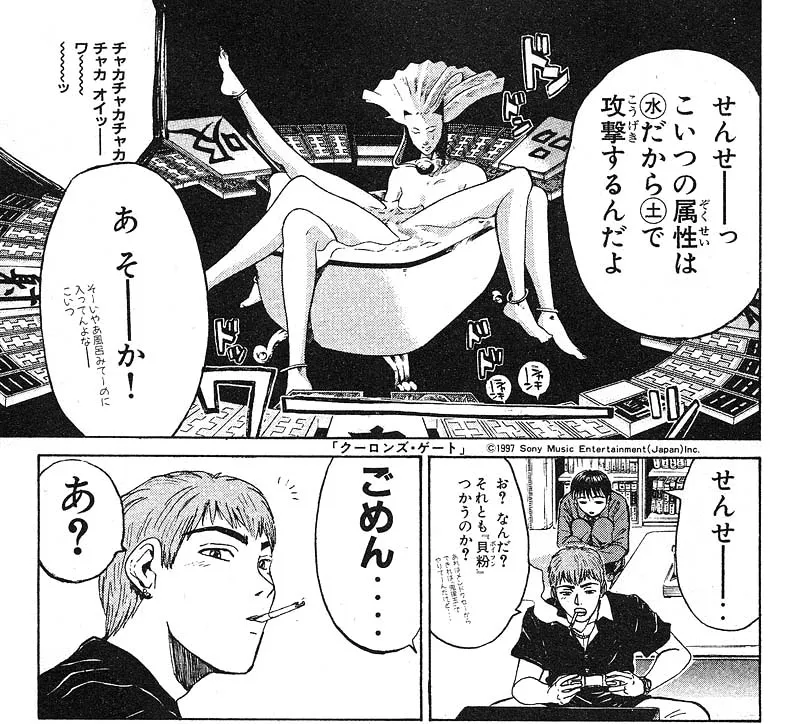
The Hong Kong Supreme Feng Shui Committee is a good account if you want hyper specific trivia about this game and the context it operates in.
Kowloon’s Gate translators Cargodin and _dk were both attracted to the story due to its setting. “I like FMV games and games with strong backbones in historic fiction,” Cargodin said. Translator _dk told me that "being from Hong Kong, Kowloon's Gate is a personal game to me. It had, in my opinion, the most authentic atmosphere of Hong Kong done by Japanese developers in the 90s. It is clear the devs spent time and effort doing the research and going to Hong Kong in order to make this game, and I feel like we would not have respected their effort enough if we didn't personally do the best we can in our research to convey the ideas that they had.”
When it comes to the technical details of how Kowloon’s Gate came to be localized, it turns out it was as idiosyncratic inside as it was on the outside. “Kowloon's Gate is one of the most poorly programmed games I've ever worked on,” Hilltop said. “Probably worse than HamuHamu. It's full of bandaid fixes, bodges, Actual Bugs, and the feeling that this was more of a programming student project that would get a C+ at best. I had to manually add subtitling to the game from scratch, and the game fought back against me every step of the way. The game had a dozen unique, unnecessary ways to pause the game to play an audio clip. Looking at the code, you can tangibly feel the deadlines looming in 1997 when the game was already years behind schedule.”
“Every character dialogue has its own text file,” Cargodin added, “and operates a little more like a framed html document than a regular script file. Searching for any one line of dialogue also meant I was searching through 2500-ish documents, give or take, which is much more time-consuming than searching through 2500 lines in one document.”
Innocent Tears and London Spirit Detectives
Two other projects that came out in the last week are Innocent Tears and London Spirit Detectives. Innocent Tears was a Japan-exclusive release for the original Xbox, which makes it an obscurity. To quote translation group Eight-mansions’ summary of the plot, “A fallen angel scours the ruined streets of Tokyo, searching for the woman he once loved. She and many others have awoken as man-eating angels that now threatens mankind. Will he save her? Or will he cut her down?” It is a genuinely strange and messy game and can be easily clocked as the most 2002 shit you have ever seen in your life. To play this game is to suddenly grow a wallet chain.

This game is nutty.
Like Kamaitachi no Yoru, the devs state proudly that the patch was created without AI. “No AI was used for this patch. Only genuine stupidity,” the GitHub page for the patch reads. Wes Fenlon at Read Only Memo has a fantastic writeup of the project with hacker Yuvi where they dig into how confusing and idiosyncratic the game is on a basic structural level. It might not shock you to learn that the game’s artist was mainly known for drawing hentai.
“I really like the oddball games like this that try to aim for something grand and fall short,” Innocent Tears translator SnowyAria told me via DM. “Sometimes you enjoy them for the B-movie aspect, and other times you can see the gem that glitters beneath the rough surface. It's also a great feeling being able to introduce people to games like this they may never have seen otherwise. Thankfully since I usually work on kusoge/awful games, I'm not as much at risk of AI vibecoders pulling the rug from under me since there's no clout to be gained, but it's still incredibly disheartening when it happens to my friends. It's always a rushed weekend job with no thought to character voice or even polished hacking.”
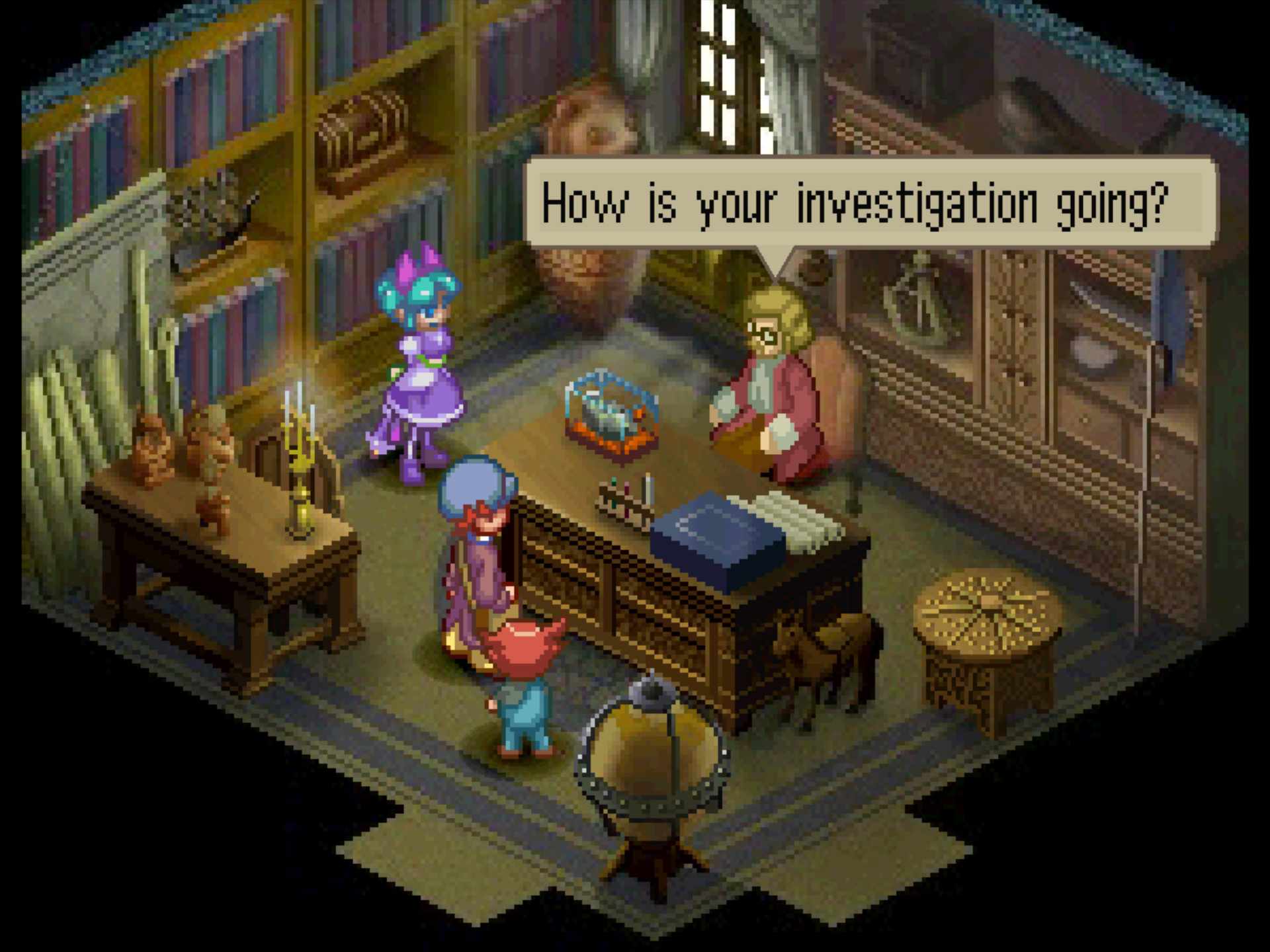
London Spirit Detectives (London Seirei Tantei-dan) is a little less abrasive and far more charming. A PlayStation RPG by Bandai from 1999, the game takes place in Victorian England and stars a precocious orphan who is taken under the wing of a detective as an apprentice. Eventually he’s joined by a girl with a crush on him, a six year old boy who treats him like an older brother, and a mysterious older boy. The gang solves supernatural crimes in a beautifully rendered steampunk version of London, and the sprites are expressive and goofy in a manner that reminds me a bit of Breath of Fire III. Quests are refreshingly human and small scale. The game also features monster designs from Yasushi Nirasawa, who Kamen Rider fans might recognize and who also did designs for Shin Megami Tensei IV as well as one of the most violent versions of Devilman ever made, which is saying something.
Jimmy Hapa’s breakdown of the game is a good guide.
“What attracted me to start it was the fact that the game had such a unique style and setting and that nobody had seemed to take an interest in working on a translation patch,” lead hacker bigbanana23 stated. Others, like graphics lead vervalkon, hadn’t heard about the game at all before being contacted. Like many Japanese localizations, translating the game without breaking it was a difficult problem. “The scenario files were difficult to work with and required multiple layers of compression to fit all of the text into the original space to avoid having to completely reverse engineer them,” bigbanana23 said. The title cards had to be not only photoshopped so that the original text was removed, but redrawn from scratch, vervalkon told me. The original game has attacks that involve one character yelling Japanese text at the person, which the team replaced with anglicized versions of that profanity.
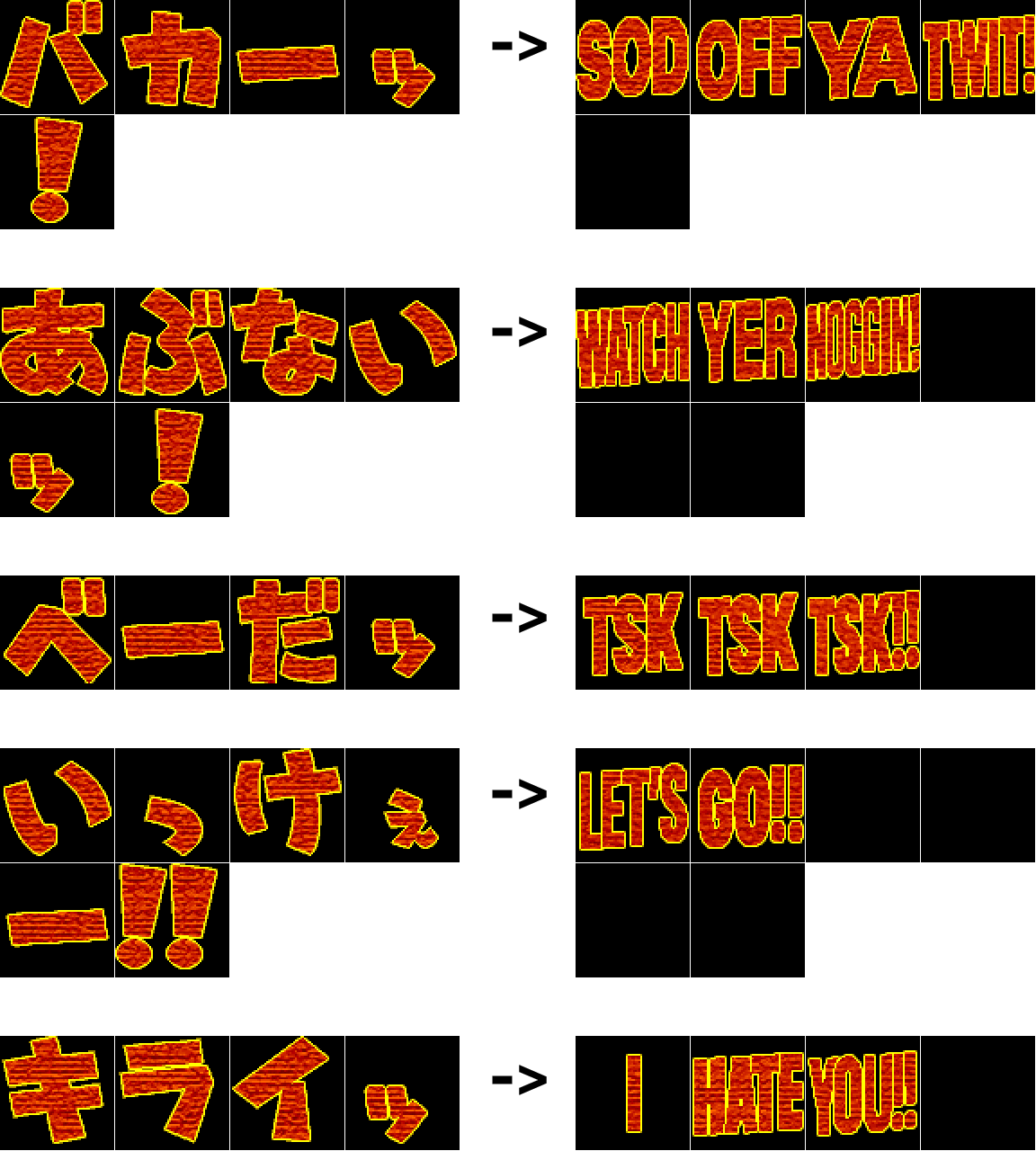
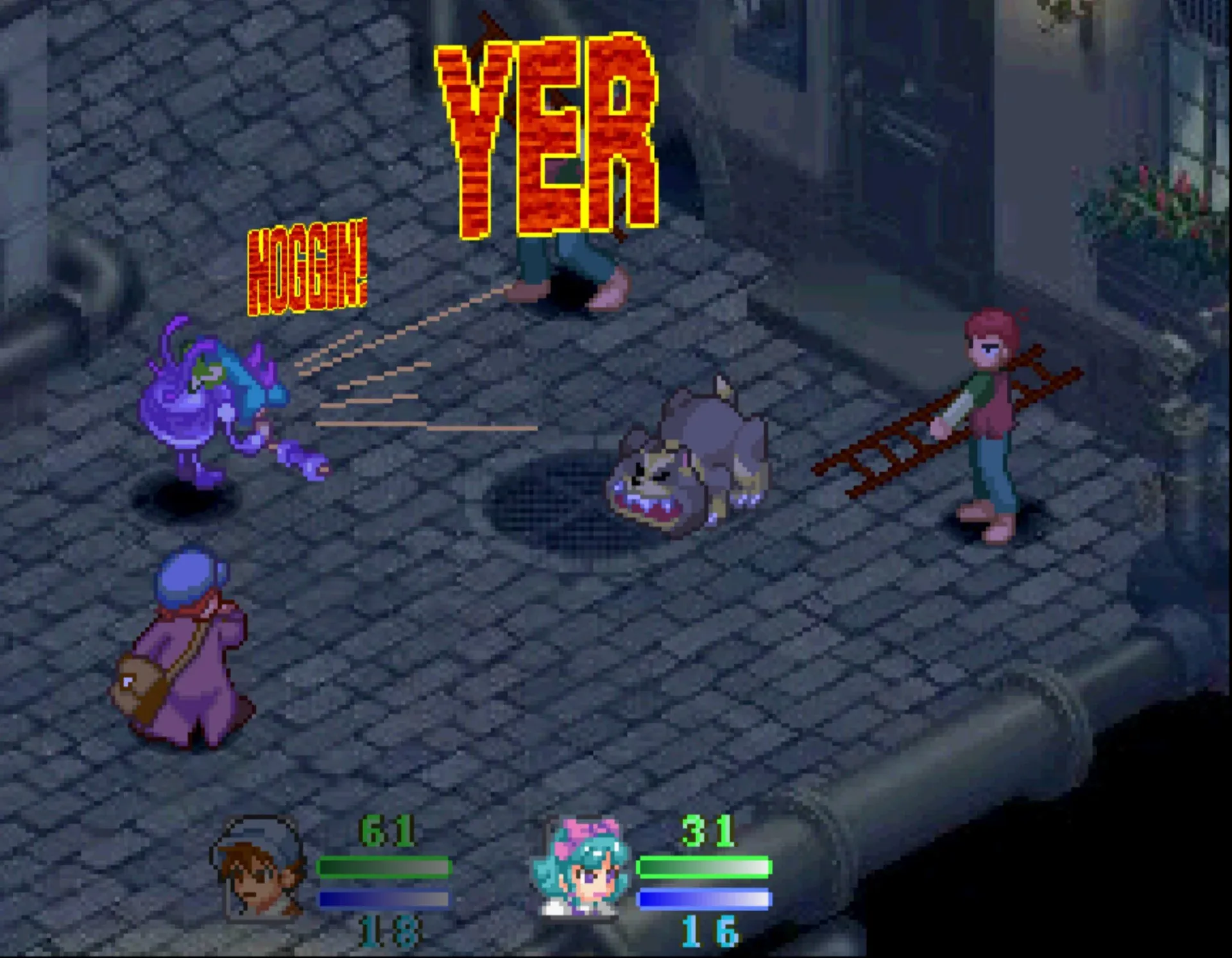
Aries' shout attacks are individually translated and broken up into English-ish phrases.
But the strangest quirk of the game is that while most of the graphics used either 4bpp or 8bpp sprites, all the backgrounds used MDEC frames, which were usually reserved for cutscenes. “London Spirit Detectives used what would be analogous to ‘single frame FMVs,’ so to speak,” vervalkon said. “The backgrounds load fast, can have way more than 256 colors, but are ultimately very ugly and hard to work with.” It is an extremely rare and strange programming trick that they had only ever seen in Heart of Darkness, in part because the drawbacks significantly outweigh the advantages.
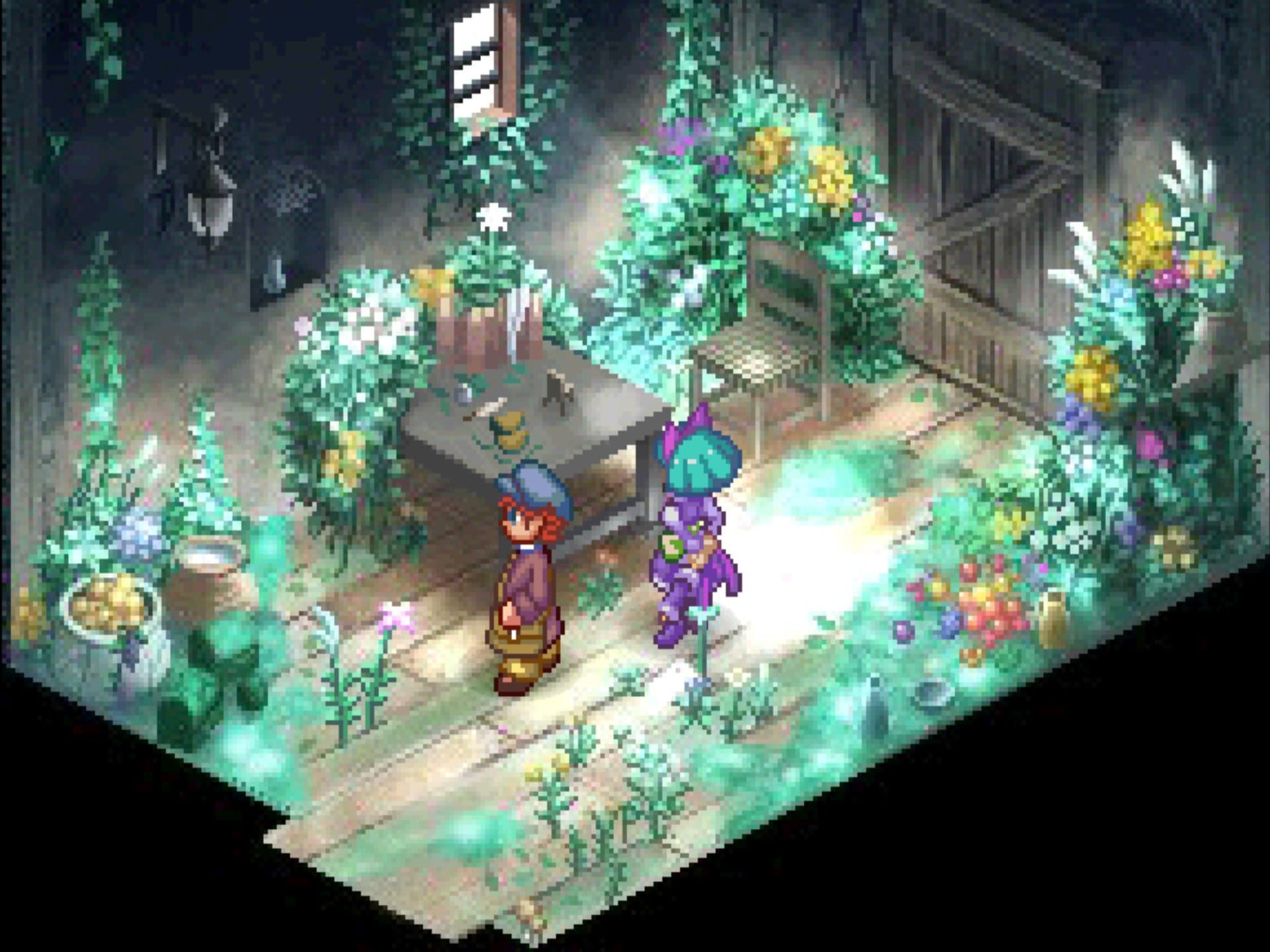
The game stores its backgrounds as what are functionally FMV frames.
The Old Fashioned Way
Like all the translations mentioned today, London Spirit Detectives is a labor of love. “*Note: Artificial intelligence tools were NOT used in the creation of this patch,” Cabal Translations notes in their repo of the patch. This is becoming an increasing flashpoint in not just the world of translations, but also emulation and decomps. It is starting to creep aggressively into the MiSTer community, sometimes using the work of devs that do work the old fashioned way.
Though London Spirit Detectives hacker bigbanana23 doesn’t have an issue with AI per se from a hacking standpoint, he was skeptical of its effects on such a highly technical project. “If we come to rely on AI to do this type of thing, then not only do you lose out on an opportunity to develop yourself (programming, reverse engineering, analytical thinking etc.), but you also gradually reduce the base of people who properly understand the processes involved in the hobby.” Vervalkon also acknowledged that the issue is divisive within the community, and sees the advantage on solving problems like decompression, but he was overjoyed to work a team without it. “I was happy to work with such a professional team that we saw no need to use anything AI-powered, not for translating the strings nor on the technical side (hacking, graphics, data analysis, tools),” he told me.
For Spirit Detectives translator Aishsha, the impact of LLMs was more personal. “I’m a professional translator/interpreter by profession who lost tons of clients because they wanted AI to make it faster and cheaper, only to later come back with a request (to look through this mess pretty please),” he said, also noting that said clients got rebuked. “Enough to say, I saw many AI works that require even more translation after they have been ‘done.’ Not to mention that imho anything that can be done by a human should be done by a human unless you want their brains [to] eventually dry up completely - we ain't talking about piloting a rocket through the radiation of outer space here.”
And while there is debatable utility in using LLMs for tooling, it has made covering this work increasingly fraught, and made it more difficult for hard work to stand out on its own without exclaiming that it is AI-free. Hilltop has done extensive talks on the topic of localization and ROM hacking, and had one of the more concise blogs earlier this year when the topic of AI translations came up surrounding a fan translation of Segagaga turning out to be a poorly machine translated mess.
“[The context of Kowloon’s Gate] is something I personally just could not defer to an AI,” translator _dk said, “especially considering the subject matter (feng shui and Taoist theory) is not adequately documented on the English internet for LLMs to scrape off of. Of course, that meant I had to get familiar with the other concepts in the game, from psychoanalysis to Christian iconography, but this is where having another human translator to communicate with makes the process engaging, and I would not trade that back-and-forth for the world if I am being honest."
“I've seen the crazy lengths Hilltop went to to get Racing Lagoon working well,” SnowyAria told me, “or the dedication and research Cargodin and their team put into making Kowloon's Gate as perfect as possible. A vibe coder wouldn't go to the effort of making a release they could be proud of, one the community could look at with satisfaction.”
“In art, you often run into the sentiment that ‘your art style is made from shortcuts.’ The way you problem solve, for better or worse, determines your entire identity on the paper,” translator Cargodin said. “I don't have anything clever to say to AI folks at this point. They've already decided that the words coming out of their mouths aren’t important.”
And yet despite the flood of questionable projects out there, we are still currently in a golden era of fan translations. People still want to do the hard work of bringing unique and largely unknown experiences to new audiences. Sometimes they are beguiling and bizarre, other times they have aged well and remain oddly modern. But for all of that work, I’m thankful.
“As long as the community doesn't settle for good enough,” SnowyAria said, “we'll have a long future of projects ahead of us!”


