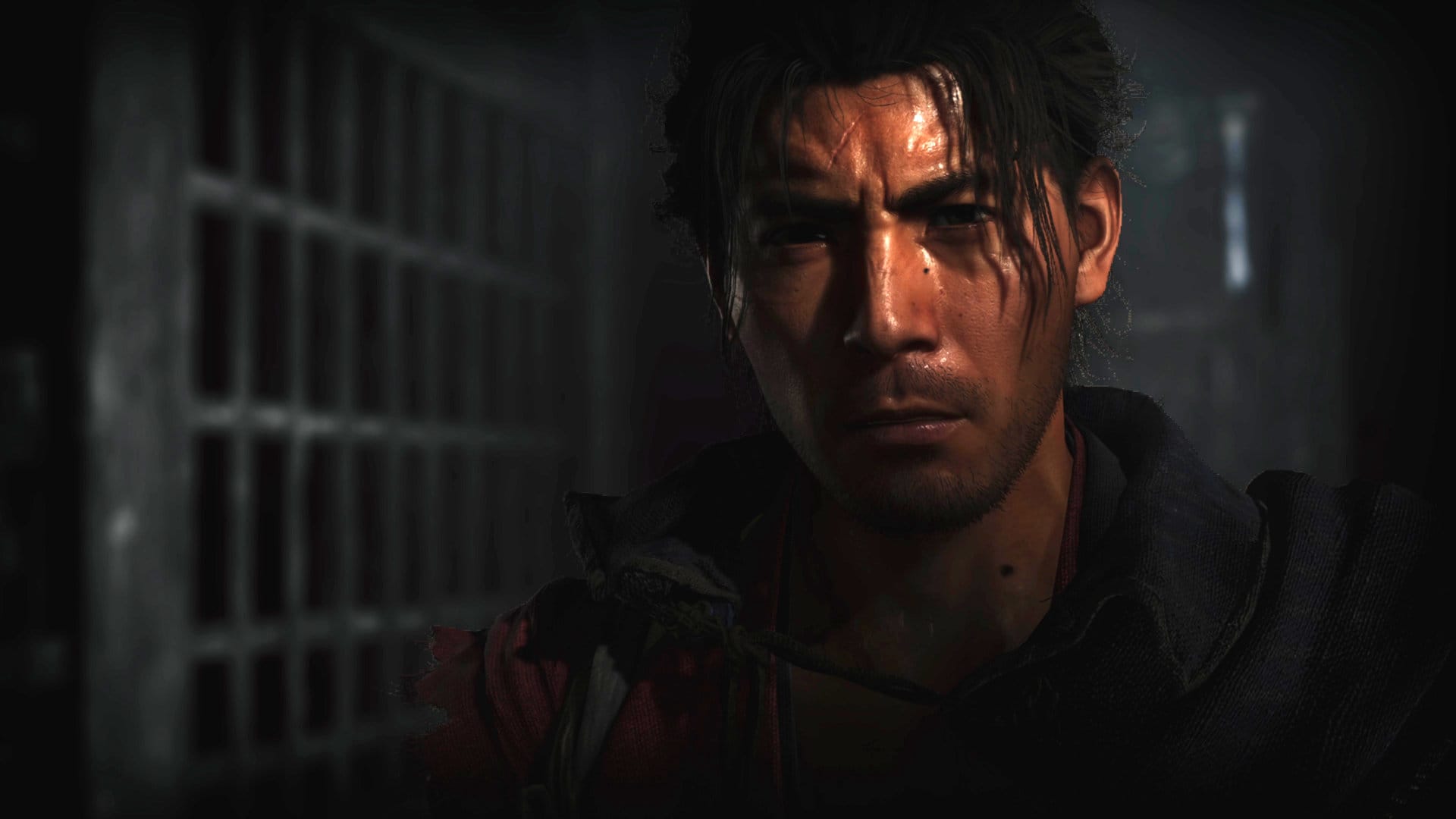
How much of an actor is just their face? How much is their scowls and expressions? I keep thinking about this while playing Onimusha: Way of the Sword, a game that made the bold decision to make its main star Toshirō Mifune, an actor who has been dead for about 29 years, and animate him with immense skill. I’m in awe of what they’ve created, despite being unsure of what to make of the chimera that they’ve made.
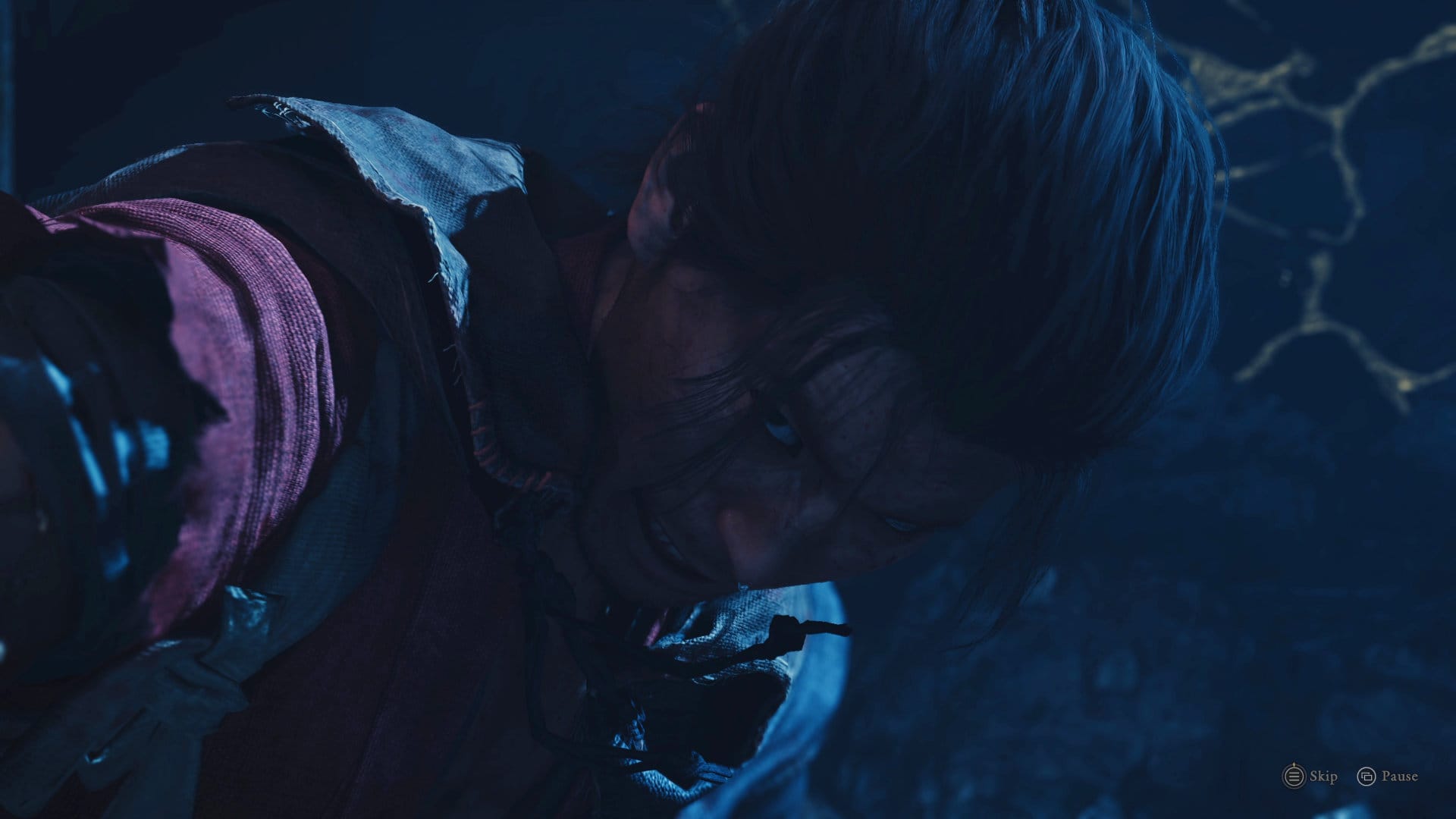
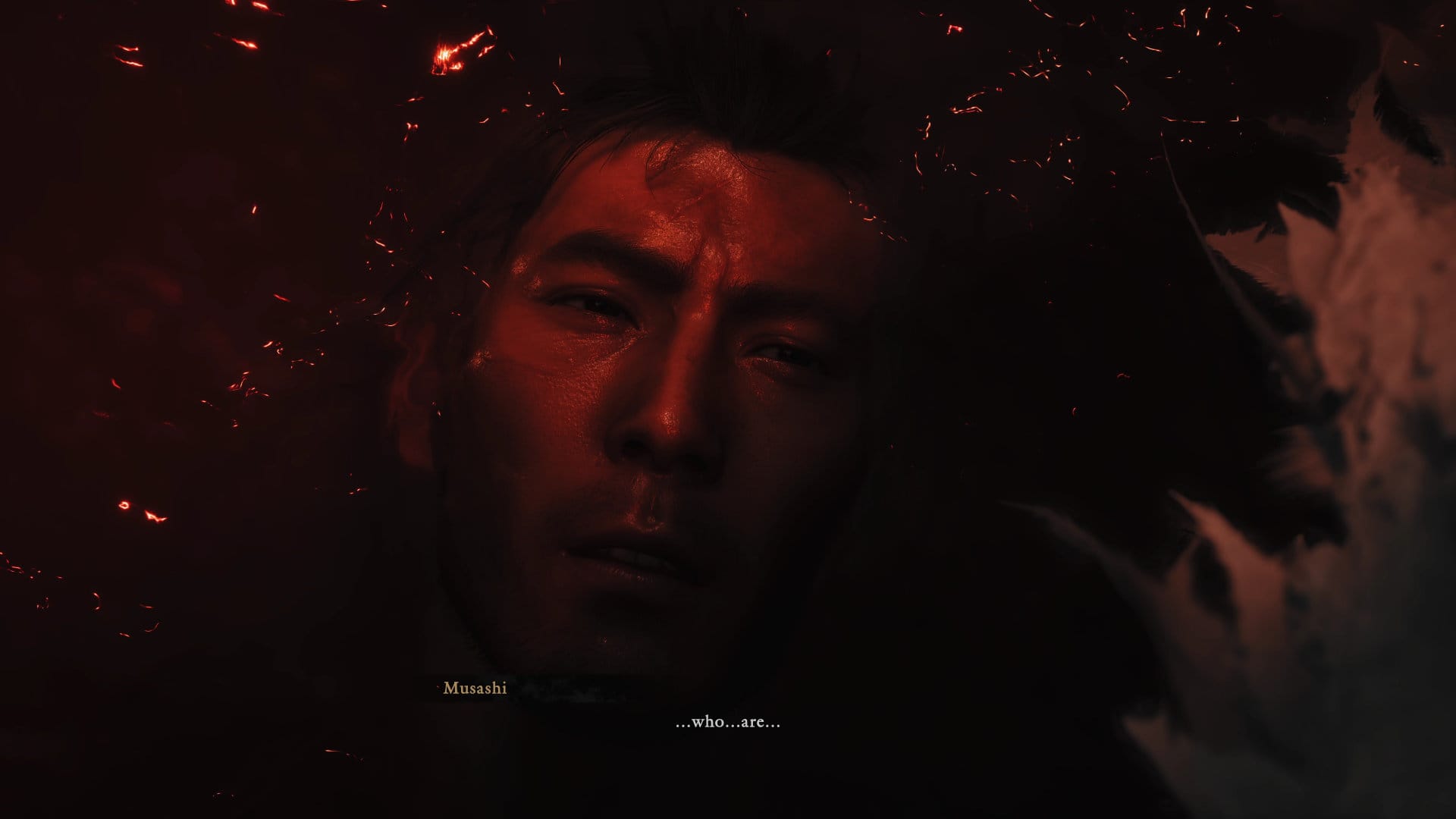
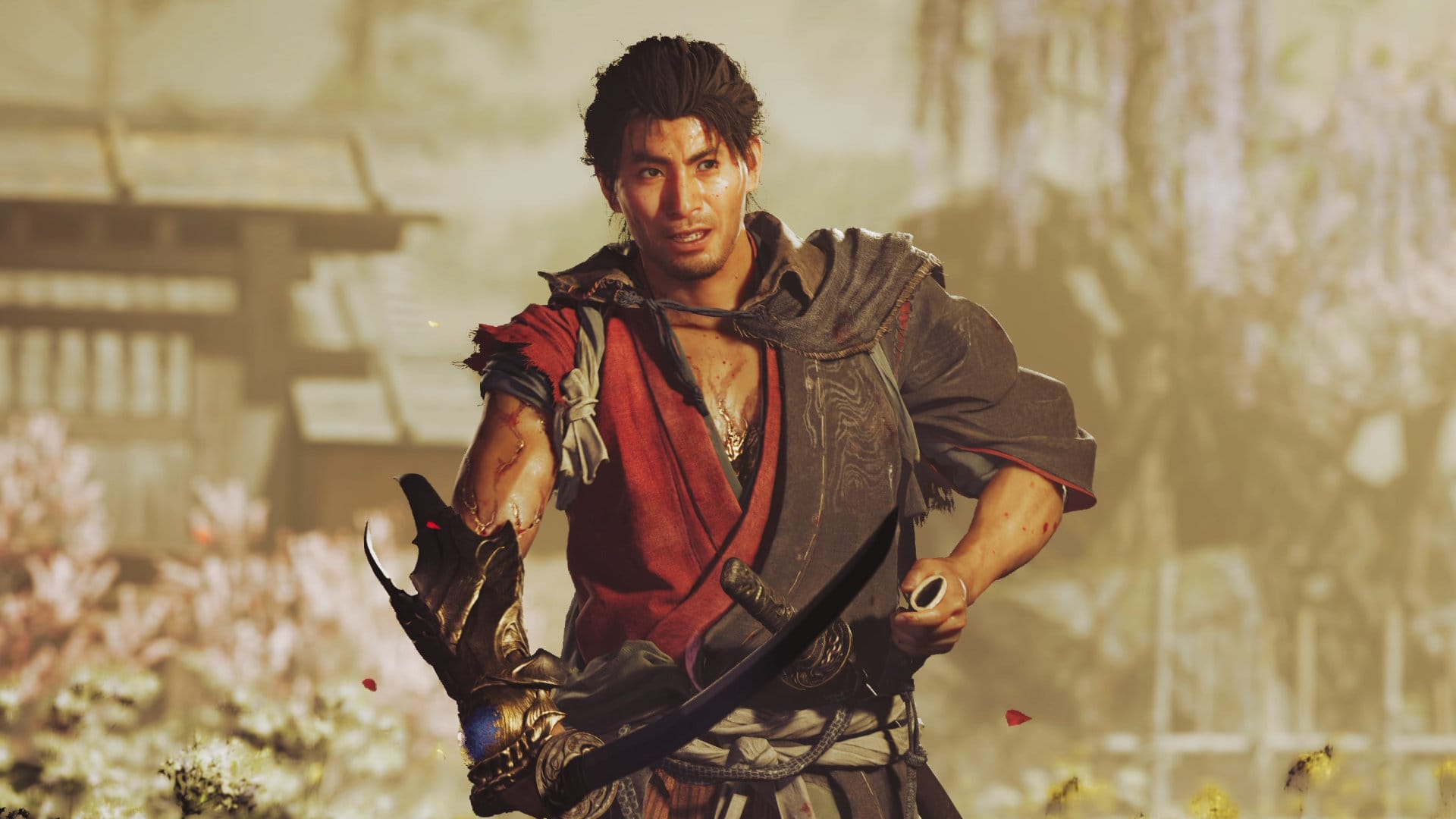
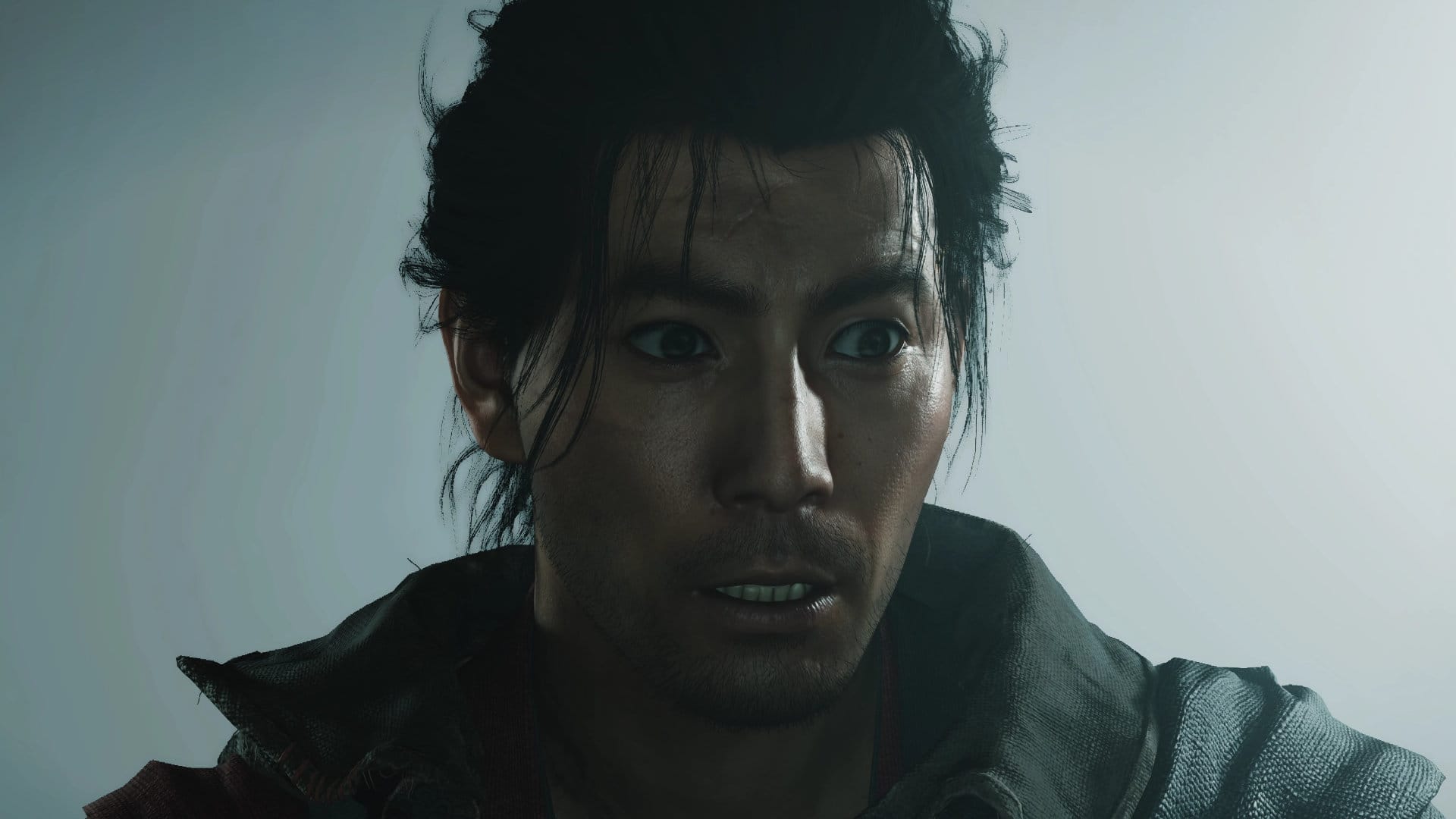
Miyamoto Musashi in Onimusha:Way Of The Sword, based on a younge Mifune.
Using the likeness of a dead person is always a charged choice. Even under ideal circumstances – where family members consent and contracts are signed prior to the person’ passing – the process of recreation is often bizarre and offputting. AI has made this kind of digital necromancy more fraught, but this whole thing has been a problem since they got Fred Astaire to advertise vacuum cleaners.
Toshirō Mifune was in some weird stuff later in his life, I don't necessarily think he'd be against a video game.
Unlike Tupac Shakur’s inclusion in the upcoming Stranger Than Heaven, Mifune feels like a less confusing inclusion in the 2026 reboot of Onimusha. Part of this is that Mifune was an actor by trade, one who specifically embodied the role of famed swordsman Miyamoto Musashi in Hiroshi Inagaki’s Samurai trilogy in the 1950s. Celebrity likeness, both living and dead, have been a staple of the series (who can forget French actor Jean Reno in Onimusha 3: Demon Siege?), and Capcom got the blessing of Mifune’s family. Additionally, I would not presume that Mifune himself would be above being digitally in a goofy video game as a young man, particularly if you are familiar with his work in the 1980s, including the original adaptation of James Clavell’s Shogun, The Bushdio Blade, Kon Ichikawa’s bizarre sci-fi adaptation Princess from the Moon, and John Frankenheimer's The Challenge. Recreating his likeness as a digital actor is a weird choice, sure, but I can see the various ways they got there, and it seems like they tried to do everything above board, to the extent that one can.
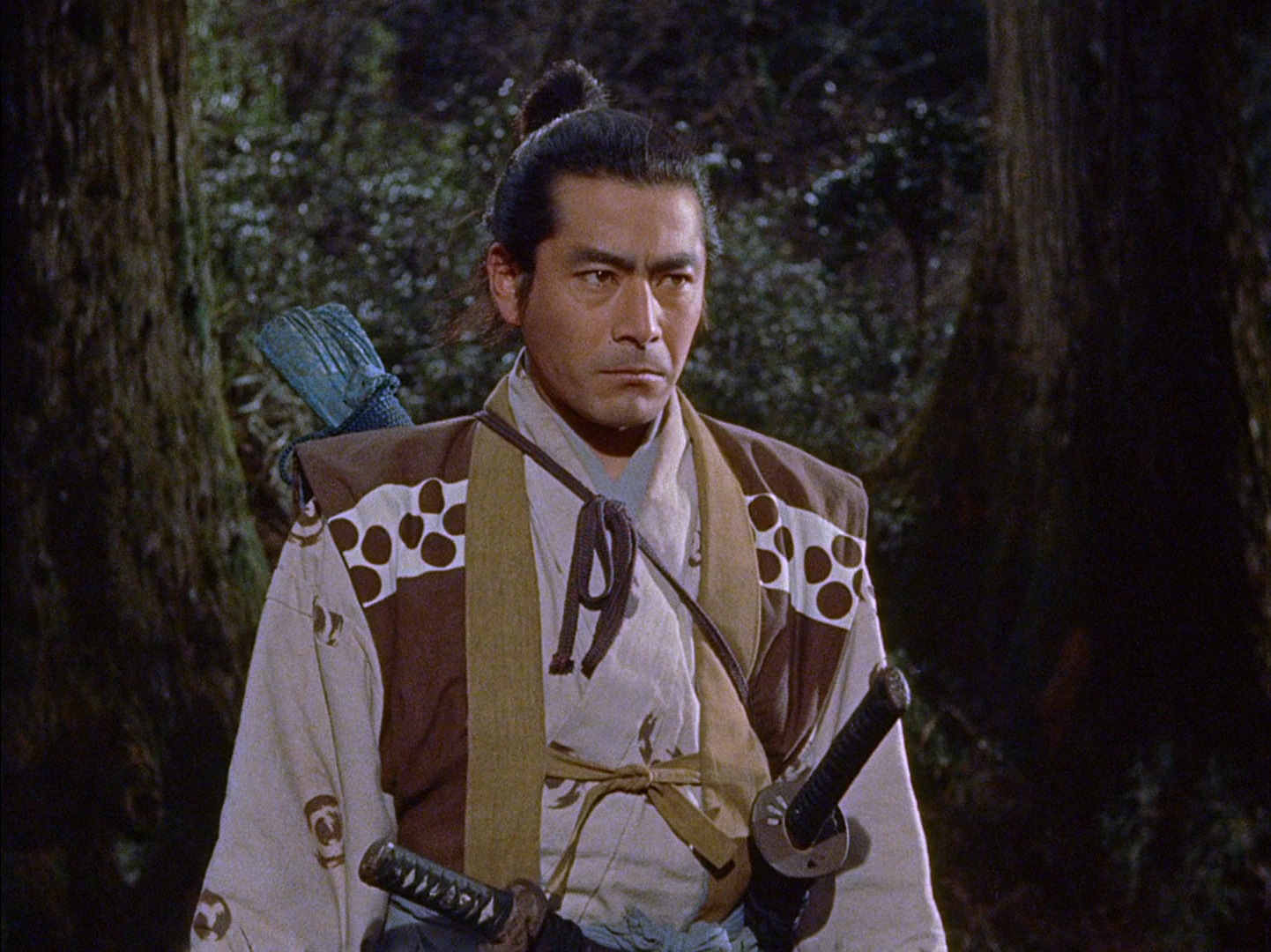
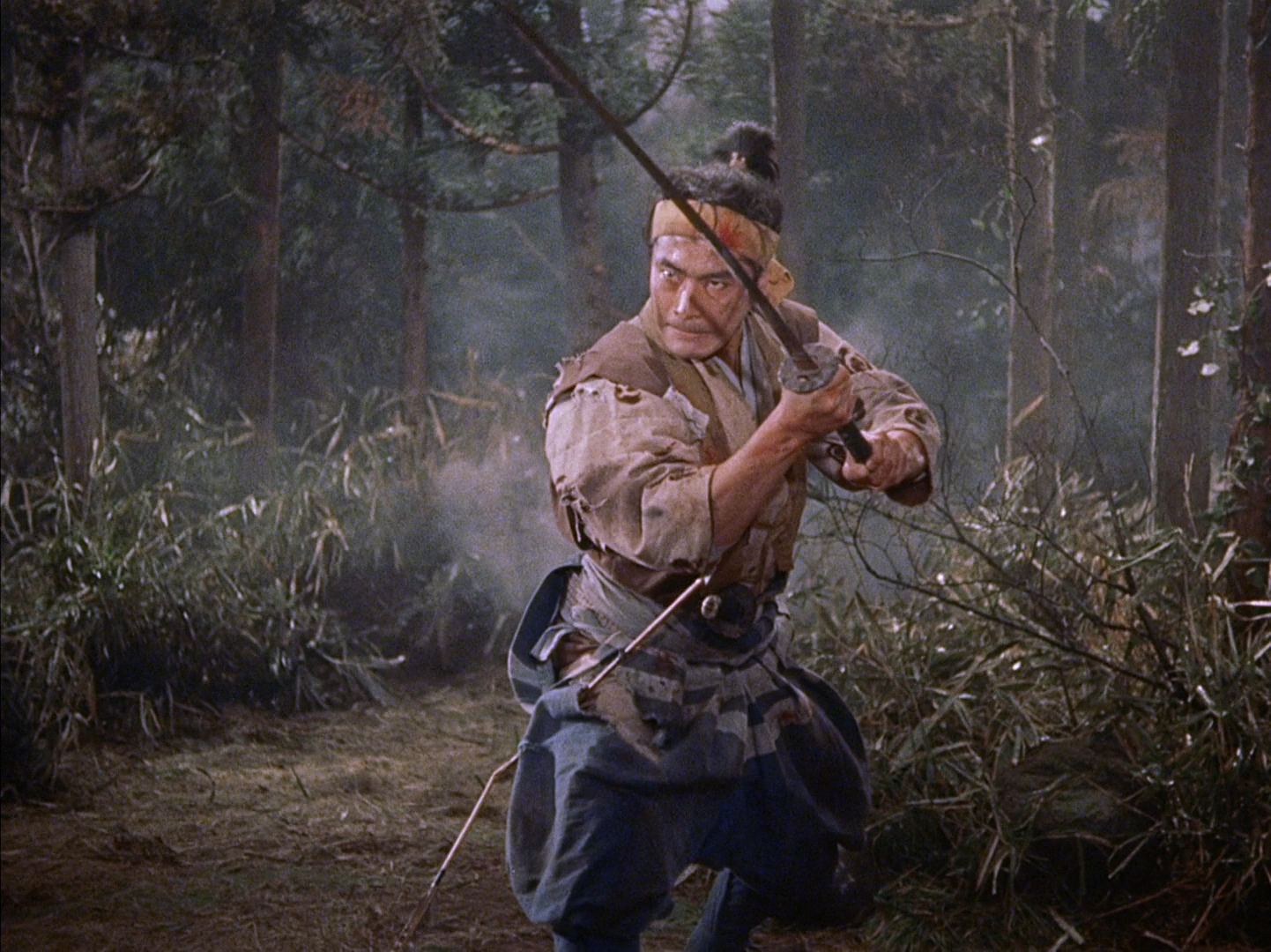
Toshirō Mifune as Miyamoto Musashi in Samurai II: Duel At Ichijoji Temple [1955]. Onimusha:Way Of The Sword is setearlier in his life.
Where that choice starts to get uncanny is in which Mifune Capcom’s Onimusha decided to go with. Mifune as an actor spanned many eras, and was in his mid 30s by the time of Samurai I: Musashi Miyamoto. In that series, he is dour and jowly. By contrast, Onimusha’s Mifune is in his 20s, closer to films like Snow Trail or his earliest dramatic collaborations with Akira Kurosawa like Drunken Angel, The Quiet Duel, and Stray Dog. In these contemporary dramas he was still youthful, classically handsome and clean cut. This is not to say that Capcom was not within their rights to mix and match eras; it’s pedantic to suggest otherwise and makes sense if you consider it a loose, goofy prequel of sorts. But the Mifune whom I typically associate with period samurai films was a little older, sometimes a bit worn out and often irresistibly swarthy. This is to say nothing of the man’s voice, a waterfall of sound that often veered towards incomprehensibility. I am glad that neither of the voice actors attempted to do that, but without that voice what’s left of Mifune?
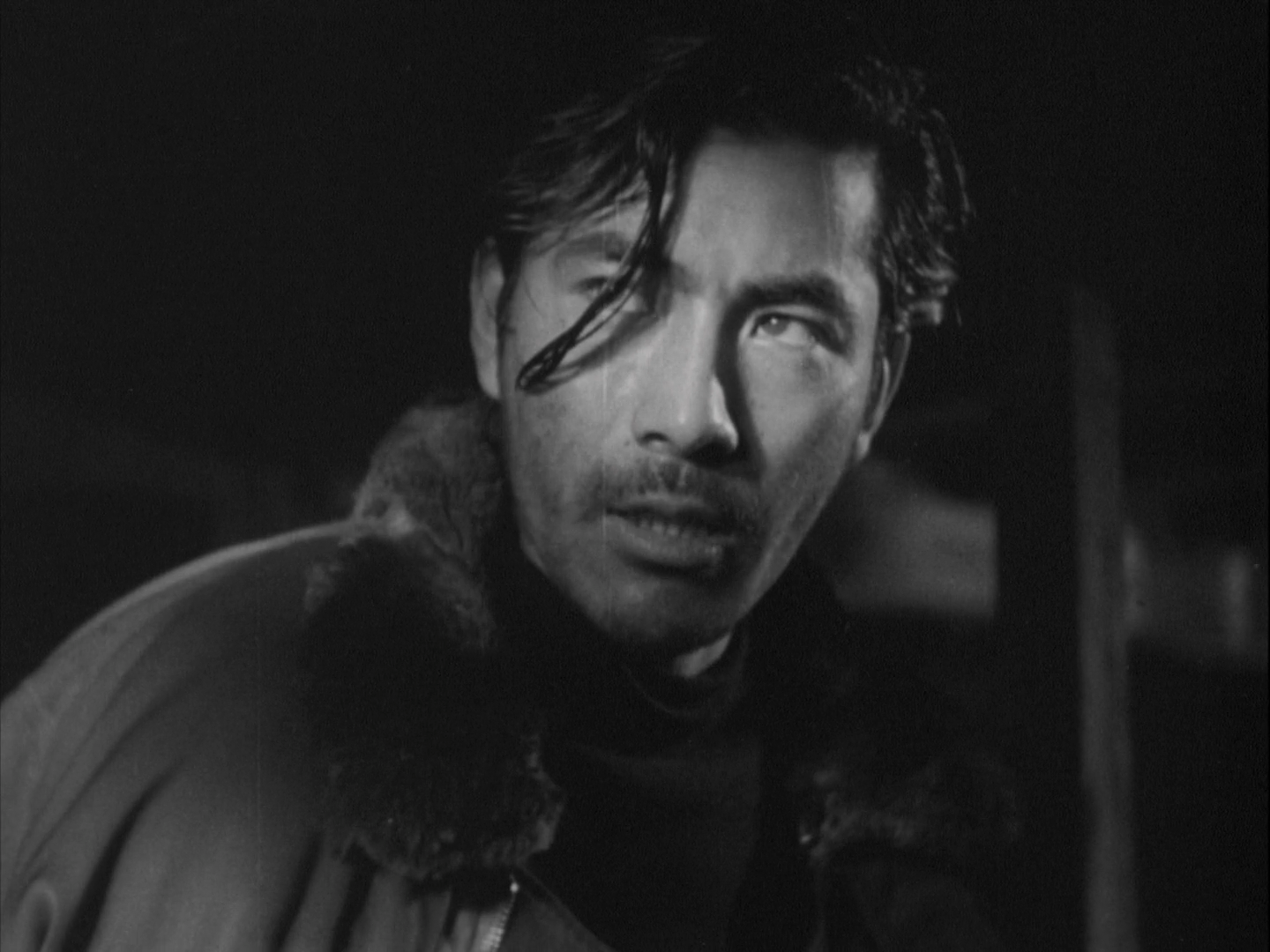
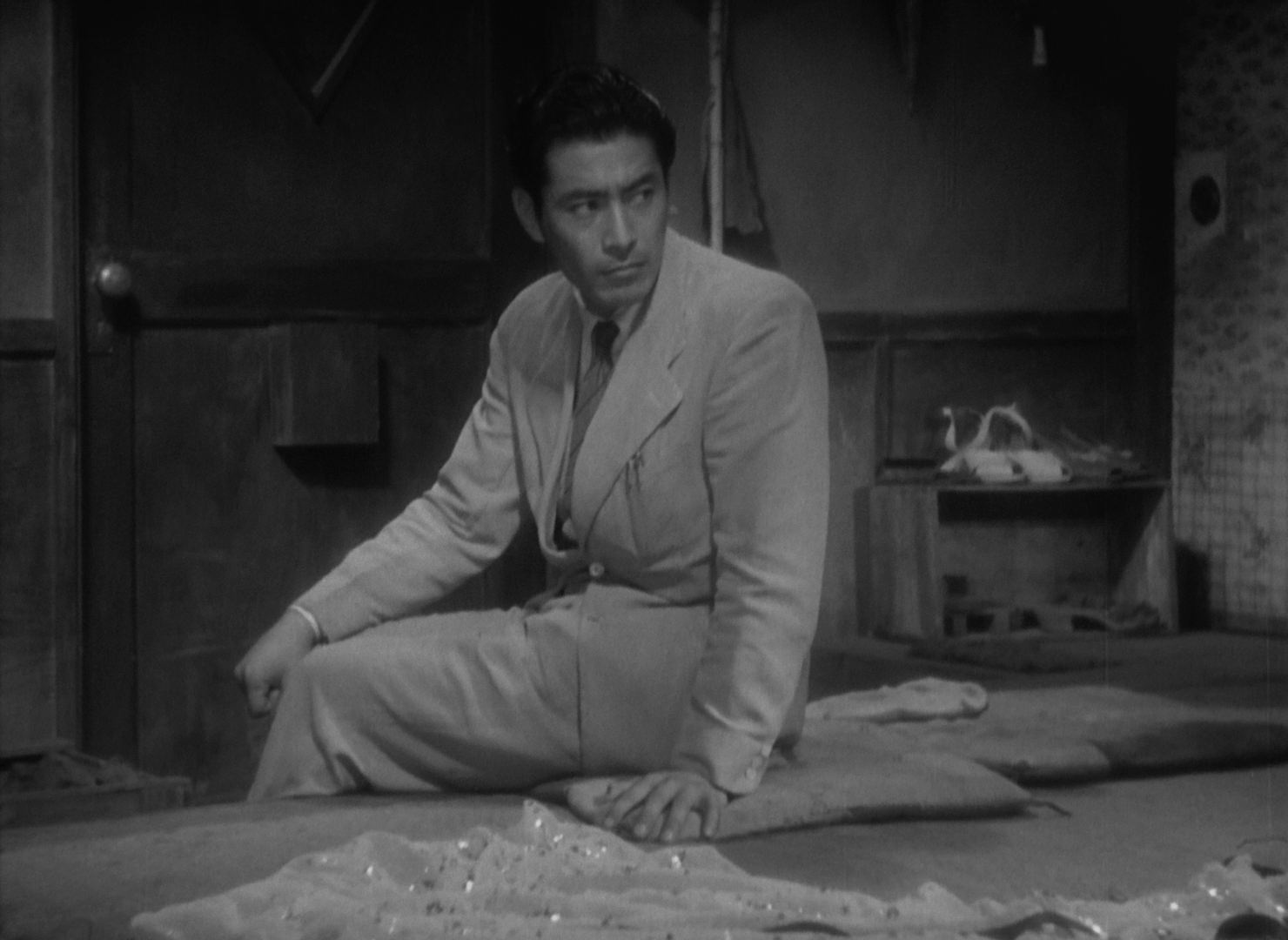
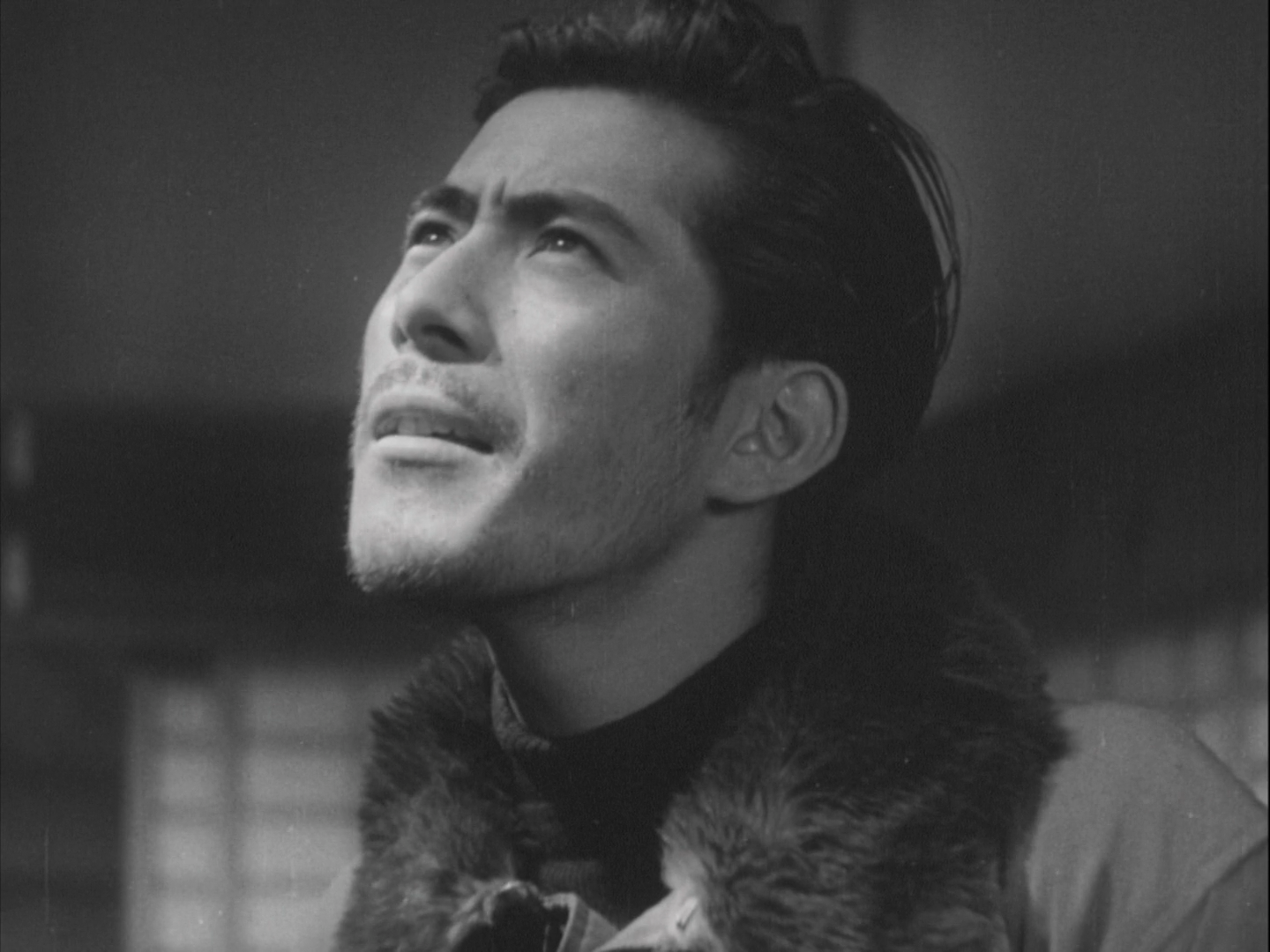
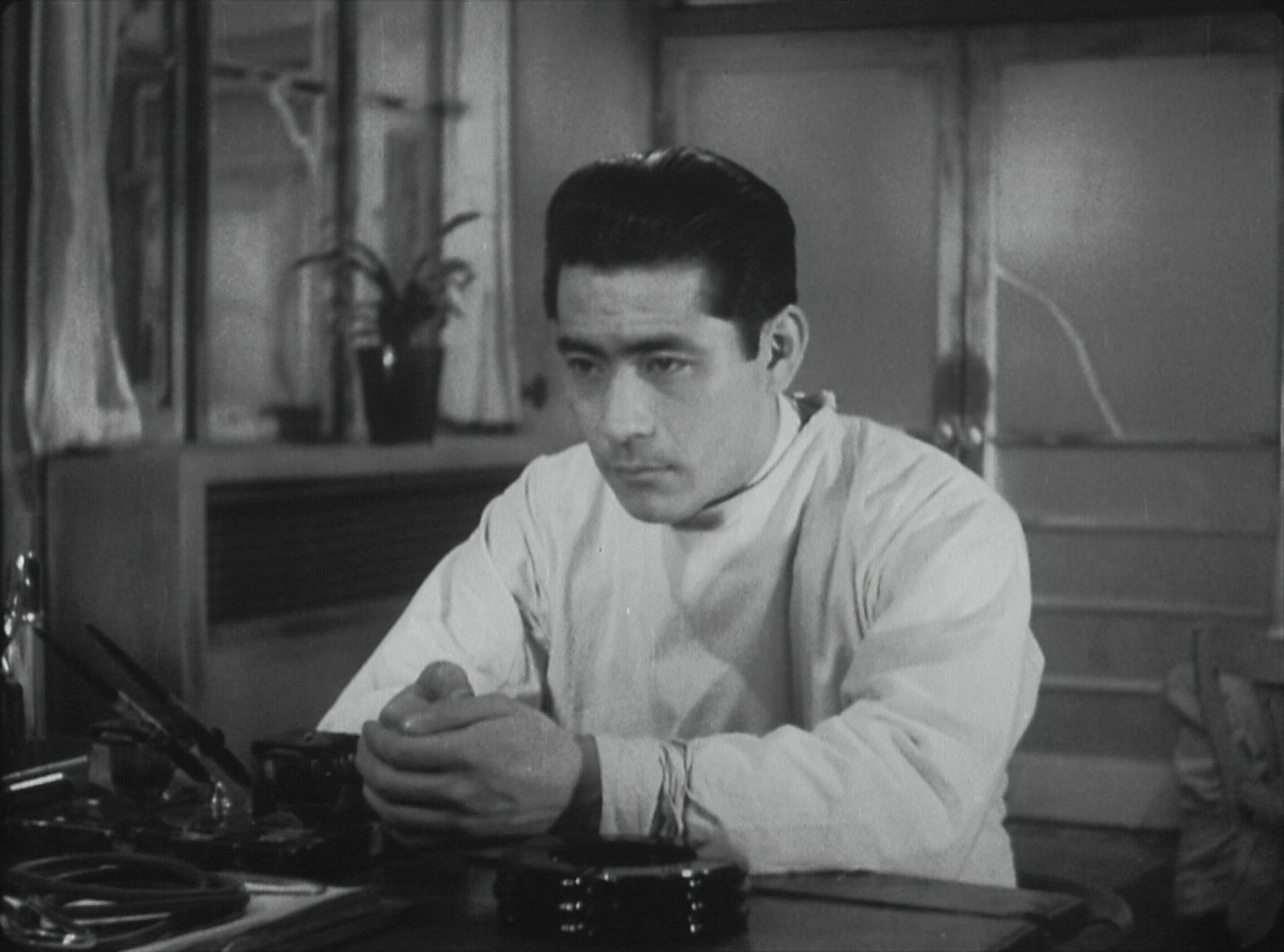
Mifune in the earlier part of his career: Snow Trail [1947], Stray Dog [1949], The Quiet Duel [1949]
I don’t want to sound overly chiding here, because the animation team absolutely crushed it on the facial expressions. In cutscenes, Onimusha: The Way of the Sword’s Miyamoto Musashi is expressive, funny, kind of a shithead, and absolutely sells dramatic beats. He scowls and freaks out; there’s a human light that’s so difficult to recreate in his eyes. You can see his face flitter between emotions rapidly in a matter of seconds, and there’s real thought and care in how the performance accentuates each beat. That is the part that feels true to the real Mifune: bright and expressive, loud and bold, constantly emoting.
There's a part of this interview where they say that their Musashi was not particularly influenced by movies because Capcom makes games.
But it is an imagined Mifune, one who has his actions and reputation but is placeless in his history, one who exists symbolically instead of as a person who lived, worked, and died. One gets the sense that they could have done this kind of magic to any man’s face, that the talented team manipulating a dead actor’s skin could do that kind of magic again. I hope they do, because the work is unquestionably beautiful. But that beauty is rife with contradictions that constantly roil my mind.