

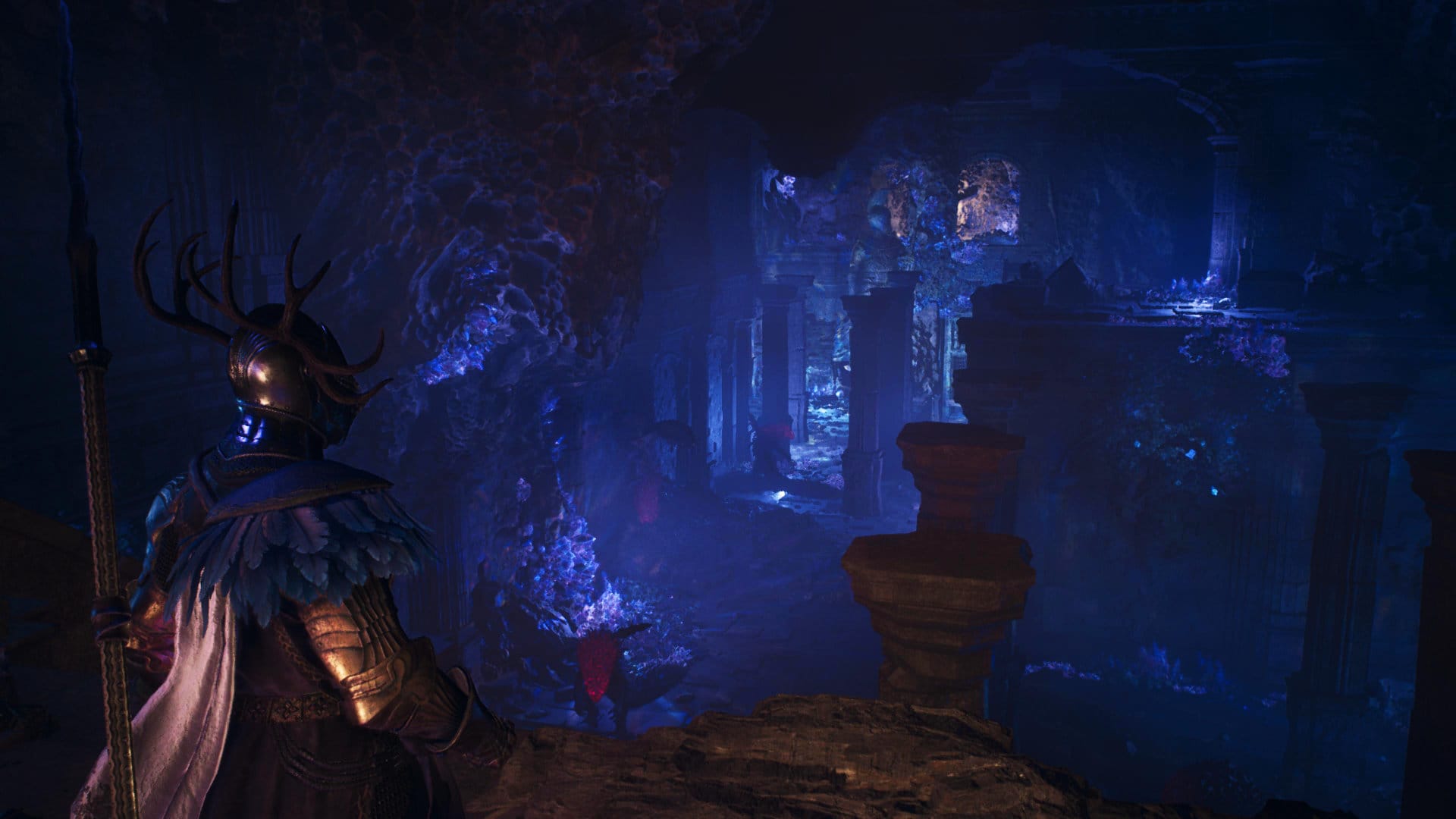
Norgan is gargantuan, an intermittently freezing winter waste exactly halfway between the area beyond the wall in Game of Thrones and a broadly drawn Viking caricature. It is the primary setting for Dragon’s Dogma 2: Dark Arisen, the recently revamped and expanded version of Dragon’s Dogma II, a game that I quite liked but one that fans have very strong and sometimes contradictory feelings about. I have enjoyed my time in the frozen north, despite playing it in the wrongest way imaginable.
A load-bearing piece of context here is that the original Dragon’s Dogma also had an expansion called Dragon’s Dogma: Dark Arisen. When Dragon’s Dogma 2: Dark Arisen was announced, I blogged about how confusing the repeated naming convention was, although having played through the expansion I understand and respect why they went that route. The central narrative conceit of the series is an eternal mythic cycle wherein a figure known as the Arisen must defeat The Dragon that has stolen their heart. This cycle is a necessary means of maintaining the status quo of the world. Dragon’s Dogma 2 is fundamentally a narrative about the implications of that cycle, one that mirrors the first game in many key ways, and you could safely argue that it comments on the series itself in the process. Dragon’s Dogma 2: Dark Arisen does a similar trick with the previous “Dark Arisen” expansion.
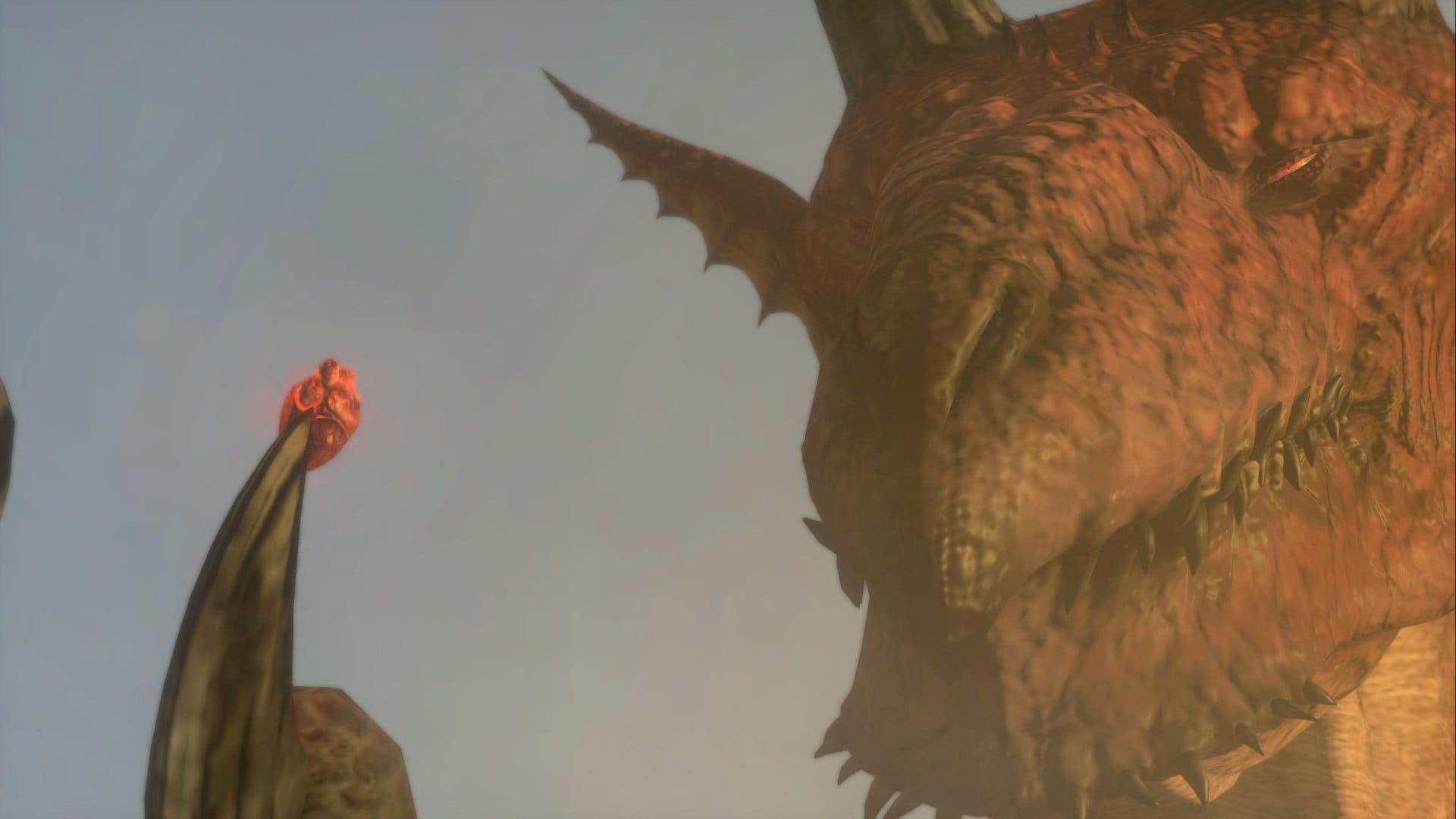
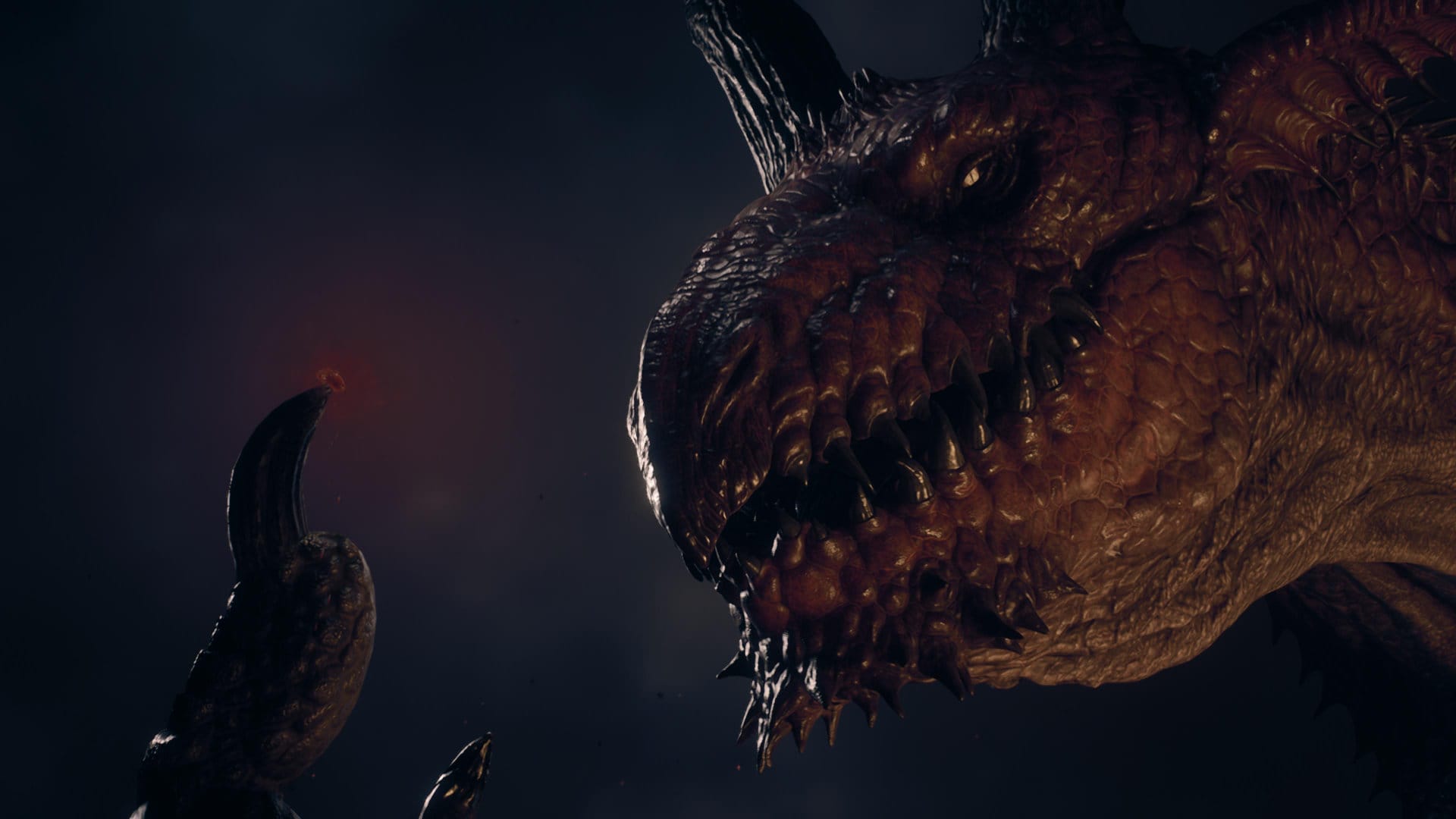
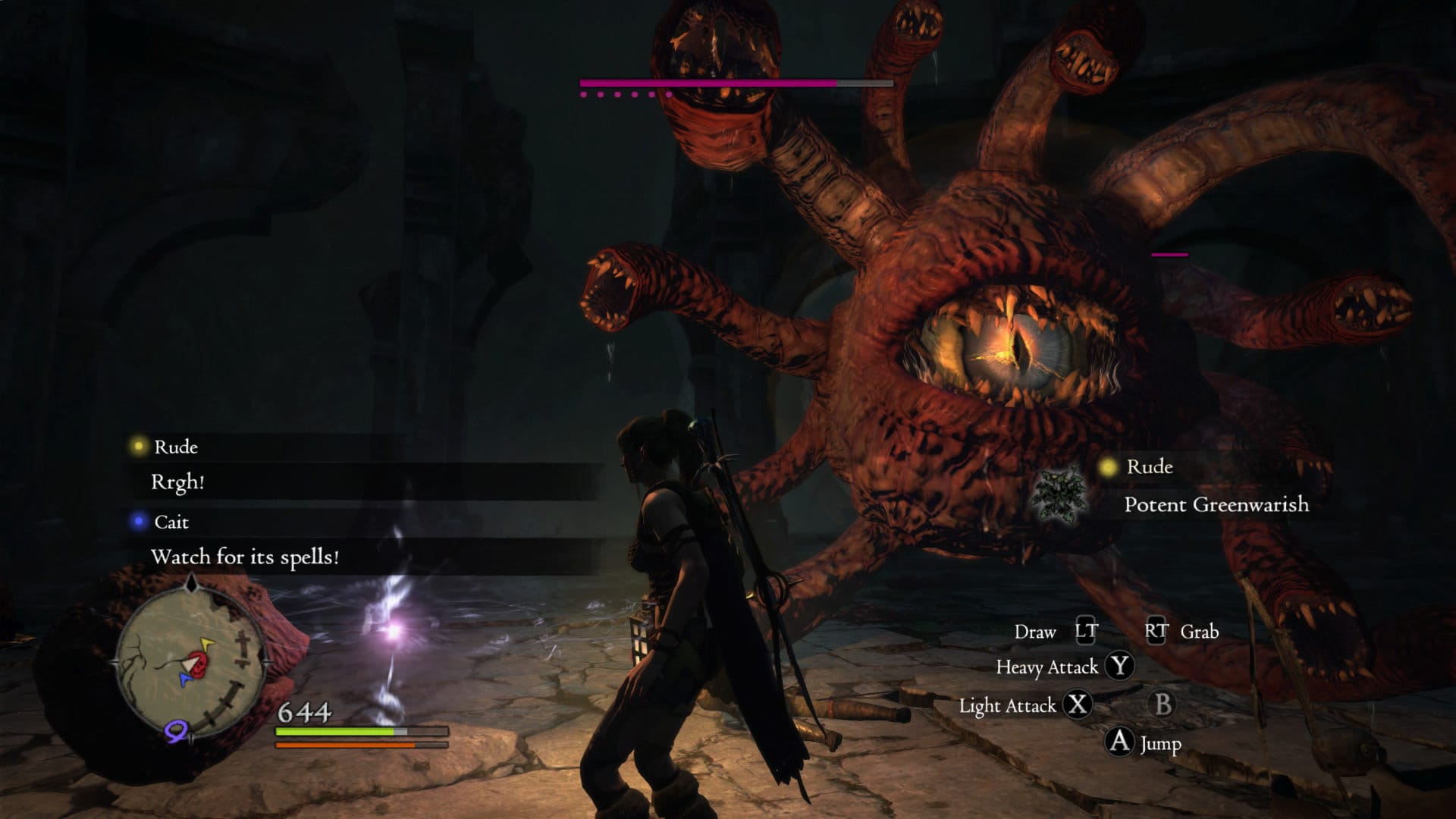
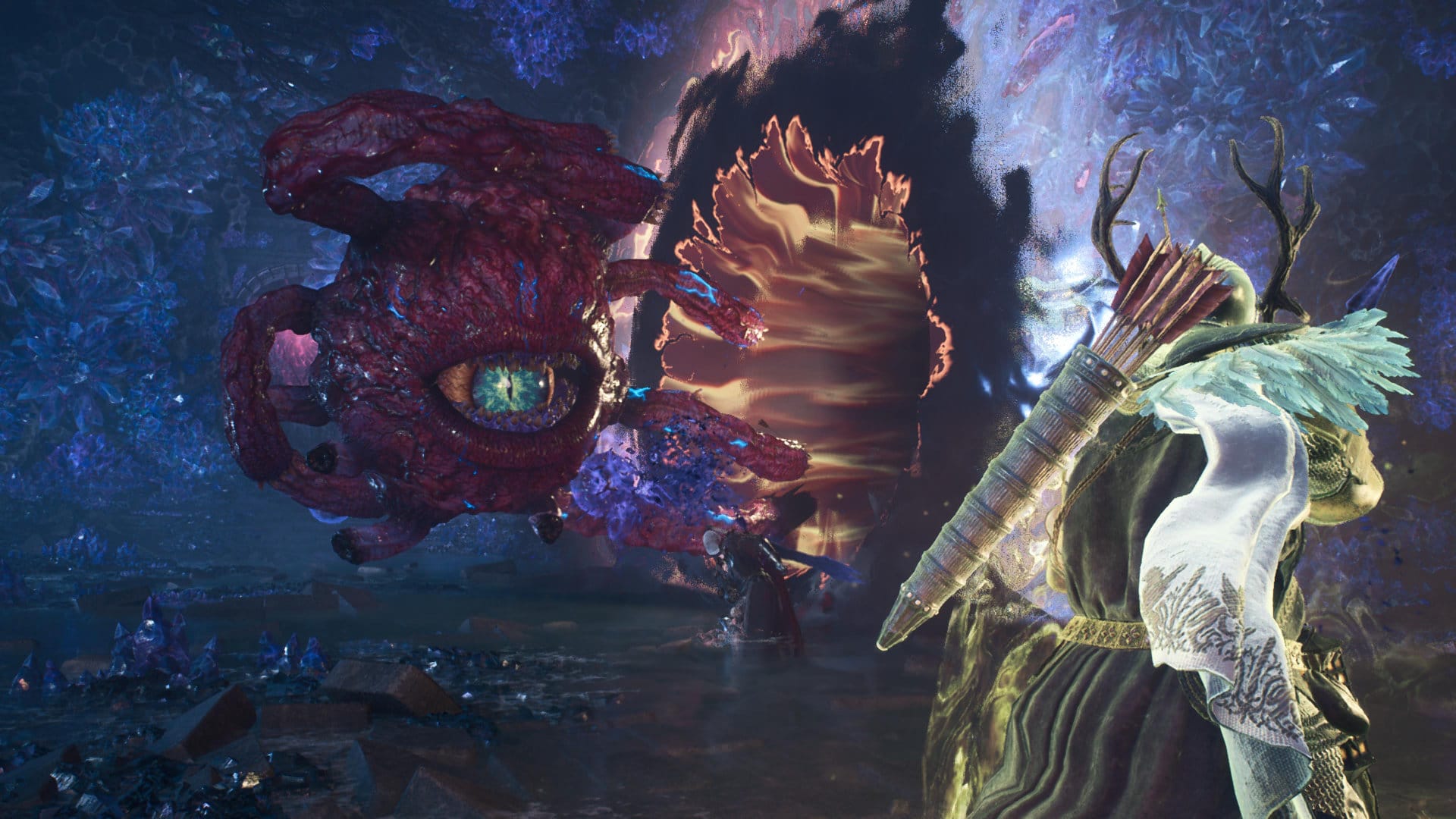
A series about recurrences.
The area added in the original Dark Arisen took place on a secluded island known as Bitterblack Isle, a difficult and self-contained area seemingly outside of the constraints of the main world, whose story concerns what became of a previous Arisen who defied his destiny. The setting in the Dark Arisen of Dragon’s Dogma 2 differs wildly from this in several key ways: It is a large, open, wintery world instead of a secluded island. Hesitant though I am to make a FromSoftware comparison, the relative scale of what has been added, its verticality, and how it functions compared to the game is not dissimilar to the Elden Ring DLC Shadow of The Erdtree. But the subtle and not so subtle ways this new Dark Arisen rhymes with its predecessor, the links that tie it to Bitterblack including a narrative about the cycle itself and the presence of other Arisens, is richly marbled and enjoyable to parse out.
Dragon’s Dogma is a series rife with recurrences, and one such recurrence involves the loot system that both Dark Arisens share but which differs wildly from the base game. In the base game of Dragon’s Dogma 2, weapons are found or purchased and upgraded using various smithing styles. This allows for customization of weapons based on various playstyles, although I personally tend to go with the Dwarven style, which favors knockdown power for toppling giant foes.
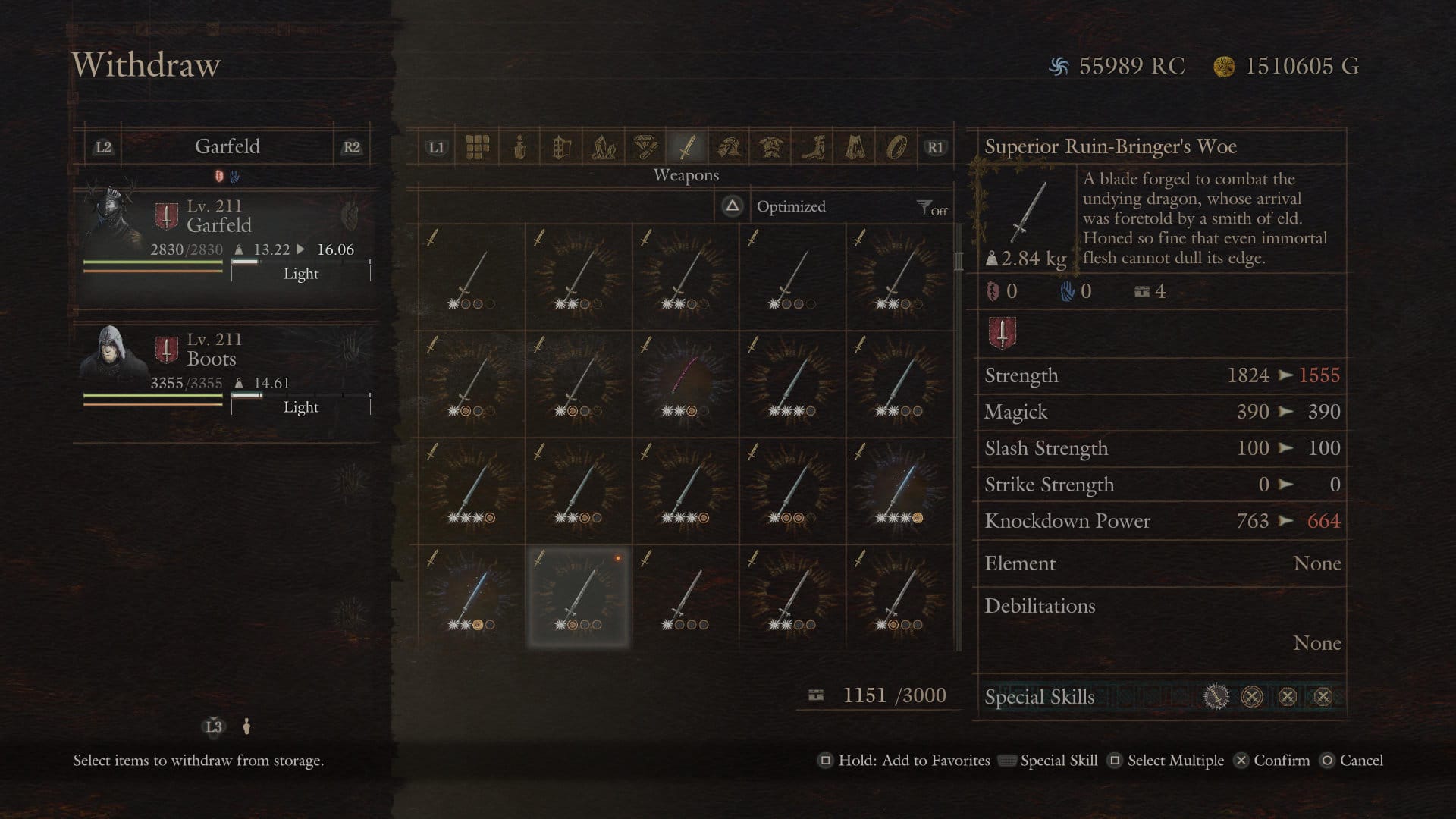
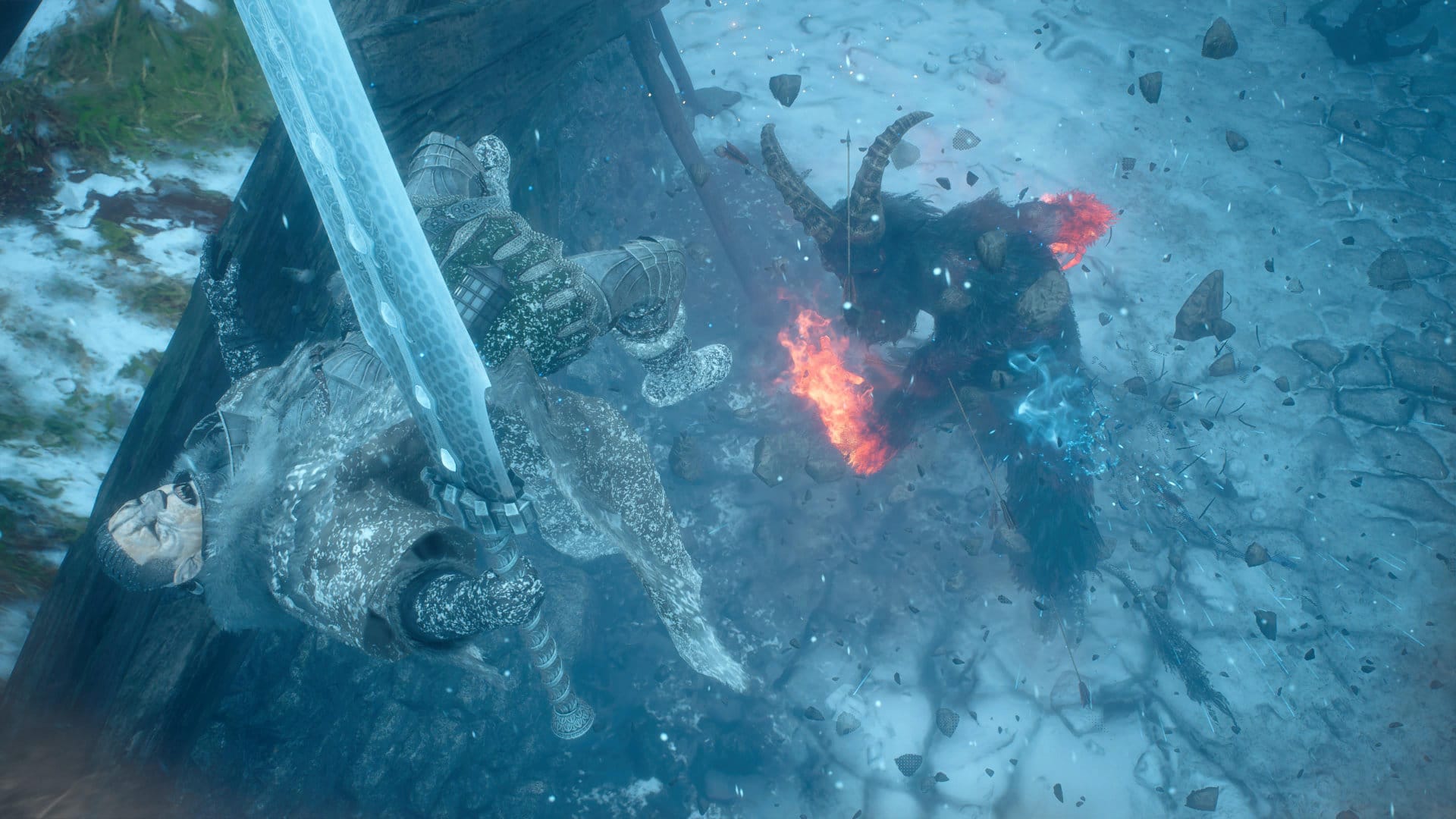
In Norgan, gear is found in the field covered in crystals and must be purified with a specific vendor using rift crystals. The equipment found here is static, unupgradable and often adds Norgan-specific class skills to your character’s classes. If I have any criticism of this system as it manifests in Norgan, it’s that it shares a problem with many modern Team Ninja games like Nioh, Wo Long: Fallen Dynasty and Stranger of Paradise, namely that the game ends up throwing so much gear at you that you start to drown in it and it loses significance. This gear also clears basically everything else in the game in terms of basic power, and so heading to Norgan even slightly early completely fucks up the basic momentum and difficulty curve of the base game by basically every metric. You can technically get to Bitterblack Isle early in the original Dragon’s Dogma as well, but it’s going to beat your ass into the ground unless you are doing the now-ancient and respectable “Bitterblack Challenge.”
I have tried doing a variant of this called the "Norgan Challenge" with roughly the same rules in Dragon's Dogma 2: Dark Arisen.
Another place in which both Dark Arisens recur involves an item called the Eternal Ferrystone, an object whose addition is slightly controversial. This fast travel item was added in a June update leading up to the expansion’s release. Dragon’s Dogma 2 became a target of discourse when it was initially released for a single word: friction. Travel in the game as it was initially released involved hoofing it around the world on cart or on foot.
Carts (and also campfires) could be attacked by monsters, so even if you dozed off to speed up the process there was no guarantee that you would make it to your destination unimpeded. This element is slightly trivialized a bit by the addition of a new specialization for your pawn (a kind of in-world companion and person-shaped creature) called Guardian which nullifies sudden monster attacks on carts (although it only mitigates attacks at campfires).
Travel in the base game could be expedited by use of Portcrystals, fast travel beacons found at major cities or deployed as a rare, movable beacon. Traveling to Portcrystals involved Ferrystones, which were traditionally a limited item used judiciously. Recent updates of the game undid much of this with the Eternal Ferrystone, which renders the delicate, frictional balance of regular Ferrystones meaningless.
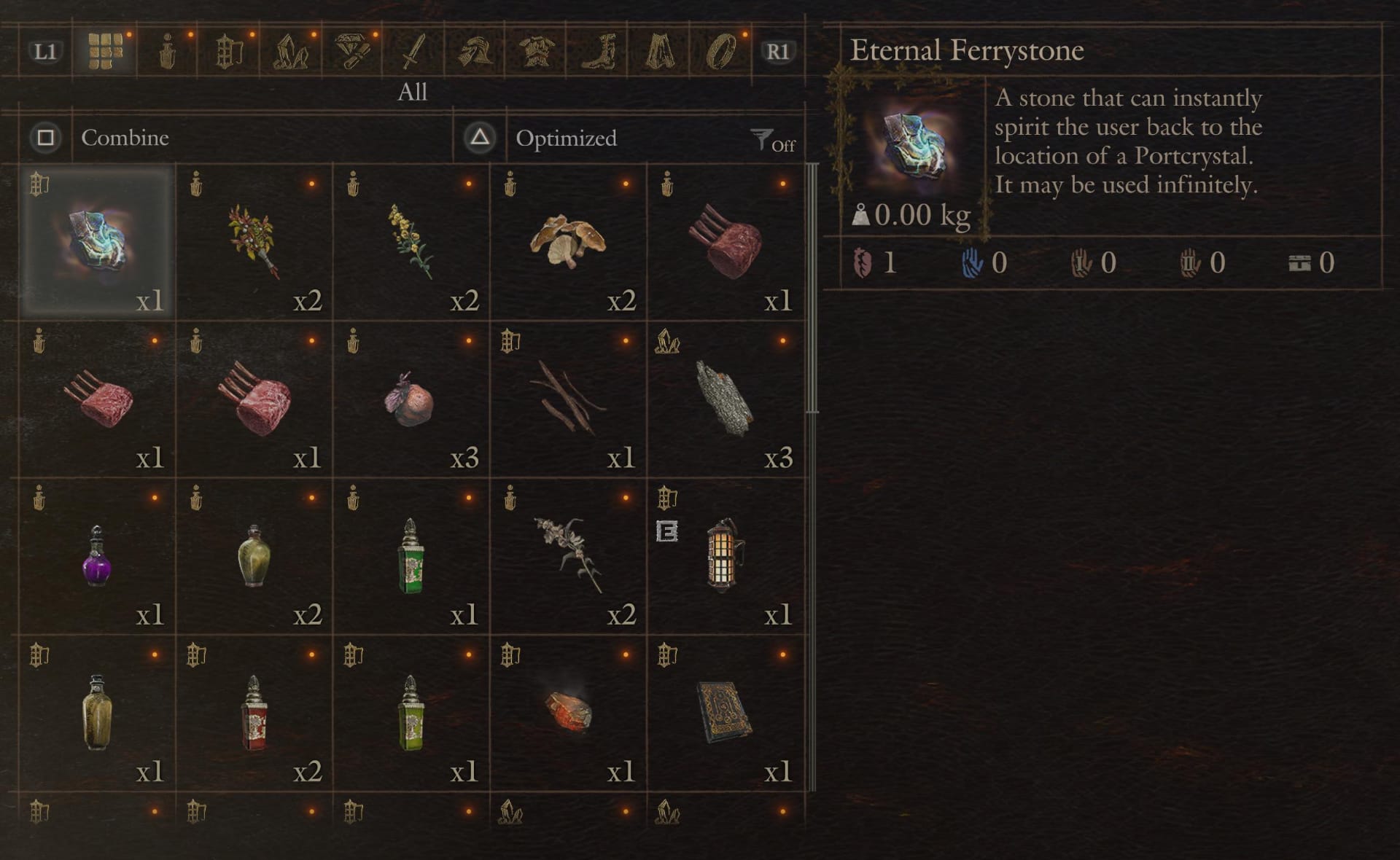
This is exceedingly funny because the Eternal Ferrystone also existed in the original Dark Arisen, and mods have existed in Dragon’s Dogma 2 to add it back into the game, but the manner in which it is given (very early in the game as part of a required quest) feels a bit aggressive. In Dark Arisen it appears in the player’s storage for the player to take or leave as they see fit. In DD2: Dark Arisen, they straight up shove it into your inventory early on, and getting rid of it is impossible, since it cannot be sold or stored. Still, it is hard not to appreciate the way in which this addition is itself a part of the chain of recurrences.
Many of these choices make more sense in the context of an interview the team behind Dragon’s Dogma 2 gave to Famitsu where they revealed a key difficulty in balancing the game. “The requests from fans in Japan and the rest of the world were completely opposed to one another,” producer Yoshiaki Hirabayashi admitted. “One thing I want to clarify is that I don’t feel like intentional friction is the core identity of Dragon’s Dogma 2,” Hirabayashi said. “Fundamentally, we didn’t intend to define this game as one where overcoming inconveniences was what was most important. Rather, we feel the most important point of this game is a sense of accomplishment.”
 Alicia Haddick

Seen in this light, it’s hard not to feel like the team has attempted to do the best with the circumstances they’ve ended up in, trying to give enough options to please everyone. Capcom launched two patches in the lead-up to the expansion in addition to the expansion itself that fixed many longstanding issues, and many are straight up objective quality of life improvements, such as hard mode and upgrading the number of skills from four to six. Adding oxcart stopover points and revamping the save system are both good choices. They completely overhauled how the game runs and even fixed the Trickster class, which I had no desire to play but now kinda rocks.
But even with those many welcome tweaks, Dragon’s Dogma 2: Dark Arisen still has the same skeleton of the base game, and how that new content fits in the existing game is slightly bizarre.
Playing it wrong
There’s many paths to Norgan, and I believe I chose the wrong one. Having beaten the base game already, I went into New Game+ with my levels, jobs and gear already on me. I did not choose to play the game in hard mode, because I wanted to see how the new area was tuned relative to the main game. I also went directly to Norgan itself, skipping the intro and going straight for the new world the second I had the opportunity.
With hindsight, doing this with Norgan was sub-optimal. Though Norgan itself was balanced fine relative to my character NG+, going there immediately trivialized the experience to a comical degree, especially after getting even the level 1 gear. The optimal way to do this was to either start an entirely new character or set the game to hard mode. Doing things the way that I did completely wrecked any challenge when it came to the other major addition to the game: the Lost Rites trials.
The Lost Rites trials are a series of optional dungeons added to the game with Dark Arisen. There are 12 of them that exist in the game and most of them give gear that is balanced to the main story. Many of them have specific and sometimes amusing conditions, like requiring you to only equip two weapon skills or mandating that every character’s weight limit is set to “very light.” However, the part that is so confusing is their place in the game. Most of the trials require, either in part or in total, the use of an item called the Empowered Godsbane Blade. This is an item you get close to the end of the primary endgame in the main world, and so the trials are only relevant towards the later part of the game. Thankfully for me, the blade carries over into New Game Plus, meaning I was able to access those trials and demolish them with basically no difficulty as soon as I could reach them. I could have ignored the trials theoretically, but they dovetail with a feature that appears in Norgan: Nine frozen obelisks that each require an “Offering Flame” to melt if you want to stat boost your character.
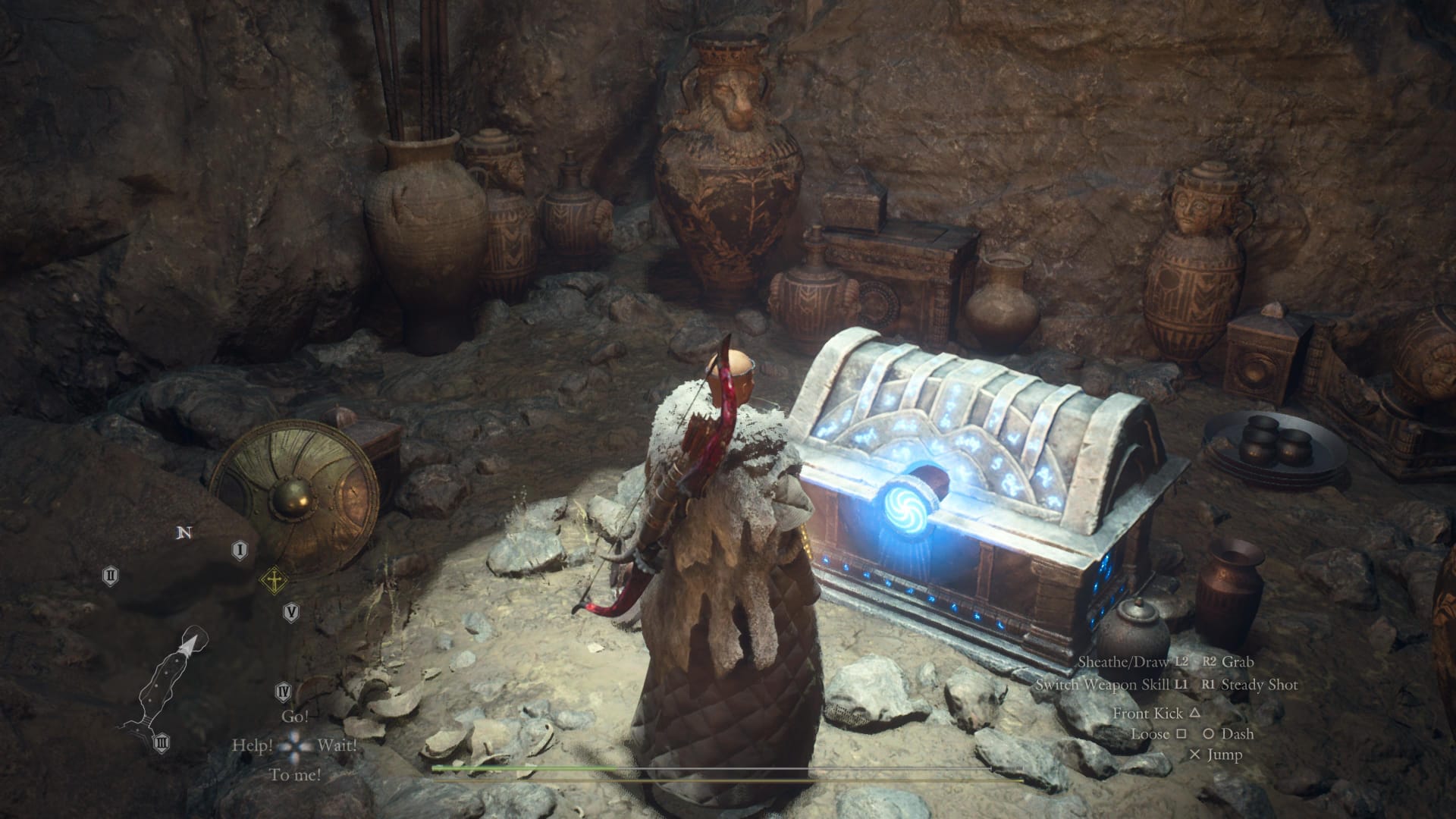
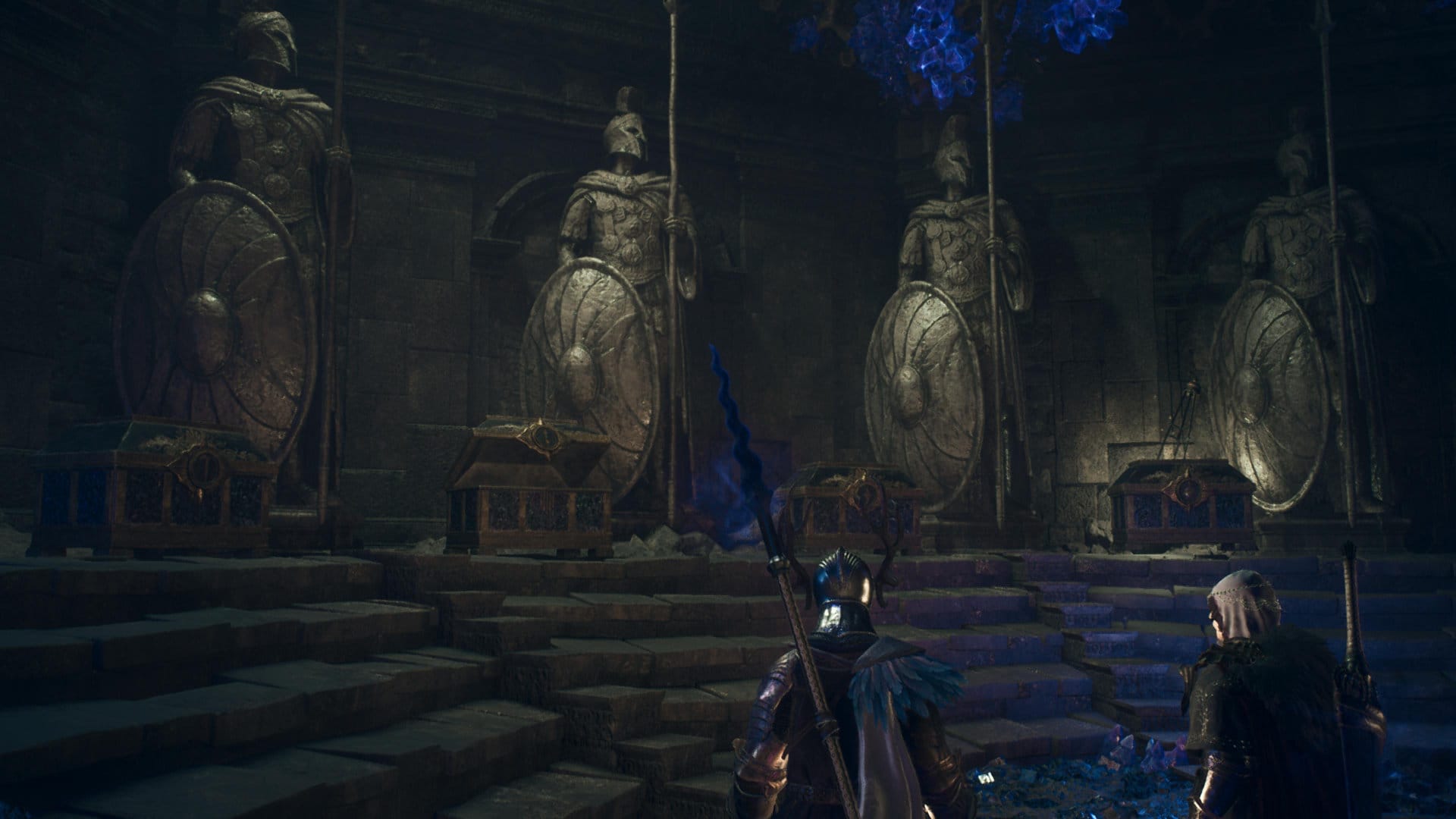
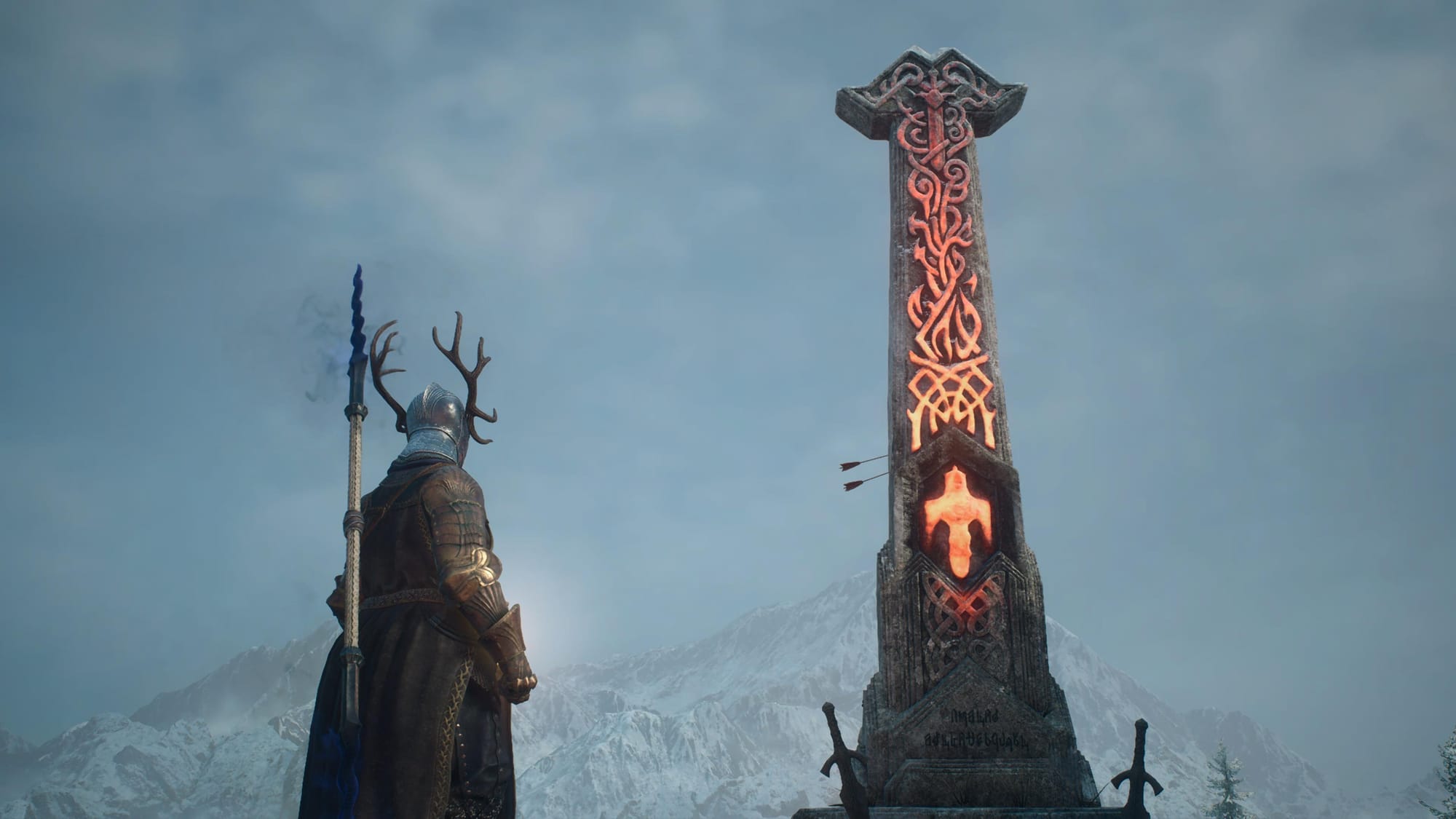
Many trials require a later era item that you only get at the endgame, and the best items require getting to the "true" endgame.
The part where this becomes extra complicated is that three of the trials, and the ones with gear scaled to Norgan, require getting to the “true” endgame, the Unmoored World. There you can repeatedly challenge one trial, the Seafloor Sepulcher Trial, to get weapons and challenges that will match even the best in Norgan. These weapons involve doing the Sepulcher challenge and slaying the Evil Eye boss repeatedly. Other pieces obtained in trials are some of the most gorgeous in the game, from a robe embroidered with medieval deprivation of skeletons to a literal crown of thorns, but none of them even touch the basic trash of Norgan. The game adds the ability to change the appearance of armor, itself a welcome addition, but it does so late in the Norgan campaign as to be rendered somewhat useless.
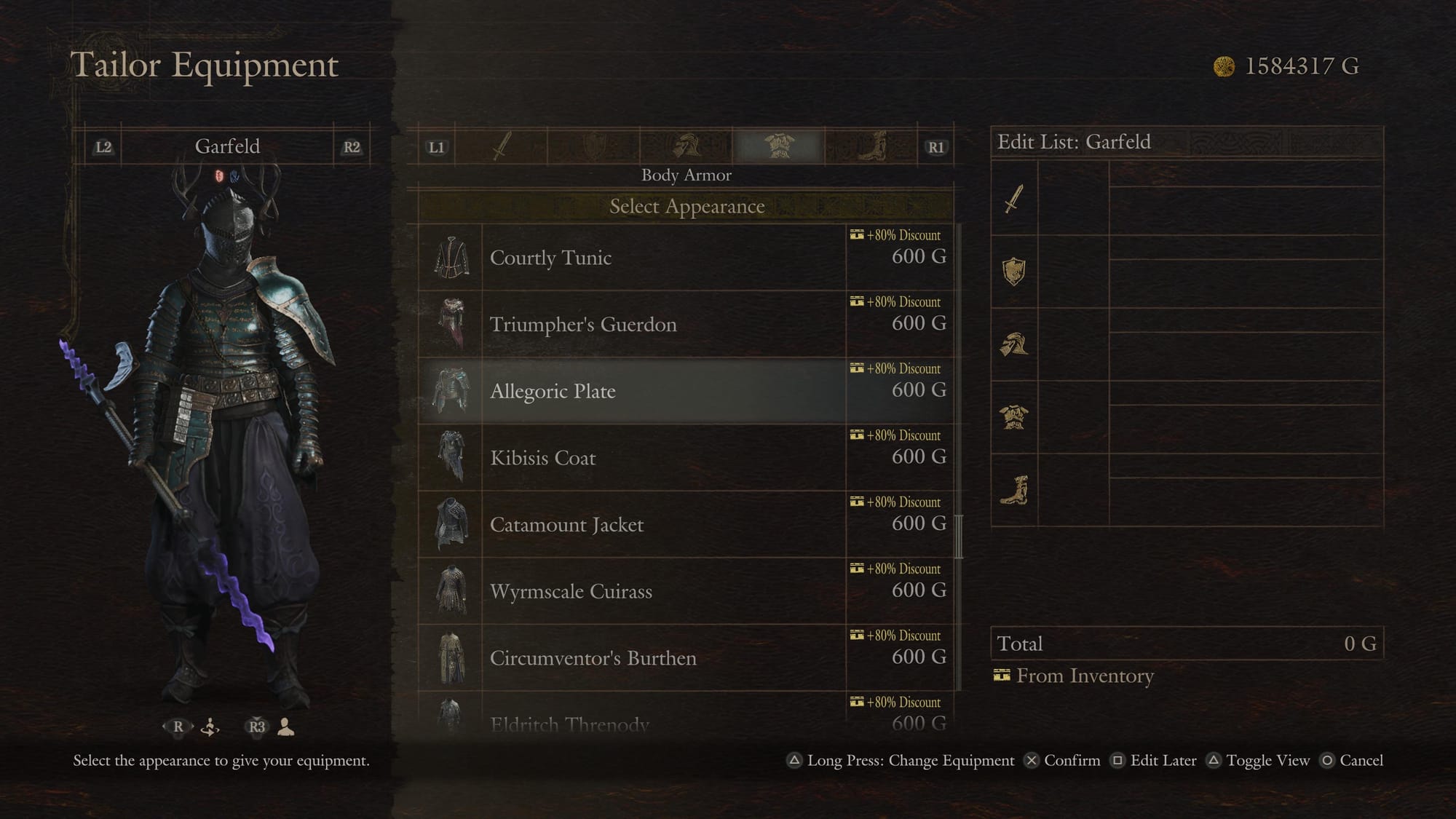
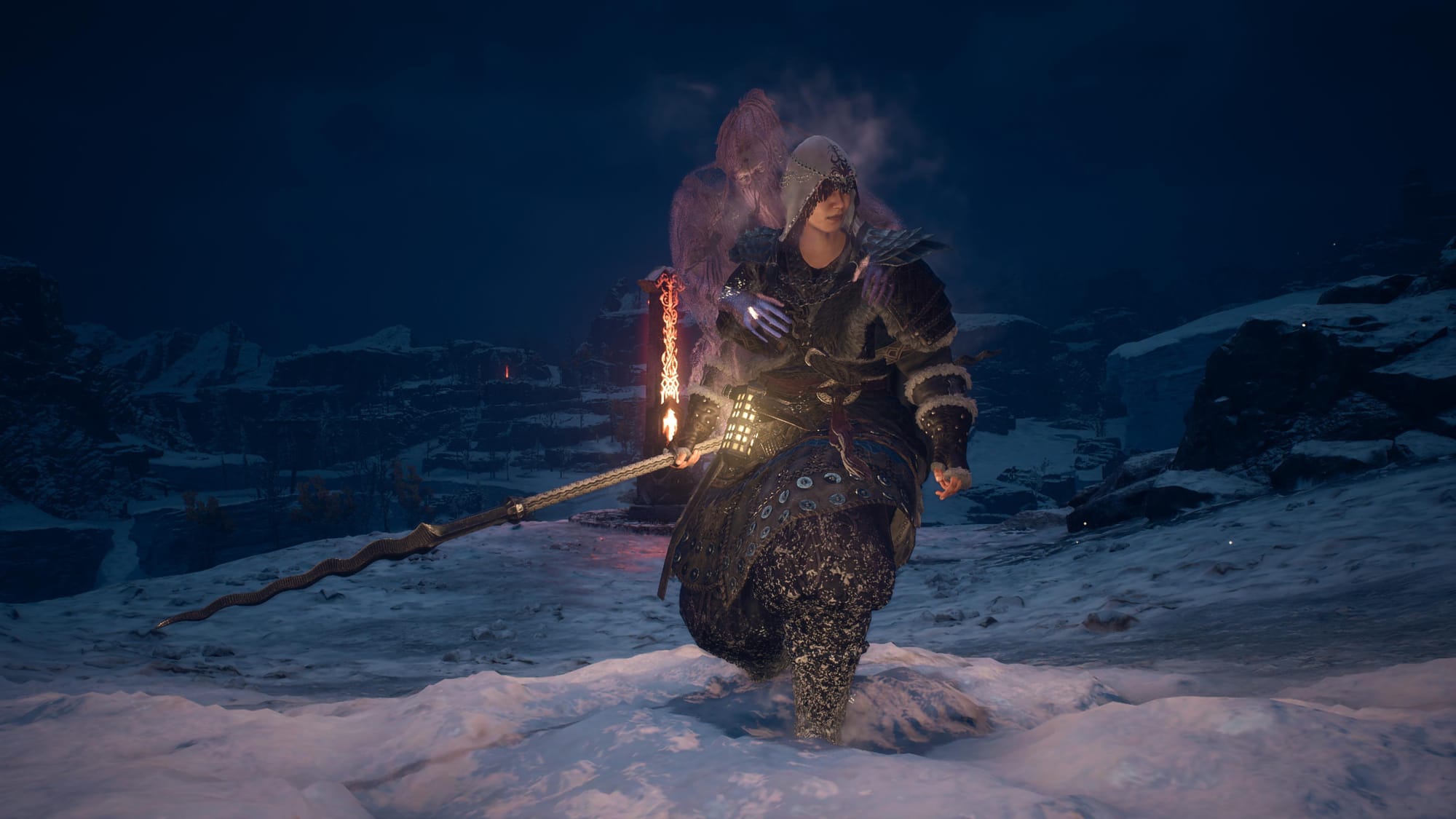
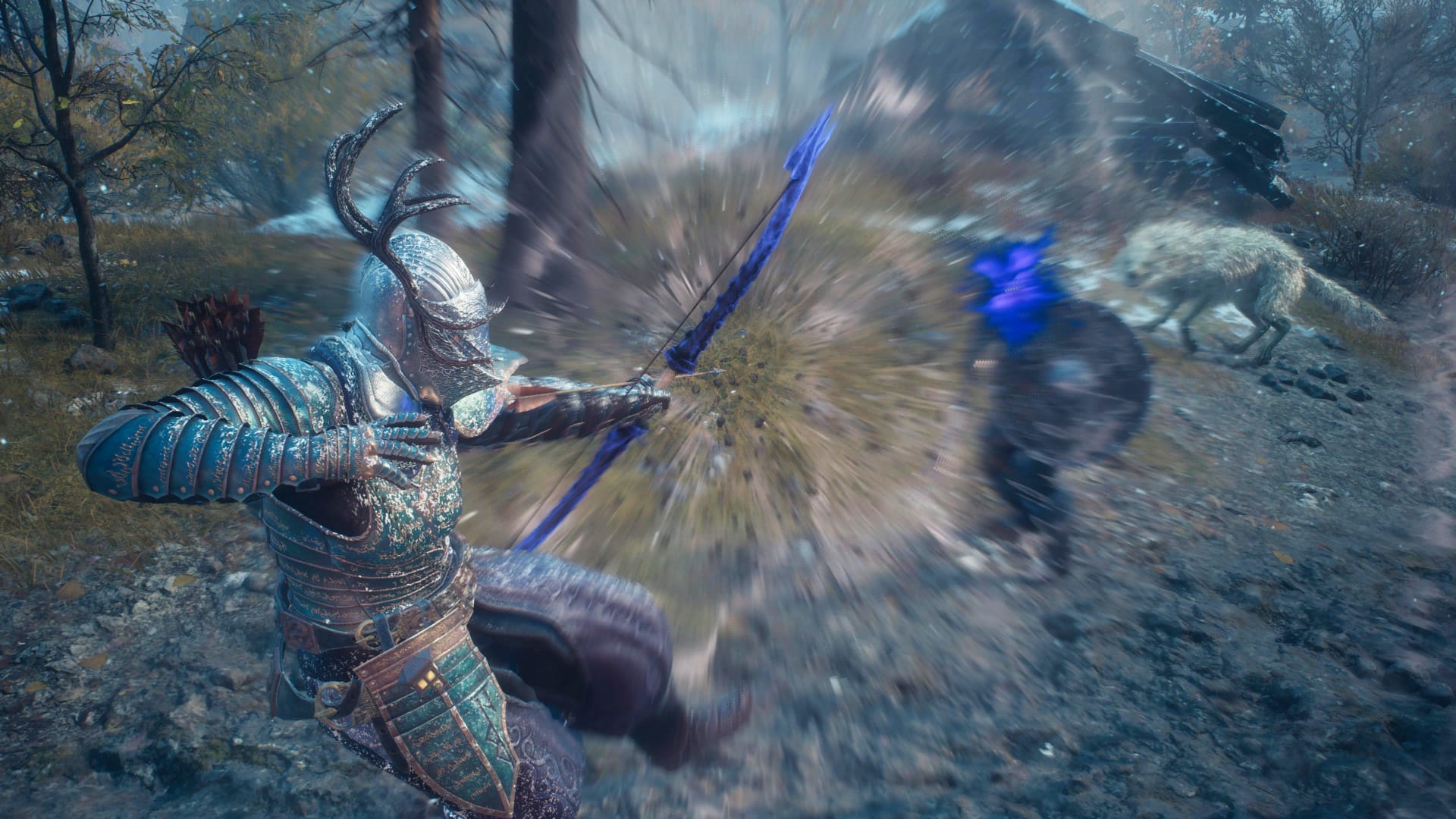
Where this becomes unfortunate for me personally is that there is no shortcut to the Unmoored World, so in order to see all of the newly-added content in the game, I had to figure out exactly which quests in the main plot were required in order to get there and haul ass. This wasn’t entirely unpleasant, but I primarily did this after I finished the main plot in Norgan, meaning I was running through the game like a Viking god, weapons clad in violet flame, one-shotting cyclopses and dragons faster than the music could catch up to me. Again, much of this is on me for not choosing a harder difficulty or wanting to eat my dessert first, but the fact that I managed to mangle the flow of these challenges up this easily underscores just how awkwardly the Lost Rites fit into the game.
That said, Norgan rocks
If I sound entirely negative, I would like to assure you I’m not. Despite the awkward way that some of its pieces fit into the existing structure of the game, Dragon’s Dogma 2: Dark Arisen is a fantastic addition and a must-play for people who enjoyed the main game. Yes, I wish I was not drowning in mountains of needlessly similar loot, but the way Norgan comments on the circuitous lore of the game and serves as a thematic echo to Bitterblack’s story is fascinating to parse out. And while the new area is clearly balanced from jump with Eternal Ferrystones in mind, the game pushes back against this by introducing a whiteout mechanic that both prevents fast travel and temporarily snowblinds you by removing the map. In addition to this, the game adds a chilled status, which kinda functions like frostbite and must be constantly mitigated with gear or special warning items. This kind of sudden conditional and intermittent friction is itself an interesting compromise, although I wonder if the novelty of something like this would work in the context of a full sequel.
Dragon’s Dogma 2 was the final goodbye from series creator Hideaki Itsuno as he left Capcom, a goodbye to a series conceived of in childhood. There is a melancholy to that, and it is hard not to feel a tug at your heartstrings when viewing the final (true) post-credits shot in that light. But Dragon’s Dogma 2: Dark Arisen was helmed by the director of the original Dark Arisen as well as the much beloved Dragon’s Dogma Online, Kento Kinoshita. There is a clear continuity here, should the series continue.
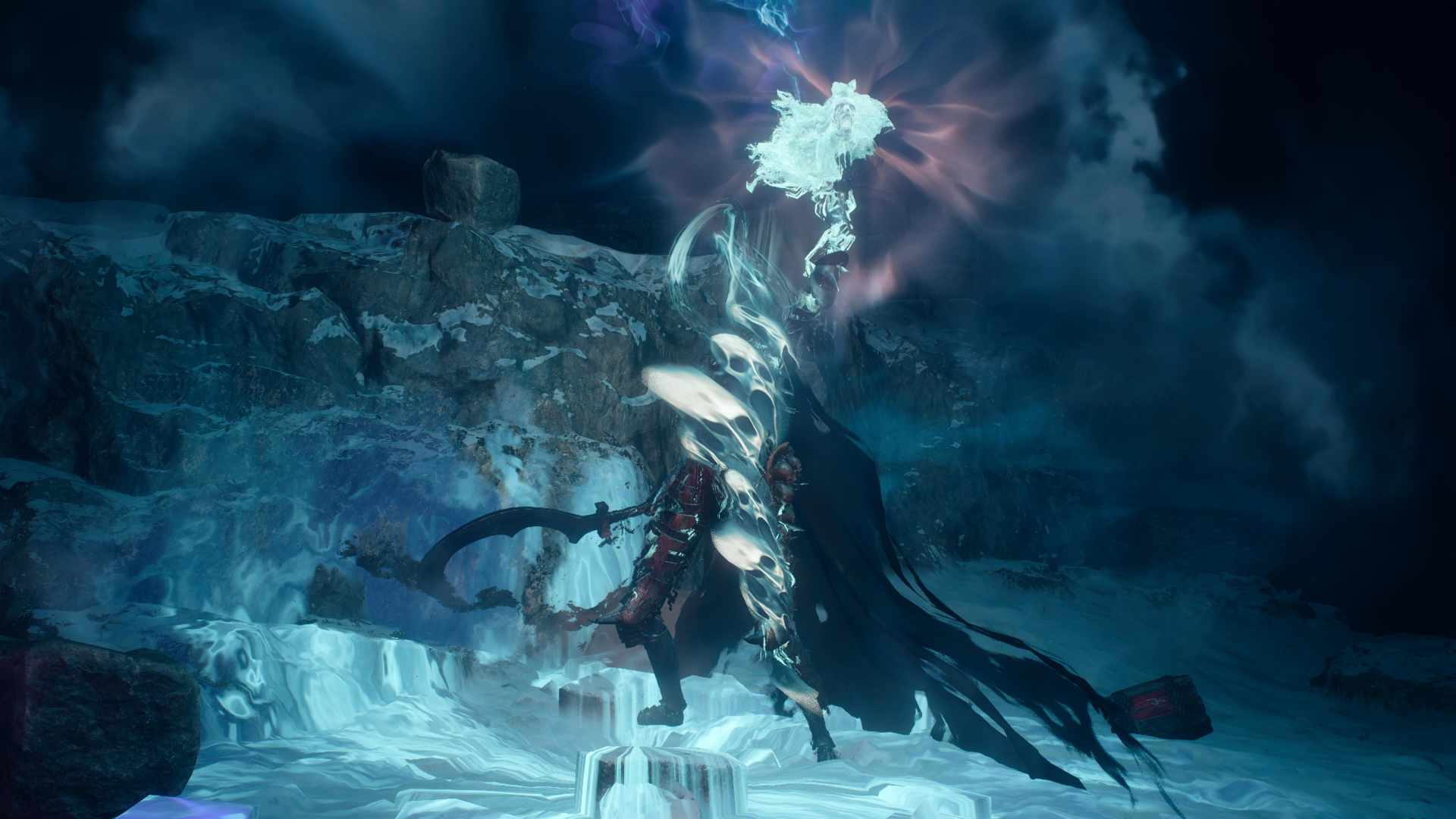
The new Dark Arisen expansion to the game fits strangely in the context of the base game, an attempt to please multiple fan bases with conflicting desires, but it succeeds most when viewed as an isolated game. Both the expansion and the meticulous attempts to balance the game have done a lot towards creating a smooth experience for the most number of players. The execution on some of the final monster designs in Norgan are among the series’ best and most creative, from lesser demons and a frankly disgusting variation of a Blemmyae that looks more like if an abominable snowman was 90% jaw. The story is also just more consistently and elegantly told, a problem that the series has intermittently suffered from for a long time even when its grander narrative is rewarding.
The fact that this series has a renewed fanbase gives me real joy. I don’t know what Dragon’s Dogma looks like going forward; my worry is that the strangeness that made the original (or even the Unmoored World) special both narratively and mechanically could get sanded down over time. I hope my fears are unfounded, that they find a way to remain both bizarre and viable, because technically speaking they’ve never been on more solid footing.


