

I don’t really understand what Mark Zuckerberg wants out of VR any more. Instead of wrapping things up and taking the more than 80 billion dollars they spent on VR on the chin, Meta announced Wednesday a new pair of VR “Glasses”. They cost $1299, and every single choice they made is more baffling than the last. I do not know who these are for.
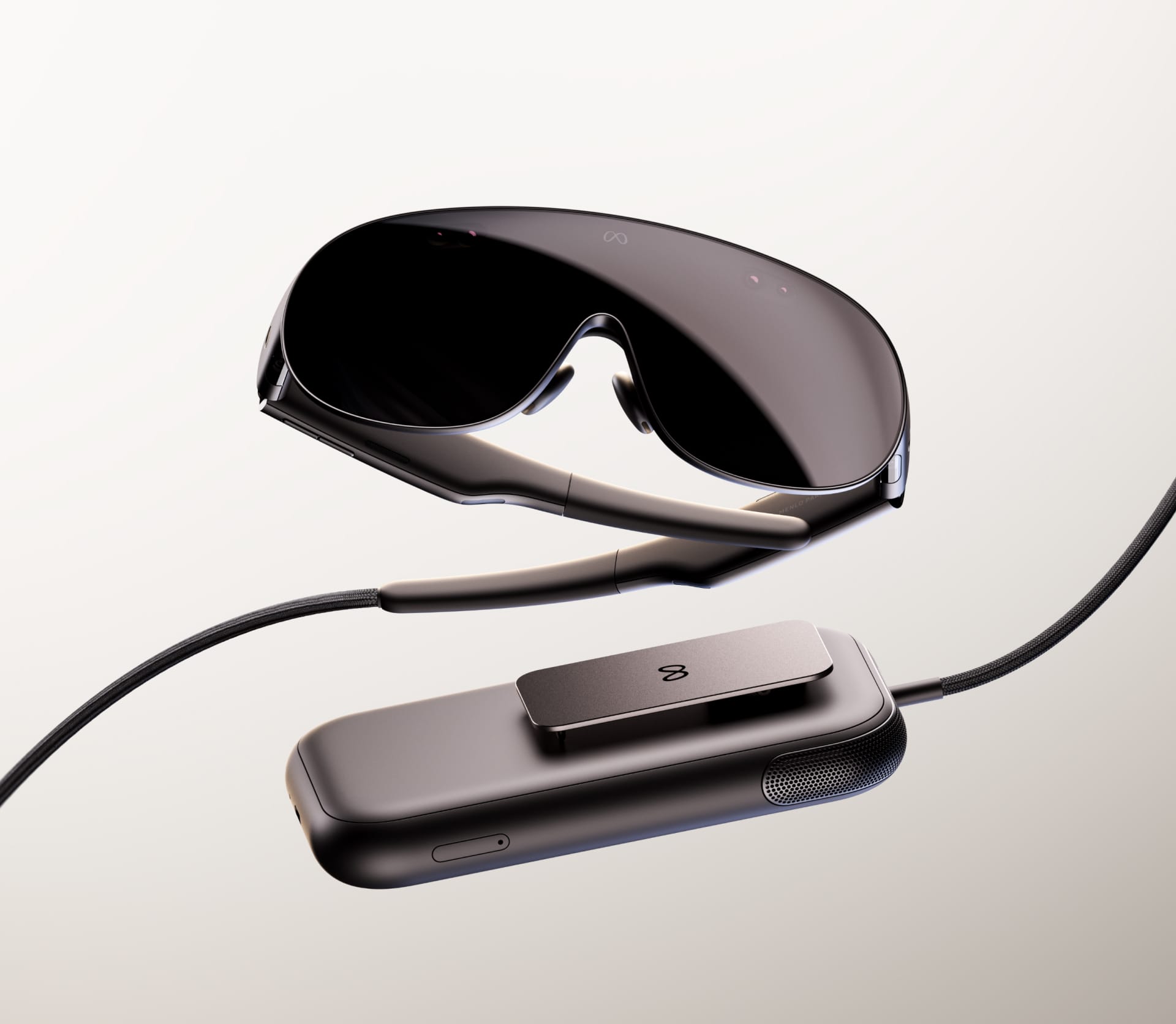
Don’t get me wrong, I’m sure the hardware that is powering these things is solid. Despite making questionable decisions, the people who work on these devices are talented. The Meta VR Glasses look less like a VR headset and closer to normal sunglasses, the kind of Blue Blockers that an elderly grandma would wear for cataracts. They are lightweight, itself a goal that VR has been chasing for a very long time with devices like the Bigscreen Beyond. They have micro OLEDs in them, similar to the ones found in the Apple Vision Pro. But the more I think about the many design decisions that went into this, the more baffling it becomes.
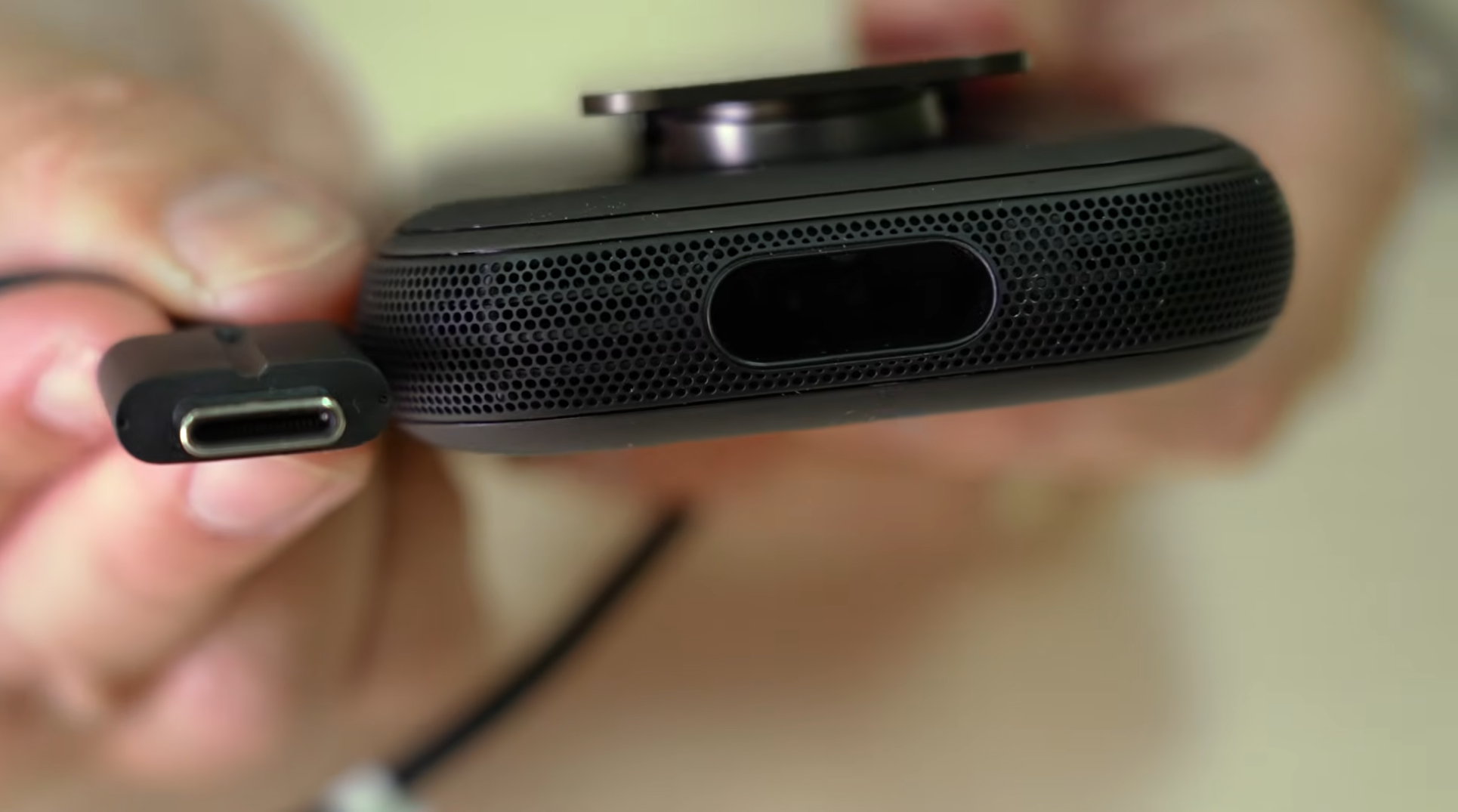
Let’s start with the combination battery and processing unit device. Meta’s solution for weight is to take both the battery and the CPU, shove it into a little box, and then put it in your pocket. This makes a kind of sense, although Meta is smart to obscure the wire in a lot of their PR photos. You may be wearing glasses, but you are still tethered. It comes with a paltry 128GB of onboard storage but, like the Steam Frame, flash storage can be added. Also, like the Vision Pro’s weird ass Magsafe connector, the connector that Meta is using is proprietary, which I find annoying but unsurprising.
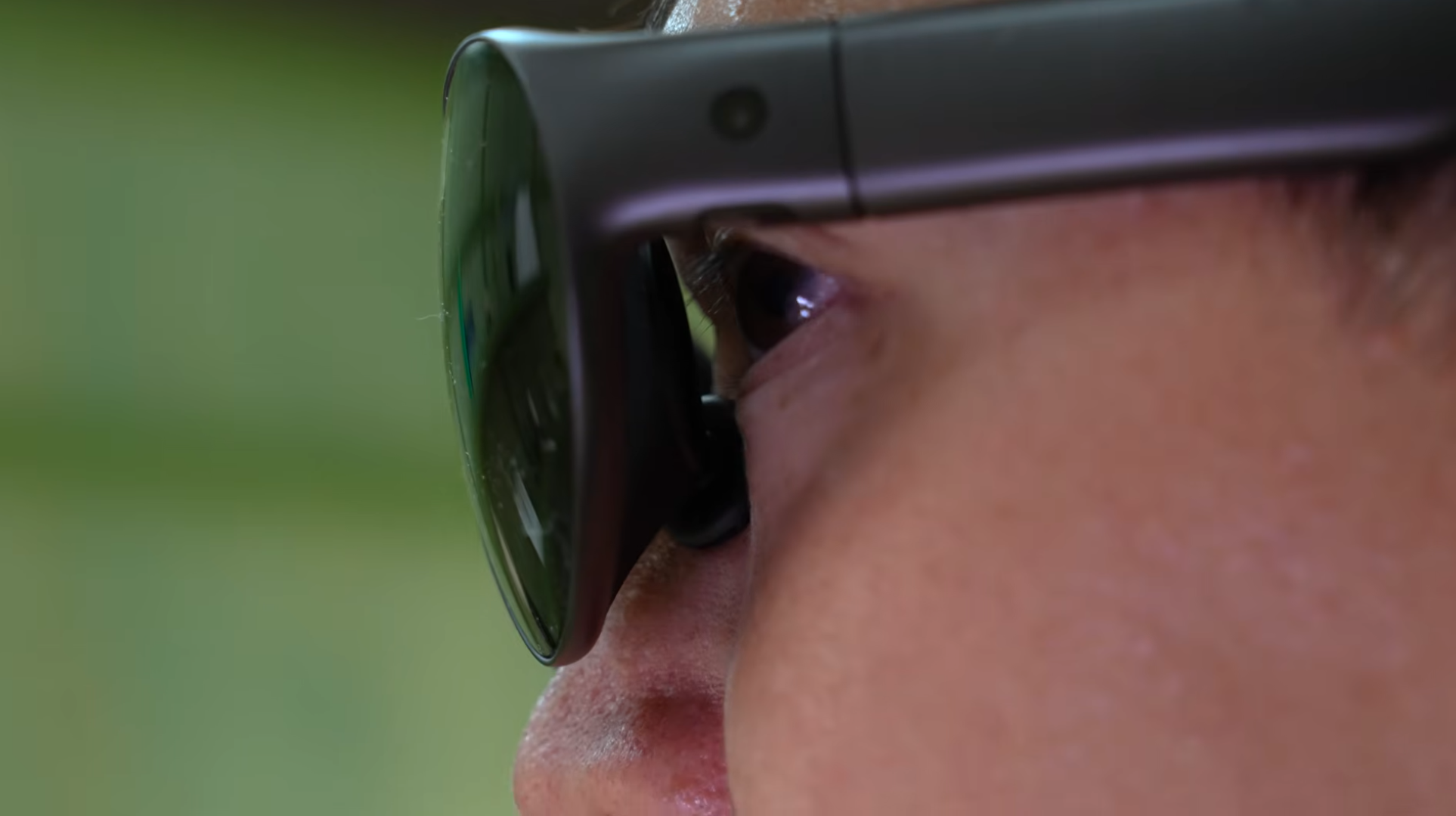
Displays are tricky in VR. You are constantly balancing between the depth, brightness, persistence, cost, and field of view. Meta here opted to use OLEDs in these, which is nice for their imagined audience, but that comes at a cost. The Meta VR Glasses have a 70 degree field of view, smaller than both the Quest 3 and Frame. In addition to this, your field of vision is not blocked off from the outside world by default. Light leaks in from the outside unless you add additional blockers as an accessory. Also optional are controllers, as the Quest uses hand gestures for a lot of its interactions, and any tether to prevent the glasses from flying off your head in any sudden movement.
Meta has claimed that the Meta VR Glasses are a new product category and are not a replacement for the Quest. They clearly value wearables more at this point than the market for virtual reality that they have strung along. The product page for the device seems more concerned with productivity and watching movies than it is games, and while they have reworked Beat Saber and “over 75 VR games on day one” to work with hand gestures, the image they went with to promote gaming is closer to the bottom and features XBOX cloud gaming.

The Meta VR Glasses are not for VR enthusiasts; they’re for upper middle class people who like watching movies on planes and have a spare $1299 lying around primarily to do that. Meta clearly saw the Apple Vision Pro (and, to some extent, the much cheaper XREAL glasses) and thought “we should do that too but cheap” instead of asking the same fundamental question Apple should have, which is “who are these for?” Both companies are trying to zero in on a future of wearable “creep-tech”, to quote Janus Rose at The Verge, that many people are rejecting like a foreign body. The phrase “pervert glasses” has stuck, and can’t be unstuck. And the Meta stink is spreading to Apple every time they try anything remotely similar, as YouTuber Marques Brownlee pointed out about the recent “Audio Intelligence” feature in the Apple Watch. A VR headset is one thing, but would you trust Meta with a computer? Do you trust them with a troubling AI Tamagotchi that listens to you? This is the same week that 404 Media revealed Meta was having its new Muse AI agent make phone calls using real people in call centers. In what world can any audience of substance reasonably be excited for this?
In trying to be cool, Meta made themselves even more juiceless and offputting. Every new announcement they make is alien and offputting. They created a piece of hardware for a vague and ill-defined audience, further proving the truism that Mark Zuckerberg Is Never Right. If they had just put out a nicer version of the Bigscreen Beyond I’d at least see the utility, despite not wanting to touch it. Instead, they made a VR headset with less RAM and storage then the Steam Frame, that costs more money, that has no controllers, that can’t immerse you without accessories, all in the service of a vision of the future that I don’t want to live in.


