

I’m looking into BT-7274’s camera–I guess you could say his eye–and he’s looking back at me. He’s not looking through the screen, he’s looking into my eyes and my soul. I’ve played Titanfall 2 so many times, yet it’s never felt this intimate, because I’m playing it in VR, which should not work, and yet against all odds it does.
Since getting the Steam Frame for review I’ve been on the hunt for fresh VR games. As with emulation, this can be a bit difficult, as a lot of fan projects are lazy and slopped up, with little care for the implementation. The difference between a fly-by-night project and one by a creator who cares about the implementation is huge. Recently I played NomaiVR, a VR mod for The Outer Wilds. The care put into it is so thorough that I would consider it the definitive way to play the game if you have access to a headset and a PC.
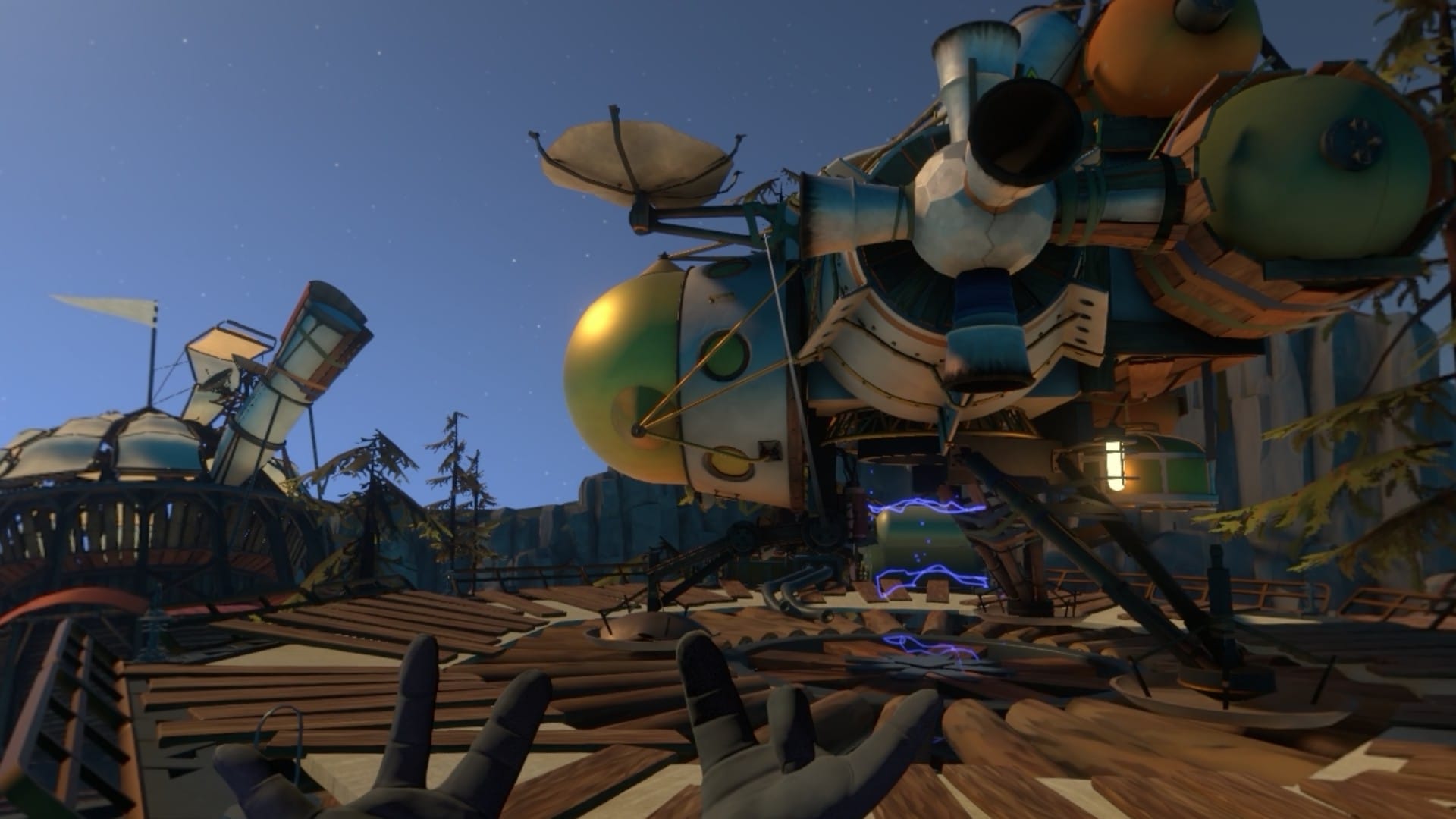
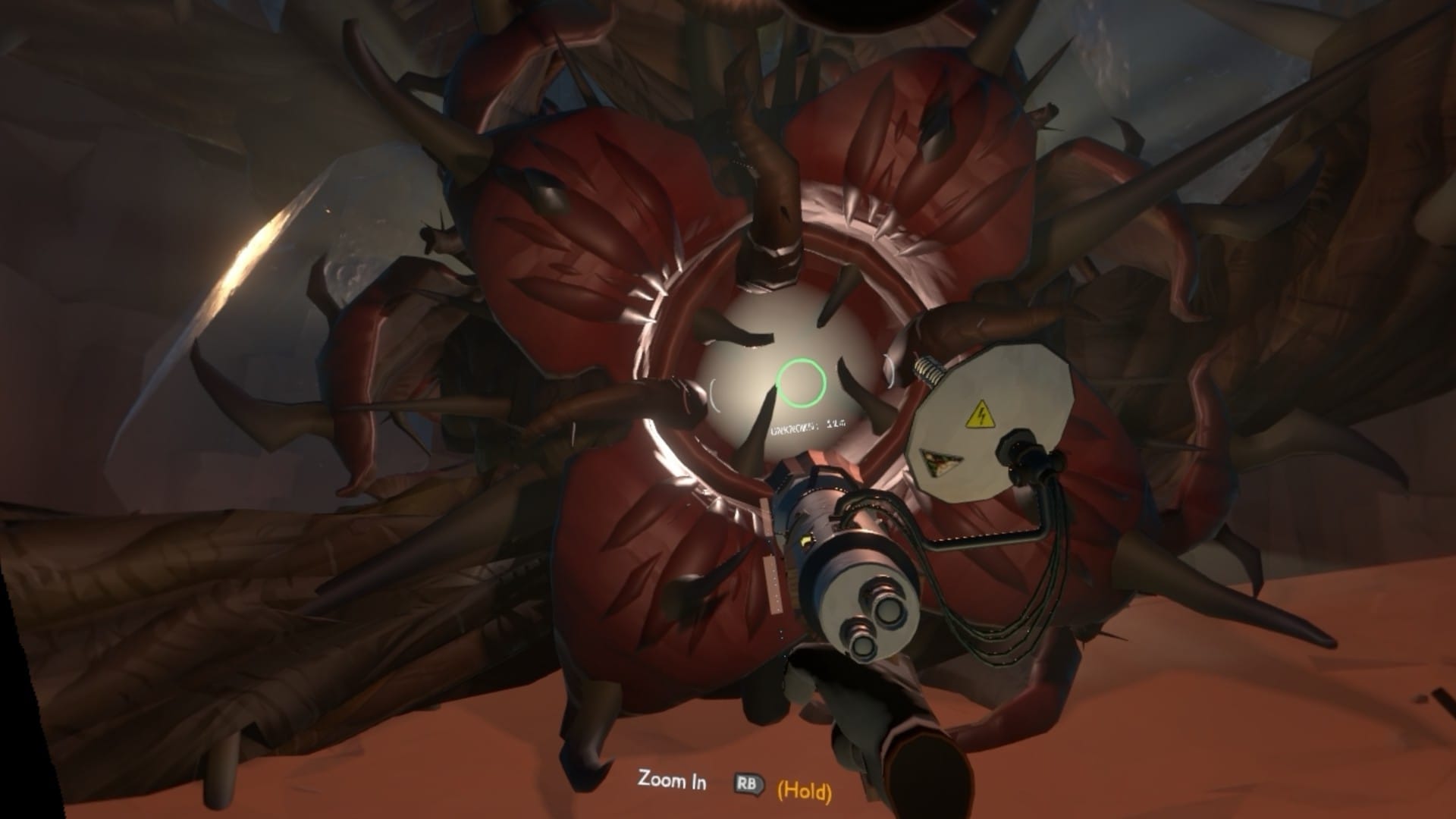
I cannot recommend NomaiVR enough if you like The Outer Wilds.
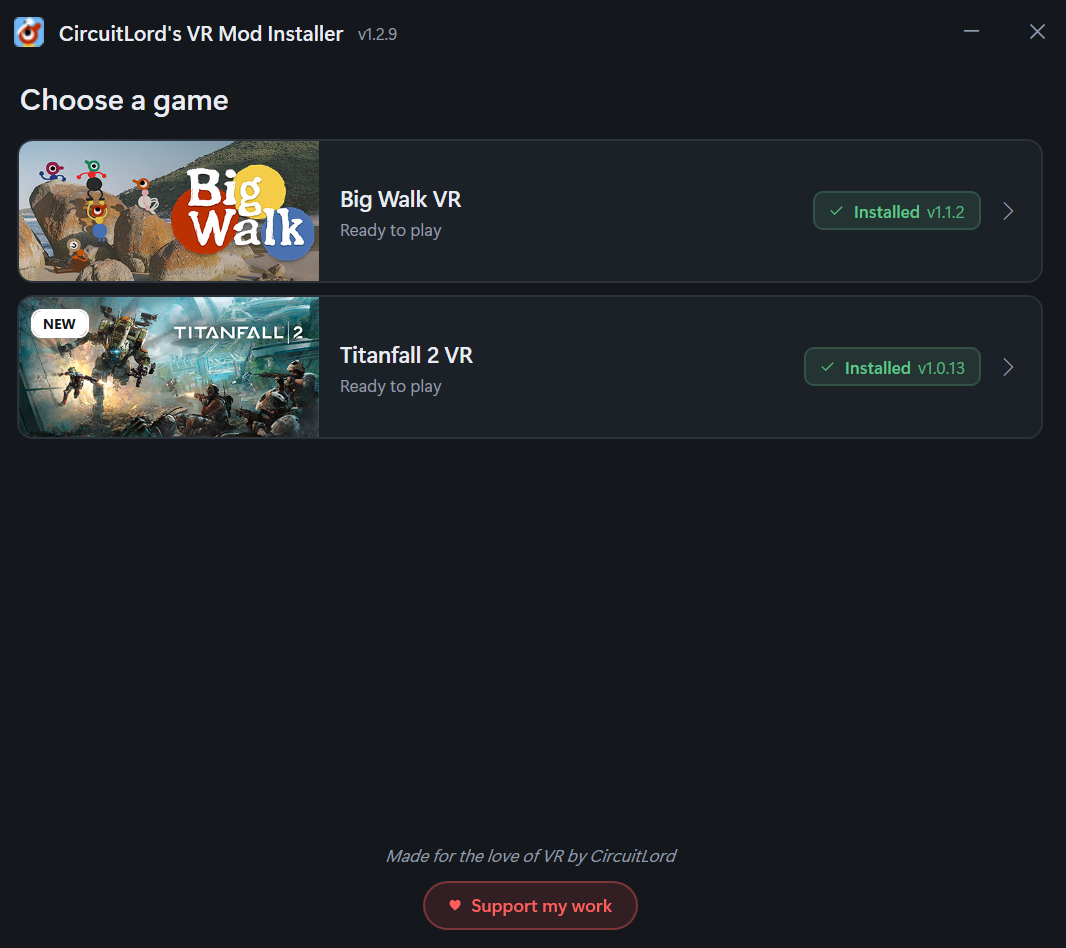
Titanfall 2 VR is created by CircuitLord, who previously worked on the also wonderful Big Walk VR mod. Both mods are packaged together in the same launcher, an odd pairing to be sure. In the case of Titanfall 2 the mod gives you clear instructions on how to install and launch it, and you’re playing the game in a few minutes. The experience is PCVR, so if you have a Frame, a Quest or any headset you can connect to the PC it should work.
Once set up, I became obsessed with the specific ways CircuitLord handled the conversion. The mod features fully articulated fingers and limbs with a reloading and cocking system not dissimilar to Half-Life: Alyx. Reloading is done by ejecting magazines, grabbing a fresh one from your backpack, jamming it in, and manually cocking the gun with a secondary hand. How that works mechanically varies depending on the gun you choose; oftentimes the process of figuring out exactly how to reload a gun is a process of trial and error done under duress.
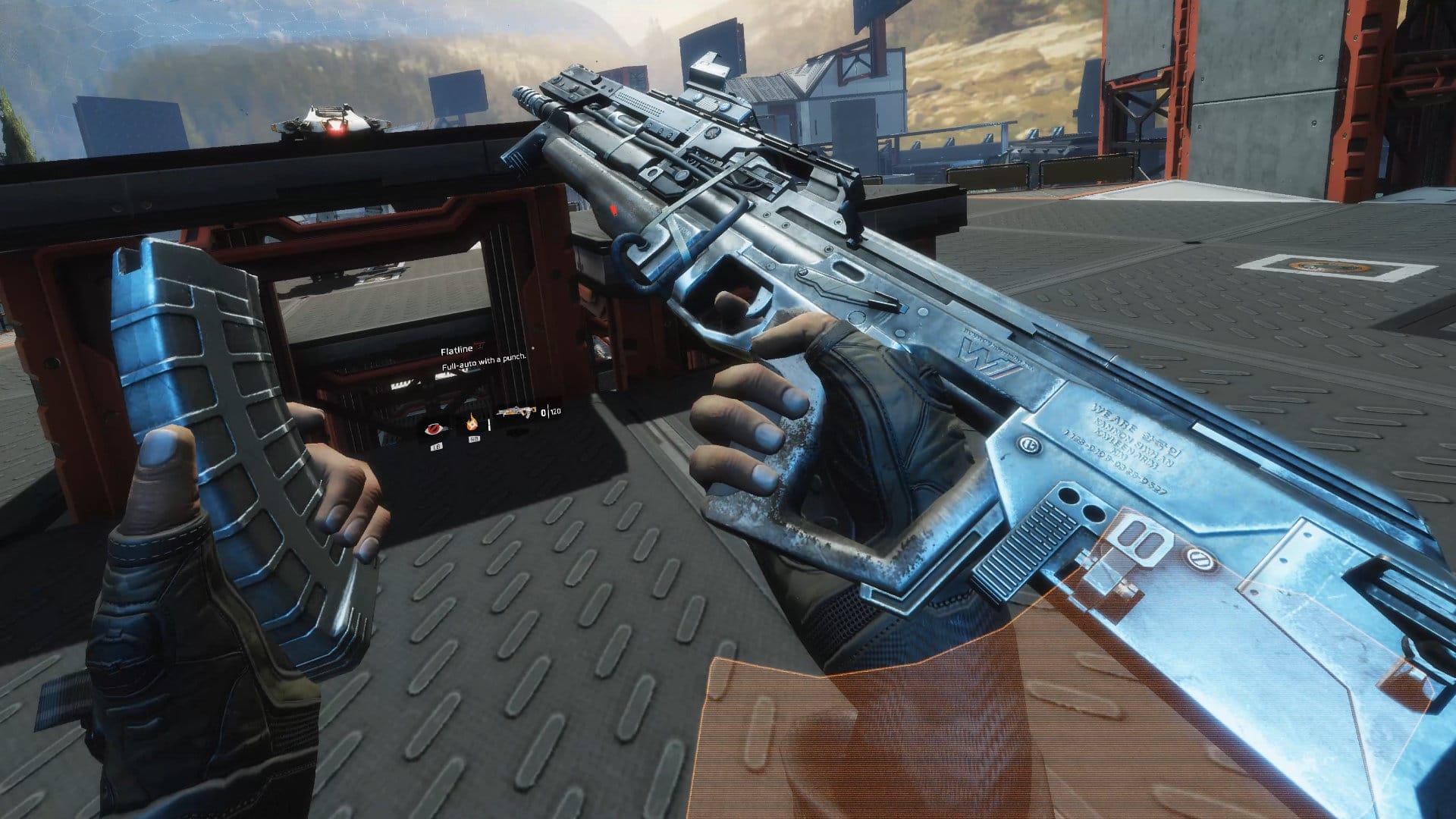
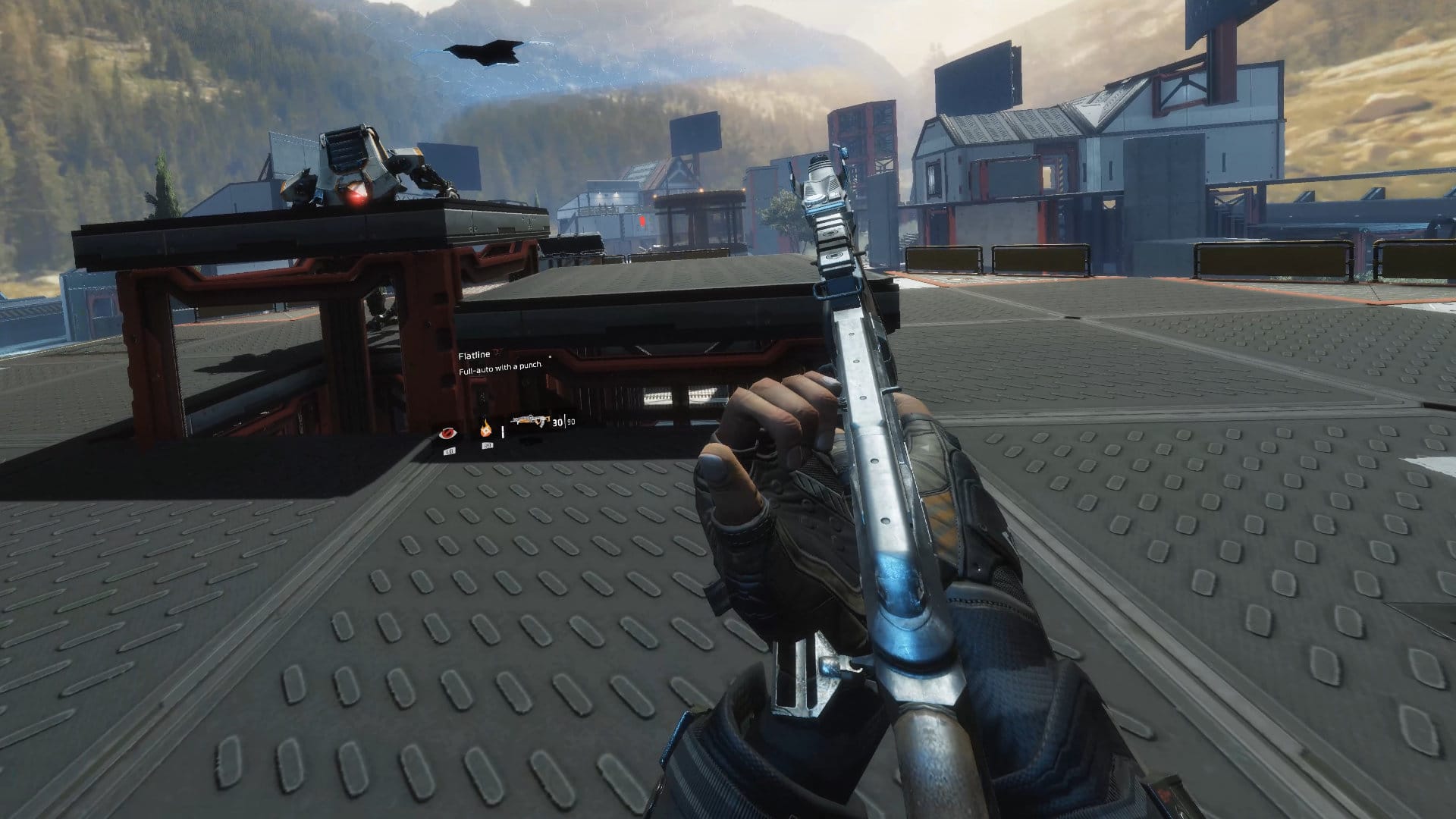
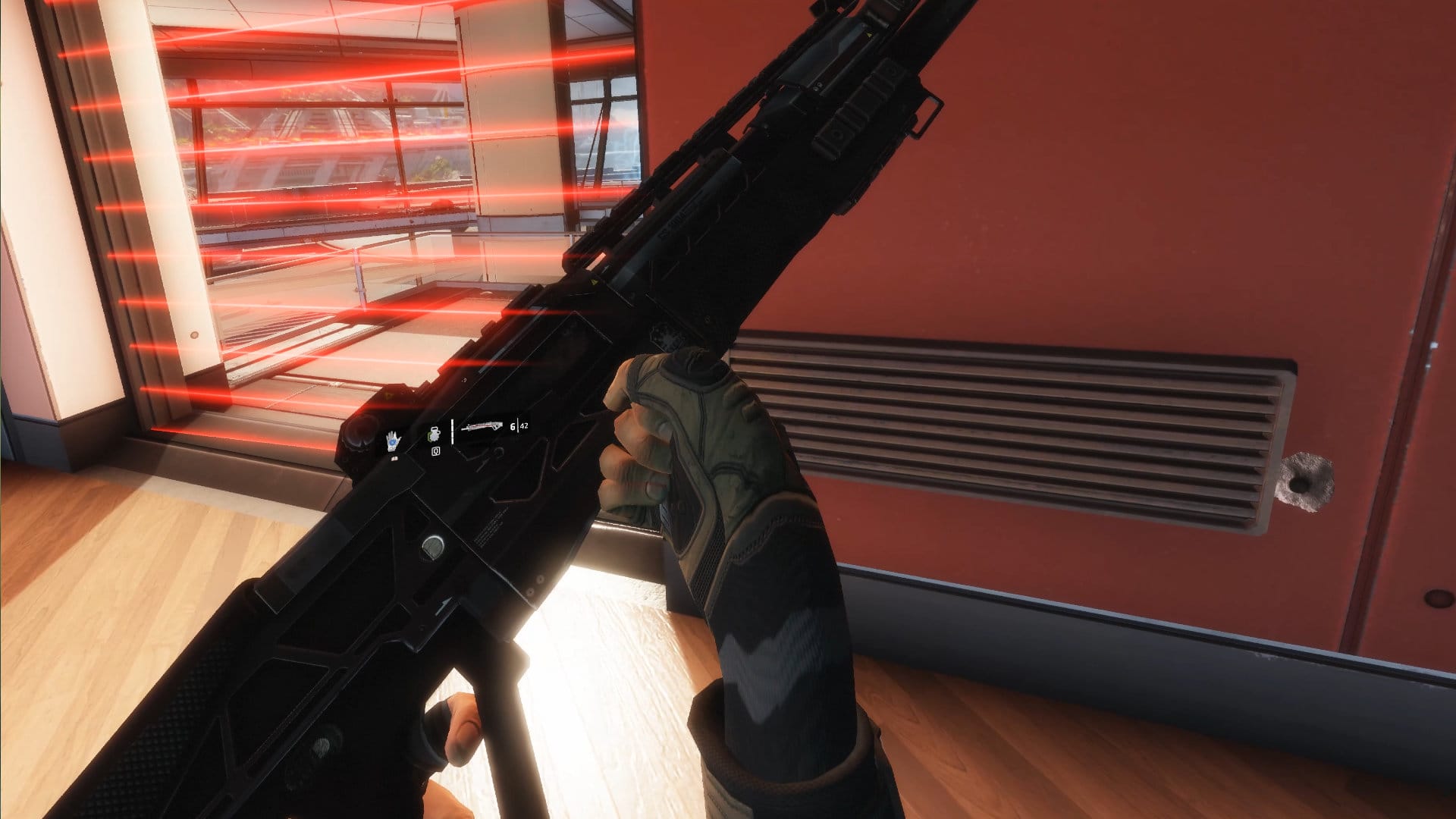
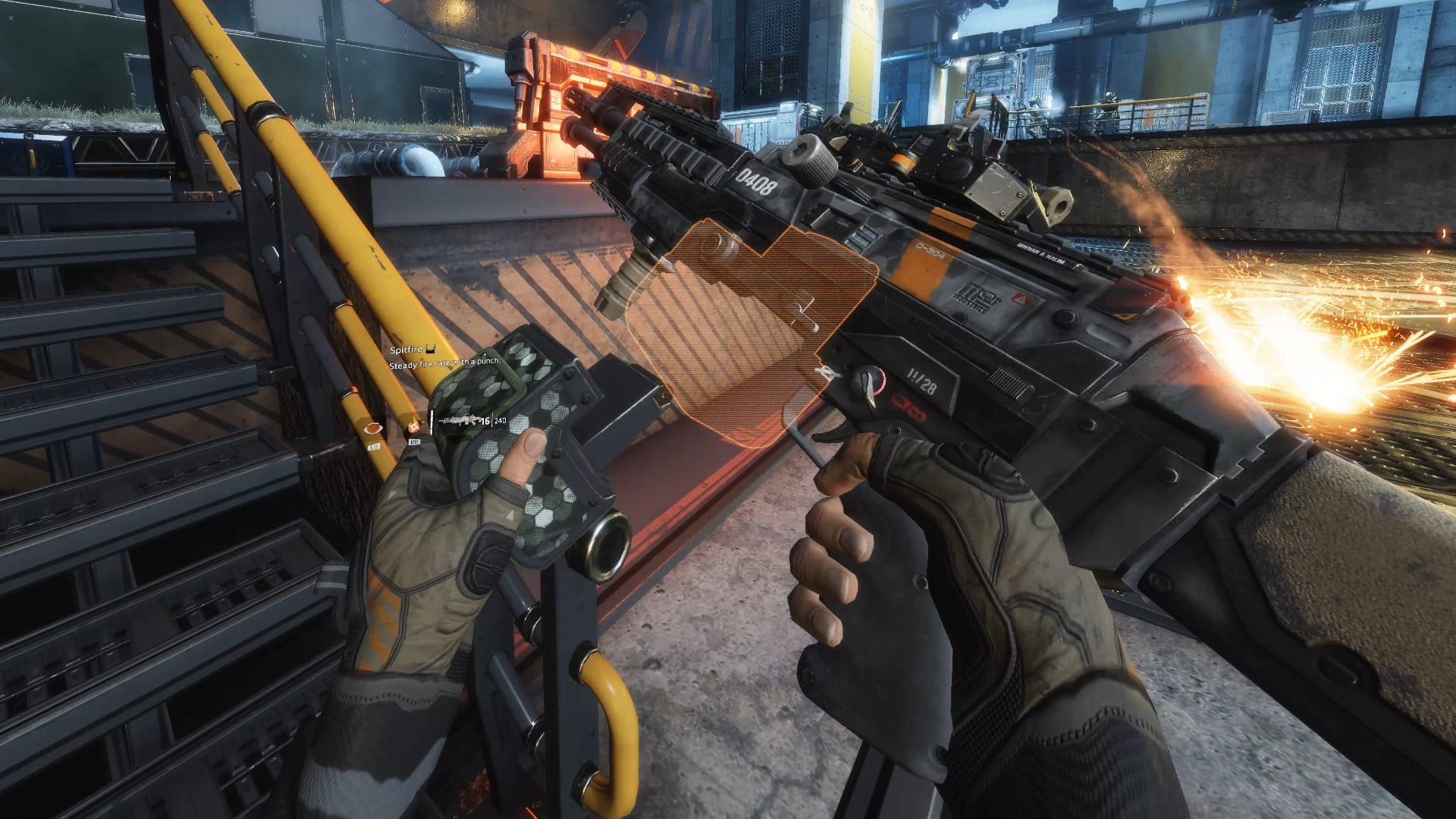
Reloading by hand takes some getting used to but if you've played Alyx, this is the next step up.
Rifles can be aimed one handed or with two hands, although two-handing a gun in VR is intrinsically tricky due to the lack of a solid base of a physical connection between both hands. But a nice added touch is that the secondary grip for the gun can be used to hold the gun as well to temporarily free up your primary hand. Some guns, like the L-STAR, are more involved with a trickier sweet spot, while the Mastiff requires individual shells to be loaded in. Holographic sights and scopes are rendered with shocking depth, and the guns with real optics have proper scope shadow, a detail that makes using them much harder to aim but forces you to adopt a realistic form to hit the sweet spot.
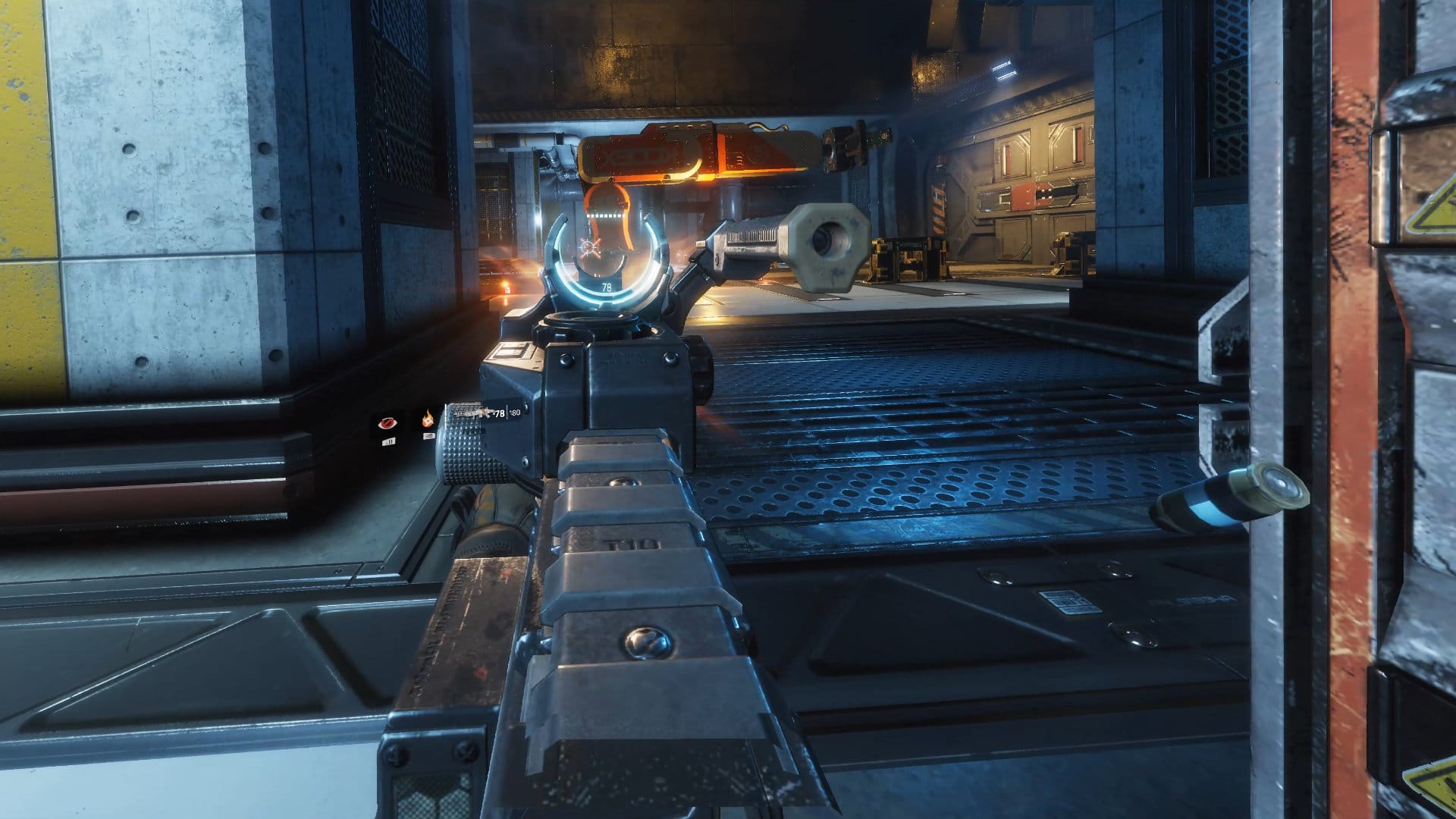
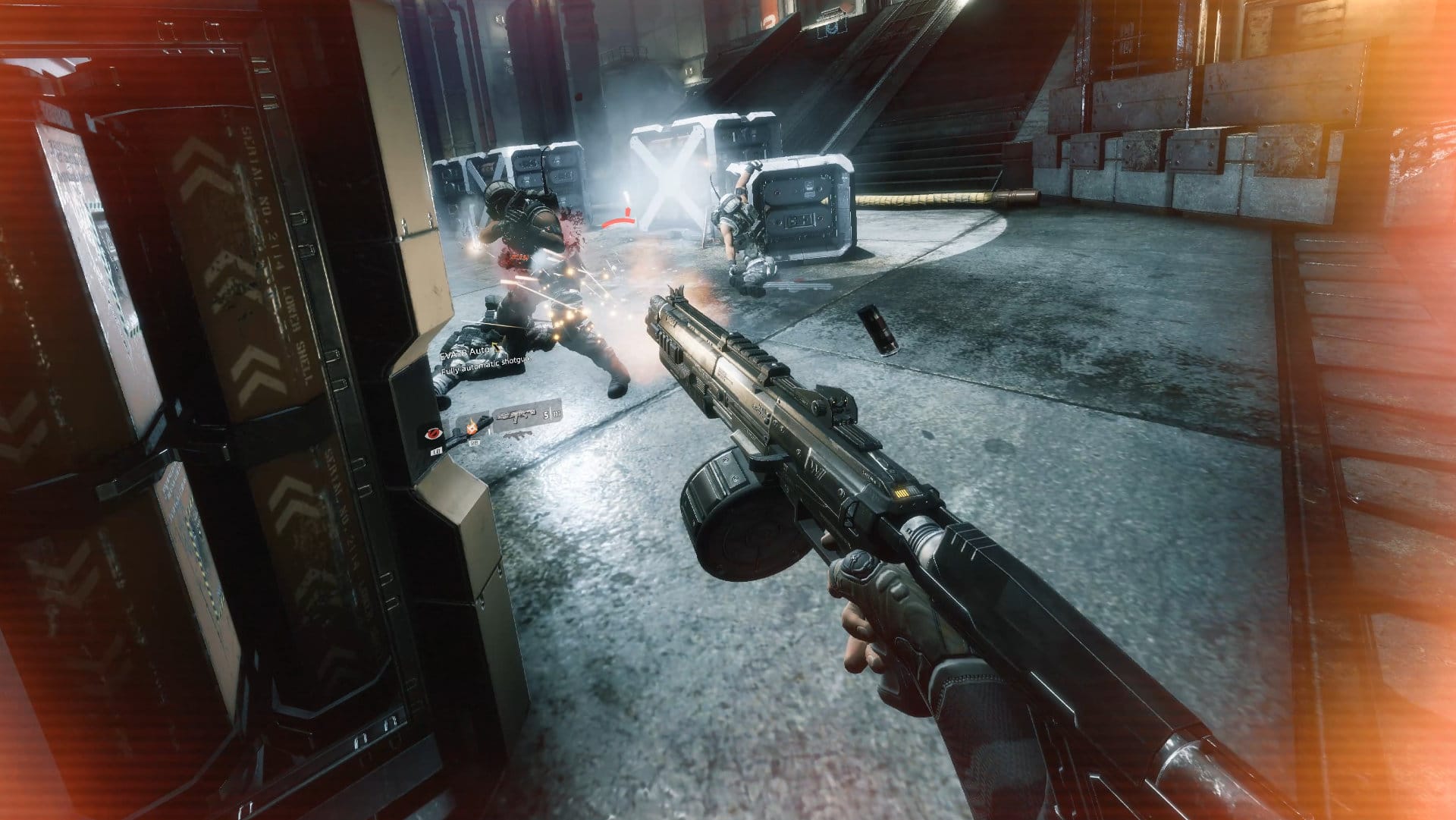
The holographic sights function correctly to make sure you are lining up your shot. VR allows you to blind fire around corners with a shotgun. Holding a secondary grip point appears to make your shots more stable too.
Certain actions in VR are always kind of wonky, and a game like Alyx only works because of extensive playtesting, but full VR conversions are often limited to the parameters of the game chosen. The contradictions of this can be seen with the gargantuan Kraber rifle, the game’s equivalent to a Barrett .50 caliber sniper rifle. Since the magazine is loaded on the left side it is most comfortably used on the right hand. But because the bolt handle must be pulled between shots, you have to reach over the gun every single time. I don’t fully consider this a negative, as it underscores the absurdity of using an anti-materiel rifle while wall running. Getting good at such a complex action is a challenge unto itself.
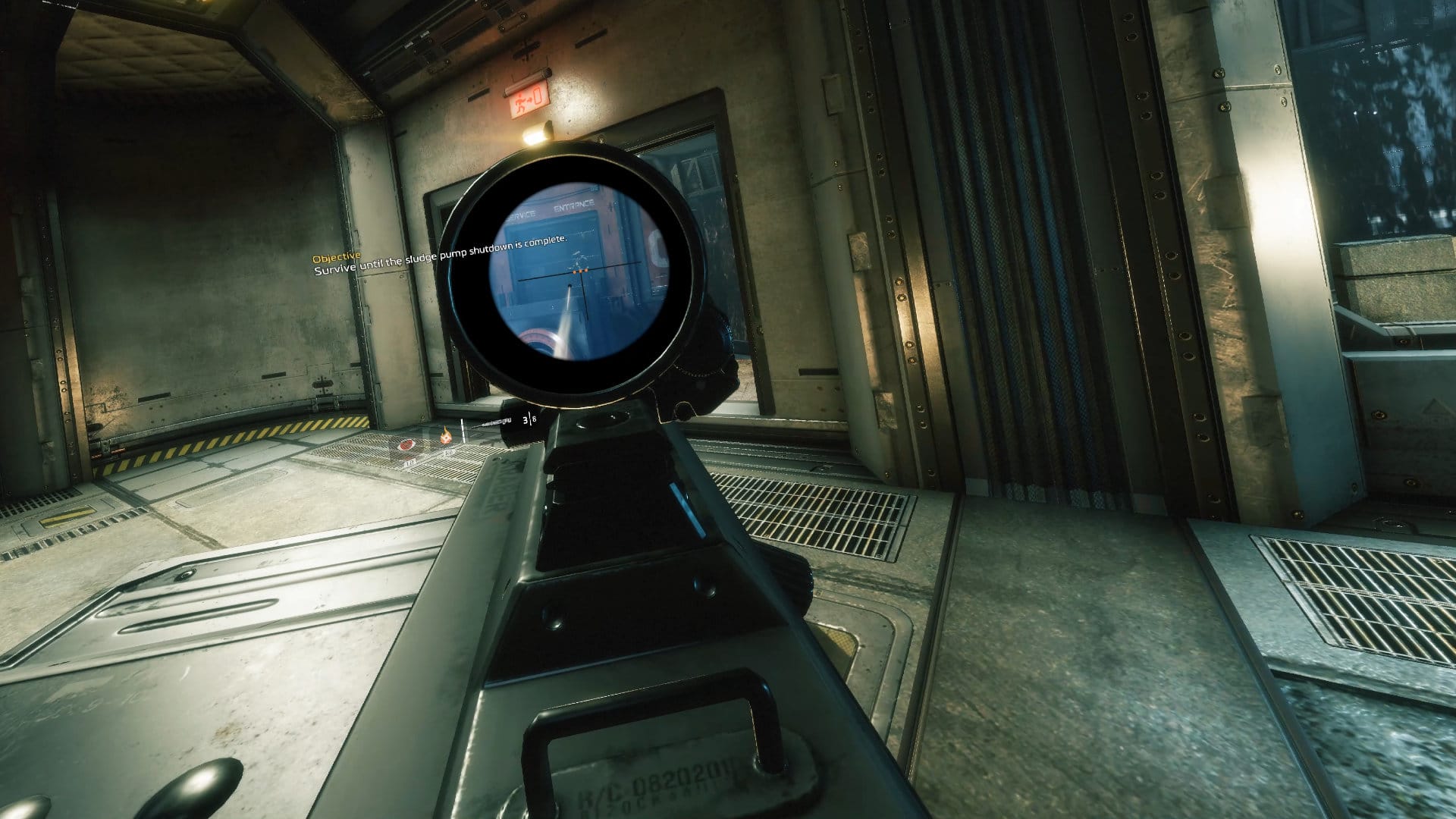
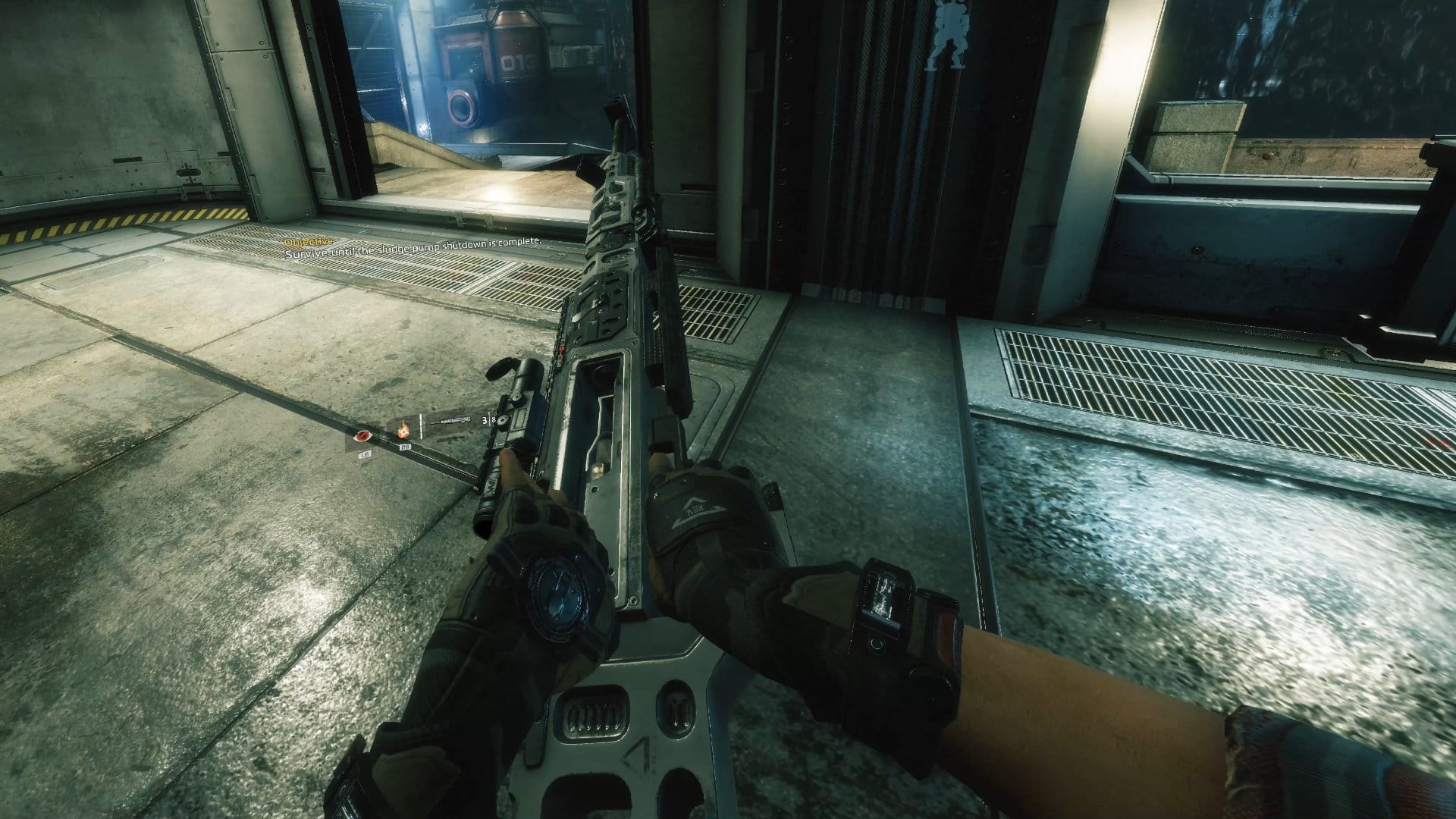
The Kraber is a huge pain in the ass to use. It should be.
Grenades are on your chest and can be ripped off and thrown, and your cloak is activated by your offhand trigger. You can hold two guns at a time, and your secondary weapon is on your left hip by default. I partially wish I could switch hips or even switch guns in the same hand like Alyx lets you do by clicking a stick and moving in a direction, because the task of managing different weapons is a little tricky to navigate. Oftentimes I’d keep a full EV-8 Auto shotgun on my side and just pull that to blast someone if I didn’t have time to reload.
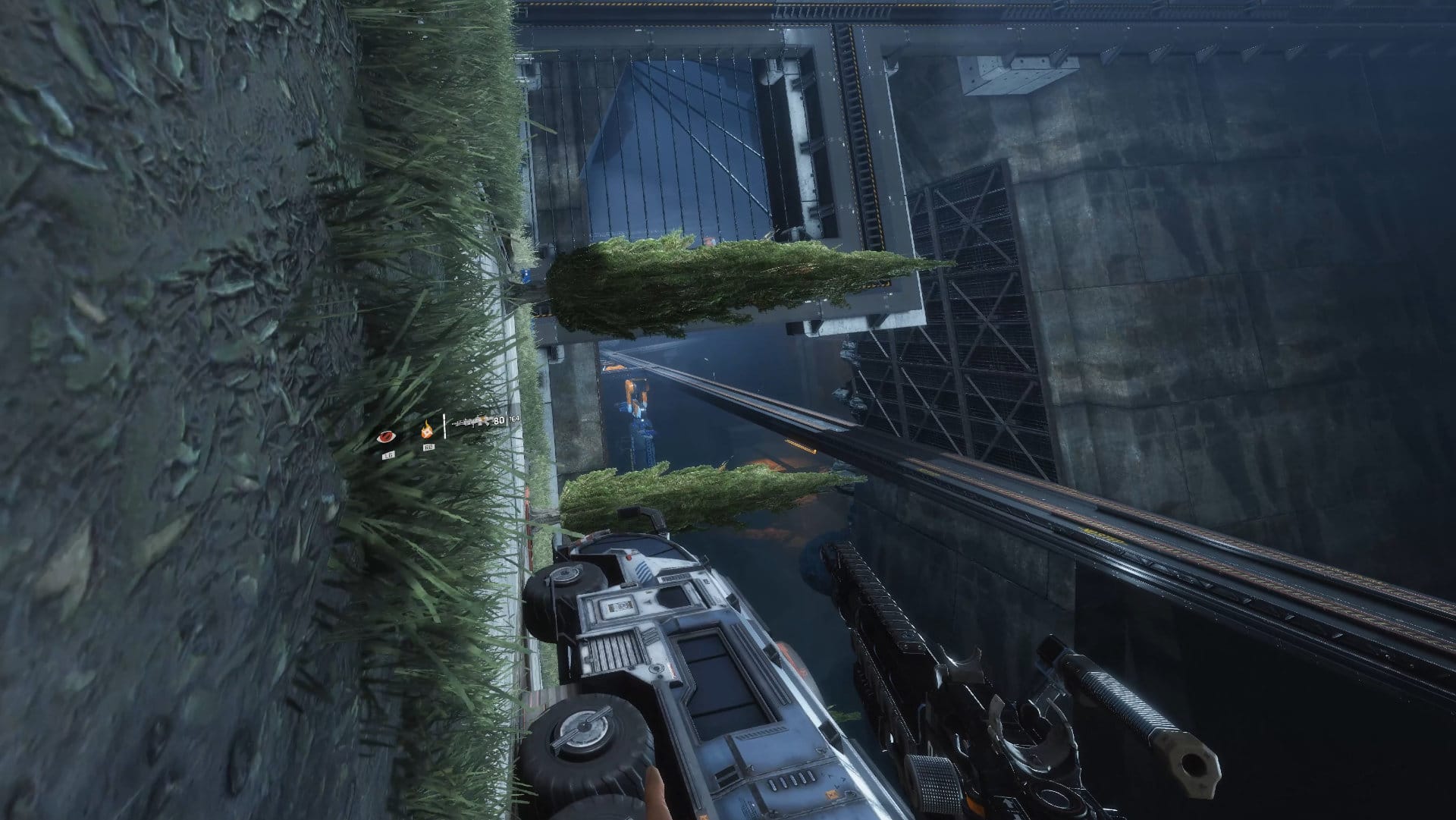
Crouching and sliding is done by flicking the stick down or by literally crouching, and when combined with the wall running and double jumping, the game retains a startling amount of the kinetic pace that it is known for. Despite the sheer speed of wall running, I never once got motion sick. Melee is, like in real life, done by forming a fist and having it make contact with an enemy’s skull, and cloaking behind an enemy and sucker punching him with the force of a truck is always a blast. By default the game presents cutscenes on a floating 2D screen, with the option to force head tracking and 3D in an advanced submenu with a big, explicit warning that forced VR cutscenes are too intense. Having turned it on, I have to agree with the developer, particularly since the camera movement to introduce a boss titan is like having your soul yanked from your body at 40 miles an hour. I have rarely experienced such terror in a game, and I am absolutely glad I turned it on.

Despite the minor hiccoughs that Titanfall 2 VR currently has (unsurprising since it has only just launched), what it does well is transcendent. It is such a good implementation that it could be a commercial product with a tiny bit of polish. Mech combat in VR feels fantastic, lumbering and powerful in the correct ways. Your character’s hands follow your own hands, and BT’s hands follow the pilot’s. Secondary abilities like shields and locking on with missiles are executed by holding the grip button and moving your hand in a direction, an action that takes a bit of getting used to but overall in practice is sick as hell. Some individual weapons, like Ion’s laser blast and core, are aimed with your head. There are few experiences quite like sniping a titan from across the map by looking at it with precision. While in the mech, I was briefly reminded of one of the worst games Evan Narcisse and I ever had to play for work, FromSoft’s Steel Battalion: Heavy Armor, a Kinect-only follow-up to the convoluted Xbox mech simulator. Titanfall 2 VR’s mech controls feel like technology caught up to that game and vindicated its vision.
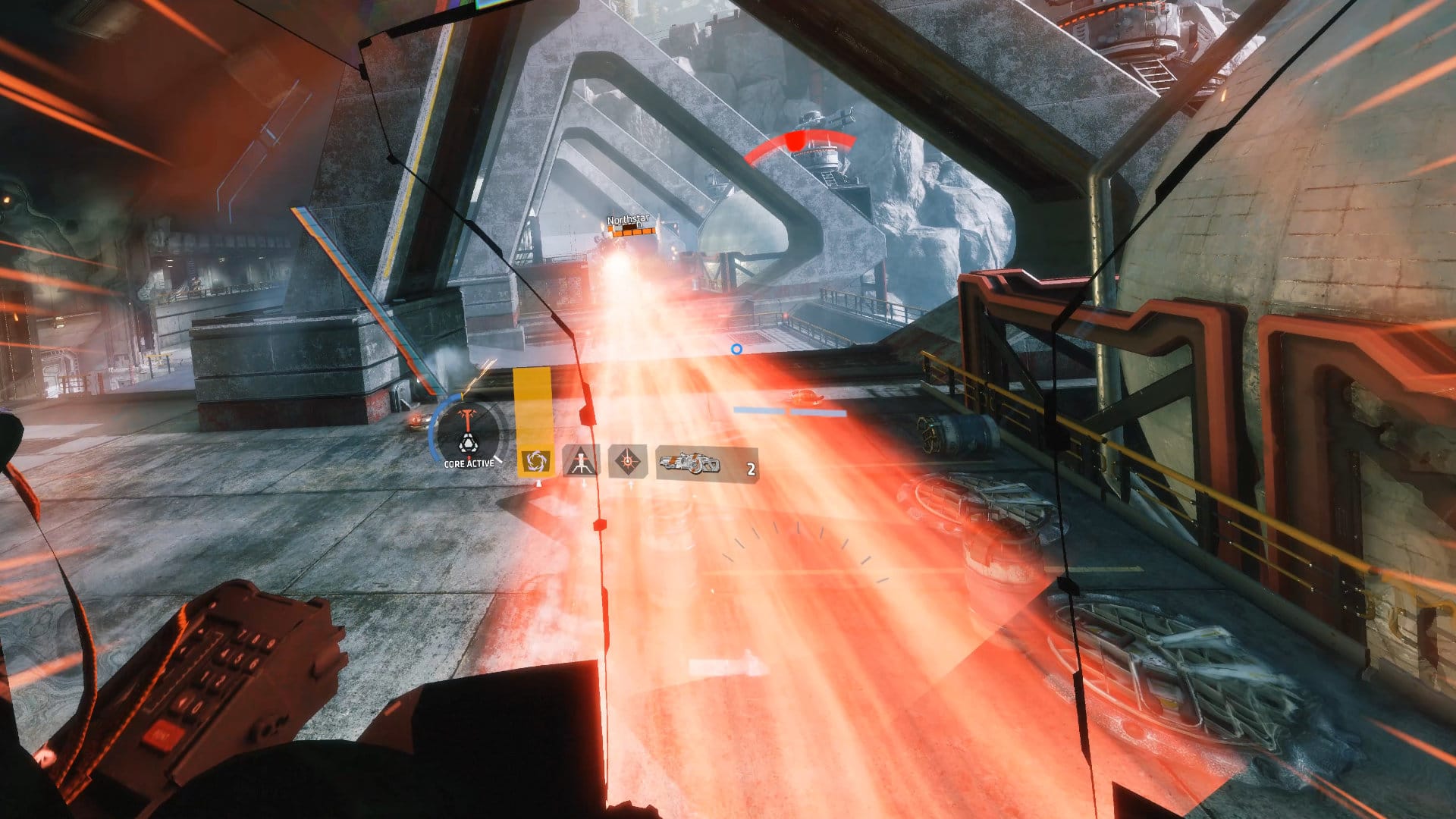
The transition between being in the mech to running on foot, and vice-versa, is exactly as cool as you’d always imagined it could be. Entering BT’s cockpit has an almost maternal quality, that hazy sensation of being three years old and having an adult give you uppies. I felt genuinely present inside BT’s hull. When he loudly proclaimed in a robotic monotone “Protocol 3: Protect the Pilot,” I was overwhelmed with an emotion similar to seeing a good friend alive and healthy after years of silence.
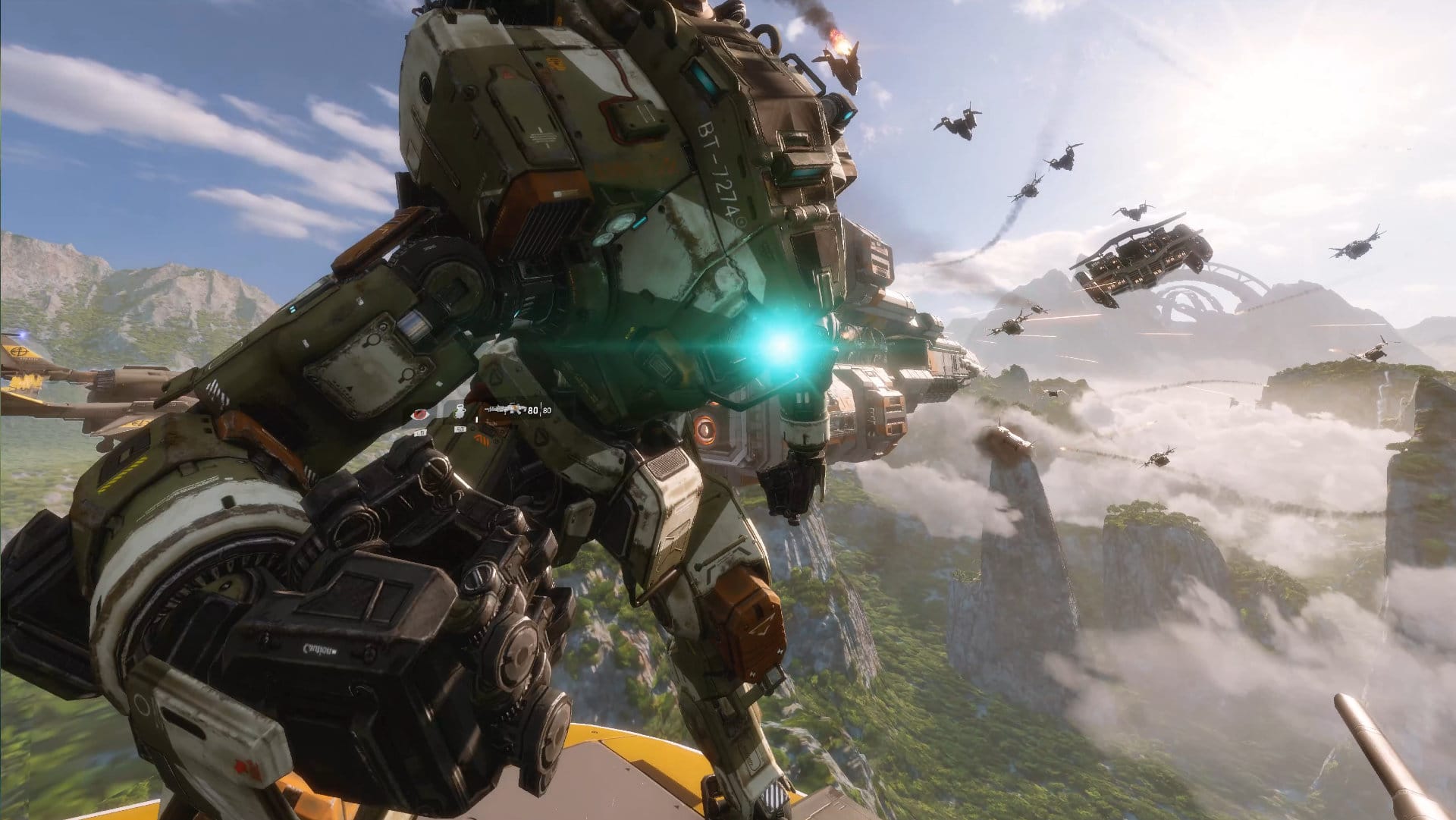
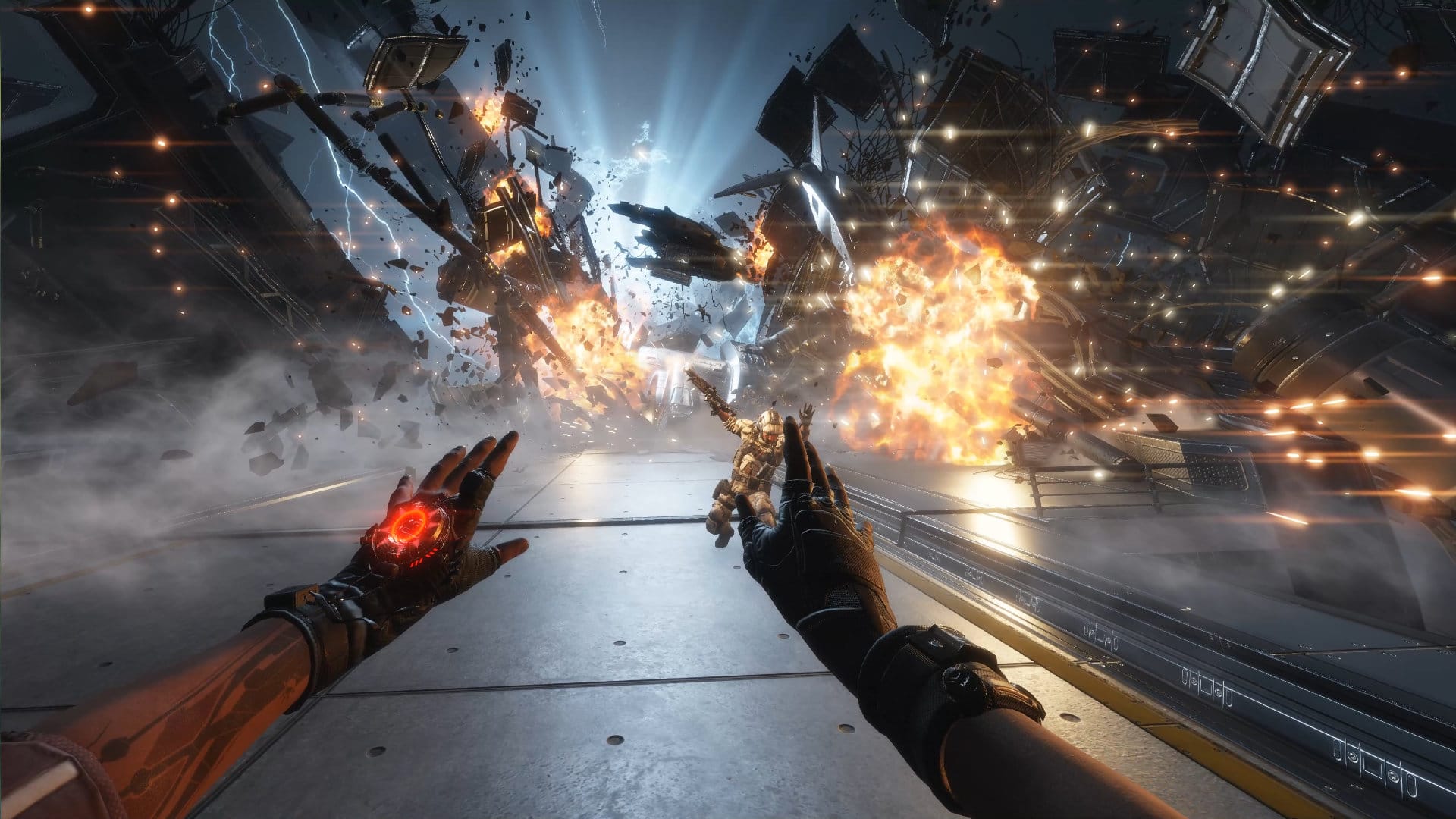
All of these individual VR elements come together beautifully in what must be described as a perfect single player campaign. Titanfall 2’s campaign is still as solid as a rock, and each new area adds a little bit of novelty that works perfectly with the format of VR. The immediacy of three dimensions gives you a new appreciation for an experience like parkouring through a factory that makes fake houses for combat simulations. This harmony between an unimpeachable base game and a mod done with love can be seen in the game’s greatest mission, Effect and Cause, where Cooper finds a glove that allows him to time shift seamlessly between two specific points in the present and the past. What was already a perfect shooter mission is given new life by allowing you to blind fire with a single hand, to time travel behind a guy to give him a concussion, and to experience a giant alien weapon going supernova and freezing time mid-explosion in a manner so tangible that it feels like you’re playing it for the first time.
When I reviewed the Steam Frame and subsequently played Alyx I was excited but left with a sense of uneasiness. The future of VR itself is ambiguous, and confronting the possibility that an experience like Alyx is singular, something that no studio could ever have the budget to replicate, is bittersweet. I’m flooded with a similar melancholy whenever I think about Titanfall 2, a game that I would argue is the logical conclusion to the specific style of narrative storytelling that Valve built an empire on, that breed of linear, narrative first person roller coaster. That same style now feels both endangered and superfluous relative to the moneymaker of online multiplayer.
I had given up on the possibility of another Titanfall 2 long ago, but experiencing it again with fresh eyes in a new context does give me hope for what people can cobble together in VR. It is a beautiful experience that only works because the base game is without flaw and care was taken in the conversion. I could not think of a better advertisement for the merits of PCVR as a platform, something that would not be economically viable any other way. It is a glimpse of what is possible only on an open and moddable platform like the PC, where people can take an old experience and make you feel like you’re playing it for the first time. And it felt so good to see BT-7274 again and to trust him more than most real people I know as he hurls my body through the air at a terrifying and unimaginable velocity.


